Posted in: Holiday Gift Guides by Gino Sassani on December 21st, 2019
I think I see your problem. You have this list. It’s a list of people you need/want to buy a Christmas gift for. The trouble is that they’re into home theatre, and you don’t know Star Trek from Star Wars. You couldn’t tell a Wolf Man from a Wolverine. And you always thought that Paranormal Activity was something too kinky to talk about. Fortunately, Upcomingdiscs has come to the rescue every Christmas with our Gift Guide Spotlights. These gift guides ARE NOT paid advertisements. We take no money to publish them. The kinds of things we recommend here are things I would be delighted to find under the tree.
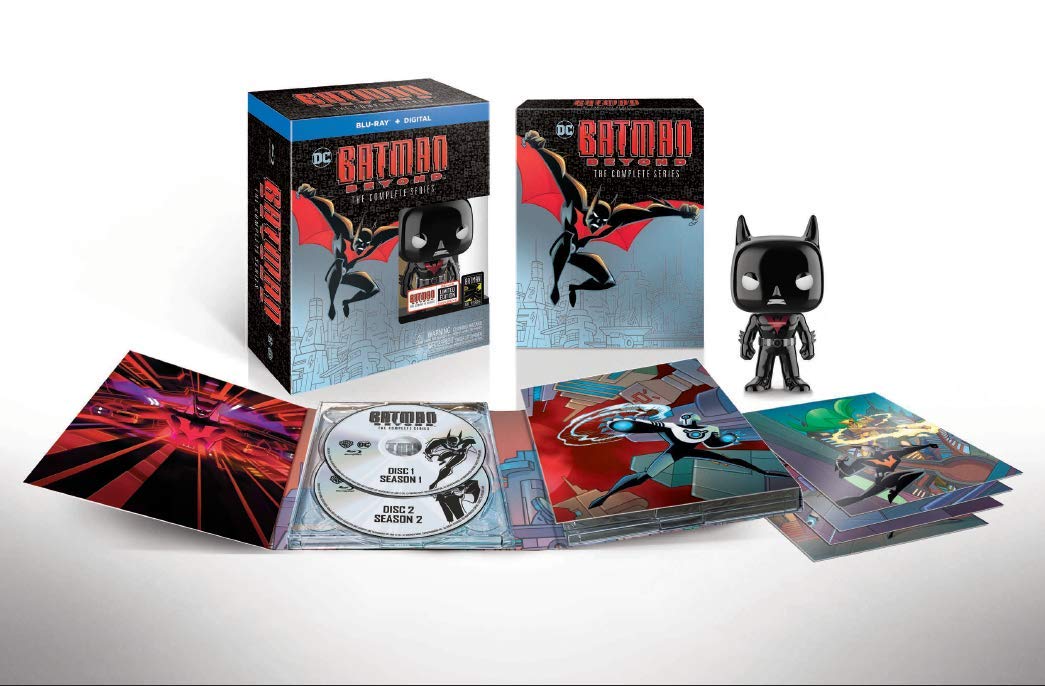
Warner Brothers continues to lead the industry with television on Blu-ray. Other studios have experimented with some of their shows but no one puts more TV out in HD than Warner Brothers. Here are some of my favorite titles from 2019. Any of them would look great under the tree this season. We start off with a very special release for DC and Batman fans
Posted in: Holiday Gift Guides by Gino Sassani on December 20th, 2019
I think I see your problem. You have this list. It’s a list of people you need/want to buy a Christmas gift for. The trouble is that they’re into home theatre, and you don’t know Star Trek from Star Wars. You couldn’t tell a Wolf Man from a Wolverine. And you always thought that Paranormal Activity was something too kinky to talk about. Fortunately, Upcomingdiscs has come to the rescue every Christmas with our Gift Guide Spotlights. These gift guides ARE NOT paid advertisements. We take no money to publish them. The kinds of things we recommend here are things I would be delighted to find under the tree. But now it's too late to go out and get something. Here's a gift you can send in seconds and any movie fan on your list will be grateful. Usually we stick to movies and home theater equipment when we do talk about gifts here at Upcomingdiscs. However, I do keep my eye out for things that might be of special appeal to the film collectors in our audience. If you're at all like me, you've been trying new ways to keep track of your video collection for years. I have stuff on so many formats that it gets pretty tough to find a way to keep it all together and easy to access. Most of the time I used to just work with Works database options and let that be my database. But a few years ago I've finally found a commercial database that does everything I want it to do, and a ton more. I'm talking about Collectorz, and they've been helping to organize my film collection for a few years now. We talked about them last Christmas, and I'm here to talk about them again. This thing rocks and is about as easy to use as anything else I've ever tried. It keeps track of everything you need.
Posted in: Holiday Gift Guides by Gino Sassani on December 20th, 2019
I think I see your problem. You have this list. It’s a list of people you need/want to buy a Christmas gift for. The trouble is that they’re into home theatre, and you don’t know Star Trek from Star Wars. You couldn’t tell a Wolf Man from a Wolverine. And you always thought that Paranormal Activity was something too kinky to talk about. Fortunately, Upcomingdiscs has come to the rescue every Christmas with our Gift Guide Spotlights. These gift guides ARE NOT paid advertisements. We take no money to publish them. The kinds of things we recommend here are things I would be delighted to find under the tree.
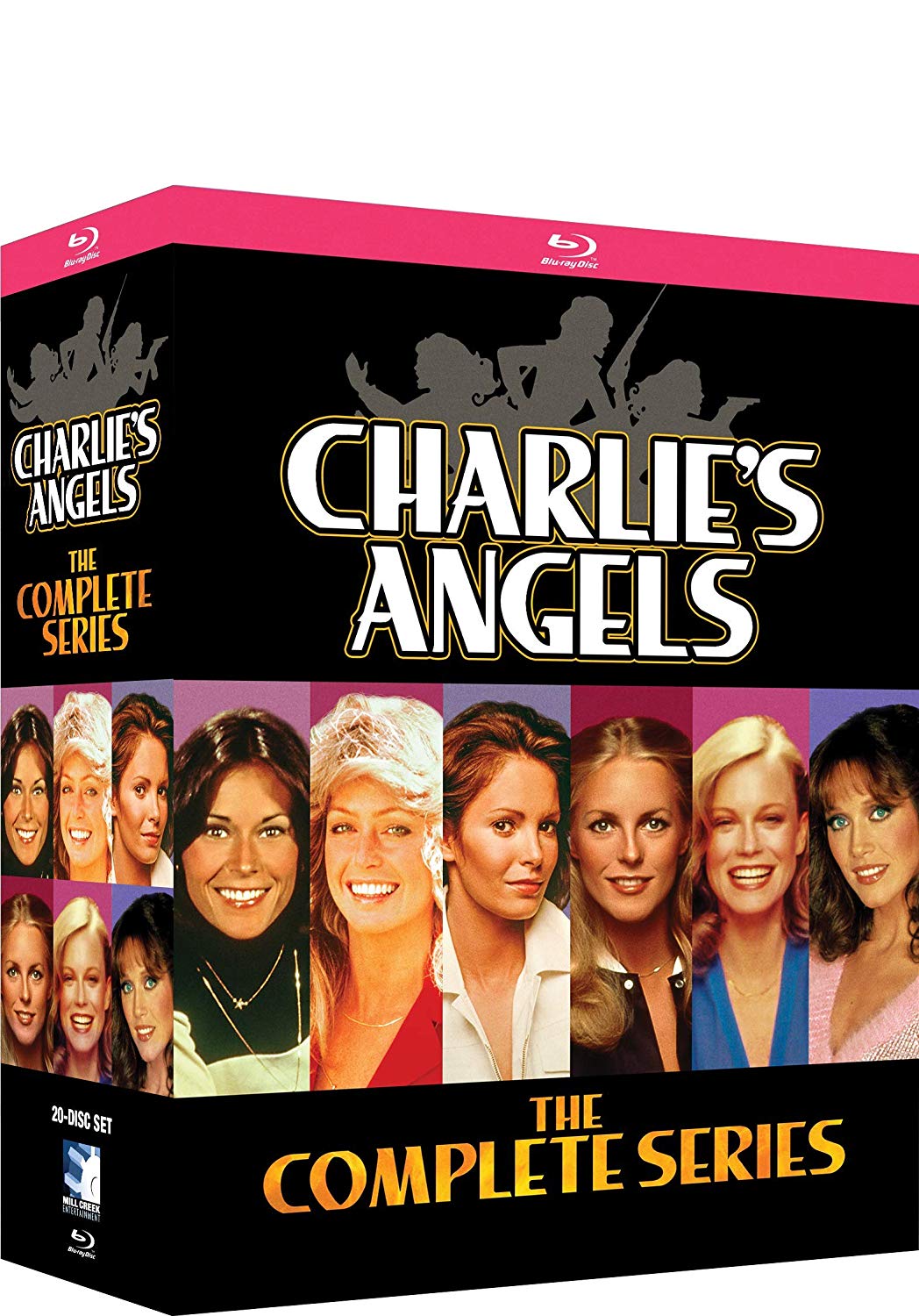
We now turn our attention to Mill Creek and a couple of iconic releases coming your way just in time for Christmas
Posted in: Disc Reviews by Gino Sassani on December 20th, 2019
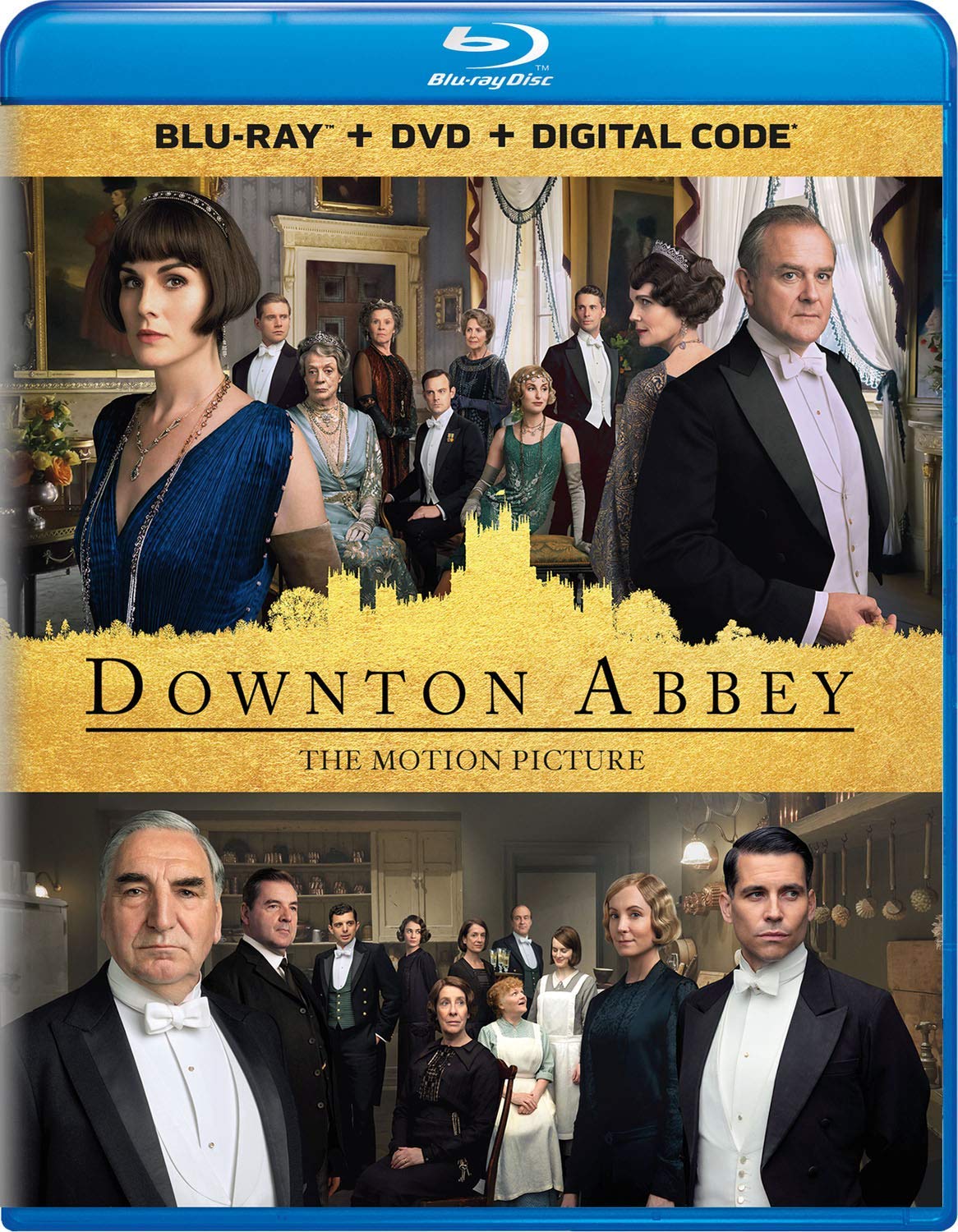
Downton Abbey spent six years on television and has amassed 52 episodes. In that relatively short run the series has also managed to collect over 200 award nominations and several Golden Globes along with other prestigious awards. Let's not forget a rather loyal fan-base that has watched each episode with anticipation of the next sharp barb or character revelation. The fans have been vocal and strong enough that a new film franchise has been anticipated to fill the void left by the series. In one of its years it was the number-one binged series in the world. That's a lot of power, and it's little wonder that all of these ingredients are expected to create a little box office gold. But film franchises from television shows rarely go on to such golden heights. There are some notable exceptions, to be sure. But even here, expectations and changing caretakers often lead to both high points and flops. The Star Trek franchise is a perfect example of those kinds of ups and downs. Mission Impossible is an example of shows that have to be completely retooled to hit the high numbers. Where will Downton Abbey fit in this equation? I rather suspect the jury is still out. One thing I can tell you with complete confidence: the film will absolutely entertain fans of the series. There's no retooling to be found here, and you can expect the same kind of drama that you've been mainlining for 52 episodes.
Posted in: Podcasts by Gino Sassani on December 18th, 2019
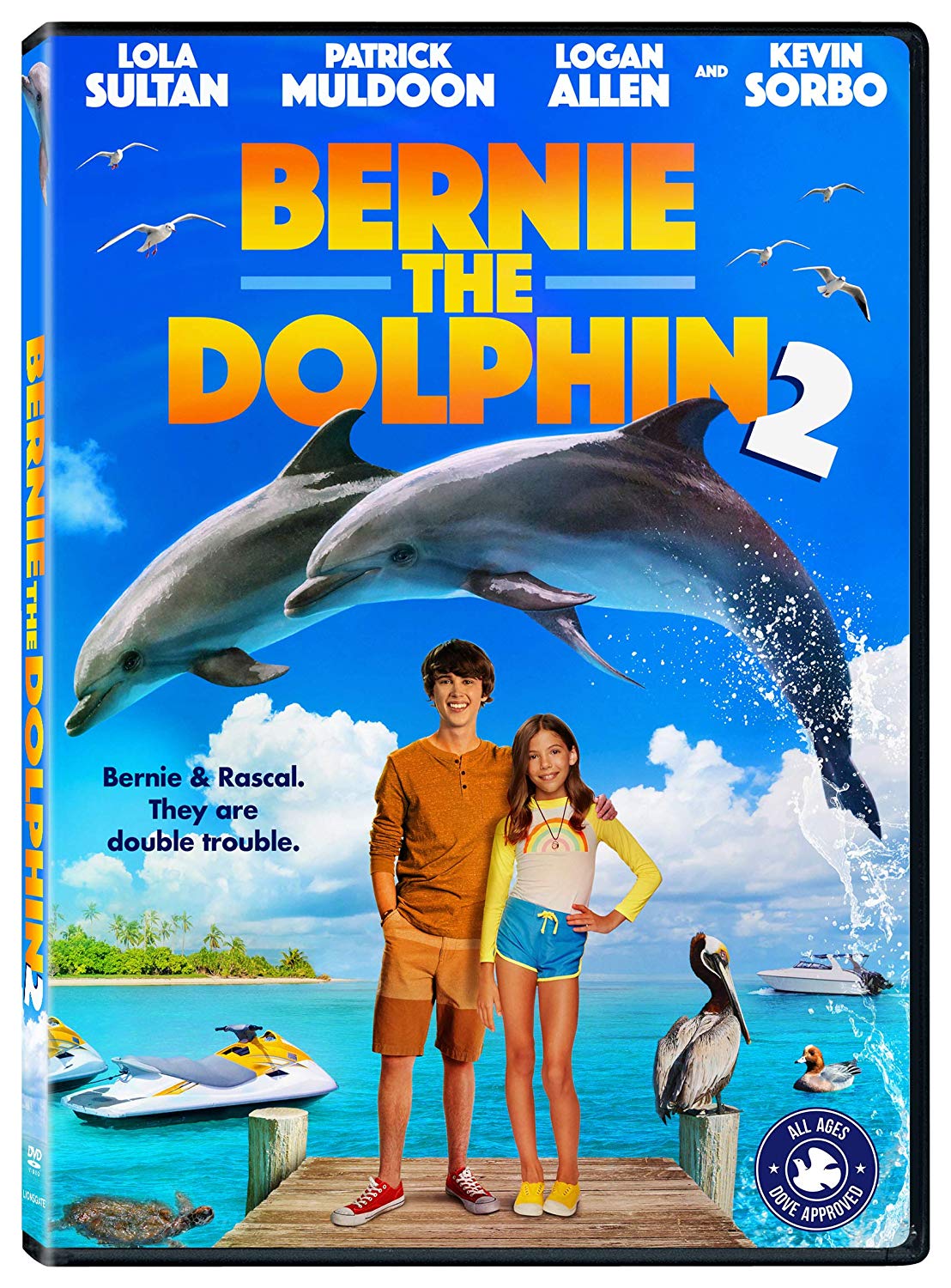
Lionsgate is going to offer you a nice Florida vacation this Christmas. It's a short one, to be sure. You're going to love spending some time with Bernie The Dolphin 2. Hang out with your old friends from the first film. I got to hang out with an old friend of ours at Upcomingdiscs. I had the chance to talk to Kevin Sorbo about the new film. It sounds like it was a blast. You can check out our chat by banging it here: Kevin Sorbo
You can also check out Kevin Sorbo's website for some nice signed items just in time for Christmas. Check it out here: Kevin Sorbo Website
Posted in: Holiday Gift Guides by Gino Sassani on December 17th, 2019
I think I see your problem. You have this list. It’s a list of people you need/want to buy a Christmas gift for. The trouble is that they’re into home theatre, and you don’t know Star Trek from Star Wars. You couldn’t tell a Wolf Man from a Wolverine. And you always thought that Paranormal Activity was something too kinky to talk about. Fortunately, Upcomingdiscs has come to the rescue every Christmas with our Gift Guide Spotlights. These gift guides ARE NOT paid advertisements. We take no money to publish them. The kinds of things we recommend here are things I would be delighted to find under the tree.
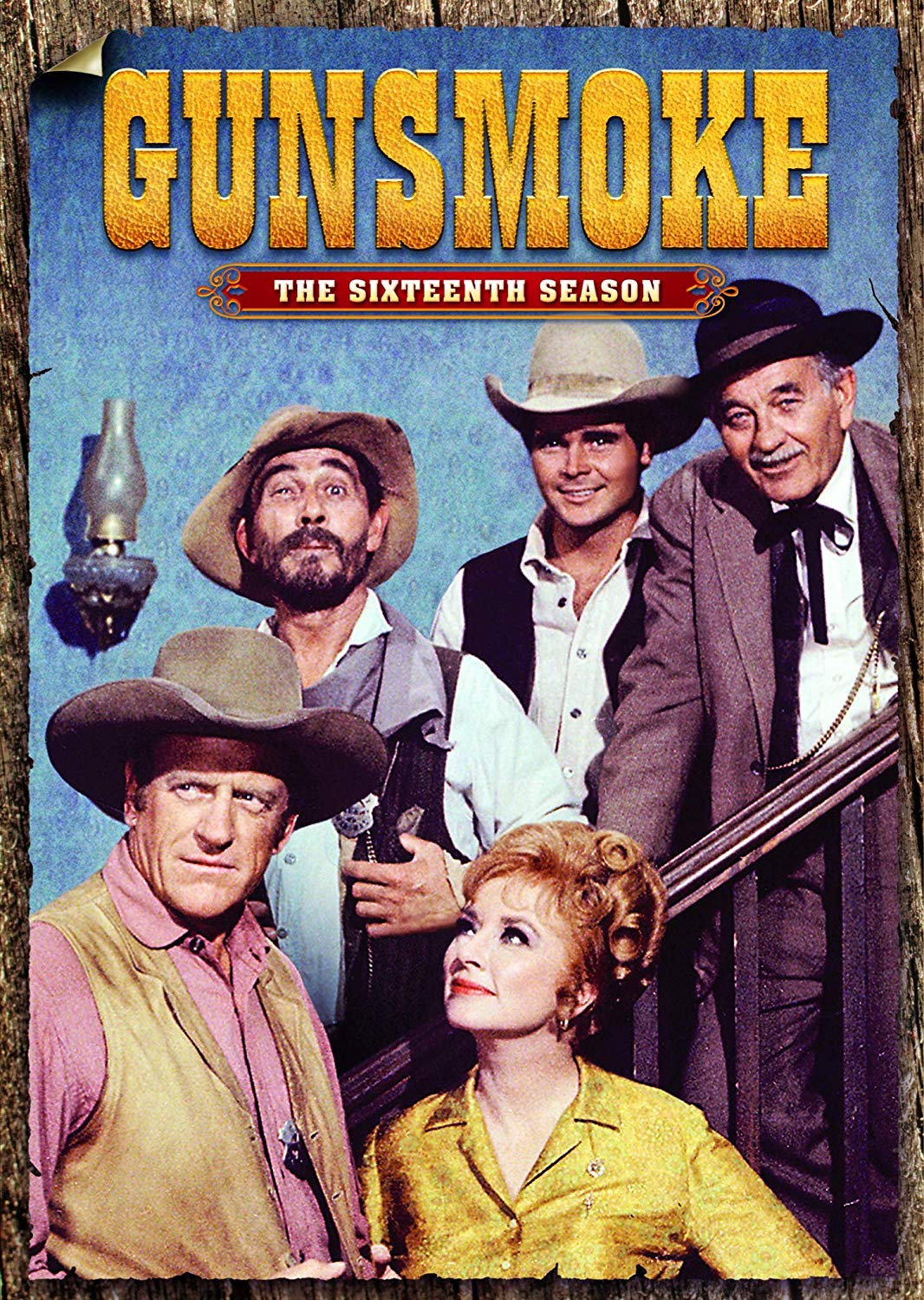
CBS still has the highest rated dramas on television. There have been quite a few good DVD sets from the network in 2019. Here's a look at my recommendations. Part One will deal with some classic shows that CBS continues to put out
Posted in: The Reel World by Gino Sassani on December 17th, 2019
"There's a bomb in Centennial Park. You have thirty minutes."
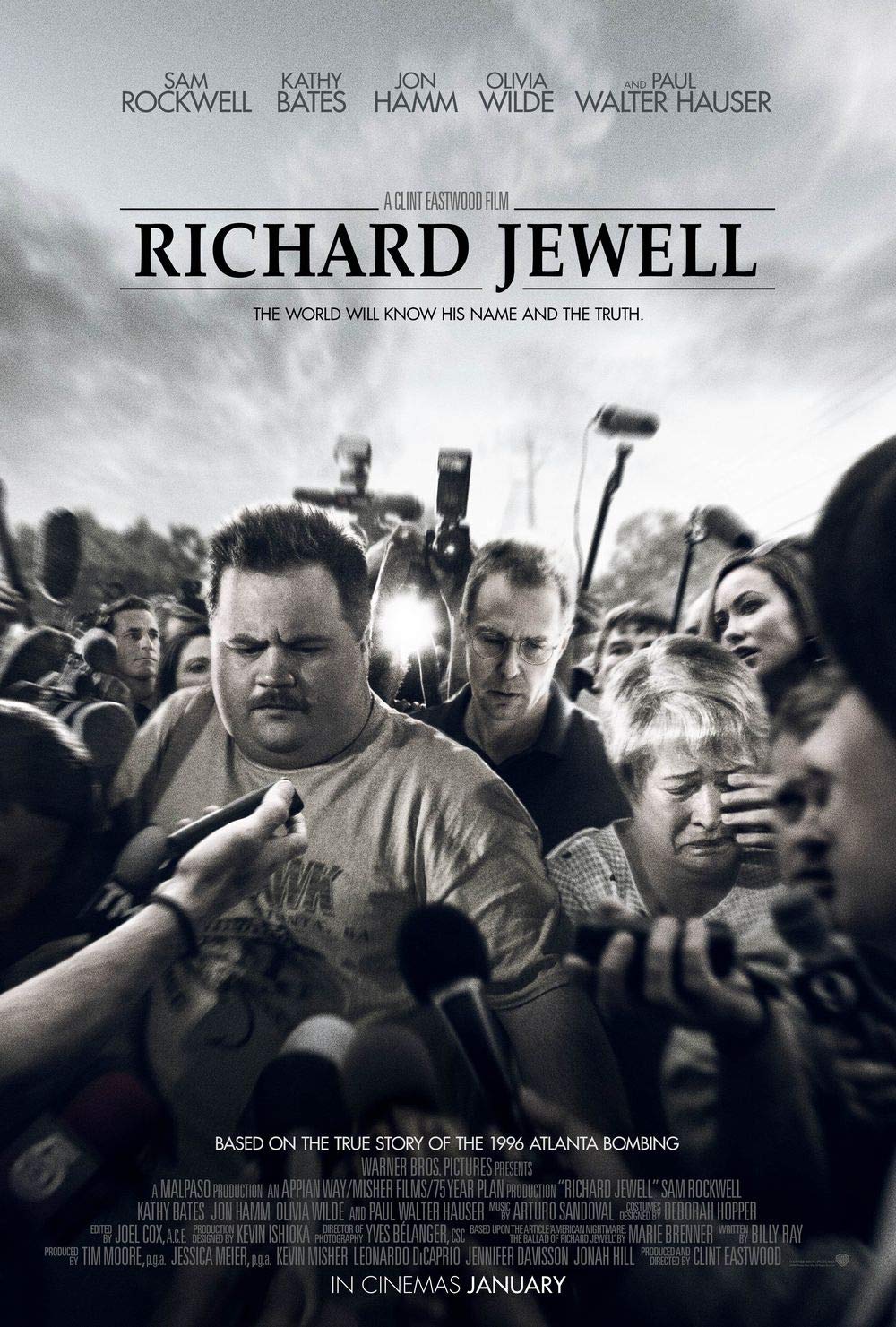
Clint Eastwood is about to hit 90, and there are no signs that it's slowing him down. Last year he even returned to the front of the camera for The Mule. Now he's back as just the director, and it appears that Eastwood has found two of his favorite subjects in one film. He's always been attracted to the isolated man. If you look back at the men he himself has portrayed over the years, they were misunderstood loners. In recent years he has taken a bit of a shine to telling true stories that usually deal with unlikely heroes who are thrust into a dangerous situation and must act. Heroes like Chris Kyle in American Sniper, airline captain Chesley Sullenberger, the WWII heroes who raised the iconic flag at Iwo Jima in Flags Of Our Fathers, and the brave ordinary tourist who stopped a terrorist attack on a passenger train in The 15:17 To Paris. These heroes always pay a price for their actions, and often they are even persecuted for what they've done, as in the case of Sully. Eastwood has combined that true story and unlikely hero for his latest work, Richard Jewell. It's a cautionary tale that is worth watching, particularly in an age where we are constantly told that if we see something, we must say something. After watching Richard Jewell, you might just experience a potentially catastrophic hesitation. And who could blame you?
Posted in: No Huddle Reviews by Gino Sassani on December 17th, 2019
"Get ready for six hours of cartoons."
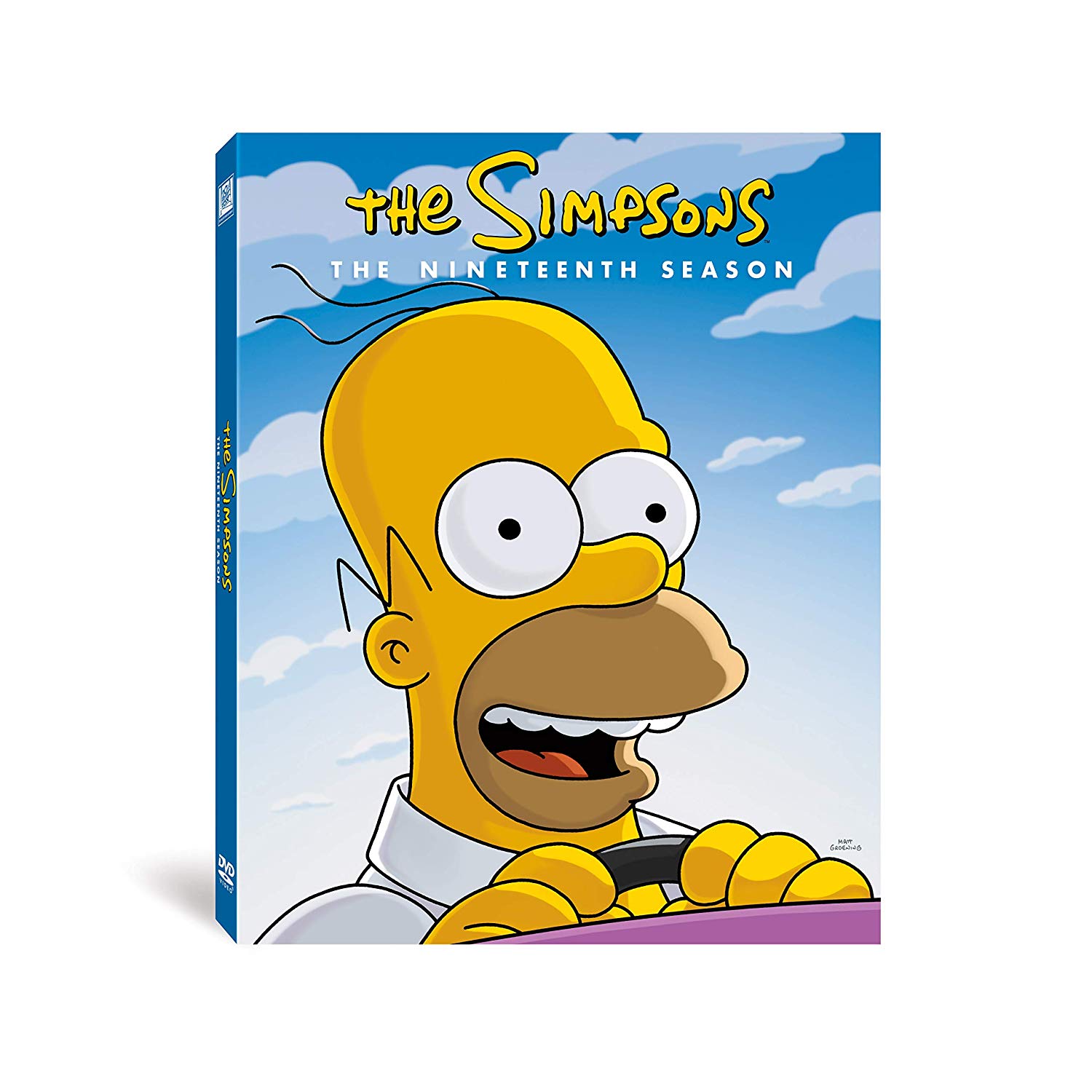
Try around six days if you can binge them all. We're talking about 300 hours of Simpsons cartoons in the can. The longest running show in prime time doesn’t feature cops, doctors, or lawyers. It’s hard to believe that The Simpsons have existed as long as the Fox network. While the series didn’t really begin until Fox’s second year, the characters were part of The Tracey Ullman Show, which did start the first year of Fox. Who could have guessed that an animated short from an otherwise horrible and doomed variety show would explode into such a phenomenon? The Simpsons have not only dominated the pop culture; they have placed everything else into context with their show. Like Doonesbury, it could be said that the only thing worse than being made fun of on The Simpsons is not being made fun of on The Simpsons. With that said, you’ll understand my warm feelings and appreciation for this show.
Posted in: Disc Reviews by Gino Sassani on December 10th, 2019
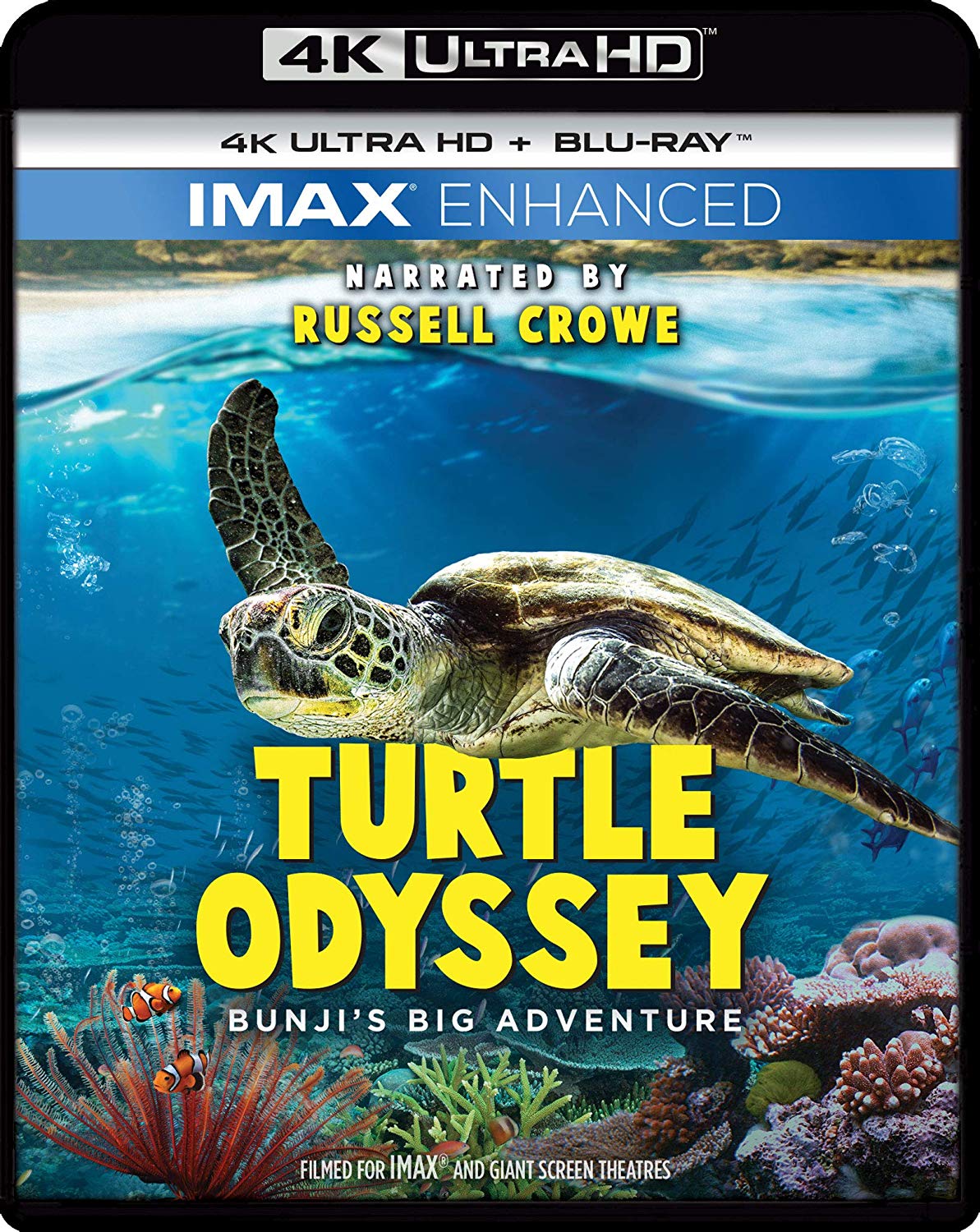
IMAX films are the perfect source material to show off the capabilities of the UHD Blu-ray/4K format. Most of the films we watch in theaters today have been shot around 2.8 K and mastered at just 2K. A 35mm film actually shot on film has a native resolution of 4K. The IMAX film format uses 65mm and 70mm film that increases its native resolution well beyond our 4K televisions and players. They are relatively short and have a ton of bandwidth to deliver the best possible image and audio. Shout Factory discovered this as soon as the format was launched, and Upcomingdiscs was there to check them out. The titles have slowed down in the last year, but they haven't stopped. And just in time for Christmas, you can take a journey down under to visit with beautiful sea turtles in Shout's new IMAX masterpiece, Turtle Odyssey.
Posted in: Holiday Gift Guides by Gino Sassani on December 6th, 2019
I think I see your problem. You have this list. It’s a list of people you need/want to buy a Christmas gift for. The trouble is that they’re into home theatre, and you don’t know Star Trek from Star Wars. You couldn’t tell a Wolf Man from a Wolverine. And you always thought that Paranormal Activity was something too kinky to talk about. Fortunately, Upcomingdiscs has come to the rescue every Christmas with our Gift Guide Spotlights. Keep checking back to see more recommendations for your holiday shopping. These gift guides ARE NOT paid advertisements. We take no money to publish them. This time we turn our sights on to one of the worst films you'll ever see. You're confused, yeah? Why am I recommending you give your favorite special film fan a bad movie? Because they're going to love it. I know. Now you're even more confused. Let's see if I can explain.