DTS HD 5.1 MA (English)

"Nice Greek girls are supposed to do three things: marry Greek boys, make Greek babies, and feed everyone until the day we die."

If ever a movie could be negatively affected by monstrous box office numbers, it’s My Big Fat Greek Wedding. When a five-million-dollar film rides a tsunami of critical buzz and excellent word-of-mouth past the two hundred million dollar box office gross (finally ending somewhere over $230 million), it’s impossible to see it for the first time completely free of expectation. Perhaps this was my mistake, because I went into my first viewing of the king of sleeper hits excited to a super-duper romantic comedy. …I’m not sure exactly what I was hoping for. Was it a hearty helping of belly laughs? This film offers sparse and modest chuckles at best. Perhaps it was some sort of originality within its predictable story arc. Instead, this is a by-the-numbers romcom with by-the-numbers romcom characters. Maybe I was hoping for a film that could at least approach capturing the profundity of love, or the reality of struggles with culturally divergent family values. Whatever it was, I felt pretty unfulfilled by the time it was all over, even though I found the movie reasonably enjoyable.

After watching Tyler Perry’s Awkward Attempt at Action Stardom less than a month ago, it was oddly comforting to see the multi-media superstar back in his wheelhouse. Don’t get me wrong: I like to see a performer expand his horizons. It’s just that Perry looks infinitely more comfortable in his signature character’s wig and muumuu than tracking down a serial killer and grimly saying things like “I will meet his soul at the gates of hell before I let him take a person that I love from me.”

So it’s no surprise to see the actor/writer/director’s latest in-house production truly comes to life whenever Perry throws on heavy makeup or an outrageous costume. Unfortunately, the rest of Tyler Perry’s Madea’s Witness Protection isn't very good.

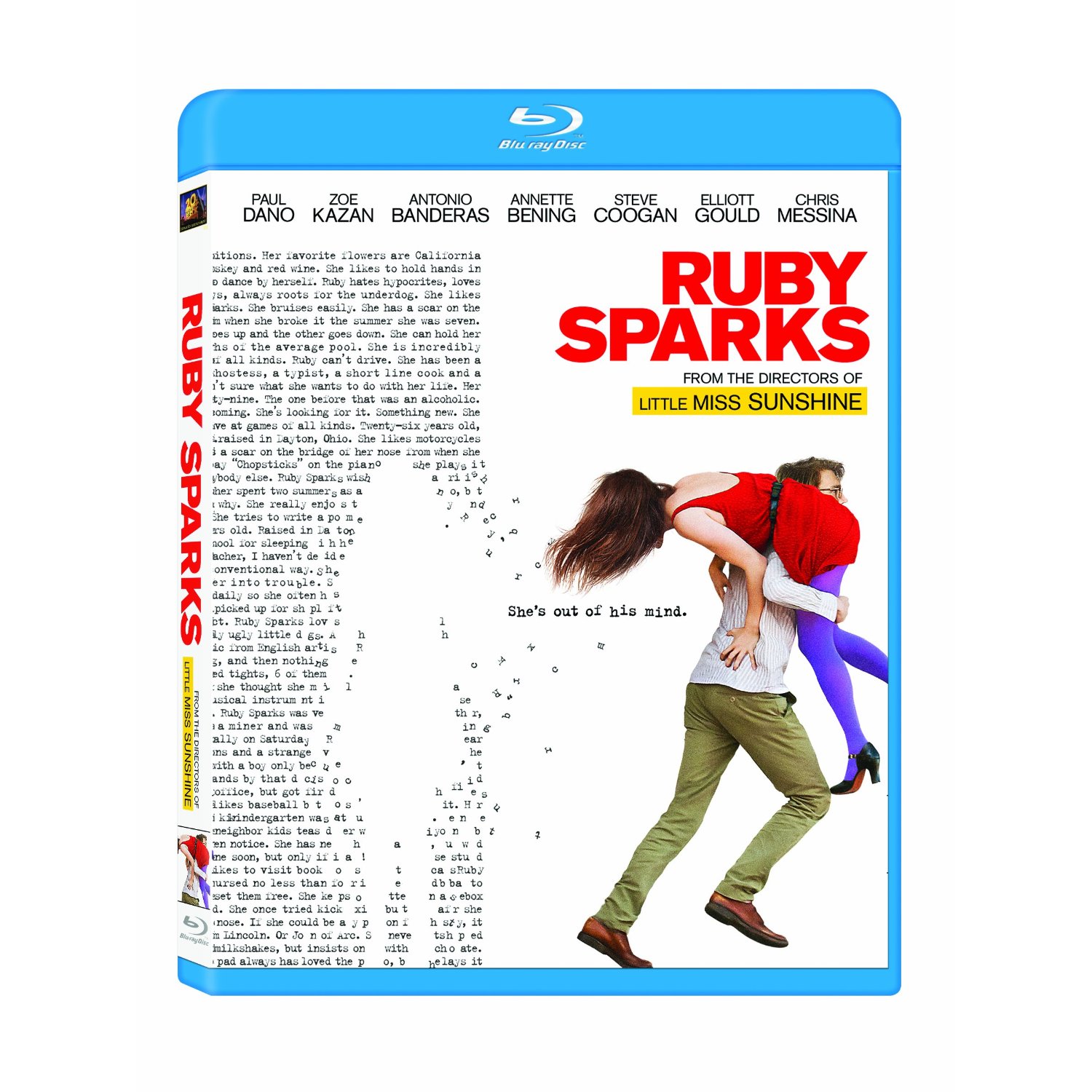
“Quirky, messy women whose problems only make them endearing are not real.”

On the surface, Ruby Sparks could be mistaken for the Manic Pixie Dream Girl biopic no one asked for. In case you’re not familiar with this particular cinematic archetype, MPDG derisively describes any unabashedly artsy, quirky young female character that inevitably brightens the life of a brooding, young male protagonist. However, the quote at the start of this review only hints at the fact that this whimsical romantic comedy isn’t afraid to stare down the ugly side of relationships.

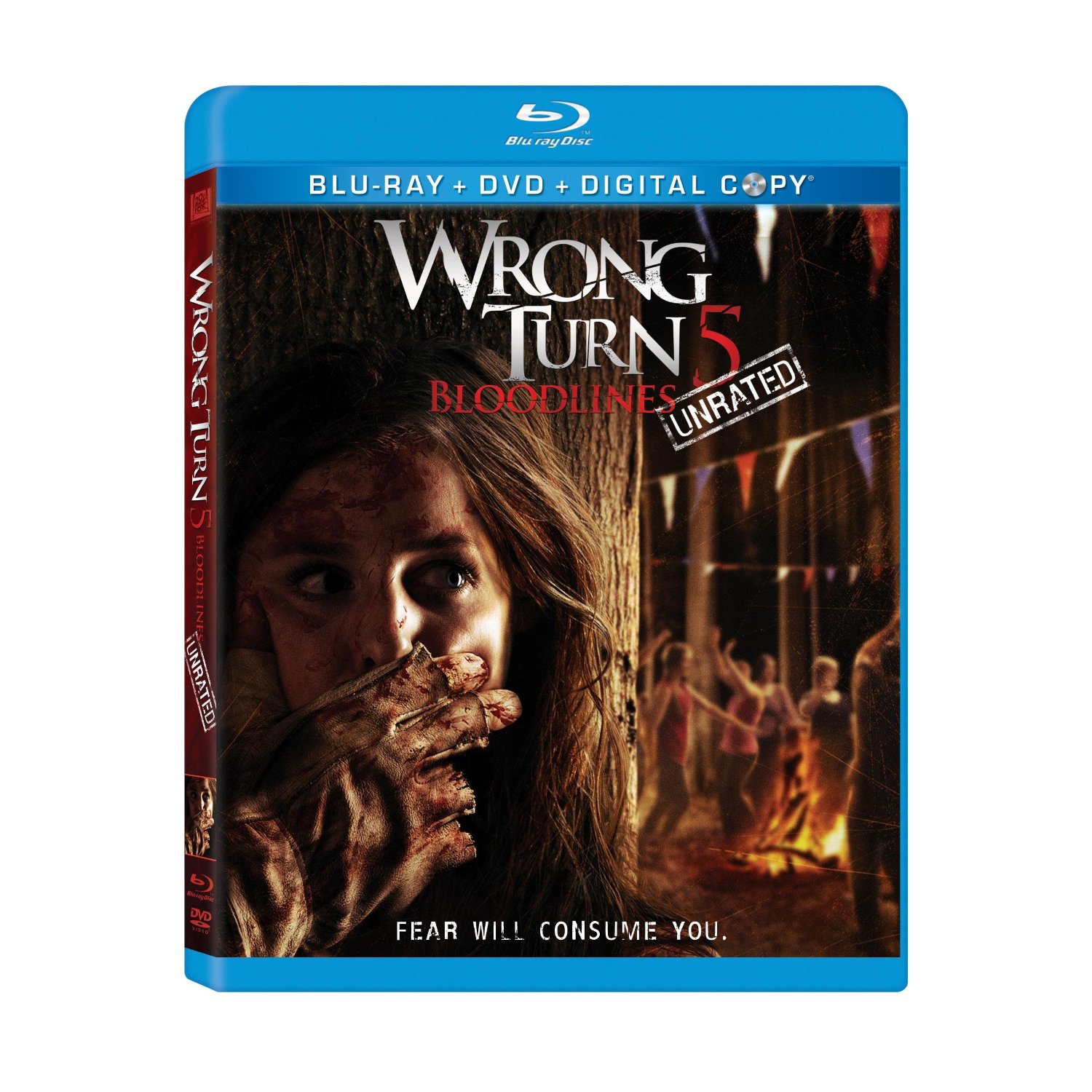
"Fairlake, West Virginia, established in 1814. The entire population disappeared in 1817. To this day nobody knows what happened to them."

I know what you're thinking. When I look at a direct-to-video horror series and see a number 5 next to the name, it's usually time to roll my eyes and reluctantly place the disc in my Blu-ray player so that I can warn you guys just how bad it really is. But we're not talking about just any horror title. We're talking about the Wrong Turn franchise, which has actually gotten better since it went into sequel-hell. We're also talking about a director in Declan O'Brien who knows that his job isn't to create the next museum piece of art. He doesn't care one bit if he's inspired conversations about form and style. He's a horror film fan himself who has only one goal in mind each time he takes over a project: let me entertain you. And as hard as you might not want to believe it, Wrong Turn 5 does just that. You will be entertained.

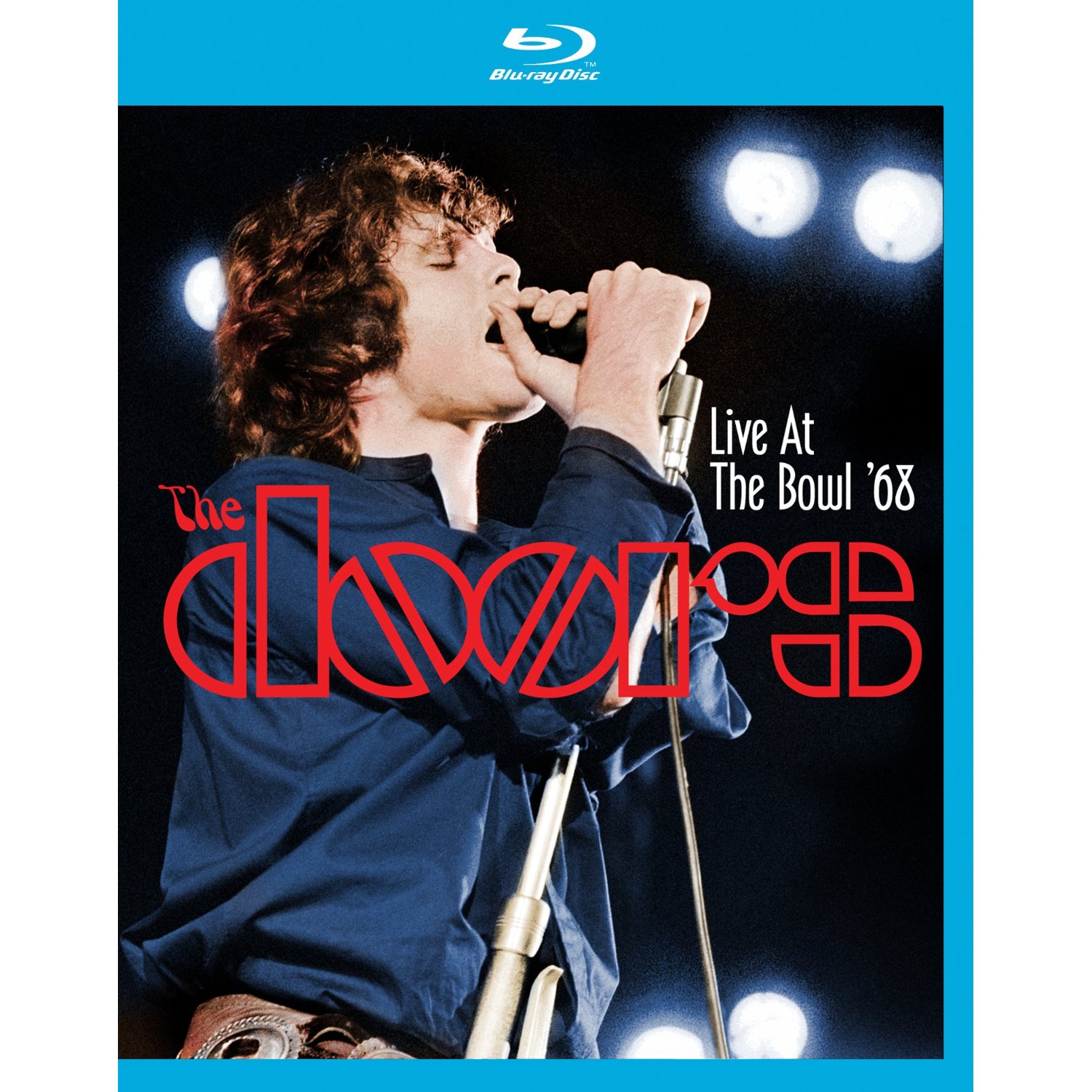
Whether you’re into their music or not, The Doors: Live at the Bowl ’68 gives fans a chance to see a band (and a rock icon) at the height of their powers. Admittedly, The Doors didn’t have the longest shelf life — the band was formed in 1965, released their self-titled debut album in 1967, and frontman Jim Morrison was found dead in a Paris apartment in 1971 — but their impact can be felt to this day. Of course, when I say the band was at the height of their powers, you should understand that means there’s a pretty good chance Morrison was on acid.

That’s not irresponsible guesswork on my part; drummer John Densmore makes the claim himself in one of the behind-the-scenes documentaries on this disc. (For what it’s worth, keyboardist Ray Manzarek and guitarist Robby Krieger pass up the chance to confirm Densmore’s statement.)

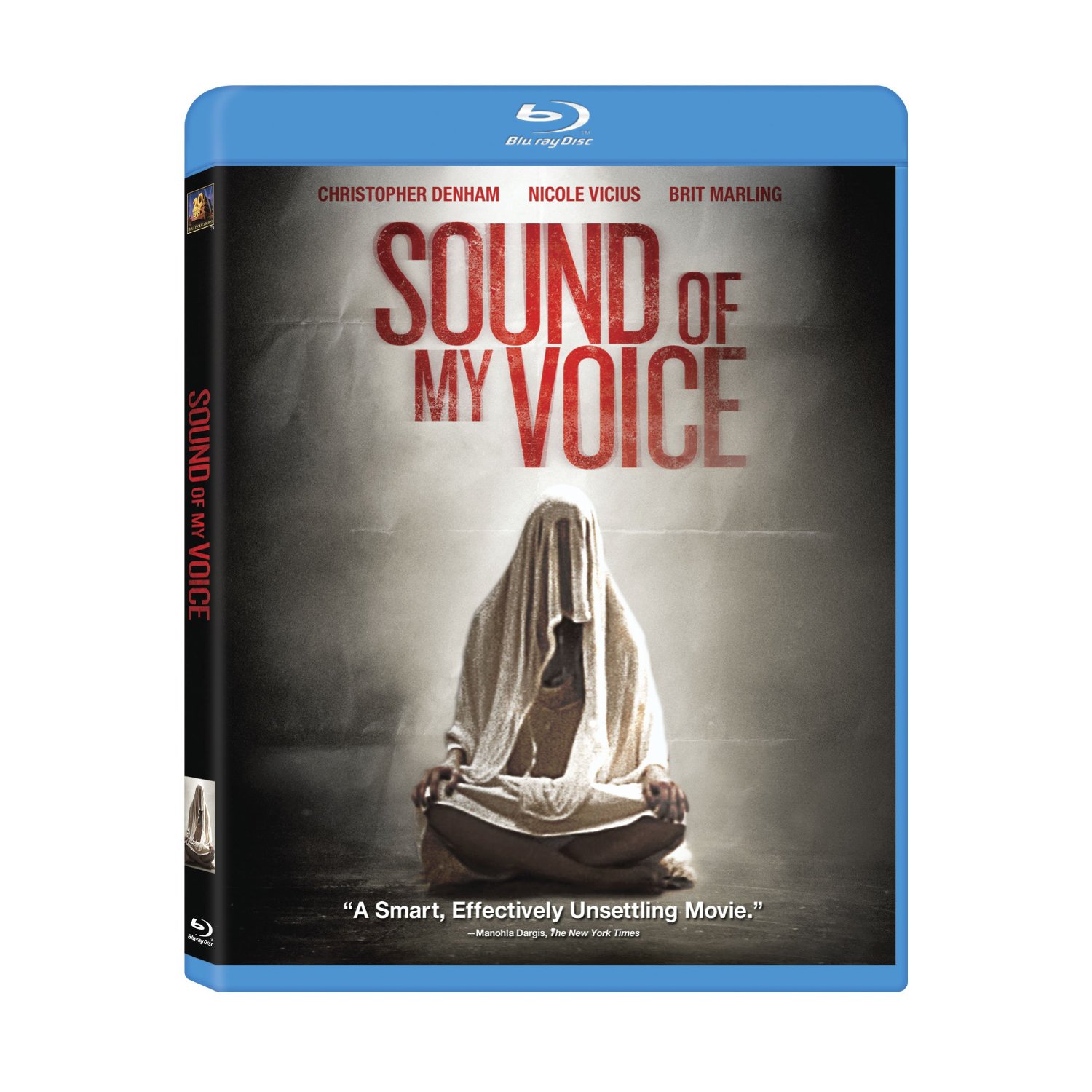
"Somewhere in the valley, there is a woman living in a basement. She's actually amassing followers. These people believe that she will actually lead them to salvation, or whatever. And yes, she's dangerous - but we have to see this thing through. All the way."

When The Sound Of My Voice opens you really don't know what to expect. We watch a group of people acting almost as though they have been taken hostage. They are given drab clothes to wear and ordered to clean themselves very thoroughly. They are then bound and hooded and placed into a van for transport to where? Soon we discover that these people have not been abducted at all. They have done these things willingly so that they may be brought into the presence of Maggie (Marling) who claims to be from the year 2054. Her disciples gather around her in a circle as she delivers her enigmatic teachings. Then again, perhaps they are captives after all, but not in the manner you might expect. They are obviously captivated by Maggie's personality, and we soon discover that they fear banishment from her side more than anything else. They are there for enlightenment, of sorts. The earlier routine has been put in place because Maggie is apparently allergic to our time and is dying. She must maintain a germ-free environment at all costs. She's more than a religious leader. She's a martyr who just hasn't died yet. Yet her subjects would gladly die for her.

“A dragon. A dragon. You bet we saw a dragon. So big and brave he came to save a village in distress. He kept the ship from crashing when he heard the SOS. He faced a group of villains and he fought them with success…”

When Walt Disney Studios released Mary Poppins, the entertainment world was turned on its ears. The integration of live action footage with animation had never been done with such success before. The studio that nearly singlehandedly perfected modern methods of animation was also the studio that learned how to combine it almost seamlessly with real breathing actors. With the release of Pete’s Dragon many years later, audiences couldn’t wait for a peek at how far Disney had perfected the process in those years. While as children we got a big kick out of Pete’s Dragon, anyone looking for the latest in integration technology was in for a dragon-sized disappointment. The creature effects bore no resemblance whatsoever to that earlier technique. The animation itself was crude, by Disney standards at least, and never, not for a second, appeared as if it existed in the same place as the rest of the film. The beast’s green color would fluctuate in hue as well as brightness. There were many obvious mismatches where the two media connected. Even many of the actors’ sightlines were far off the mark. Walt Disney Studios took several steps backwards with the 1977 release of Pete’s Dragon.

Dr. Temperance Brennan, or Bones (Deschanel) is the world's leading bone specialist. She works in Washington, D.C. for the famous Jeffersonian (I assume it's intended to be the Smithsonian). Her talents have proven themselves very helpful in solving crimes where skeletal remains are all that there is to go on from the victim. Her FBI agent/liaison is Seeley Booth (Boreanaz). Together they have an uneasy relationship that grows into a kind of friendship. The problem is that Bones doesn't have a ton of social skills. She relies on Booth to guide their social interactions. More on that later. The lab is run by Dr. Camille Saroyan (Taylor) who has become a bit of a guiding mother to the team. Dr. Hodges (Thyne) is the trace-elements expert and tries very hard to be cool and hip. He's generally the opposite of Bones. He says pretty much what comes into his head and is a bit of a science-fiction geek. Angela (Conlin) is an artist who uses her skills to reconstruct facial details from the skulls. She also works on enhancing images and restructuring evidence. She's a bit of a romantic and has probably slept with every male in the lab. But Angela and Hodges are now married with a son. Dr. Sweets (Daley) is a young FBI agent and psychologist. He profiles victims and suspects as well as serves as a counselor to the team. He's a bit over-eager at times, looking up to Booth as a mentor of sorts. The lab also has a few interns who show up from week to week, likely depending on actor availability.

The problems I have with the show deal mostly with character development. None of these characters have grown much in six years. I jumped from season 1 to season 5, and with the exception of some changes in cast, it was like I never left. The characters spend way too much time talking about their sexual prowess, with more than one character making multiple references to how exceptional they are in bed. The relationships too often take as much time as the cases themselves. This shorts the plot development and often leads the show toward the obvious. And the worst problem is the Bones character herself. She's not likeable at all. She's arrogant to a fault. She always talks about being the best and how she's the natural hero role model for others. But her scientific brain is to the point of cruelty. She has to have non-emotional explanations for everything. She insults with impunity. They also stretch the idea that this highly educated woman doesn't know any slang or figures of speech. She's always misquoting a popular saying as if she were just learning English. It's too contrived, and the writers reach pretty far for each of those "jokes". Gone now is the sexual tension between Booth and Brennan. Now they are openly together and expecting a little one.

“When is everything gonna get back to normal?”

Is a happy, well-adjusted Don Draper a good thing? That’s one of the biggest questions posed during Mad Men’s excellent fifth season, and it’s aimed at the other characters in the show as well as a passionate TV audience that has become seriously invested in Jon Hamm’s suave antihero.

“What cannot be disputed is your imagination is the inspiration of a horrendous crime.”

The Raven may not be a turkey, but it doesn’t really soar either. Director James McTeigue (V for Vendetta) attempts to fashion a historical fiction around the mysterious final five days of Edgar Allen Poe’s life. A notorious drunk and opium addict, Poe (John Cusack) careens through 19th century Baltimore dead broke, bitter from years of writer’s block, and harassed by the locals for being a blustering has-been. Due to a distinct lack of social sympathy, he can’t even borrow money for a single drink, which forces him into an involuntary sobriety. At the same time, a rash of murders inspired from the pages of his darkest fiction terrorize the city, and he is called in by Detective Fields (Luke Evans) to assist in the investigation.