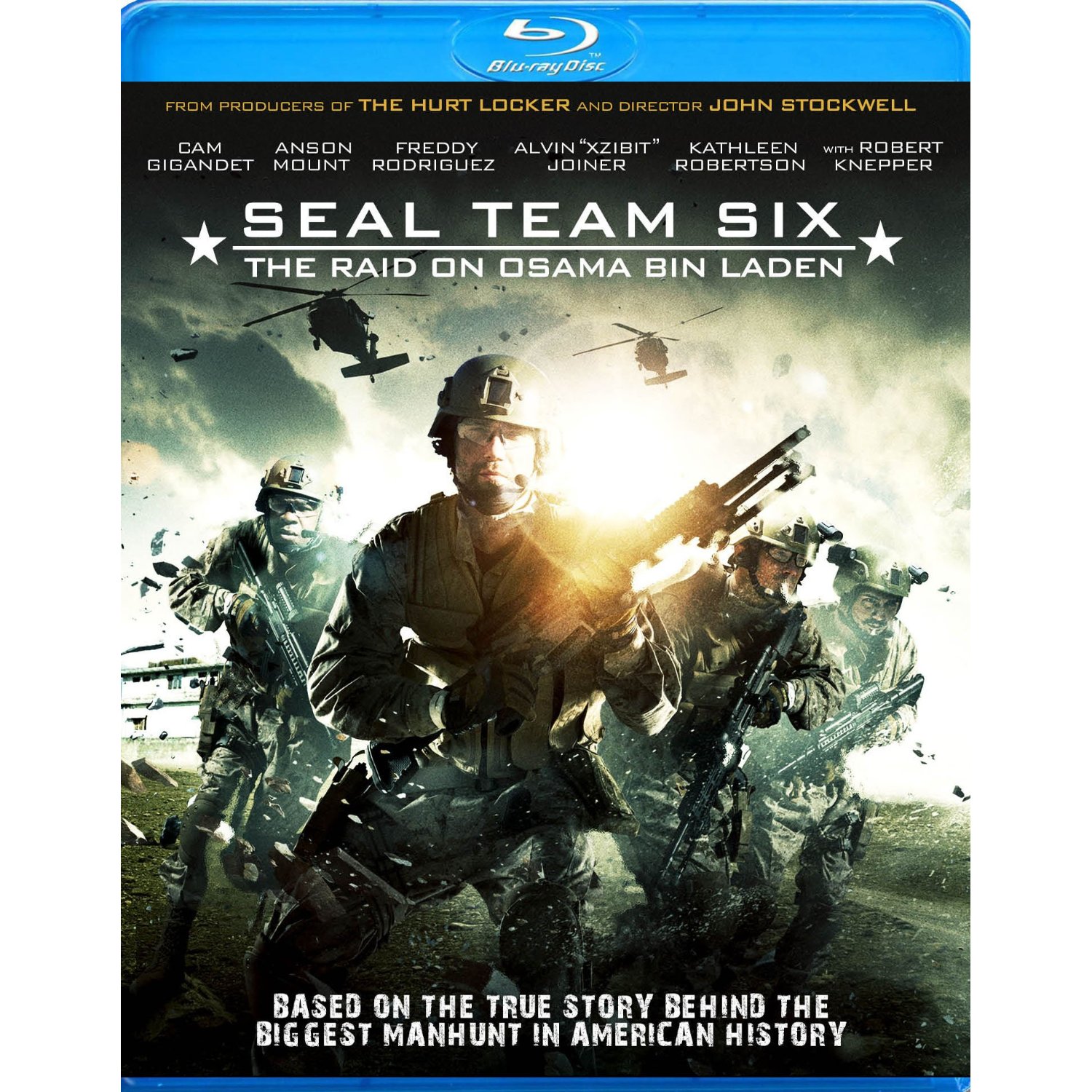
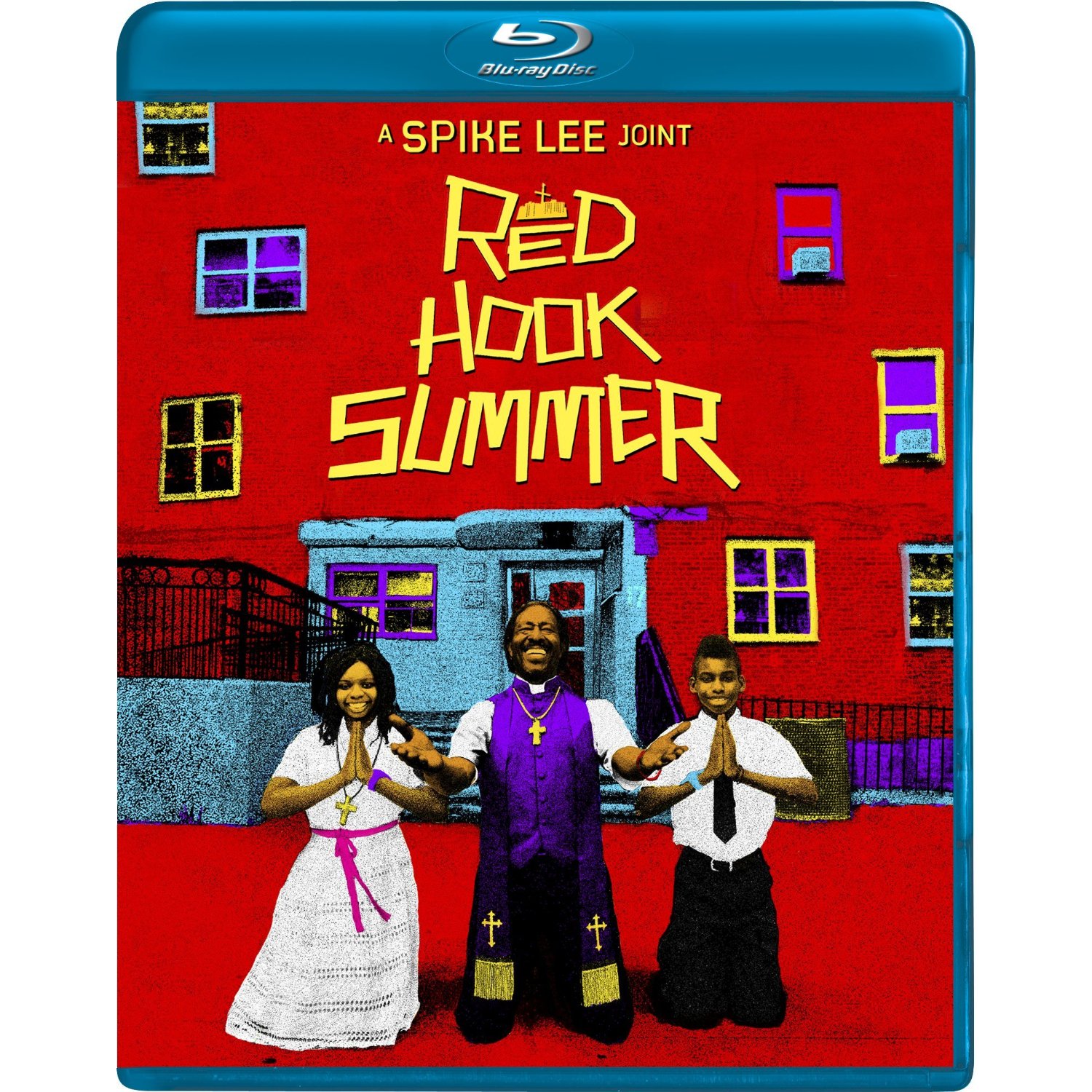
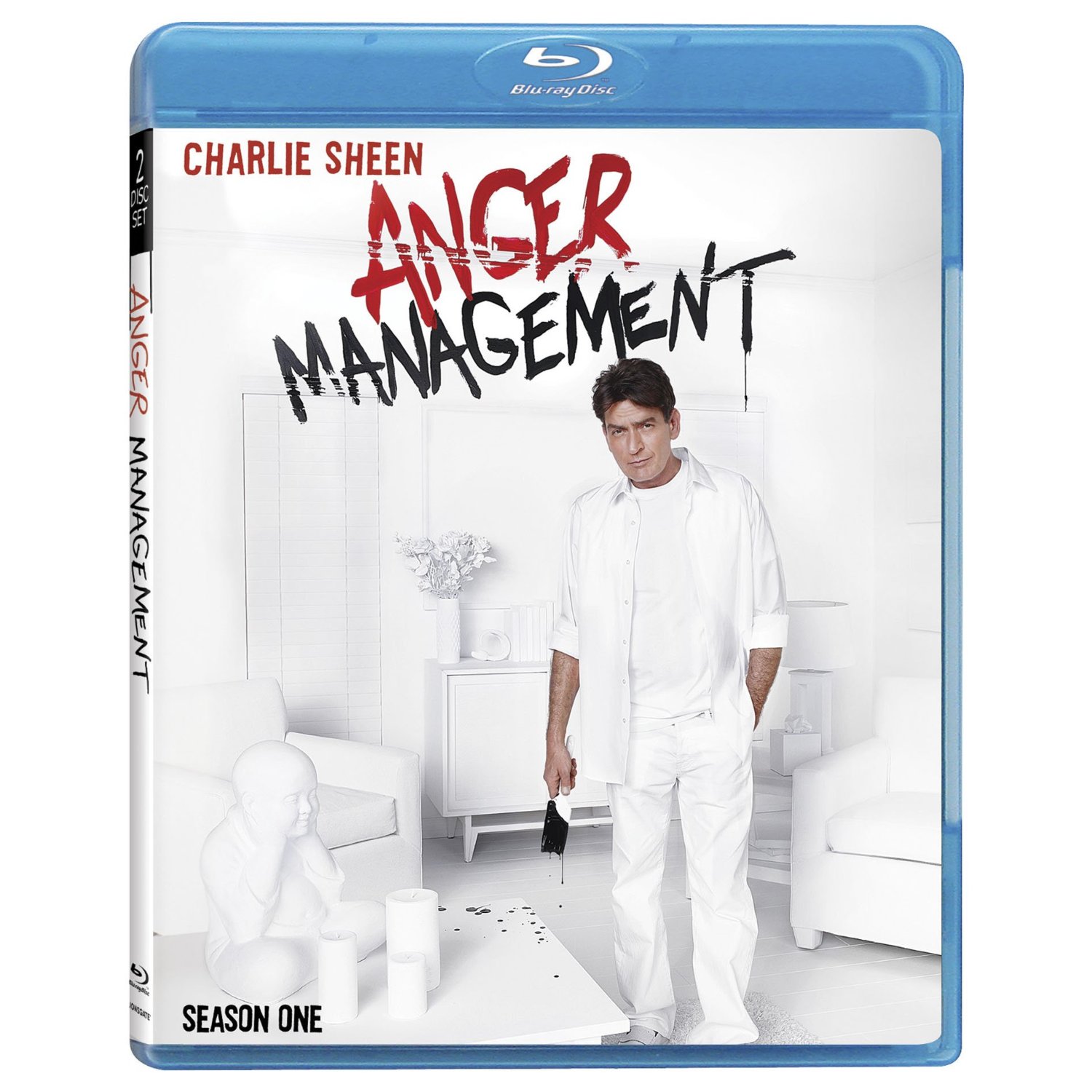
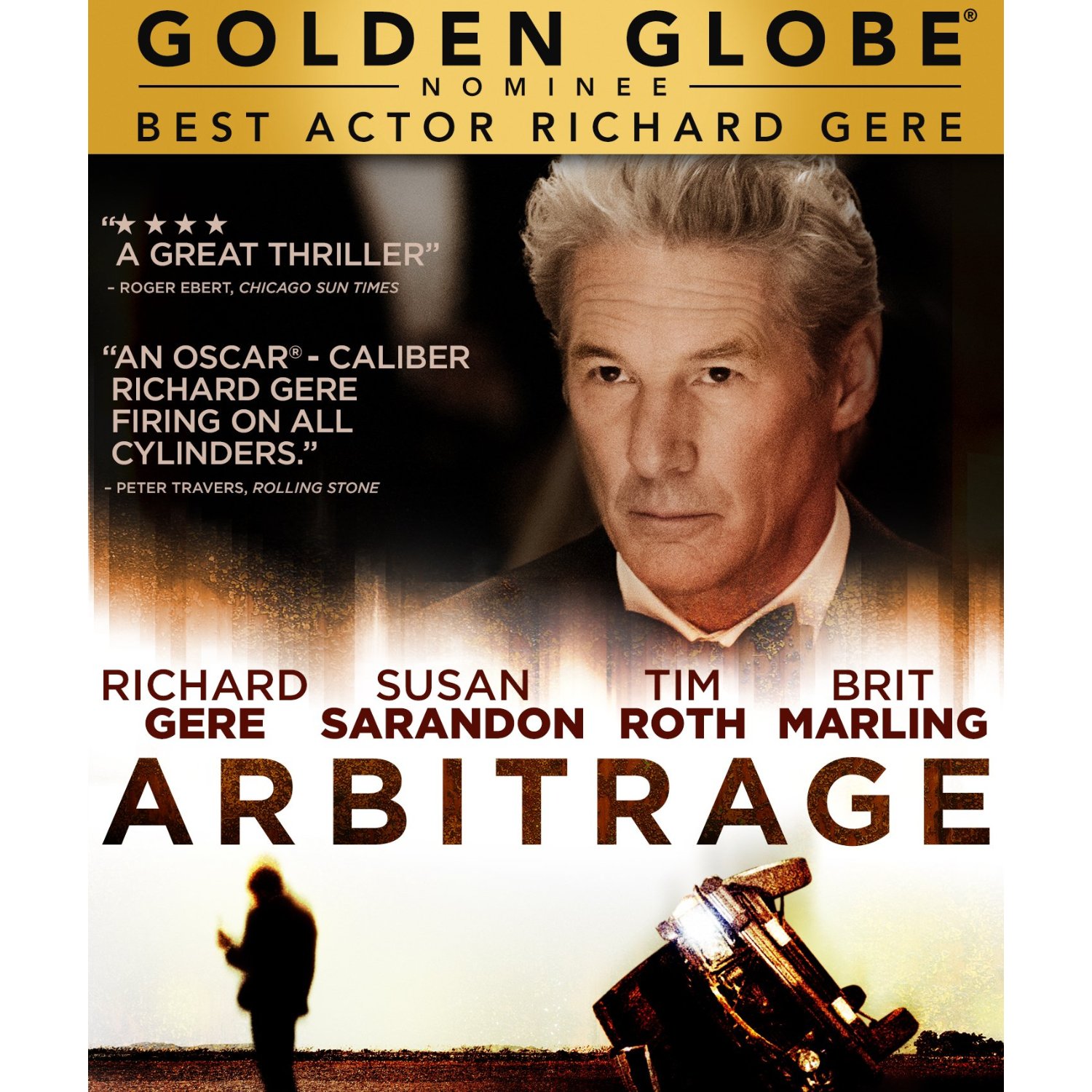
DTS HD 5.1 MA (English)

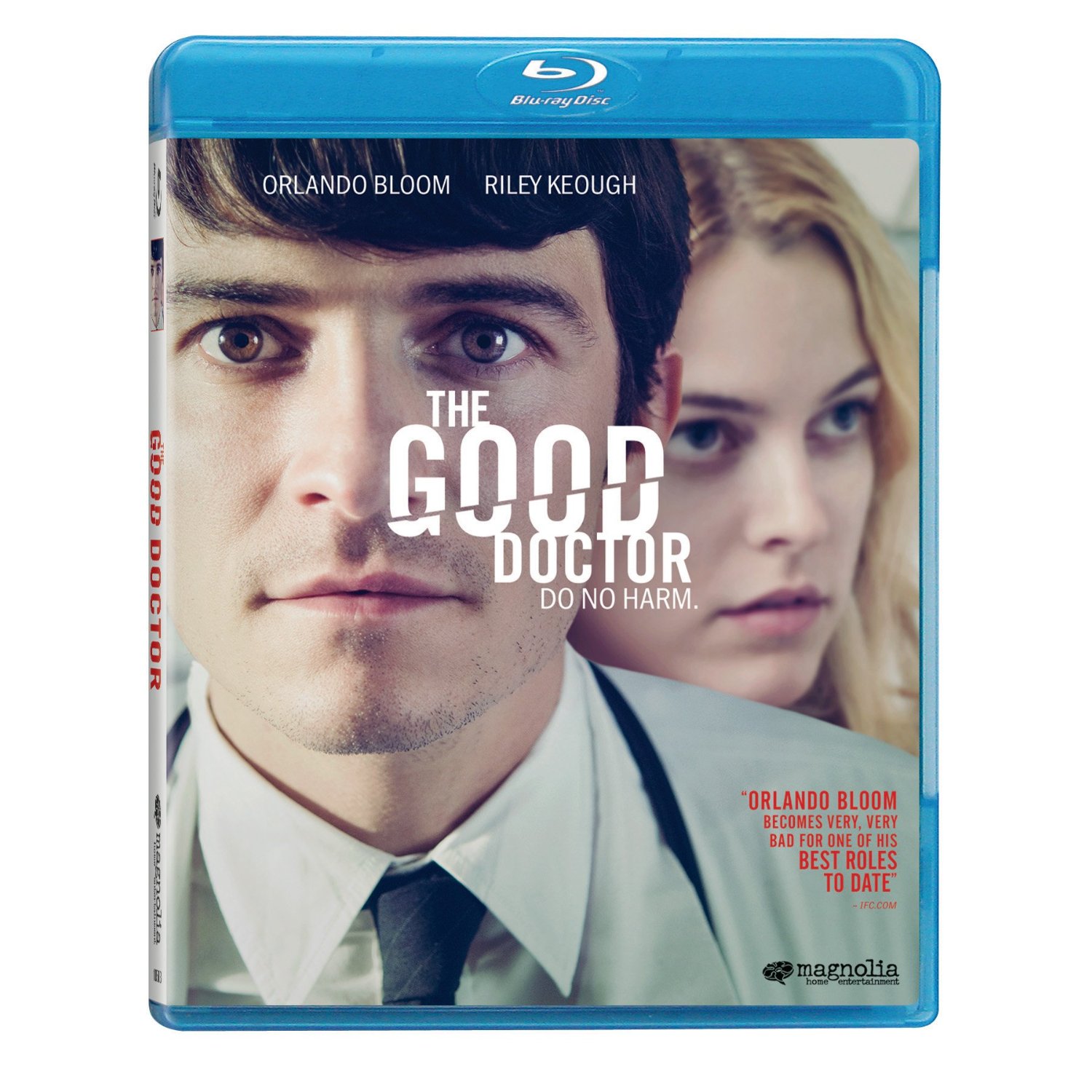
The Hippocratic Oath all doctors take is simple: “First, do no harm.” Dr. Martin Blake (Orlando Bloom) throws that ideal out the window when a young woman named Diane Nixon (Riley Keough) comes under his care. After getting treated like a nobody by his fellow doctors and disrespected by nurses he feels are beneath him, Diane is the first person who appreciates what Martin does and makes him feel special. As he treats her, Martin becomes obsessed with Diane, going so far as to alter her medication to keep her sick. As Martin’s obsession grows, his actions become more and more drastic.

This is supposed to be a dark thriller, and I suppose it is from a script standpoint. The Good Doctor has a decent (if slightly over-used) plot of girl-meets-stalker, with the interesting twist of the stalker being her attending physician. It could have been a good suspense movie like Kiss the Girls with the whole “I’m going to keep the girl I’m obsessed with close to me” vibe had someone given the cast some espresso to wake them up before the cameras started rolling.

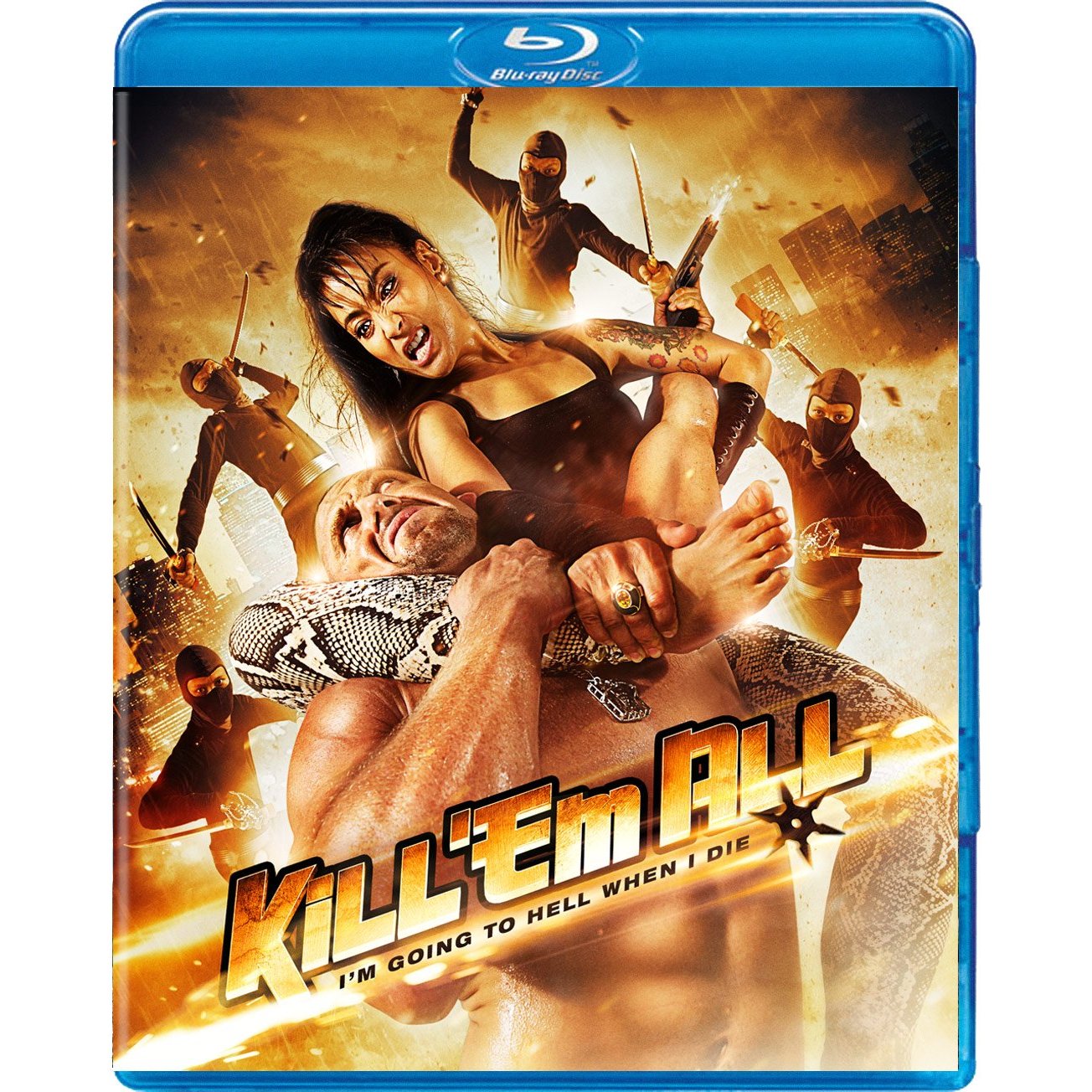
It’s hard to not appreciate a film that wastes no time jumping into the action, and with a title like Kill’em All you go in expecting the action to be piled on and non-stop.  I have to say I’m a little surprised this little film lived up to the title; after all most straight-to-DVD titles seem to be lackluster if not simply awful.  I’m also not saying this is a film that’ll be remembered too long either, but it is a B movie that delivers on the action and has Gordon Liu doing what he does best. After watching several of Bangkok’s elite assassins go about doing their dirty work and leaving a trail of bodies in their wake it is quickly followed by their capture.  At first when watching this I had thought they were being killed until we get to see them all gathered together in a massive concrete cell.  None of the professional killers seem to know one another; only a handful seem to know of one another which I found strange, after all how many elite assassins can one country have?  Well, it doesn’t take long till they discover they are all trapped in “the Killing Chamber”, a place where assassins and other people are brought to die.  What’s kind of cool is they are given a chance at freedom, but that chance only comes if they are the sole survivor of their captors’ game.

What follows are a series of duels to the death; as the survivors are whittled down, the desperation to survive becomes more intense.  The key three assassins Gabriel (Johnny Messner), Som (Ammara Siripong), and The Kid (Tim Man) are the only memorable survivors as they escape beyond the chamber and into a hellish warehouse filled with ninjas and numerous other bloodthirsty killers.  The fight choreography is fairly standard but is still fun, especially for those like me who pretty much get excited any time a ninja shows up.

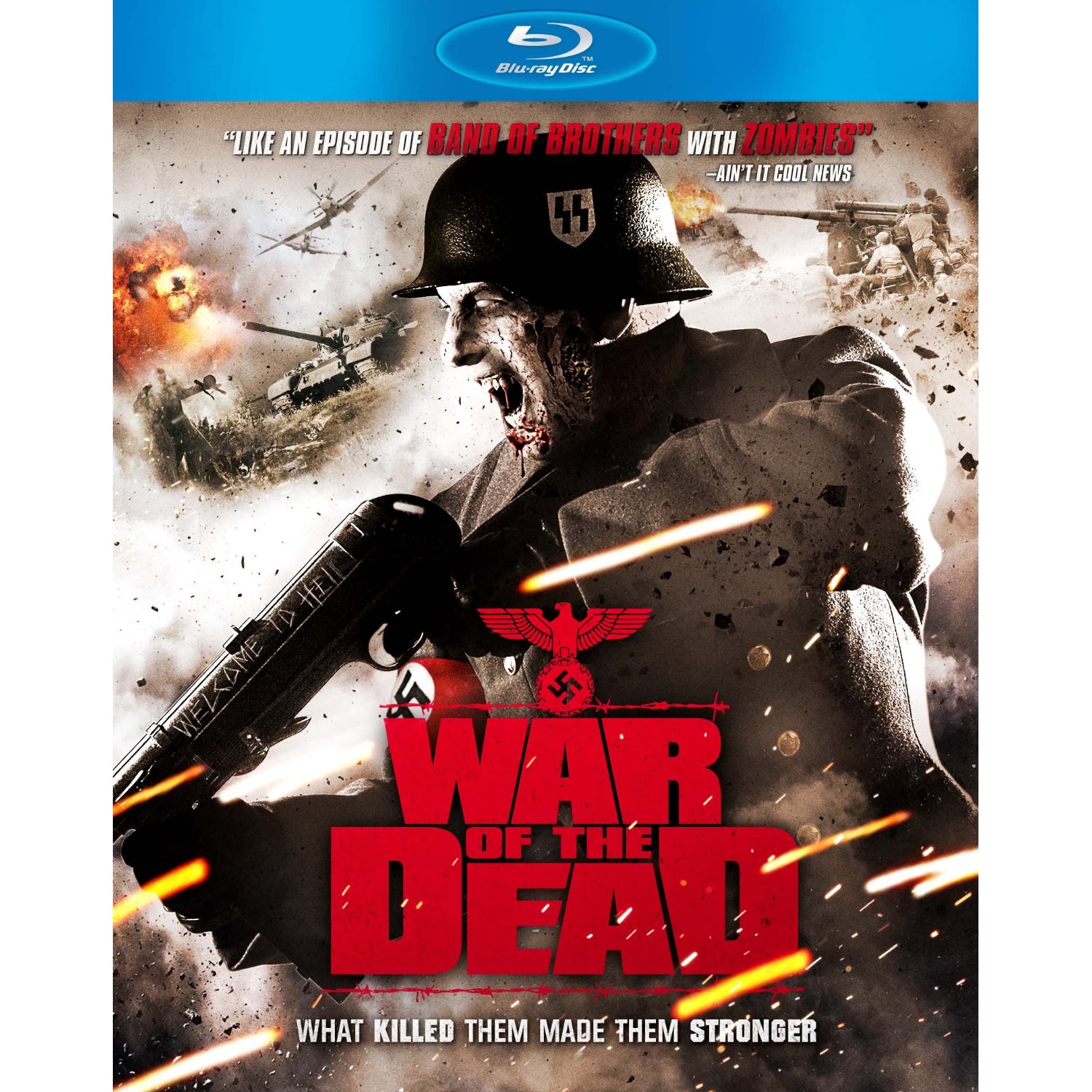
As The Walking Dead continues to smash ratings records (while compulsively changing showrunners, no less) and Summit Entertainment — the studio behind The Twilight Saga — prepares to throw its considerable marketing muscle behind February’s zombie rom-com Warm Bodies, it’s fair to say the shambling undead are having a major pop culture moment. Yes, zombies are hot right now, but a curious subgenre has already endured for many decades: I’m talking about the zombie Nazi movie.

From Shock Waves and Zombie Lake in the 1970s and 80s to recent examples like Dead Snow and this year's Outpost: Black Sun, filmmakers have delighted in mashing up one of history’s most infamous real-life group of monsters with one of cinema’s most popular terrors for decades. Though they’ve been enjoyable to varying degrees, the subgenre is yet to produce a classic film in the vein of George A. Romero’s work or even something that made a notable pop culture impact like Zombieland or Shaun of the Dead. I’m sorry to say War of the Dead won’t be the first.

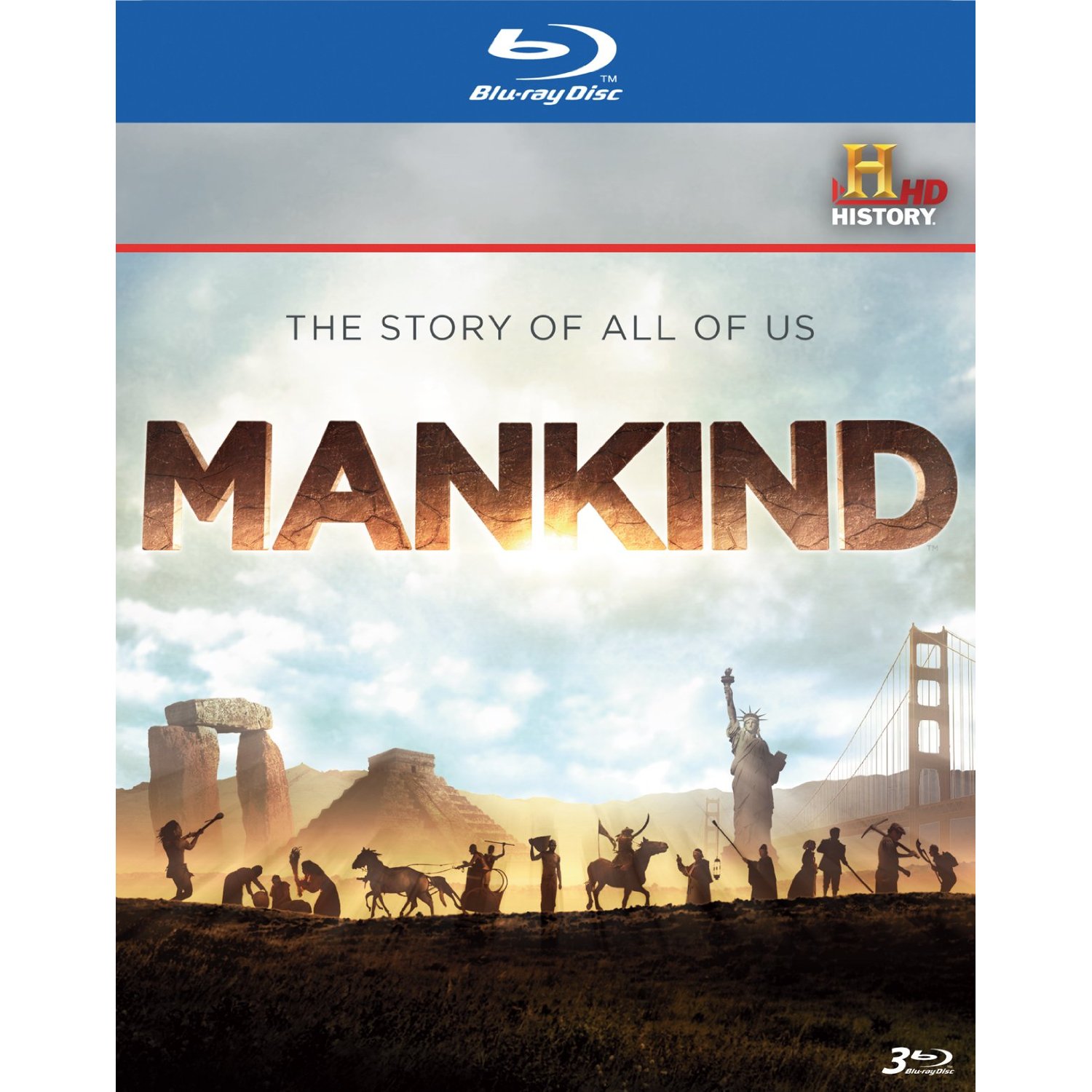
“Amidst the chaos of an unforgiving planet, most species will fail. But for one, all the pieces will fall into place and a set of keys will unlock a path for mankind to triumph. This is our story.”

The only thing missing from that bit of grandiose narration — which opens each episode of this 12-part series — is a Law & Order-style *chung, chung.* Mankind: The Story of All of Us starts with a bang (as in the “Big” one) and proceeds to give us a lively, surprisingly cinematic history lesson.

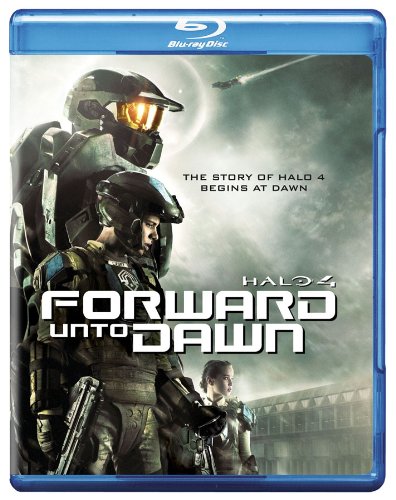
No matter how bad video game adaptations into movies are, I enjoy the grand majority of them. From the really good ones like Silent Hill and Mortal Kombat (minus the sequels) to the dismal ones like Double Dragon and Super Mario Bros. Each of them has their subtle charm and some thoughtful fan service (unless it is a game film directed by Uwe Boll). Today, we have something a little different, a game film that its sole purpose is to promote the upcoming game. Enter the film : Halo 4 - Foreword Unto Dawn.

As the film opens, we are introduced to the officer cadets at the prestigious Corbulo Academy of Military Sciences. We have the main character, Thomas Lasky (played by Tom Green) who is finding it hard to live up to his family's military history. Cadet Michael "Sully" Sullivan (played by Masam Holden) likes to crack into places where he does not belong. Cadet Walter Vickers (played by Iain Belcher) was born for this as his father produces military weapons.

I'm a Minnesota Vikings football fan. Yes, I accept the condolences. However, I didn't say that to get sympathy, and I'm not yet in need of the services of the suicide hotline. With two games to go, I will keep the number on speed dial, just in case. A thousand years ago we had a star player who made the by now infamous statement that he plays when he wants to play. For a young athlete with an already troubled past, it didn't go over too well. But over the last decade or so Clint Eastwood appears to be in that same mindset. He acts when he wants to. He's only appeared in three films in the last ten years. The difference is that Clint has earned the right to be picky about when he works. He isn't taking a paycheck when he isn't working, and when others depend on him to hit it out of the park, he rarely misses the ball. Trouble With The Curve won't ever rival Eastwood's other roles for action, intensity, or even one-liners, but it's a solid performance in every way. For all of those Eastwood critics in the glory days who said he couldn't pull off a performance without the trappings of Dirty Harry or The Man With No Name, I suspect you're having a hearty meal eating those words after seeing Trouble With The Curve. It's perhaps his simplest role yet. It also happens to be a home run.

Gus (Eastwood) has been a scout for baseball's Atlanta Braves for 40 years. He's responsible for the team's greatest talents going back to Dusty Baker. Now he's in his 80's. New, younger blood has invaded the world of scouting, and they've brought along all of their latest computer toys to do the job. Gus won't adapt to that new technological world. He can tell a hitter's talent by the sound of the ball leaving the bat or the sound of the batter's hands as he gets ready to swing. That's a good thing, because Gus is losing his eyesight. He trips over tables and chairs (enter your own RNC joke here) and isn't the safest person behind the wheel of his car. His old friend and head of scouting for the team is Pete (Goodman). He's still behind Gus, but the pressure is on. There are only three months left on Gus's contract, and the draft is approaching. Gus has one scouting trip to prove he's still got it, or he's going to be put out to pasture by owner Vince (Patrick).

At the turn of the millennium, we seemed to collectively decide that we wanted our heroes to be dark and gritty. The X-Men traded in their yellow spandex for black leather in their first big-screen adventure. Batman went from exchanging quips and painful puns with Mr. Freeze to brooding magnificently for director Christopher Nolan. And Hollywood almost completely stopped making candy-colored spectacles like Dick Tracy.

It’s not difficult to understand why this happened. Though I have a soft spot for pulpy ‘90s period pieces like The Rocketeer, The Shadow and even The Phantom, they didn’t exactly set the box office on fire. The star-studded Dick Tracy was actually the most successful film from this group, grossing over $100 million, earning seven(!) Oscar nominations and winning three of those trophies. However, the fact that Dick Tracy’s closest doppelganger is probably the ultra-violent Sin City — another tale with tough-talking cops and crooks that looks like it was ripped directly from the pages of its source material for the big screen — tells you where moviemaking has gone from then to now.

Coming off the staggering crossover success of the world’s loveliest and catchiest booty call song — “It’s a quarter after one, I’m a little drunk/ And I need you now” — Lady Antebellum were the kings (and queen) of the country pop world. (Non-Taylor Swift division, of course.) That means the pressure was on for their follow-up third album. Though Own the Night brought the band a more modest truckload of critical and commercial kudos than Need You Now, it also inspired the raucous world tour captured on this Blu-ray, a must-have for any Lady A fan.

Lady Antebellum: Own the Night World Tour finds lead singers Charles Kelley and Hillary Scott along with guitar/piano/mandolin player and background vocalist Dave Haywood in Little Rock during the final days of their global trek earlier this year.

“You think this can last? There’s a storm coming, Mr. Wayne. You and your friends better batten down the hatches, because when it hits, you’re all gonna wonder how you ever thought you could live so large and leave so little for the rest of us.”

In the spirit of full disclosure, let me state that my favorite comic book hero is Batman. As a child, even before the sixties TV show premiered, I loved the tale of Batman. It is a story of a child who overcomes the fear and destruction of his childhood and becomes stronger because of it. He grows into an extraordinary man and, in spite of having no super powers, created a legend out of himself by becoming an icon for justice. Bruce Wayne channeled his lust for vengeance into mastering his intellect, detective skills, science and technology, physical prowess, martial arts skills, an indomitable will, fear, and intimidation skills to fight his continuous war on crime. He may have inherited almost limitless wealth, but he didn’t let it make him soft; instead he converted the riches into a crime-fighting asset. His behavior may have been borderline psychotic, but he lived by an impossibly strict, but simple, set of rules… no guns, no killing, no glory, but most of all, zero tolerance for crime.

"I'm back. You're welcome."

I didn't see the series during either of its first two seasons on HBO. When the second season arrived to be reviewed I was more than a little nervous about jumping in without knowing what had come before. Certainly, I checked out the buzz on the show and got an idea of what it was about. But nothing could have prepared me for what I finally encountered when I popped that first disc in my Blu-ray player. It's safe to say that you can join this show for the third season without having seen the first two. I'm sure it helps, but it didn't take me more than five minutes to completely understand who and what Kenny Powers was. He literally speaks for himself. I'll give you a quick up-date.