Comedy

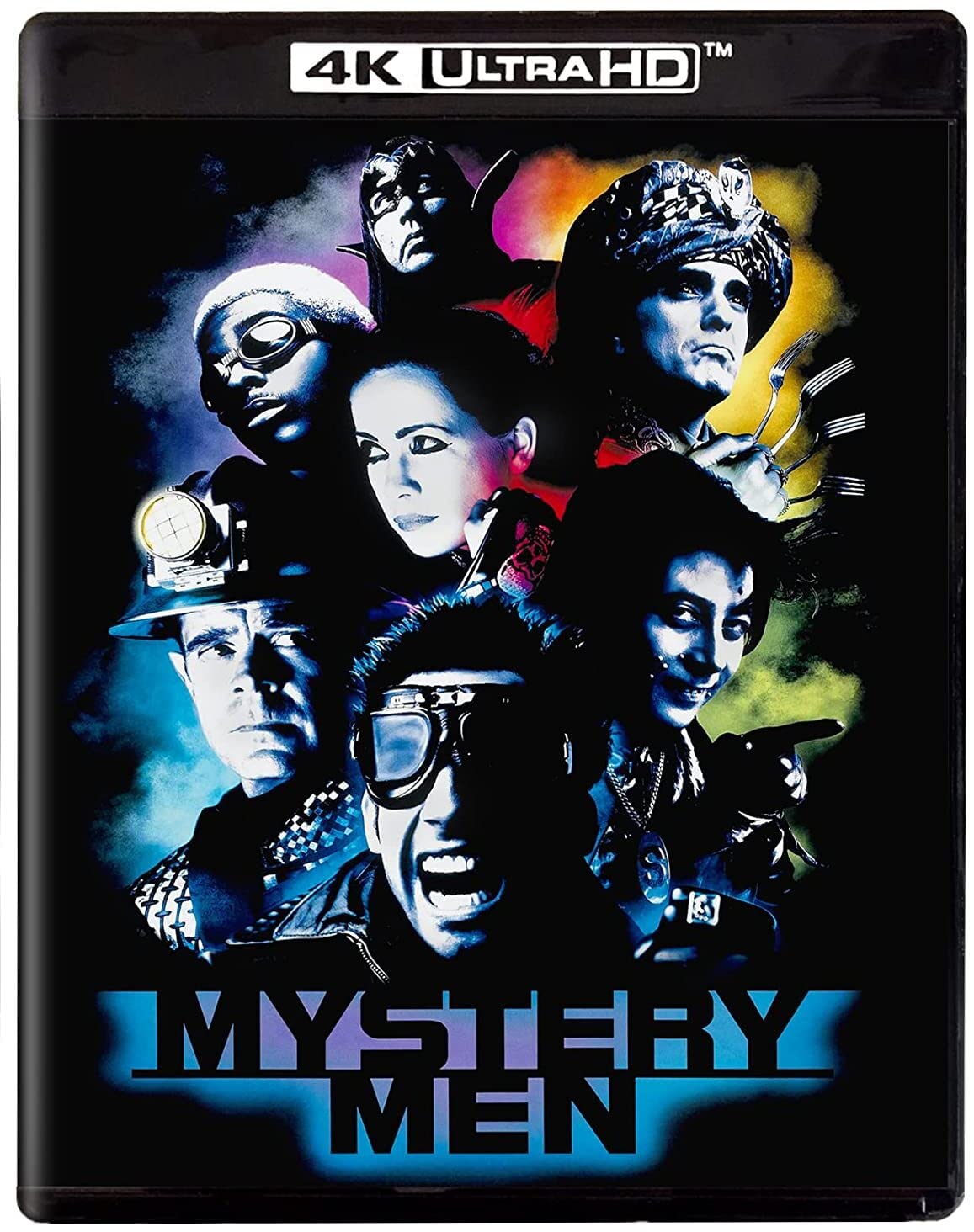
Many times when we watch films for the first time, we get distracted.  Maybe it's a pretty girl, money issues, or perhaps you had something else on your mind that's hurting your focus.  Whatever it is, it can really change your interpretation of a movie in a positive or negative way.  One such movie for me is Mystery Men when I saw it in early 2000.  Back when rentals were a thing, I remember renting this film and being distracted completely by someone who shall remain nameless.  I barely liked the movie and didn't really watch it again until many years later only to realize I liked the film far more than originally thought.  Four or five times later, I revisit the film again, this time in glorious 4K.  Let's see how it does.

Thunder is rumbling, and we have arrived in the futuristic Champion City.  A place of superheroes and supervillains.  The scene is a private party with some rich senior citizens.  All of a sudden, Big Red (played by Artie Lange) runs in with his gang of bad guys to rob the place.  They steal everything in sight; nothing is safe, not even a prosthetic arm.  But just when you think nothing can save these wealthy elderly members of society, we have a few heroes who might save the day.

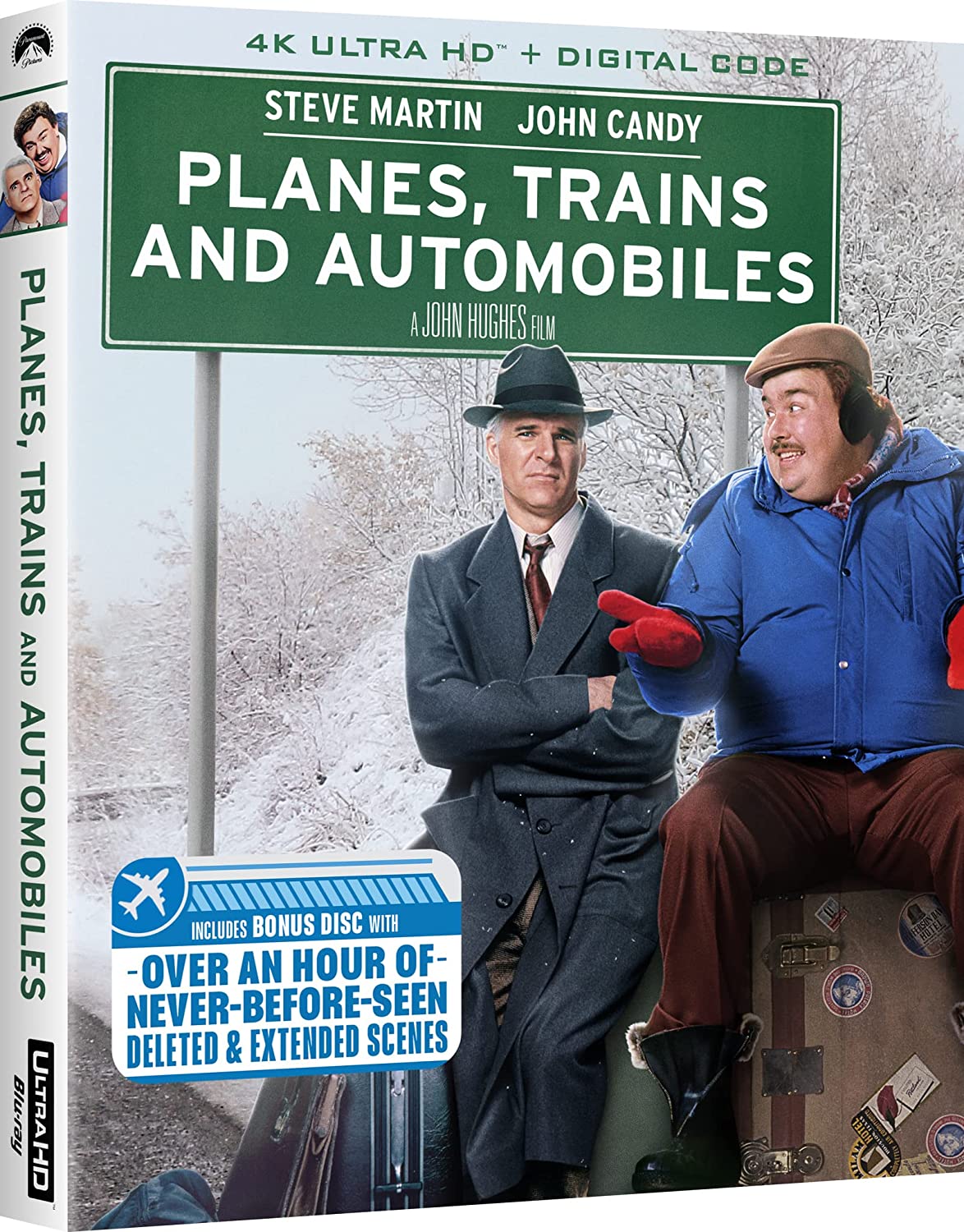
Favorite movies are usually easy to come back to.  It's a familiar song, stars you feel at home with, and even if you recite all the lines by heart, you can find something new to come back to.  In the case of Planes, Trains, and Automobiles, even though I had seen the movie probably around a dozen times or more, I was lured by the promise of new deleted and extended scenes but also a 4K-quality picture.  But as with life, you don't always get everything you want.  Let's take a look.

Please note that portions of this review came from my 2011 article on the Blu-ray, and I have improved on it where possible (and it makes sense to).  

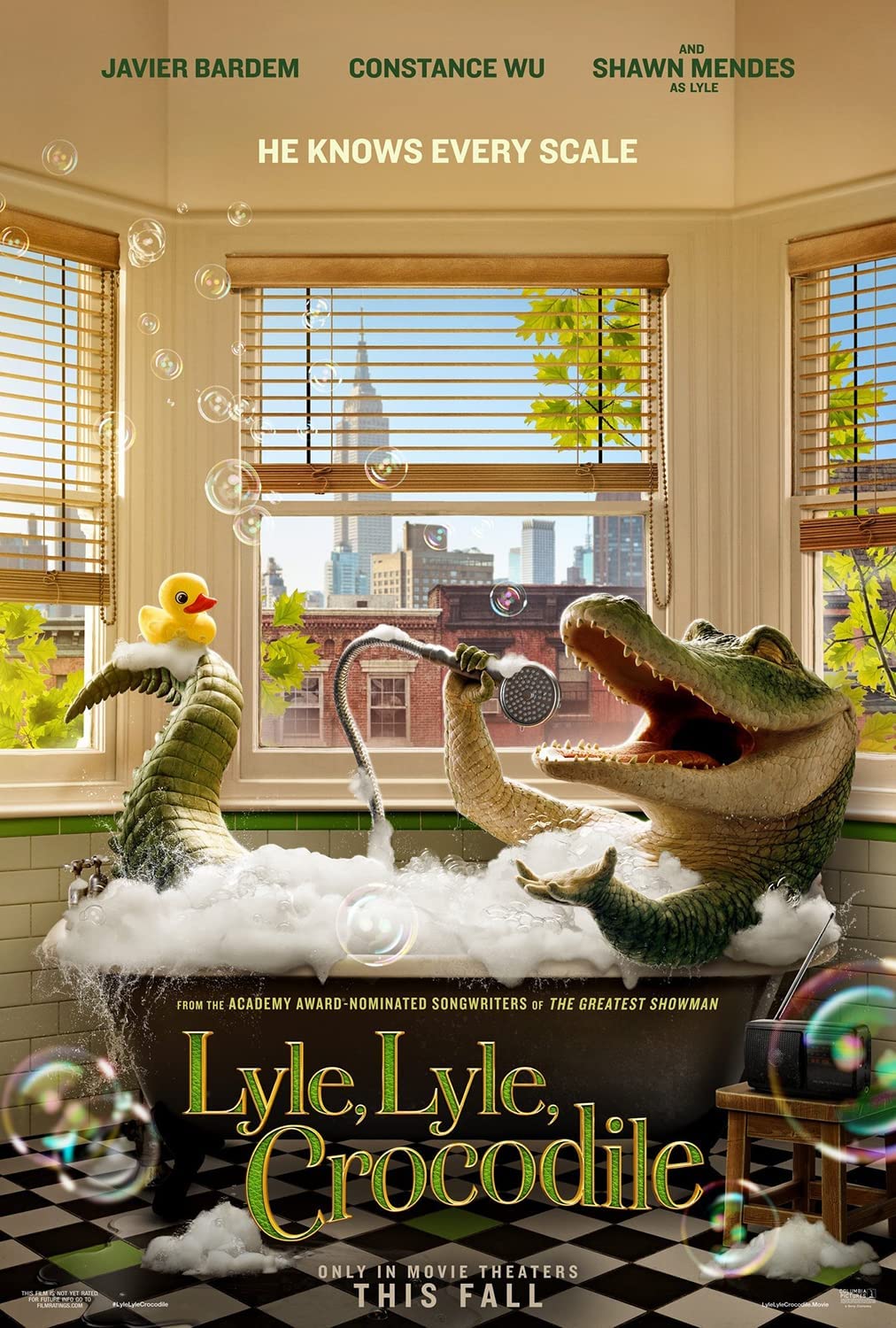
In 1907 in a little town named Kearny, NJ (just a stone's throw from New York City), a worker was cleaning out a sewer gutter. Little did he know he would be soon bit by a eighteen-inch alligator. Stories would crop up around the New York area of alligators coming up from beneath the city every few years or so. It became urban myth, comic books, heck, it ended up a movie named Alligator (which I believe has a 4K as of this year) and a children's book.  It's a popular story idea.  Well,  my family recently decided to go see Lyle, Lyle, Crocodile over the past weekend, which gives us a dancing and singing crocodile, and all I kept thinking was perhaps this movie would have worked better in a sewer.  Hey, it worked for the Teenage Mutant Ninja Turtles. Let's take a look.

Hector P. Valenti (played by Javier Bardem) is a showman.  He wears a cape, a top hat, and can call up a cloud of blue smoke like nobody's business.  He's also something of a con man, and he will do anything to catch a break.  In our opening scene, he is able to find his way onto the popular show, Show Us What You Got (obvious ripoff of America's Got Talent) again.  This time he has a pigeon act that's sure to wow the audiences.  Except it doesn't, and then he gets kicked out of the show and is told to never come back.

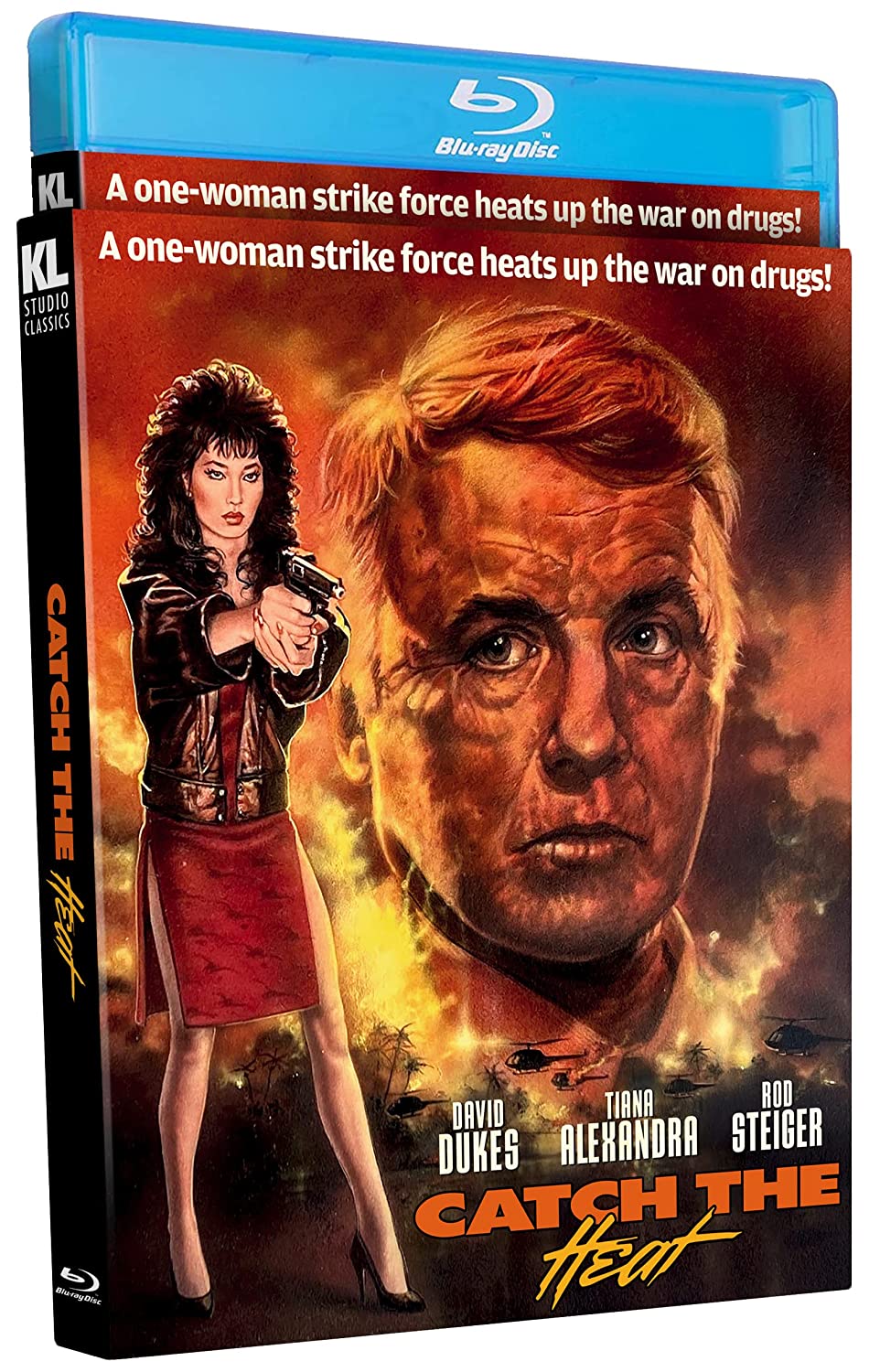
Some of my favorite movies from the 80's and 90's consist of films where very little brain matter needs to be used to consume the action of what's going on the screen.  The type of films I'm talking about are films like Bloodsport, Above the Law, the Perfect Weapon, and Rapid Fire.  Now, from reading those titles, it might sound like I'm a little "man" heavy so to speak but I also heavily enjoy films like La Femme Nikita or Moon Lee films  (Princess Madam or Devil Hunters for example).  Today's film is Catch the Heat which stars Tiana Alexandra in a film where she cranks up the kick butt meter to ten.  Let's see how it performs.

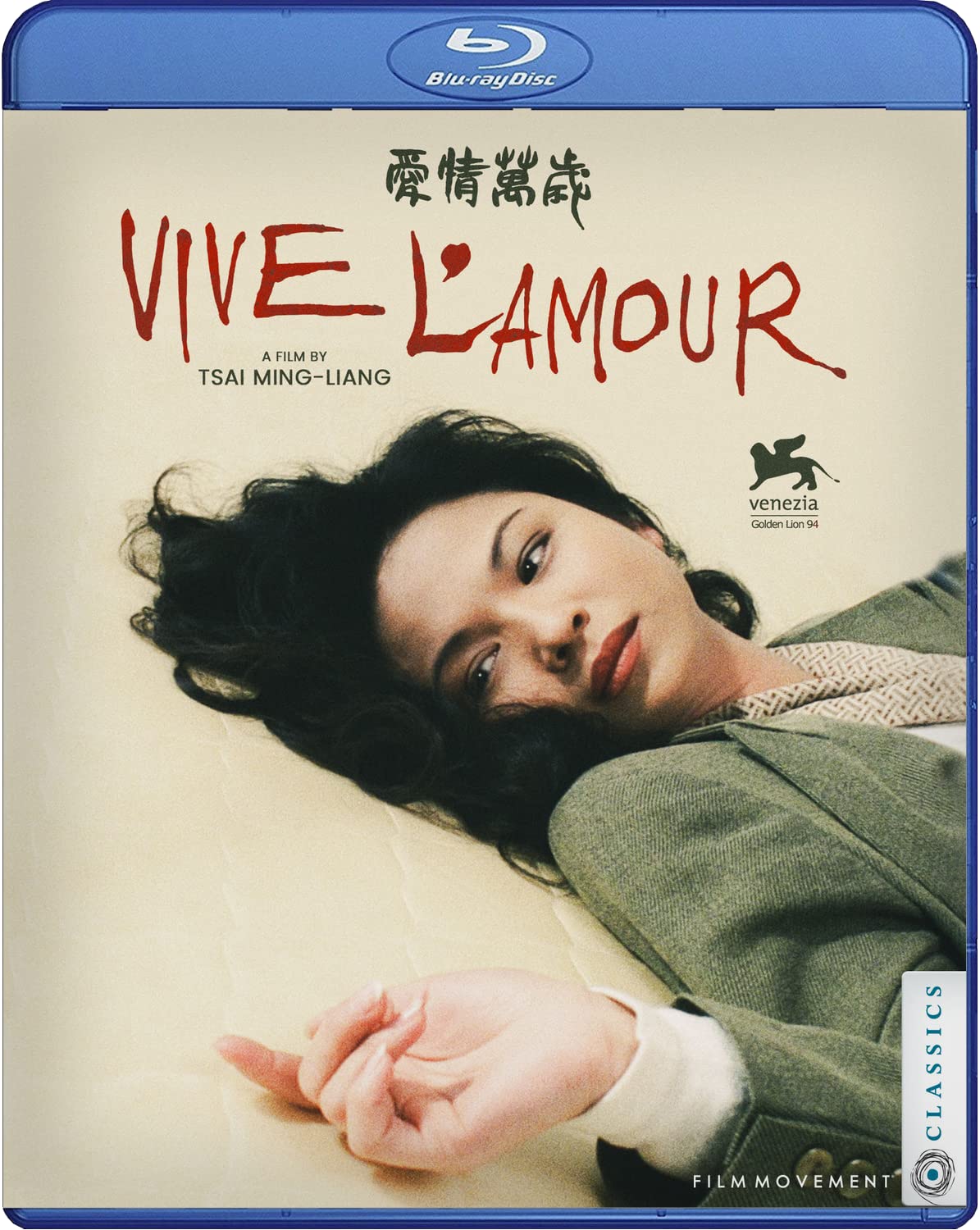
The people of Taiwan have been searching for an identity for a long time.  When martial law was lifted over the People's Republic of China in the 1980's and shifted to a more democratic form, the people have increasingly wanted their own identity and no longer to be known as a part of China.  Sure, they might maintain the status quo and appear to work with China (which hasn't been exactly the case lately), but they strive to be known as Taiwanese, separate from the mainland influence.  Our film today, Vive L'Amour, takes place in the 1990's Taiwan, where life was extremely hard for the average young adult.   So hard that many of them didn't even have a permanent residence.

We open to see a key is left in the door of a dwelling.  Nearby a salesman named Hsiao-kang (played by Lee Kang-sheng) finishes up a door-to-door sales call and after a few moments decides to take the key.  He goes to the convenience store, grabs a water, and sees a camera where he adjusts his hair.  The next scene, he is driving on his motorcycle and arrives at the location where he grabbed the key from.  He starts to unlock the door, hears sounds from inside, and quickly leaves.

When I am not writing reviews, playing games, having a family, oh, and also having a job (because writing reviews doesn't exactly pay), I do try to dabble in the occasional short story.  Perhaps it's fantasy or science fiction, but I like spinning tales about a world that I want to be a part of even if its just for a few minutes.  It's relaxing, and that's why when I saw the opportunity to review Wheel of Fortune and Fantasy, a collection of three tales steeped in chance, culture, and some wonderful word banter, I knew I'd enjoy my time.  Let's take a look.

The stories are broken out in "Episodes".  Here is a brief summary of each one:

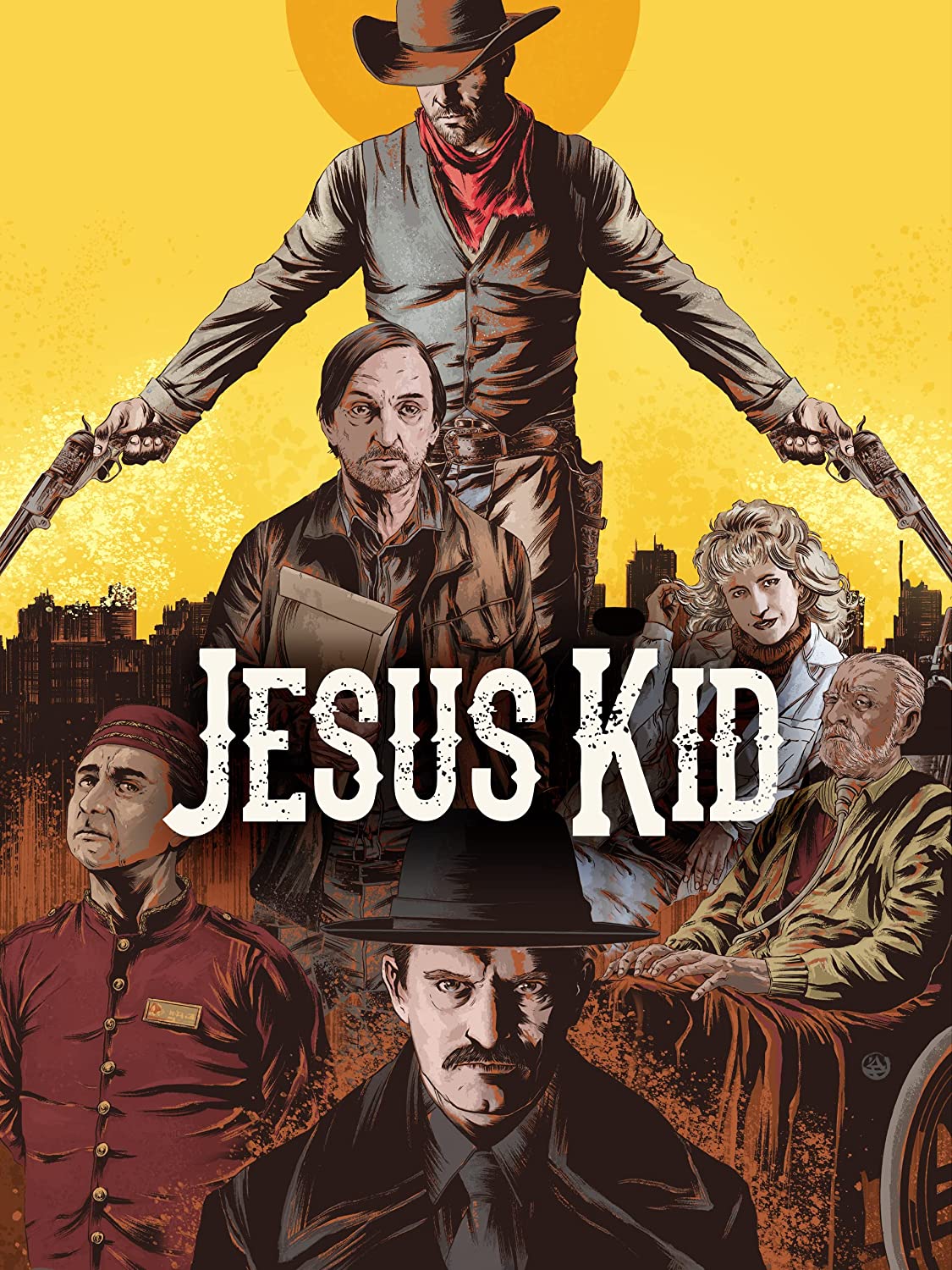
Some of my favorite movies are ones where they use the "author" as the focal part of the story.  Films like Secret Window, Misery, and The Ghost Writer are ones that immediately come to mind for me.  However, Westerns tend to be somewhere down on the list of genres for me, and only ones like Tombstone or Unforgiven tend to spark any interest.  So when I received Jesus Kid, which features a Brazilian author who likes to write Westerns, well, you can kinda understand my apprehension.  However, my curiosity was also piqued at the same time for the very same set of reasons.

Eugenio (played by Paulo Miklos) brushes his teeth late one night.  He follows it up with a mouth rinse ... and a cigarette.  Then a swish with some whiskey and some pills.  Seems like a typical night for the author.  Eugenio writes western tales about a cowboy simply known as Jesus Kid (that's Geesus, not Haysous).  In fact, he's published twenty books about the character, and his latest manuscript entitled Ballad of the Nerves is ready for publication.

From the moment I saw the trailer for The Lost City, it immediately gave me vibes of Romancing the Stone and Jewel of the Nile, the adventure-romance films that starred Michael Douglas and Kathleen Turner back in the mid-eighties. The basic story for those films was simple: a romance writer who finds herself in an adventure to find a rare jewel alongside a handsome rogue with bad guys coming after them around every corner. I loved these films as a kid, and getting to see a modern twist on these stories is something I found welcome. What is even more welcome is getting to see Sandra Bullock back in a comedic role. I’ve been a fan of just about everything Bullock has done since she graced the screen in Demolition Man and then the following year in Speed. My only concern was seeing Channing Tatum as her co-star; while I like him in numerous supporting roles like Logan Lucky and Foxcatcher, he’s never really convinced me that he has what it takes for leading-man status. Well, that changed after seeing The Lost City, and my feeling about this film is that it’s the movie audiences don’t yet realize they needed, and I hope it becomes the box office success it deserves to be.

Loretta Sage (Bullock) is a successful romance novelist who is mourning the passing of her husband. She’s become a bit of a shut-in, and after struggling to finish her book, “The Lost City of D”, her manager Beth (Da’Vine Joy Randolph) has put together a book tour for Loretta and her cover model, Alan “Dash” (Tatum) to promote the book. Loretta seems to be content with giving up on her romance adventure series, though this could possibly mean an early retirement for Alan, who has embraced being a sex symbol for her readers wearing a ridiculous wig, acid-wash jeans, and a shirt that seems to have lost most of its buttons. Channing Tatum immediately stands out in this performance as he hams it up on stage for the adoring fans but is charming when he’s off stage trying to convince Loretta to not stop writing. It’s after the near-disastrous promo appearance where the plot escalates after Loretta is kidnapped and taken to see an eccentric billionaire, Abigail Fairfax (Daniel Radcliffe). Fairfax believes the island in Loretta’s new book is based off the island he has recently purchased and is in search of a lost city that contains a rare treasure.

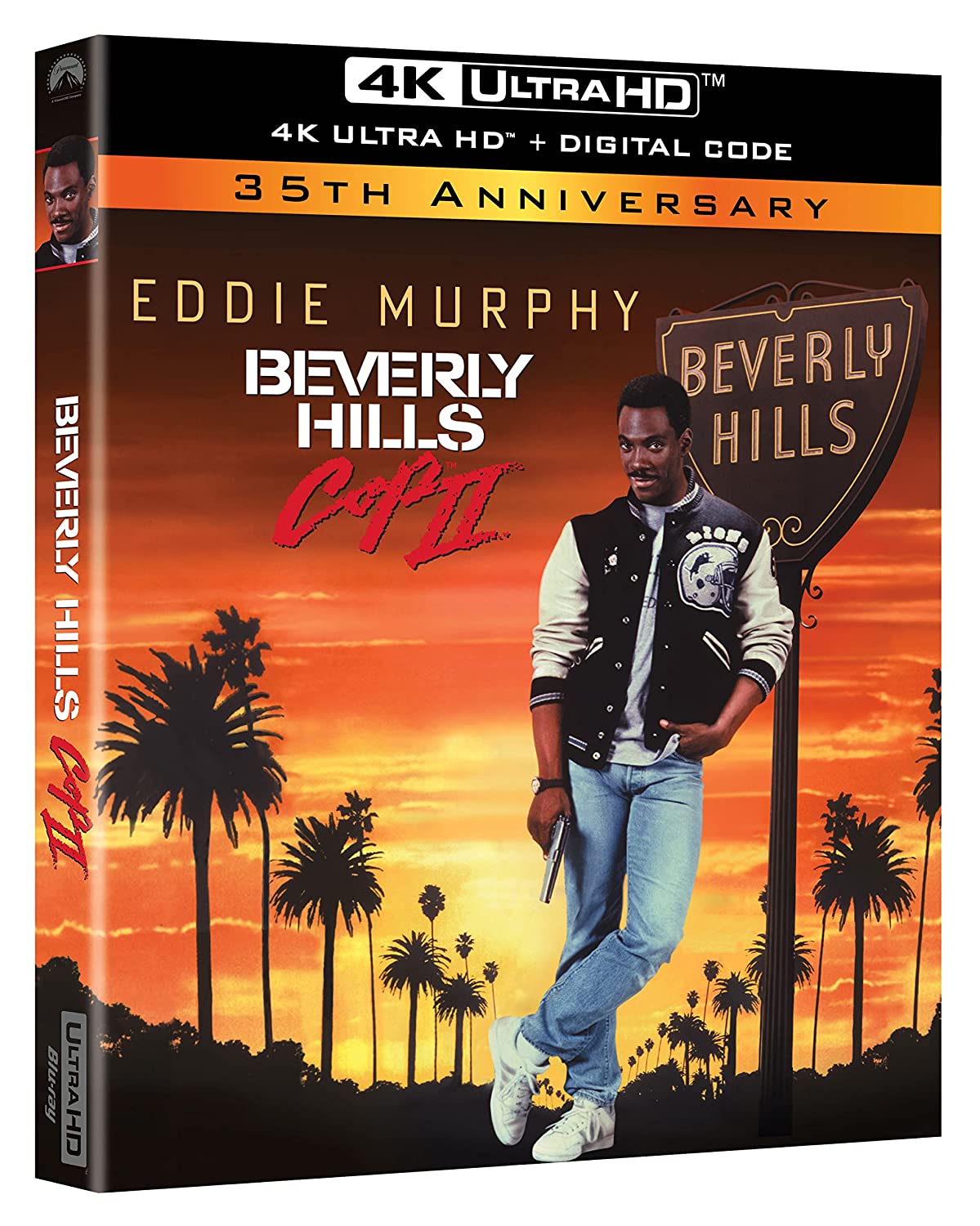
From the bouncing opening music by Glenn Fry to the final frame of Eddie Murphy's smile, Beverly Hills Cop had established itself as a classic. The movie had a complicated history, and it's a kind of miracle that the version we know ever happened at all. The movie was originally conceived as a straight action film with the plan to have either Al Pacino or Clint Eastwood in the title role. At that point the script was called Beverly Drive. When they couldn't get Al or Clint, they turned to Sylvester Stallone, and Sly took the role. He took the script and rewrote it to fit his own particular style. The main character's name went from Axel Foley to Cabretti so that he could be called The Cobra. The problem with Sly's version is that the cost was rising higher than the execs at Paramount were willing to put out. Sly was offered another film to drop Beverly Hills Cop. He took his rewrites with him, and they eventually formed the nucleus of his movie Cobra. The rest of the film had already been cast, so imagine their surprise when the action movie they thought they were making with Rocky turned into a comedy/drama starring the Saturday Night Live but unproven box office comedian Eddie Murphy.

The result changed the face of the cop movie forever. With Beverly Hills Cop, the comic buddy cop film was born, and imitations follow to this very day. This was when Eddie Murphy was still hungry. Axel Foley is filled with drive and energy and loaded with charm. Murphy ended up adlibbing a lot of the material, but in those days he was a generous actor and was known for being very good at setting up his co-stars with great material to go with. He didn't feel the need to steal every scene; the truth is he didn't have to. The camera loved him then, and he was a natural. It didn't hurt that the supporting cast here was also very good. Judge Reinhold and John Ashton had wonderful chemistry as the Beverly Hills detectives Rosewood and Taggert respectively. Neither performer has been in a better movie or had better roles before or since. Finally, there was Gilbert R. Hall as Axel's boss, Inspector Todd. While scouting police stations in Detroit, Brest found this particular actor working as a genuine detective in the Detroit police department. He's quite a catch and adds a great dose of authenticity in his few scenes with Murphy. The film didn't get him a switch to movies, however. He only did the three Beverly Hills Cop movies, but he did use his bit of fame to become a Detroit councilman and even ran for the office of mayor of Detroit.

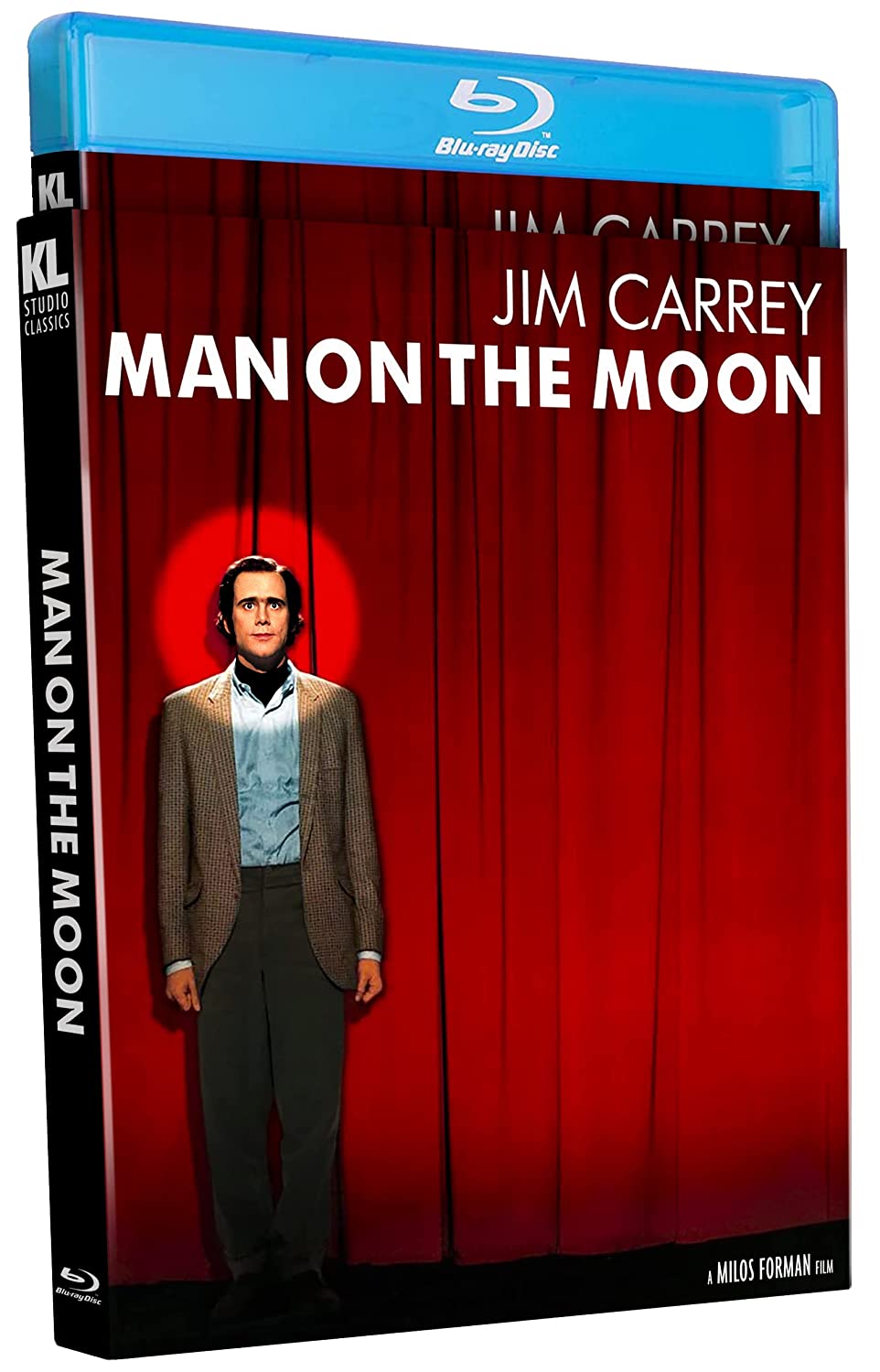
In 1999 when Man on the Moon was released, Jim Carrey was pretty much one of the biggest comedic stars in the industry, though at the time I don’t think audiences were prepared to see Carrey make such a departure despite it being a career best performance.  This was one of those box office failures that shouldn’t have been, but to be fair, 1999 is one of the most stacked years of great films, though how Carrey didn’t even get a nomination is baffling. So what are my thoughts after revisiting the Andy Kaufman bio-pic that was penned by Scott Alexander and Larry Karaszewski (Ed Wood and The People Vs. Larry Flynt) and directed by Milos Foreman (One Flew Over The Cuckoo’s Nest and Amadeus)? The opening scene pretty much sets the tone for the film you are about to see with Andy Kaufman (Jim Carrey) breaking the 4th wall to address the film the audience is about to see. He goes on to tell them that the movie is over, and the credits roll and eventually the screen goes to black. When I saw this in theaters, I was surprised by how many people in the audience actually walked out, but to be fair, if you’re not slightly amused by this gag, I don’t imagine you’ll enjoy the rest of the film. Andy Kaufman wasn’t simply a comedian but more of a performance artist who seemed to get pleasure out of entertaining himself first, and if other people enjoyed the gag, well, that was an added bonus. For Kauf was great, but if they got upset or walked out, even better.  When George Shapiro (Danny DeVito) catches one of Kaufman’s performances, he feels Andy is a unique talent and offers to be his manager.

The film lets us see the variety of characters that Kaufman developed, from his loveable foreign man that was made famous on Taxi when he was Latka to his obnoxious lounge singer alter-ego Tony Clifton. In some ways the character of Tony Clifton may be Kaufman’s greatest work that he created with his long time friend and comedy partner Bob Zmuda (Paul Giamatti). Seeing how Kaufman uses the character to pull one over on the studio and create drama on the set of Taxi is one of the more memorable yet cringe-worthy moments of the film.  What’s even more impressive is how the filmmakers were able to get so many people from Taxi to return and shoot segments for the film. But it’s not just the Taxi sequences where we see people pulled from real life to play themselves in the film. So many people from Kaufman’s real life are in the film, his real life manager, Zmuda, his Dad, and his granddaughter all are sprinkled in this film that attempts to capture the essence of Andy Kaufman.