Drama

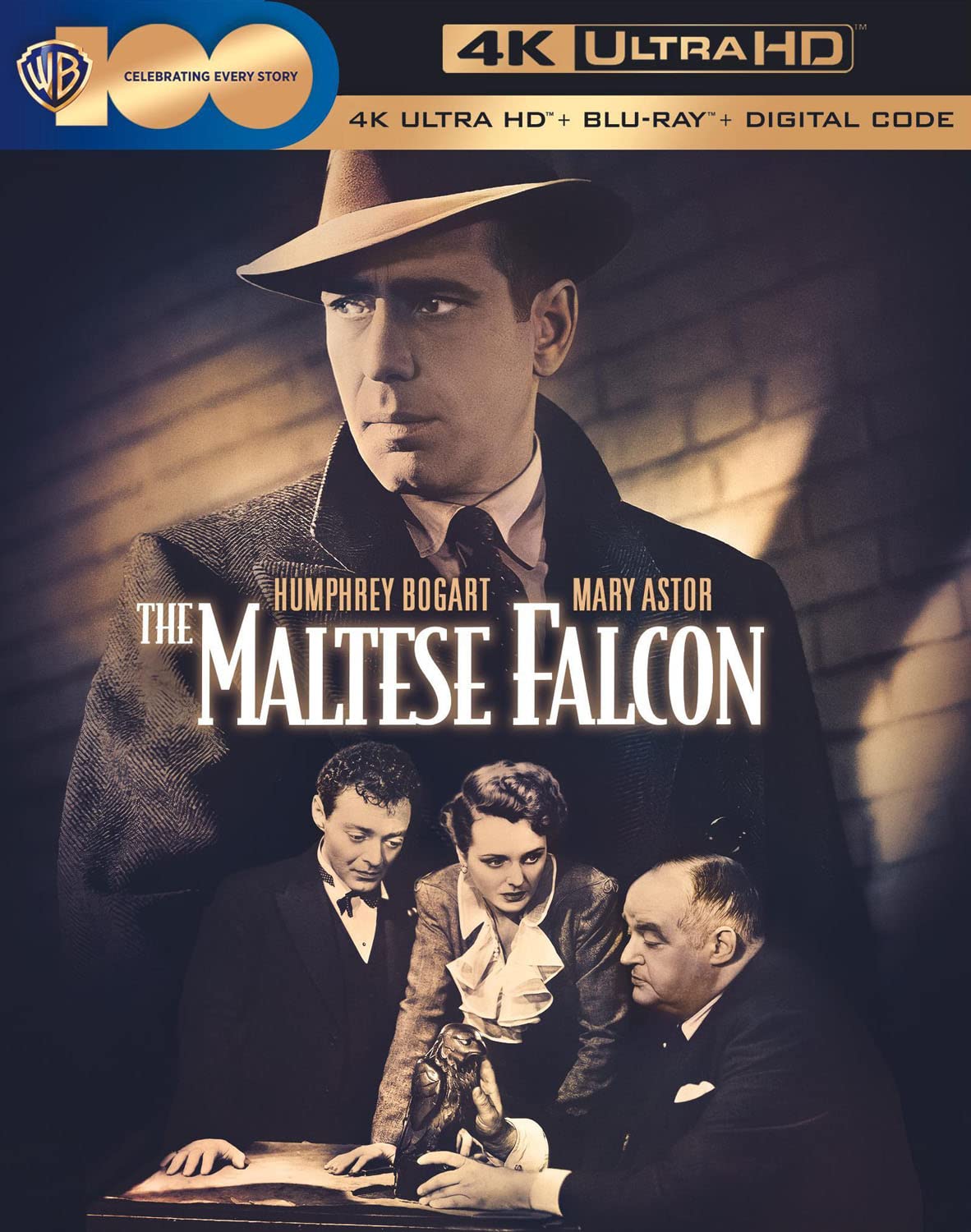
"In 1539 The Knight Templars of Malta paid tribute to Charles V of Spain by sending him a Golden Falcon encrusted from beak to claw with rarest jewels --- but pirates seized the galley carrying this priceless token, and the fate of the Maltese Falcon remains a mystery to this day."

What is not a mystery today is the significant role that The Maltese Falcon has played in cinema history. The film itself was a remake. In fact, it was actually Warner's third attempt to film the Dashiell Hammett novel in a single decade. The first version came in 1931 and starred Ricardo Cortez as Sam Spade. That film also featured Dwight Frye as Wilmer Cook. The film was a moderate success but never really delivered on the potential of the source material. Five years later Warner would attempt a comedy version of the story in Satan Met A Lady. It was a total flop. It would only take another five years before the studio took its third crack at the material. In this case, the third time certainly was a charm.

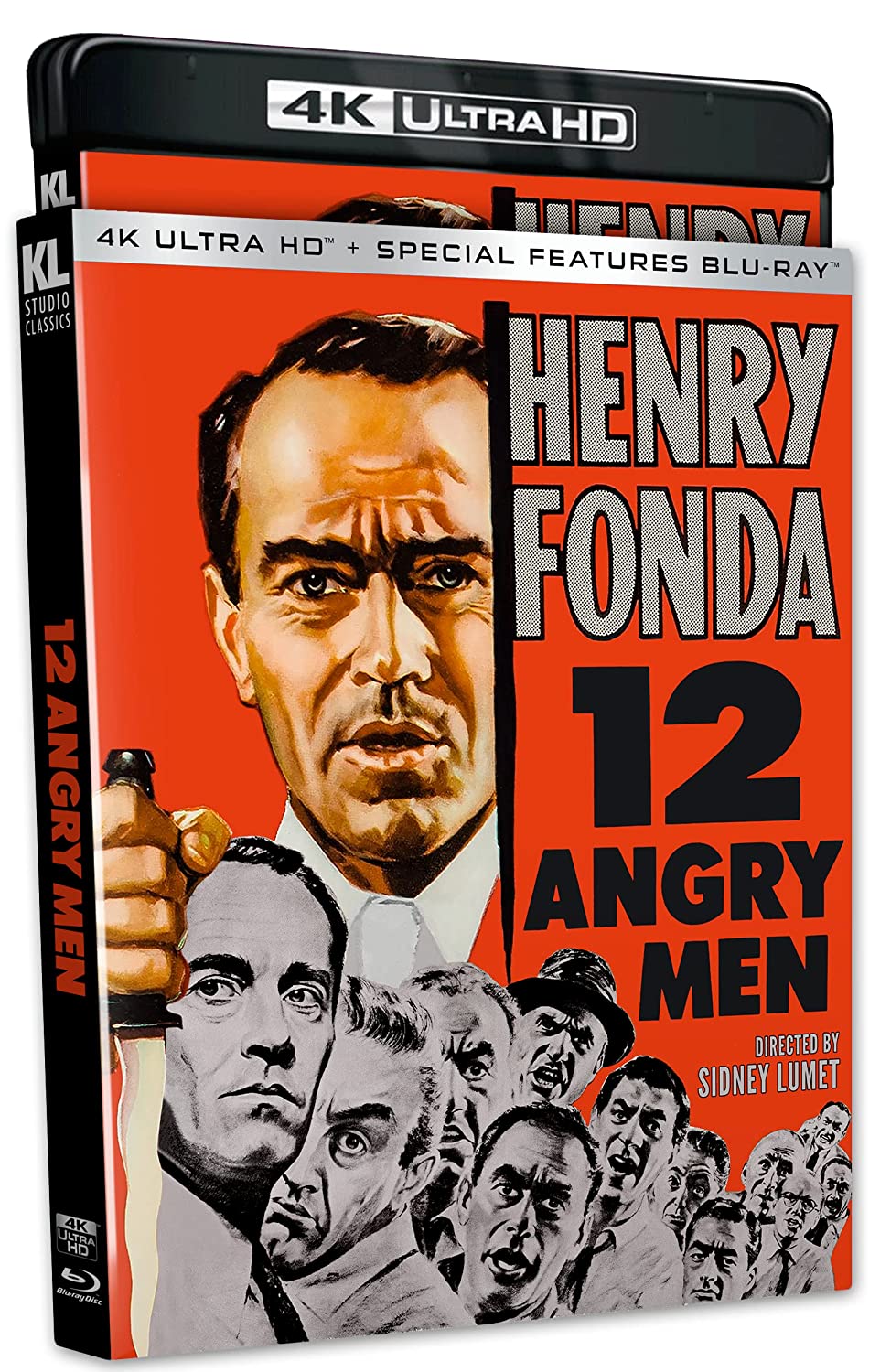
12 Angry Men is one of those rare films that appears to defy all the Hollywood constants and yet become one of the best films of its kind ever made. The setting is entirely too claustrophobic. With the exception of two bookend scenes, the entire film takes place in the tight quarters of a jury deliberation room. The story had only a couple of years earlier been the subject of a live television drama, so the story was far from a fresh idea. The director was a complete unknown who had not at that point directed a major picture. Enter Henry Fonda, the only member of the cast who was a strong A-list name. He was also the driving force behind getting the film made. He produced the film and was involved with most of the major decisions. With all of these elements going against it, you would expect the film to fail miserably, and that’s exactly what it did. During its premier run, the film only lasted a week and was a complete financial failure. It happens all the time, and we would expect the story to end there, but it didn’t.

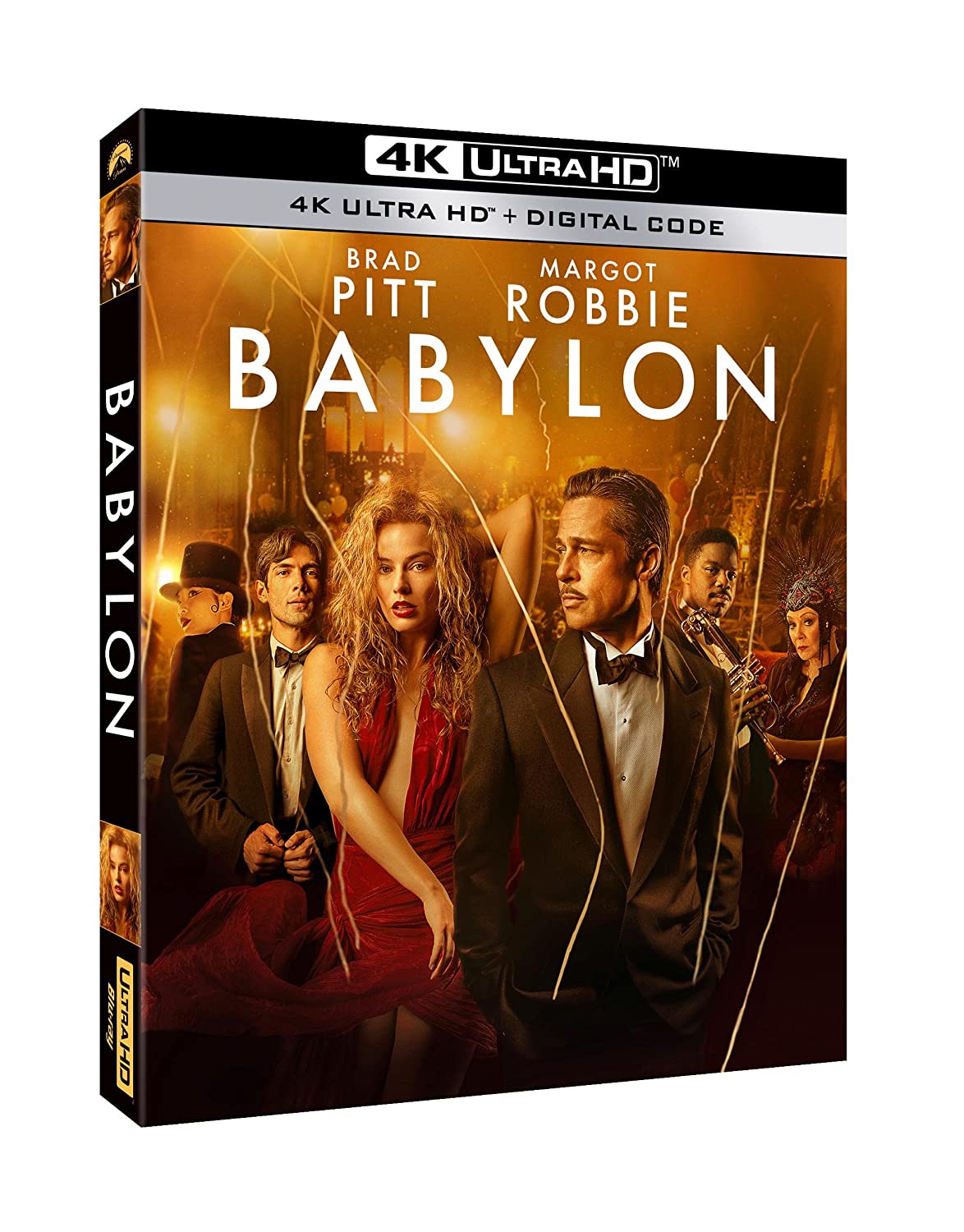
Damien Chazelle seems to have a thing for dreamers, or at least those who want to be larger than life. Whether it is a drummer aspiring to reach perfection in Whiplash, or an actress wanting to be a star in La La Land, to even being the first man to walk on the moon in First Man, he’s always made these films with an enthusiasm and energy that we can’t help but want to see them succeed. In his new film Babylon, he seems to be doing something  a little different and on a grander scale as he explores  the early days of Hollywood  as it made the transition from the silent film era to the “talkies” (basically what we’re used to seeing on the big screen today, just minus all the CGI effects).  A lot of money was injected into the production of this film, and you see it in every frame of this movie that is certainly a love letter to a time when Hollywood was trying to figure things out and entertain its audiences. But what I don’t think anyone was expecting is how deep this film was willing to go into the drug abuse and the sordid debauchery that went on in these early days of cinema.

“You got everything money can buy, except what it can’t. It’s pride. Pride is what got you here. Losing is what brung you back. But people like you, they need to be tested. They need a challenge.”

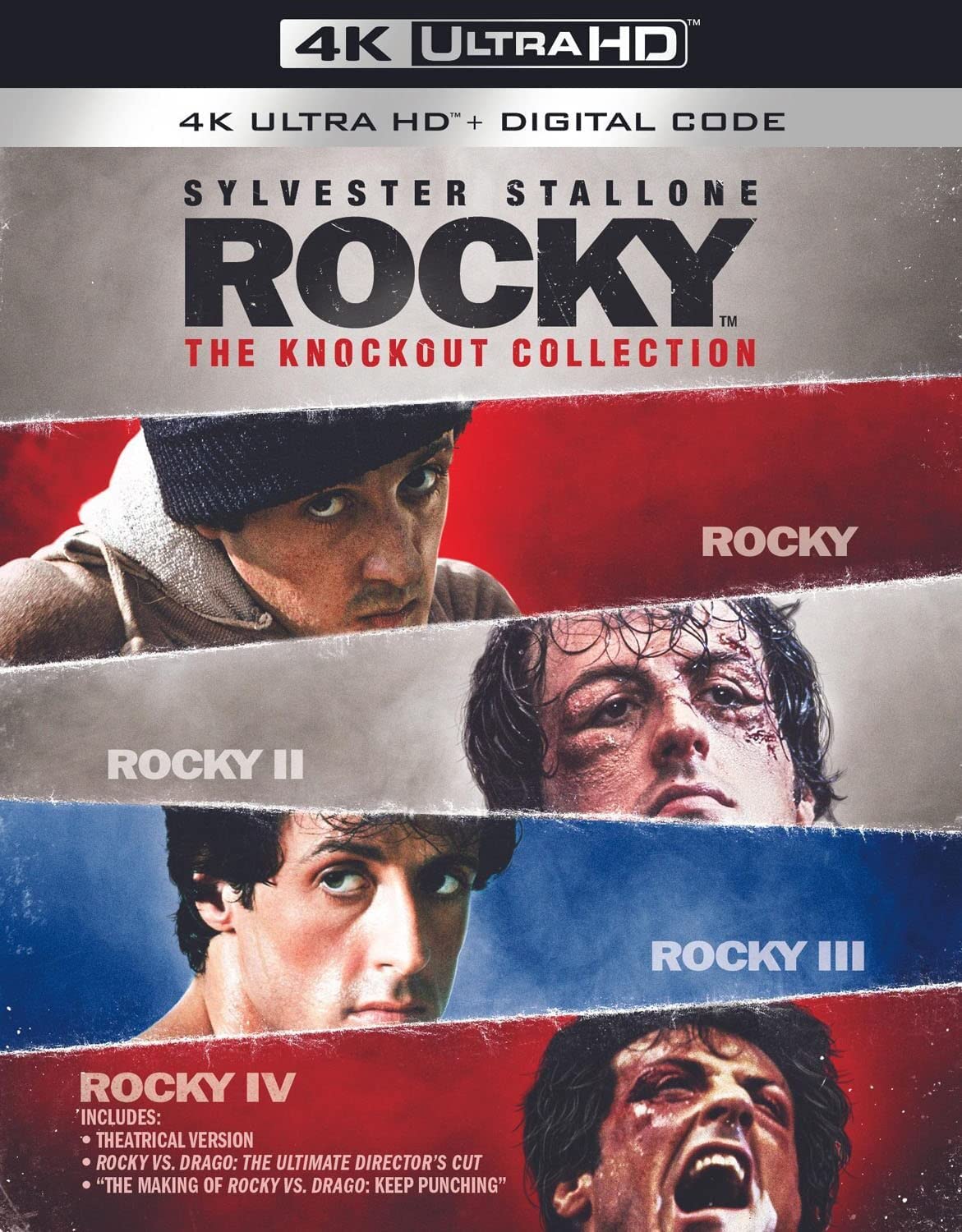
There have been a ton of boxing films. They’ve been popular going back to the silent era. Most of them have many of the same themes. But there was always something about Rocky that stood out above all of the rest. That “something” can’t really be described or defined. As the Supreme Court once said about the definition of obscenity: “I can’t define it, but I know it when I see it.” That’s all you can say about Rocky. Some might call it heart. That’s about as good a word for it as anything else. Rocky himself would call it “stuff in the basement”. It almost demeans it to put a word on it at all. Whatever you call it, you don’t necessarily see it in Rocky … you feel it. Now the first 4 films are out together on UHD Blu-ray in 4K.

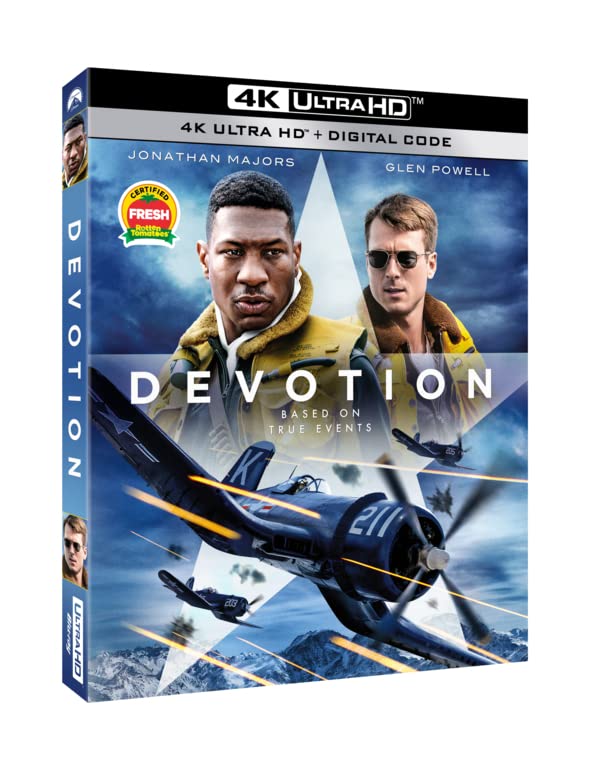
"Inspired by the global threats of the Second World War, the U.S. Navy welcomes a surge of aspiring aviators ready to fight in what they called The Big Show. But now it's 1950, and after five years of peace, a true conflict is growing at the North and South Korean border. This is a story from America's forgotten war."

One of the best things about this job is that we get to see some of the up-and-coming talents as they evolve into superstars. I was lucky enough this week to get a double dose of one of the most dynamic young stars out there. Of course I'm talking about Jonathan Majors, who plays US Navy aviator and hero Jesse Brown.

"King Kong ain't got nothing on me."

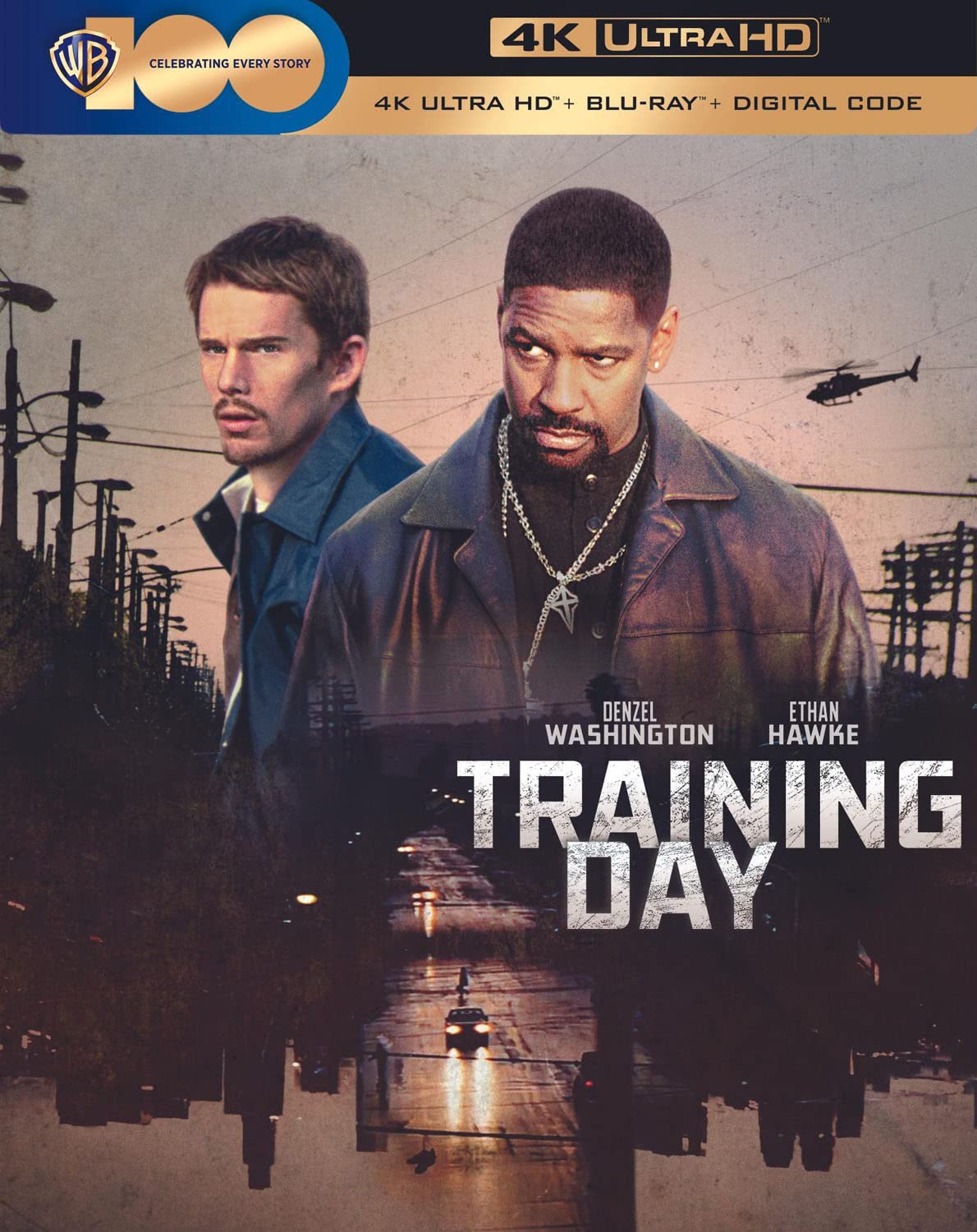
Training Day stars Academy Award-winning actor Denzel Washington in the role of Alonzo Harris. Harris, who is one of the meanest, baddest cops in the city of LA, is a person who cruises the streets in his customized Caddy. Harris, in one of the film’s opening scenes, meets Jake Hoyt (Ethan Hawke), a young cop whose dream is to be promoted to the elite narc squad. Naturally, this is Jake’s first day of training, and he is thrown into the arms of Harris. Alonzo tries to show him the streets so he can understand everything. He has Jake smoke pot just because he can. In one interesting scene, possibly Alonzo being a tough-ass to Jake, he doesn’t arrest two rapists like Jake wants to, but instead, proceeds to beat the living crap out of them.


"Life is not like the movies."

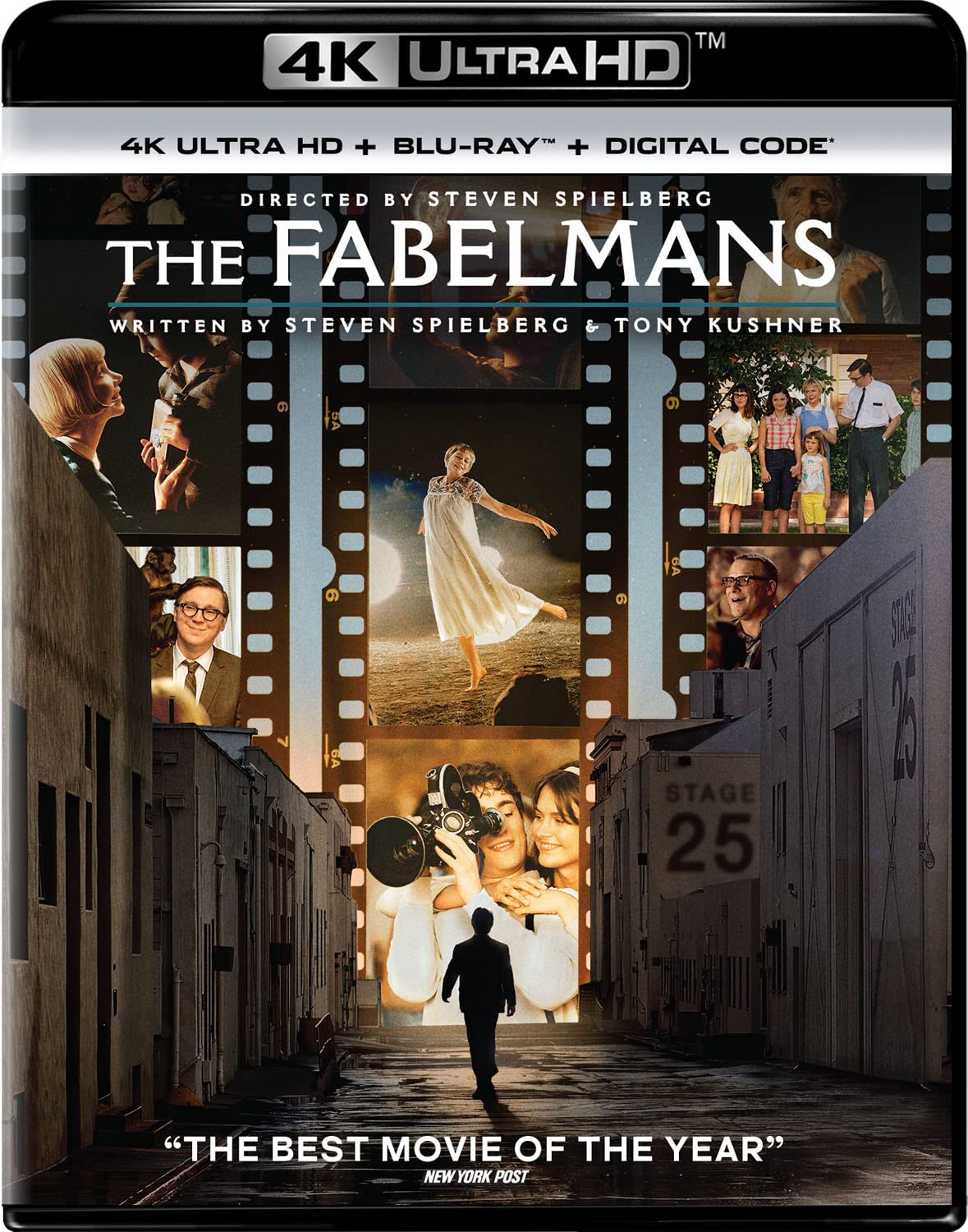
Maybe sometimes life is exactly like the movies. You know the old phrase of art imitating life and that kind of thing. That's exactly the territory that's covered in Steven Spielberg's latest film The Fabelmans. It's an autobiographical film where the names are changed to protect both the guilty and the innocent. It's also the first time that Spielberg has directed his own writing in over 20 years. In those 20 years Spielberg has become something of a moviemaking machine, and I think he felt it was time that the machine walked away from the spotlight for a minute and allowed the man behind the machine to show his face again. It used to be about heart; lately it's been about box office, and more recently it's been about surviving after the hit the industry took with COVID. I think Spielberg had a lot of things to get off his chest, and it looks like he might have found the time and place to do just that.

"We've come here to pay our respects to Great Aunt Nellie. She brought us up properly and taught us loyalty. Now I want you to remember that during these next few days. I also want you to remember that if you don't come back with the goods, Nellie here will turn in her grave, and, likely as not, jump right out of it and kick your teeth in."

Ian Kennedy-Martin was a television writer for the BBC in the late 1950's and early 1960's. When London adopted one of the world's first computerized traffic light systems, it gave him an idea for a series or television movie. The idea was pretty simple. A group of crooks would hack into that system and use a traffic snarl to get away with a big bank job. The problem was that the idea was too large a production for the BBC staff to pull off. So he sold the idea to his brother, Troy Kennedy-Martin

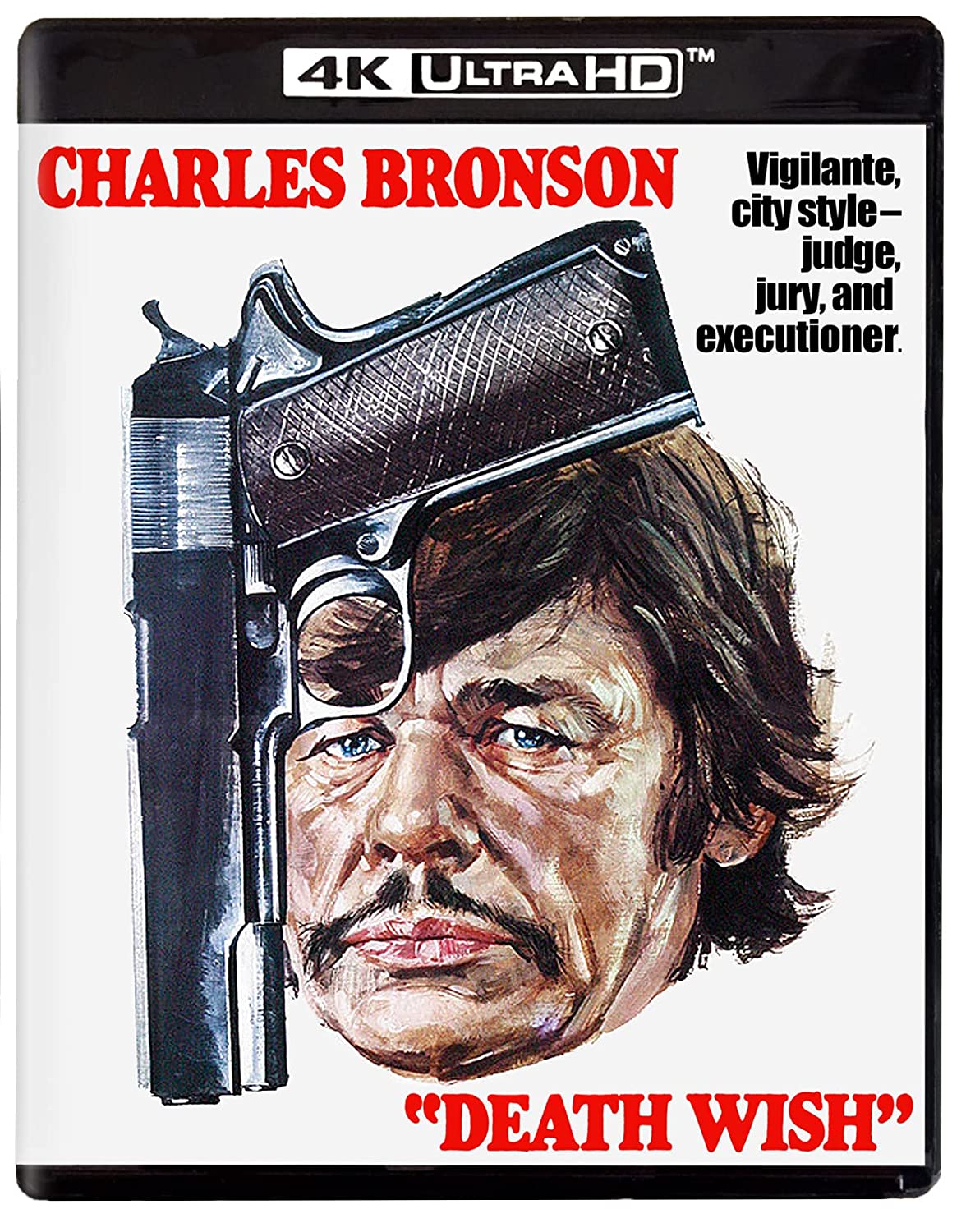
"What about the old American social custom of self-defense? If the police don't defend us, maybe we should do it ourselves."

Vigilante justice has always been a popular subject in our movies, television shows, literature, and even comic books. Batman is nothing more than Bruce Wayne out to get back at criminals like the ones who murdered his parents when he was a kid. Batman is the ultimate vigilante. And let's be honest. Haven't you ever once fantasized that you could cross that line and punish some injustice or another that crossed your path? The subject has been around since stories have been told. There are those landmark tales, however, that for some reason or another reach the soul of the masses.

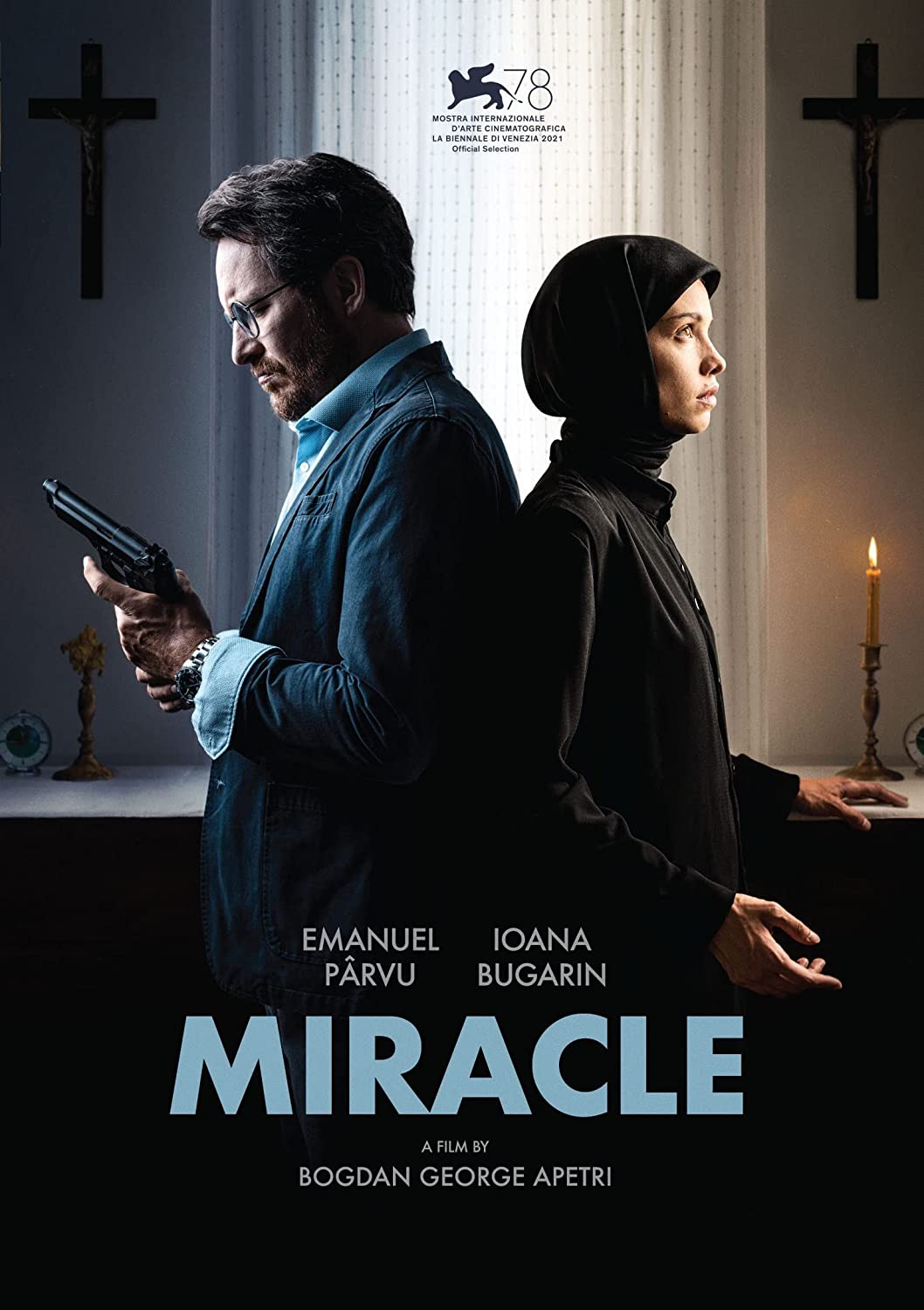
Hopefully, most of you have enjoyed my review of Unidentified, the first in a series of three films directed by Bogdan George Apetri set in a small town in Northern Romania.  It is a nontraditional trilogy, as all three stories share the same universe but do not require the viewer to watch them together or in a certain order.  Well, today I have received the second film in this series, entitled Miracle.  Since they were filmed at the same time, one would hope that it is just as good and just as brilliant as the first film.  Let's take a look and see what it has to offer.