Disc Reviews

A few minutes of watching the news lately will reflect an ongoing division in race, but the one divide that seems to be more prevalent is the one between blue- and white-collar Americans. The Purge franchise has tapped into this and the exploitation of the classes being ramped up to a high degree. But personally I feel that’s a franchise that still is missing a rawness that never quite allows you to feel that it is real; it’s like a dark fairytale of what may come in the distant future. Union Furnace, instead, takes a more grounded approach to the upper class taking advantage of those in need and presents what could be a terrifying reality going on in small town America. While I appreciate the sense of realism,I have to admit I wish it wasn’t so gun-shy and afraid to take us into this dark hole of humanity. How dark does it go? It all depends if you’re willing to play along.

Cody (Mike Dwyer) is a down-on-his-luck car thief who has debts all around but simply has no way of paying them off. It’s bad to the point he knows a beatdown — if not a bullet — is in his near future. When Cody crosses paths with a slick southern gentleman (Seth Hammond), he is offered a way out and even the chance to make more money: all he has to do is agree to show up at a certain location. When Cody does arrive, he’s taken to a room full of other strangers where they are asked to play along in an all-or-nothing game. Each round, the money they win will increase, but if they lose they take home nothing.

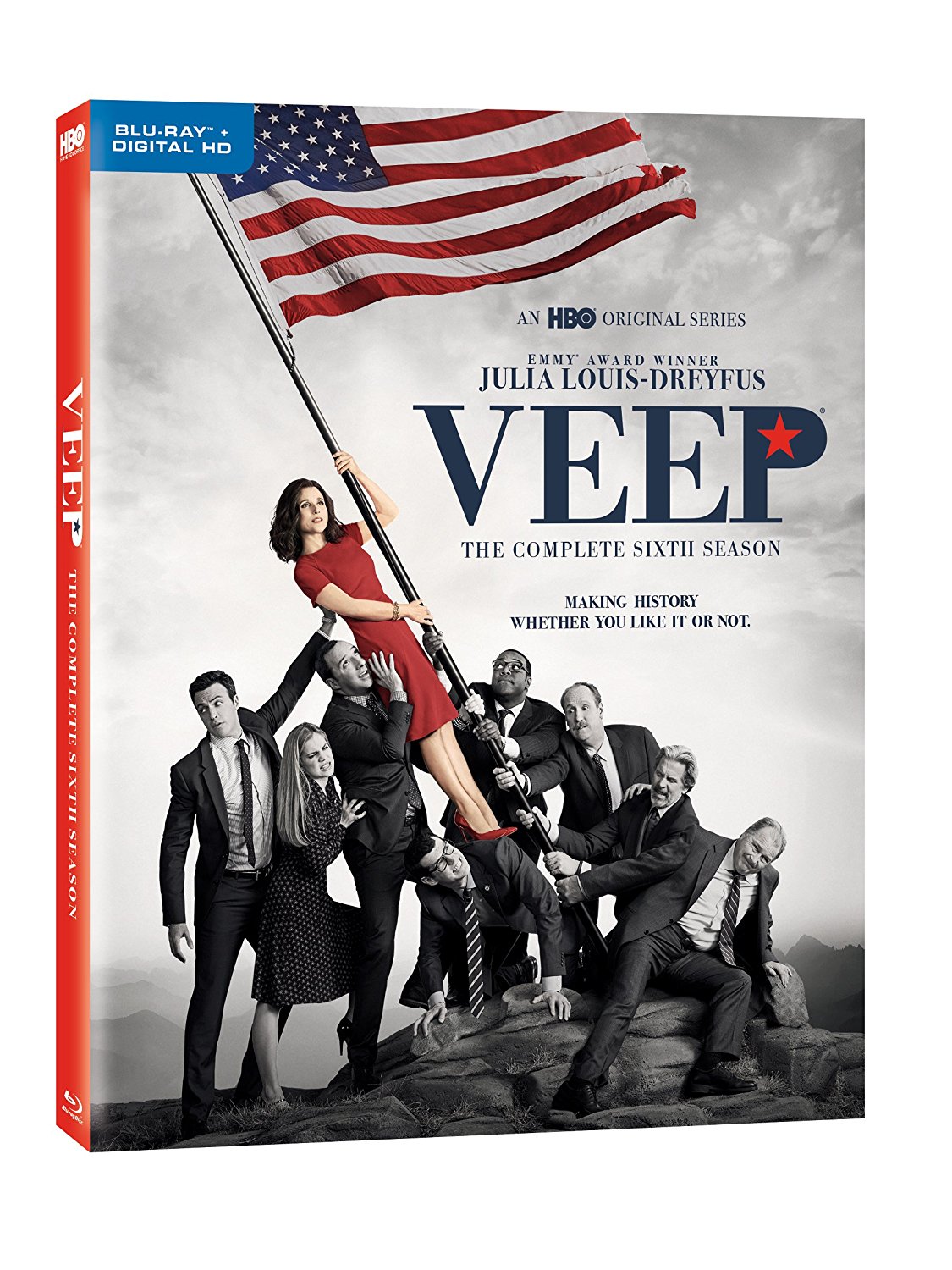
In one corner you have U.S Attorney Chuck "The Scholar" Rhodes, played by Paul Giamatti. He's the reigning world champion with a record of 80+ to 0. In the other corner is Bobby "Axe" Axelrod, played by Damian Lewis; he could also be considered undefeated. He runs a sexy brokerage firm. Both of these guys walk and talk like champs. There's a lot of trash-talk between them, but both have very lurid and potentially devastating skeletons in their perspective closets. This season finds them each willing to risk anything just to get to the other.

The strength of two very strong performances immerses us in each of these worlds to a point that we discover something none of these players know, or at least would be willing to admit. They are very much the same, and the culture of their careers is more alike than not. Both are willing to bend a rule for "the common good", and both believe themselves to be the heroes of their own stories. And that's where the writing and acting come together for a nice perfect storm. Both characters are heroes to the people around them. They've developed almost cult followings. Both are admirable people. Of course, the opposite is just as true. These guys can both play the anti-hero with the best of them. There is both great good and great evil in both. If that sounds complicated here, just imagine how hard it would be to actually pull off. And in Season Two that obsession goes to limits that surprised even me. Both men are literally willing to give up their families, wealth, and careers to bring down the other. The term “nuclear option” means nothing to these guys. The final couple of episodes play out a round in this game that could very well take them both out. They cross some very big lines that you simply can't come back from.

"Welcome back to New Orleans."

The most recent member of the NCIS family enters its third season. There are some changes, but not just in the show's cast. I have noticed a concerted effort to use the term NOLA by both the characters and various signs and symbols displayed throughout the new season. It's a bit odd, because at one point a character chastises an outsider that the locals prefer New Orleans. Minutes later that same character uses the term NOLA. The crew now even wear lanyards that say NCIS:NOLA on them. I have not been to New Orleans post-Katrina, so I'm not up on whatever local thing might be going on with the name. I suspect there are some politicians who are using the new designation in order to help re-brand the city. Whatever's going on, the series is apparently caught up in it. The term even shows up in episode titles.

Suspenseful, intriguing, and exciting, The Lincoln Lawyer makes the legal system entertaining.  With all the TV attorney shows pushing for top ratings, this film comes at the right time.  A strong cast, excellent direction, and a riveting storyline make The Lincoln Lawyer a must-see. Mick Haller (Matthew McConaughey) keeps his legal business close to him, in his car.  Defending the lowlifes or whoever desperately needs legal assistance, Mick turns down very few clients.  While working on a questionable case, his confidant Val Valenzuela (John Leguizamo) gives him the name of Beverly Hills playboy Louis Roulet (Ryan Phillippe).

This client will pay big money to get him off for battery and rape. It’s the case of a lifetime, and Mick knows it.  Suspicious of the client, however, he brings on his friend Frank Levin (William H. Macy), a private detective. When they start getting conflicting evidence, Mick starts to get distrustful of Roulet.

"It is, I think, going to be a very harsh and unpleasant kind of business and will, I think, require an extremely harsh and unpleasant kind of man to see to it." 

That man, of course, is John Wayne. They called him The Duke, and he was indeed western cinema royalty for six decades. He represented the American ideal of the tough guy who stood up for the weak and didn't shy away from a fight. His characters usually worked hard, and they played just as hard. He had a unique way of turning a phrase and has been one of the most widely impersonated Hollywood voices. By the time the 1970's rolled around, Wayne was coming to the end of a long career. Some of these later roles showed a somewhat softer side to The Duke, and he was rarely doing any of his own stunts. Two of those later films were Rio Lobo and Big Jake. They aren't two of his most prominent roles and haven't had much of a wide release in the days since their release. They would show up on late show broadcasts, and Rio Lobo had yet to reach high definition and Blu-ray release. CBS changes that little oversight with a nice package they call a John Wayne Double Feature. For those of us who remember the days of the double feature, these two films fit the double-bill quite nicely. Here are two of the better John Wayne films that you likely have never seen, at least uncut and in high definition.

"For centuries man and mage lived side by side in peace until the rise of the mage sorcerer Mordred. Turning his dark ambition against man, he marches on the last remaining stronghold: Camelot."

So it finally happened: I found a Guy Ritchie film that I didn’t enjoy. I wasn’t expecting much from King Arthur: Legend of the Sword, but it is worth noting that I got even less than I expected. I know that sounds cruel, and I will admit that there were a few things that I did enjoy, but the number of things that went wrong versus what went right is not a close margin. Before we get into it fully, let me issue this disclaimer: the sword in the stone, which is known in the film as Excalibur, according to Arthurian legend is not really Excalibur, which is a different sword that Arthur was given to him after he became king.

Big Little Lies — HBO’s star-studded and (deservedly) Emmy-nominated limited series — is structured like a typical murder mystery. We know someone has been killed, but we don’t know the perpetrator or even identity of the victim. On top of that, the limited series format promises that we’ll actually have an answer by time these episodes wrap up (**cough** The Killing). But the reason Big Little Lies shines— other than top-notch performances and stellar direction — is because beneath the murder-mystery veneer lies a darkly funny drama about all manner of adult relationships: husband/wife, ex-husband/ex-wife, mother/daughter, mother/fellow-mother, and so on.

“I love my grudges. I tend to them like little pets.”                 

When we begin the second season of Blindspot, three months have passed since the first season's explosive finale. We are placed back in the action with the same time having passed on the show. Jane (Alexander) has been kept at a covert CIA black ops location where she is being tortured for information. It is a fortuitous time to rejoin the action, because we arrive just in time to see her engineer a clever escape. Meanwhile Kurt Weller (Stapleton) and his team have been back to more mundane FBI cases, and it's obvious they miss the excitement of working the tattoos. They're about to get their wish, and things are about to get pretty intense as we join the sophomore season of Martin Gero's Blindspot.

When Jane rejoins the team, there are now a lot of trust issues between them. She's upset that they allowed her to be taken and tortured, and the team has learned more about the organization that sent Jane to the FBI. Enter new co-leader of the team, NSA Agent Nas Kamel, played by The Good Wife alum Archie Panjabi. She has named the organization Sandstorm because of the fearful ones she experienced as a child. She had trusted the wrong agent, and it cost lives on her team when he betrayed them. Now it's a little personal, and she's not going to be quick to trust Jane.

In the early 1870’s the residents of Labette County, Kansas, lived alongside a family of serial killers. Known later as “The Bloody Benders,” their modus operandi was to lure travelers into their grocery store, invite them to stay for dinner, crush their skull with a hammer, and slit their throat to ensure death. Afterward, they would bury the remains somewhere on their property. Just as soon as they had been discovered, they vanished without a trace, making it difficult to ascertain if all the details we know are factual or fictional. However, stories like these are the perfect playground for filmmakers, as they are able to take as many creative liberties as they would like, and in the end, they need only say its “inspired by true events.” That being said, Bender is one of many adaptations of these events, but it looks to be one of the only films that explicitly deals with the actual Bender family and their specific victims.

Dr. William York is the only physician in the town of Independence, Kansas. After a local woman dies in his arms, her children run away from the town. Feeling responsible for their loss, he ventures into the wilderness to bring them back to the safety of independence. Along the way, he finds a peculiar “grocery” store in the middle of nowhere. The doctor enters and enjoys the hospitality provided, never knowing that the children did the same, but never left.

Putting a twist on the original movie Going in Style, director Zach Braff does a good job of reviving the comedy for modern-day audiences.  He turns up the laughter with memorable situation comedy and actors who can deliver some of the best one-liners.  It’s a lot of fun for a date night or just a chance to get away from the humdrum to laugh a little. Retired and trying to scrape by on his retirement check, Joe Harding (Michael Caine) is about to hit an unexpected brick wall. With his mortgage in jeopardy from lack of timely payments and his granddaughter needing help with tuition, he’s in a very tight spot.  His best friends Albert Garner (Alan Arkin) and Willie Davis (Morgan Freeman), who have been living together for the past 25 years to curb expenses, are about to be in the same boat.

The company the three men have worked for has decided to close doors in America and movie their operation to a foreign country.  This makes them not responsible for American retirement funds dumping all their former retirees and anyone being fired due to the dissolution and move to overseas operations. Now without their income, the three find themselves open to other measures.  Joe comes up with a bright idea to rob the bank where their retirement funds are located. To add icing on the cake, it’s also the place where Joe has been bamboozled into one of those adjustable loans.