Entertainment One

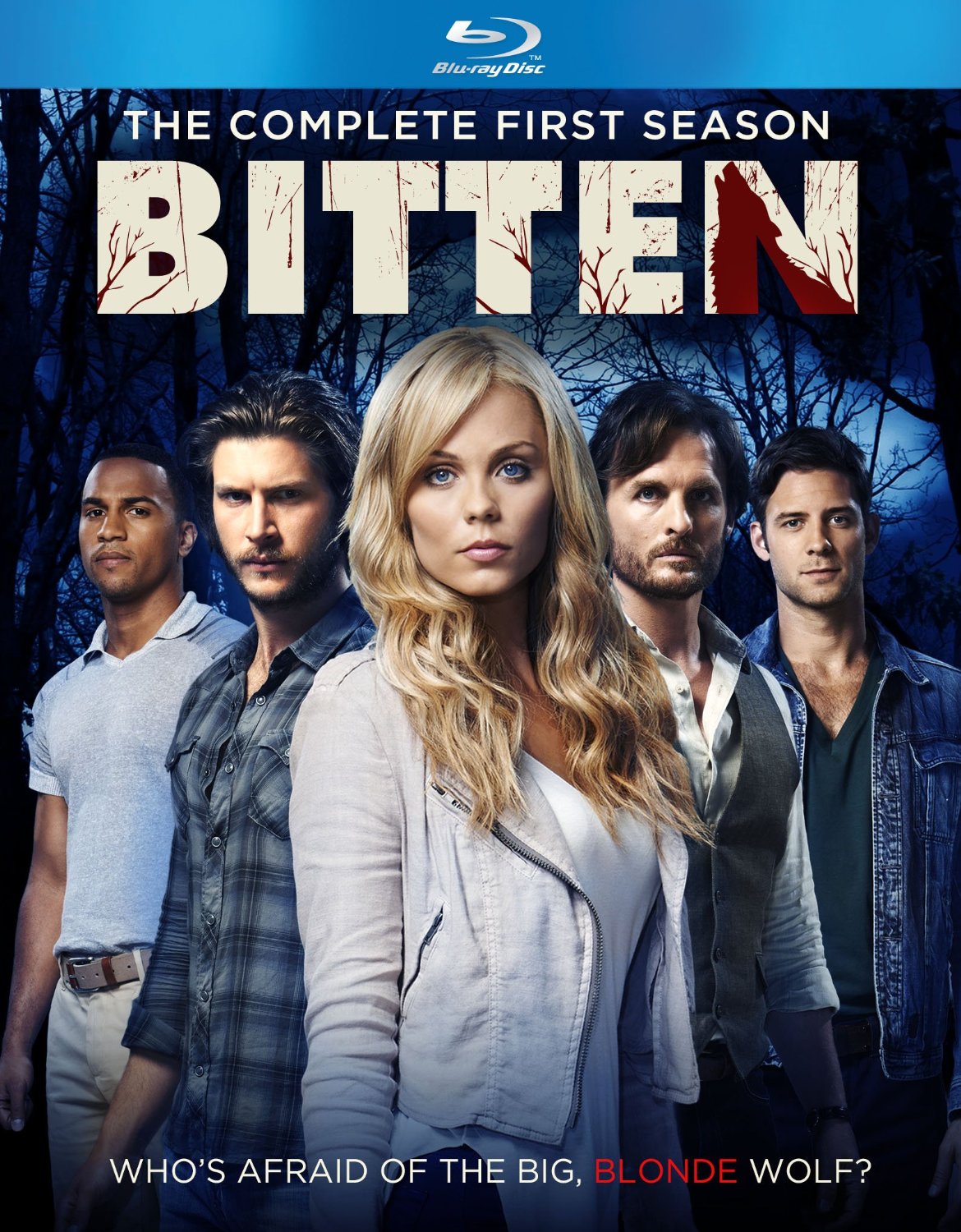
The television landscape has been flooded with shows about the supernatural. Vampires have been particularly hot topics in recent years, but werewolves are starting to get their own sub-genre going. MTV's Teen Wolf manages to pull the theme off quite well. It's no surprise that pretty much every network out there wants to throw their own hats into the supernatural ring. It's getting quite crowded, but the popularity appears to have no end. Of course, with such a crowded field you have to find a way to stand out from the rest. That's what I was hoping to find when I started to dig into the Blu-ray release of Bitten. Unfortunately, the results aren't as impressive as I had hoped.

Bitten tells the story of Elena, played by Smallville's standout actress Laura Vandervoort. Elena is a werewolf who has left her pack behind to try to live a normal life in Toronto. She gets a job as a photojournalist and even manages to find time for a more artistic approach to her photography. She has just moved in with boyfriend Philip (Greene) who is unaware of her supernatural alter-ego. Just as she's trying to build that relationship, she gets a call from her pack alpha Jeremy, played by Greg Bryk. That call is going to throw a bit of a monkey wrench into that normal life she was hoping for.

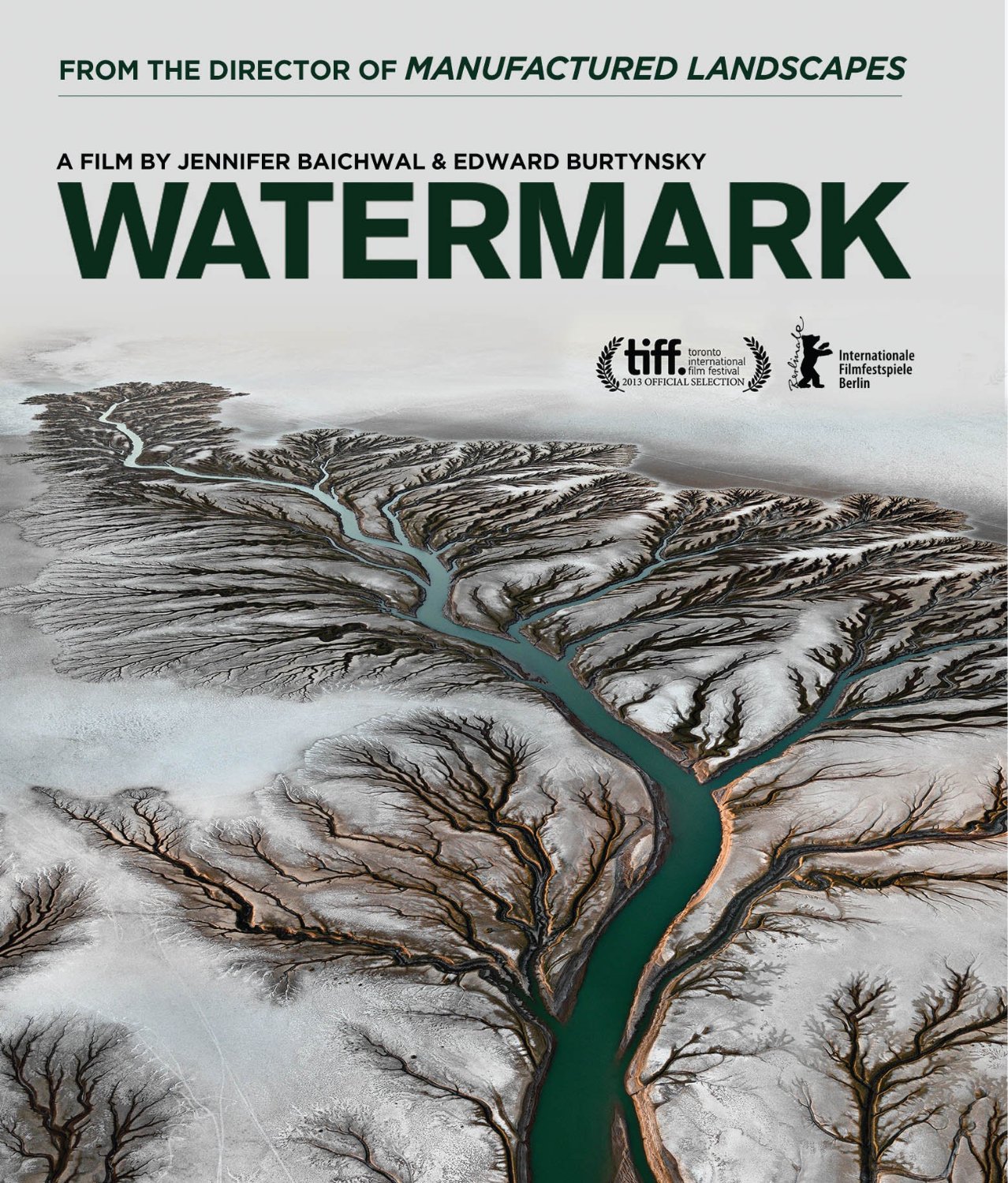
Anyone who ever sat through an elementary school science class knows that about 70 percent of the Earth's surface is covered in water. We've all heard the spiel, but I don't imagine most of us spend much time contemplating how truly staggering that figure really is. Watermark seeks to convey the many different ways humans and the planet's water supply affect one another. The documentary is maddeningly scattered, but it also manages to capture and convey a small part of the world's awe-inspiring bigness.

Watermark is co-directed by documentary filmmaker Jennifer Baichwal and visual artist/photographer Ed Burtynsky. Baichwal previously directed 2006's Manufactured Landscapes, which starred Burtynsky and his large-format photographs. For Watermark, the filmmaker and her former subject have teamed up for a globe-spanning, bird's eye view at H2O.

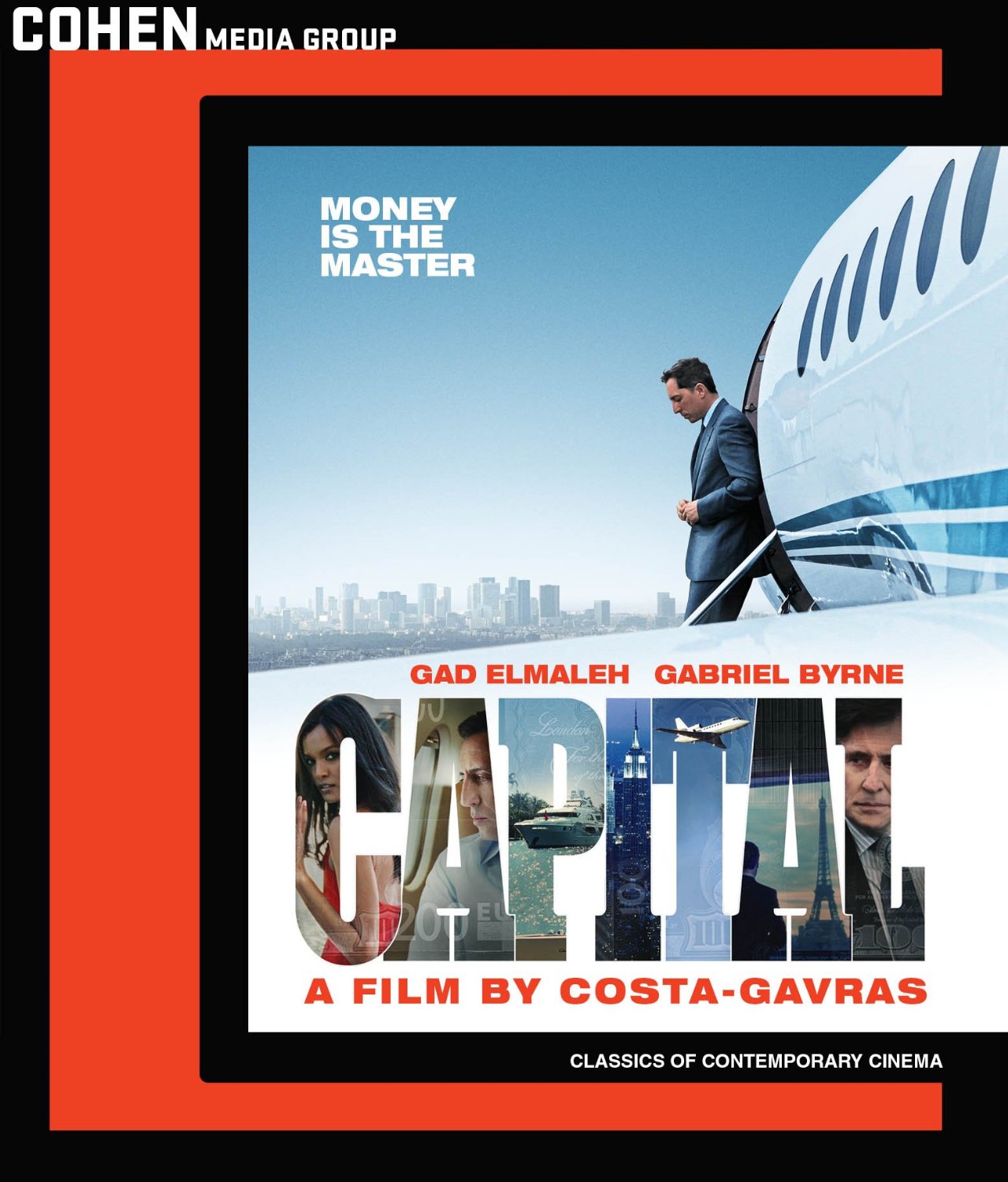
“People believe money is a tool. Money is the master; the better you serve it, the better it treats you.”

That mantra — spouted by a ruthless hedge fund manager in Capital — may not be as succinct or as elegant in its simplicity as “Greed is good,” but the message remains the same. Most people see money as a means to an end, but to the financial masters of the universe in this French financial thriller, money is the end.

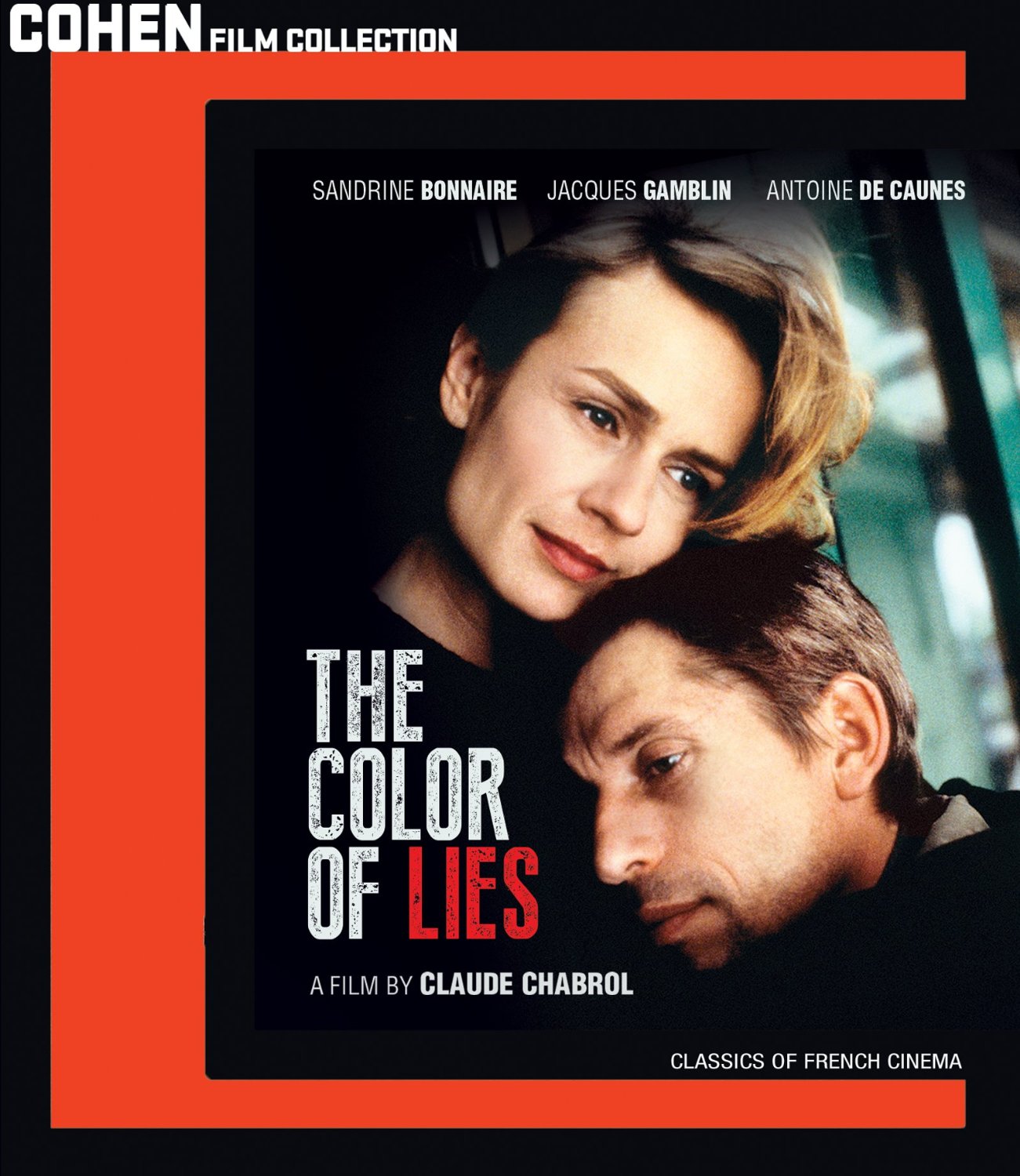
On the surface, The Color of Lies resembles many other murder mysteries set in a close-knit community. The 1999 film, however, is a late-career effort from Claude Chabrol, the French New Wave director who first gained acclaim alongside contemporaries like Jean-Luc Godard and Francois Truffaut in the late 1950s. So it’s not surprising to learn The Color of Lies is really a subtle, stylish exploration of the various ways people deceive each other.

The body of a 10-year-old girl is found near the home of struggling artist Rene Sterne (Jacques Gamblin) and his wife Vivianne (Sandrine Bonnaire). Rene was the girl’s art teacher and quickly becomes the prime suspect in an investigation conducted by Inspector Lesage (Valeria Bruni Tedeschi), the town’s new police chief. Despite the fact that Inspector Lesage has zero hard evidence connecting Rene to the crime, he becomes a pariah in his small Breton village and gradually loses the rest of his art students. And if things weren’t bad enough for Rene, he also has to contend with vain local celebrity Germain-Roland Desmot (Antoine de Caunes), who is aggressively pursuing Rene’s wife. (It doesn’t help that Vivianne isn’t exactly rebuffing Desmot’s advances.)

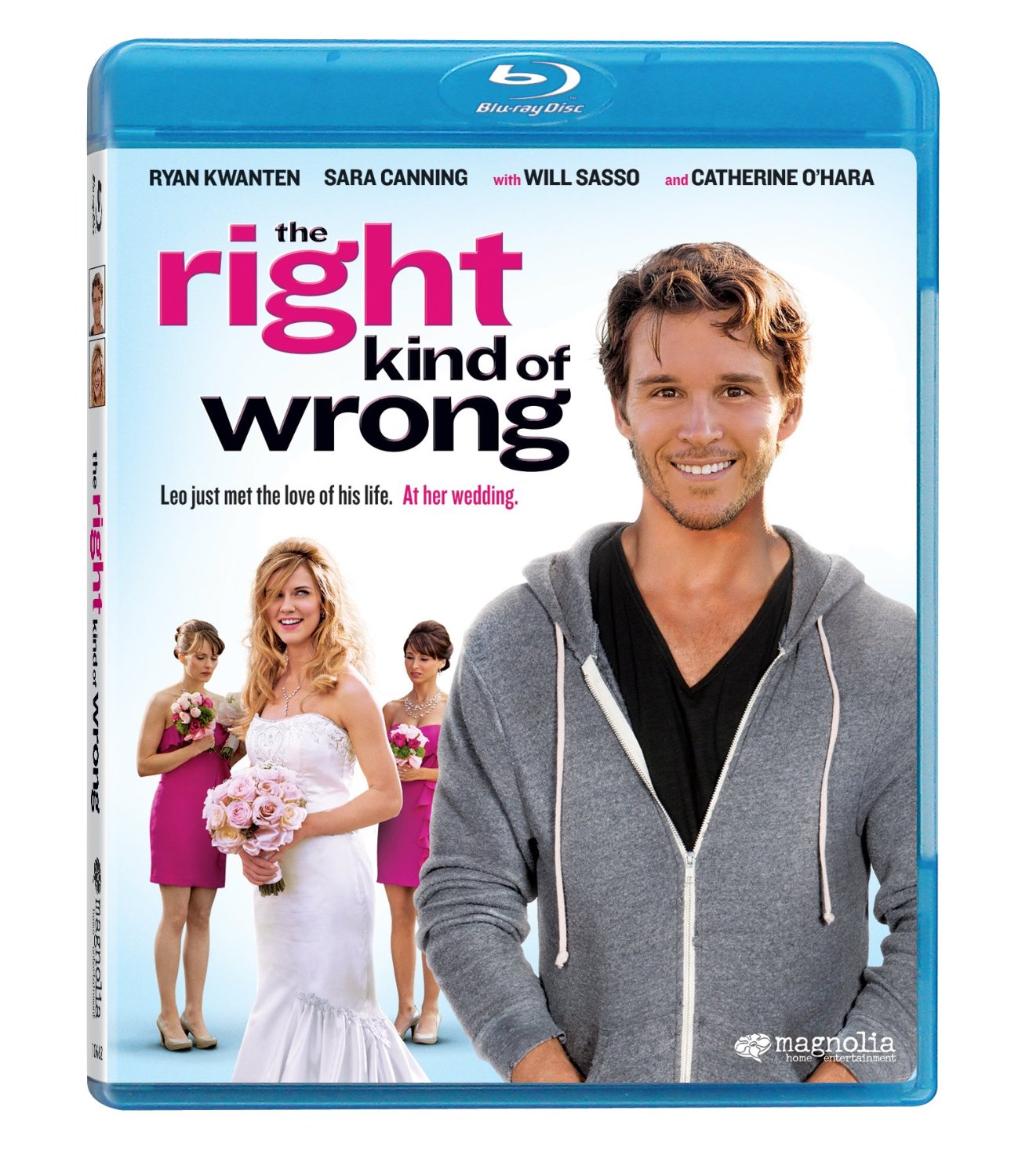
The line between romance and stalking is much blurrier at the movies. Behavior that routinely leads to restraining orders or arrests in real life tends to elicit “awws” from moviegoers and earns the romantic hero a kiss in the end. The Right Kind of Wrong is one of the more egregious examples I can remember, which is a shame because the Canadian romantic comedy has a likable lead and dares to give its characters multiple dimensions.

“Writing and the pursuit of a woman — like any impossible dream — are not about immediate results. They’re about telling the truth.”

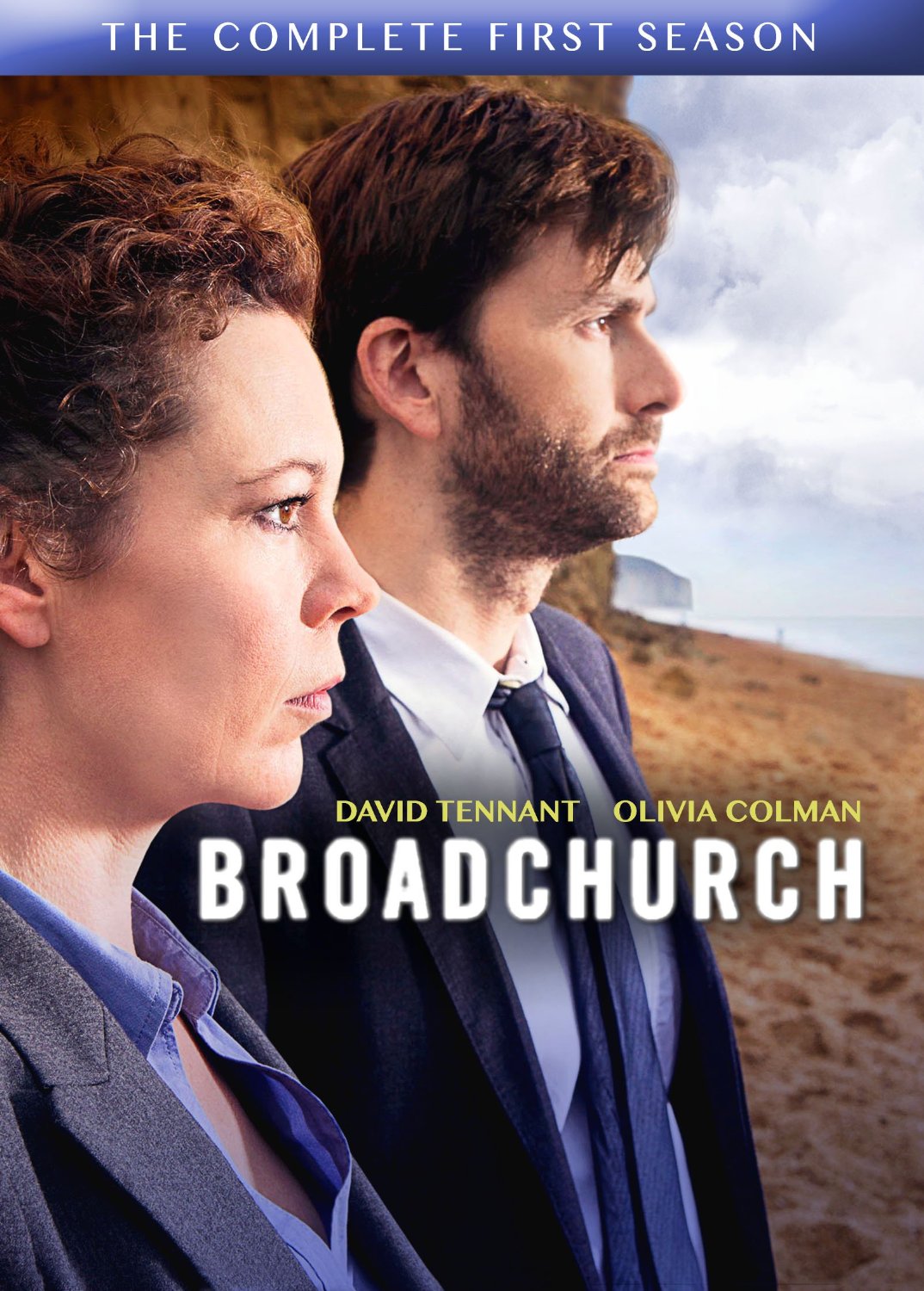
The majority of murders committed on television are presented from the perspective of the people trying to solve them. It's a smart, gratifying strategy because it allows us viewers to play detective from the safety of our couches one hour at a time. Far fewer shows are interested in doing the more difficult/less glamorous work of dramatizing the way a death can shatter a family, along with an entire community. Broadchurch is one of the most outstanding cop dramas I've seen in a long time because it's willing to do that difficult work while also delivering the goods as a satisfying whodunnit.

“You know what happens around a murder? A whole industry grows up, of groupies and rubberneckers, and people who want to touch the case.”

“…I’m packing an ounce of killer shrooms, and there be monsters in need of pummelin’.”

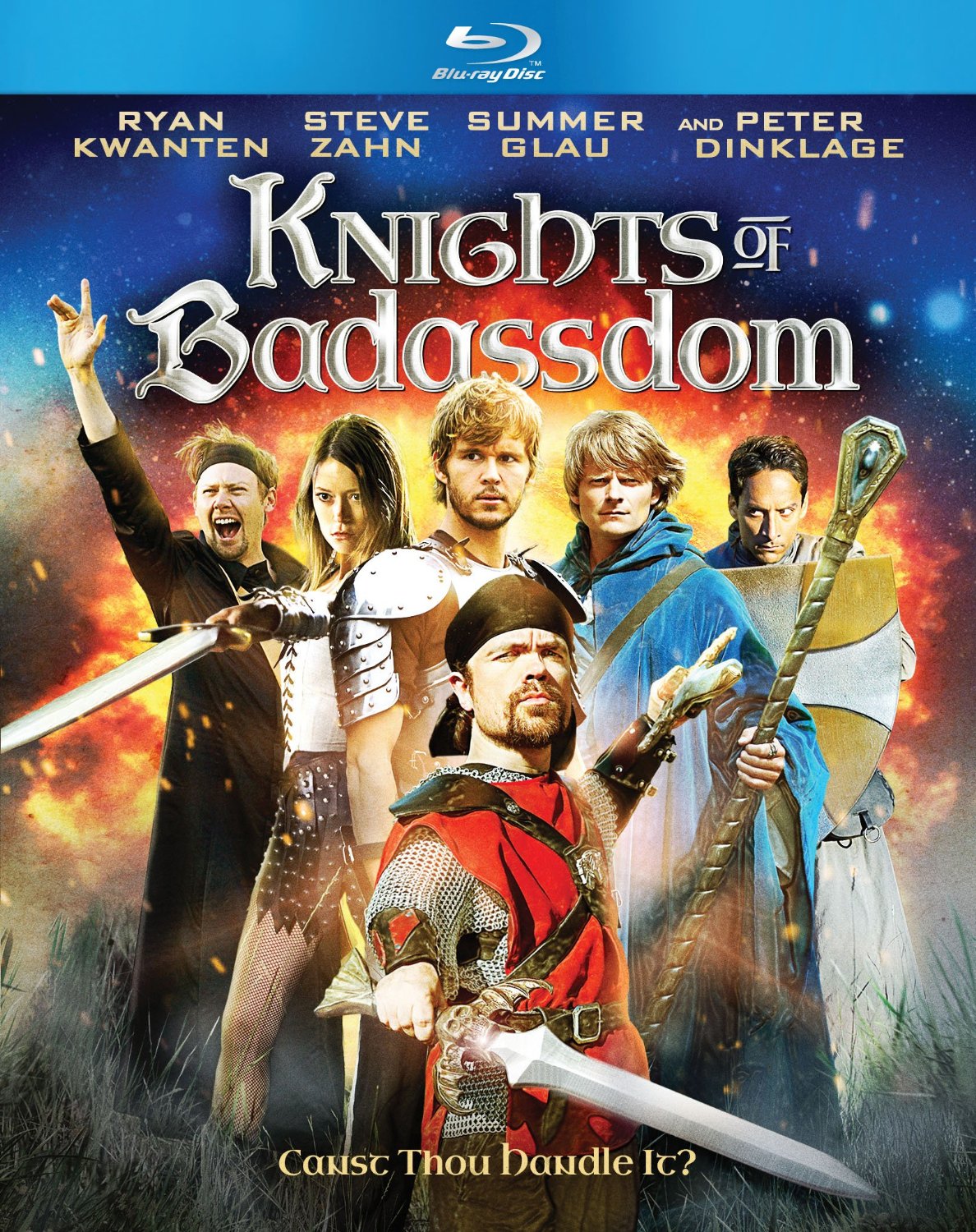
When I first think of how to explain Knights of Badassdom, what comes to mind is that it’s Evil Dead 2 meets LARPing.  The only experience I’ve had with LARPing came in the form of watching Role Models and having to review the documentary Skull World.  What director Joe Lynch (Wrong Turn 2 and actor in Holliston) has done is create a world that invites both fans of role-playing and horror and thrusts them together to create a blood-and-gore-soaked romp filled with laughs and the beautiful fan boy favorite Summer Glau (Firefly and Terminator: The Sarah Conner Chronicles).

“If something was to come your way, I mean something so irresistible that you just had to have it, do you think you could sacrifice everything for it and not regret it?”

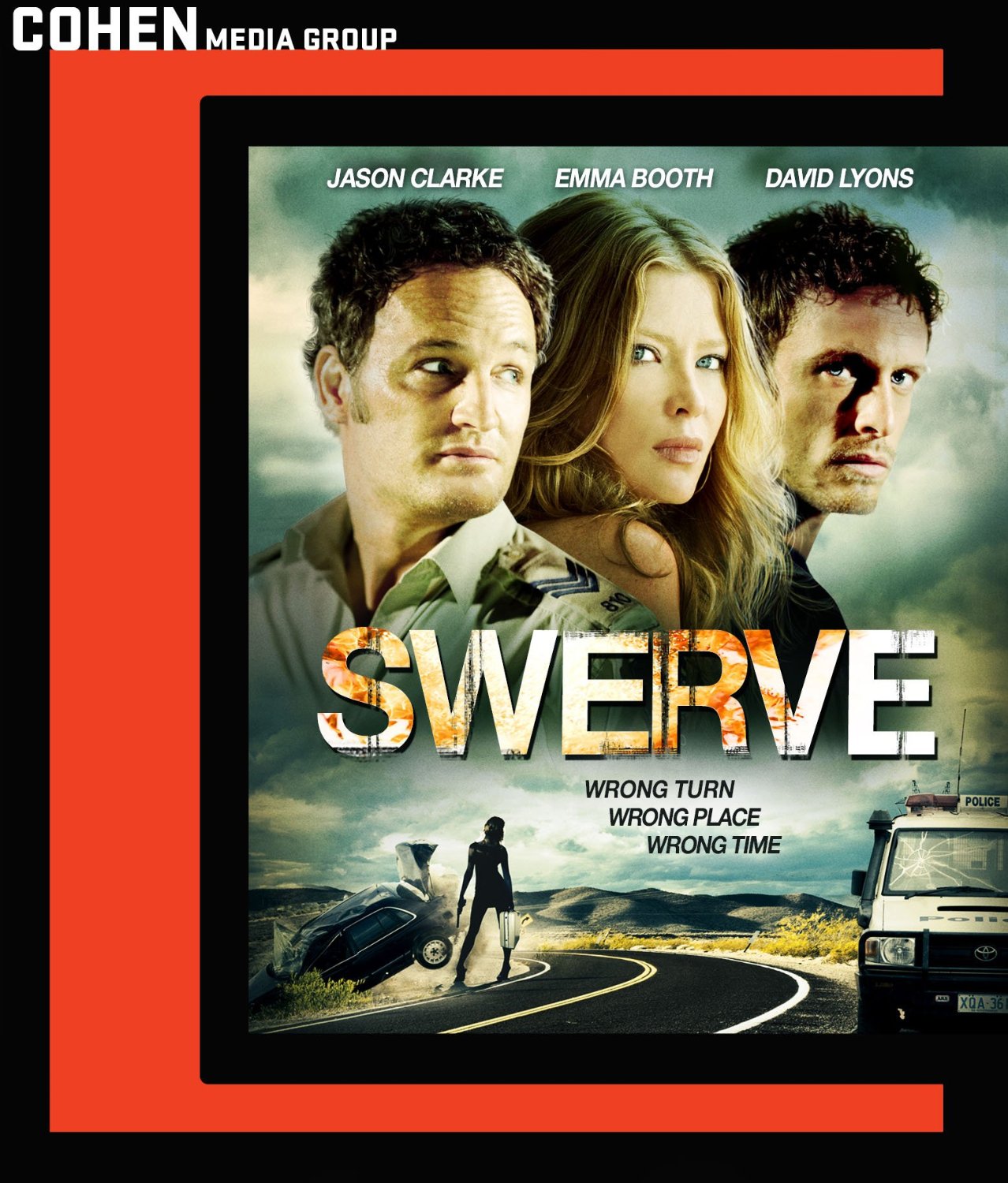
When it comes to down-on-their-luck men in movies, that “something” could be any number of things. Oh, who am I kidding? It's pretty much always a woman or a large sum of money. In Swerve — a twisty Australian thriller that goes down a number of familiar roads — our hero is tempted by both.


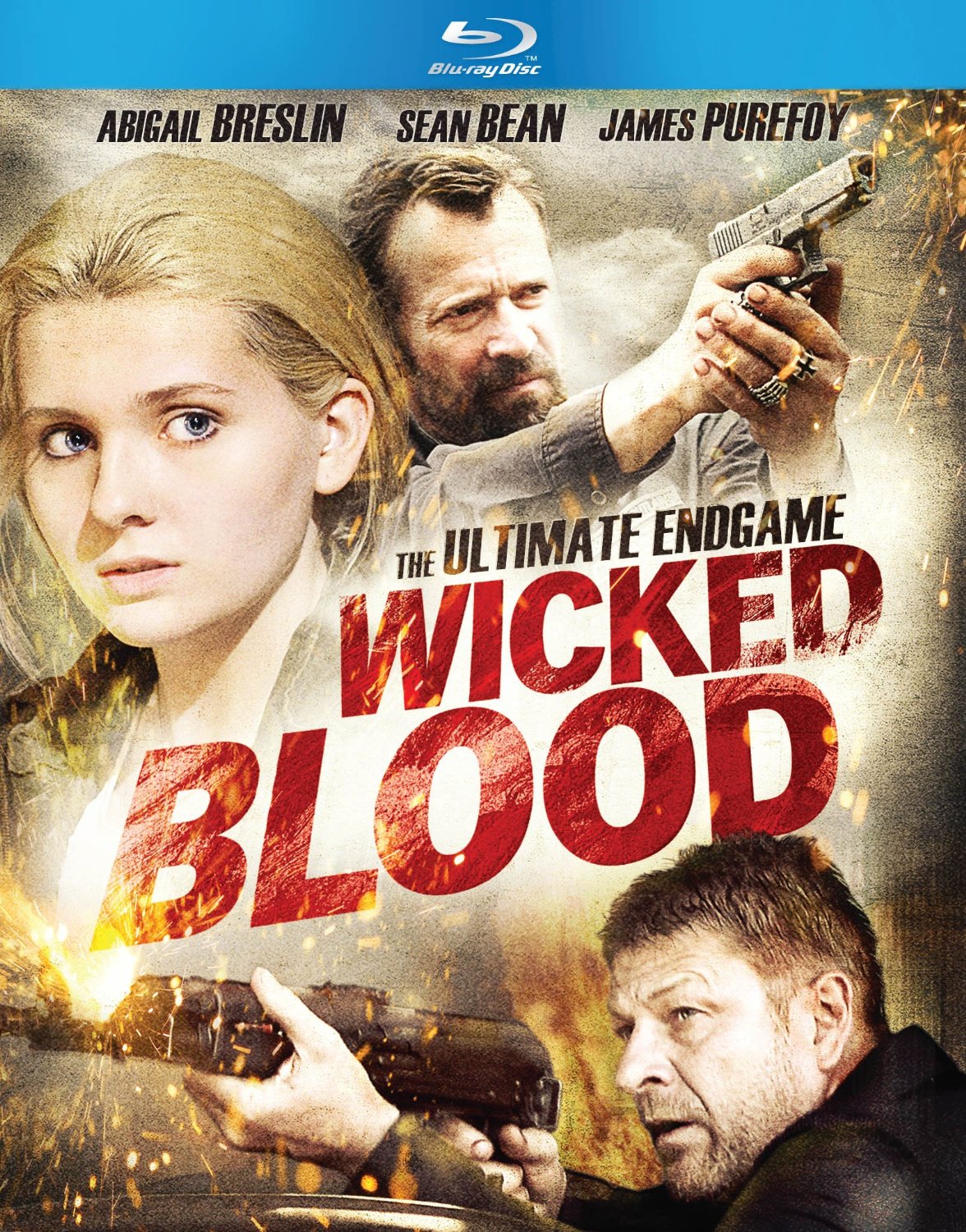
There’s a pretty good, southern gothic tale buried somewhere in Wicked Blood. Unfortunately, writer/director Mark Young isn’t quite able to extract it. Instead, we get a somewhat overqualified cast acting out Young’s down-and-dirty story of meth, chess and bikers that is exactly as messy, baffling and oddly intriguing as that description makes it sound. The film opens with a literal bang: we see the explosion of a shabby trailer. We don’t know who is inside, but we see a young girl stoically watching the flames from the outside.

Hannah (Abigail Breslin) is a teenage chess enthusiast and an orphan living with her older sister Amber (Alexa Vega) and her meth-addicted Uncle Donny (Lew Temple). The three of them live under the thumb of Uncle Frank (Sean Bean), a powerful local crime boss. (You can tell Uncle Frank is powerful because he barely gets out of his seat before the film’s final act; Bean projects menace by simply sitting behind a desk or a dining room table.) There’s also Uncle Frank’s unstable brother Bobby (Jake Busey), who seems to have an uncomfortable fondness for his niece, Amber.