Posted in: No Huddle Reviews by Michael Durr on September 11th, 2022
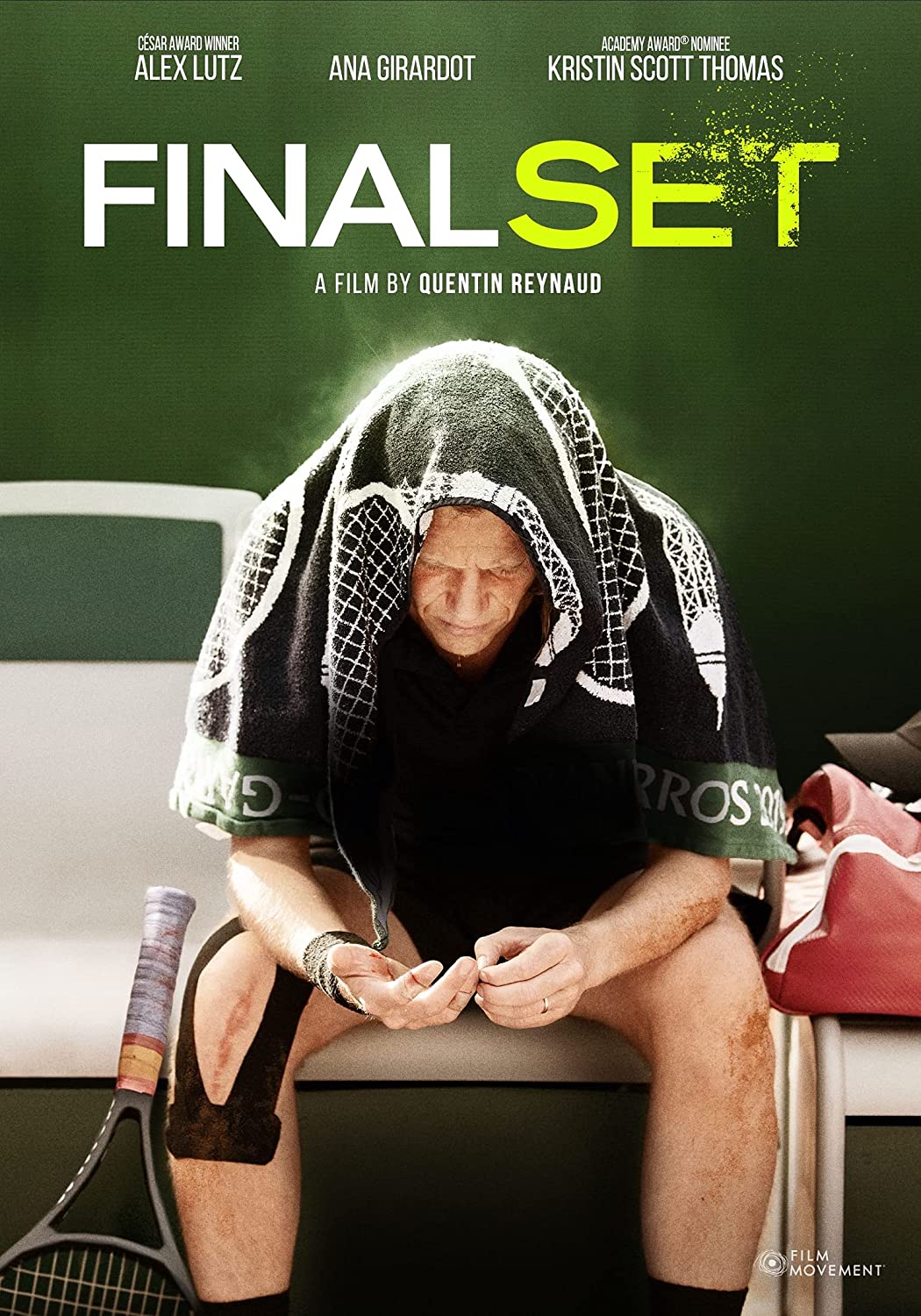
My fascination with tennis has come in spots throughout the early part of my life. In the 1980's, I was fascinated by John McEnroe with his brilliant play and fiery emotion. In the 1990's I was smitten with Jennifer Capriati, but also impressed by her tenacity at such a young age. I still remembering listening to the broadcast of Goran Ivanisevic finally winning at Wimbledon in the early 2000's. And that's where I stopped watching, really, still eager to see the amazing game play, but no longer finding the characters I so desperately wanted to look for. Today's film is Final Set, which follows an aging tennis player who has one final shot at becoming the player he always learned to be.
A tennis player serves a ball in slow motion. It takes a couple of minutes, and then it stops.
Posted in: No Huddle Reviews by Michael Durr on September 10th, 2022
A good erotic movie is actually harder than it sounds. Sure, you have to have skin, word play, arousal, and yes, that other kind of play. But the good erotic films like Basic Instinct, 9 1/2 Weeks, and Embrace of the Vampire (You thought I was going to say Fatal Attraction, didn't you?) are very entertaining and have a story that draws you in to keep you there even when the spicy bits aren't on the screen. Today's erotic film is Curiosa, which certainly hits all of the skin elements, but does it have a story that I would want to watch again and again? Let's check it out.
A curiosa is an erotic object, book, or photograph. We start the movie with a little photography as we watch our two main characters, Pierre Louys (played by Niels Schneider), who is taking pictures of Marie de Heredia (played by Noemie Merlant). Marie is set to marry Henri de Regnier (played by Benjamin Lavernhe), but she does not love him. She is actually in love with Pierre, who is Henri's best friend as well.
Posted in: Disc Reviews by Michael Durr on August 19th, 2022
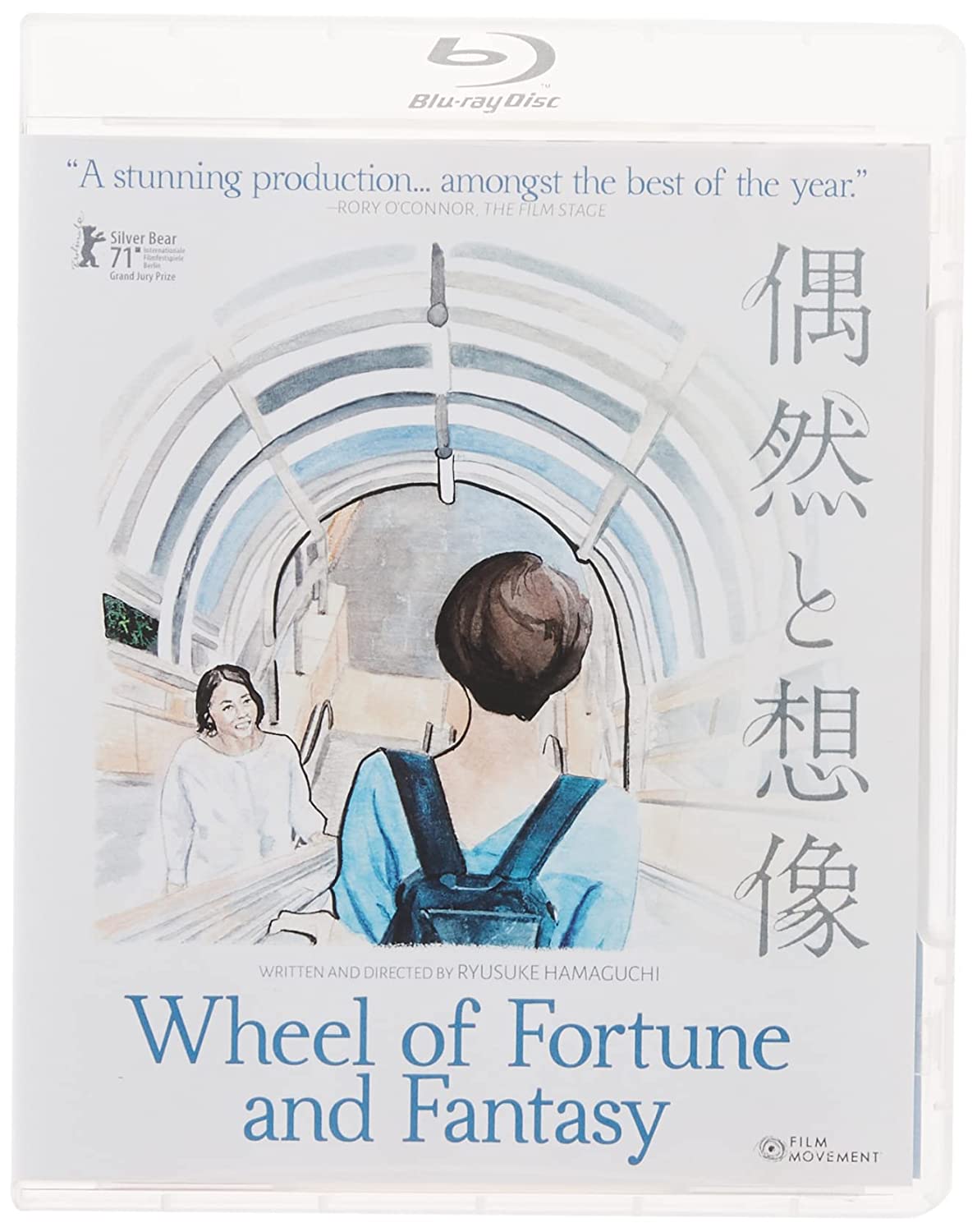
When I am not writing reviews, playing games, having a family, oh, and also having a job (because writing reviews doesn't exactly pay), I do try to dabble in the occasional short story. Perhaps it's fantasy or science fiction, but I like spinning tales about a world that I want to be a part of even if its just for a few minutes. It's relaxing, and that's why when I saw the opportunity to review Wheel of Fortune and Fantasy, a collection of three tales steeped in chance, culture, and some wonderful word banter, I knew I'd enjoy my time. Let's take a look.

The stories are broken out in "Episodes". Here is a brief summary of each one:
Posted in: No Huddle Reviews by Michael Durr on August 13th, 2022
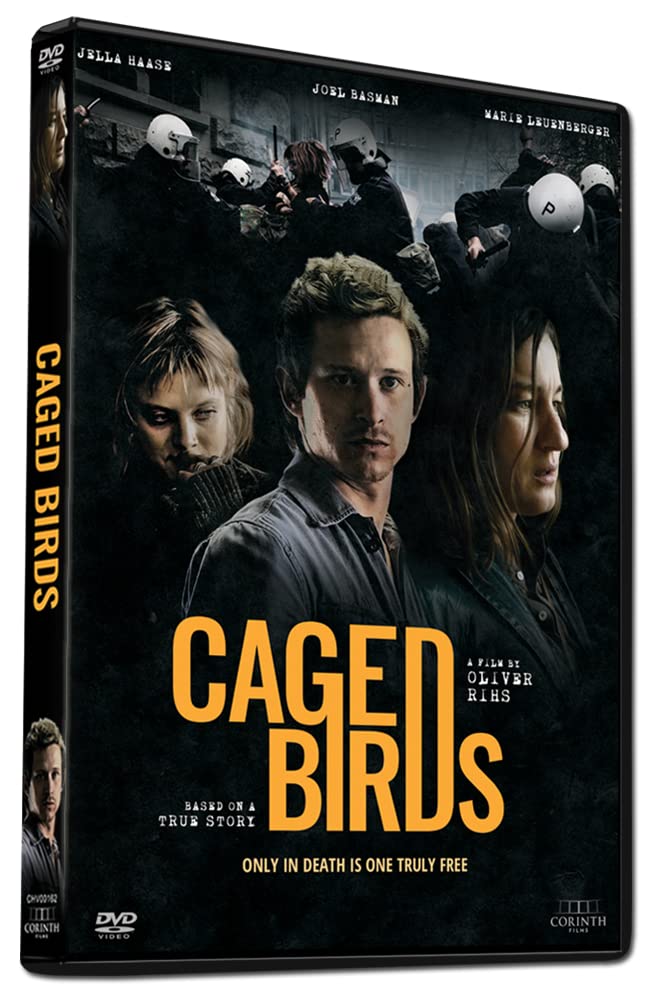
Nelson Mandela once said, “It is said that no one truly knows a nation until one has been inside its jails. A nation should not be judged by how it treats its highest citizens, but its lowest ones.” Most people, even in today's society, think of prisoners as lower than the ground they walk upon. Prison abuse is as old as Greek and Roman times. Heck, true prison reform didn't start in the United States until the 1960's. But what about other countries? In Caged Birds, we explore the Switzerland of the 1980's and how one lawyer named Barbara Hug tried to change that very system.
1980's Switzerland: a protest and all sorts of commotion in the streets. One of the signs reads, "Put the State on a Dinner Plate." However, this protest has turned violent. There are cops beating women, and a man is tortured by a female officer. Meanwhile, a young lawyer named Barbara Hugs (played by Marie Leuenberger) stands by and watches as she lights up a smoke. Elsewhere, a car is hot-wired by an escaped prisoner named Walter Strum (played by Joel Basman) who has just escaped a jail for the seventh time.
Posted in: Disc Reviews by Brent Lorentson on May 16th, 2022
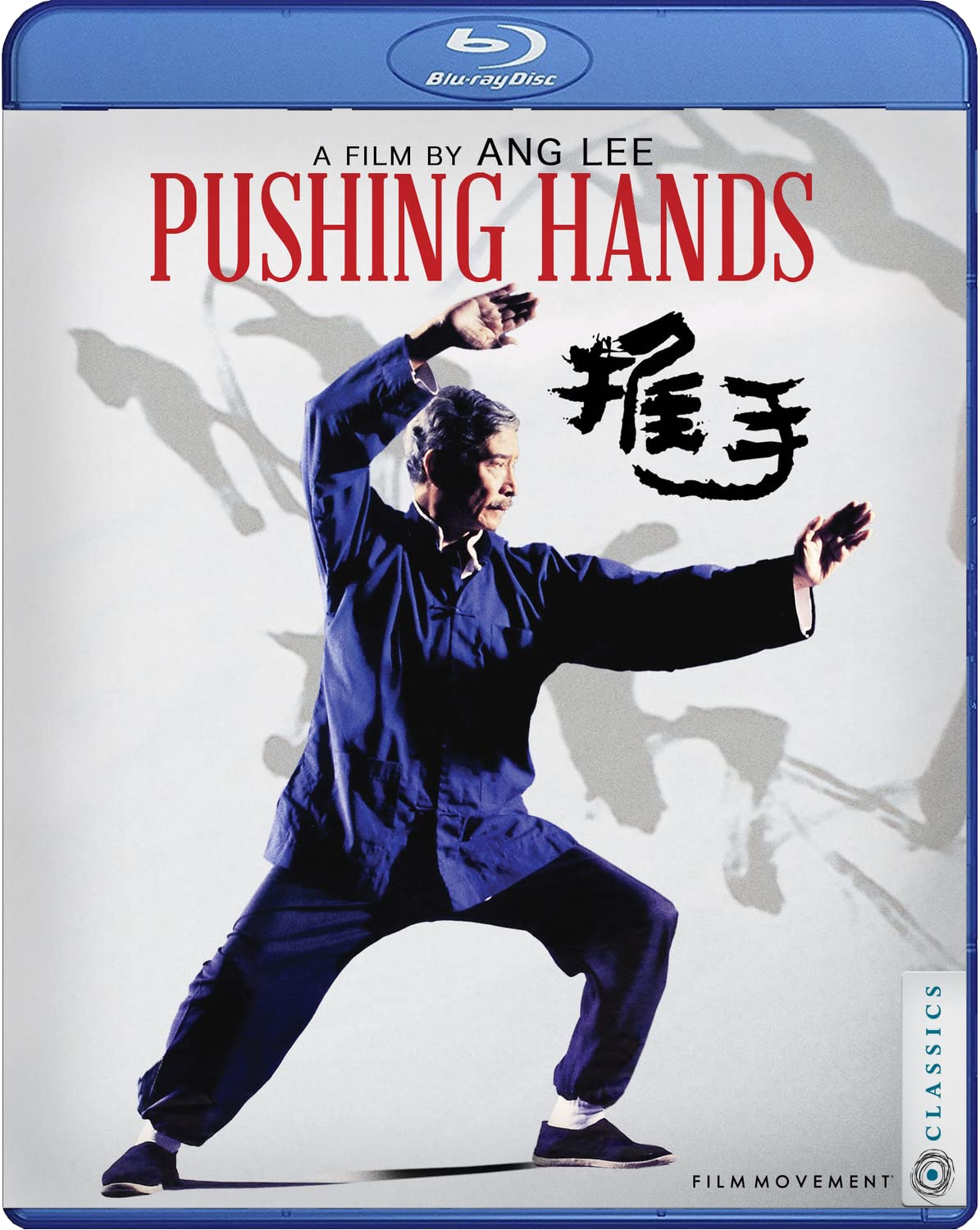
Director Ang Lee has come a long way since his 1991 debut film Pushing Hands. When you look at Ang Lee’s impressive resume, the only film that stands out is sadly his only major misstep as a director, and that’s the 2003 film Hulk, the movie I feel audiences have been trying to forget and comic fans simply want to pretend doesn’t exist. When you look at the rest of his resume, there are some impressive titles that have made a difference within the Hollywood cinema landscape. Crouching Tiger, Hidden Dragon, Brokeback Mountain, and Life of Pi are just a few of his films that are standouts that were commercial successes but at the same time define his unique style and focus when it comes to character. Pushing Hands is character study that was released during the rise of independent cinema in the 90’s when film focused more on characters and finding unique voices that could tell great stories on a limited budget. What makes the film all the more unique is that it’s a martial arts film without the violence we’re used to seeing on the big screen, and instead its focus is more on the holistic methods of tai chi.
The film opens with Mr. Chu (Sihung Lung) and Martha (Deb Snyder), his American daughter in-law, at odds with one another. The two butt heads most because of their cultural differences, and we get to see how difficult it is for them to live under the same roof. Back in China, Mr. Chu was a well respected tai chi master, but now he lives in America with no understanding of the language, living under his son’s roof, and he simply rejects the American way of living because he is stuck in his old ways. Martha is a housewife who is attempting to write her first novel but is thwarted by her father-in-law’s antics that are a constant distraction. Alex Chu (Bozhao Wang) is the dutiful son who is caught in the middle of being a loyal and loving husband while being the caretaker of his father. This dynamic and how it’s presented is very relatable for those in culturally blended families. If this was the only layer to the story the film would still be pretty good, but there is so much more going on that makes this a fun and charming viewing experience.
Posted in: Disc Reviews by Michael Durr on December 3rd, 2018
This year, I have gravitated more towards watching movie courtroom dramas. I watched Anatomy of a Murder for the first time. The same could be said for the Verdict with Paul Newman. I re-visited A Few Good Men in glorious 4k with pleasing results. Then I got an opportunity to review The Third Murder, a courtroom drama that takes a look at the Japanese court system when one lawyer decides to seek the truth. Even though I was about to go on review hiatus for the holiday season, I eagerly wanted to take a look, and I am glad I did.
In the dead of the night, Misumi (played by Koji Yakusho), a fired factory worker hits the back of his former boss's head repeatedly with a hammer. After this continues for a few brief minutes, Misumi then douses him with gasoline and then sets him on fire to watch him burn. Misumi stares into the night with death on his cheek. We fade to black.
Posted in: Disc Reviews by J C on August 8th, 2018
“My knee shall bow to none but to the king.”
In 1996, Aussie filmmaker Baz Luhrmann unleashed a star-studded, outrageously modernized version of “Romeo and Juliet” that retained William Shakespeare's original language while replacing the story's swords with gleeful gunplay. But five years earlier, Derek Jarman — an English director who left his mark on both stage and screen — beat Luhrmann to the Elizabethan punch with an even more provocative update of “Edward II,” a play written by Shakespeare contemporary Christopher Marlowe.
Posted in: Disc Reviews by Brent Lorentson on June 17th, 2018
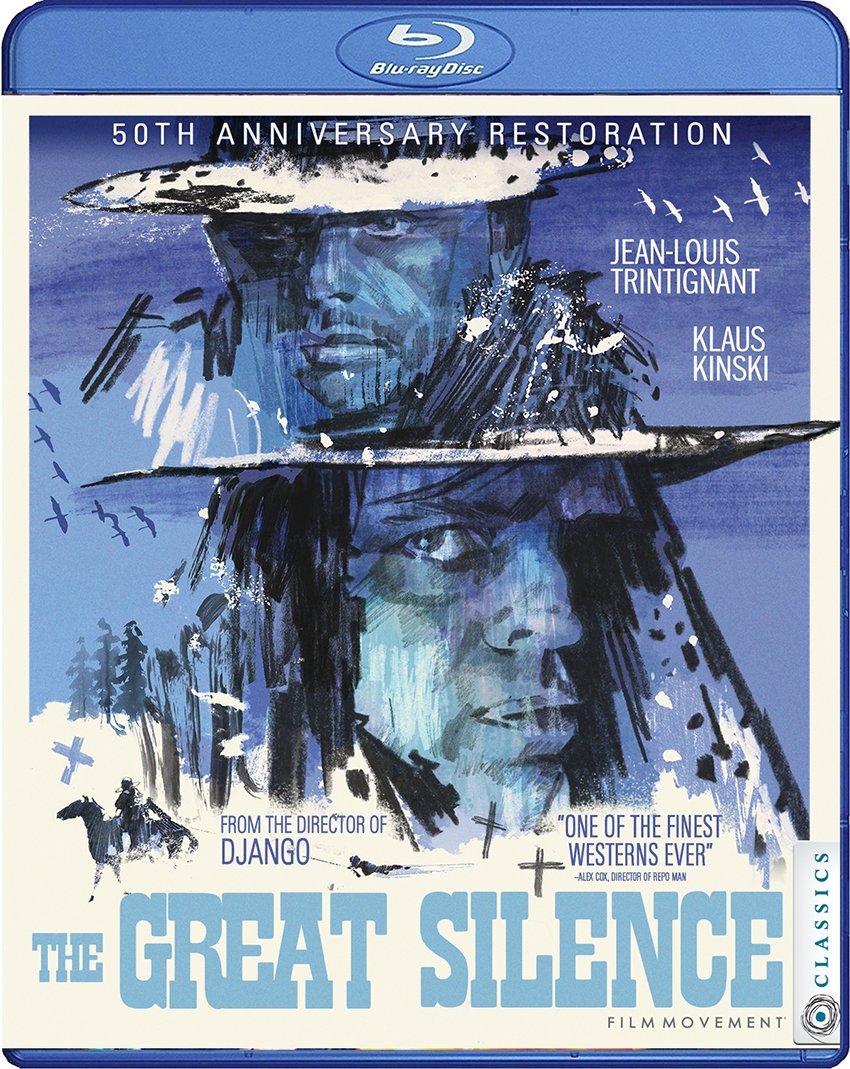
When it comes to the Italian western aka the spaghetti western, the first director who comes to mind is Sergio Leone (The Good The Bad And The Ugly); and then there is Sergio Corbucci. While Leone was blazing a successful career, Corbucci first came onto the scene with his film Django. The film was dirty, violent, and mean. For those who are only familiar with the Quentin Tarantino version of Django, well, you’ll definitely see the films are drastically different aside from them both being revenge films. Much later on Corbucci got the chance to follow up his first big hit with another western, The Great Silence. I had gotten to see this dark western before, though it was in the form of a bootleg copy. There was a lot of grain, and the ending attached to the film was radically different from the one Corbucci had intended. Film Movement Classics has done an amazing job at cleaning this title up and giving it a new 2K restoration. As for the film itself, saddle up, because this is like something many have not seen before.
One of the first striking things you will notice about this western is that it is mostly filmed in the cold and in the snow. We meet Silence (Jean-Louis Trintignant) as he is jumped by a group of bounty hunters whom he quickly dispatches, and when one surrenders himself, Silence manages to shoot off the man’s thumbs. That’s the thing about Silence that’s pretty cool. He kills in self-defense but seems to enjoy crippling bounty hunters so they won’t be able to kill again. We later get to find out just why Silence has it out for bounty hunters, but also the grisly reason why he’s been given the name Silence.
Posted in: Disc Reviews by J C on June 15th, 2018
“Americans are loud, aren't they?”
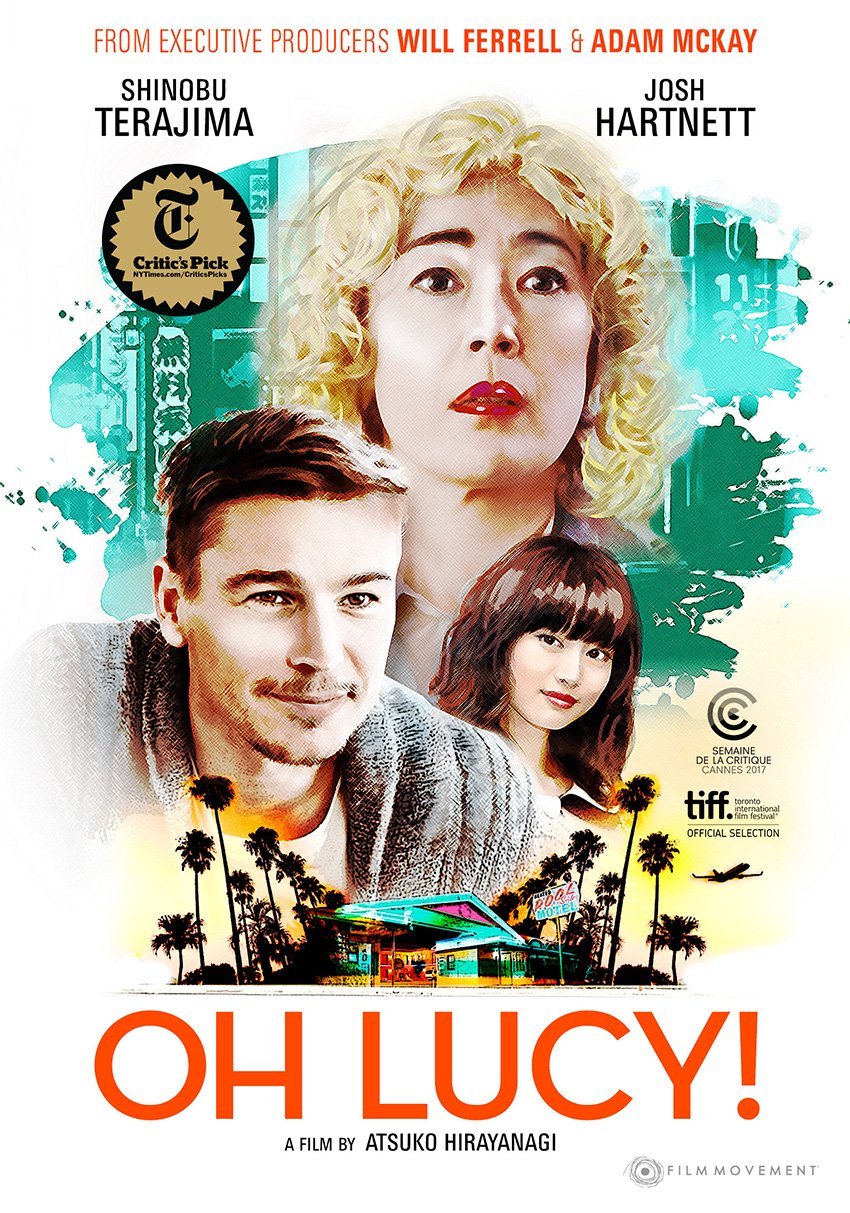
Oh Lucy! earns the exclamation point in its title within the first two minutes. The movie opens with a shocking leap that is meant to jolt the audience, but barely causes our disaffected heroine to raise an eyebrow. It's played off as a throwaway moment, but it establishes the fact that this quirky Japanese/American dramedy with oodles of personality probably isn't going to go where you expect.
Posted in: No Huddle Reviews by J C on April 11th, 2018
“Did you hear what the teacher wants?”
We’ve all had that especially demanding teacher whose class we quietly dreaded. Yet instead of pushing her students toward academic excellence, the educator at the center of The Teacher is infinitely more interested in what her kids’ parents can do for her. This Czech/Slovak drama hints at some interesting points about compliance. But like a student — or perhaps even a certain movie reviewer — who uses too many flowery words before finally getting to the point…the movie ultimately can’t get out of its own way.