Kino Studio Classics

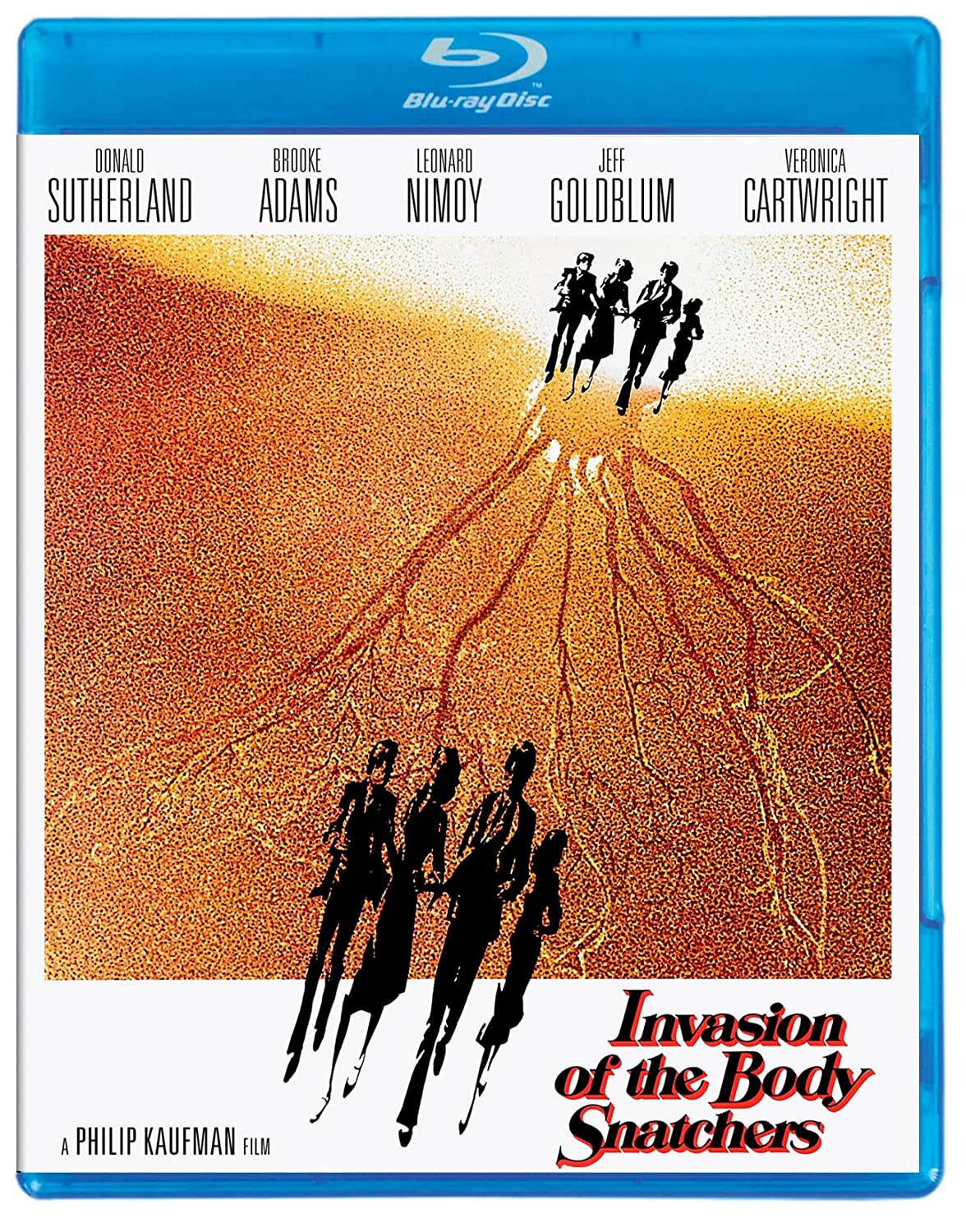
If I’m being honest, it’s been decades since I saw the 1956 Invasion of the Body Snatchers, and I’m not even sure I saw the whole thing, but I do remember the ending. It’s not that I feel it’s a bad film; I just have had no need to revisit it because I enjoy the 1978 version so much. The startling ending of this film is quite infamous. For those who haven’t seen it, I won’t spoil it for you, but it is a moment that has stuck with me since I first watched back in the old VHS days. Since the 1956 film has been out, there have been several takes on the material, and numerous bad knock-offs as well, but for me, the 1978 film with Donald Sutherland and Jeff Goldblum will always be the true classic in my eyes. Getting this title to review, it’s been ages since I’ve seen the film, so I was excited about revising this classic. I wasn’t sure it would hold up, but what surprised me most was simply how relevant the film remains with its themes of not conforming to the populace to even the paranoia about becoming a pod person in current terms infected with COVID.


The film opens up in space, spores traveling a great distance till finally falling to Earth and eventually spawning into small flowers and thus spreading from there. One of the highlights off the film’s opening few minutes is the cameo appearance of Robert Duvall as a priest who may be one of the first infected by the spores. The film then introduces us to Elizabeth (Brooke Adams). When she finds a strange plant she’s having trouble identifying, we as the audience knows that she shouldn’t be sniffing the flower and can already accept that she is doomed. To deflect our attention, Elizabeth starts to grow suspicious of her boyfriend Geoffrey (Art Hindle) when he starts acting strangely and she sees him meeting with other strangers from around the neighborhood.

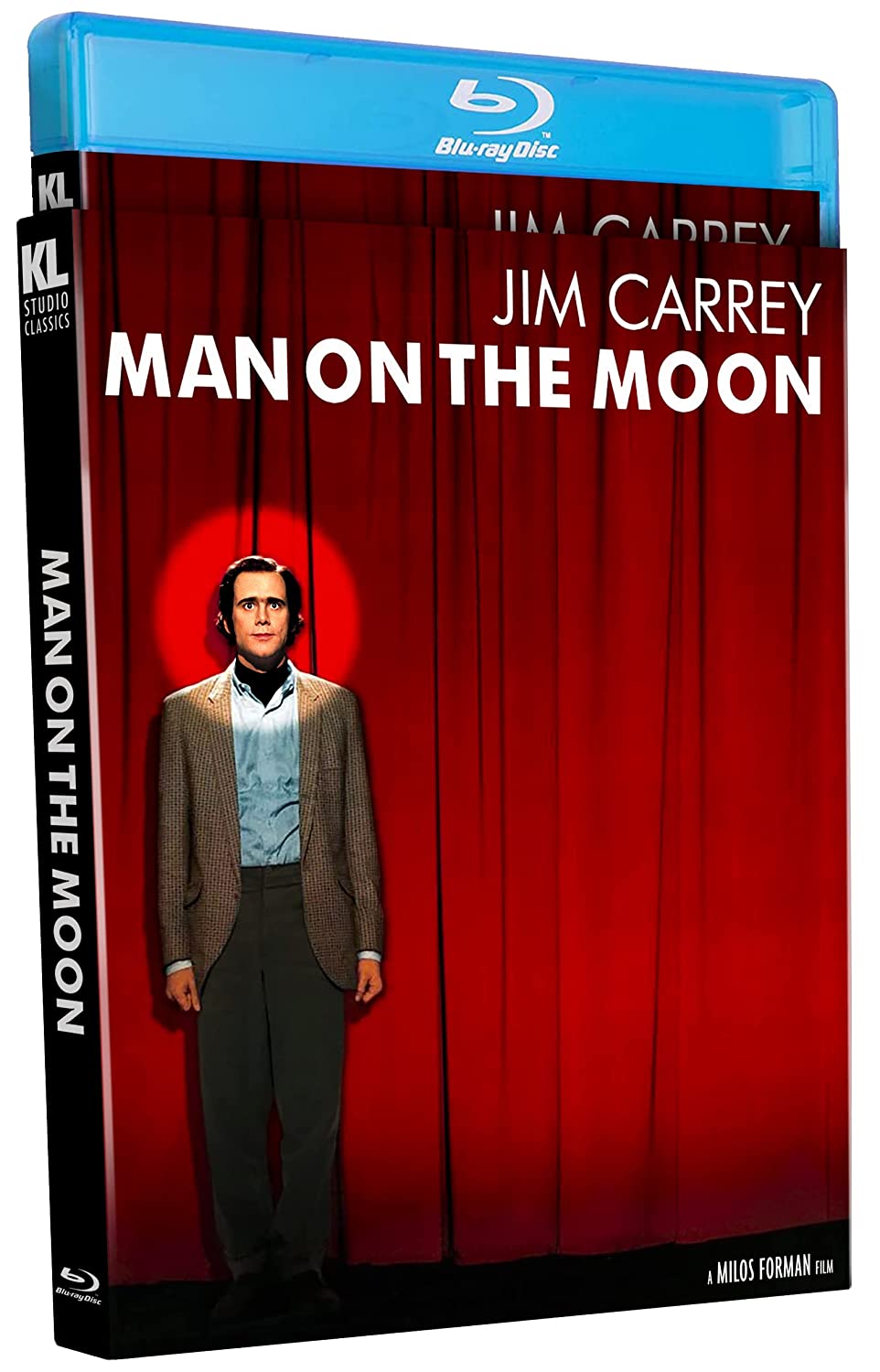
In 1999 when Man on the Moon was released, Jim Carrey was pretty much one of the biggest comedic stars in the industry, though at the time I don’t think audiences were prepared to see Carrey make such a departure despite it being a career best performance.  This was one of those box office failures that shouldn’t have been, but to be fair, 1999 is one of the most stacked years of great films, though how Carrey didn’t even get a nomination is baffling. So what are my thoughts after revisiting the Andy Kaufman bio-pic that was penned by Scott Alexander and Larry Karaszewski (Ed Wood and The People Vs. Larry Flynt) and directed by Milos Foreman (One Flew Over The Cuckoo’s Nest and Amadeus)? The opening scene pretty much sets the tone for the film you are about to see with Andy Kaufman (Jim Carrey) breaking the 4th wall to address the film the audience is about to see. He goes on to tell them that the movie is over, and the credits roll and eventually the screen goes to black. When I saw this in theaters, I was surprised by how many people in the audience actually walked out, but to be fair, if you’re not slightly amused by this gag, I don’t imagine you’ll enjoy the rest of the film. Andy Kaufman wasn’t simply a comedian but more of a performance artist who seemed to get pleasure out of entertaining himself first, and if other people enjoyed the gag, well, that was an added bonus. For Kauf was great, but if they got upset or walked out, even better.  When George Shapiro (Danny DeVito) catches one of Kaufman’s performances, he feels Andy is a unique talent and offers to be his manager.

The film lets us see the variety of characters that Kaufman developed, from his loveable foreign man that was made famous on Taxi when he was Latka to his obnoxious lounge singer alter-ego Tony Clifton. In some ways the character of Tony Clifton may be Kaufman’s greatest work that he created with his long time friend and comedy partner Bob Zmuda (Paul Giamatti). Seeing how Kaufman uses the character to pull one over on the studio and create drama on the set of Taxi is one of the more memorable yet cringe-worthy moments of the film.  What’s even more impressive is how the filmmakers were able to get so many people from Taxi to return and shoot segments for the film. But it’s not just the Taxi sequences where we see people pulled from real life to play themselves in the film. So many people from Kaufman’s real life are in the film, his real life manager, Zmuda, his Dad, and his granddaughter all are sprinkled in this film that attempts to capture the essence of Andy Kaufman.

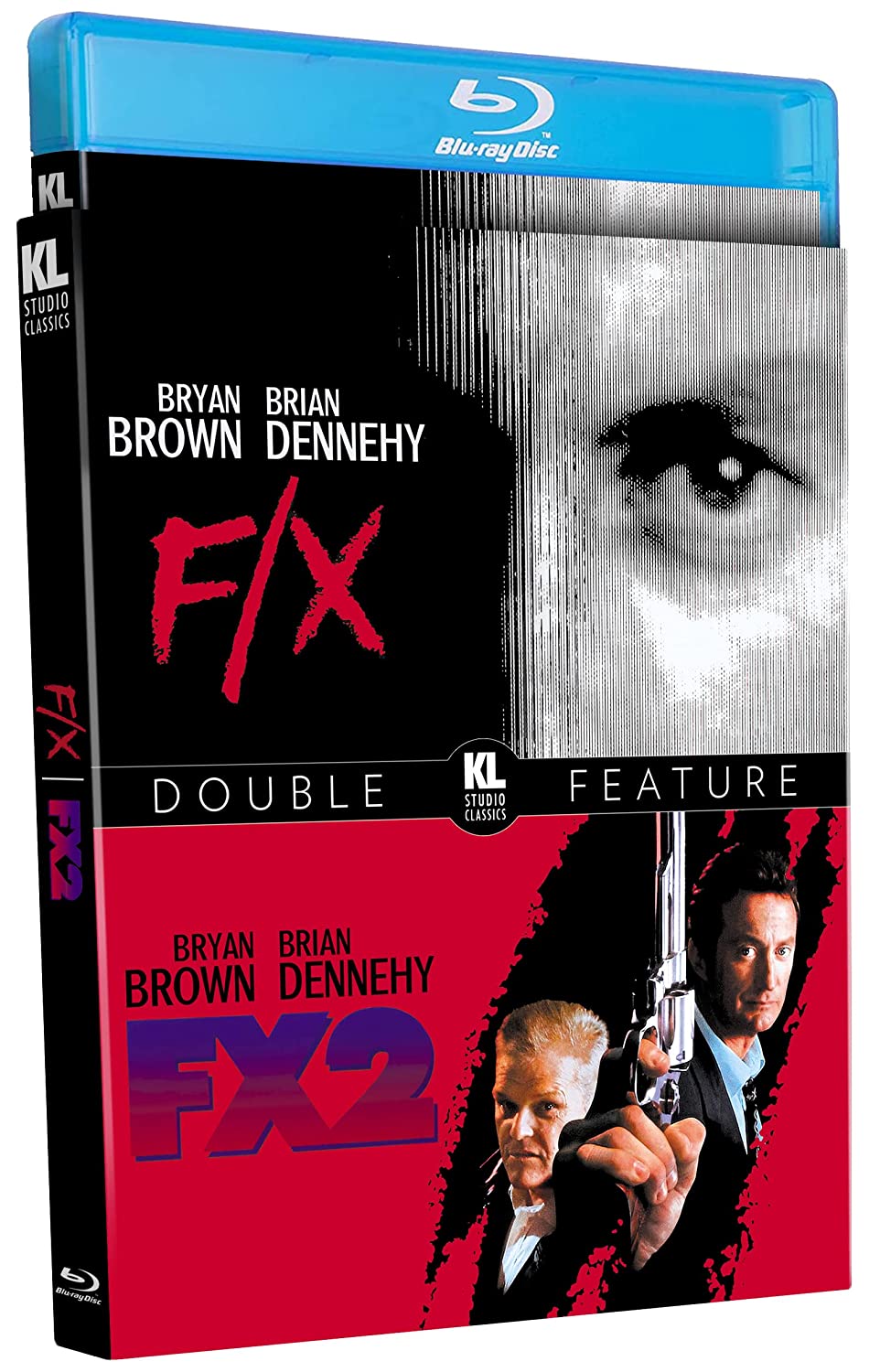
Kino Lorber has put together a fun double feature pairing the films FX and FX 2 for their Studio Classics line. These films are a bit of a relic of the past considering how much Hollywood has strayed away from the days of using practical effects to the more modern approach of CGI. Sure, when using CGI you can create just about anything the brain can imagine with the aid of a computer, but there is something about latex, props, and actual sets that have always made movies come alive and feel more grounded in reality. These effects wizards are capable of pulling off almost as much as anything a computer can, but it’s the supplies and setup on set that has made CGI a more acceptable approach in the industry. Over the years special effects and makeup artists in the industry have been contacted by the government to enlist their help in special operations. The film Argo (2012) explored this nearly a decade ago, but going a little further back to 1986 with the first FX film we got to see a fictionalized account of a “what if?” scenario, and the result was a fun film that spawned a sequel and even a TV series.

In this film, Hollywood special effects genius Rollie Tyler (Bryan Brown) is contacted by the Justice Department to help them stage the assassination of a crime boss, played by Jerry Orbach.  As you would expect, things don’t go as planned, and Rollie finds himself being fingered as the trigger man, and if he has any chance of staying alive and out of prison, he has to use his unique set of skills to uncover the culprits.

If you ever wondered just why Marilyn Monroe is the icon that she is today, all you have to do is watch Some Like It Hot, and you’ll see how she captured the attention of audiences from 1959 and well beyond to this day.  She was already a star by the time she made the Billy Wilder classic after being in films like Gentleman Prefer Blondes and The Seven Year Itch, but it’s her role as Sugar that really showcases all of her talent, though unfortunately it was the film where her troubles off screen were taking a toll on her physically and emotionally. This would also be the film that would launch Jack Lemmon’s career and be the first of many collaborations with the acclaimed writer and director Billy Wilder. Some Like It Hot isn’t simply a classic film, it is literally a piece of film history that made a profound impact on the motion picture industry, and the American Film Institute proclaimed it to be the greatest comedy of all time.

Joe (Tony Curtis) and Jerry (Jack Lemmon) are a pair of down-on-their-luck musicians in Chicago 1929 who are playing jazz clubs during Prohibition. After narrowly escaping a raid at a club they are playing, their luck takes a turn for the worse when they become the only witnesses to the St. Valentines Massacre, and the mob is after them to keep them quiet. Looking for a quick escape, Jack and Jerry find a way out and a gig that will have them performing in Florida all expenses paid. Unfortunately it’s for The Sweet Sues, an all-girls band.  Knowing their lives are on the line, they decide they have no other choice but to disguise themselves as Josephine (Curtis) and Daphne (Lemmon), and of course hilarity ensues.

"And I thought we were pals."

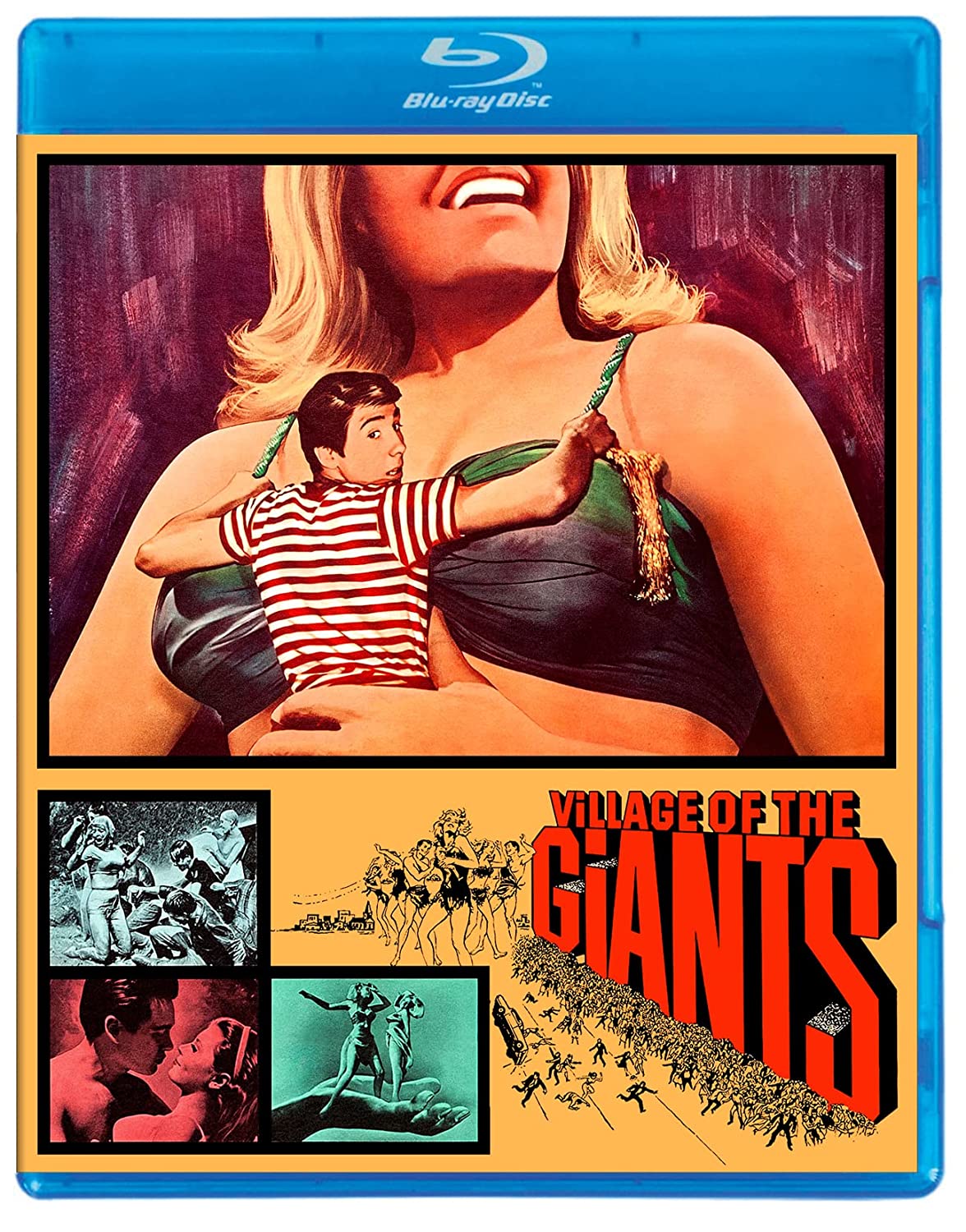
Bert I. Gordon and I shared a friend. He was one of Forry Ackerman's favorite people, and when I would see Forry, he never failed to mention Gordon. Bert I. Gordon was once the king of schlock. He was as much a marketing genius as he was a filmmaker. Like William Castle, he knew how to find something zany and odd which was just different enough to bring in the audiences. I saw most of his films of the 60's and 70's at drive-ins where most of his films were shown in those days along with many of the Hammer and AIP Poe films from Roger Corman. If you look at the B films in the science-fiction/horror genres from that time, you will find them dominated by Gordon, Corman, and Castle. Gordon often used stories in public domain so that he didn't have to pay a writer and he would adapt them with some clever "hip" idea and out would come a cheapie, but something that was always a hoot to watch. Previously you could only see Village Of The Giants in the television set where it was lampooned by those guys at Mystery Science Theater 3000, and I have that version. Now thanks to the folks over at Kino, there's a respectable version out on Blu-ray, and every schlock or Bert I. Gordon fan needs to pick this one up.

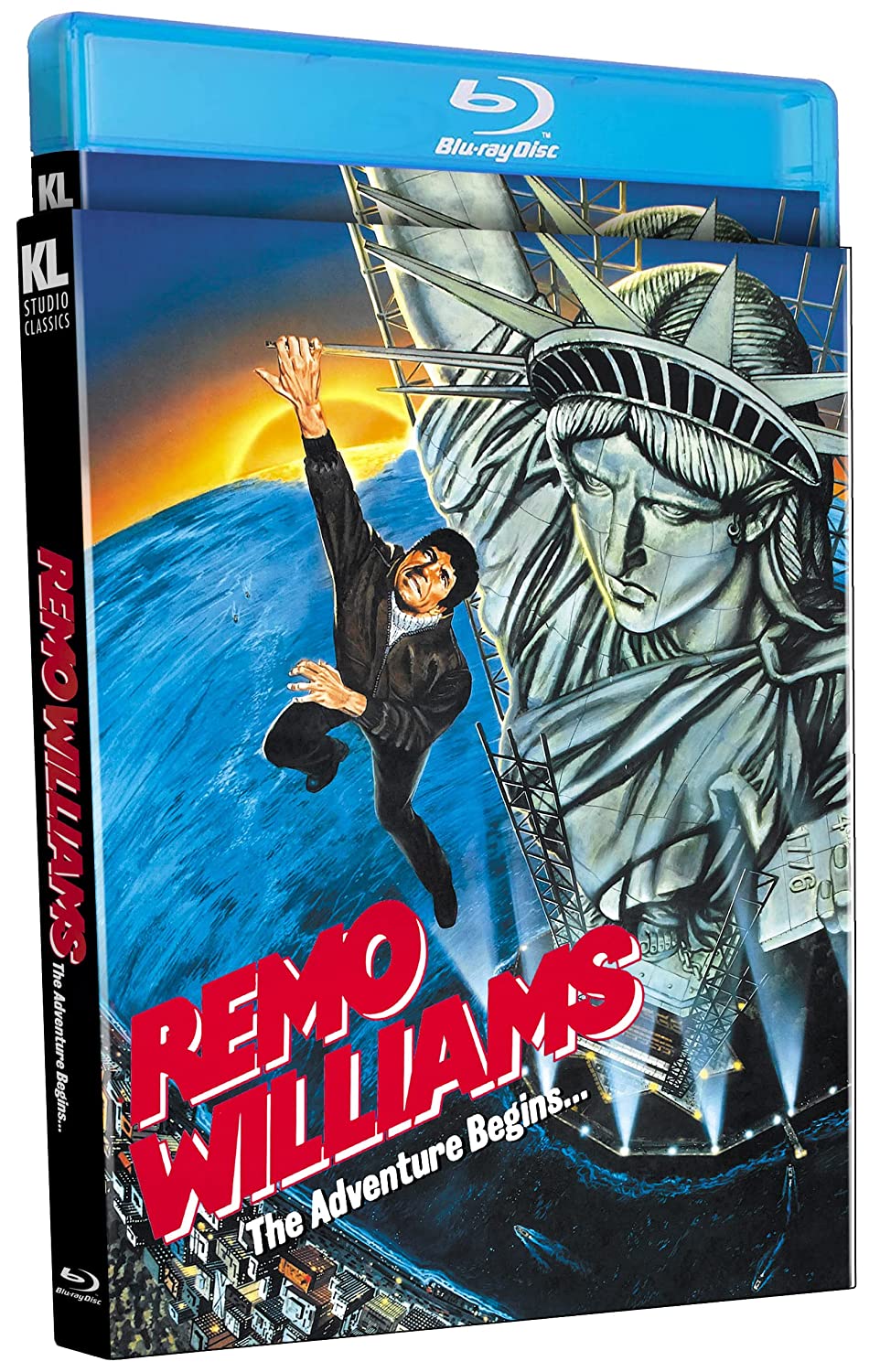
For me the promo art for Remo Williams: The Adventure Begins is without a doubt one of the most memorable VHS covers I can remember from my childhood. The hero dangling  by one hand from the tip of the Statue of Liberty has always stuck with me. As a kid, when finally getting to see this over-the-top action sequence, it left an impression on me to the point that when I made my first trip out to Liberty Island as a kid, all I could do was stare in wonder at how they could have pulled off such a crazy scene. As I’ve gotten older, my impression of the film has changed, but this sequence is still up there when it comes to favorite action sequences of all time. Now Kino Lorber has put out a remastered copy of a film that has fallen through the cracks, though I know it does have a cult following. What are my thoughts on this action spectacle, and is it worth revisiting?

When Remo Williams was birthed as a film, it was intended to be the blue-collar American version of James Bond. It was adapted from a series of pulp novels called “The Destroyer” by Warren Murphy and Richard Sapir. It was an adventure series just like Doc Savage, The Shadow, and The Spider, and producer Dick Clark felt that it would be a great franchise to launch in the States. Wanting to capture the James Bond tone, they hired a screenwriter experienced with the Bond franchise, Christopher Wood (Moonraker and The Spy Who Loved Me) and then director Guy Hamilton (Goldfinger and Live and Let Die) to helm the film. With this collaboration, it is no wonder that the producers and studio thought they had a guaranteed hit on their hands, but unfortunately it seems the movie gods had other plans for the film.

Kino Lorber has plundered the vaults of MGM and released one of the better known Charles Bronson films, Murphy’s Law. To me this is one of the Cannon classics where it was simply a fun tough guy film filled with everything that would make today’s woke audiences cringe. There is no way a film like this would get made now, and it’s a shame, because, well, this is pure escapism and is a good time from start to finish. I’m not saying that this film is perfect, but it captures the energy of what made Cannon films fun during the 80’s and early 90’s. Charles Bronson is playing Jack Murphy, a detective who has hit hard times with his wife wanting a divorce, though he’s not ready to give up on that relationship. Things are about to get much worse when Jack is framed for the murder of his ex-wife and her new boyfriend who runs an exotic dance club.Murphy gets locked up, and in the holding cell, as luck would have it, he’s locked up with Arabella McGee (Kathleen Wilhoite) who in the opening scene of the film we see stealing Jack’s car. Jack has to escape as a means to clearing his name, though he’s cuffed to Arabella, which of course makes things all the more difficult. This is definitely an odd-couple mash-up that we see a lot of during the 80’s where these characters are forced to be partners and bicker a majority of the film but in the end become partners. There isn’t even a mystery to who the killer is as we watch the psycho woman played by Carries Snodgress execute people without mercy. The only real mystery going on with her is why she is on her murderous rampage.

Part of what elevates this film from the others with the similar plot is the direction of       J.  Lee Thompson.  While he isn’t exactly a household name, he’s got quite a few classics on his resume: The Guns of Navarone, Cape Fear (1962),  Battle For the Planet of the Apes  and another Charles Bronson classic 10 To Midnight.  Pretty much he’s one of the go-to directors for tough guy films, and he simply knows how to make a good popcorn flick.  While watching this film and looking at Bronson’s resume, there are a lot of similarities to Liam Neeson’s career in the past decade, and I wonder how much better some of his films could have been if they were put in the hands of J. Lee Thompson.