MGM

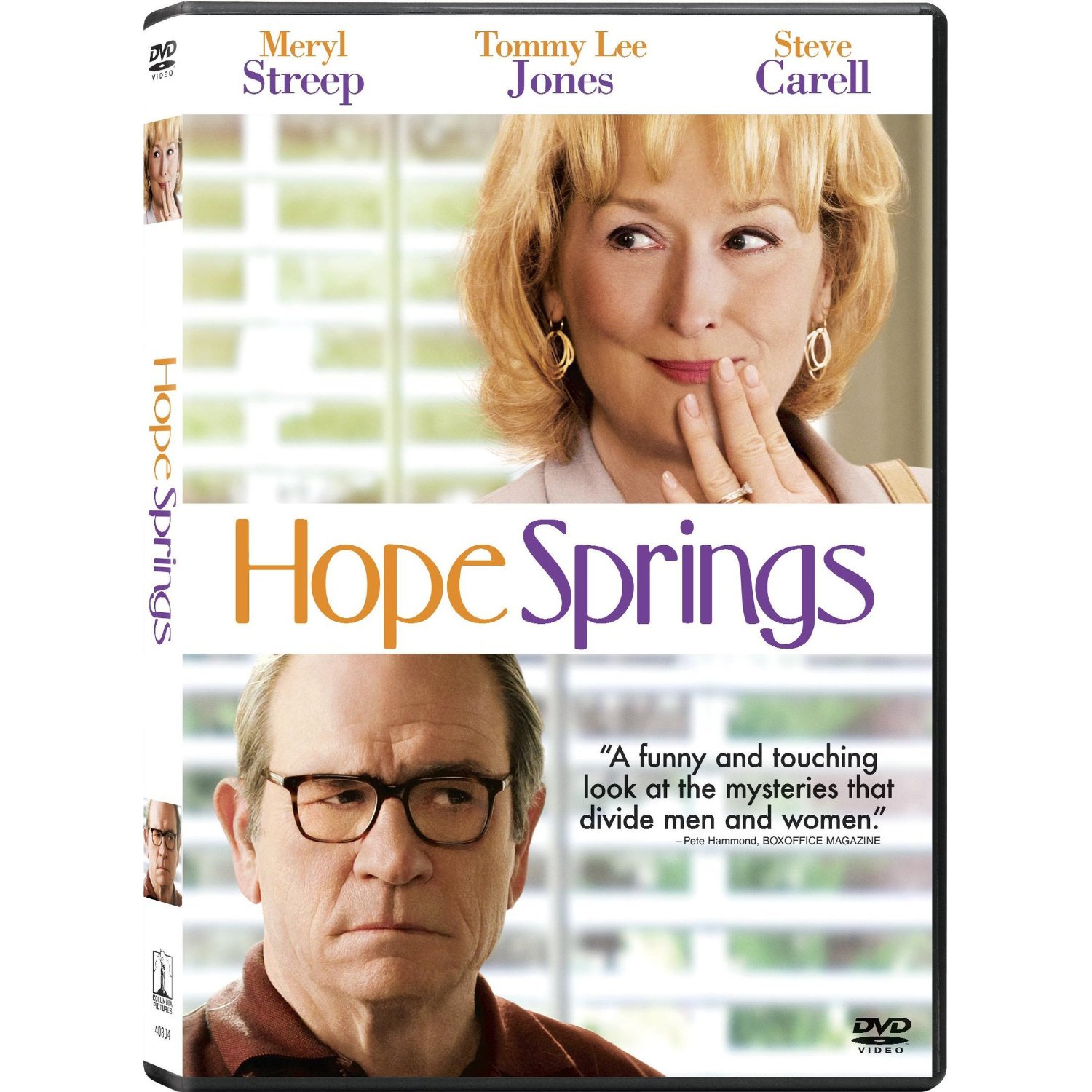
Help me out here. I know the traditional gift for a couple’s 25th wedding anniversary is silver and that gold is supposed to mark 50 years. But what do you get a spouse to commemorate your considerably less ceremonial 31-year wedding anniversary? I’m not sure what the answer is, but I don’t think one week of intensive marriage counseling is the conventional way to go.

Kay (Meryl Streep) is desperate to reconnect with her husband, Arnold (Tommy Lee Jones). Kay and Arnold are unquestionably devoted to each other, but their love life is mired in a years-long rut. (They sleep in separate bedrooms and we eventually learn they haven’t had sex in nearly five years.) To help reignite the spark in their marriage, Kay signs the couple up for a weeklong series of sessions with renowned couples’ specialist Dr. Bernard Feld (Steve Carell) in the quaint town of Great Hope Springs, Maine.

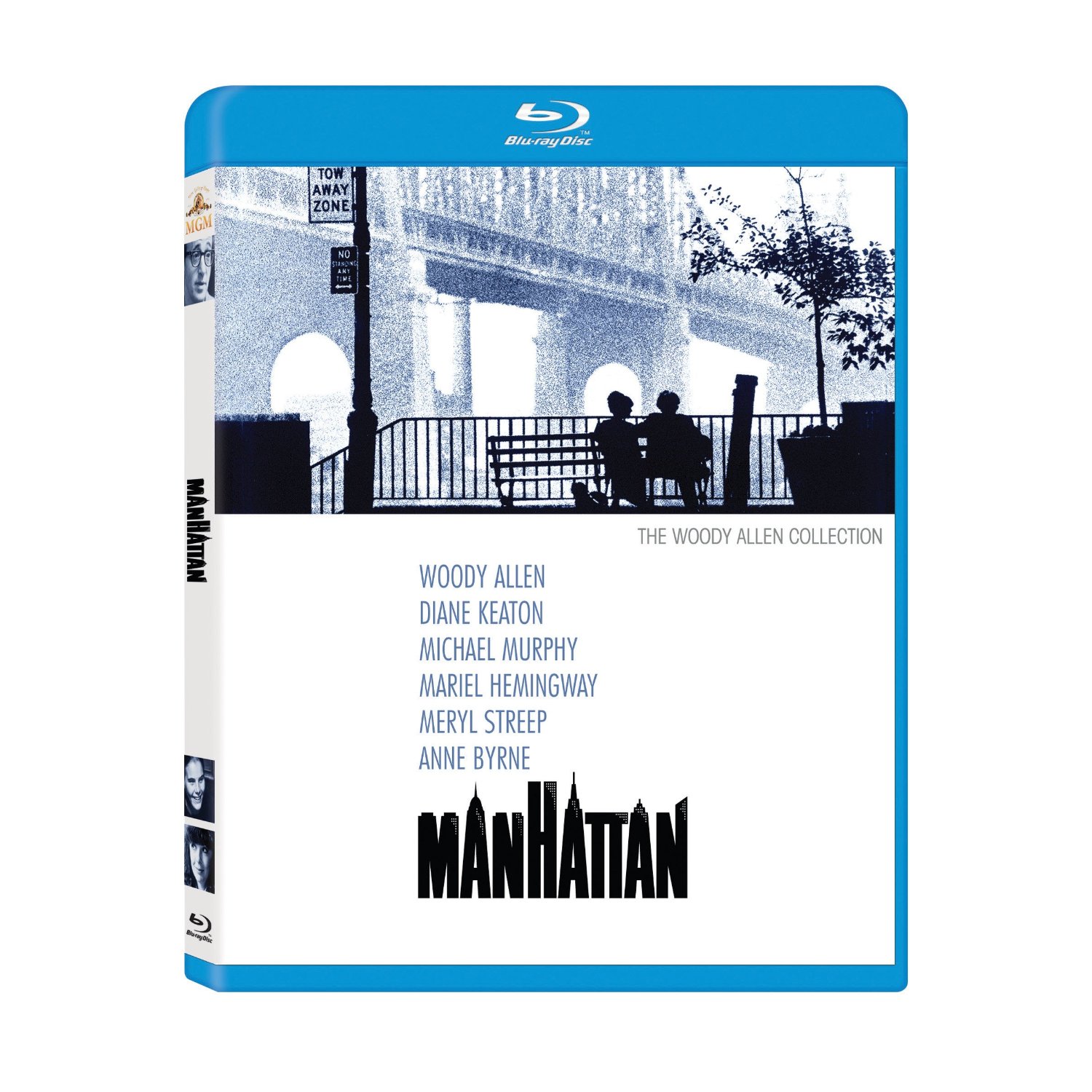
It followed Annie Hall by two years, once again reshaping the mass market’s notion of serio-comic romance. With its bittersweet plotting and cynical one-liners, Woody Allen’s Manhattan was an even bigger commercial success than its Oscar-winning predecessor. Its current incarnation on Blu-Ray offers the best chance yet to revisit its eccentric brilliance.

With spectacular picture-postcard compositions (shot by the great Gordon Willis),  spine-tingling George Gershwin orchestrations, and a plot line that would freak out most parents with teenagers, Manhattan is as unlikely a hit as any Allen work. Indeed, the filmmaker himself was reportedly unhappy with the final product. We have no idea why, and you won’t get any hints on the new disc. As usual with the Wood-man’s videos, there are no extras beyond a theatrical trailer. So the film must speak for itself, and it does so most eloquently.

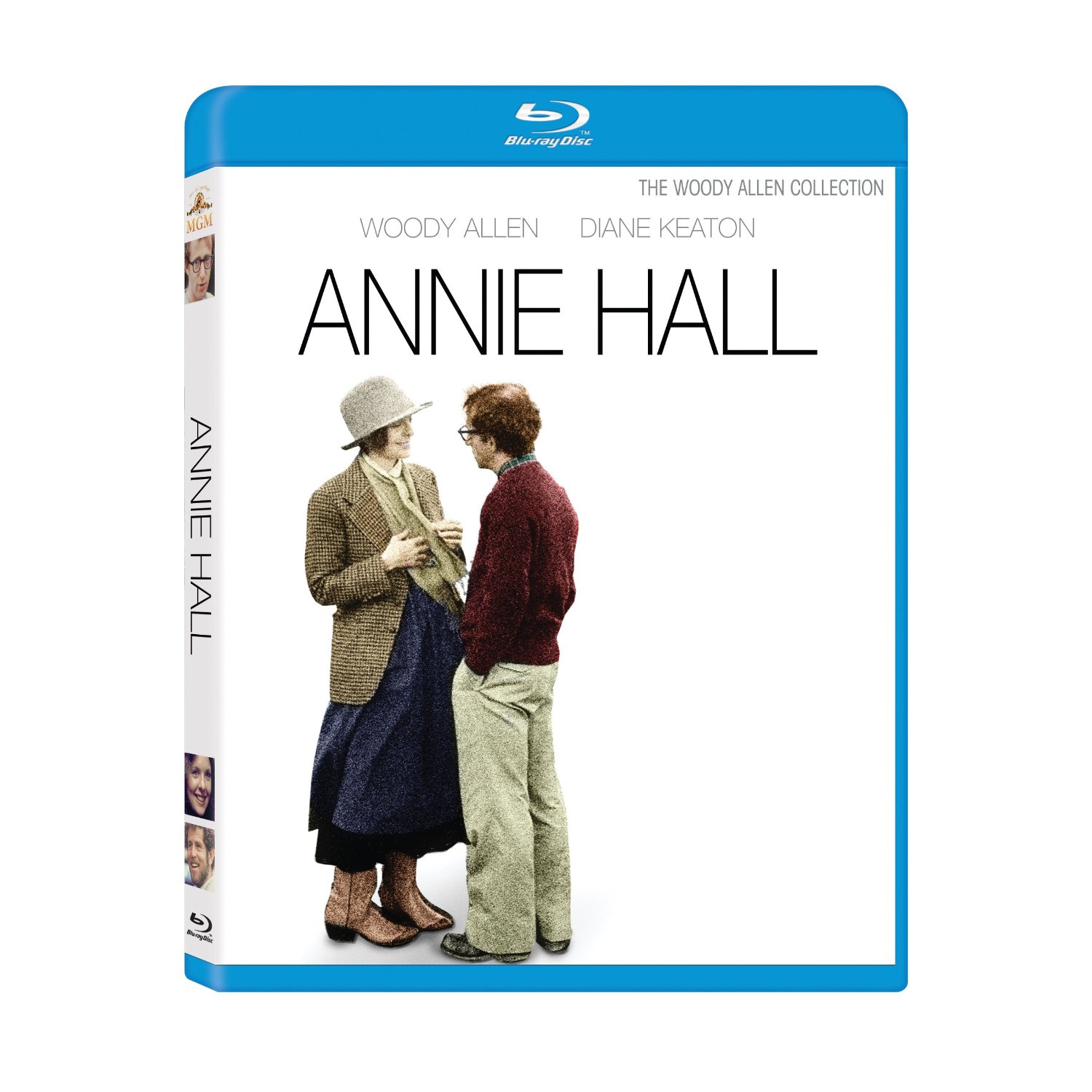
This April will mark 35 years since Woody Allen emerged as a world-class comic filmmaker. Although Annie Hall was his seventh feature (if you include the voice-over spy-spoof What’s Up, Tiger Lily?, which you certainly should), and although Allen already had a sizable group of admirers (including this longtime fan), his 1977 mainstream smash gave him commercial clout and a little something called the Best Picture Academy Award.

What kind of movie wins major awards, earns big box-office, and puts its writer-director-star in position to make a feature a year for the next 35 years? Here’s the catch: You can’t cram this gem into one easy category. Sure, it’s essentially a romantic comedy, and you can call it that without getting huge arguments. But the story of neurotic, selfish comedian Alvy Singer (Allen, of course) and his up-and-down affair with equally neurotic, selfish Midwesterner Annie Hall (Diane Keaton in a bravura, signature performance), is much more than your basic boy-girl three-act love story.

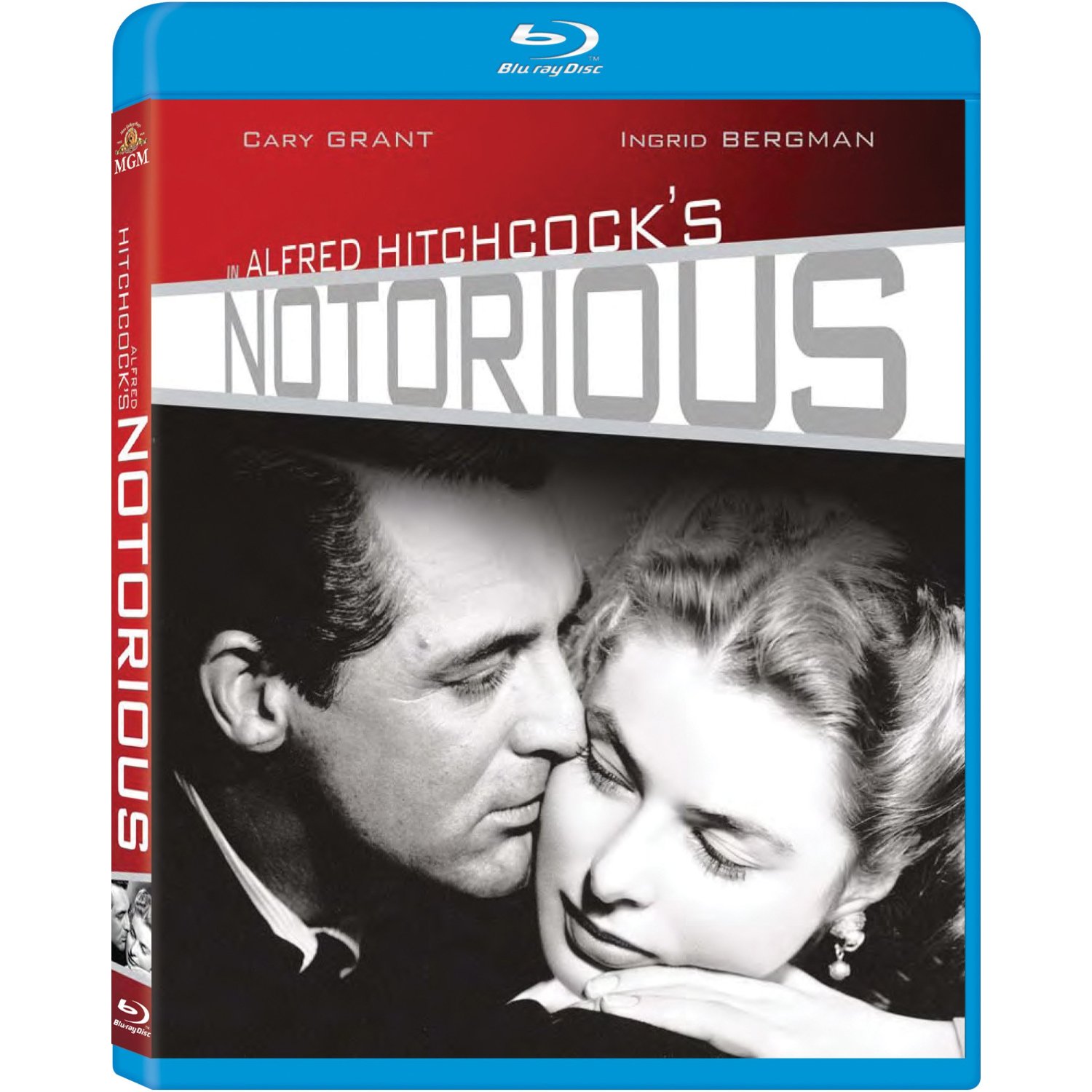
"Gentlemen, I assure you she's the perfect type for the job. She's good at making friends with gentlemen, and we want somebody inside his house who has his confidence."

Say what you will about Alfred Hitchcock, but one thing he never lacked was confidence. Today filmmakers and film fans alike still worship at his altar. His church was the darkened neighborhood cinema, and no one held court better than the man fans affectionately refer to as Hitch. The flicker didn't come from candles as you might expect in such a place of worship. They emanated from the silver screen. He was canonized as the Master of Suspense, but Hitch was more than that, much more. He was actually quite a romantic at heart. Most of his films are romance stories. But Hitch placed these commonplace romances in uncommon environments. His lovers possessed all of the passion you would expect from a romance film, but their lives were usually in danger...and sometimes there were higher causes. Such is the case in Hitch's 1946 spy thriller Notorious.

Written by Brian Ludovico

To film fans, the clause “Directed by Alfred Hitchcock” has almost become an adjective in and of itself. It has come to mean suspense created by using the viewer’s imagination and mind as a part of the film, first and foremost. These films didn’t have the freedom of CG, and consequently had to invent ways to achieve visual effects (watch the documentary on Birds or Rear Window for example). Besides the lack of freedom of creation that digital filmmaking now provides, the filmmakers had to tip toe around the Hays code, not only restrictive on sex and sexual undertones, but also on content (as we learn in the featurettes here) and gore. The phrase, and the adjective that bears the director’s name, has grown to include a certain quality of characters and meticulous film crafting in every phase of the production. Rebecca, therefore, can rightfully be called “classic Hitchcock.”

Jack Lemmon is a rather meek insurance company employee who is slowly working his way up the corporate ladder by lending his apartment to married executives looking for a place to take their girlfriends. Life is rather inconvenient, as he is locked out of his home at all hours, but things become even more complicated when the big boss (Fred McMurray) takes an interest. The good news is that Lemmon gets another promotion. The bad news is that McMurray’s affair is with Shirley MacLaine, the elevator girl for whom Lemmon is carrying a torch.

Billy Wilder’s follow-up to Some Like It Hot certainly has plenty of funny moments, most involving Lemmon’s doctor neighbor (Jack Kuschen). But the film doesn’t shy away from the darker implications of its storyline (up to and including a suicide attempt). The result is a romantic comedy-drama that is sweet without being sentimental, and hard-nosed without being cynical. And the audience’s emotions are thus sincerely earned.

A bar owner hires a hitman to assassinate his wife and her lover upon discovering their affair. What proceeds is a neo-noir packed with ample murder, betrayal and suspicions throughout.

This film is the directorial debut of Joel Cohen, thus making it the first in the line of “Coen Bros.” productions (Joel's brother Ethan naturally contributing as co-writer and co-editor). As well, Barry Sonnenfield is the Director of Photography, which helps to explain the outstanding visual composition of this film. With the combined efforts of the Coens and Sonnenfield, Blood Simple takes a modern, Southern US setting (in full colour I should note) and turns the mise-en-scene into something unmistakably of the noir genre. There are a few more hand held jostling than one would be acclimatized to in Coen Brothers films, which sometimes take away from the strictly “noir” style of framing shots, but do keep it from feeling too stifling or striated.

“When you're a Jet, you're a Jet all the way! From your first cigarette to your last dyin' days.”

West Side Story is a masterpiece in film making. Its DNA comes from the greatest entertainers in the business. The great Robert Wise (The Sound of Music, The Day the Earth Stood Still) shares directing credit with one of the world’s greatest choreographers, Jerome Robbins. The music was composed by Leonard Bernstein with lyrics by Stephen Sondheim. Daniel Fapp’s cinematography is epic and evocative. The movie was nominated for 11 Academy Awards and won 10, a record at the time, including Best Picture and Best Director. This is film sets the bar so high for musicals there really hasn’t been a good filmed one since.

"For the first time in the history of the world, man has sent a rocket 1500 miles into space. You can't expect such an experiment to be perfect."

There's this home video of my sister as a strawberry blonde toddler at a family picnic. Sticky watermelon caresses her cherubic face as she sings the phrase she captured that day, “And again? And again and again, and again?” Yes, chipmunk-voiced Bela: again and again. That's how often I'd watch Quatermass Xperiment. It's so rich in storytelling and layered delivery that I'll watch it more than once to fully appreciate it, and discover something new every time.

By Natasha Samreny

“General, he was stronger than the others. That's why he lasted so long. I don't know why General, but he seems to be getting stronger all the time.”