AVC MPEG4

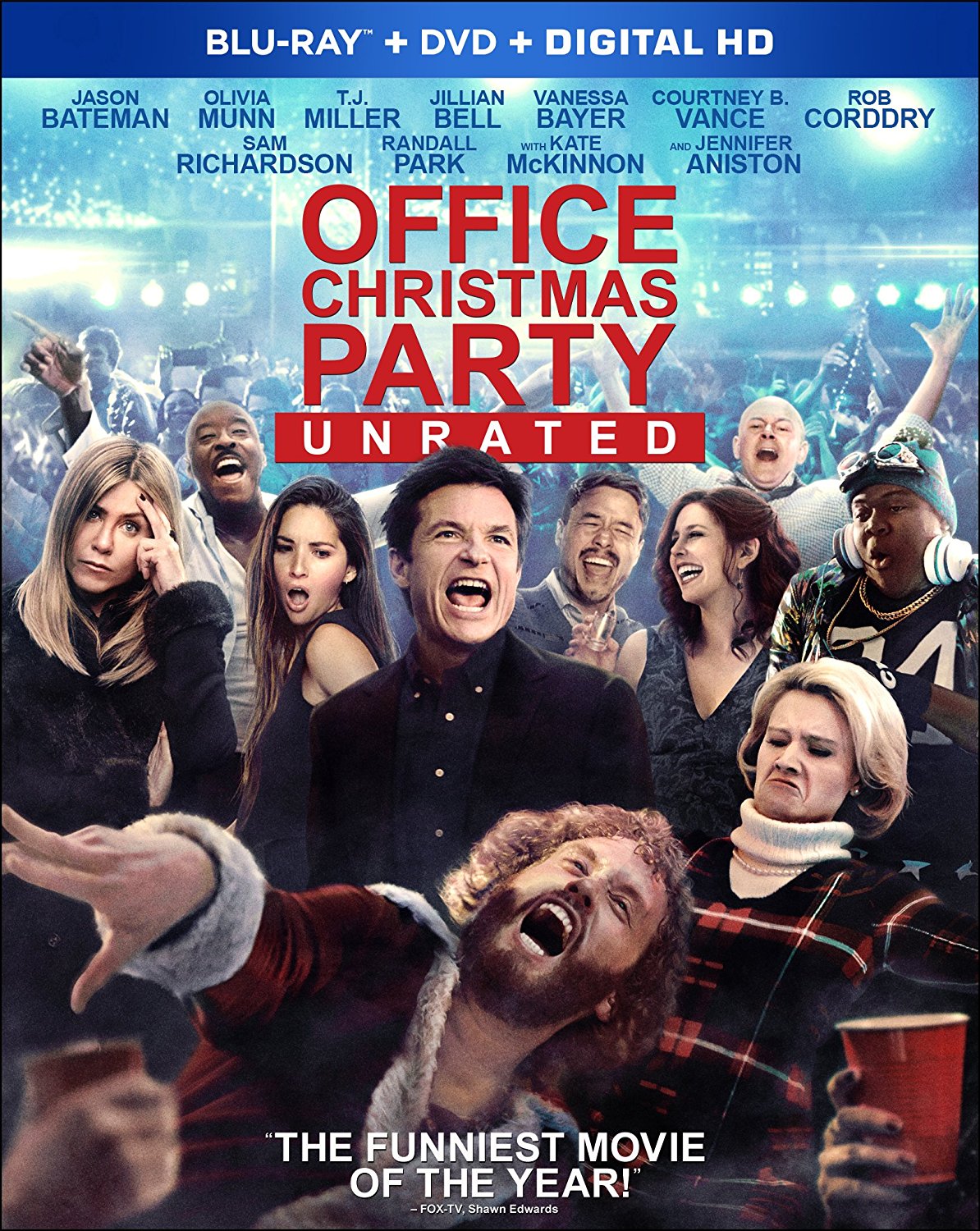
The trouble with most holiday films is that once the holiday passes, there is about another year of waiting till it seems right to put the film on again.  Everyone knows about A Christmas Story and Polar Express, but really, the staple holiday films are sparse, but they are great.  Every year, despite the high probability to fail, studios churn out some holiday films in the hopes that one of these attempted swings will turn out to be a box office giant. I believe it’s safe to say that there hasn’t been a holiday hit for a while, but despite the long odds, Office Christmas Party comes out strong with a big cast and raunchy intentions.  Is it enough to lure people into the darkened Cineplex or have you want to go out to Netflix or Redbox to cure those holiday fever blues?

T.J. Miller plays Clay, a childlike CEO who has a big heart for his company and his employees. He’s the likeable boss everyone wants to have, but really, you just can’t picture him ever successfully running a business.  As Clay’s right hand man is the serious face of the corporate branch, Josh (Jason Bateman), who has just finalized his divorce in time for the holidays.  There is a fun chemistry between Miller and Bateman that seems to fizzle after the first quarter of the film because for some reason there was a need to create romantic tension between Josh and Tracey (Olivia Munn), one of the heads in the tech department.  Right out of the gate this film feels familiar and uninspired, as though it served no other purpose than to be a paycheck for all involved.  Miller has moments in the film but simply is never given much to really work with.

“At the turn of the century, Sea Island Gullahs, descendants of African Captives, remained isolated from the mainland of South Carolina and Georgia. As a result of their isolation, the Gullah created and maintained a distinct, imaginative, and original African American culture.”

Prior to watching Daughters of the Dust, I was completely unfamiliar with Sea Island Gullahs. To tell their story, the film (intentionally) deviates from the traditional narrative playbook, which doesn’t necessarily make for the most pleasurable movie-watching experience. However, the three key adjectives used in the opening text — “distinct,” “imaginative,” and “original” — absolutely apply here.

"You have to start somewhere."

I could sense a great disturbance in the Force. I could not quite put my finger on the reason, but there appeared to be much to worry about with the debut of the first ever Star Wars film that was not one of the driving episodes in the epic story of the Skywalker family and friends. There was worry that Disney might have been pushing their luck with these sidetrack stories. The Force Awakens was very good, but should the Mouse House really be tempting fate with such "filler" material? Then there were the disturbing reports that the film required so many rewrites that as much as $5 million had been spent on the services of Tony Gilroy to provide those touch-ups. There were reports of extensive reshoots, and all of this was enough to have Star Wars fans worried. We needn't have wasted the stress or time. Not only is Rogue One: A Star Wars Story just fine, it's better than fine. It's actually a very good movie.

“The price for your glory is their suffering!”

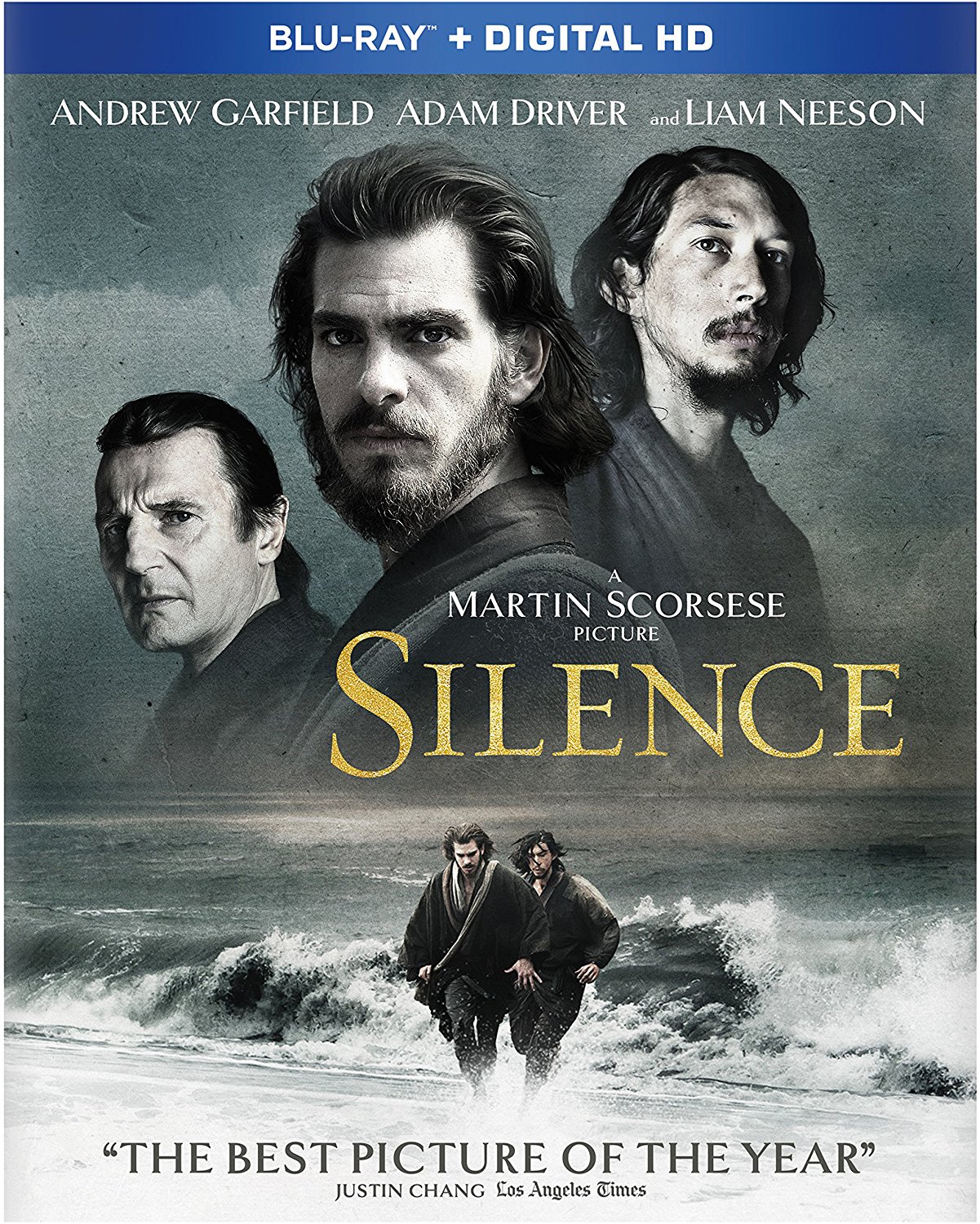
For most of us, hearing the name “Martin Scorsese” leads to iconic wiseguys, rock and roll, and Robert De Niro/Leonardo DiCaprio movies dancing into our mind’s eye. Further down the list of Marty-related things — probably even below Scorsese’s real-life film preservation work — but no less crucial to appreciating the director’s filmography is the role that faith has played in his personal and professional lives. The most obvious manifestations are the three religious epics Scorsese has directed, including his latest film Silence.

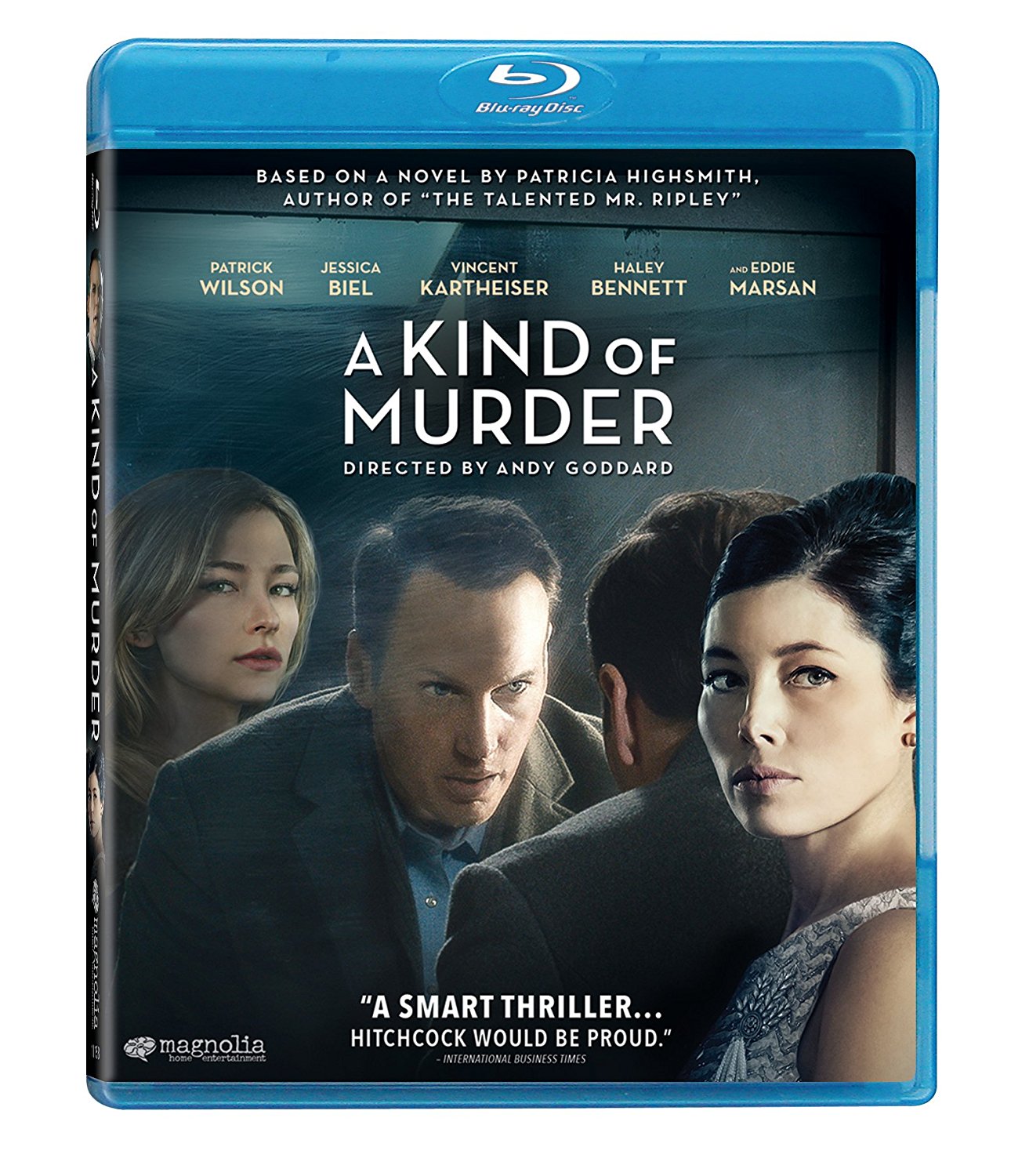
You ever hear that old adage about not putting your hands too close to the flame? Obviously Walter Stackhouse, Patrick Wilson’s character in A Kind of Murder, did not heed the warning as he finds himself embroiled in a murder conspiracy of his own while investigating a separate one. This film noir is based on a novel from the famous author of The Talented Mr. Ripley, Patricia Highsmith. Murder mysteries in recent months have become a huge interest of mine, so when presented with this film, I was extremely excited with the opportunity. However, after watching, though I was intrigued by the whodunit aspect, I found the other areas lacking, specifically connecting with the lead character.

Walter Stackhouse (Patrick Wilson) appears to be the man who has it all: a successful career as an architect, a beautiful home, and a gorgeous wife (Jessica Biel) to share it with. But a happy man is the last thing he appears to be, escaping his seemingly perfect life in order to delve into the macabre world of murder. After a gruesome murder of a woman, Walter begins to investigate her death, which eventually leads him to her widow (Eddie Marsan) and puts him at odds with investigating detective Laurence Corby (Vincent Kartheiser).

“Black women aren’t bitter. We’re just tired of being expected to settle for less.”

When people talk about racial and gender equality, they typically point to notions like everyone having the right to vote or the same opportunity to pursue their personal or professional passion without fear of discrimination. The premise of Insecure — HBO’s funny and insightful comedy series about modern relationships — is not quite that lofty, but no less worthy: black women reserve the right to be just as neurotic and lead love lives that are every bit as messy as their white counterparts.

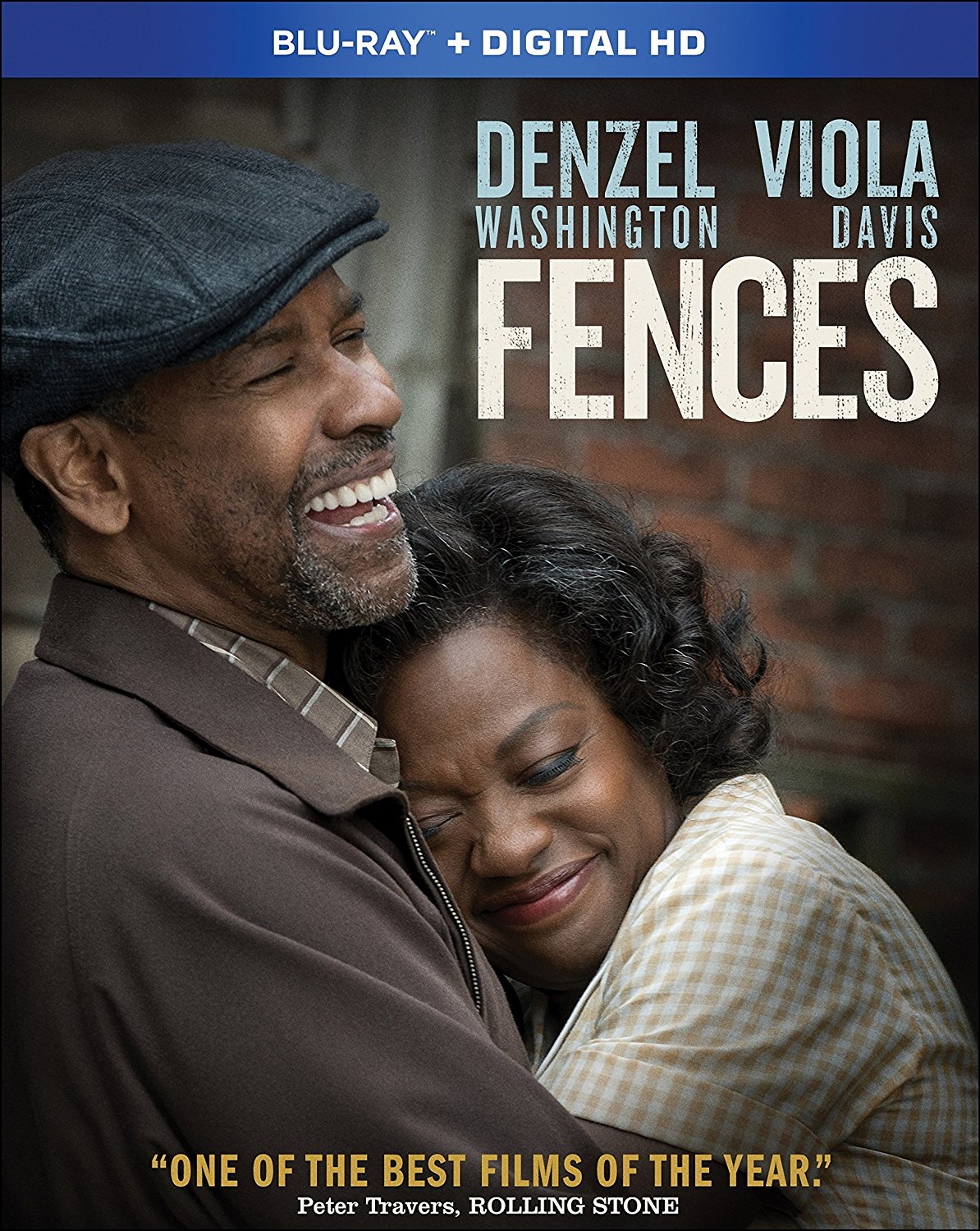
“Some people build fences to keep people out, and other people build fences to keep people in.”

In its transition from stage to screen, Fences — the Pulitzer Prize-winning play by the late August Wilson — doesn’t venture far beyond the Maxson household. And that’s precisely the point: director/star Denzel Washington isn’t overly concerned with masking the story’s stage origins. The existential claustrophobia that the characters in the play have been carrying their entire lives is right up there on the cramped screen.Fences is set in 1950s Pittsburgh and centers around Troy Maxson (Washington), a boisterous former Negro League baseball player who works as a garbage collector alongside best friend Jim Bono (Stephen Henderson). Troy shares a home with Rose (Viola Davis) — his wife of 18 years — and their son Cory (Jovan Adepo), who is being recruited to play college football. The other people in Troy’s orbit include Lyons (Russell Hornsby) — Troy’s musician son from a previous relationship who has a penchant for visiting on his father’s payday — and Gabriel (Mykelti Williamson), Troy’s mentally disabled younger brother who also lives in the neighborhood. Gabriel was previously under Troy’s care after suffering a head injury in World War II; Troy used the subsequent government payout to buy his family’s house.

- “OK, first, I'm not a princess...”

- “If you wear a dress and you have an animal sidekick, you're a princess.”

Life's pretty simple, you know. It's long periods of waiting broken up by brief moments of change. That's it...that's all it is.”

100 Streets tells three barely-connected stories set in the same one-square-mile area of present-day London. (The neighborhoods of Chelsea and Battersea to be exact.) The stories are each quite compelling in their own right, and they're performed by a talented group of actors. Unfortunately, the movie is occasionally bogged down by distracting, pseudo-profound soliloquies like the one at the top of this review. I appreciate the stabs at thoughtfulness and depth, but they come off as forced here and are more likely to make you roll your eyes than inspire you.

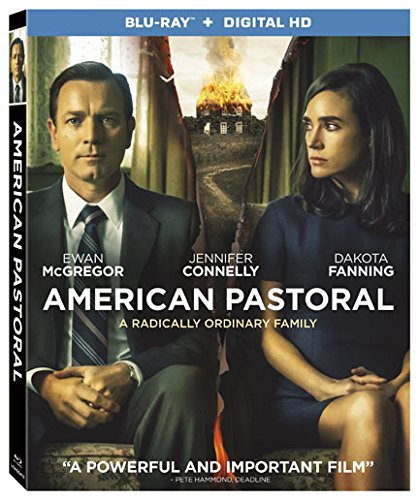
Ewan McGregor has had an interesting career in front of the camera; he’s gone from playing a heroin addict (Trainspotting), to being a Jedi and several roles that just about make him impossible to typecast. With his new film, McGregor is doing double duty by also helming the film as director for the first time.  When I first heard about McGregor taking on American Pastoral, based on the book of the same name by Philip Roth, I was worried that perhaps he had bitten off a bit more than he could handle with his first time at bat.  What’s surprising is how relevant the film is at this point in time as the country is so divided, and because of this it adds a new perspective to the film.

The story is told with narration from the perspective of Nathan Zuckerman (David Strathairn), who has returned to his hometown to celebrate his high school reunion.  Nathan has come back to reflect on his old memories, most of which involve the high school star of his day, Seymour Levov, or as the town affectionately call him, Swede.