The Reel World

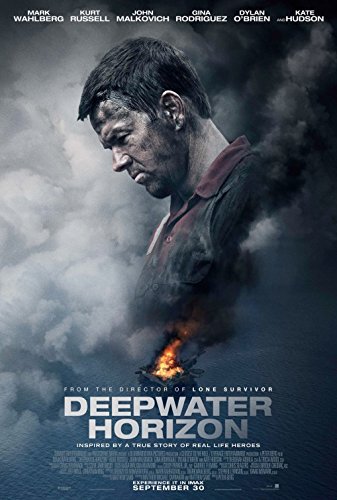
It really doesn’t seem so long ago that all the major news networks were showing footage of the destroyed oil rig in the Gulf of Mexico that was pumping out gallons upon gallons of oil into the ocean.  The BP oil rig disaster was all we could talk about in April of 2010, and all of us at home were left wondering if they’d ever plug up that hole and stop the leakage of oil that would go on to destroy hundreds of miles of beach coast property as well as cause long-lasting effects on the fishing industry.  Everyone was looking for someone to blame, and plenty of it went to BP.  While this made for engaging news for a while, it never seemed like a story that Hollywood would want to invest in and make a film about.

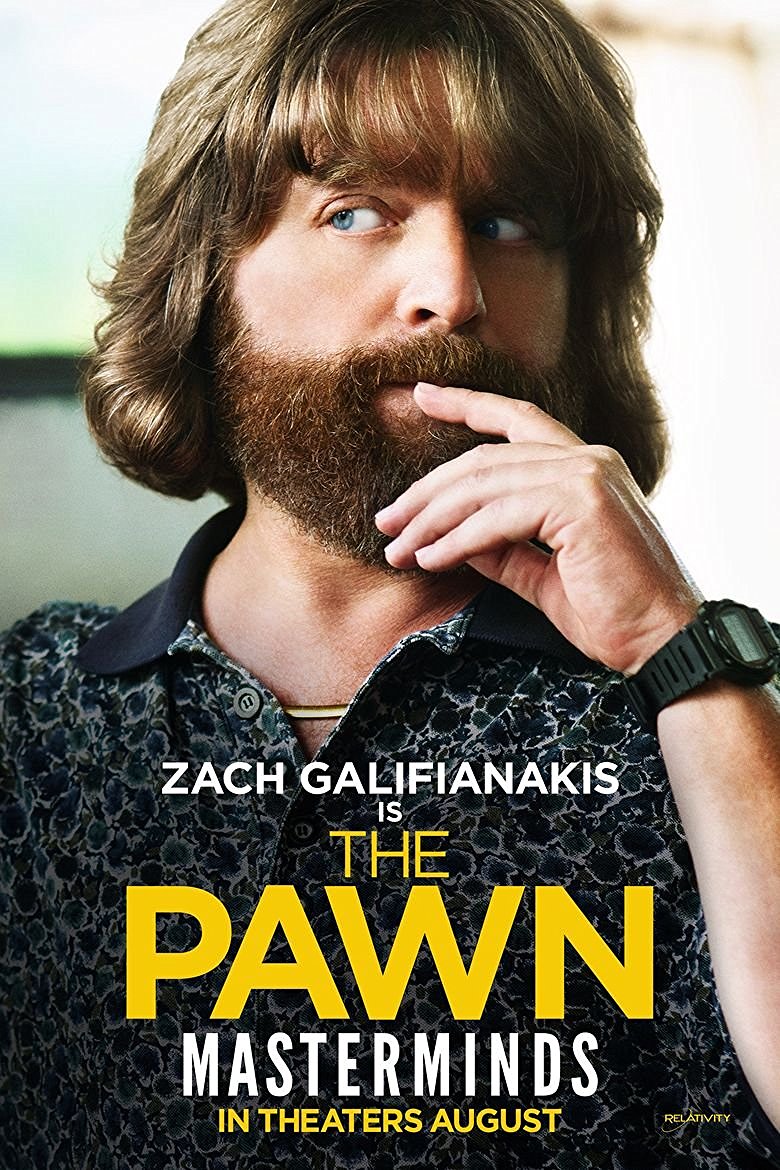
In 1997, $17.3 million dollars (or $25.5 million adjusted for inflation) was stolen from Loomis, Fargo & Co in Charlotte, N.C. It was the second largest cash robbery on U.S. soil after a Loomis Fargo armored car robbery by the driver earlier in the same year for $18.8 million in Jacksonville, Florida. The facts of the robbery and subsequent events are pretty ridiculous, and now Hollywood has made an out-and-out silly farce out of something that in reality was a silly farce. After having seen the movie, I tried to compare actual events with the insane stupidity that happened in the movie. That was actually my biggest problem with the movie. If they had tried to adhere closely to reality, it might have played funnier.

Great, just what we need, another remake of a film that is not only a classic, but the film which it was inspired by is also a highly-praised classic.  I’ll admit I’ve grown tired of Hollywood going to the well and remaking films that simply don’t need to be messed with.  It’s one thing to see Seven Samurai (1954) translated for American audiences to go from a black & white martial arts spectacle to seeing a colorized star-studded western, The Magnificent Seven (1960).  When I first heard about the remake, I had hopes that the film would be modernized yet again, but unfortunately the studios decided to keep the setting in the Wild West, and even when Denzel Washington was hired on to head the film with Antoine Fuqua (Training Day & The Equalizer) in the director’s chair, I still wasn’t convinced.

It’s been just about four years since Savages (2012) hit the big screen.  For me Savages was Oliver Stone simply having a blast, shooting an over-the-top action film fueled by sex, drugs, and violence.  Now it seems Stone has stepped back into the paranoid, government conspiracy form that he seems to be best known for with Snowden.  Whether you view him as a traitor to the United States or a self-sacrificing lamb to expose the government and its illegal wiretapping, it’s a choice that is up to you going into this film.  Personally, while I feel his intentions were good, still he did betray his government and committed treason.  What I had hoped with this film is that Oliver Stone would capture both sides of the coin, but as the title would suggest, Edward Snowden (Joesph Gordon-Levitt) is front and center on this ride, and that’s not my only problem here.

Clint Eastwood is 86 years old. He is also one of the best film directors working today. His latest film shows no signs of a man winding down his life, let alone his career. I obviously hinted that most other actors (or directors) his age have long ago died or checked into a nursing home. Eastwood looks lean and mean and still directs that way. Eastwood is interesting, as well, because he tends to pick projects that are outside the Hollywood studio corporate thinking. In other words, Eastwood is his own man and does pretty much anything he wants. His films as an actor and director have courted controversy way back to the days of Dirty Harry and A Fistful of Dollars.

In 1959 when Ben-Hur came out, it was a massive undertaking that nearly closed the gates for MGM after nearly bankrupting the studio.  It was a huge risk in producing such a large scale epic that fortunately paid off and became one of the studio’s cornerstone successes.  The story of Judah Ben-Hur and his fall from being a prince, to becoming a slave, to eventually becoming a hero to the people in the arena is such a familiar story it’s hard to not feel you’ve seen this before without even entering the theater.  In some parts I look at Gladiator and see somewhat the same film, only being set in a separate time and place.  But really the story of betrayal at the highest levels, and seeing great figures fall only to pull themselves up again is a theme Hollywood seems to relish, and it seems to attract many viewers in the process.

Taylor Sheridan is an actor. Let’s change that. Taylor Sheridan was an actor, and now he’s a writer. He’s a terrific writer. He’s the kind of writer that actors are going to be seeking out and critics are going to love. But he’s also made hard-boiled genre action pieces. He’s coming out of nowhere and getting everything right. He was a series regular on Sons of Anarchy and Veronica Mars, but he’s going to be in much greater demand as a screenwriter. His first film, Sicario, was one of the top ten films of last year, due in large part to his brilliant script (and also to everyone else involved with the movie, like director Dennis Villeneuve and cinematographer Roger Deakins).

In the days leading up to the release of Suicide Squad, over the internet there has been one of the most vicious attacks on a film before its release that I can remember.  Sure, we had all the negative talk about Ghostbusters,but that was before anyone had ever seen the film, and as screenings came along, opinions seemed to sway.  Now I was lucky enough to attend a screening Monday for Suicide Squad, and there were up to 150 people turned away at the door because the auditorium was filled to capacity. I mean, the buzz for this was high, and we DC fans were giddy, because this film was our hope that WB would be turning things around.  I mention all this because now this has managed to become one of the worst-reviewed films of the year, and I’m just sitting here like WTF happened, did they see some other cut of the film?

Moviegoers tend to have better memories than amnesiac assassins, but I think it’s fair to say we’ve mostly put The Bourne Legacy out of our minds. Universal’s underwhelming, half-hearted attempt to spin off one of its more lucrative franchises all but guaranteed the eventual return of original star Matt Damon and two-time director Paul Greengrass (The Bourne Supremacy, The Bourne Ultimatum). The duo has re-teamed for the entertaining yet inessential Jason Bourne, which — for better and worse — will feel extremely familiar for fans of the trilogy.

Everyone is afraid of the dark…and that’s what she feeds on.”

Despite rumors to the contrary, I am a full-grown adult. That means I can’t in good conscience admit to being afraid of the dark. The most I’ll concede is a sense of uneasiness if I’m in a dark space because I might bump into something. And if I hear a strange noise in the middle of the night, my mind might start creating sinister shapes out of shadows. (Hold on…am I afraid of the dark?!) Either way, that primal and unshakable fear of what could be hiding just out of sight is what powers Lights Out, one of the leaner, nimbler, and flat-out most enjoyable low-budget horror flicks in recent years.