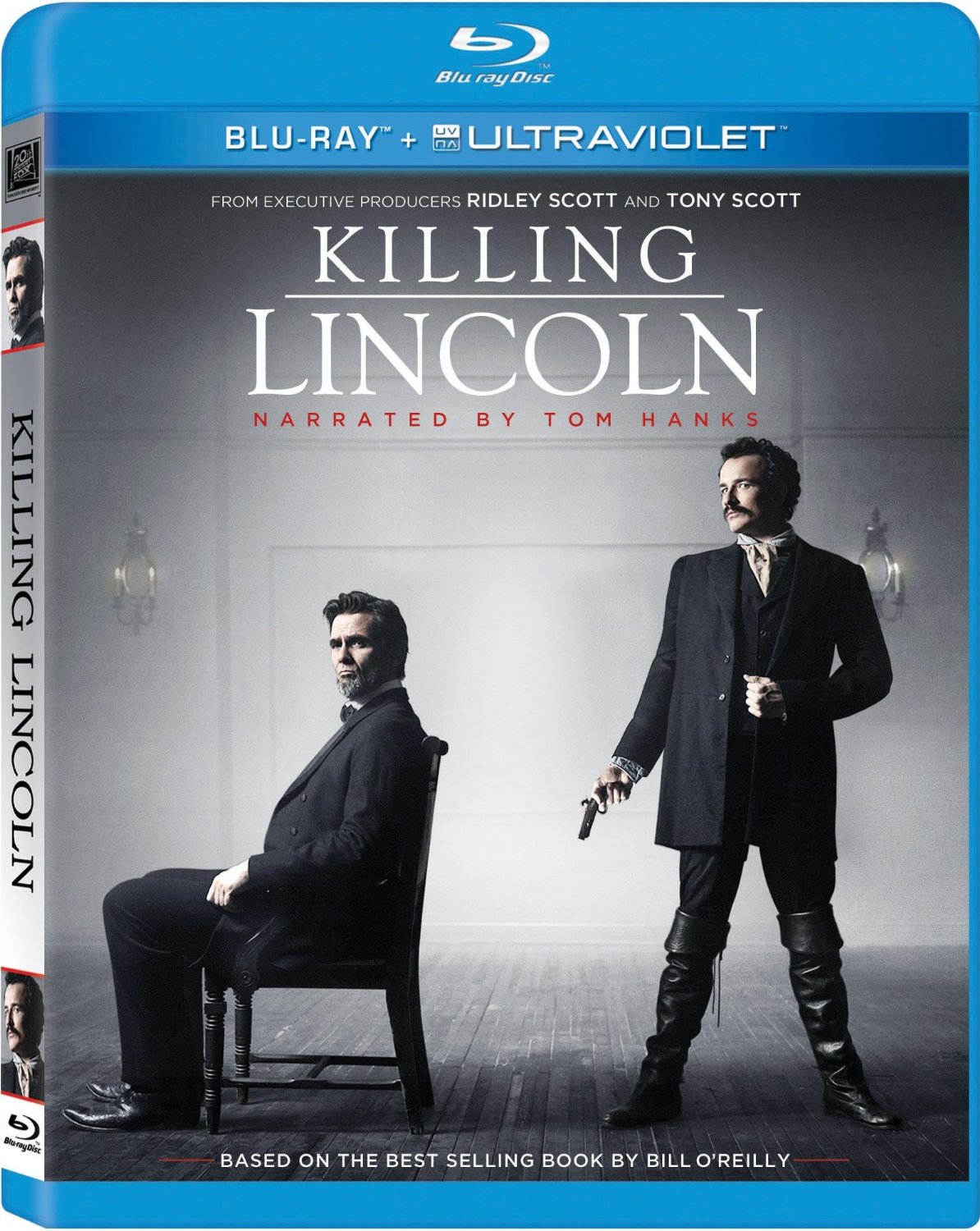
"The needs of the many outweigh the needs of the few."

Every Star Trek fan has had that phrase beaten into their brain about as many times as Uncle Ben's mantra about great power and great responsibility. Who knew that the tagline was appropriate to filmmaking? When J.J. Abrams signed on to direct the reboot/remake/reimagining/rehash (insert your own word here) of Star Trek he quickly made it known that he was not really that into the franchise. He considered himself a Star Wars man, and a chill went through the spine of every Trek fan on the planet. I approached the 2009 effort with dread.

"Who is Jack Reacher? Born Jack, not John. No middle name. He's a ghost. Served in the military police. A brilliant investigator, troublemaker, too. And two years ago he disappears. You don't find this guy unless he wants to be found."

We've found him. The character of Jack Reacher comes from a series of thriller novels written by Lee Child. From the very start you know that this is going to be a different kind of Jack Reacher than fans have come to know and love from the books. He described as being 6' 5’’ and about 250 pounds. Tom Cruise doesn't really fit any of those description elements. He does, however, fit two very important descriptive elements when it comes to Hollywood. He's still a big name and a pretty reliable box office draw. He also put up some of his own cash to produce the movie. Now that's how you get cast for a part very physically different from yourself.

“We are your Family. We come before anything, even your own family.”

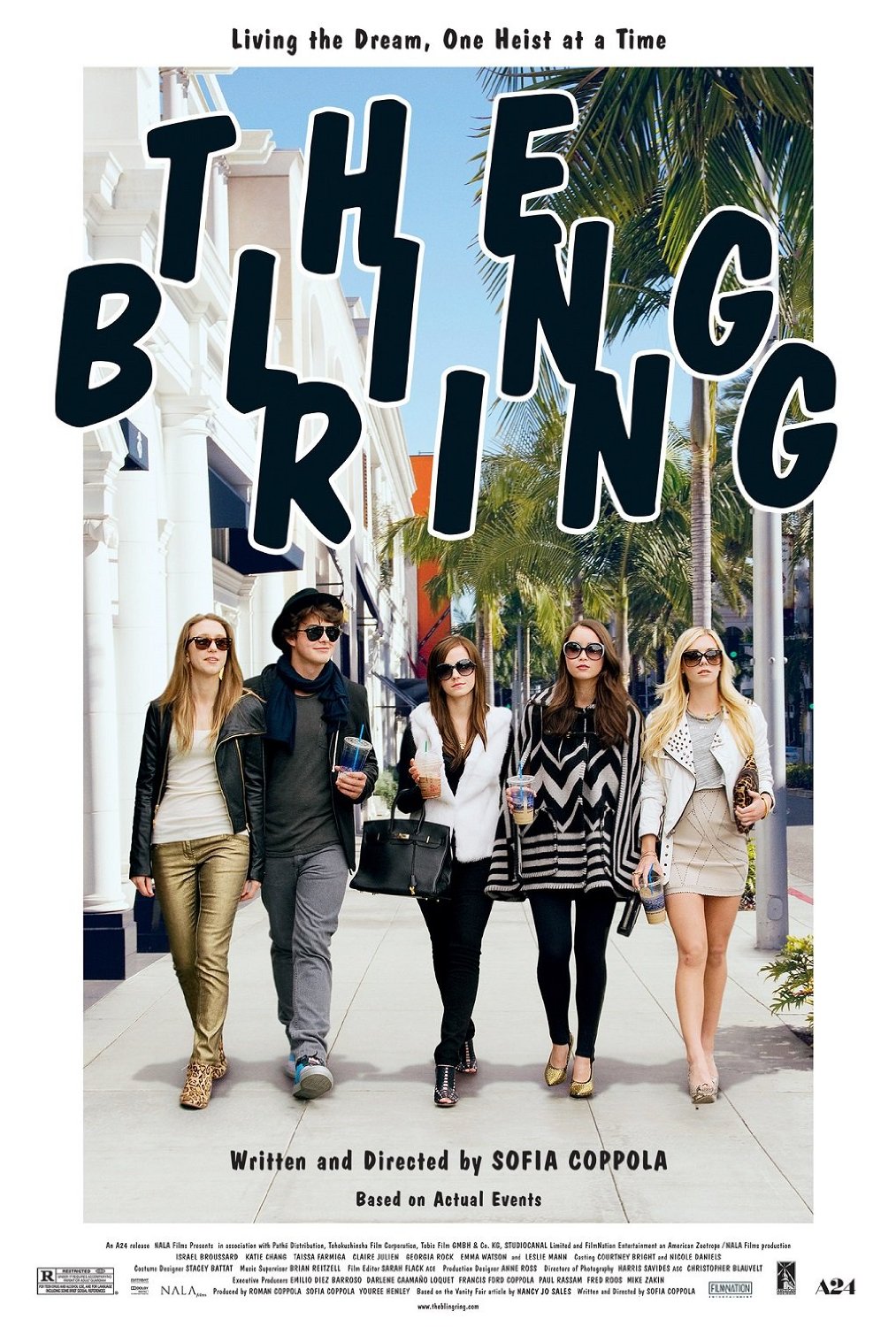
Everything about Once Upon a Time in Brooklyn — the setting, the storyline, the cast, the title — brings to mind vastly superior crime dramas. To be fair, it’s incredibly difficult to say something in this genre that hasn’t already been said brilliantly by the likes of Francis Ford Coppola, Martin Scorsese or David Chase. So instead of trying to carve out its own turf, this low-budget effort seems to almost revel in how derivative it is. At the very least, the people who made this movie seem to love gangster flicks as much as we do.

Even among the crowded field idyllic meadow of big-screen romances, the “Nicholas Sparks movie” has become its own lucrative sub-genre. The only other contemporary authors I can remember achieving that sort of name brand recognition are Stephen King and John Grisham. (When people went to watch a Harry Potter film, they didn’t usually say, “Let’s go see the new J.K. Rowling movie.) It’s easy to spot a Nicholas Sparks movie: the lily white leads usually live in or around one of the Carolinas, where they inevitably get drenched by a romantic, cleansing rain before coming across a pivotal letter.

The fact that Safe Haven hits every single one of these checkpoints should, in theory, make it the ultimate Nicholas Sparks movie experience. Instead, the new film — the eighth big-screen adaptation of the author’s work — comes off as a pale imitator.

“’Have gun, will travel’ reads the card of a man. A knight without armor in a savage land…”

Those words ended every episode of Have Gun Will Travel, sung by Johnny Western in a time that such words could be sung without irony. Outside of Richard Boone’s black-clad, craggy Rhett-Butler-gone-to-seed gunfighter, that song was all I could really recall about this venerable Western from television’s golden age. Would it, like so many revisited shows from my youth, ultimately disappoint? Or would it hold up fifty years after it was originally broadcast, viewed as it would be by the far more jaded, cynical man I’ve grown into?

“’Have gun, will travel’ reads the card of a man. A knight without armor in a savage land…”

Those words ended every episode of Have Gun Will Travel, sung by Johnny Western in a time that such words could be sung without irony. Outside of Richard Boone’s black-clad, craggy Rhett-Butler-gone-to-seed gunfighter, that song was all I could really recall about this venerable Western from television’s golden age. Would it, like so many revisited shows from my youth, ultimately disappoint? Or would it hold up fifty years after it was originally broadcast, viewed as it would be by the far more jaded, cynical man I’ve grown into?

In 1363, the Black Plague had done its damage, leaving most infected areas uninhabitable. Escape — known in Norway as Flukt — is the story of a family that sets out into the countryside to get away from the plague and hopefully find a new place to rebuild their lives. But just as I’m thinking this is going to be a movie about sticking together and fighting to survive the elements, it shifts gears to something far darker but not all that original.

The small family is attacked and most are brutally slain; only Signe (Isabel Christine Andeasen), the daughter, manages to survive. Instead of simply killing the girl, the attackers decide to keep her around. When this decision was made by the attackers my mind instantly went to thinking they were going to torture and rape the girl. It seems extreme, but after seeing these attackers shoot down a young boy with a crossbow, well it should be safe to assume these killers are ruthless. Insert twist; back at their camp they have a little girl named Frigg. It seems all they want is for Frigg to have a sister.

All good things must come to an end, and for the fans of Private Practice the end has come. I'd like to think that the series deserved a little better than the final season provides. Of course, you get pretty much the kind of stories and production you've come to expect in six years, but it's a short season with only 13 episodes and a finale that, I think, might have let the fans down. The finality appears rushed and a bit too plastic and meaningless, something the series itself never was.

Shonda Rhimes had a big hit on her hands with Grey’s Anatomy, so after five years she did what comes naturally in her situation. You spin the success off in the hope that the fans can’t get enough in just one night. At first it appeared to me she had chosen the wrong character to put out on her own. I mean, I never considered Kate Walsh as Addison to be one of the show’s more compelling characters. The show was presented as what the business calls an embedded episode on Grey’s. What that means is that the situation is set up during one of the original show’s episodes. In this case a two-parter called The Other Side Of Life. The idea is that you want to be sure that your existing show’s fans at least watch the pilot in the hope that they will consider it a part of their beloved series. I got to watch that episode when I was called upon to review the fifth season of Grey’s.