Dolby Digital 2.0 (English)

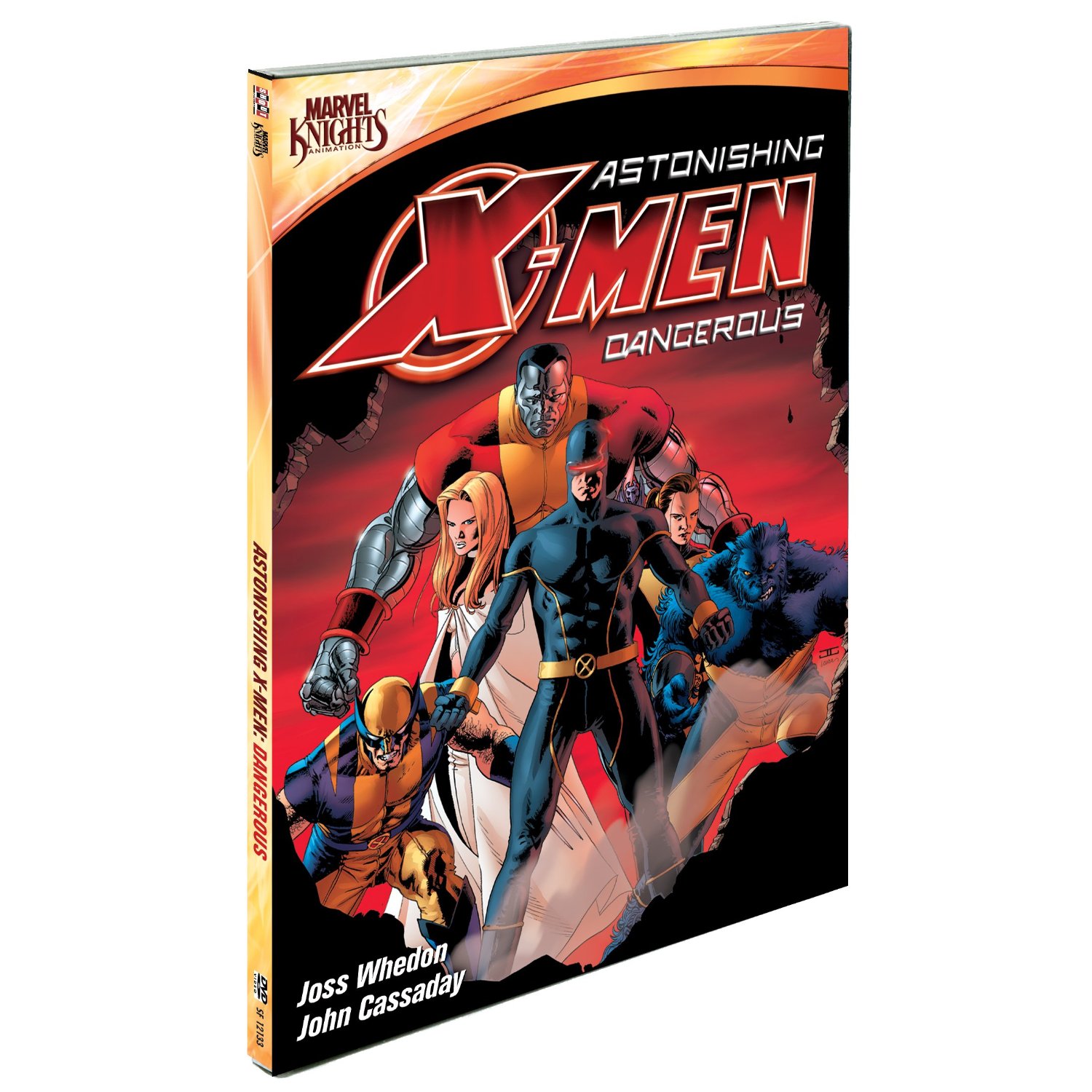
I have read more than my fair share of comic books. In recent years, I made the jump into graphic novels which are basically the same thing with a fancy cover. There is also another trend that I have seen from time to time in the last several years, digital comics on dvd (and occasionally blu-ray). The concept of taking a comic, adding voices, sound effects and a little motion and coming out with a product that can reach new and old audiences. Let us take a look at Astonishing X-Men: Dangerous.

A female voice lets us know that something is coming, they can feel it. The view shifts to a young man who goes by the codename, Wing. He is a soon to be former X-Men in training. At one point in his life, he had the ability to fly. However, due to events not explained he lost that ability and in the process, he lost his will to live. He stands over a cliff and hopes for the powers to come back.

Review writers like regular authors often have difficult times coming up with beginnings. Personally, I like to use an event from my history or relate some curious fact that parlays into the review. I figure I will be spending eight to ten paragraphs about the actual product, why waste the time and do more. Well today, I am reviewing the Real Adventures of Johnny Quest and let us just say if it was up to me, I would deviate as much from the source as I humanly could. But onto the review I go.

Author’s Note: This is a Warner Archive Disc (or two discs rather). It is supposed to be available on Amazon in addition to the WB Shop but at the time of this writing, it is not (4/6/12). So therefore, if you really want this addition to your Johnny Quest library, go the following address (WBSHOP) to purchase it:

Bugs Bunny and his special Looney Tunes friends have been around for a long time. He first appeared in 1938 in his most familiar form. During the second World War he was a popular choice with the fighting men. Many of the cartoons of the era were patriotic, and some might even call them propaganda. They certainly pushed the war effort in a supportive way. When the war was over Bugs and his pals took on a wide range of subjects. Often movie stars were spoofed, and the series of shorts soon became a satire on the pop culture of the time. It's hard to really see it now, but Bugs and Looney Tunes were the South Park of their time, and no institution or celebrity was safe from being spoofed.

The cartoons have evolved over the years and have practically given Warner Brothers their identity for over 80 years. The characters still thrive. They do advertisements, and every now and then a new Looney Tunes cartoon show makes its debut. The Looney Tunes Show was one of those more recent entries in the franchise.

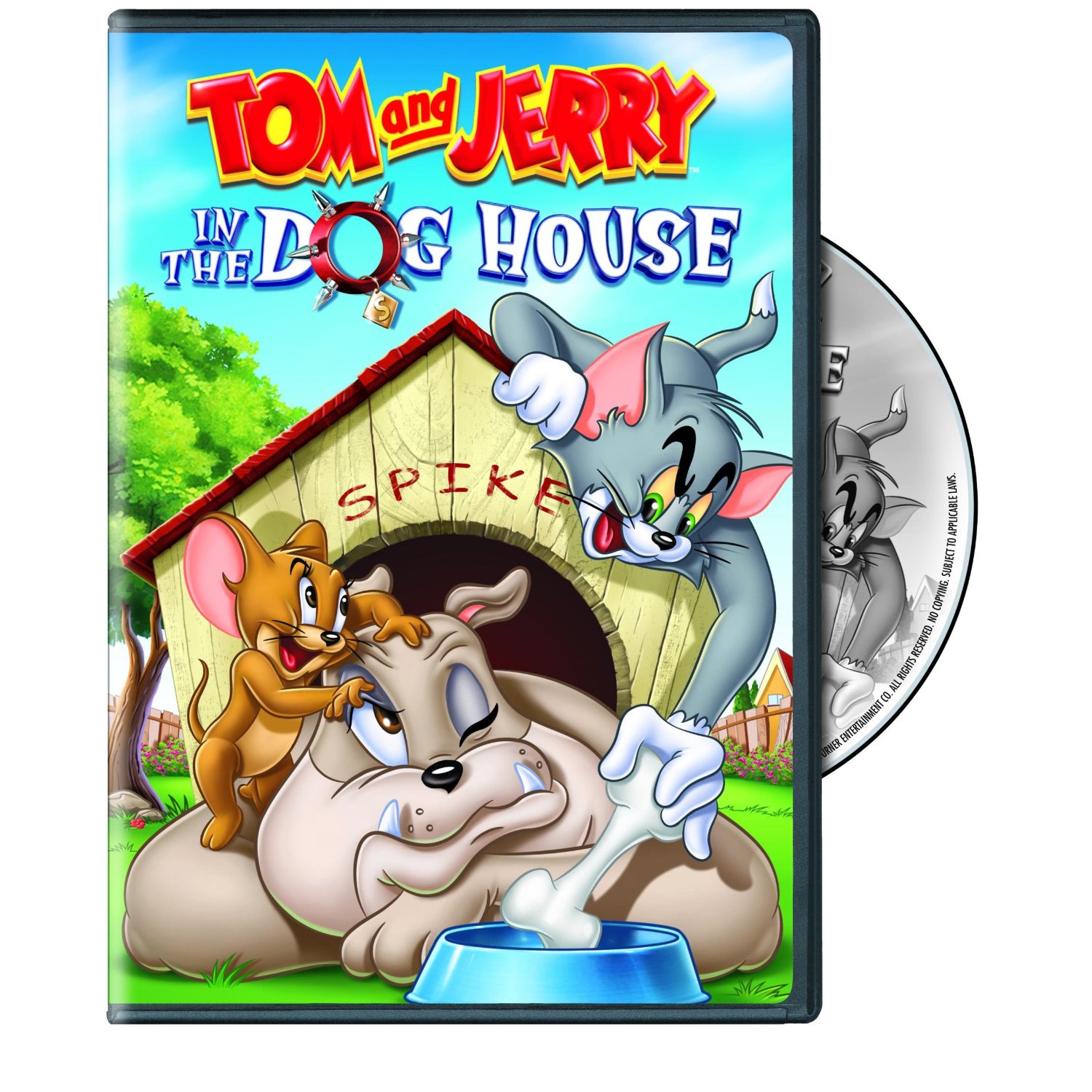
In the 1930’s and 40’s MGM was trying to get in on the lucrative animation game. The field was dominated at the time by Warner Brothers with their Loony Tunes shorts, and of course, the iconic cast of animated characters coming out of the Walt Disney Studio. For years they had failed to find the right property to take advantage of the market. It wasn’t until the team of William Hanna and Joseph Barbera approached the studio with their first project that the times did change, at least a little, for the fledgling animation department at MGM. The project was far from an original one even for the time. It was a very basic cat and mouse adventure featuring a cat named Tom and a mouse named Jerry. There would be almost no dialog on the shorts. It certainly didn’t look like much of a hit to the studio brass, but with no better ideas on the way, they went ahead with the new shorts of Tom And Jerry. There’s a reason why the cat and mouse pair is such a classic. It’s because it works. If you can make your characters entertaining and endearing enough, you can have a hit. MGM finally entered the major leagues, and the team of Hanna and Barbera would become one of the most successful animation teams in history. They would go on to create such cherished characters as The Flintstones, Yogi Bear, The Jetsons, and, of course, Scooby Doo.

These were the days of the Golden Age in Hollywood. These shorts were not being produced for television, which hadn’t been invented when they began; rather, they were intended for theater-goers. In those days going to the movies was much more of an inclusive experience. You always got a cartoon short along with an adventure serial, the likes of Buck Rogers, Flash Gordon, and The Lone Ranger. These multi-chaptered serials were the forerunners to the modern television series. It kept you coming back to the movies to see what would happen next. Each chapter ended in a cliffhanger. These early serials were the inspiration for such film franchises as Star Wars and Indiana Jones. Finally you got one, sometimes two movies, all for the price of a single admission.

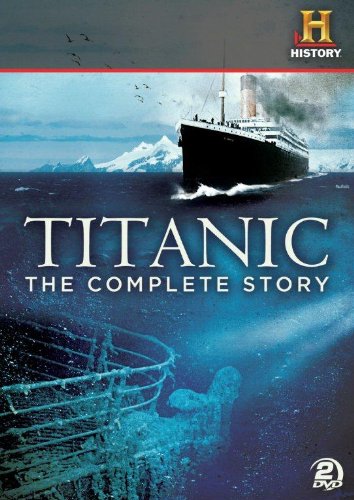
Most of the people when they hear the name Titanic think of the ship that sank almost one hundred years ago to this day. Well, except for James Cameron who thinks of the oodles and oodles of dollar bills that he bathes in on a daily basis. Regardless, the people at A&E and the History Channel decided to bring us three documentaries and five hours of knowledge on perhaps the most famous ship of them all. The RMS Titantic.

Titanic: The Complete Story comes on two discs and has over five hours of interviews, narration, recreation and tons of old footage. There are really two documentaries here disguised as three (one has two parts) but each of them has their own theme.

“Exactly, you're a kid. So go and be a kid... go and, I don't know, go ahead and steal me something.”

The Tribe is a New Zealand/British post-apocalyptic, young adult soap opera, beloved around the world. So I had to put on my young adult glasses and watch it through those.  In the near future, an unknown virus wiped out all the adults on Earth. Left to raise themselves, the kids form tribes in a Lord of the Flies type society. Now, being that the average viewer is probably between 12 – 17 years old, it is a very mild Lord of the Flies society.


"Your mission, should you decide to accept it..."

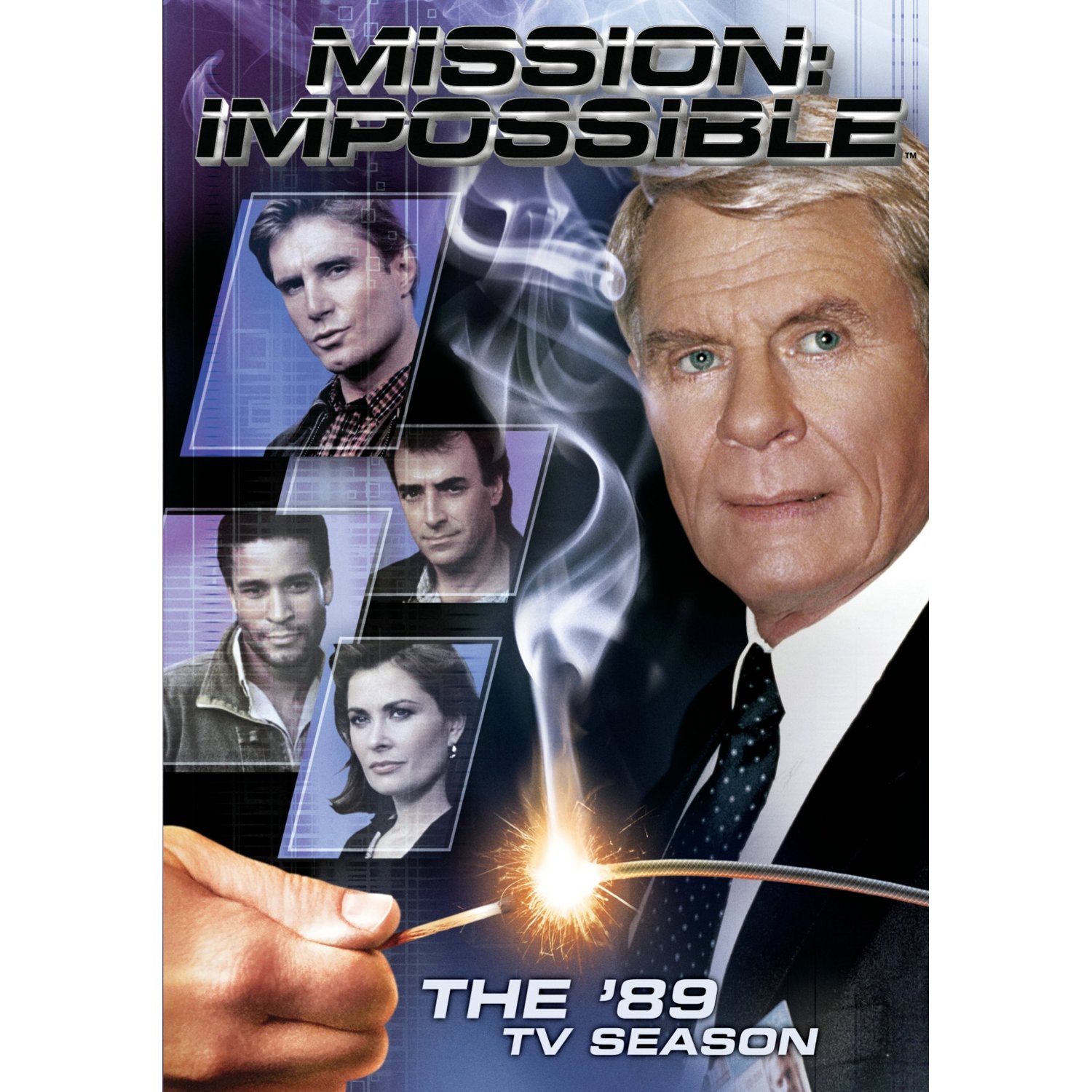
Those words have certainly been a part of the American pop culture for almost 50 years. It all started with the Desilu television series that hit the airwaves in 1966. That first year is probably unfamiliar to most of us. It was in black & white and starred Steven Hill as the leader of the Impossible Mission Force. A year later the show jumped to color and Peter Graves took over the team as the indomitable Jim Phelps. The show lasted a good seven seasons. The Impossible Mission Force was a black-ops team that worked under the "secretary" who would disavow their mission should any of the team be caught or killed. The show had a pretty good run before ending in 1973. Gone, but never forgotten.

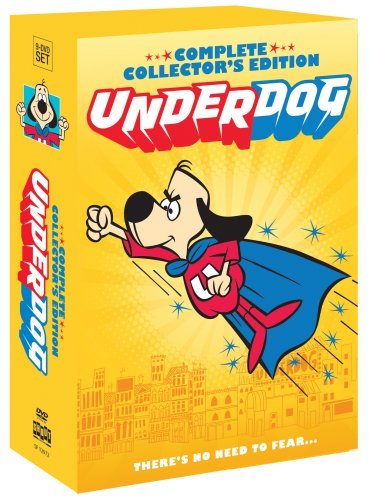
"There's no need to fear. Underdog is here!"

Indeed, Underdog was the champion of many a child's fantasies in the 1960's when it first reached the airwaves. The show would become the most famous title from the team at Total Television Productions who also brought us the likes of Tennessee Tuxedo and his many friend.

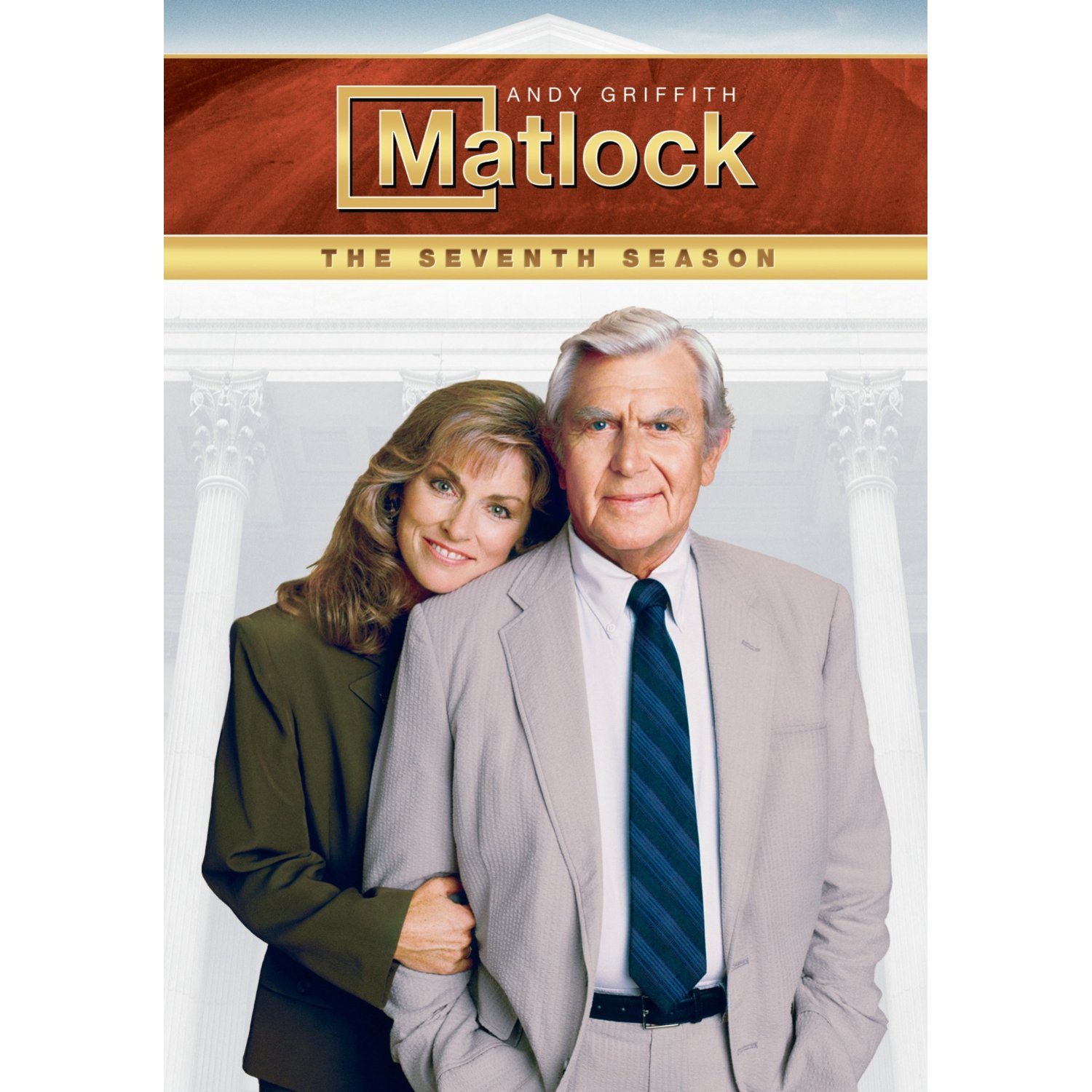
The seventh season of Matlock brought more of the same. If you’re a fan, that’s very good news indeed. What is that, you ask? Imagine Sheriff Andy Taylor older and now an attorney, and you pretty much have the setup for Matlock. Forget for a second that both characters were played by Andy Griffith. That’s not all they have in common. Matlock is every bit the “southern gentleman” that Taylor was. He might be a little smarter, but he walks and talks like Andy Taylor. The series did, however, jump networks with this season. After spending six seasons on NBC, the show moved to ABC with a couple of changes. Michelle, played by Nancy Stafford left the show as the 6th season was originally considered the series finale. As the 7th opens Matlock's older daughter Leanne enters the partnership, played by Brynn Thayer. Law graduate Cliff Lewis, played by Daniel Roebuck, also joins the firm as a new lawyer.

Matlock began life as a television movie from Dean Hargrove, who brought us Columbo. Hargrove would later work the same magic with Dick Van Dyke in Diagnosis Murder. In fact, the two shows could easily have been companion pieces. Both featured sit-com stars from the 1950’s and 60’s who had become somewhat iconic characters. Both would don the role of professionals. Both shows would subscribe to the “formula” mode of storytelling. Diary Of A Perfect Murder would set up the Matlock formula. It’s simple, really. Matlock was a lawyer in Atlanta. Some wronged defendant, usually charged with murder, would show up asking for Matlock’s help. Matlock and his team would investigate the crime with an eye toward, as OJ Simpson is fond of saying, finding the real killer.  His team consisted of his daughter Charlene, herself a competent lawyer, and Tyler Hudson (Holliday), his private investigator. In the pilot the Matlock character was less Andy Taylor and a little more slick at first. I’m sure that while it was intended to show Matlock’s prowess as a high-priced attorney, somewhere along the line it became obvious that the show’s finest asset was Griffith himself and that southern charm he was already famous for. Whatever the reason, you can see the character soften significantly during the early episodes of the season. And that decision was a smart one, as Matlock would continue for nearly a decade.

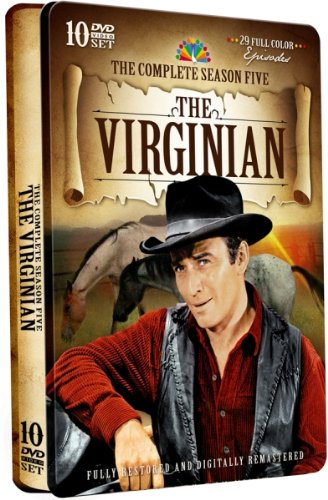
There were a ton of changes in the 5th season. There would be a rather large cast shake-up. Lee Cobb and Roberta Shore were now completely gone. It was only a matter of time for Cobb, who was never really happy doing the show but never let it get in the way of his performance or attitude toward the rest of the cast and crew. Enter Charles Bickford in his only season as the Granger family head, John. He brings his grandchildren Elizabeth, played by Sara Lane, and Stacy, played by Don Quine.

The Virginian set itself apart from the others in two ways. The first was found in the source material. The series was based on a 1902 novel by Owen Winsler, a man who actually lived in the Wyoming badlands during the time the series was set. The source material helps to add a sense of authenticity that might well have been a slight step ahead of the rest. It wasn't as violent as the others, again reflecting a more realistic sense of direction.