DTS HD 7.1 Master Lossless Audio (English)

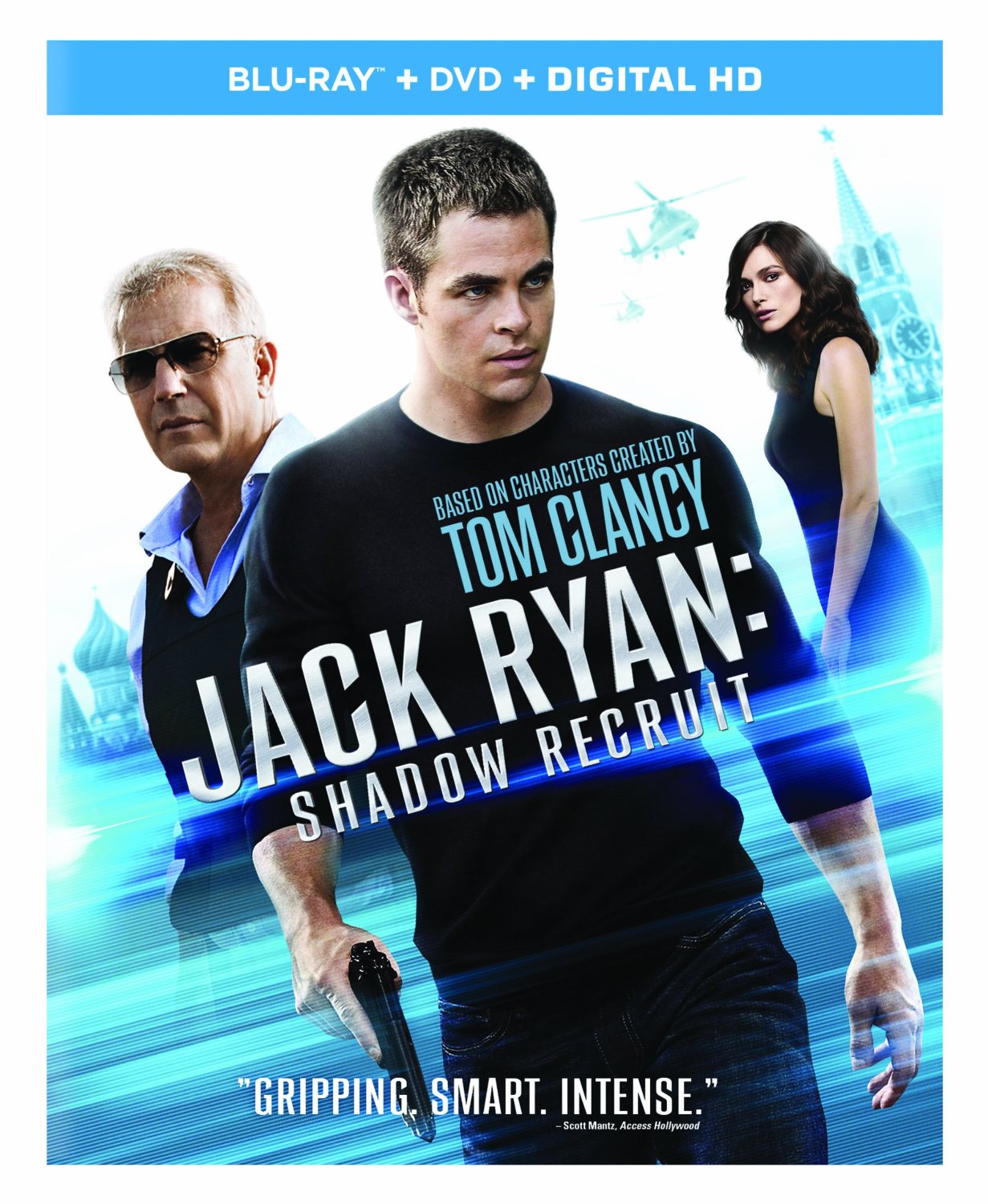
“You’re not just an analyst anymore. You’re operational now.”

Witness the birth of -- actually make that rebirth of --one of the most popular action heroes in literature. Tom Clancy’s Jack Ryan has been a character of many jobs and many faces over the years. Baldwin, Ford, and Affleck have all stepped into the role of the man who has been a soldier, an analyst, an operative, and a president. Now Chris Pine looks to fill the shoes left behind by some of Hollywood’s heaviest hitters and try his hand at a retelling of the legendary character which also stars Kevin Costner and Keira Knightley, along with Kenneth Branagh who doubles as the film’s director. There are two clear differences between Pine’s circumstance and the others who have played Ryan: the story has been modernized to fit today’s setting, and Pine’s story is the only one not to be based on a popular Clancy novel.

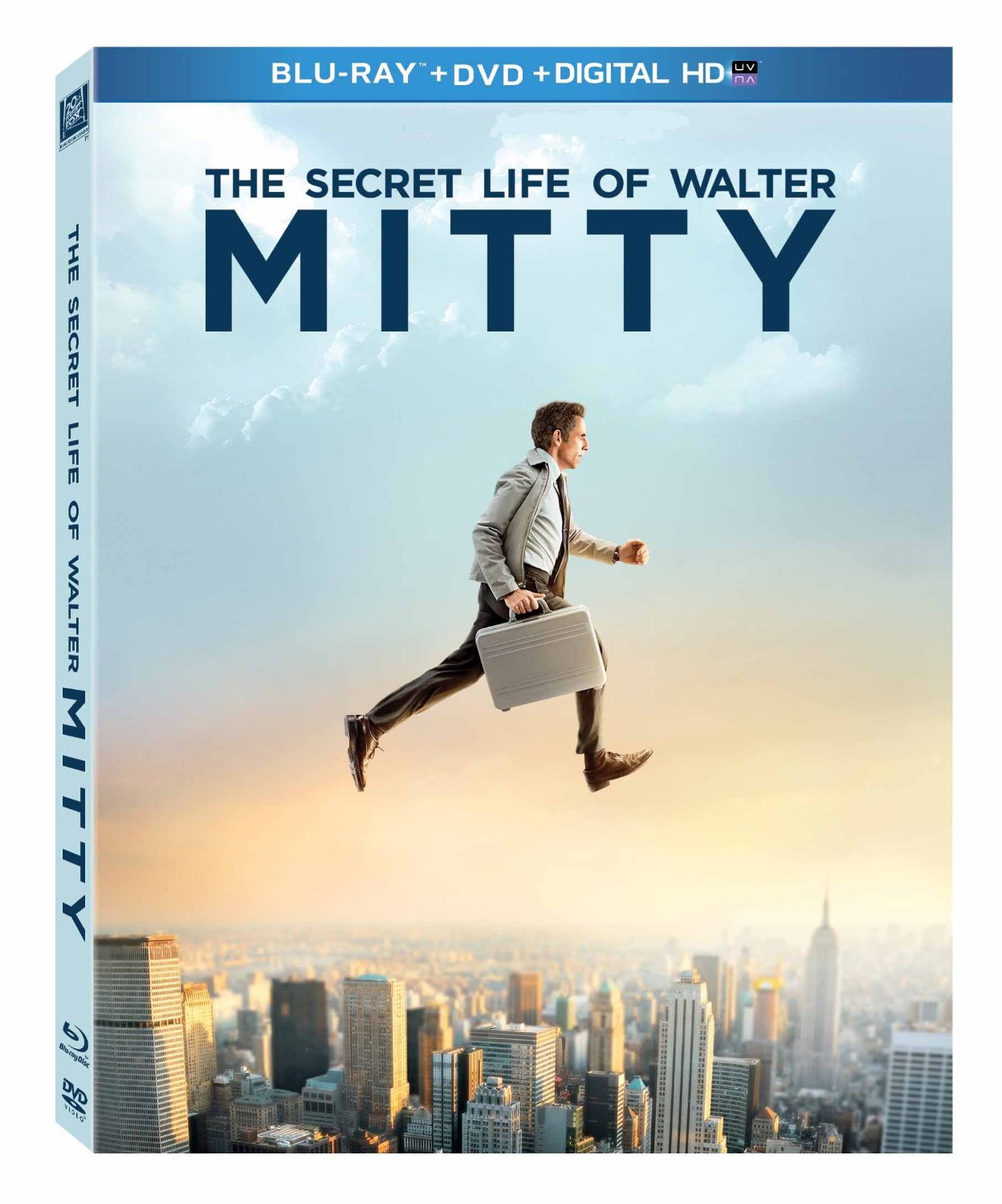
“Have you done anything noteworthy or mentionable?”

It’s the sort of question that can easily apply to either your workday or your life as a whole. It’s also the question actor/producer/director Ben Stiller chose as the basis of his inspirational adaptation of The Secret Life of Walter Mitty. The original short story by James Thurber is less than five pages long, so a filmmaker has the option of going to any number of fascinating places in bringing Thurber’s tale to the big screen. Stiller, in essence, decided to take the scenic route.

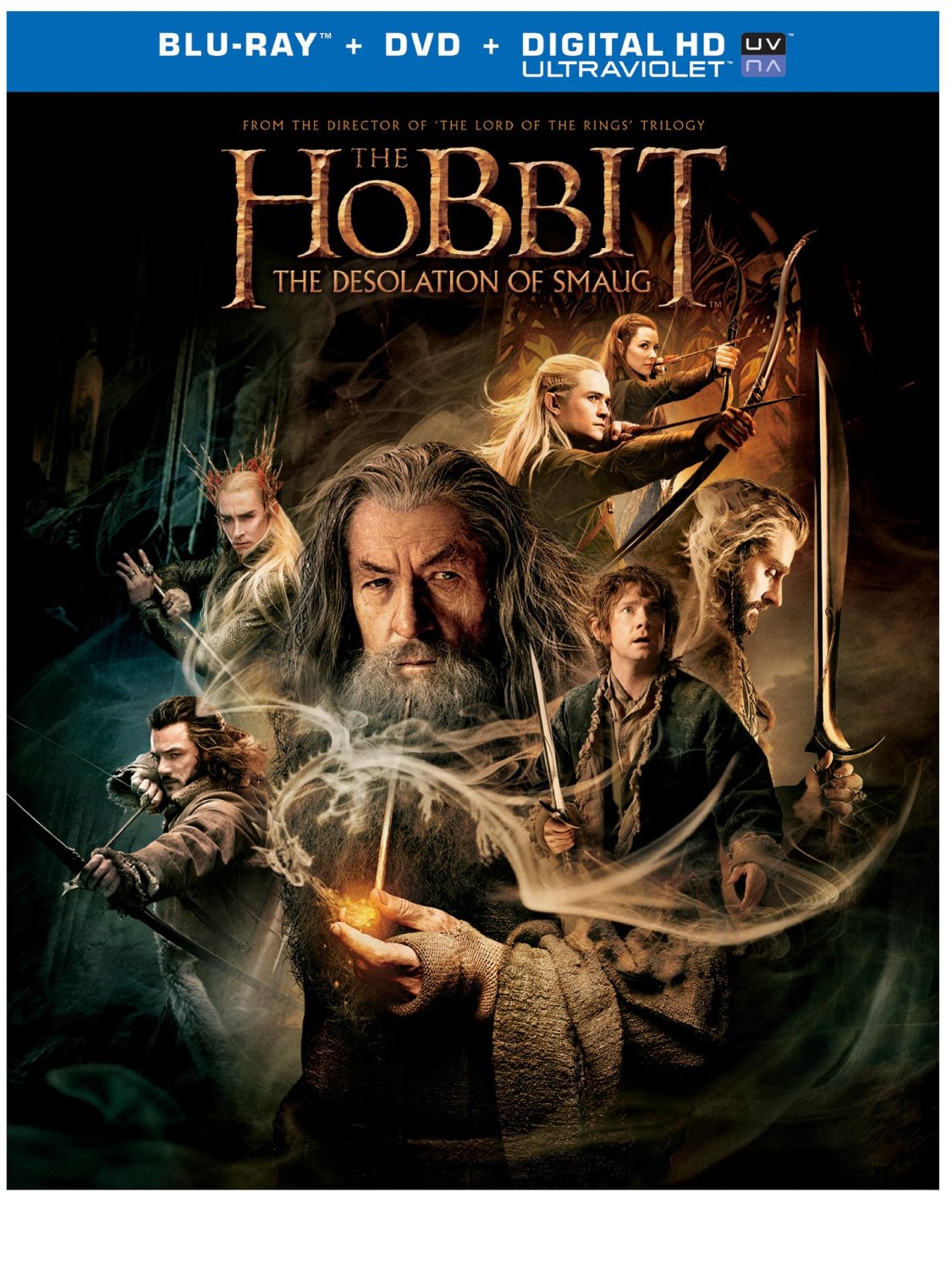
"There are dark spirits, old and full of hate...The world is in great danger."

A trilogy is a hard animal to pull off. Even when you have a popular franchise, it is extremely difficult. All of the pieces have to work just right, or you could have a disaster on your hands. It is even harder when you've already beaten the odds once and delivered a trilogy that is both loved and a huge box office success. You run into an almost insurmountable mountain of expectations. Your pieces must somehow fit together so that they can be viewed as one whole product. They also need to match the world and production style of the previous trilogy even though technology has changed quite a bit in the decade that separates the two. Lightning doesn't often strike the same place twice, unless you happen to live in Florida, or, apparently, New Zealand, where Peter Jackson has managed to do the impossible...so far.

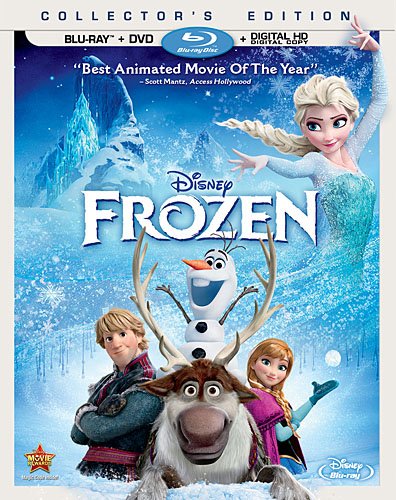
"Beautiful. Powerful. Dangerous. Cold. Ice has a magic that can't be controlled."

Like the very best that Disney has offered over the decades, Frozen has its roots in a very old classic fairy tale. Walt himself was interested in doing the Hans Christian Andersen story The Ice Queen immediately following Snow White And The Seven Dwarves. The film was given a production number along with some brief notes. Nothing else remains of the idea, and no one knows exactly what Walt intended or why the story was put on hold. The same thing had happened to another Andersen classic, The Little Mermaid, which took 40 years to finally go from Walt's original investigations to the Disney classic film it is today.

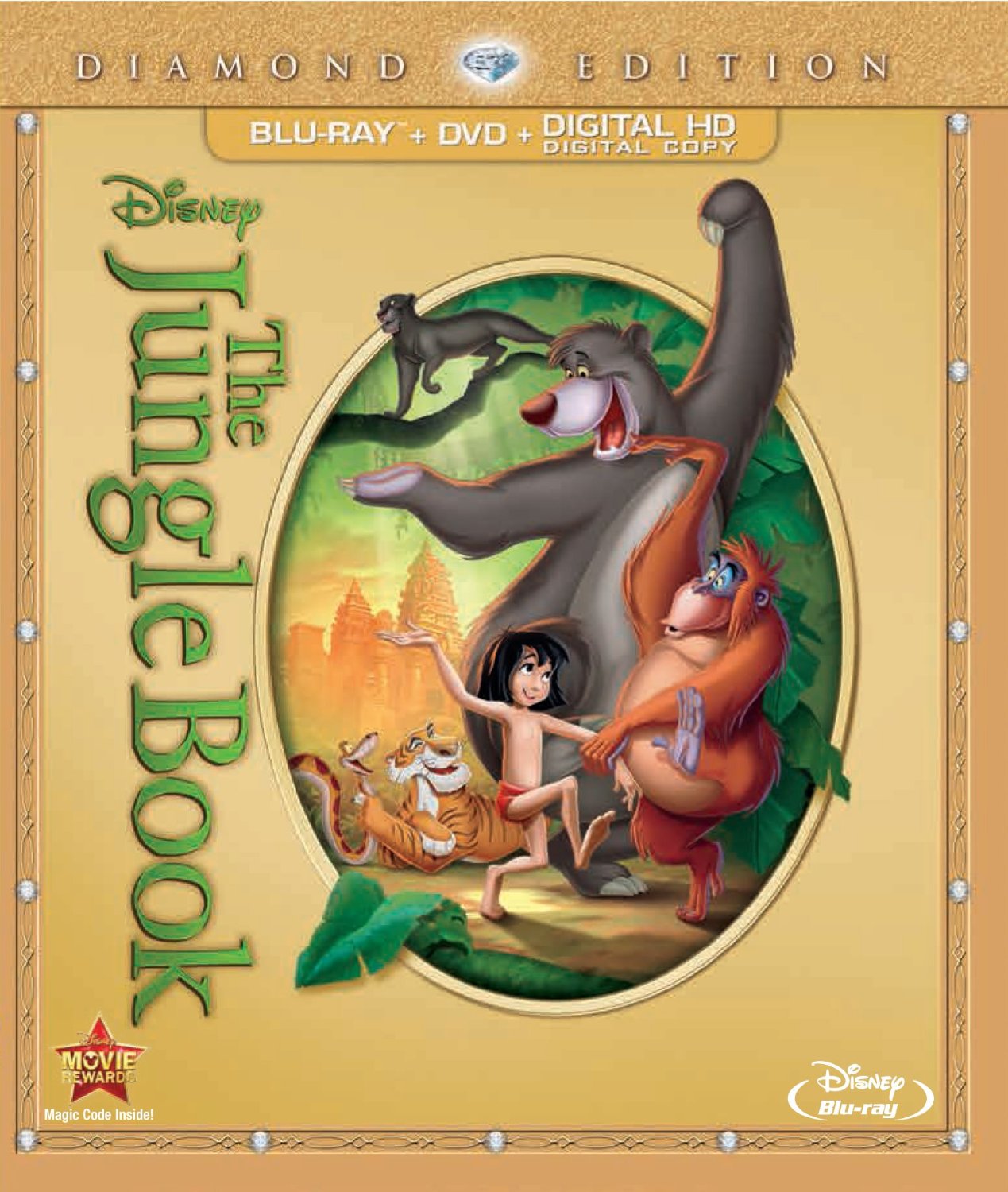
There are two very distinctive schools of thought about Walt Disney’s The Jungle Book. There are the Kipling fanatics who have never forgiven Disney for taking a story considered sacred in literary circles and creating something that honestly bears (pardon the pun) little resemblance to the original work. These folks rightfully point out that the story contains almost nothing recognizable about the story and characters from Kipling’s beloved classic. I have often condemned projects that take names like The Night Stalker and Battlestar Galactica and create a vision incompatible with the traditions I associate with them. Therefore this review might seem a bit hypocritical when I tell you I side with the other camp that considers this film to be a milestone, not only in Disney animation, but in animation history itself. The characters might be distantly removed remote ancestors to Kipling’s creatures, but they are truly classic creations in their own right. What better definition of a classic can there be than the influence that The Jungle Book still has 40 years later, not only on our pop culture but on the careers and lives of today’s artists. I venture to say that more people are familiar with Disney’s renderings of these characters than Kipling’s; I agree the caparison isn’t exactly fair, but it is accurate.

So why do I think this isn’t the same as the “reimaginings” I’ve condemned in these very pages?  I begin by pointing out that we’re talking about a film that has stood the test of time, perhaps enduring beyond its own roots. The second is the fact that this version is not the same medium as its original. When ABC aired The Night Stalker, it was reinventing its original in the same medium, that of a television series. Disney’s The Jungle Book is an animated film whose audience is nothing like that intended for the stories. This distinction was not lost on Walt Disney himself, who lost a close friend and colleague over his decision to create this vision of The Jungle Book. Long-time “go to” man Bill Peet had originally developed the Kipling story for Disney. He kept quite close to the source material and submitted storyboards that told a decidedly darker story with far more dire consequences and darker characters. The impasse led to his leaving Disney Studios forever. As Peter Jackson discovered, film is a far different presentation than the written word, and what works for one does not often translate verbatim to the other. Ask anyone who’s ever tried to develop a Stephen King novel. Walt Disney was attempting to deliver a children’s film that the whole family could enjoy. He rightly deduced that the compelling tale Kipling intended simply wouldn’t translate into the kind of adventure Disney fans were already expecting by 1966. Instead, Disney ordered his staff to avoid reading Kipling and concentrate on delivering characters that the entire family could enjoy. The result is, simply put, unforgettable.

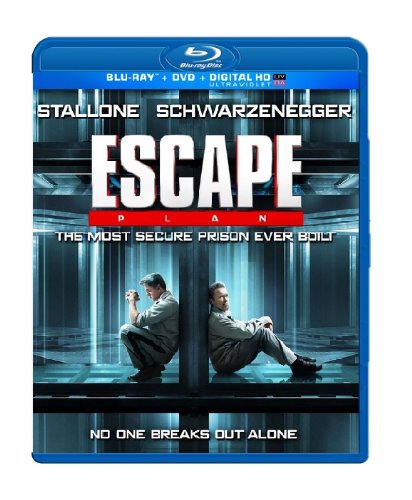
“A successful breakout depends on three things: Layout, Routine, and Outside Help.”

You know, there was a time when the public could only dream of an Arnold Schwarzenegger and Sylvester Stallone team-up. Now thanks to a little film called The Expendables, when it comes to the realm of action star team-ups, anything is possible. Case in point: Escape Plan. When this film was first announced, I figure it would be devoid of any real substance and just another attempt to capitalize on the success of  Expendables (the first one; the second is not that great), but the film surprisingly holds up on its own without having to cling to anything else.

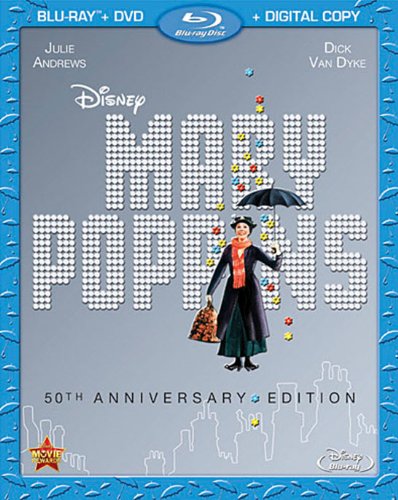
"Wanted: a nanny for two adorable children. If you want this choice position, have a cheery disposition, Rosy cheeks, no warts. Play games, all sorts. You must be kind, you must be witty, very sweet, and fairly pretty. Take us on outings, give us treats, sing songs, bring sweets. Never be cross or cruel. Never give us castor oil or gruel. Love us as a son and daughter, and never smell of barley water. If you won't scold and dominate us, we will never give you cause to hate us. We won't hide your spectacles so you can't see, put toads in your bed, or pepper in your tea. Hurry, nanny! Many thanks!"

And so the call goes out for Mary Poppins. It was 1964 and Walt Disney had a terrible time convincing writer P.L. Travers that Walt Disney Studios should be the ones to bring her flying nanny to life in a feature film. Those trials and tribulations are the subject of a new film out by Disney called Saving Mr. Banks. And so the Blu-ray release of Mary Poppins has been timed to the box office release of Mr. Banks.

People have used a lot of different words to describe Michael Bay and his films: “loud”, “blockbusters”, “mindless”, “soulless”, “Hitler” and, of course, “awesome.” One of the words you don’t normally associate with Bay’s undeniably successful output is “clever.” I daresay Pain & Gain is the most interesting movie the action auteur has ever made; the film is both seriously silly and surprisingly smart in how it presents its stupid characters.

“Unfortunately, this is a true story.”

"Space... the final frontier. These are the voyages of the starship Enterprise. Its continuing mission, to explore strange new worlds. To seek out new life and new civilizations. To boldly go where no one has gone before."

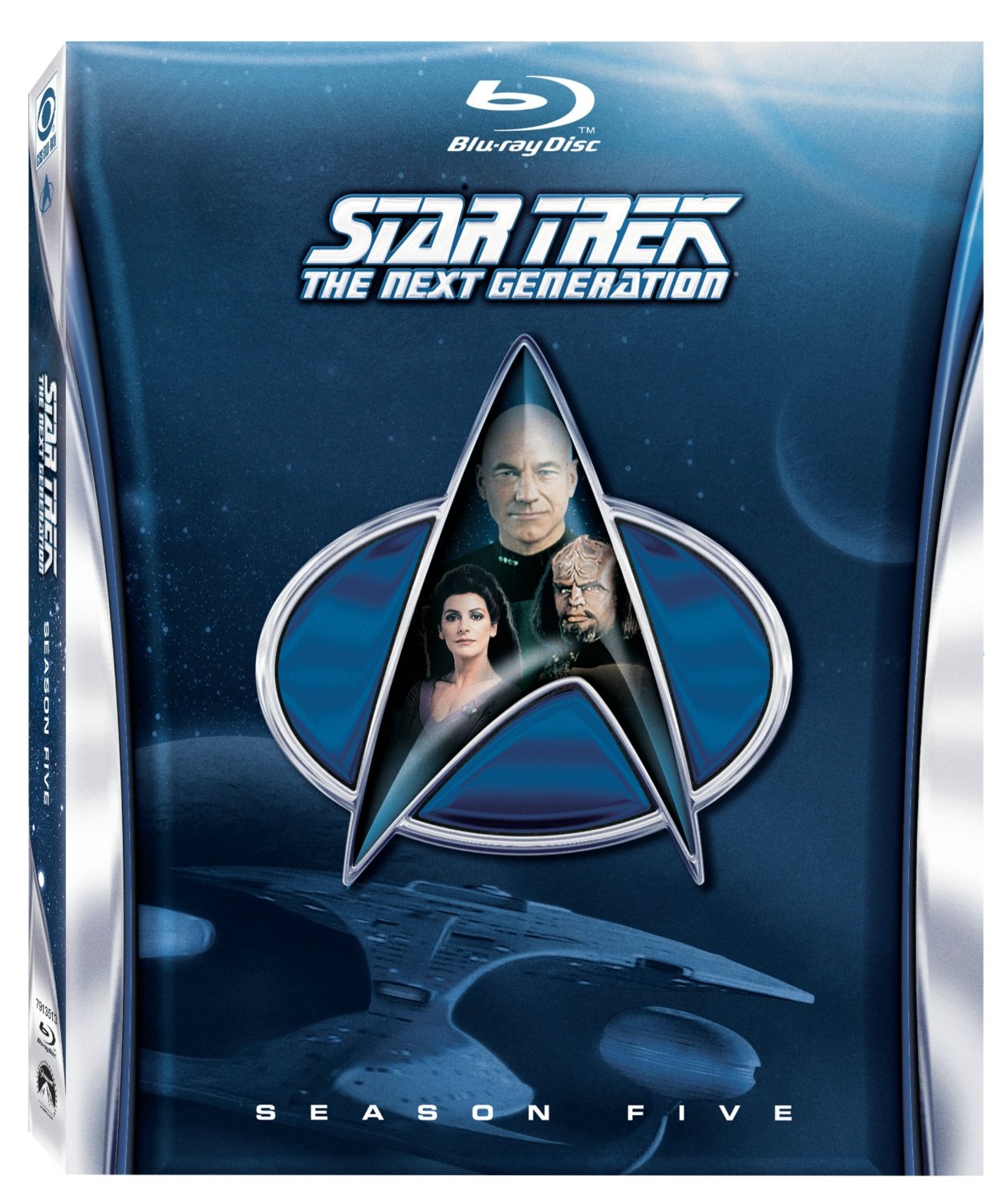
Quality shows only get better with time, and by the time Star Trek: The Next Generation entered its 5th season it was already beating out most network shows in the ratings. First-run syndication was still quite new, and it was almost unheard of to expect to go up against the networks and survive...let alone win. The Next Generation went where no series had gone before, and it was just getting better all the time.

"Space... the final frontier. These are the voyages of the starship Enterprise. Its continuing mission, to explore strange new worlds. To seek out new life and new civilizations. To boldly go where no one has gone before."

What a difference a couple of years makes. Rick Berman was pretty stubborn about wanting The Next Generation to live on its own without connecting to the original show, perhaps as much as the fans would have liked. There was, of course, the cameo by DeForest Kelley in the pilot, but he was never called McCoy, only Admiral. Yes, we knew who he was, and his interplay with Data was intended to remind us of his relationship with a certain Vulcan. The original Enterprise would be referenced in The Naked Now that first season. It was the only direct sequel of an original episode to air. When season 3 brought the return of Mark Lenard as Sarek, Berman was insistent that no mention of Spock or the original show be made. After a barrage of pleadings from the writers he relented... slightly. He decreed that Spock's name could only be mentioned once and no other connections be in the script.