Genre

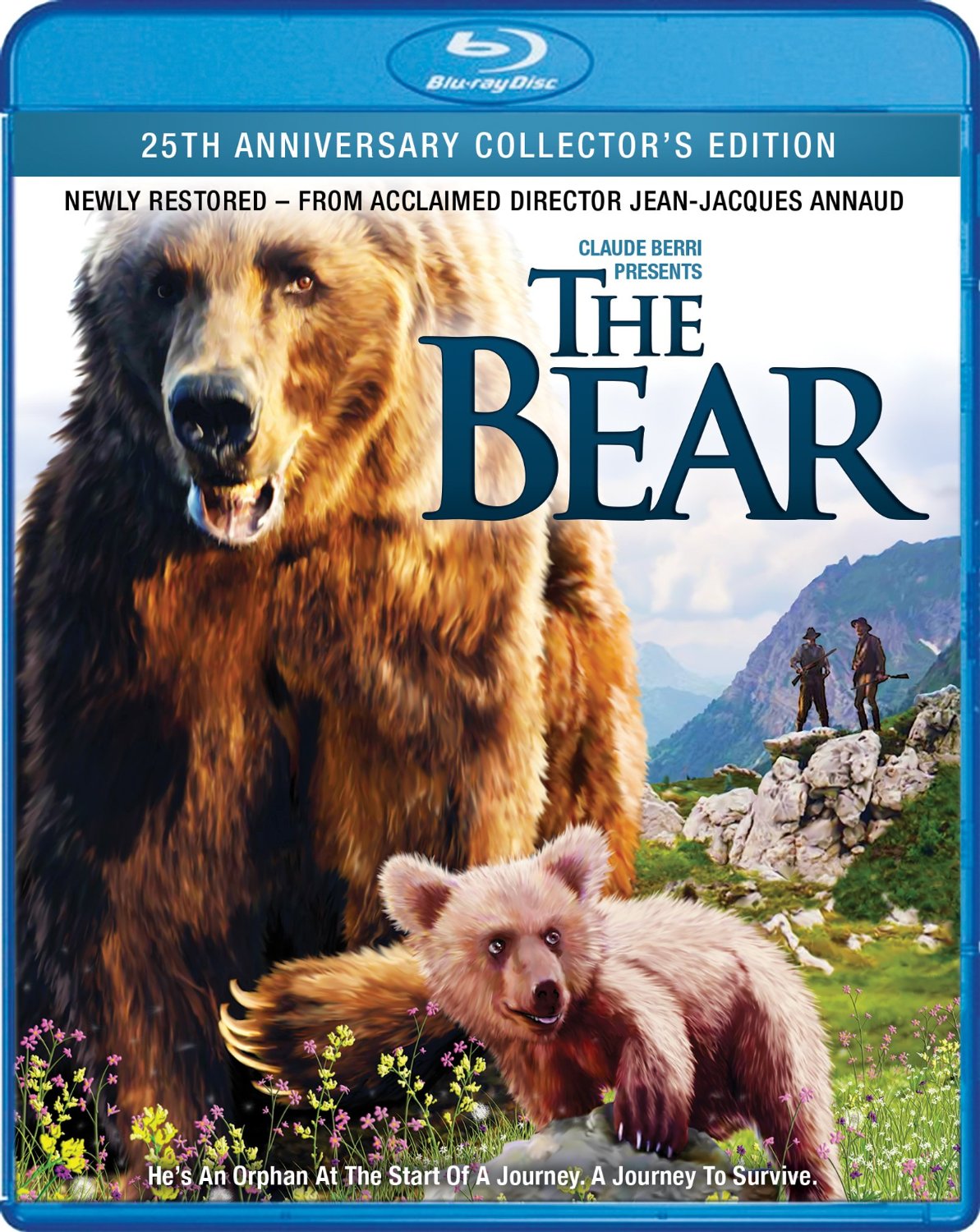
Shout Factory digs into the archives for this one. It was back in 1988 that French director Jean-Jacques Annaud went into the wilds to bring us The Bear. Of course he's best known for his take on primitive humans in the more successful Quest for Fire. Like that film, The Bear uses almost no dialog. While it appears to be a nature story akin to Disney's recent Bears, these animals are trained and following a carefully-crafted script based on a novel written by fellow Frenchman Gerard Brach. There is also a small use of stop-action bears that were created by Jim Henson out of his Creature Shop. These exist in only small scenes that do stand out as quite fake. It was intended to use the stand-ins more frequently, but if you watch the film you'll understand why that decision was eventually abandoned for the trained performing bears.

The story takes place in 1885 in British Columbia. A bear cub has just lost his mother to an avalanche trying to dig up honey from a nest. He's scared and not likely to survive on his own. His survival is made that much less likely with the presence of a pair of hunters in the area. They already have an impressive collection of bearskins and are on the trail of a huge bear who has, so far, managed to elude them. Once shot, the giant bear goes a bit crazy and rips into the hunters' belongings and their horses. It's time to bring in the hunting dogs as this hunt starts to get personal.

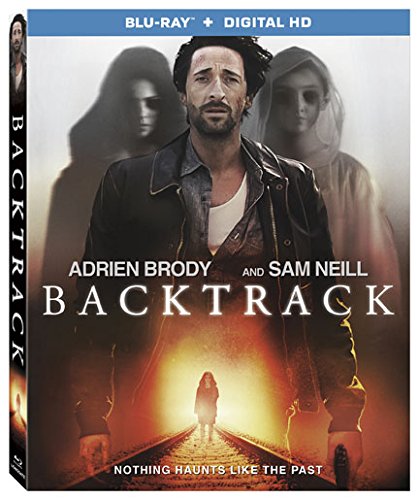
Whatever happened to the days of telling a story without having some kind of gimmick or need to have to have a twist in the plot to show the viewer just how clever you are?  I blame The Sixth Sense for this, because ever since the film came out it seems a requirement to be considered a thriller is you have to have some kind of twist, whether it’s at the midpoint or towards the end, somehow you have to find a way to jam that twist in there.  I’m not saying let’s just throw the ban hammer down on all twists, but they should be used to only further the plot, because at this point it’s just gotten silly, and when you start piecing things together after the film you realize how little sense it all makes.  When it comes to Backtrack, you’ll need to do more than just retrace your steps on this one, and it’s sad, because beneath all the twists there is a good story here; unfortunately it’s managed to lose its way.

Peter Bower (Adrien Brody) and his wife are mourning the loss of their daughter who was killed in an accident.  Peter carries the guilt around with him, and it has begun to have an effect on how he is able to treat his patients.  Very early on we are given clues to there being something not right with his patients up to the point it is discovered that all of them are dead.  While this may seem like a spoiler, instead it’s key to driving the story forward for Peter to understand why the dead seem to want to make time for him on his couch.  While I’m fine with this idea of him treating ghosts or simply Peter being insane, there is a practical question that bothers me.  How does no one else notice how odd it is that he is treating, to the outsider, no one?  How were they going about paying for visits or even scheduling visits, since it seems he doesn’t have a receptionist?  It seems like I’m being nitpicky, but really, I was having a hard time accepting the reality of the story that was being presented.

Oh crap...I'm going back to Cleveland.”

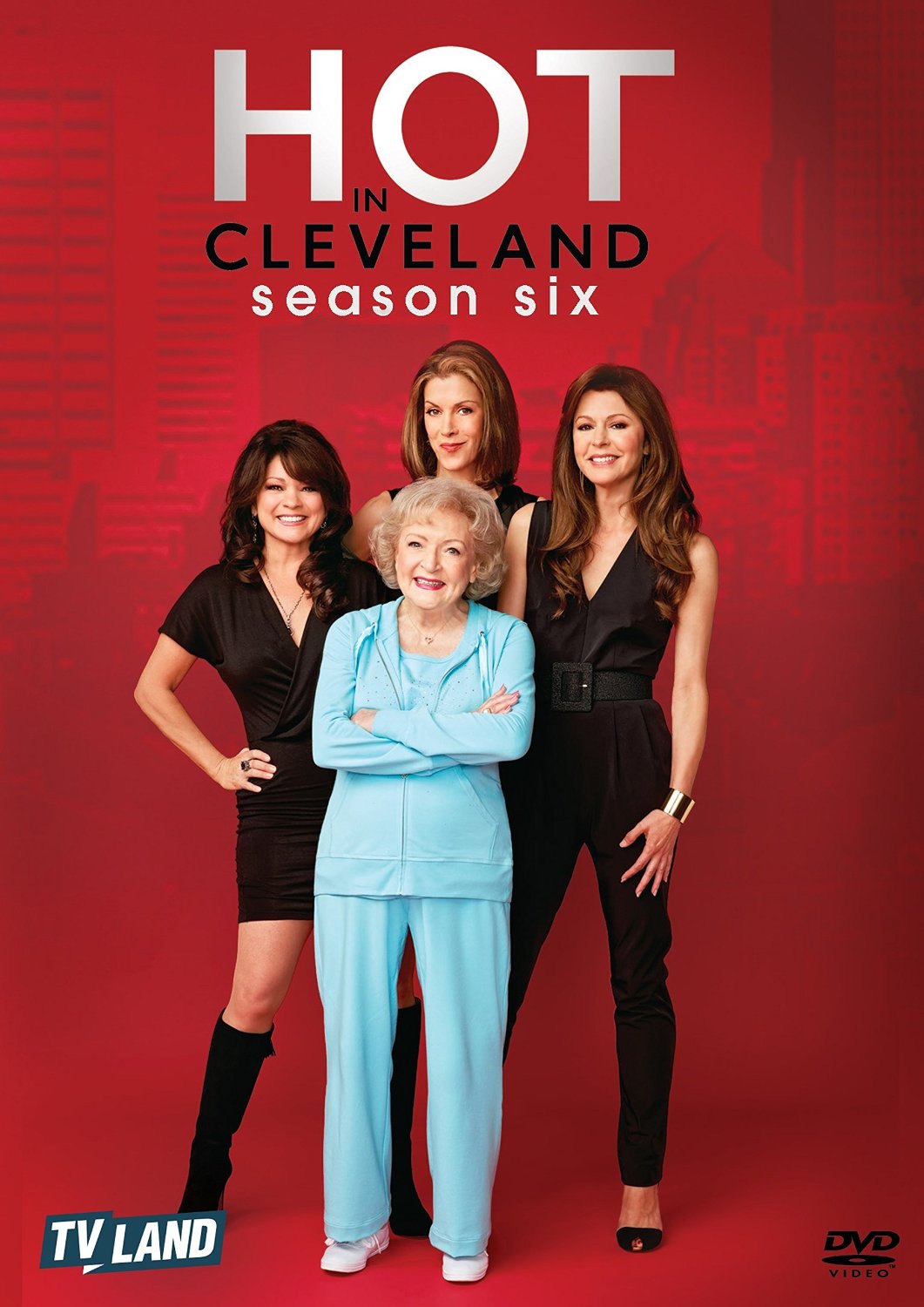
I had never seen a single episode of Hot in Cleveland before I sat down to review season 5. So why did it feel like I’d been watching this show my entire life? Turns out, it’s entirely by design. On the surface, it doesn’t seem like I’m the target audience for Hot in Cleveland: I’m under 50 years old, and I’m a man. But if you look beyond the plastic surgery jokes and geriatric humor, you’ll find a show that aggressively channels (and ultimately appeals to fans of) many of the classic, multi-camera sitcoms of the past. In other words, Hot in Cleveland — which wrapped up last year after six seasons and 128 episodes — feels like you’re watching re-runs of a show you’ve already seen…and still enjoy plenty.

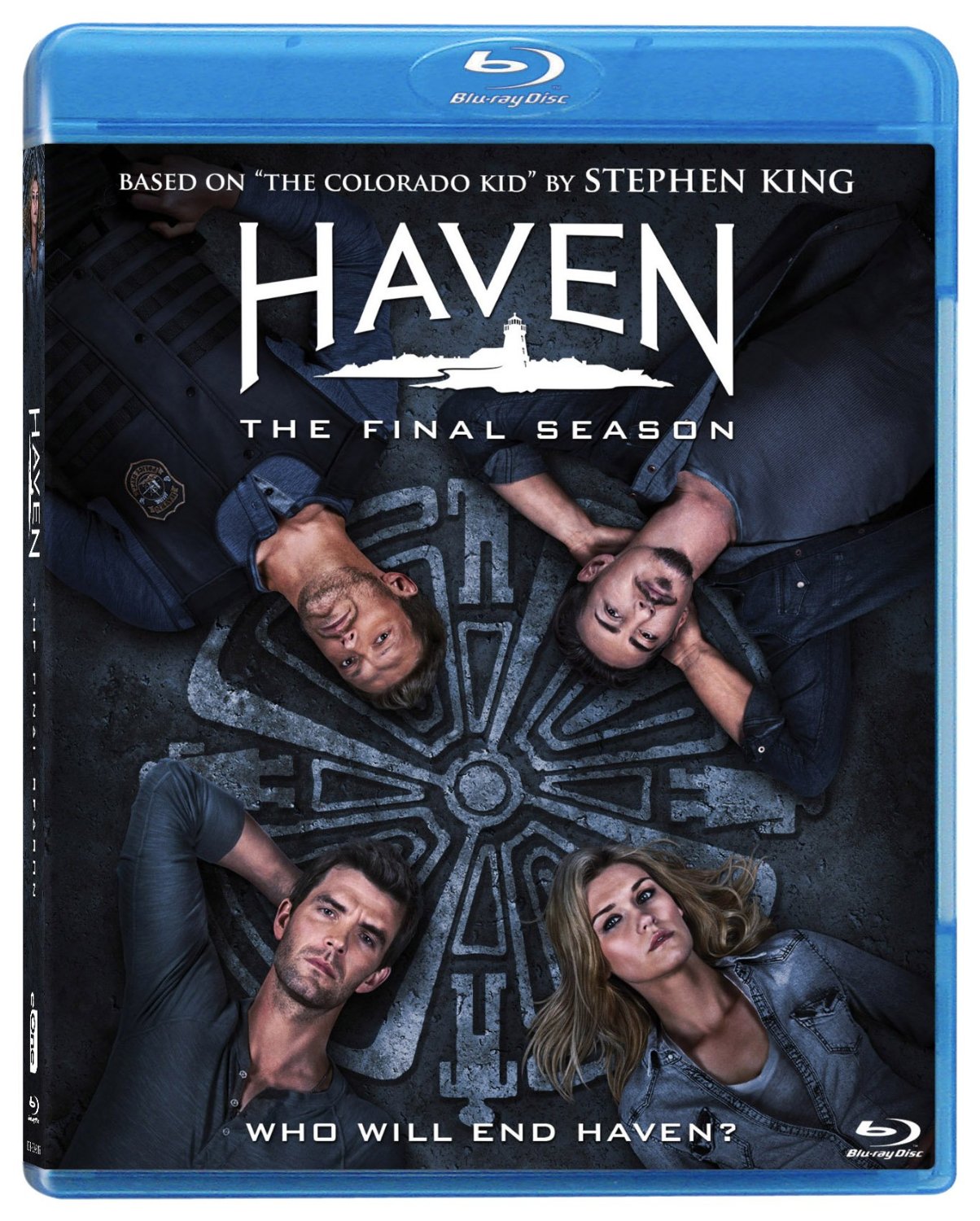
Based on the story “The Colorado Kid” by Stephen King, the SyFy series Haven comes to its end with the last 13 episodes for the final season. When we were last in Haven a fog bank surrounded the small coastal Maine town and Duke (Eric Balfour) accidently unleashed all his “troubles” upon the town.  Things were not just looking bad for the town; in fact this may be the darkest days they’ve had to encounter.  Would 13 episodes be enough to wrap up all the loose ends and finally allow the town of Haven to be normal, or would this take a darker turn and dare to leave the town to suffer its doom to the mysterious Croatoan?  Well, I’m not about to spoil anything, so rest easy, fans, but I should say that not everyone is going to make it through this alive; in fact, I can say this season kept me on edge from start to finish.

With no escape from Haven and half the town infected with “troubles”, the town goes under the command of the Order with Dwight (Adam Copeland) stepping up to take charge.  As you would imagine with the Order taking control, this is the equivalent of martial law going into effect, but with so much chaos going on, the town is practically a war zone.  These are the darkest days Haven has experienced, and in the second episode of the season, “Power”, we see Audrey Parker (Emily Rose) and Nathan (Lucas Bryant) take on a trouble that kills whoever is caught in the darkness. If that wasn’t bad enough, the power plant is shutting down, and the generators at the school where everyone is huddled around the light, well, the generators are not going to hold up long unless someone comes up with a plan.

We're making history with the first woman president.”

That statement may or may not become a reality in a matter of months, but HBO has real-life politics beat either way. Season 3 of Veep, the caustic, constantly-cussing comedy series, concluded with U.S. Vice President Selina Meyer ascending to the highest office in the land. But lest you think the show jumped the shark by having VP Meyer outgrow the show's title, there's more than enough sharp-tongued mayhem to go around once Selina and her staff — referred to as “an infection of mediocrity” in season 4 — have their finger on the button.

Besides the fact that The Lady in the Car with Glasses and a Gun has one of the most excessive titles that I’ve seen since Things to Do in Denver When You’re Dead, the film just might be one of the most bonkers I’ve seen as well.  Not only was the film a remake from back in 1976, but it is also based off the novel from author Sebastien Japrisot.  I’ve never seen the first film, nor have I read the book, so when I came into viewing this film I came into it with few to no expectations.  Going by the trailer I had figured this would be just a simple straightforward thriller; I couldn’t have been any more mistaken.

When we meet Dany (Freya Mavor), she comes off as an insecure woman who seems to want nothing more than to be beautiful and to eventually get to see the coast and view the sea.  It’s hard to sympathize about the beauty part, because despite the halfhearted attempts to have Dany appear unattractive, you’d have to be blind to not notice her beauty.  It reminds me of the 80’s cliché when the girl was considered ugly, that is until she removed her glasses and let down her hair, and then like magic she goes from ugly duckling to the most beautiful girl in school. It’s silly how we still see this in film, but nevertheless that is what is going on here.  Dany is a meek secretary who is itchy for a chance to step out of her shell as she fantasizes about her boss.  And it’s when a chance opportunity comes to visit his home and work there over the weekend that she further dreams about the possibilities that can unfold.

Due to the explicit sexual nature of the following National Lampoon Radio Hour, it's featured as adult entertainment and not recommended for children's ears without parental supervision.”

Even if you had no idea it originated as a magazine, the name “National Lampoon” instantly conjures images of raunchy, subversive, anti-establishment humor. That's how strongly the iconic comedy brand managed to embed itself into pop culture. (In addition to the magazine, there were stage and radio shows along with at least two classic movies.) This dynamic, uproarious, and aptly-titled documentary does a very good job of illustrating how that happened.

America was once a primitive expanse where only very small groups of hardy hopefuls ever tried to venture across. It was a vast and endless wilderness that was mostly a mystery. This was the land of roving Indian tribes and undiscovered species of animals. This was a land of all kinds of danger. Life was one long hunt and endless battle against every kind of predator and natural enemy. There are so many remarkable moments in The Revenant that I will start with the bear attack. It is an unbelievably harrowing event that cannot be described in words that will in any way convey what you see on the screen. That one sequence alone is worth the price of admission. The story is based on a true life pioneer and fur trapper, Hugh Glass, who Leonardo DiCaprio plays in the film. The bear attack that is central to the film is believed to have occurred to the real Hugh Glass. It is not just the bear attack that is brutal and shocking, but the ordeal of the entire film. It is unlikely that any film you have ever seen about early America has so completely depicted the relentless savagery of survival. The events that surround Glass are the stuff of legend in which various embellishments and conjectures were made over the years, muddying whatever truth might be found.

Director Alejandro González Iñárritu (Birdman) immersed himself in the story and fashioned his own version of events. This story is about endurance taken to the limits of the imagination. It should be noted that the film has become legendary itself with tales of abuse of the actors and crew. It is widely acknowledged that DiCaprio might have endured the greatest hardships personally and willingly, including sleeping in a dead bear carcass. The film is over two and a half hours of hardy men in the wilderness, which then focuses on Glass surviving alone with massive wounds and broken limbs. The film becomes a revenge film that outstrips the intensity of all previous revenge films. It probably takes that intensity to extremes that most people cannot even endure watching. This is aided by the amazing and singular cinematography of Iñárritu’s long-time collaborator, Emmanuel Lubezki. The depiction of every sequence which includes numerous battle scenes is unlike any other. It has a flowing handheld immediacy while rivaling the look of the most ravishing IMAX presentations. Many long, protracted fights are depicted in long orchestrated takes. The cinematography alone distinguishes the film, but that is only one element of the collaboration that Iñárritu achieved. It is widely believed that DiCaprio will finally get his Oscar for this. He deserves it. I don’t know how he is as a person. I hear he is something of a party boy, but when he works, he has few rivals in going to any lengths and enduring any hardships to achieve the ultimate. At times he shows almost too much range.

Billionaires are people too.”

HBO’s Silicon Valley, which takes merciless aim at the tech capital of the U.S., was impressive right out of the gate. The series struck comedy gold in its debut season by making fun of both self-important, aggressively eccentric billionaires and the bumbling “guys in a garage” who are trying to get to their level. Season 2 is both nerdier and more confident in its skewering of corporate soullessness and the scrappy underdogs who often can't get out of their own way. (I'm not sure there's another show on TV that would use a SWOT analysis to decide whether a douche-y stuntman lives or dies.) The result is a very funny sitcom that has gotten even better.

In the late 1960's three musicians came together with an idea. It was a somewhat unconventional idea. Roy Wood and Bev Bevan were part of the band The Move when they met up with Jeff Lynne from The Idle Race. The three hit it off almost instantly. So much so that before long Lynne would also become a member of The Move so that he could work with Wood and Bevan. But that wasn't going to be the ultimate goal. The unconventional idea that the three had involved combining rock and roll with classical music. Of course, other bands had done orchestral arrangements, most notably the Beatles. But their idea was to fuse the concepts more integrally together. The idea was to have live violins and cellos as part of the actual band itself. Lynne would once describe the concept as picking up where the Beatles had left off. Together they invented a new way to rock "n" roll. That invention was the Electric Light Orchestra, or ELO to the fans.

The band started with a bang. The first album, while not a huge commercial success, received more than its share of attention. But band squabbles would almost doom this ambitious project before it got off the ground. Roy Wood left the band to form his own and took some members with him. It looked bleak for the struggling concept. But that might have been the best thing that could have happened. Jeff Lynne would become the controlling force, and the band would go on to enjoy commercial success to go along with those critical appreciations. The band's second album was called No Answer, but it wasn't really intended to carry the title. A secretary with the record company was assigned to contact Jeff Lynne to get the correct album title. He wasn't home. Naturally, the secretary made the notation "no answer". The notation was misinterpreted as the album title, and the mistake would be a permanent entry in the band's discology.