Posted in: No Huddle Reviews by Gino Sassani on May 7th, 2020
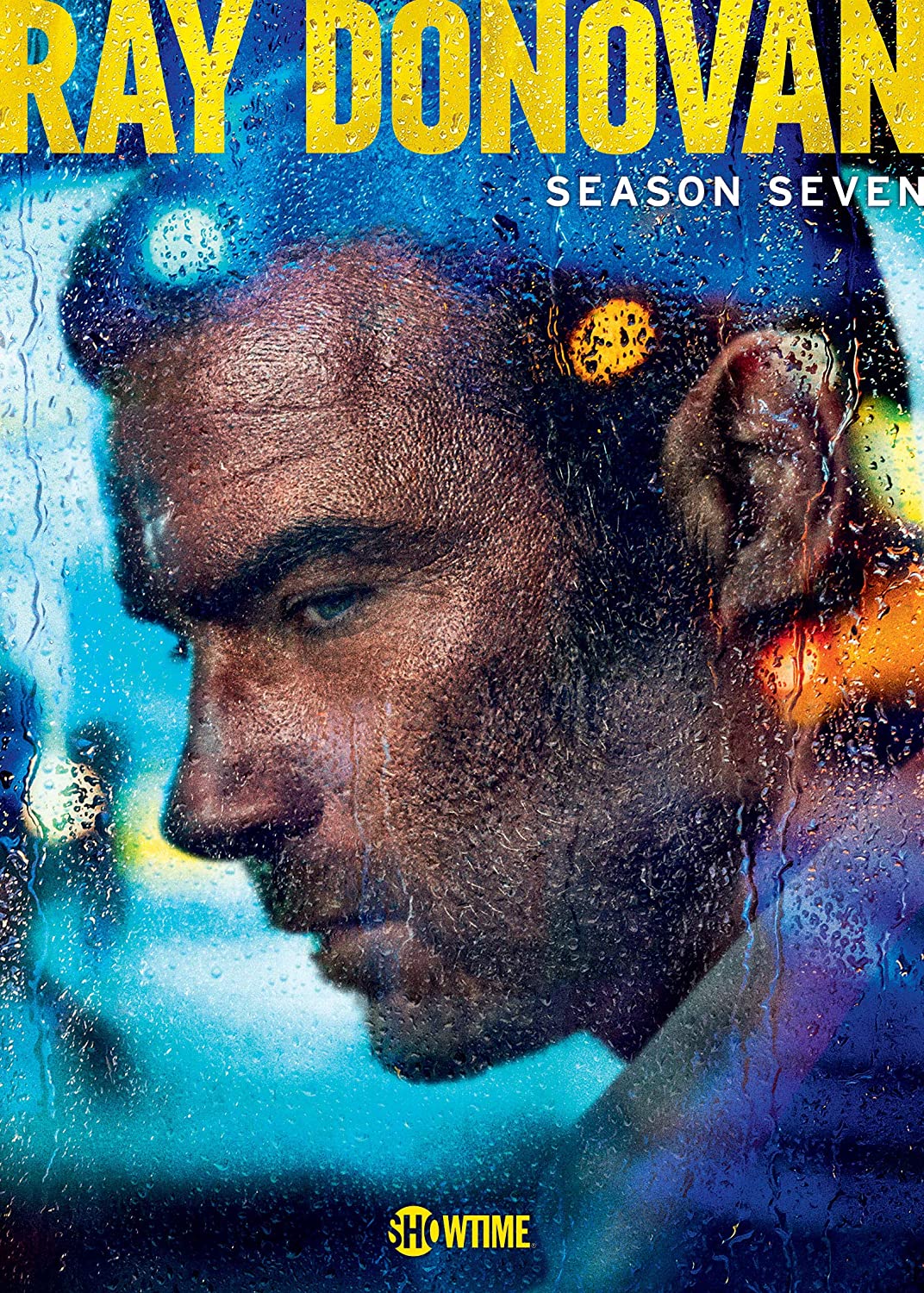
For all intents and purposes, Season 7 is the final season of Ray Donovan. The end came rather suddenly and after it was too late to create and film some kind of satisfying finale for the series. The cast and crew were taken by surprise, so you can imagine how the fans of the show are taking this. To make matters worse, the last episode, while not a complete cliffhanger, leaves too many strands of thread that weren't connected. There's nothing satisfying about this finale, and that created waves in the world of fandom. Star Trek is famous as being the first television show that a network cancelled and then brought back because of a huge letter-writing campaign that flooded network executives and pushed them into an unprecedented action for that time. The show was brought back. Imagine what those rabid fans could have done today with the internet and social media. The call has gone out, and while Showtime has made no move to offer any kind of reversal or concession, the show's star reached out with a somewhat cryptic message of hope. He assured fans that the Donovan family isn't finished just yet. What that reprieve might be, there isn't a clue offered, but it's doubtful at this point that the show will return as an 8th season. The likely scenarios include a Showtime film like we saw recently for Deadwood. There's a shot at a feature film at the theatres, which is where Star Trek's original crew ended up. There's always a chance of a revival mini-series like we've seen over at Fox for The X-Files and Prison Break. I don't know what form it might take, but I do believe the characters will return in some way. Unfortunately new global circumstances have placed pretty much all television shows, films, and other outlets for entertainment in doubt, at least in the short term. Eventually we will get out of this, but I suspect Ray Donovan won't be the first priority out of the gate. Fans are going to have to be patient here. I believe it will happen, but I'm as equally convinced that it won't happen soon. So for now you're going to have to savor these last 10 episodes for a while, and this DVD release gives you the means to do just that.
Posted in: No Huddle Reviews by Gino Sassani on May 1st, 2020
Paramount is borrowing an old idea from Walt Disney Studios and making it a bit more modern. They’re digging into their vault of classic films and doing 4K restorations and releasing them under the new Paramount Presents banner. Now, as much as I’d like to see actual 4K UHD releases, I suspect that these are intended to be feelers for various classic films to try to gauge the demand for these trips into the archives. I also suspect that the titles that show the most promise will likely end up seeing a UHD release. It’s actually a pretty good plan and a chance for you to “vote” with your dollars and show each film what kind of interest still exists. I’m sure some will falter and fall by the wayside, while a few polished gems will show the kind of promise that calls for the 4K release. Now the restoration work is done, and it’s just a matter of printing some discs. So here’s a look at the first three films served up for consideration. Each is sold separately and comes in a cardboard case covering the plastic case that folds out to reveal a release poster for said film. The presentations are nice and geared toward the collector.
Posted in: No Huddle Reviews by Jeremy Butler on May 1st, 2020
“If you take Alaska’s genetic code, add her life experiences, and relationships she had with people, and then you take the size and shape of her body, you do not get her.”
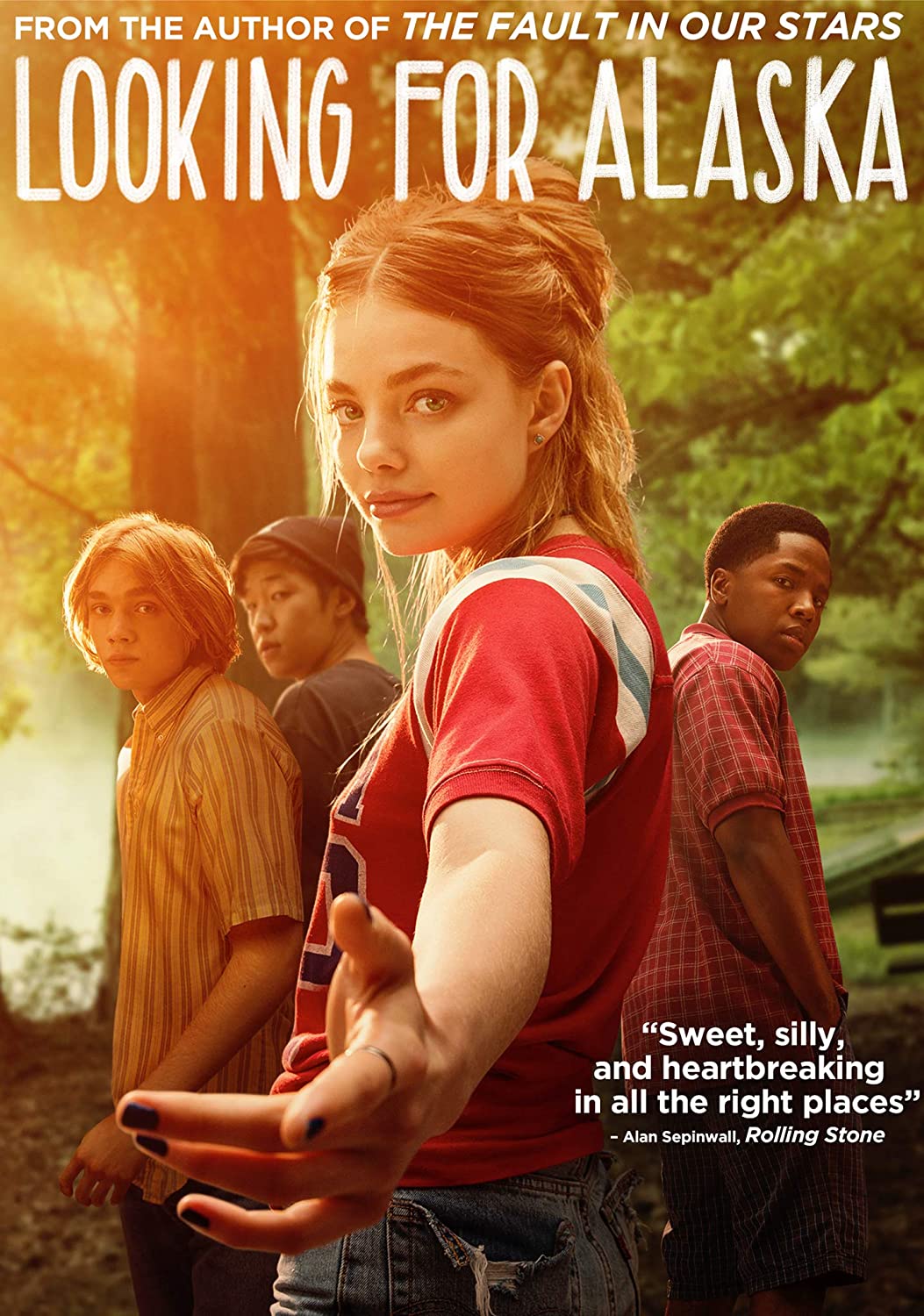
First impressions were that this was an experience that could by shared with my daughter. However, it wasn’t long before she found herself sent away due to the mature nature of the content. Little did I know that this series was Hulu’s answer to Netflix’s 13 Reasons Why. That said, though there are clear correlations between the two properties, such as they are both based on popular novels and cover highly emotional and serious topics such as suicide and the importance of connection with people. Looking for Alaska manages to infuse some levity into its plot. This inclusion goes a long way towards solidifying the limited series’ (as I understand it, there are no plans for another season) individuality and providing an enjoyable balance to what comes to a somber conclusion.
“If people were rain, I was drizzle and she was hurricane.”
Posted in: Disc Reviews by Gino Sassani on April 29th, 2020
“If you wish to be the king of the jungle, it's not enough to act like a king. You must be The King. And there can be no doubt. Because doubt causes chaos and one's own demise.”
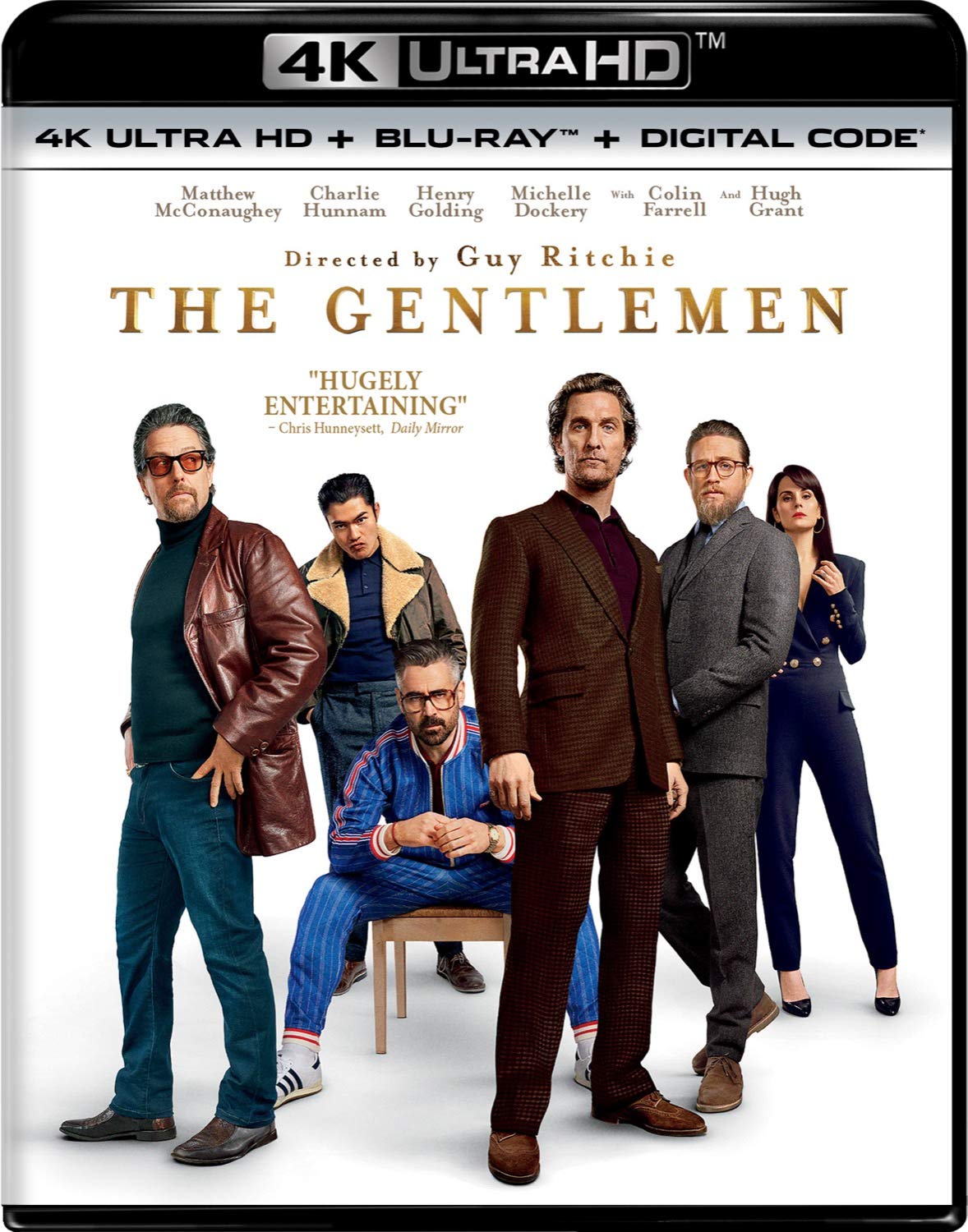
After the horrific attempt at King Arthur, Guy Ritchie was dead to me. His films have always been more style than substance, but there have been moments when that style really told a story and told it well. Of course, I’m talking about films like Lock Stock & Two Smoking Barrels. That was just a fun film to watch. King Arthur wasn’t fun to watch. So when The Gentlemen showed up on my doorstep in UHD to be reviewed, it was a roll of the dice for me. Which version of Ritchie was going to show up? Fortunately, it was the brilliant filmmaker who knows his strengths as well as the strengths of his cast and plays completely to those strengths. And with a few irritating flaws, this was the kind of film I’ve been waiting for from the director for several years. Universal has released it on a rather nice UHD Blu-ray (4K) release, and it should be a fun night of action for anyone who gets their hands on it.
Posted in: No Huddle Reviews by Gino Sassani on April 28th, 2020
It started with Kentucky Fried Movie, which was a somewhat modest box office success mainly because of the genius of Joe Landis as director, but this game really took off three years later with the box office hit Airplane. It was a spoof of all of those Airport films we saw during the 1970’s and 80’s. They all had the same formula and were almost spoofs of themselves by the time the string ran out. The film pulled in an impressive $85 million on a measly $3 million budget. The team of Jim Abrahams along with brothers David and Jerry Zucker was born, and comedy would never quite be the same. The comedic form they developed relied on a lot of deadpan delivery of one-liners and some rather stilted wit. But it was something different, and it wasn’t really a surprise that the team would want to keep it going. A second Airplane film wouldn’t come along for a couple of years, and it would be guided by a completely new team. This trio was on to bigger and arguably better things. The first step was to land on the television screen with a police comedy called Police Squad. It was hoped the show would help capitalize on the same kind of comedy that took Airplane to the stratosphere. They would also maintain the film’s star, Leslie Nielsen. It should have been a no-brainer and an instant hit. It lasted six episodes and was gone in a hot flash. But that wasn’t quite the end of the story.
Posted in: No Huddle Reviews by Jeremy Butler on April 24th, 2020
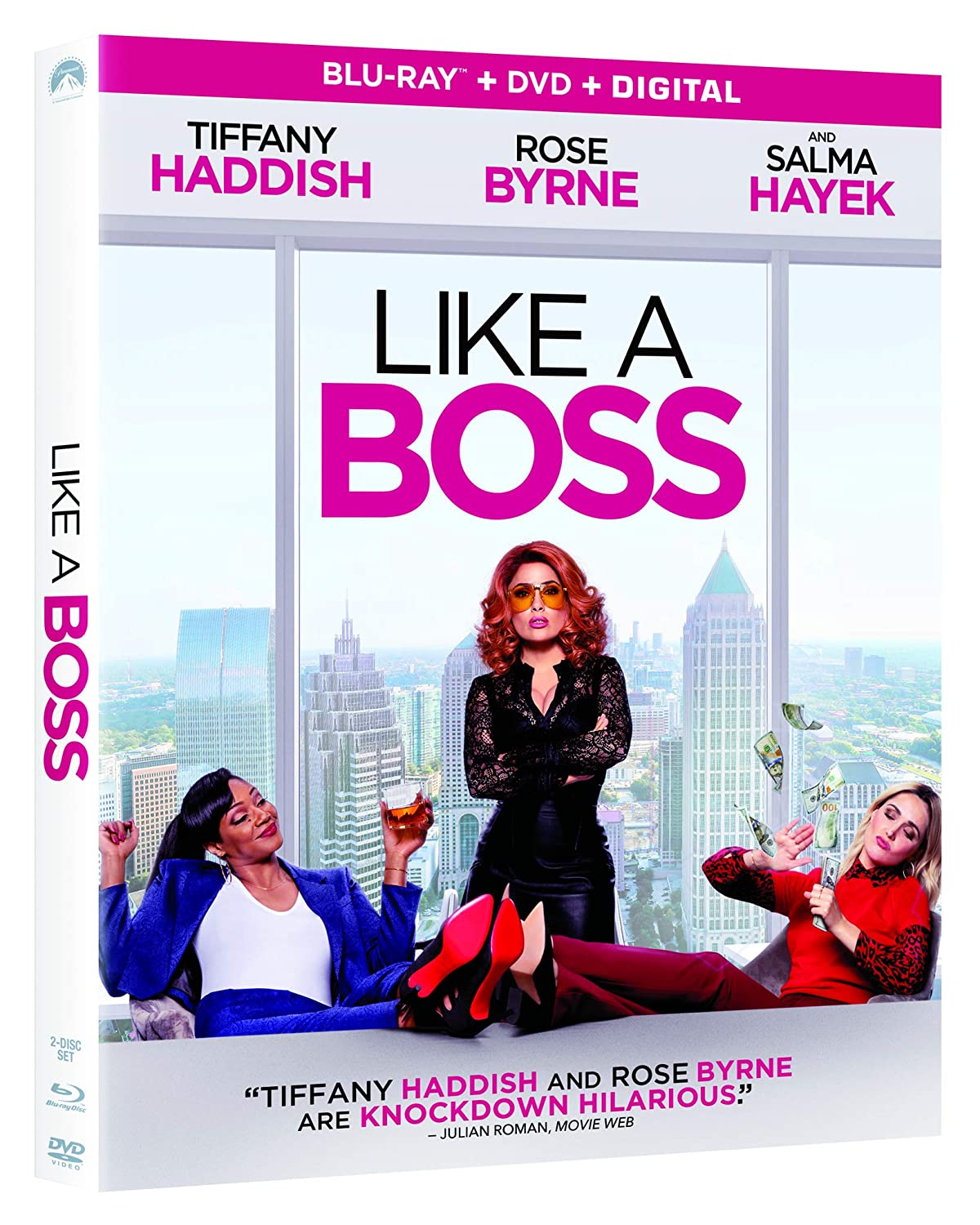
Here comes the ultimate comedy about a codependent relationship; however, though that may not sound that good, in this film it is very entertaining thanks on no small part to Tiffany Haddish and Rosa Byrne. Haddish and Byrne play Mia and Mel respectively, two independent women with their own cosmetics storefront. Though their line is very popular, their revenue does not reflect their popularity due to an inability to mass produce, causing them to fall into deep debt and in danger of losing their store. Then along comes a spider in the form of Salma Hayek’s Claire Luna, the head of a internationally successful cosmetics conglomerate that offers to invest into their company. Haddish and Byrne are both well established in the comedy genre, but the combination of the two made for one the best comedy experience that I’ve had this year. My wife kept telling me that I would enjoy the film (this was one of the rare occasion where she went to a movie unaccompanied by me), but given our different taste cinema-wise, I was expecting a film full of cliché, especially given that it seem like the entire film was given away in the previews. Well, honey, let me say for the record that you were right.
Posted in: No Huddle Reviews by Gino Sassani on April 17th, 2020
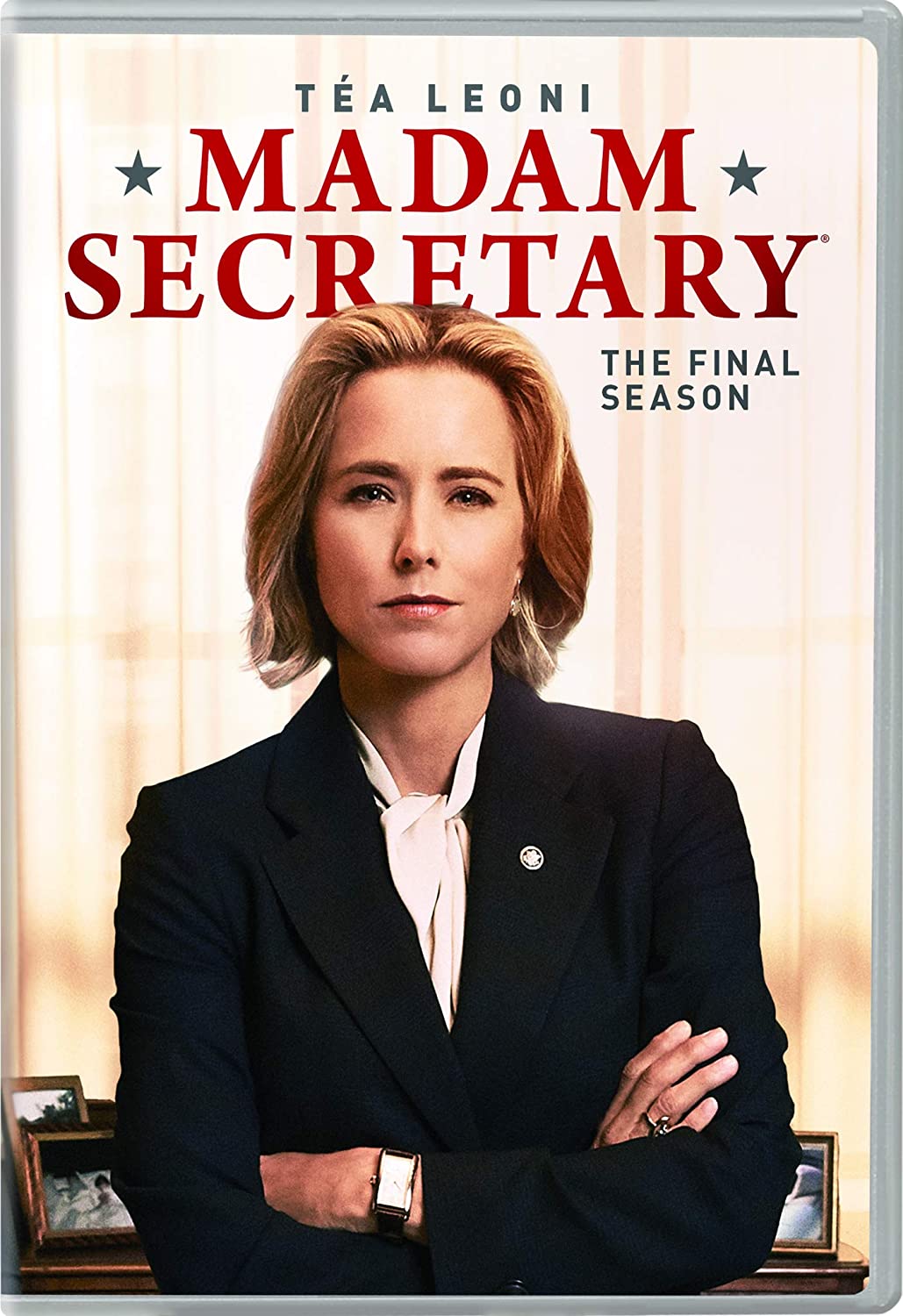
There comes a time in any project where one must decide exactly what their mission is. In entertainment, that’s usually a pretty easy question to answer. Of course your goal is to entertain as many people as possible so that it can be profitable and enduring. For many years there have been filmmakers and television series show runners who have let that goal get out of hand, mostly in the political arena. I don’t have any issue when a show’s editorial policy happens to come down on one side or the other. It doesn’t even matter if it’s my side or not. But two things I don’t want in my entertainment. I don’t want to be hit over the head every five minutes. Trust me to get your point. The second is that there must still be entertainment value that compels me to care about a show and its characters and their stories. Madam Secretary fails in both of these tests. The West Wing was just as political, but there was a demanding quality to everything from the performances to the stories and production value. As a government teacher, I was impressed at how many of those little-known facts about our system they got right. I used moments of the show as teaching moments. This last season of Madam Secretary would be a disaster in any classroom.
Posted in: No Huddle Reviews by Gino Sassani on April 15th, 2020
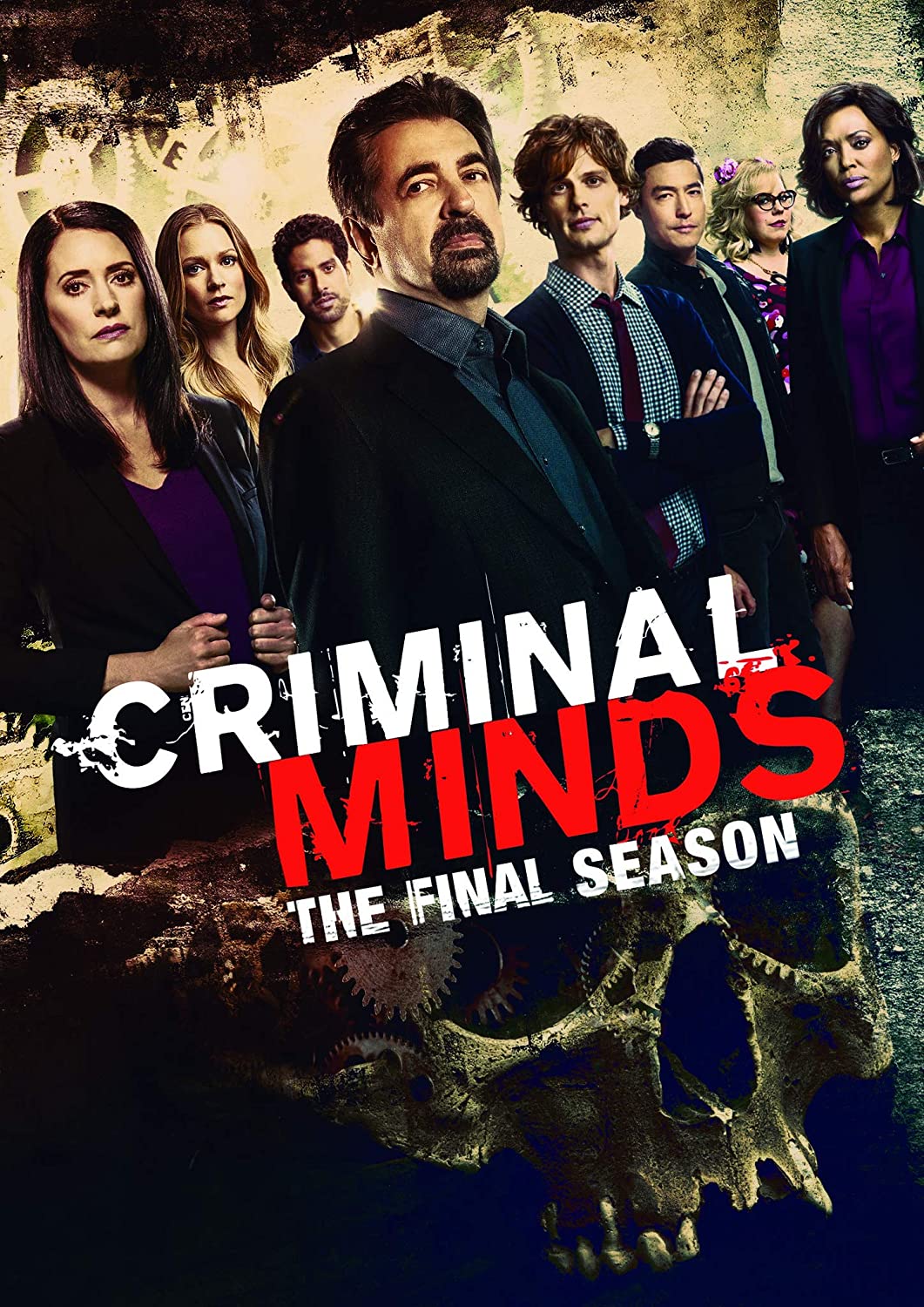
To the point, Criminal Minds is very compelling television. Ever since The Silence of the Lambs and perhaps long before, we have been fascinated by serial killers and the profilers who try to get inside their heads. To see evidence of the continuing trend, one needs only look toward the success of shows like Dexter. Of course, serial killers are not the only prey this FBI team pursues, but they are certainly the marquee item on the agenda. To be sure, there are equally disturbing subjects such as arsonists, bombers, kidnappers, and rapists to give the show a touch of variety, but let’s face it, it’s the killers that keep us tuned so attentively to Criminal Minds. But now after 15 seasons the series has come to an end, and we realize it wasn’t just the murderers we’ve been tuning in to see. The characters have become like a little family, and their stories were just as compelling over the years. Now Criminal Minds finishes with a brief 10-episode final run, and it’s out on DVD from CBS Home Entertainment.
Posted in: Disc Reviews by Jeremy Butler on April 14th, 2020
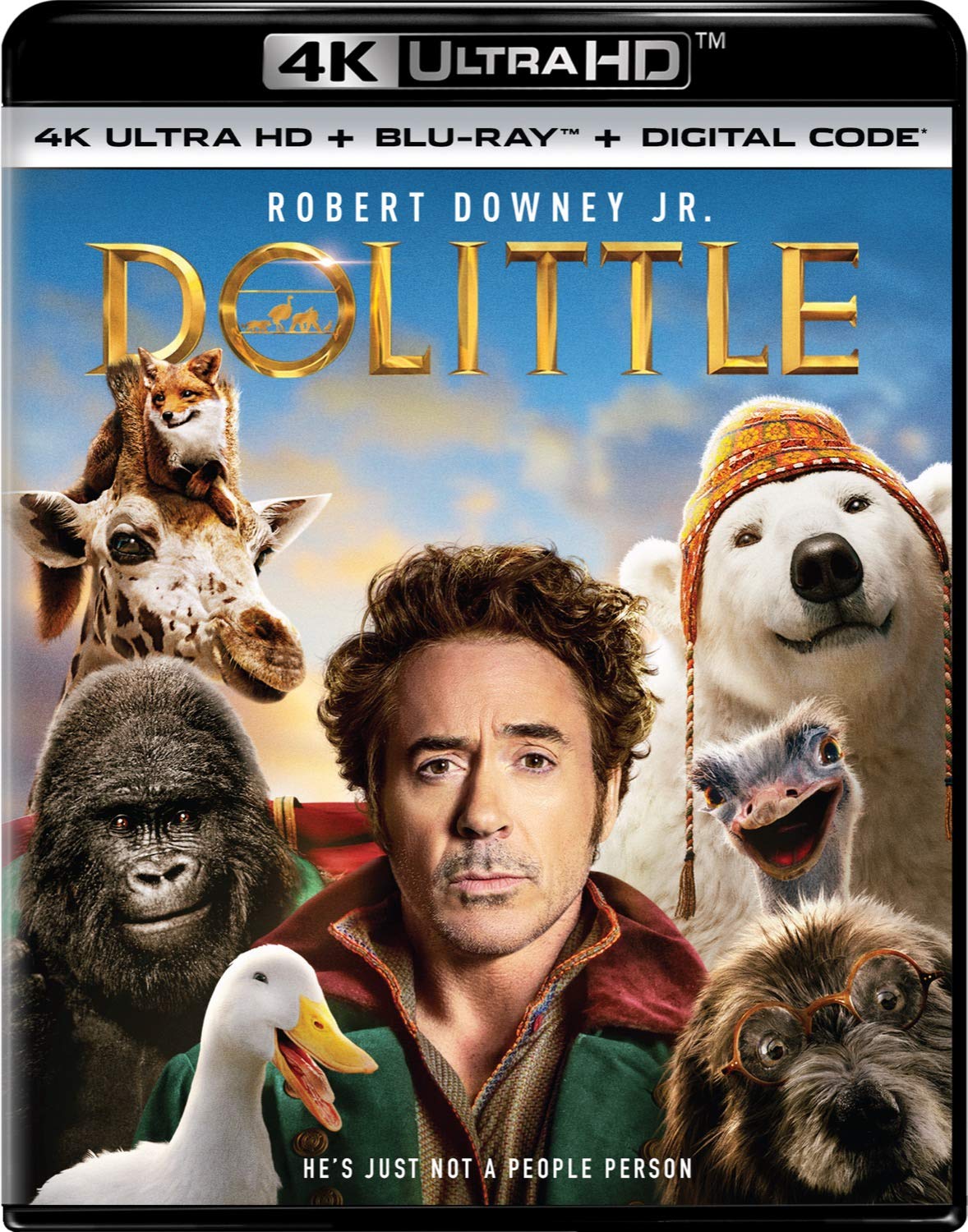
"There once was a peculiar doctor known for his extraordinary ability. He could talk to animals. Dr. Dolittle’s reputation spread far and wide. Even the Queen of England called on him. So grateful for his help, she gifted him a wondrous sanctuary, whose doors were opened to all creatures. His days belonged to the animals, but his heart belonged to one woman. Lily, the fearless explorer. They traveled the globe going on great adventures. Defending creatures who could not defend themselves. They made an extraordinary team. Soon, that team became a family. With Lily by his side, Dolittle never felt more alive. Until one day she left on an adventure. Lily died at sea. Heartbroken, he locked the gates of the manor and completely retreated from the world. As for me, and the animals whose lives he’d saved, we were left to wonder, could anyone save his?"
Well, it didn’t take long for Robert Downey Jr. to line up his next project following his iconic Marvel run. And there is definite franchise potential with this film about quite possibly the most famous veterinarian ever written. Primarily inspired by Hugh Lofting’s The Voyages of Doctor Dolittle, the film is likely anticipated to be a reboot to the Eddie Murphy-led film franchise of the same name (except with a “Dr.” in front of the name). Interestingly enough, the film’s inspiration is actually the second book written by Lofting about this famous character with the gift of talking to and understanding animals.
Posted in: Disc Reviews by Brent Lorentson on April 14th, 2020
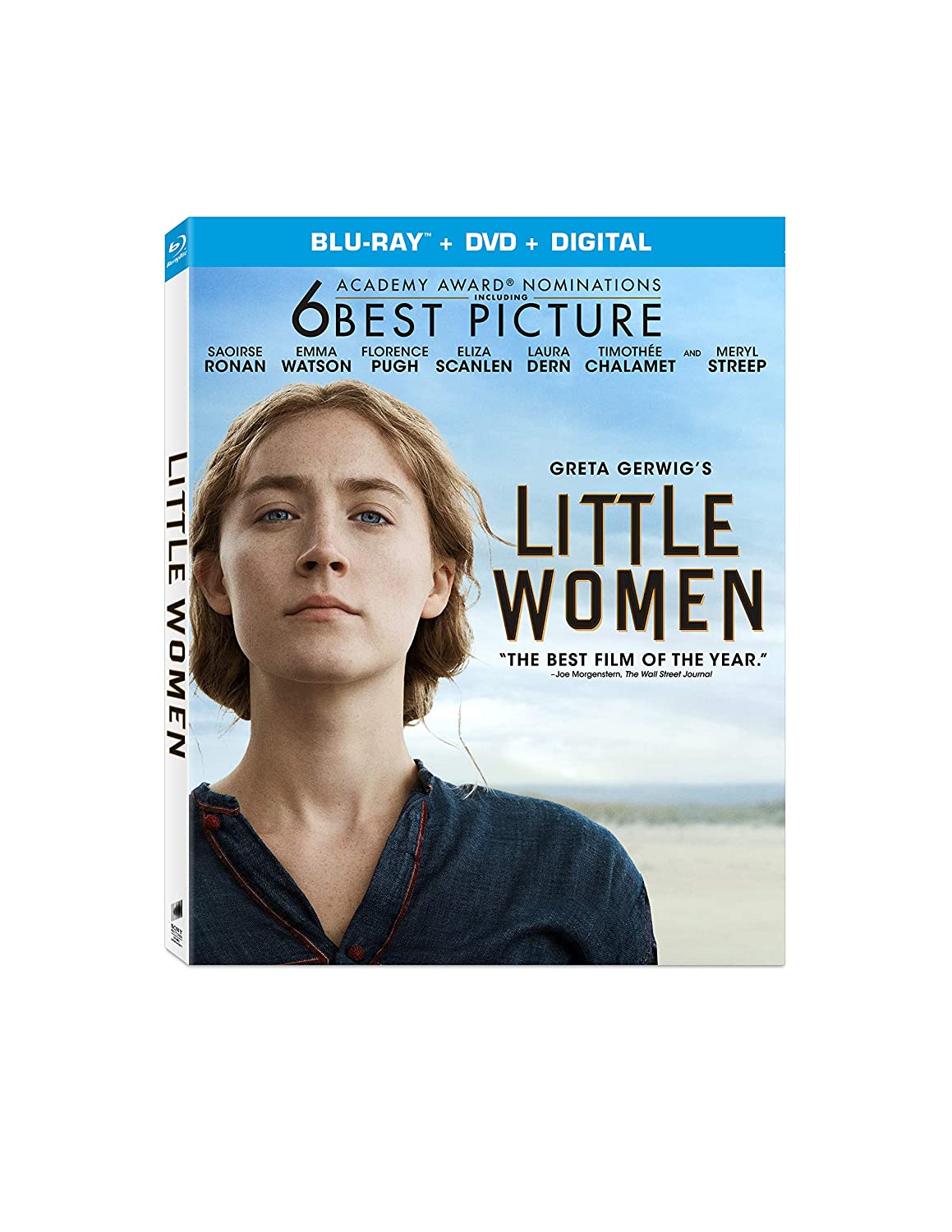
The 19th century novel penned by Louisa May Alcott has been adapted in numerous forms since it was first published. Personally the 1994 film is my favorite, but this new film from Greta Gerwig is a welcomed adaption that shows that Gerwig is a talented force to keep an eye on. Little Women is one of those stories that have entertained me over the years, despite it being a story that appeals to a radically different demographic. Even in my teens when I first discovered the story, when I was obsessed with horror films and reading the newest King novel, when I was required to read the story for class, what started as a reluctant task I was doing for a grade, by the time I finished the book and watched the 1994 film in class, well, I found myself smitten with the March family. I was a bit cynical when it came to this new film. Even with it getting all the critical attention I was still hesitant. Really, if it wasn’t for the quarantine, I’m not sure if I ever would have given this film a chance. Despite my reluctance, I’m glad this film found its way into my hands. The most noticeable change that Gerwig has made to the film is by telling the story in a nonlinear fashion. For those who are not familiar with the story, this won’t be much of a problem, but in some ways I feel this kind of cheats the story out of some of its emotional moments, both good and bad. In deciding to tell the story this way, I do appreciate how Gerwig went ahead and gave the film a visual style to help the audience tell what is a flashback as compared to a more current moment. The moments where Jo (Saoirse Ronan) seems to be looking back, there is warmth in the visuals. With Jo taking the front-and-center role as she struggles with being a writer while juggling her relationship with her family, there are moments where we have to question how reliable she is with her dreams and memories. One of these moments that stands out involves her sister Beth (Eliza Scanlen) as she struggles with scarlet fever.