Posted in: No Huddle Reviews by Michael Durr on January 20th, 2020
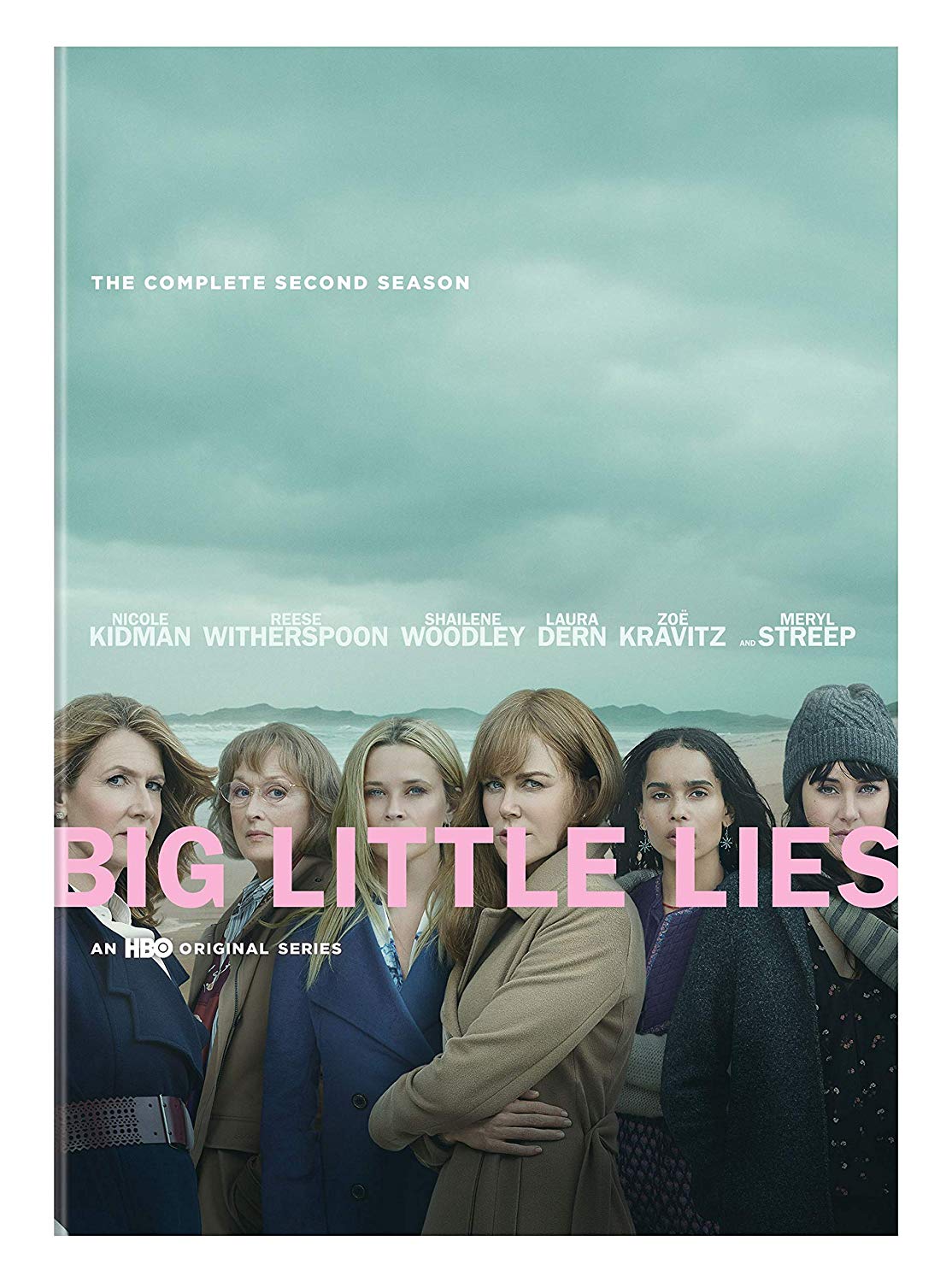
As a man, I have watched my fair share of Desperate Housewives, Mistresses, Sex and the City, and even reality shows like Real Housewives of "Insert Name Here" county or city. I'm not sure any of it was by choice. Well, Mistresses did have Alyssa Milano, so there is that. I have learned, however, that while it might be undesirable to watch these types of shows, typically, it can be a good thing to do with your better half. It can broaden the lines of communication, and if nothing else you can sit there with your loved one and collectively wonder how high your tolerance for pain is. Enter Big Little Lies Season Two.
Posted in: Disc Reviews by Jeremy Butler on January 20th, 2020
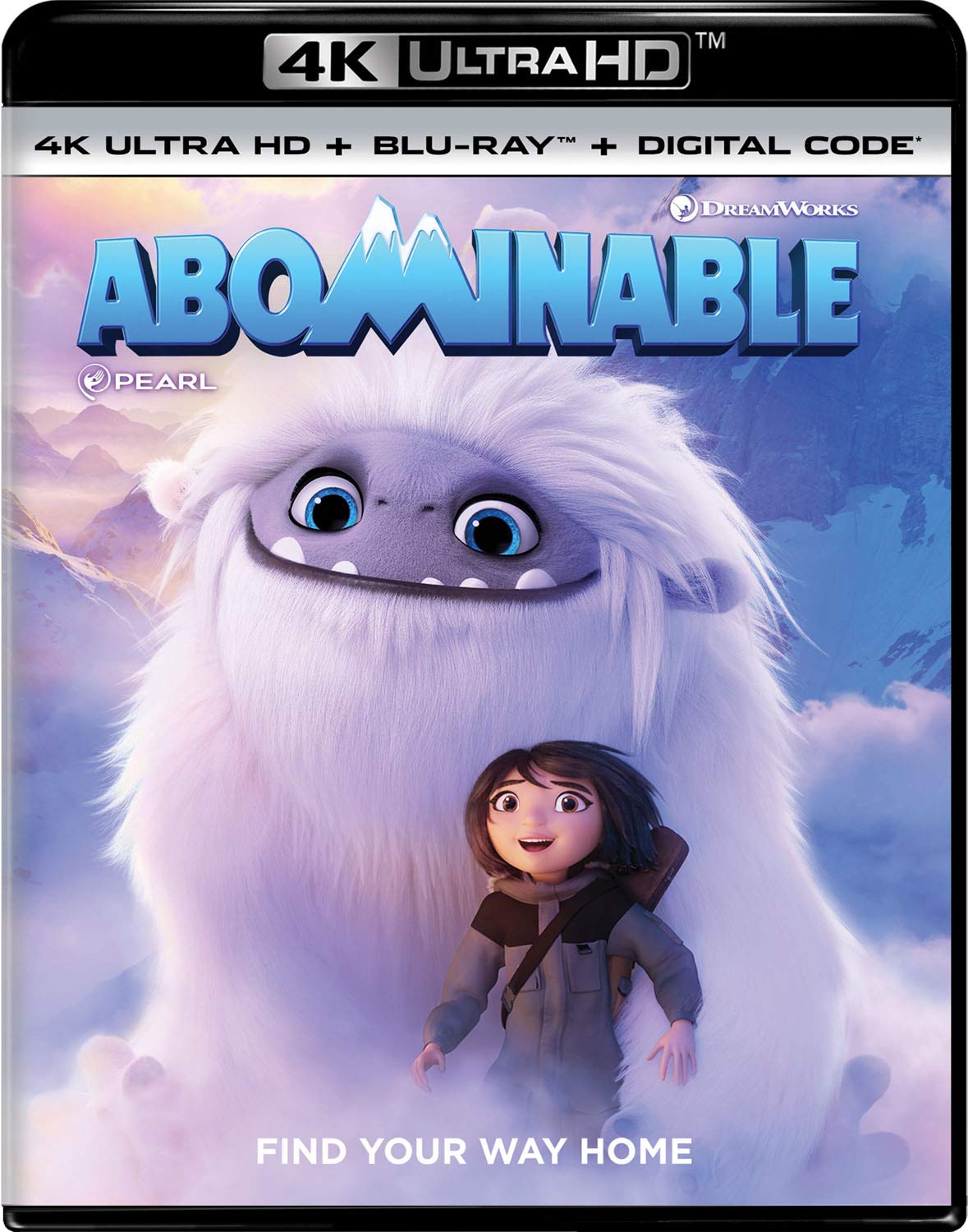
To say that this film got the Nalyce stamp of approval would be an understatement. In fact, I have never seen her take to a film in the manner she did this one. In the past, I’ve seen her be bored or entertained, but with Abominable, she was fully engaged, conversing with the characters as if they were real. While distracting at times, it was good to see her connect with the content on this level. For me and my wife, it was the embodiment of a family experience, as we both found ourselves enjoying this tale of kindness and friendship. The characters are in their own way all searching for something; something to bring them whole whether it be a home or rediscovering themselves following a profound loss. Agents of SHIELD’s Chloe Bennet makes her feature film debut in this animated adventure tale about a young girl that discovers a Yeti on the roof of her building and endeavors to help it find its way home. Joining the cast is American Horror Story’s Sarah Paulson, as well as Eddie Izzard. As mentioned earlier Bennet plays Yi, a young girl who has become a self-imposed loner following the death of her father. Despite her family’s efforts, Yi prefers to be alone, filling her time by working to go on a trip across China. Meanwhile, a Yeti escapes from a secret compound owned by wealthy businessman, Mr. Burnish (Eddie Izzard). Mr. Burnish is determined to prove the existence of the Yeti species in order to overcome an embarrassment earlier in his life when he attempted to recount a previous encounter with the species. Employing renowned zoologist Dr. Zara (Paulson), Burnish uses his considerable resources to track the species across Shanghai.
Posted in: Disc Reviews by Jeremy Butler on January 20th, 2020
When we last saw the Mistress of Evil (which also happens to be the title for the sequel) she was more of a hero rather than a villain. However, the sequel sees her return to her previous status as the feared fairy that ruled the Moors. How quickly people forget her contributions. Though not traditionally scary, the film features plenty of magic and carnage courtesy of Jolie. Additionally, the film features the return of Elle Fanning, Sam Riley, and Harris Dickson as Aurora, Diaval, and Prince Philip. With the addition of Chiwetel Ejofor and Ed Skrein, as well as Michelle Pfeiffer as Queen Ingrith, Philip’s mother, who gives Maleficent a run for her money for the title of Mistress of Evil. In the five years that have passed since then the original film, Aurora has continued to reign as Queen of the Moors and is beloved by her subjects, and especially by Prince Phillip, who works up the courage to propose marriage. Aurora accepts, but then comes the hard part: telling their parents. For Phillip the difficulty comes from her mother, who feels that their people have a right to pillage the Moors and worries about losing her son to Aurora, who rules the land she would like to acquire. For Aurora, the difficulty is much more challenging, as she has the unfortunate task of telling her godmother, the protector of the Moors, Maleficent. Though initially opposed to the idea, Maleficent grants her permission. However, this is only the beginning of their troubles.
Posted in: Disc Reviews by Brent Lorentson on January 20th, 2020
Back in the 80’s and 90’s it was a glorious time for crazy, over-the-top action films. The names that most notably come to mind when I think of this time in action cinema are Don Simpson and Jerry Bruckheimer. They were the guys who knew how to make a popcorn action film: Beverly Hills Cop, Days of Thunder, Bad Boys, and many more. While Line of Duty isn’t quite in the same league of these films, it definitely has its roots in these films, and for a VOD action film, well, this film is all kinds of absurd fun. Director Steven C. Miller has had some duds over the span of his career, though I did enjoy his take on Silent Night, but Line of Duty shows that the man is capable of helming a white-knuckle action film if given a proper budget and script to work with. When it comes to Aaron Eckhart, I’m kind of surprised we don’t see him as the lead in more tent pole action films. Sure, many of us know him for his turn as Harvey Dent in The Dark Knight, but he’s a guy with so much untapped talent. It was nice to see it on display in this film. Frank Penny (Eckhart) is a disgraced cop who is responsible for getting a kid killed and is now stuck working as a beat cop. It doesn’t take long for the film to ramp up as Frank is caught up in a foot chase with a suspect involved with the kidnapping of the chief of police’s daughter. There is a lot of running in this opening act, and things go bad to worse for Penny when he’s put in a situation where he kills the only lead to finding the kidnapped daughter.
Posted in: No Huddle Reviews by Gino Sassani on January 15th, 2020
"The heat is on..."
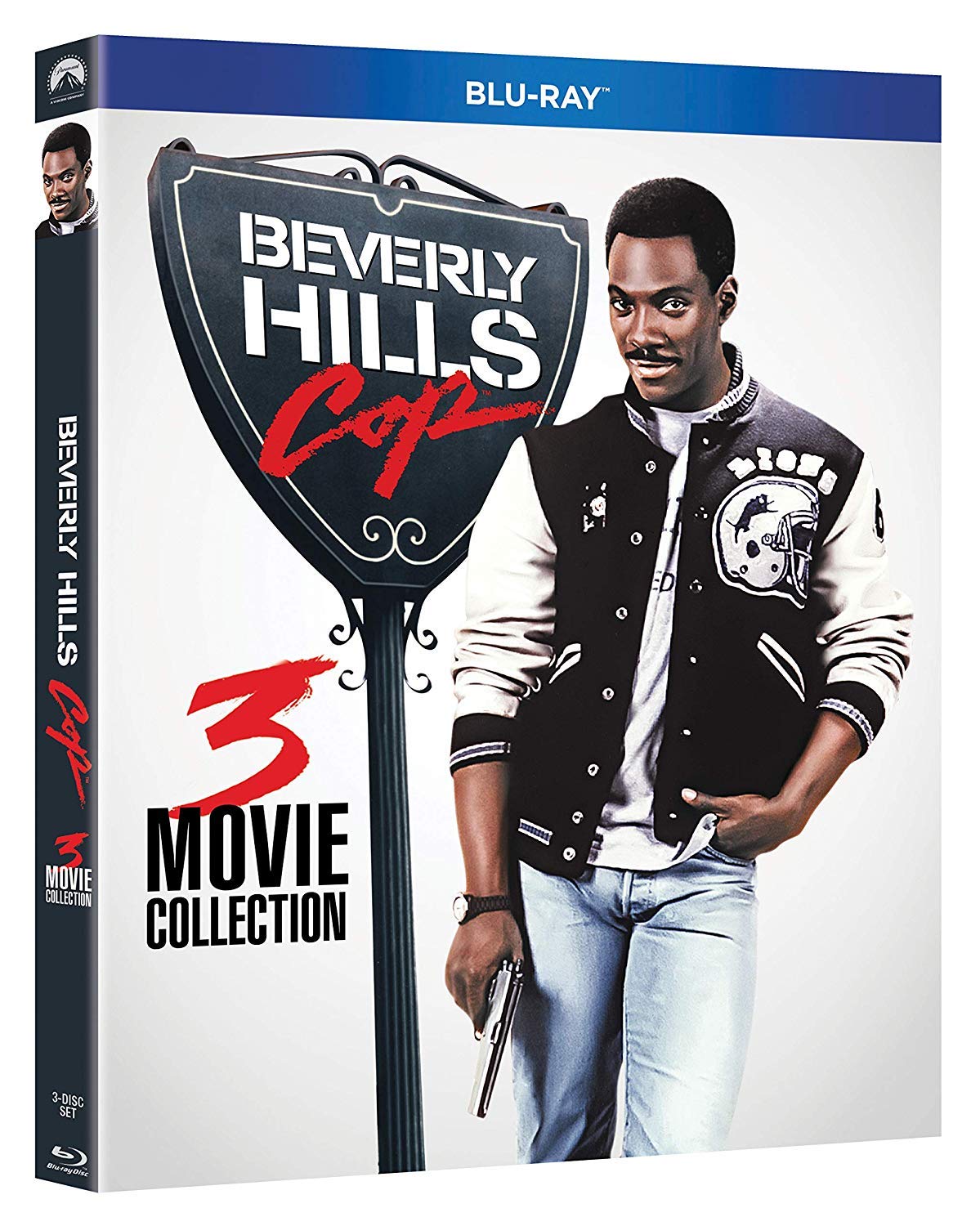
From the bouncing opening music by Glenn Fry to the final frame of Eddie Murphy's smile, Beverly Hills Cop has established itself as a classic. Now finally out on Blu-ray, the film shows us all over again why we fell in love with it almost 20 years ago. Murphy hasn't been as funny since, but we'll always have Beverly Hills and Axel Foley. There have been many attempts to revive the franchise. There was a failed pilot that would have had Axel as a captain and his son as the wise-cracking rookie detective. It never went beyond an as yet unseen pilot. Several attempts have been made at a fourth film, and a new one was recently announced, but that's now in limbo as Murphy has just announced he is quitting acting and going back to standup. The first film pulled in a impressive (for 1984) $315 million at the box office. The second pulled in almost exactly the same money. Things hit a snag with the third, which barely topped $100 million. Now Paramount has remastered the films in 4K but is only releasing the 4K/HDR version online. They aren't releasing it on UHD, and that's a mystery to me that I hope will be corrected soon
Posted in: Disc Reviews by Brent Lorentson on January 15th, 2020
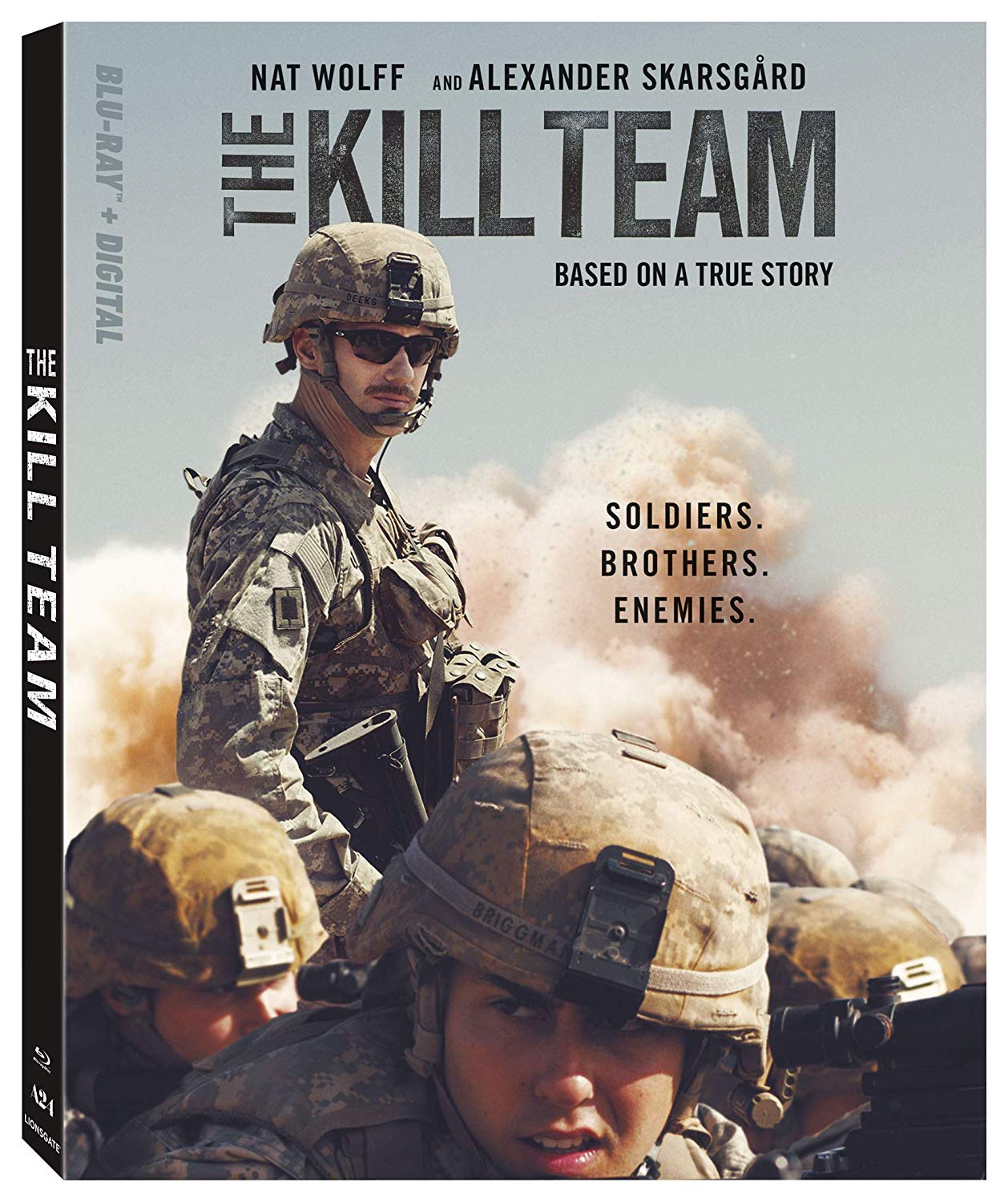
This is yet another war film that is “based on true events”. Considering how long troops have been over in Afghanistan, it’s no surprise how many films seem to be coming out about the subject. I’ll admit going into this film I didn’t exactly have high hopes, but I’m pleased to say not only did the film not disappoint; I found myself actually enjoying it. Granted this is no 1917, but it’s definitely better than the dumpster fire film that I reviewed about a month ago called D-Day. The Kill Team follows new recruit Andrew Briggman (Nat Wolff), who is wide-eyed and ready to see combat, but once he is confronted with the very human side of the war that the troops are facing, well, his conscience begins to weigh him down, and things only get more complicated for him as his time in Afghanistan stretches on. From the start, the film seems to have a very idealistic view on how the soldiers can and should act, and it’s this “moral compass” that gets in the way of telling the story. When it comes to war films that delve into the cruelty that occurs, you can’t let morals dictate the story. It’s the equivalent of doing a western where the bad guy wears the black hat and the good guy wears white. Sure, you’re spelling it out for your audience, but when depicting real life, it’s never quite that easy to tell wrong from right.
Posted in: No Huddle Reviews by Gino Sassani on January 15th, 2020
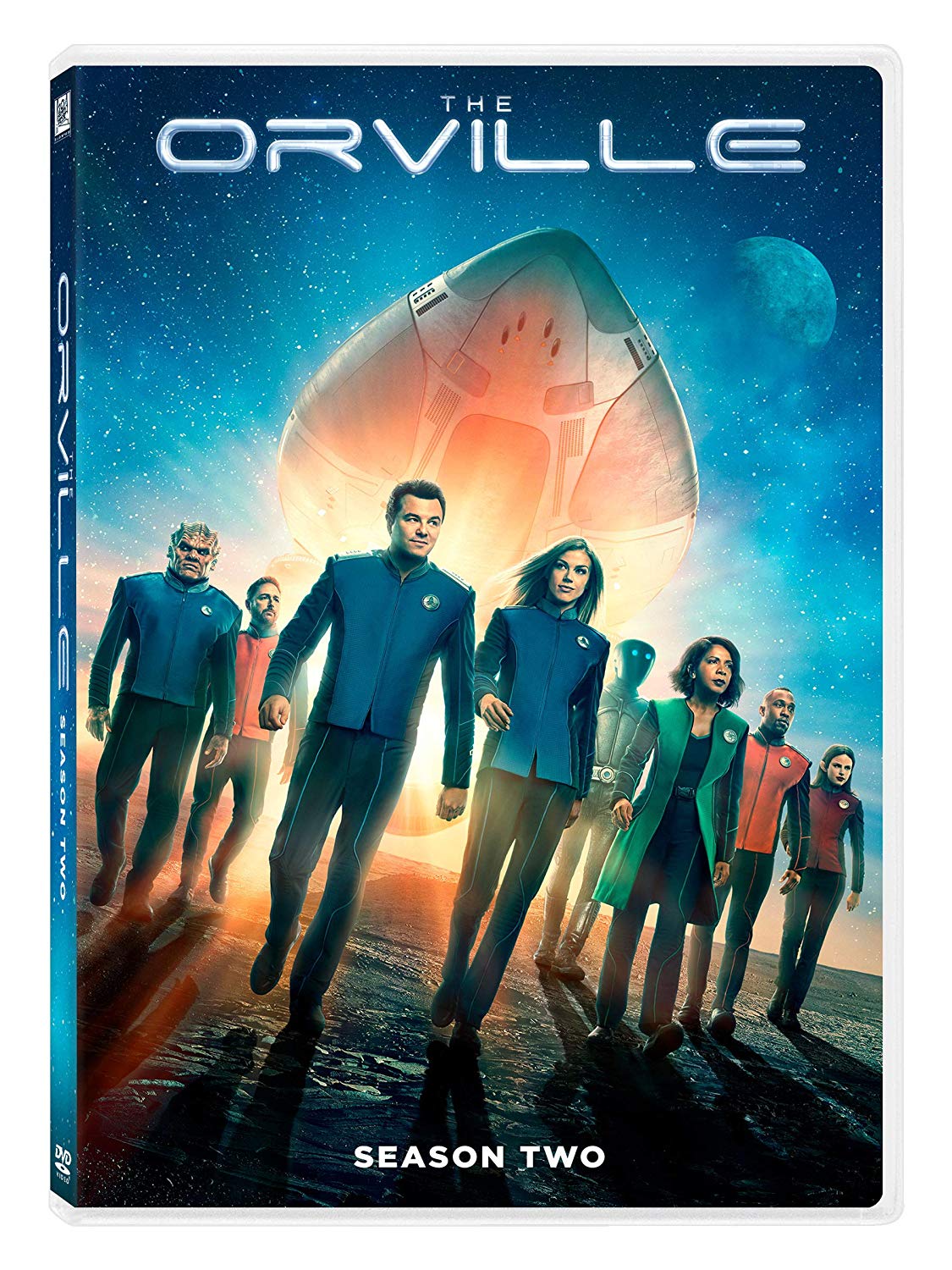
When Star Trek: Discovery was announced, I was quite happy to hear it. There had been a long gap since Star Trek had been on television, and I figured it was long past time to fly through the galaxy on a starship once again. The show finally aired after some real issues getting off the ground, and before I knew it I was back in a starship having a blast once again. Except it wasn't on Star Trek's Discovery I was having all of this fun. It was aboard Seth MacFarlane's Orville that the true spirit of Gene Roddenberry was exploring space once again. Who would have thunk it? Yes, The Orville is considered a comedy, and there are plenty of silly moments and ideas. But even with all of that spoof atmosphere, MacFarlane manages to capture the real spirit that Trek fans have come to feel for that franchise. Honestly, I'm not sure The Orville would have gotten through its first season if not for Alex Kurtzman destroying yet another beloved franchise. Trek fans turned to this show in droves out of frustration and desperation, and MacFarlane welcomed them aboard with a laugh and some alien adventures. It's a great example of that whole nature-abhors-a-vacuum thing. When Discovery went off the rails, The Orville filled the void left behind. If you missed the first season, you can get them now on DVD from Fox.
Posted in: Disc Reviews by Brent Lorentson on January 9th, 2020
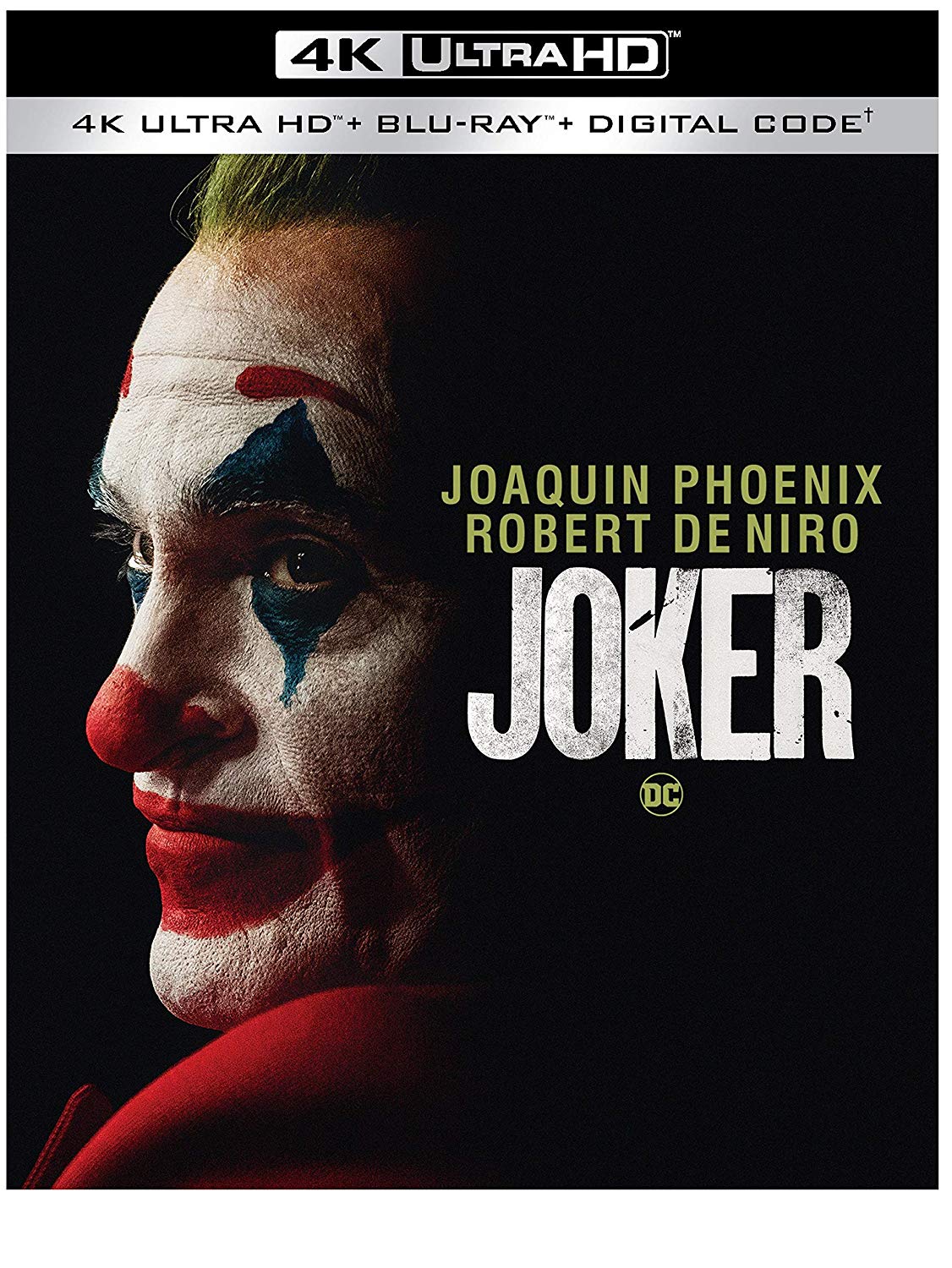
“Art is dangerous.” It’s a quote that has been passed around over the decades, and it’s something I tend to agree with. Over the weeks building up to the release of the film, there seems to be a manufactured panic about what could happen when Joker releases onto the big screen. In Aurora, Colorado they’ve elected to not show the film as a way to not trigger local residents that were involved in the 2012 shooting. This I can understand considering the shooter did indeed dress as the Joker when he committed his act of violence. As for other parts of the US, the local police and military have been placed on high alert, all because people are worried about the gun violence and how it may motivate deranged fans to go on shooting sprees. This obviously is not what the studios or filmmakers ever intended, but it is unfortunately a sign of the times that we are living in. No one should have to fear going to the movies. The theater for many is the place for audiences to escape for two hours and forget the troubles and the horrors of the real world, and my hope is audiences will be able to do so without violent incidents.
Posted in: Disc Reviews by Brent Lorentson on January 8th, 2020
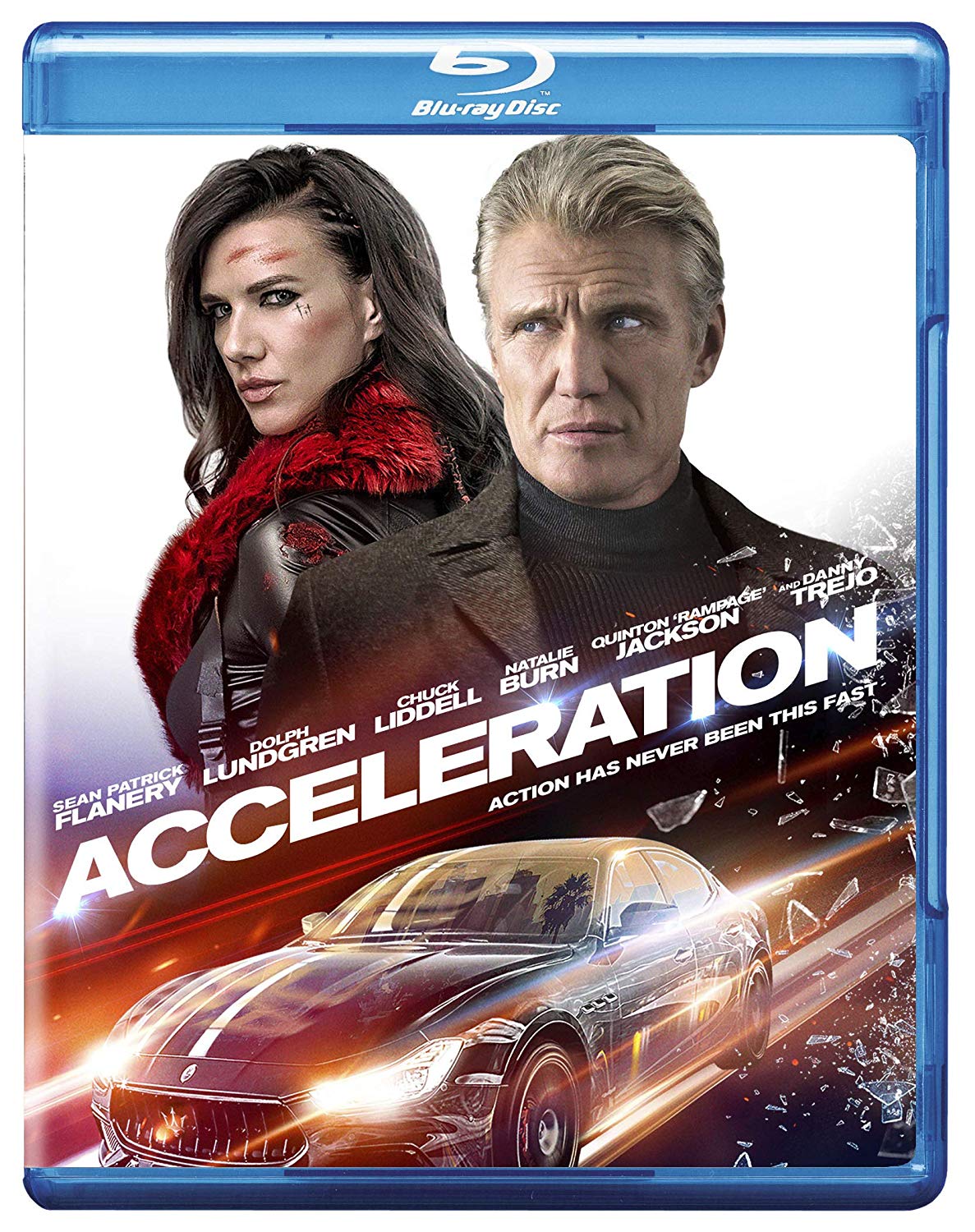
When it comes to B action films, there is a threshold for what your expectations should be for the film. In the grindhouse era there were some pretty good quality action films, but as the sub-genre stretched into the 80’s and 90’s, the quality just got worse, though they’d always find some star whose celebrity was on the verge of fading. Dolph Lundgren has managed to hang in there and continue to get roles even though it’s been more than a couple decades since he last had the top billing for a Hollywood blockbuster. Personally I’ve always liked the guy; he can still be a charming badass or also play the heavy when need be for a film. Sure, he’s aged, but I can still believe he’d have no trouble kicking some onscreen ass. The one thing that the filmmakers of Acceleration got right was to cast Lundgren in their film where we get to see him play the good guy as well as the bad guy. As for the rest of the film, well, they had a good idea and a nice lineup of B-movie action stars as well as former UFC fighters, but the result falls well short of its potential.
Posted in: No Huddle Reviews by Brent Lorentson on January 8th, 2020
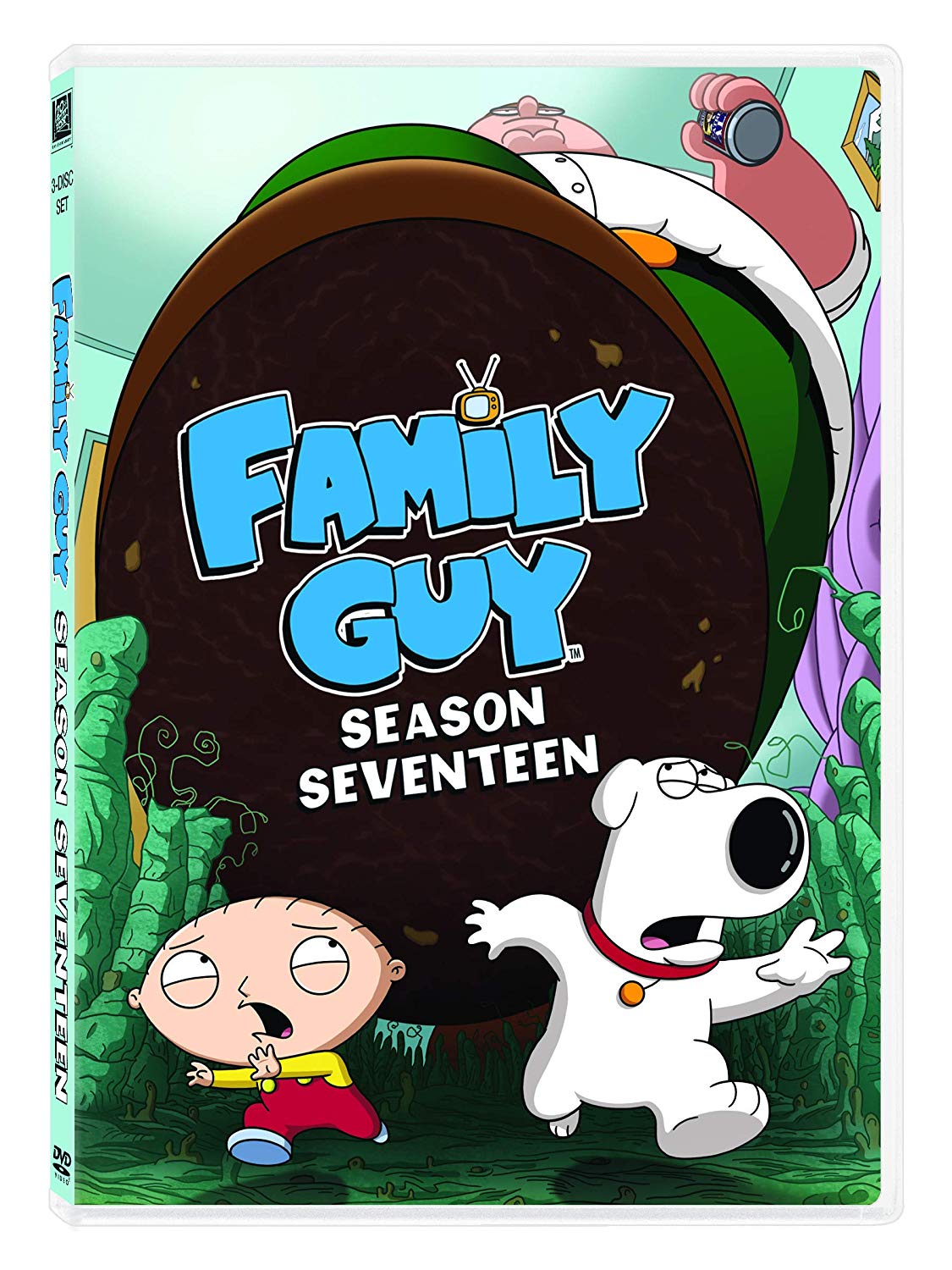
Family Guy has reached a level of impact upon the American pop culture where I believe the characters need little to no introduction. Is there anyone, really, who doesn’t recognize Stewie? After all, he’s reached the status of icon and has even become a fixture of the Thanksgiving parade as one of the many floats. Where The Flintstones, then later The Simpsons, were at one time the dominating animated family on television tackling day to day struggles of the modern American (each in their own and unique way), Family Guy (love it or hate it) now seems to be the go-to animated family. In this collection of 20 episodes, the creative force, Seth Macfarlane, and his team continue to deliver the laughs along with their twisted moral messages. In today’s culture, it seems like it is harder and harder to be a comedian and manage to not offend anyone, and for the first time I feel the show is restraining itself too much, and it’s hurting the product. Family Guy has always been a show that was self-aware and would break the fourth wall, so it was not a big surprise when a character mentions how they’ve eased up on their jokes against the gay community. Is this a move brought on because Disney now is writing the checks for those involved, or is this decision made by the writing team?