Cinedigm

Welcome to the Space Show looks like what would happen if you combined Steven Spielberg’s E.T. — or the openly-Spielbergian Super 8 and Earth to Echo — with the boundless imagination and quirky charms of anime. The result here is intermittently dazzling, but this particular kid-friendly alien adventure is ultimately less than the sum of its parts.

The film immediately grabs your attention with a high-octane action sequence: two bumbling, strange looking creatures are being pursued through a forest by a spastic smaller blur that looks and behaves as if it’s on fire. What’s most intriguing about this opening is that director Koji Masunari makes it impossible to tell whether we should be rooting for the two creatures to get away or for the pursuer to catch them. After the action-packed prologue, Welcome to the Space Show settles into its main story. A group of elementary school kids heads to a summer camp that has a mildly alarming lack of adult supervision.

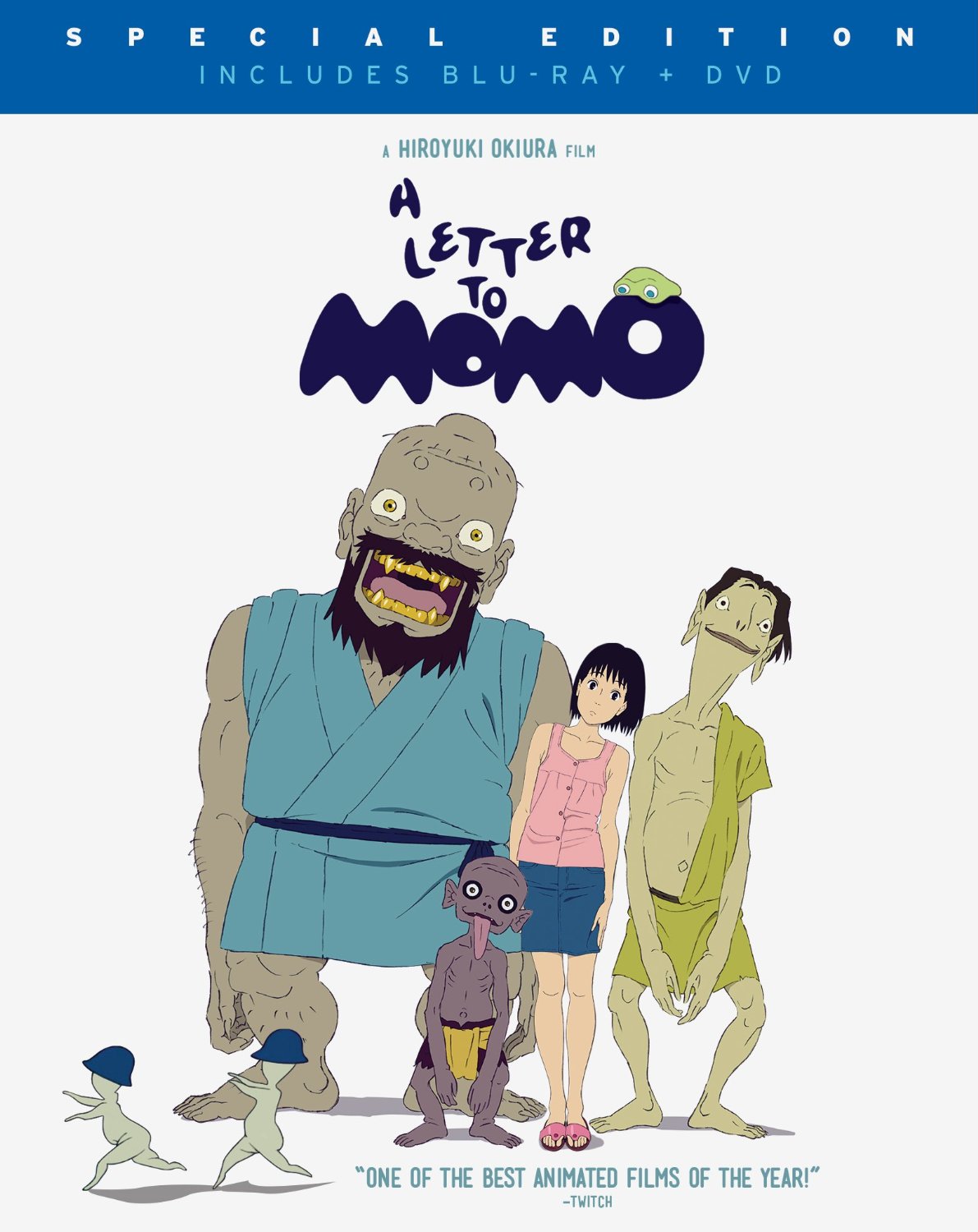
As the spookiest holiday of the year draws closer, we're all probably a little more sensitive to anything that goes bump in the night. Almost every creature associated with Halloween is meant to terrify us, but what if some of those horrific-looking monsters were actually tasked with watching over us? In the Japanese animated drama A Letter to Momo, a young girl encounters a trio of mischievous spirits that only she can see and hear. The monster shenanigans, however, were merely one aspect in what turned out to be one of the more affecting family films I've seen this year.

Momo (voice of Karen Miyama) is a grief-stricken girl who recently lost her father. Her mother Ikuko (Yuka) decides to uproot Momo from their Tokyo home and move to the island of Shio, the sleepy seaside community where Ikuko grew up. In addition to the grief Momo feels over losing her father, she is also overwhelmed by guilt; Momo had been cruel to her father prior to his unexpected death. As a result, Momo clings tightly the last memento her father left behind: an unfinished letter that started with the words, “Dear Momo.”

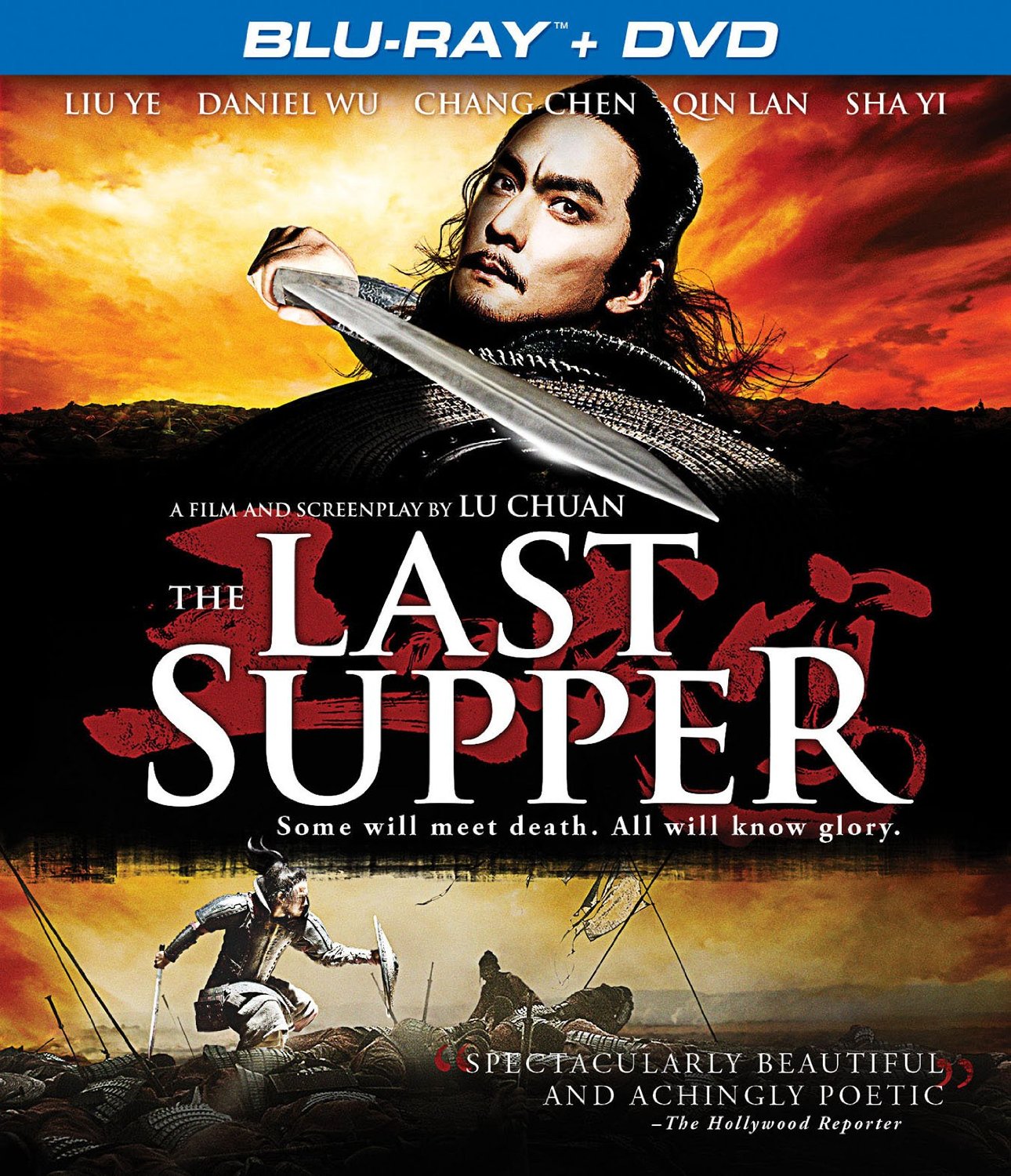
“Kings are made, not born.”

It’s a provocative thesis for any story, especially since the same debate about kings has played out over centuries’ worth of world history. Unfortunately, filmmaker Lu Chuan largely decided to take a “tell, don’t show” approach with The Last Supper, which depicts the last gasp of China’s Qin dynasty and the rise of the Han dynasty and its commoner-turned-emperor.


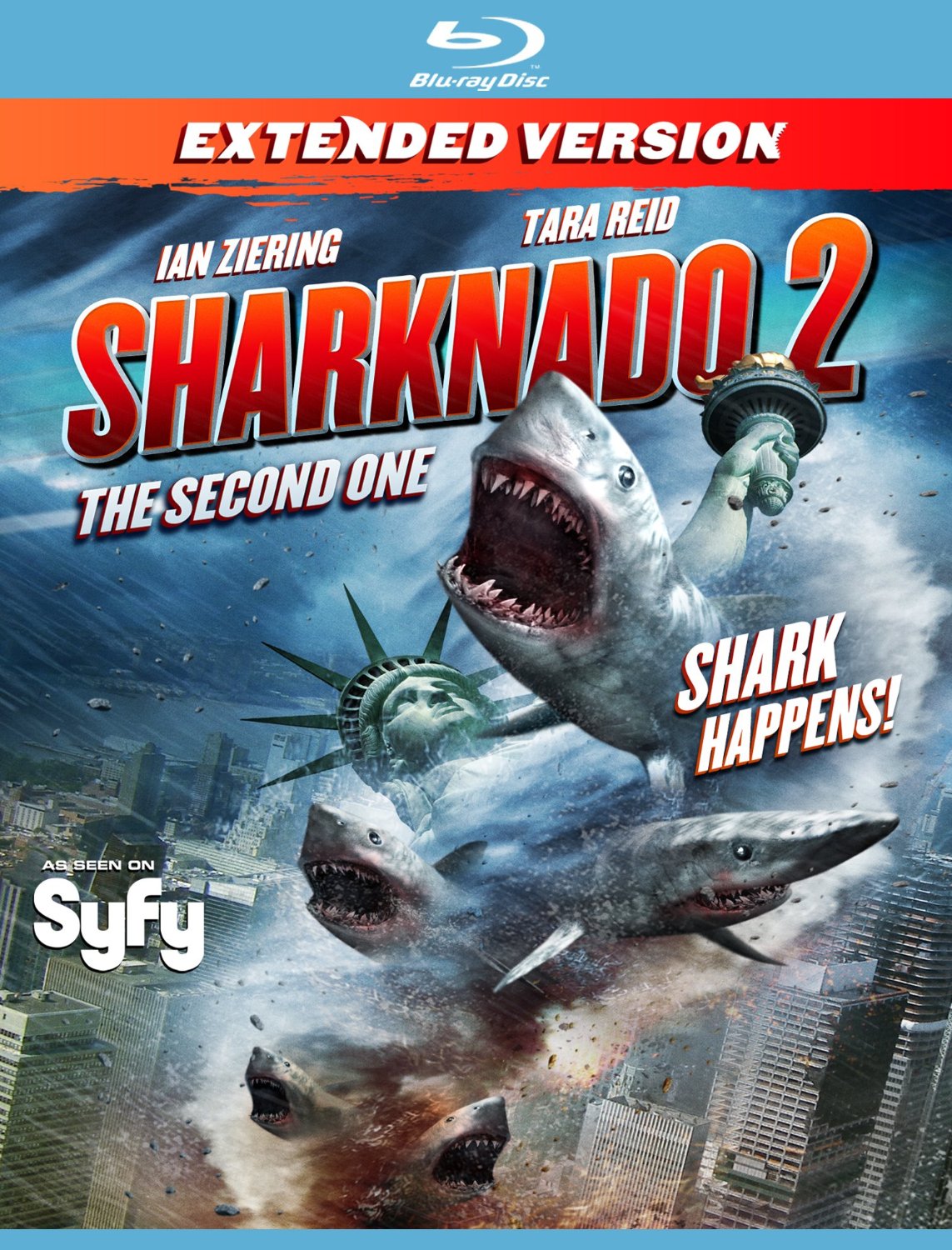
“You know what you just did, don’t you? You jumped the shark.”

People have been mocking SyFy original films since the days when the network spelled its own name properly. But staying home on a Saturday night to “MST3K” your way through flicks with D-list actors and Z-grade visual effects has been replaced by Twitter, which practically blew up when the impossibly campy Sharknado premiered last year. SyFy recognized that social media has made it possible for anyone with Internet access to trade yuks and one-liners on a global scale; more importantly, it has allowed the network to be in on the joke in an unprecedented way.

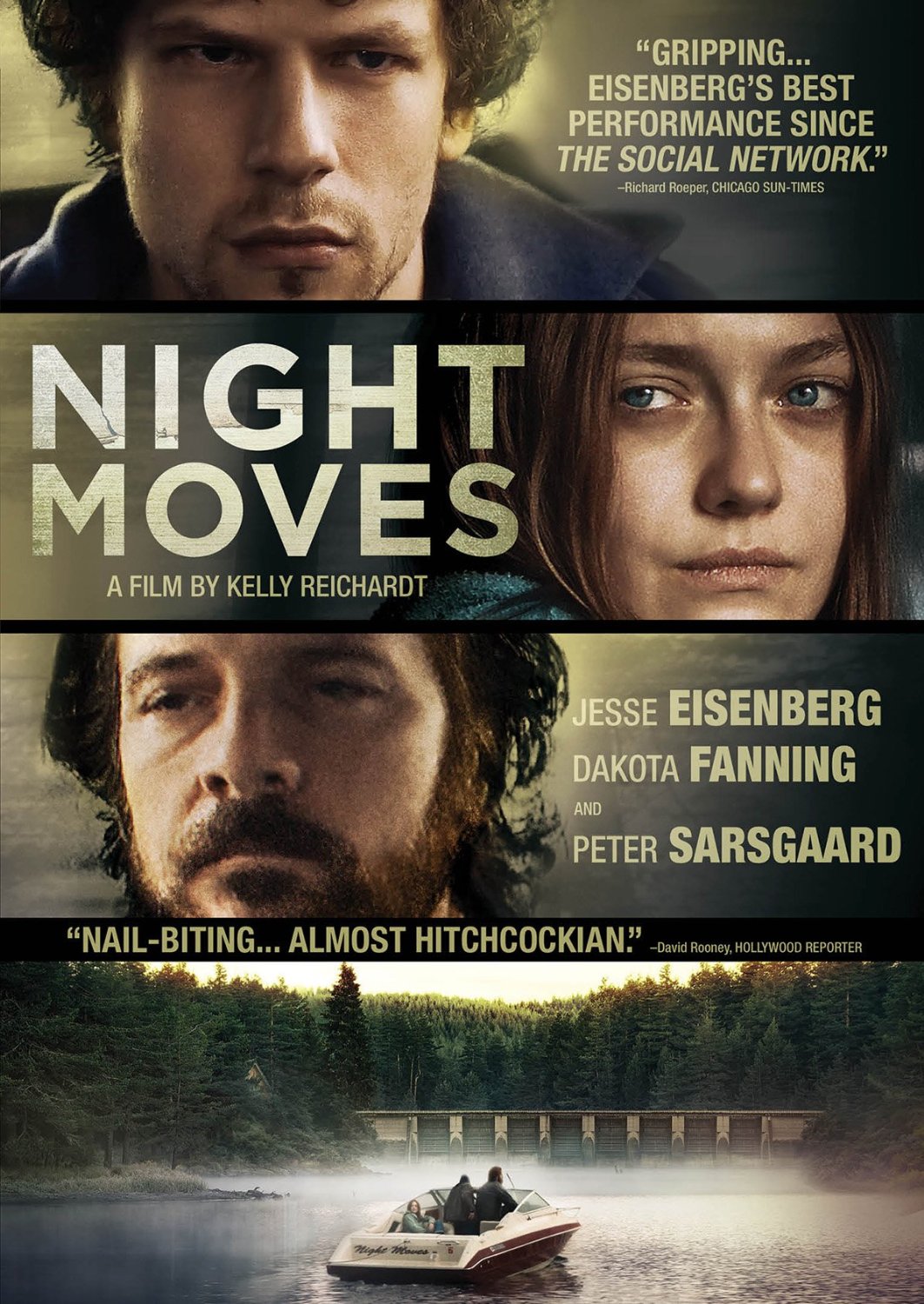
There are movies that can be described as slow burns, and then there's Night Moves. Director Kelly Reichardt frames much of her 112-minute thriller in a way that invites you to pay an inordinate amount of attention to the lush greenery, winding trails, and tranquil water the film's three protagonists go to dangerous lengths to preserve. The extended, quiet sequences and exceedingly simple plot also encourage viewers to fill in spaces in the story that seem to have been intentionally left blank. This deliberate approach will undoubtedly infuriate and bore some people, but I personally found it absorbing enough to recommend as an unconventionally tense drama.

Night Moves is about three environmentalists who plot to blow up a hydroelectric dam. (See? I told you the plot was exceedingly simple.) Given that the movie's synopsis can be neatly wrapped up in a single sentence, the real pleasures in Night Moves are derived from trying to figure out precisely how they're going to pull it off and how the characters relate to one another.

The list of bad videogame movie adaptations is as ridiculously long as the titular weapon in this animated offering. In fact, the film that has best captured the spirit of gaming wasn't even based on an actual videogame. The bottom line is it's hard to translate the highly-interactive thrills of videogames into a satisfying, relatively passive moviegoing experience. So maybe the answer lies in targeting inherently cinematic games like Heavenly Sword.

Prophecies speak of a savior, a deity born of man whose fate is to wield the Heavenly Sword.”

How did the stripper get in the maid's room?”

That question sounds like the set up for some juvenile, profane joke, but it also tidily encapsulates the plot of Afternoon Delight. The film is about the plight of an affluent, quietly desperate housewife who takes it upon herself to “rescue” a young, down-on-her-luck stripper. What the quote doesn't quite capture is how this funny and frank outing from first-time feature filmmaker Jill Soloway is really about the universal quest for intimacy.