Cinedigm

Oh Hell No! is the cheeky subtitle for the latest entry in SyFy's made-for-TV Twitter Sharknado franchise. Coincidentally, “Oh hell no!” was also the response the creators of the first film got from everyone they approached about starring in it a few years ago. Flash forward to 2015, and things have changed dramatically. Now Sharknado auteur Anthony C. Ferrante needs a stick to beat away the washed-up actors, reality stars, and politicians(?!) angling to serve as chum for some comically unconvincing sharks.

Why do you always have to be a hero?”

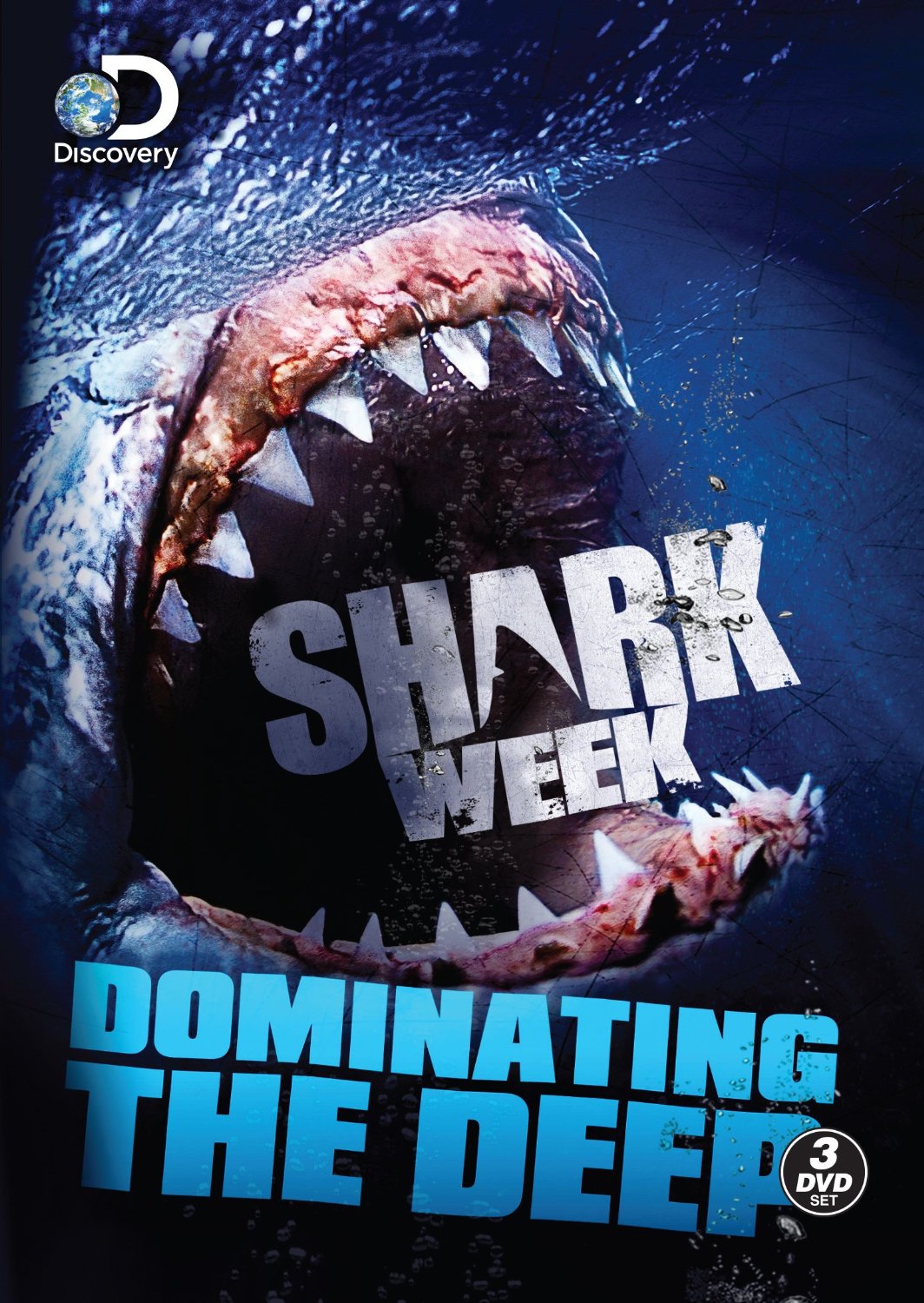
Discovery Channel’s annual Shark Week extravaganza is billed as “cable’s longest-running programming event.” The summertime ritual premiered in 1988, and its longevity is a testament to viewers’ enduring fascination with the majestic, sharp-toothed creatures. Of course, the flip side of that longevity is that coming up with new material each year is increasingly difficult. As a result, this new Dominating the Deep DVD set features some legitimately thrilling moments alongside a few too many episodes that rely on flimsy science, and myth-making sensationalism to entertain audiences.

Then again, what the heck do I know? Dominating the Deep includes Shark Week episodes from 2013, which kicked off with what was probably the most controversial piece of programming in the series’ history. Not surprisingly, “Megalodon: The Monster Shark Lives” was also the most popular. The two-hour “documentary” supposedly tells the story of a fishing vessel that was attacked by an unknown predator off the coast of South Africa. We follow a marine biologist named Collin Drake as he and his team try to identify the culprit. Eventually, Drake settles on the notion that the perpetrator was the prehistoric megalodon shark.

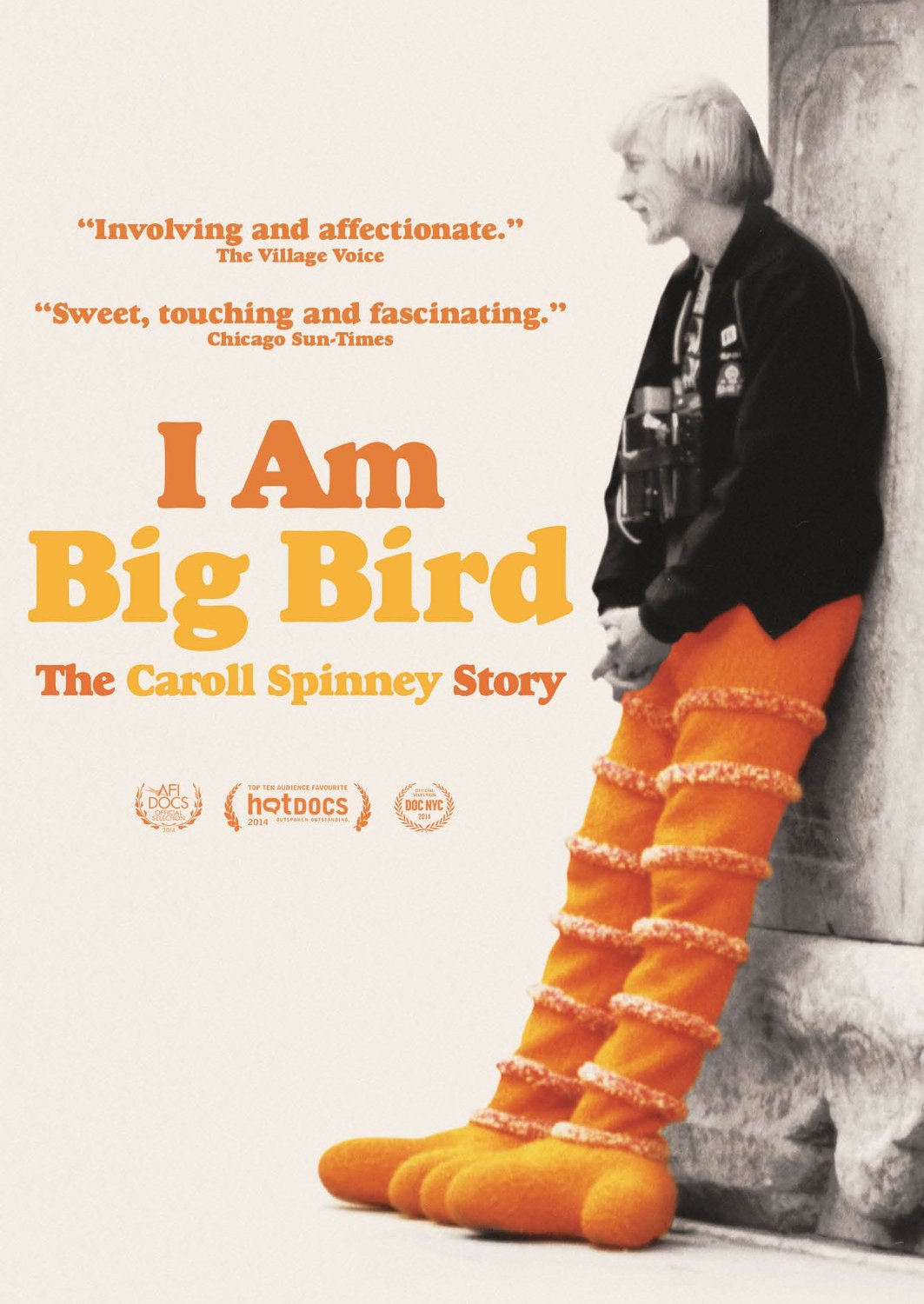
“Everybody in the world knows who Big Bird is.”

This documentary exists because many fewer people know Caroll Spinney, the man who has inhabited the iconic Sesame Street character for 46 years and counting. (Spinney is also the man behind my personal favorite Sesame Street character, Oscar the Grouch, but working that into the movie’s title would’ve made it truly unwieldy.) The film takes us behind the feathers and works best as a loving tribute to a man who has entertained millions of children across the globe.

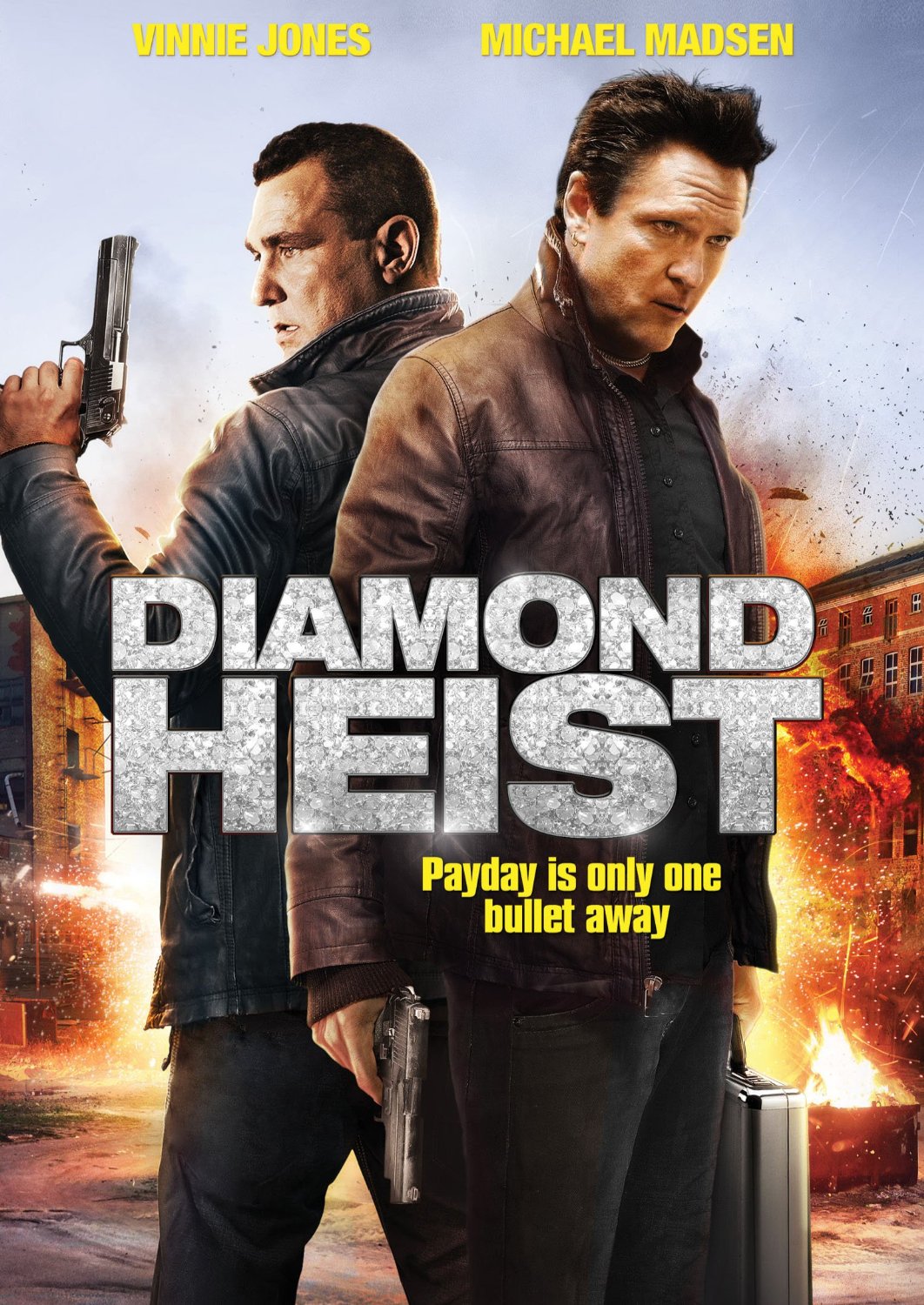
There's a mile-long list of Hollywood movies that have been re-titled in foreign countries to hilarious effect. I've personally had much less experience with foreign productions being re-branded for American audiences, but Diamond Heist seems like one of the more egregious examples you're likely to find. The DVD cover has professional tough guys/straight-to-DVD MVPs Michael Madsen and Vinnie Jones brandishing weapons while accompanied by a vague explosion and the wonderfully generic tagline, “Payday is only a bullet away.” In other words, there's nothing here that suggests this Hungarian import is actually an action/comedy about male strippers.

To be fair, when you read back the key parts of that last sentence — “Hungarian action/comedy about male strippers” — it's not hard to see why there was some re-tooling in order to maximize the film's prospects in the U.S. Diamond Heist was originally titled Magic Boys, even though the Chippendale's-style action is less Magic Mike titillating and more Full Monty slapstick.

"You like that stuff, but it's kind of a tease."

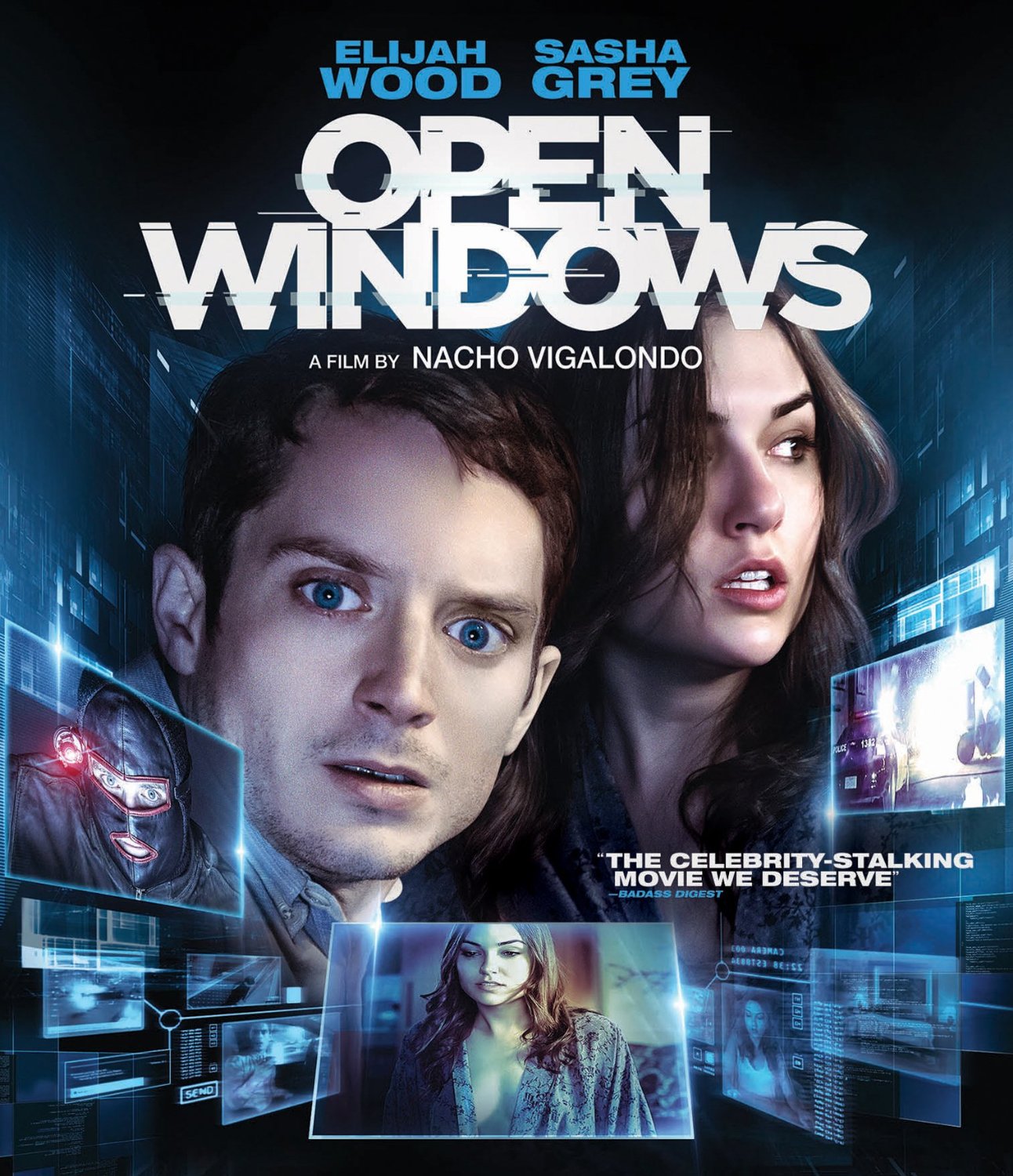
Give Elijah credit for taking some interesting chances with his acting choices since his long and successful run with the Lord Of The Rings trilogy and his subsequent cameos in the Hobbit films as well. No one can accuse the actor of resting on his laurels. His roles have been outside the mainstream. Most of his recent work involves the quirky series Wilfred, where he sees a man in a dog suit instead of his neighbors canine. Add to the list of offbeat roles that of Nick Chambers in Open Windows.

Hello, please allow me to observe you working.”

A sign bearing those words hangs inside Studio Ghibli, the Japanese animation factory responsible for films like Grave of the Fireflies and My Neighbor Totoro. It's one of many polite directives that adorn the airy workspace, but it also describes the mission of The Kingdom of Dreams and Madness. The movie gives fans an unprecedented look inside the world (and walls) of Studio Ghibli, and watching the creative process is alternately fascinating, frustrating, and exciting. However, the documentary also surprisingly turns out to be an elegy for a dying art form.


What if Elvis Presley had an identical twin brother no one ever knew about? (It would certainly help explain all those Elvis sightings years after the King's death.) That's the kooky conceit at the center of The Identical. Unfortunately, rather than embracing the absurdity of its premise, the movie is an amateurish, uninspiring combination of “by-the-numbers musical biopic” and “painfully-earnest family drama.”

In the Depression-era South, financially-strapped parents William and Helen Hemsley (Brian Geraghty, Amanda Crew) struggle to raise their twin babies. William seeks guidance from tent revival preacher Reece Wade (Ray Liotta), who has been unsuccessfully trying to have a child of his own with wife Louise (Ashley Judd). The Hemsleys decide to let the Wades adopt one of their children, who is given the name Ryan.

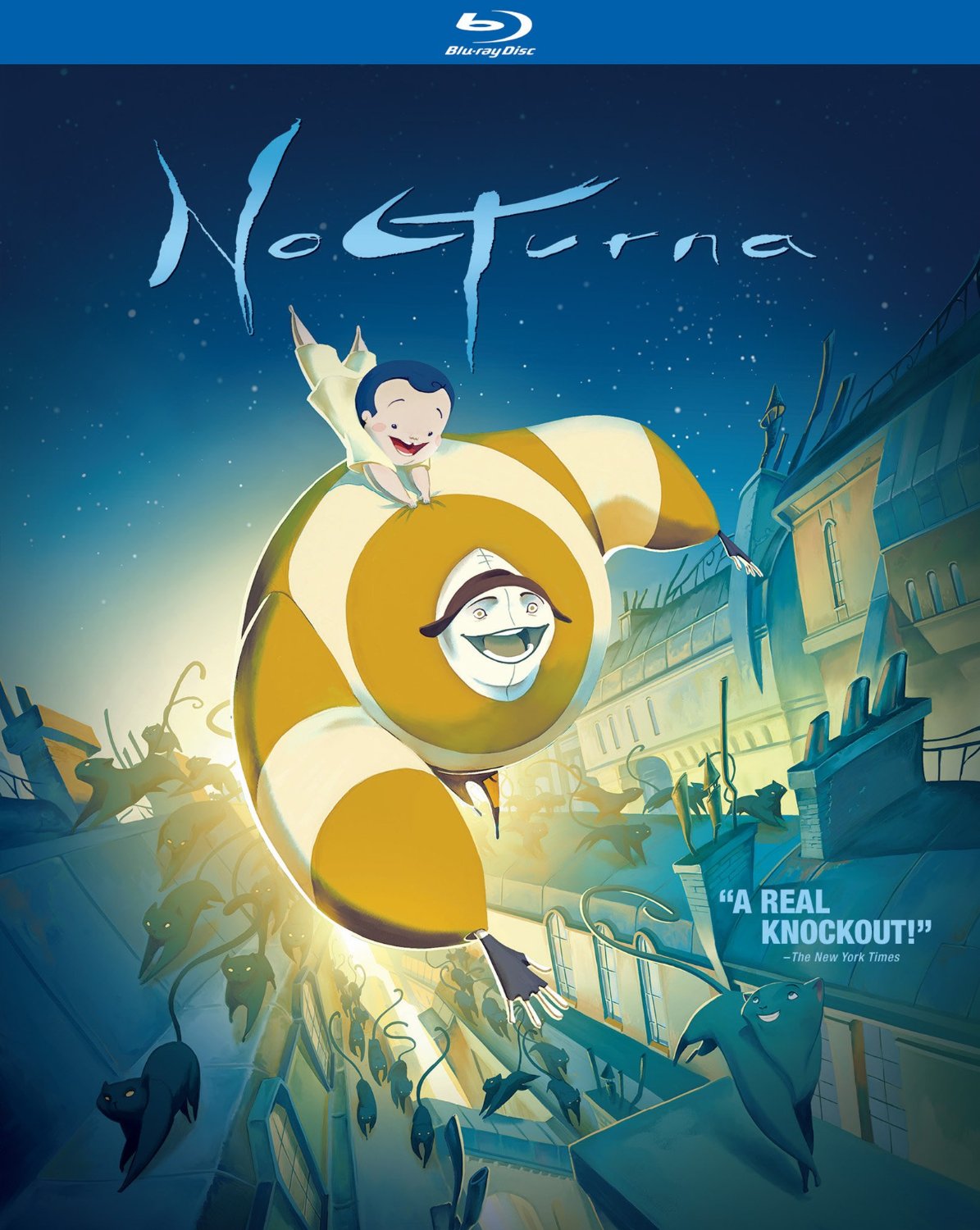
As adults we somewhat have a better understanding of how our dreams work and understand that those fears of the dark when we were children were somewhat silly in retrospect.  But when we were kids, the nighttime was a mysterious time that held so many possibilities, where the magic in the world around us was something that was very real for us all.  In the new Spanish language animated feature Nocturna, the first-time filmmakers (Adria Garcia & Victor Madonado) seem to have tapped into that childlike wonder and have crafted a film that I simply adore.

Tim (originally voiced by Helene Bizot) is a young orphan boy who like most young kids has a fear of the dark.  To help him with his fears, he has become fascinated by the stars above, and on the roof top of the orphanage he has mapped out many of the constellations, but his favorite of all the stars above is Adhara.  For Tim this is his last connection to his mother, who has told Tim that anytime he feels alone or frightened he basically will always have this star to count on.  Unfortunately, one evening Adhara seems to vanish from the sky.

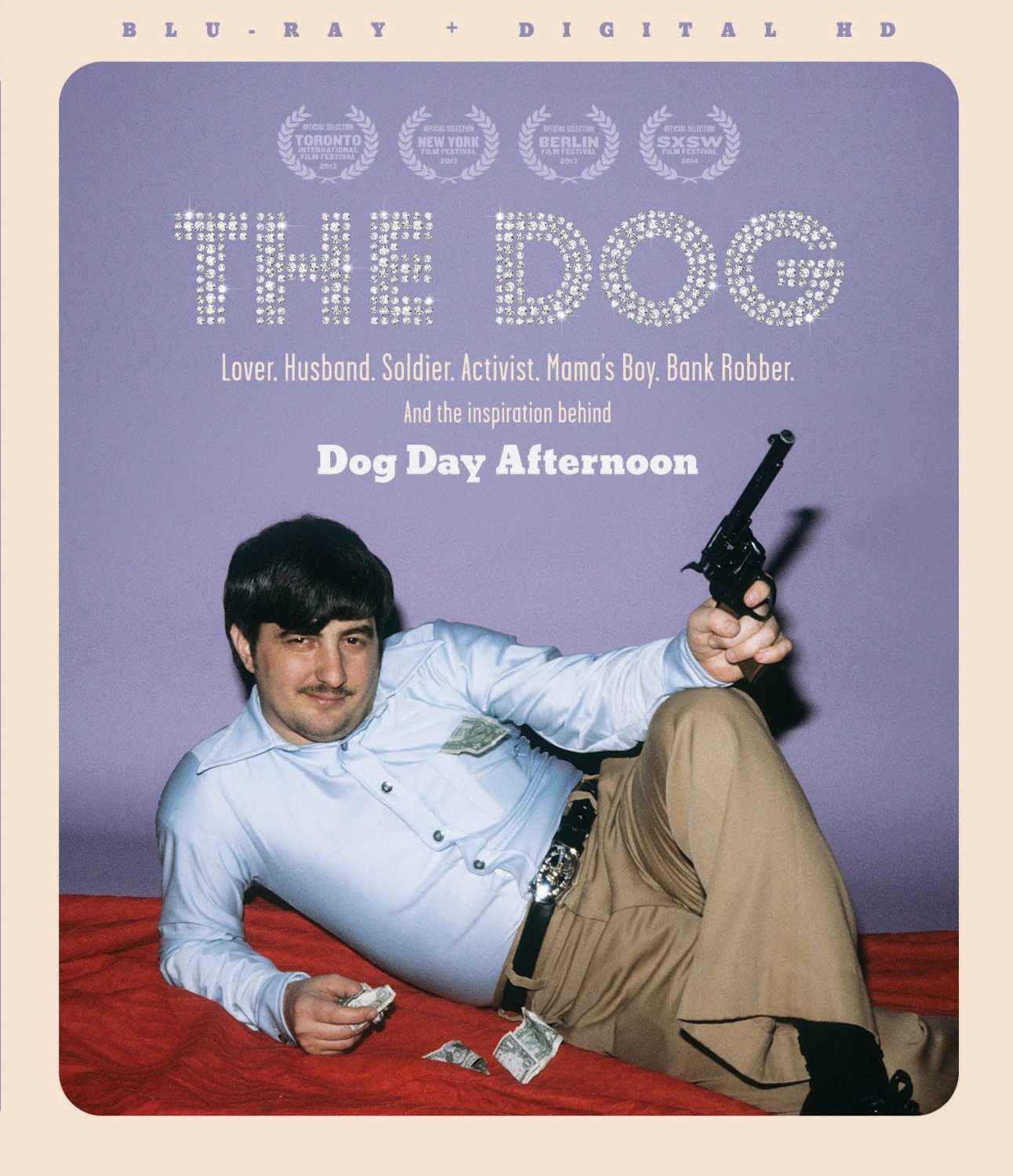
"If anybody gets up, they're dead. Anybody moves, they're dead. Anybody makes a sound before I leave this movie, ..."

You get the idea. These are the words of one John Wojtowicz, better known as The Dog. On August 22, 1972 he attempted to rob a Chase Manhattan bank in order to finance his male lover's sex change operation so that he could become a woman. The heist was about as amateur as the come and went horribly wrong from the start. In a matter of minutes the bank was surrounded by a swarm of police units and a growing mob of bystanders. In the hours that followed, The Dog interacted with the crowd, gave a radio interview, and managed to whip the crowd into a frenzy by throwing thousands of the bank's dollars out of the front door. If this all sounds familiar to you, it should. While you may not have heard of these exploits directly, you surely saw the movie Dog Day Afternoon. Al Pacino played John Wojtowicz, and now you know where he got the nickname The Dog.

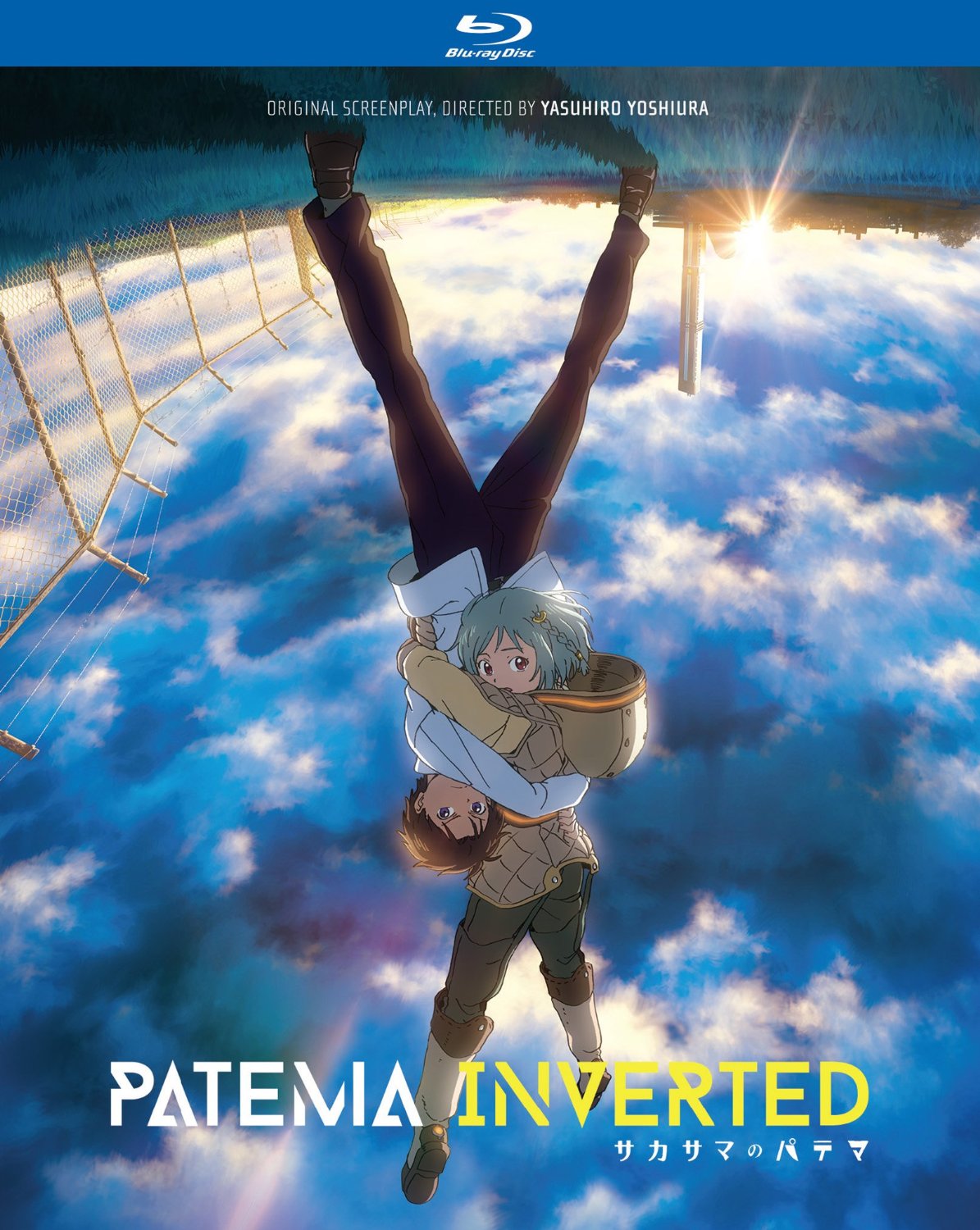
I’m not the biggest fan of Japanese animation. I don’t think it’s awful or anything, but animation is one of those things where I’m just picky about what I like.  Though I can say I am a big fan of Hayao Miyazaki (Spirited Away and Princess Mononoke) and most of his work.  I think this is worth mentioning, because though I may not be as well-versed in this genre, I’d like to feel I still go into it with an open mind, and I’m always excited to find a title that excites me that I never saw coming.  And that it precisely what Patema Inverted did.

Imagine if one day the laws of gravity were broken, and during this time friends and family all around seemed to be randomly sucked towards the sky, and you were helpless to do anything about it.  Those who would be lucky to survive and keep their feet planted firmly on ground would have to go on living in this world that had fundamentally changed overnight.  But what about those who have been floating up into the ether, what about these lost souls and their fate?  This is the fundamental springboard by which Patema Inverted takes us to a world where those who survive live in separate “realities” where some seek to live deep beneath the earth to survive, while others have created their own world in the sky that has evolved as well.