Fox

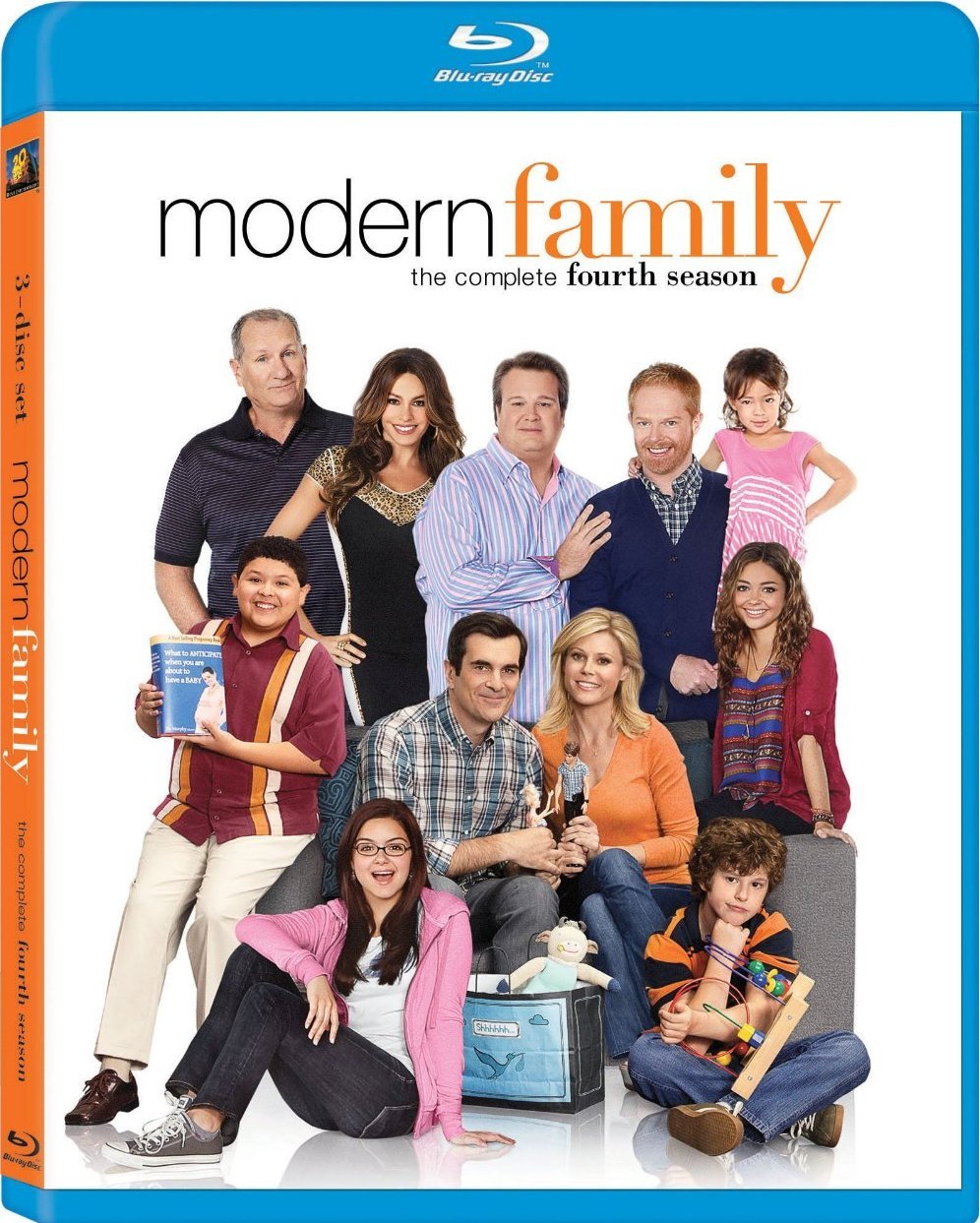
We all remember Ed O'Neill as Al Bundy from Married With Children. It's an iconic role that he'll never be able to shake no matter what he does for the rest of his life. After that series ended its 11-year run, he even attempted to get out of comedy and take more dramatic roles. I'm sure there was a deliberate intent to try to distance himself from Al. It's not that he likely didn't love playing the role. He just wanted to avoid getting forever typecast in the mold. Those efforts weren't all that successful. But now he's back where he belongs again in a pretty solid sit-com. He's not playing Al Bundy any more, although you won't have to look very hard to find some of Bundy in Jay from Modern Family.

I have become somewhat frustrated over the television comedy genre for a lot of years. It seems that they all take the same path no matter what the show's actual concept might be. It's usually the same jokes, just in a different environment. I don't have children, but I expect that it must be near impossible to sit down and watch a comedy with your family any more. If I were a stranger visiting this planet for the first time, I would quickly come to the conclusion that sex is about the only thing that's funny here. Thank God that once in a while something fresh comes along and swims against the current tide of innuendo and toilet humor. Modern Family is the kind of show you can enjoy with the entire family. And guess what? It's pretty darn funny on top of it all.

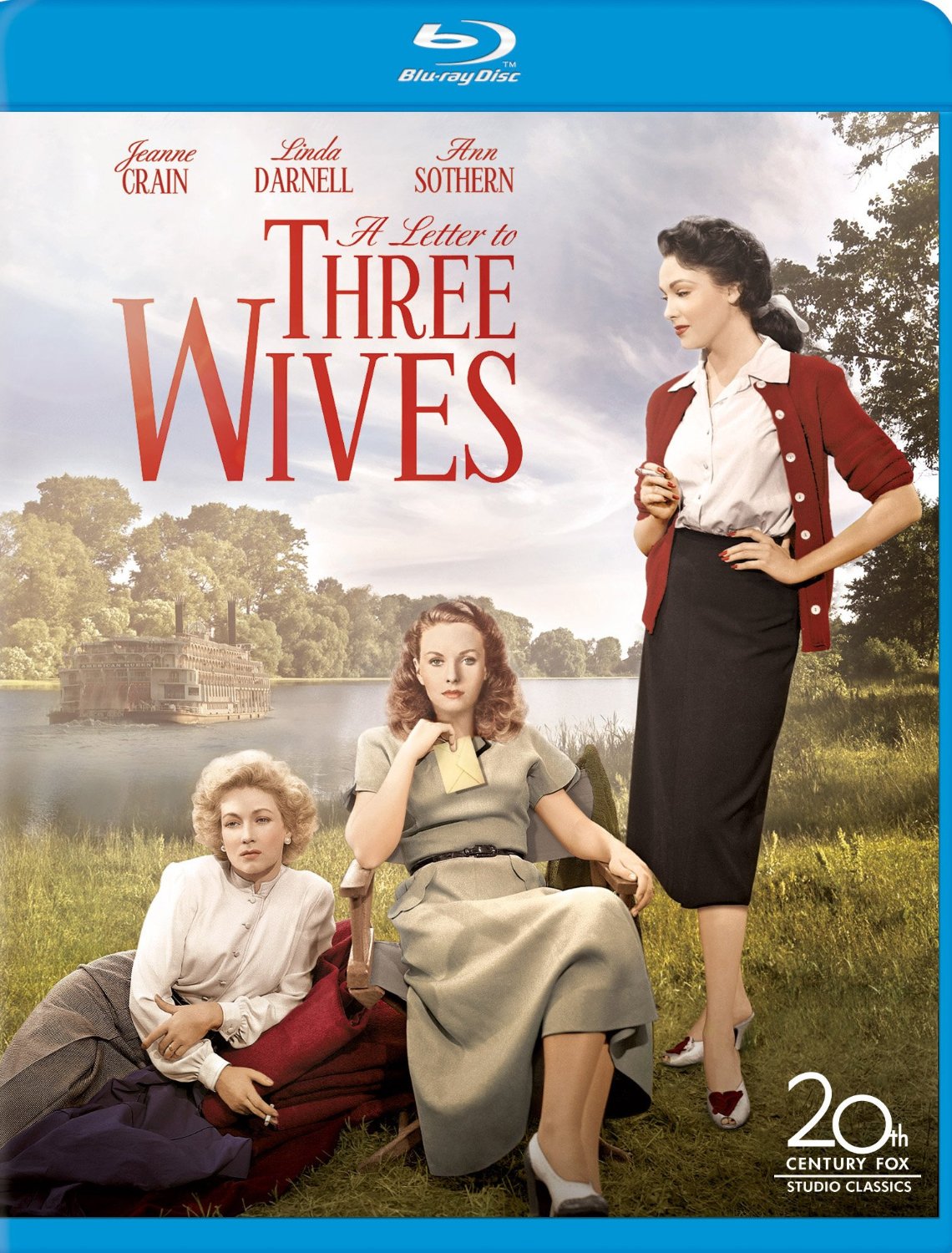
“To begin with, all the incidents and characters in this story might be fictitious, and any resemblance to you or me might be purely coincidental.”

Right off the bat, the unseen, all-knowing narrator of A Letter to Three Wives lets her audience know the characters in the film aren’t the only ones who are about to have their heads profoundly messed with. That sort of smart playfulness is one of the many reasons you should check out this terrific romantic dramedy from legendary writer/director Joseph L. Mankiewicz now that it’s on Blu-ray for the first time.

"Something happens at around 92 miles an hour -- thunder-headers drown out all sound, engine vibrations travels at a heart's rate, field of vision funnels into the immediate, and suddenly you're not on the road, you're in it. A part of it. Traffic, scenery, cops - just cardboard cutouts blowing over as you past. Sometimes I forget the rush of that. That's why I love these long runs. All your problems, all the noise, gone. Nothing else to worry about except what's right in front of you. Maybe that's the lesson for me today, to hold on to these simple moments." 

There's nothing simple about Sons Of Anarchy. But there are some moments that will cause you to hold on... for dear life.


Any story about a hidden world that exists just outside the view of human eyes is bound to fire up your imagination. It helps explain why the Toy Story movies and Monsters Inc. are some of the most beloved family films of the last 20 years. Epic — the latest offering from Blue Sky Studios — seeks to capture some of the inventive magic of those Pixar films, but too much of the movie winds up playing out like a generic hero’s journey. Thankfully, there are still plenty of things to like in this animated hit, which suggests there’s a big world of little people out there.

“Many leaves, one tree. We’re all individuals, but we’re still connected.”

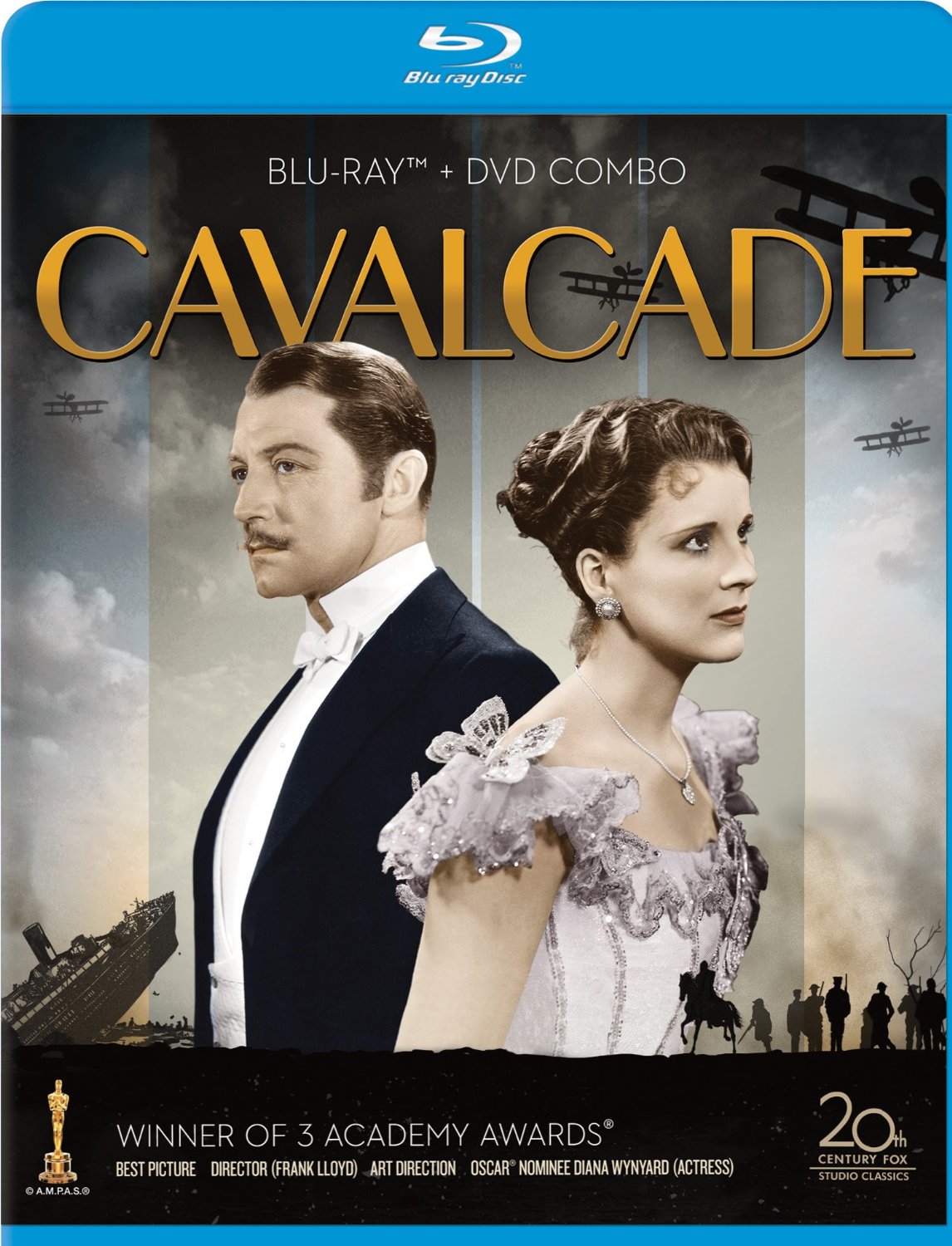
All Best Picture winners are not created equal. Some of them achieve cinematic immortality, while others are viewed as outright travesties. Then there’s the group of Oscar winners who have arguably suffered a fate worse than the derision and mockery of movie fanatics: the forgotten Best Picture winners. Cavalcade — described in this Blu-ray’s commentary as “not a particularly well-remembered Academy Award winner” — certainly falls in that category.

“This is the story of a home and a family; history seen through the eyes of a wife and mother whose love tempers both fortune and disaster.”

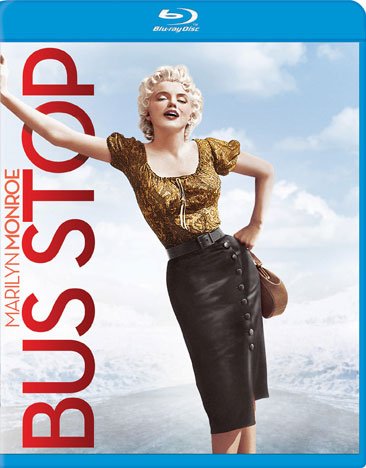
For most modern moviegoers, Marilyn Monroe is probably more “famous for being famous” than she is for her cinematic body of work. (Of course, she’s also infinitely better known for an entirely different “body of work.”) That’s not totally fair because Monroe has at least one bona fide classic (Some Like It Hot) and a handful of indisputably indelible images among her movie credits. Those of you interested in exploring her filmography are in luck: Fox has just released two titles from her mid-1950s superstar peak on Blu-ray, including her turn as an ambitious showgirl in Bus Stop.

The film quickly introduces us to Beauregard “Bo” Decker (Don Murray), a naïve and socially tone deaf cowboy. For the first time in his life, Bo is venturing out of the Montana ranch where he was raised to compete in a rodeo in Phoenix. Bo’s friend and father figure Virgil (Arthur O’Connell) tries to encourage the 21-year-old man-child to find a nice girl to settle down with, but Bo is only interested in finding his one perfect “angel.”

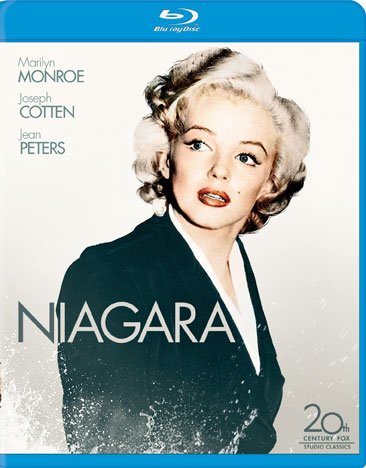
For most modern moviegoers, Marilyn Monroe is probably more “famous for being famous” than she is for her cinematic body of work. (Of course, she’s also infinitely better known for an entirely different “body of work.”) That’s not totally fair because Monroe has at least one bona fide classic (Some Like It Hot) and a handful of indisputably indelible images among her movie credits. Those of you interested in exploring her filmography are in luck: Fox has just released two titles from her mid-1950s superstar peak on Blu-ray, including her femme fatale turn in Niagara.

Monroe stars as Rose Loomis, who is visiting Niagara Falls with her older, jealous, volatile husband George (Joseph Cotten). When the film opens, Rose and George are staying in a cabin reserved by Polly and Ray Cutler (Jean Peters and Casey Adams), but the Cutlers agree to take another room and give the seemingly troubled couple some space. Turns out George has good reason to be jealous: during a tour of the Falls, Polly spots Rose making out with another man. Eventually, we learn Rose and her lover plan to kill George and run away together.

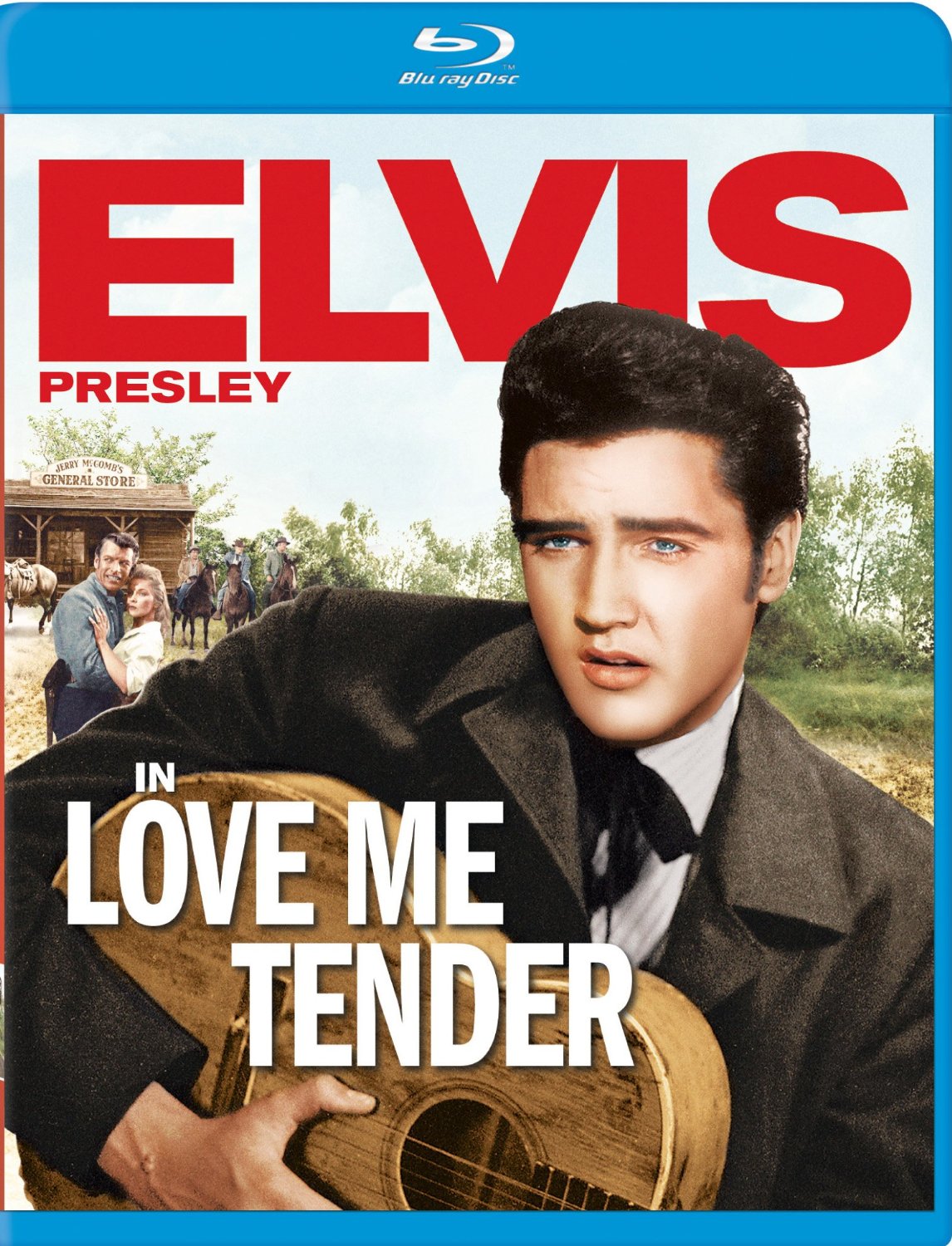
Elvis Presley was easily one of the most impactful pop culture icons of the 20th century during his life, and that status has barely waned in the decades after his death. (Or “alleged death”, given the number of Elvis sightings each year.) Presley obviously made his most lasting mark in the world of rock and roll music (and fashion), but he also had a surprisingly fruitful film career. Though none of his movies turned out to be cinematic masterpieces and no one was confusing him with Marlon Brando, The King brought his charismatic presence to more than 30 movies between 1956 and 1969. He was 21 when he made his film debut in Love Me Tender.

Fox has just released the 1956 Western/Civil War drama on a nifty-looking Blu-ray. (More on that in the Video section.) The first thing that struck me about the black & white film is that Presley — arguably the most famous person in the country at the time — is not really the star.

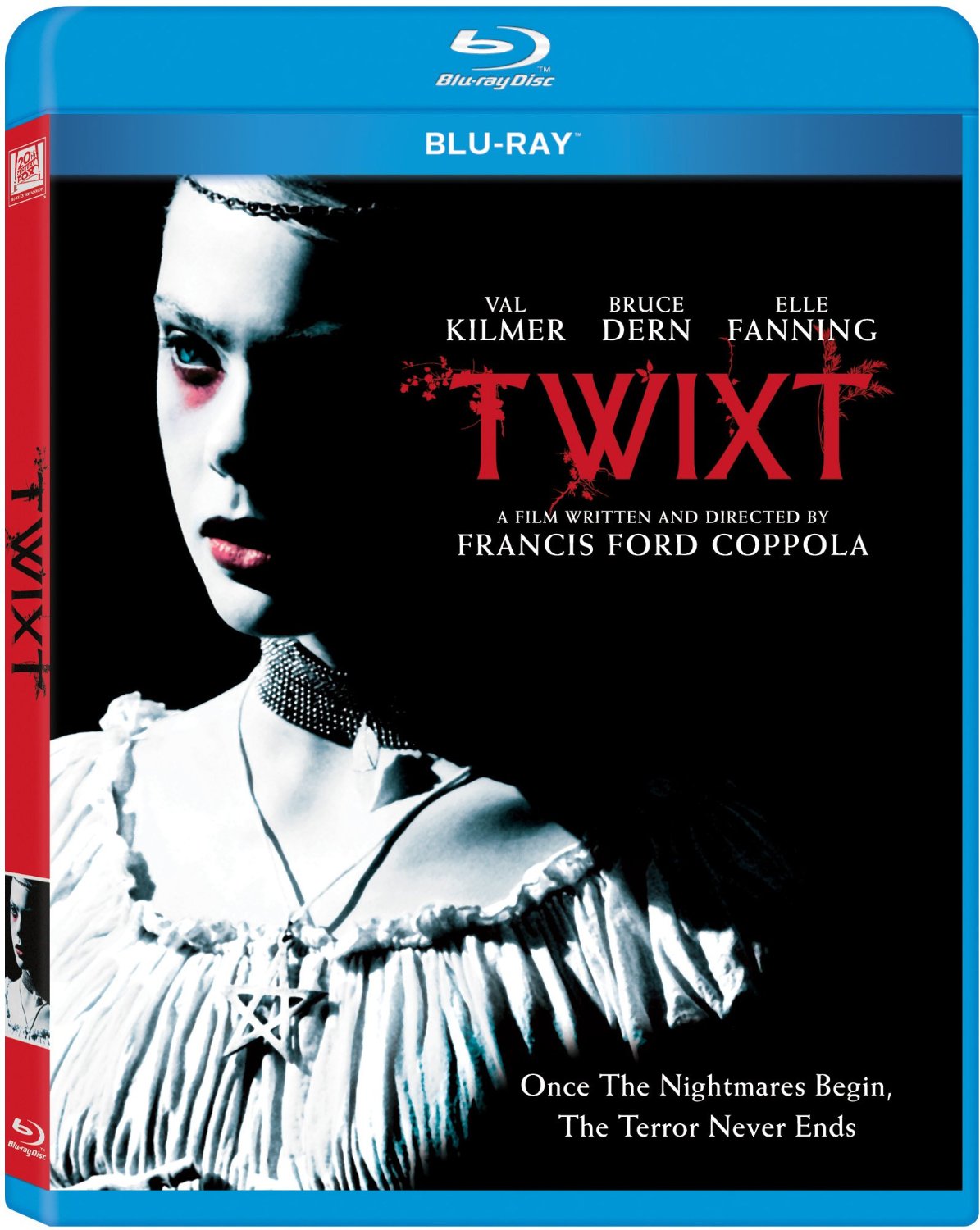
The 1970s famously produced many of the most daring, diverse and groundbreaking classics in movie history. All-time greats like Scorsese, Spielberg, Polanski, Altman and Lucas either broke out or did some of their most exciting work during the decade. But, even among these titans, Francis Ford Coppola separated himself from the pack. Four films — The Godfather, The Conversation, The Godfather Part II, Apocalypse Now — four undisputed classics. Batting 1.000 during the greatest moviemaking decade of all time earns you a ton of slack. In Coppola’s case, it has gotten him enough slack to make up for the fact that nothing he’s done in subsequent years can touch his ‘70s output.

That’s not to say there isn’t plenty to enjoy in the rest of his filmography. The Outsiders helped launch the careers of more than a handful of Hollywood heartthrobs. His gothic, lush take on Dracula is impulsively watchable, although the scariest thing in the movie remains Keanu Reeves’ English accent. Even his warm adaptation of John Grisham’s The Rainmaker managed to rise above the crowded pack of ‘90s legal dramas. After The Rainmaker, Coppola didn’t direct another movie for 10 years.

Cruel blood sport or culturally-significant art form? That’s been the centuries-long debate surrounding the practice of bullfighting. Personally, almost everything I know about bullfighting comes from Ernest Hemingway stories and Looney Tunes. So Blood and Sand — a grand, cynical bullfighting drama/Technicolor spectacle from 1941 making its Blu-ray debut — was an eye-opening experience in more ways than one.

Blood and Sand is the story of Juan Gallardo (Tyrone Power), who we first meet as a bullfighting-obsessed child (played by Rex Downing) in Seville. Juan’s father was a legend in the sport — and the kid will eagerly break a bottle over the head of any pompous critic (like the one played by Laird Cregar) who disagrees — and the brash boy is obsessed with following in his footsteps. (He routinely sneaks onto a ranch at night to work on his skills.) Eventually, he runs away from home with a group of friends and travels to Madrid in the hope of becoming Spain’s greatest bullfighter.