Fox

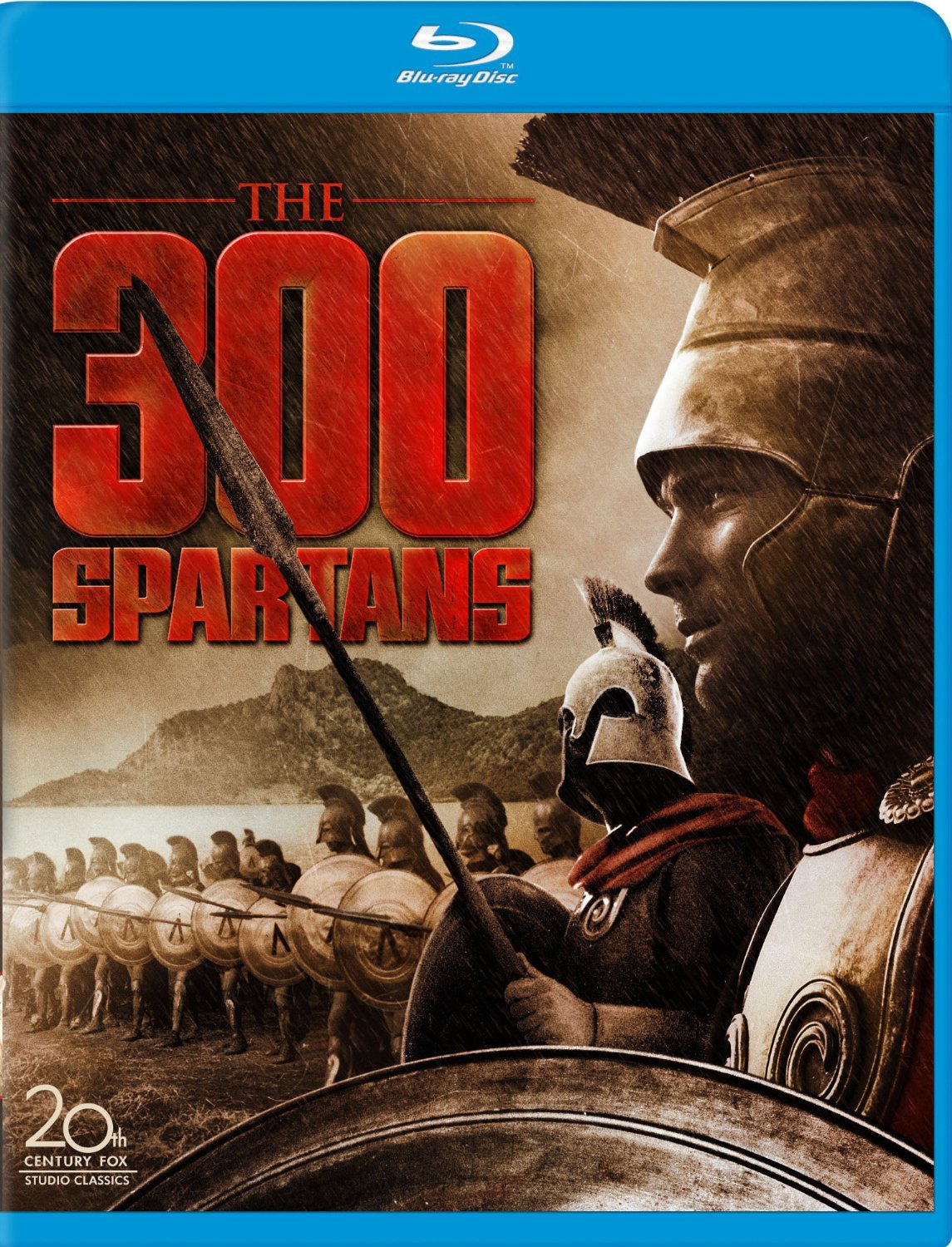
"Greece, that hard and timeless land, where even the stones speak of man's courage, of his endurance, of his glory. And none more eloquently than this lonely pillar in a desolate pass, some 200 miles north of modern Athens. Across the hush of 24 centuries, this is the story of a turning point in history, of a blazing day when 300 Greek warriors fought here to hold with their lives their freedom and ours."

From that introduction you might guess that this is a review of Zack Snyder's 300 or the newly minted follow-up 300: Rise Of An Empire. That guess would be wrong. While 300 might be based on Frank Miller & Lynn Varley's graphic novel, the inspiration for that comic was the 1962 film 300 Spartans, which was, of course based on the famous battle described in both films and the comic book.

Gone With The Wind is the most popular film of all time still to this day if you talk about adjusted dollars. The Birth of a Nation was the most popular film of all time for a considerable time prior to that. Both films could be said to have a benign view of slavery and white supremacy, although it would be easy to use much stronger language than that. In most circles, both films have been considerably discredited due to this myopic view. Both films almost completely ignore or disregard the incredible cruelty of using human beings as a commodity for commerce. Even that doesn't begin to address the evil. Slavery continues to subjugate and demean up to 30,000,000 people worldwide to this very day, but it was sanctioned by law in much of the United States until after the Civil War. The horror, indignity and monstrous unfairness of it all cannot be overstated. Those involved in the abolitionist movement prior to the Civil War were driven by a fanatical and fervent desire to expose the abominable hypocrisy that was prevalent. A small core of free men and women of all races risked their lives to fight the abomination.

12 Years a Slave was a book that was written as a true account of the blind evil of the time. It is now a movie by young director Steve McQueen (that's his real name; he is obviously not the dead actor). In Saratoga Springs, a young highly regarded musician has a beautiful family and home. His name is Solomon Northup, and he has a good life. He is intelligent, friendly and eager to make the most of his talents. He is persuaded to assist two entrepreneurs with a venture and travel to Washington, D.C. After much success and celebration he wakes up to find himself in chains, and so begins the 12 years. He is transported on a slave ship and changes hands among owners over those 12 years. He is, after all, property. He is now part of a “peculiar institution”.

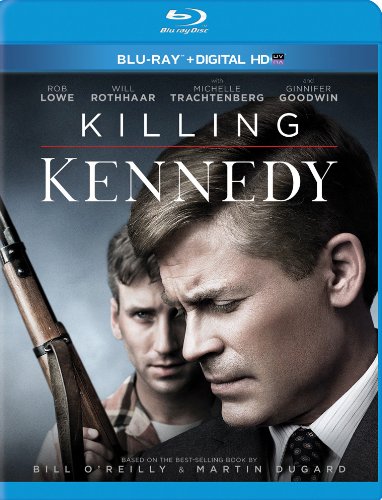
"His name is Oswald, Lee Harvey Oswald."

Before November 22, 1963, that name was an obscure one, known only to a few people in the intelligence community who had him under surveillance for his communist leanings. But by a little after noon on that date in Dallas, Lee Harvey Oswald was suddenly one of the most infamous names in American history. He would share the stage with the likes of John Wilkes Booth. This last November saw the 50th anniversary of the JFK assassination, and it passed with surprisingly less hype than I expected there would be. We weren't inundated with documentaries and History Channel specials on the many conspiracy theories surrounding the event. There were some, certainly, but the date passed in the more solemn manner appropriate to the event.

“The Sistine Chapel. The masterpiece of a sculptor who did not want to paint.”

Remember when Michael Jordan quit basketball, tried his hand at baseball, and then returned to the NBA less than two years later? Well, imagine if Jordan had actually made it to the majors with the Chicago White Sox and put up a .375/50 HR/50 SB mark on his way to winning the American League Rookie of the Year/MVP awards, along with a World Series ring. The artistic equivalent of that was Michelangelo — one of the most significant figures of the Italian Renaissance, but a sculptor by trade — painting the frescoes on the ceiling of the Sistine Chapel.

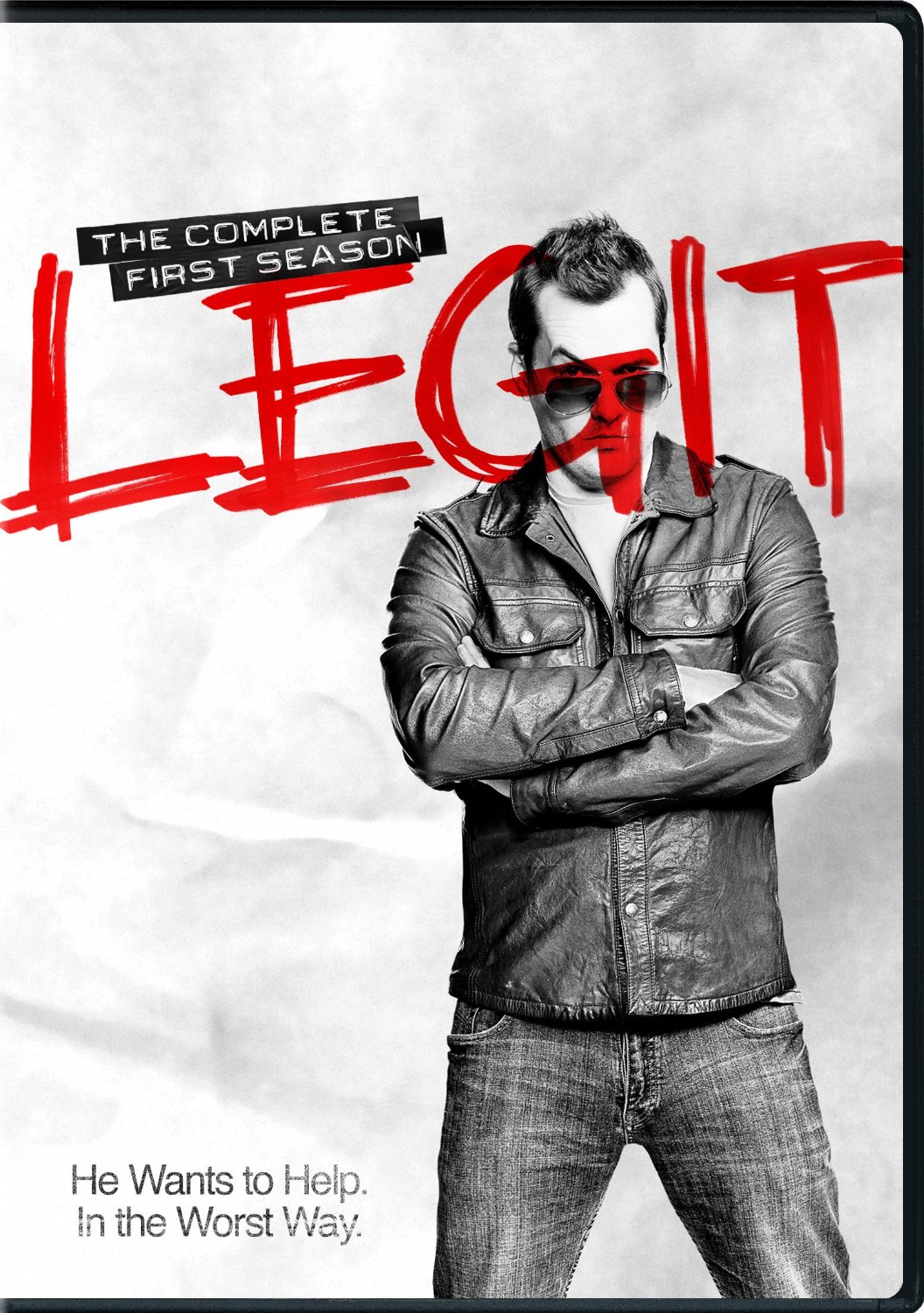
At first glance, Legit simply looks like an amalgamation of every successful (non-animated) comedy on FX. It’s got the bro-humor of The League along with the willingness to push the boundaries of good taste of It’s Always Sunny in Philadelphia, and it’s all centered around a comic playing a loosely-fictionalized version of himself (like Louie). So what does comedian Jim Jefferies bring to the table that’s new? I’d say it’s a refreshing amount of sloppy, unshowy heart. The show is nominally about the Aussie comic trying to make it big in Los Angeles, but it’s really about Jefferies and his inner circle becoming “legit” human beings.

“I just have a fondness for prostitutes and disabled people.”

“…Super secret spies living next door. They look like us. They speak better English than we do. I mean, come on. Someone’s been reading too many spy novels.”

And now someone has expertly taken the cloak-and-dagger intrigue of a great spy novel, transplanted it onto our television screens, and called it The Americans. While the show is very clearly set during the Reagan era, its complex, multi-layered portrayal of the human beings on both sides of the Cold War makes it feel thrillingly alive today.

Paula Patton has managed to stand out on the big screen alongside Hollywood heavyweights like Denzel Washington (Déjà Vu, 2 Guns) and Tom Cruise (Mission Impossible: Ghost Protocol), but she’s still probably best known for being married to Beetle-douche. That’s why I was hoping Baggage Claim, her first big solo starring vehicle, would be so much better than it turned out to be. It’s tempting to dismiss it as just another corny, clichéd romantic comedy, and forget about it until it pops up on TBS two years from now. But the film squanders too much appealing talent and insults the audiences intelligence too often to let it off the hook quite so easily.

"My relationships have never been cleared for takeoff."

You have to interfere in what is wrong to make it right.”

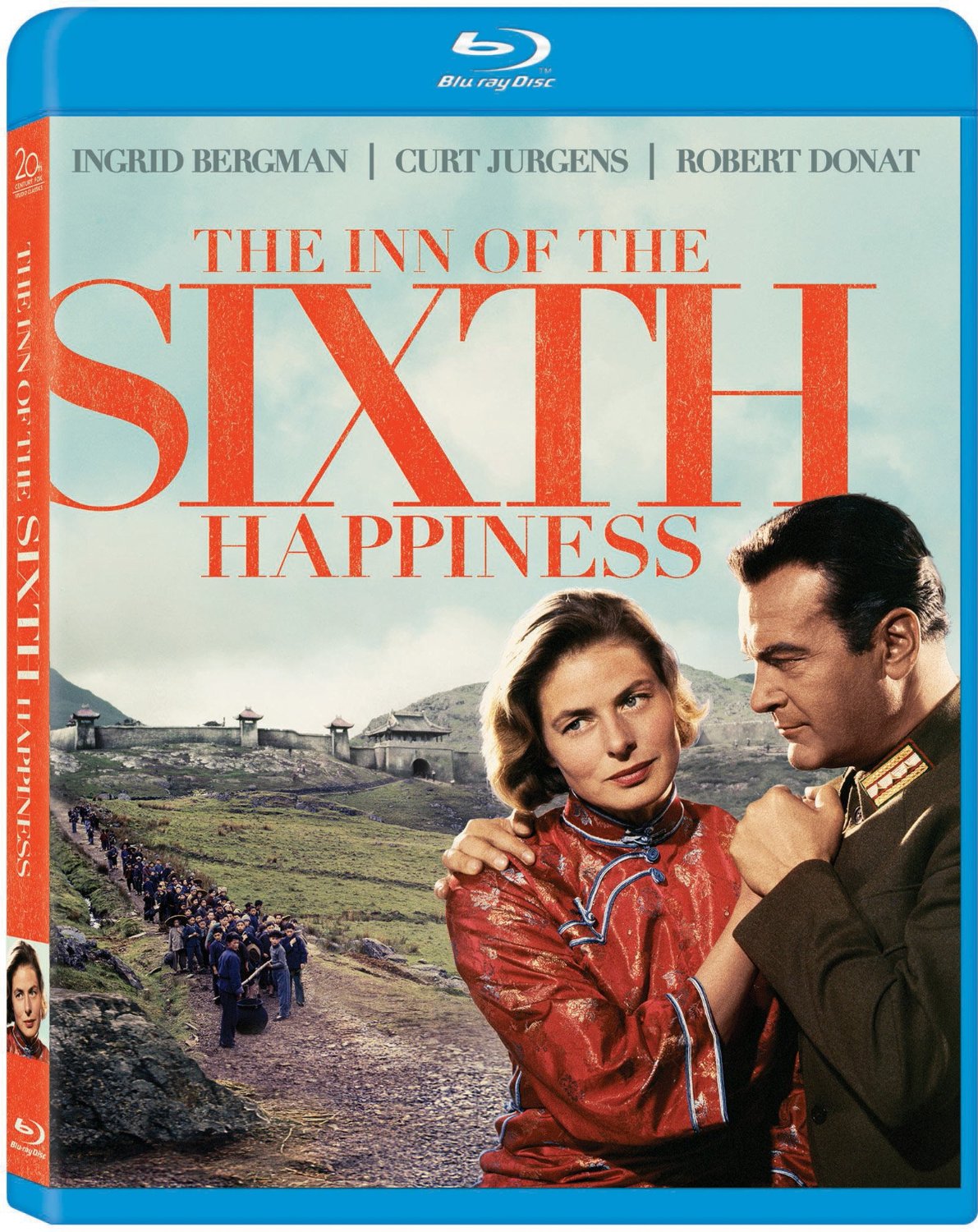
When a movie is described as a “timeless classic,” the implication is the film contains a level of artistic merit and cross-generational appeal that has made it relevant decades after its release, and will make it watchable decades from now. The flip side is the type of film that is very much of the time it was created. Despite what ought to be a universal message about caring for one another, The Inn of the Sixth Happiness — making a welcome debut on Blu-ray as part of the Fox Studio Classics series — belongs in the latter category.

“They’re gonna laugh at you. They’re all gonna laugh at you.”

The idea of remaking/reimagining/refurbishing a horror classic may have been laughable at one point, but now it’s just business as usual. Then again, I happen to think this is an especially good time to revisit 1976’s Carrie. With all the attention bullying has gotten in the media these last few years, the supernatural story of a high school outsider pushed to her violent breaking point seems particularly timely. I just wish the new movie had more going for it beyond decent timing and a pair of impressive leading ladies.

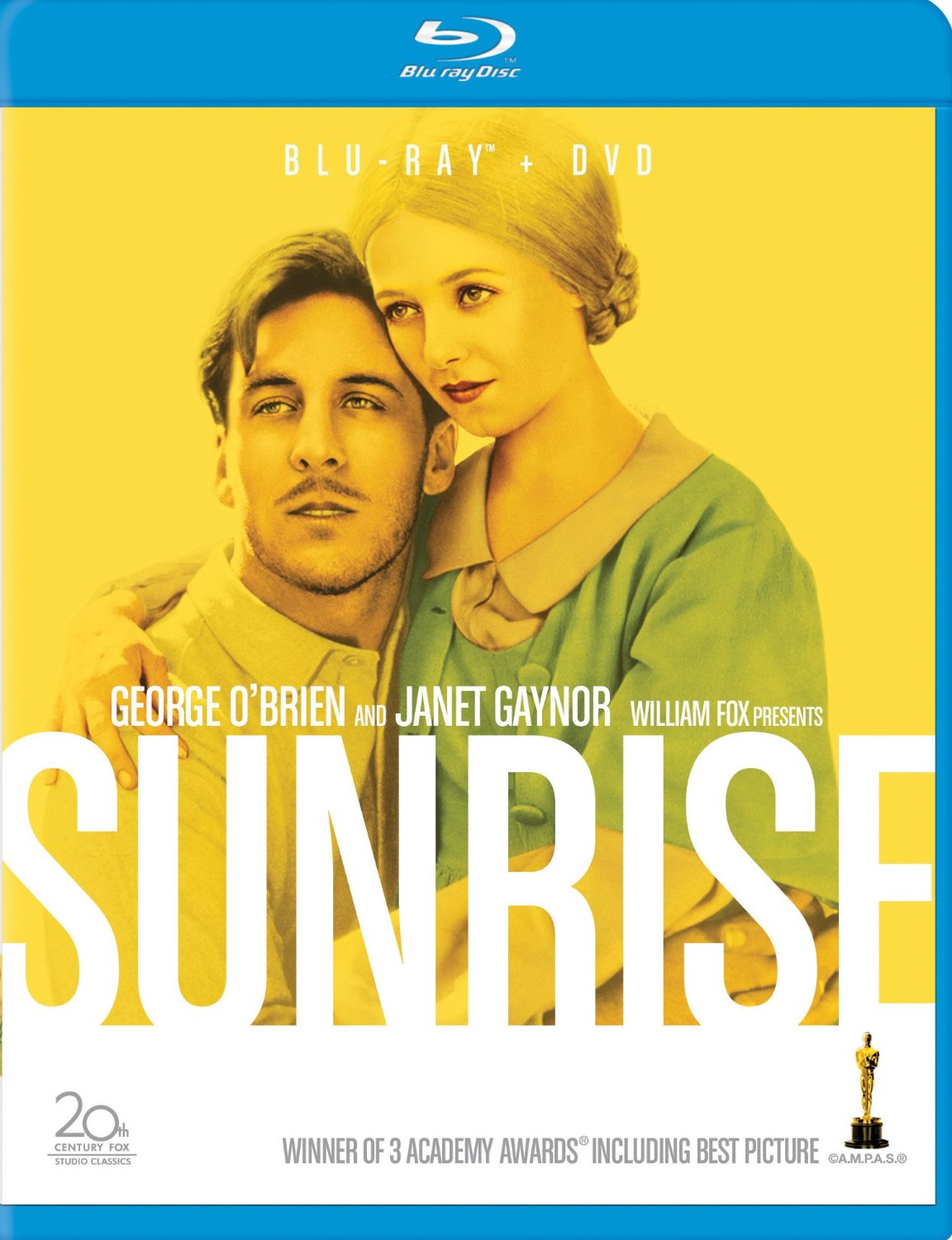
This song of the Man and his Wife is of no place; you might hear it anywhere at any time.”

The aching simplicity of the story in Sunrise is the reason the silent film remains thoroughly watchable almost 90 years after its release. It’s also why the movie will remain thoroughly watchable another 90 years from now. Then again, the reason F.W. Murnau’s 1927 effort goes beyond simply remaining watchable — and enters masterpiece territory — has less to do with what the story is and much more to do with how it’s told.