Fox

“This is a vile waste of taxpayer dollars.” 

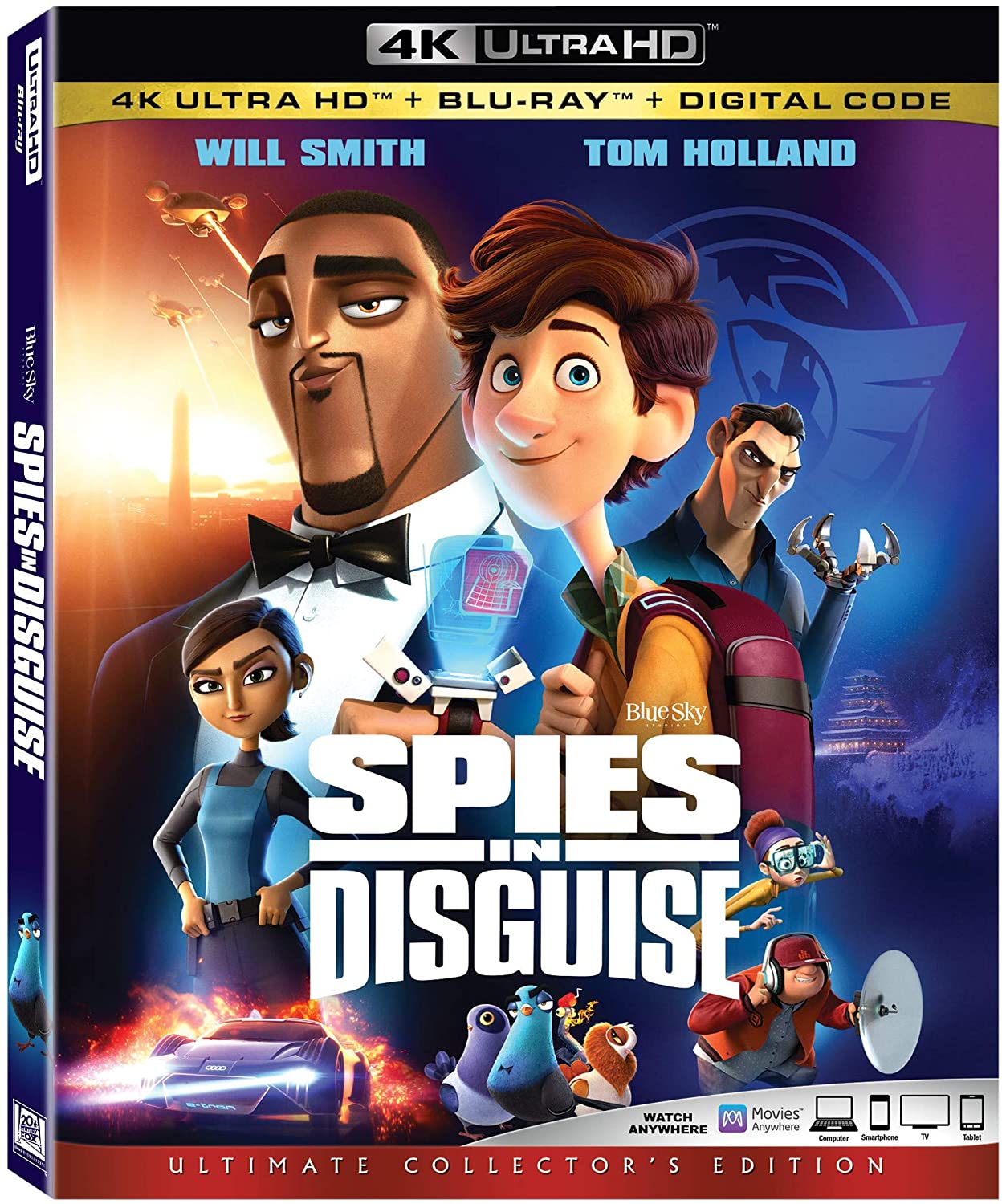
Will Smith and Tom Holland team up for an animated spy movie; talk about a draw for the crowd. This premise alone was enough to get me and my daughter drawn into the movie. Of course there is a bit more to it, as it also involves Will Smith’s character being accidentally turned into a pigeon. An interesting twist of fate, but honestly, I think it would have been great if it just stayed a straight spy film, without the pigeon addition. Not to say that the film wasn’t still a success with this addition, because as it is the film tackles a very critical subject matter: the use of violence. Who said that a feature film can’t impart an important life lesson, especially with a younger audience? Granted, I did have to spell it out a bit for my daughter, but she’s eight; what are you gonna do? In addition to Smith and Holland, who is making a name for himself in the world of voiceover animation, the cast is rounded out with familiar faces, or should I say voices, such as Ben Mendelsohn, Karen Gillan, Rashida Jones, Reba McEntire, and DJ Khaled.


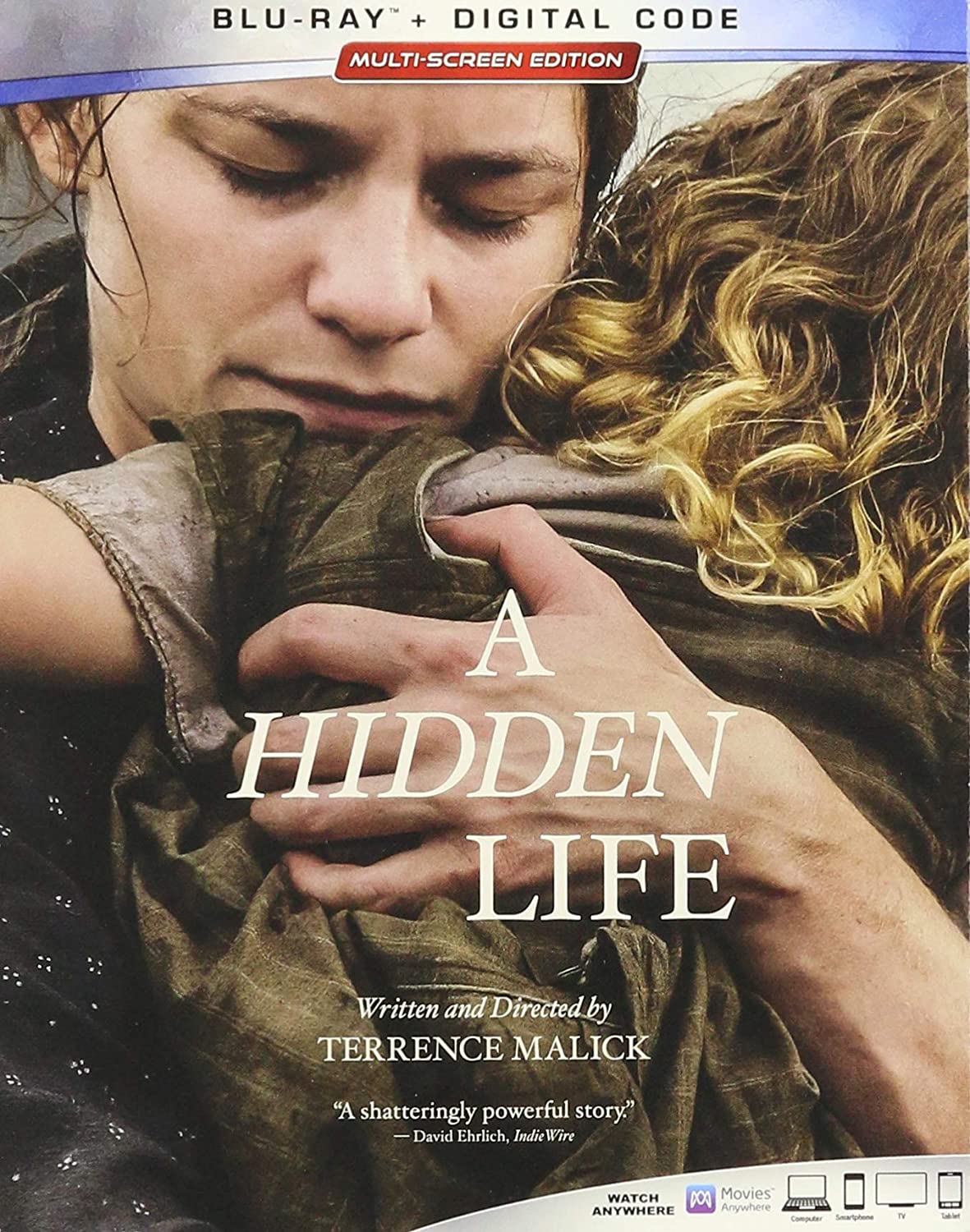
It’s hard to believe as a cinephile that Terrence Malick isn’t a more celebrated director.  Sure, he has his fans, but his films virtually never translate to box office success, which is a bit of a shame.  His past few films have managed to sneak into movie houses and disappear with little to no fanfare. Honestly, I was a bit surprised to realize how many films Malick has managed to release since the release of The Tree of Life. I understand how most will look at his films and say they are “pretentious” or even “boring”. To be fair, his films are not for everyone, but the one thing I think anyone can take away from his films is that they are each visually stunning.  Malick doesn’t simply make your typical tent pole adventure film. Instead they all have a tendency to be contemplative and have a more spiritual or philosophical message.  When it comes to A Hidden Life, he delivers just that, and while I’d consider labeling this one of his better films, its nearly-three-hour running time has this film feeling as though it’s overstayed its welcome.

A Hidden Life follows Franz Jagerstatter (August Diehl), an Austrian farmer who is called upon to fight with the Nazis in World War 2.  We get to go along with Franz as he goes into training to be a soldier, but quickly we see how he wants to be no part of it; he’d rather be back at home on his farm with his wife and three kids.  It doesn’t take long at all to get that Franz is a good guy who holds firmly to his beliefs, but is he willing to make the sacrifice of remaining true to himself and his nature by continuing to refuse to fight and not pledge loyalty to Hitler?  Franz understands the consequences of his actions, and the film follows Franz and his family as it stretches over four years till he is finally faced with the ultimate decision of life or death. The plot is so simple, but Malick isn’t trying to tell a compelling story but rather film the experience of making such a difficult decision.  We see the pain and turmoil that Franz and his family endures over the years, from Franz and his physical and emotional confrontations with Nazi officers at the prison, to the struggles Fani (Valerie Pachner) encounters at the farmhouse.

"Over the next two days you little critters will get to experience some of the things that the mighty German army goes through every day, and even though it would appear our country's on the back foot and there really isn't much hope in us winning this war, apparently we're doing just fine."

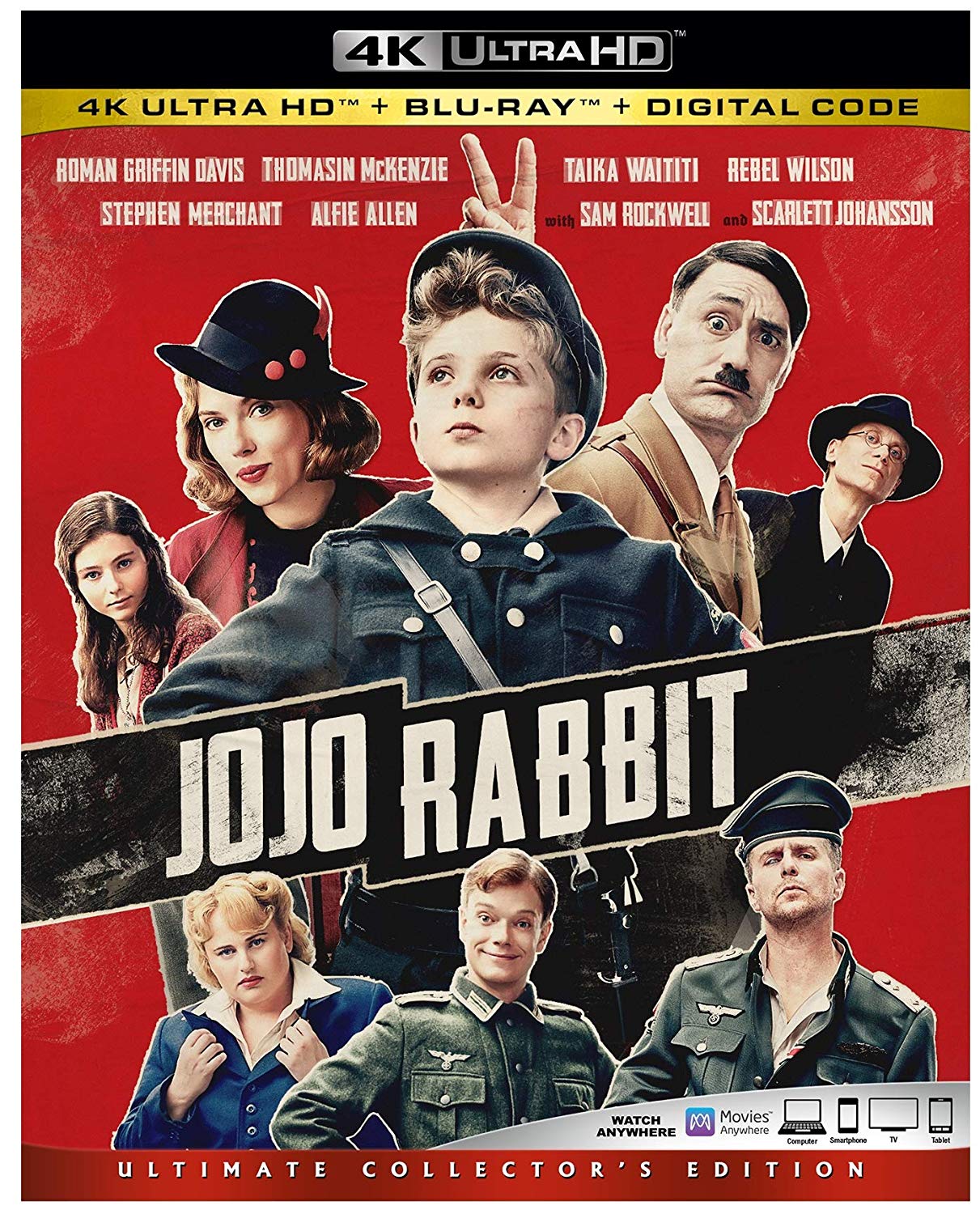
The book Caging Skies was written in 2000 by Christine Leunens. The book became more the inspiration for the film JoJo Rabbit rather than the source material, as they are very different animals indeed. The book is a rather sober look at the indoctrination of a young generation of boys and girls in Hitler's infamous Hitler's Youth organization. It was pretty much like the Boy Scouts of America, except, you know, for young Nazis. When director Taika Waititi got his hands on the material, it became somewhat a dark or black comedy with entire concepts added to the storytelling that were not a part of the original novel. Waititi is pretty much known as a comic director who has managed to intertwine his particular sense of comedy with other genre films with relative success. A prime example, of course, is his foray into the Marvel Cinematic Universe with Thor: Ragnarok, which became one of the oddest entry in that film franchise. Expect more when we get to see his work again with that old God of Thunder when the next Thor installment Thor: Love And Thunder is released soon.

by John Delia, Jr.

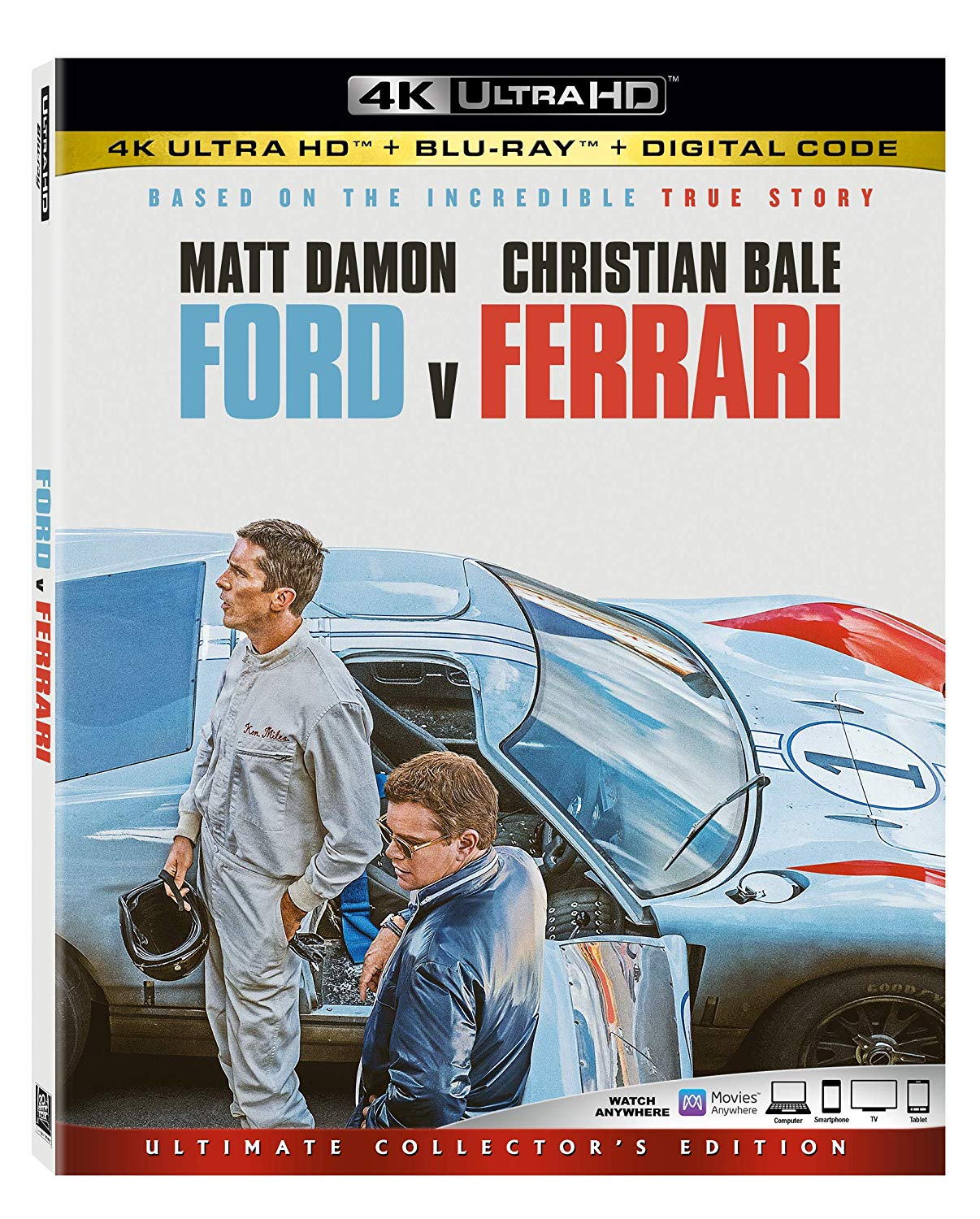
"There's a point at 7,000 RPM... where everything fades. The machine becomes weightless. Just disappears. And all that's left is a body moving through space and time. 7,000 RPM. That's where you meet it. You feel it coming. It creeps up on you, close in your ear. Asks you a question. The only question that matters. Who are you?"

"The near future. A time of both hope and conflict. Humanity looks to the stars for intelligent life and the promise of progress. To the stars..."

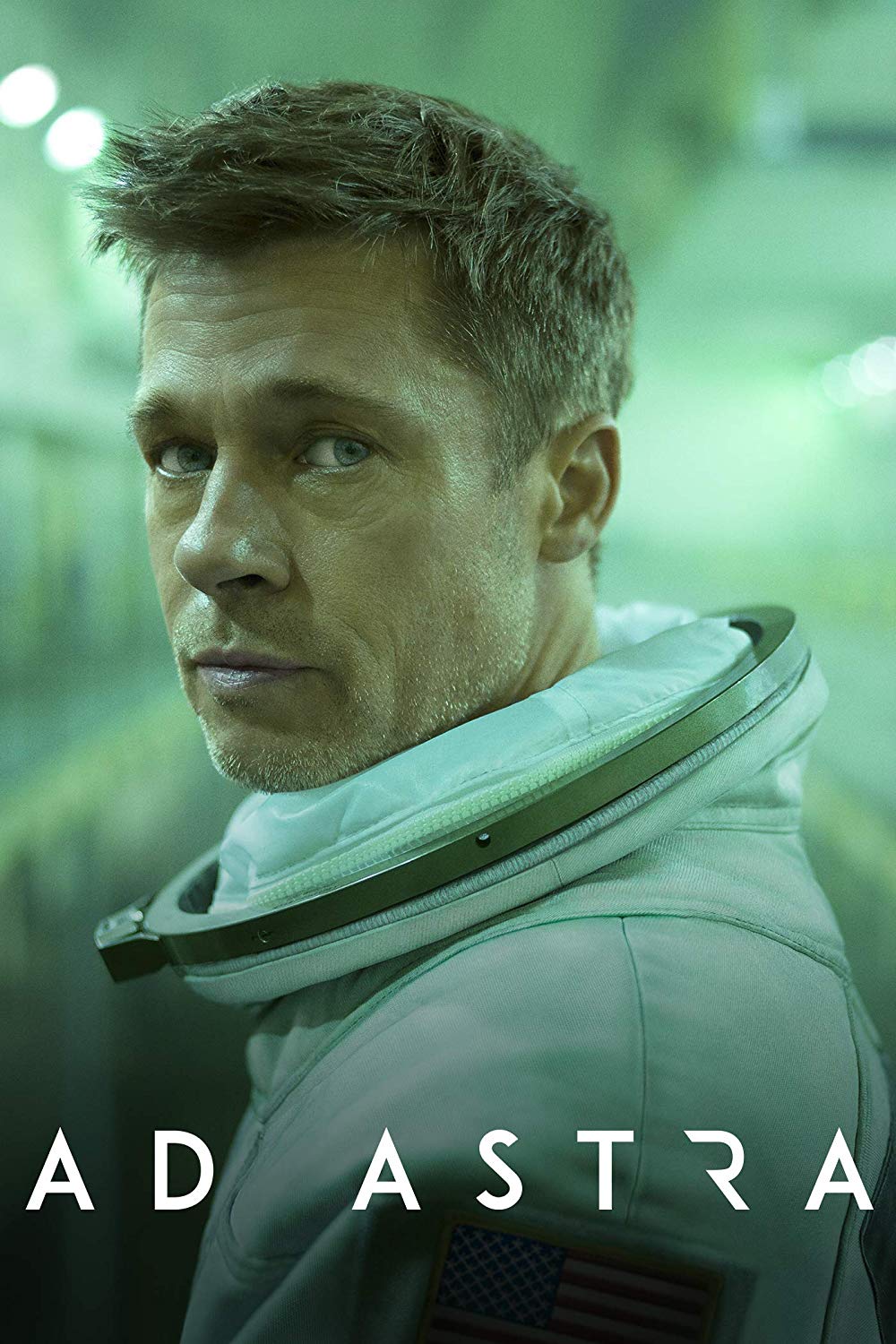
You know a movie’s bad when Brad Pitt isn’t enough to save it. However, where Ad Astra falls down is in execution of story rather than a failure on the part of Mr. Pitt. The premise was interesting: a son follows in the footsteps of his hero astronaut father to learn that his father, who was previously believed to be dead, may be responsible for catastrophic events plaguing the Earth. There is depth to the story, and the idea of human beings colonizing other planets was shown in a truly interesting and realistic manner, but instead of this being the forefront of the film, the story focuses primarily on a emotional journey that never pans out. The film also features a cast of superstars whose performances were little more than cameos. A waste of talent, if you ask me. I mean, why put together a cast that includes Tommy Lee Jones, Donald Sutherland, Liv Tyler, and Ruth Negga, just to have their contributions be the length of a commercial. Yes, I know that was an exaggeration, but it just seems wasteful.

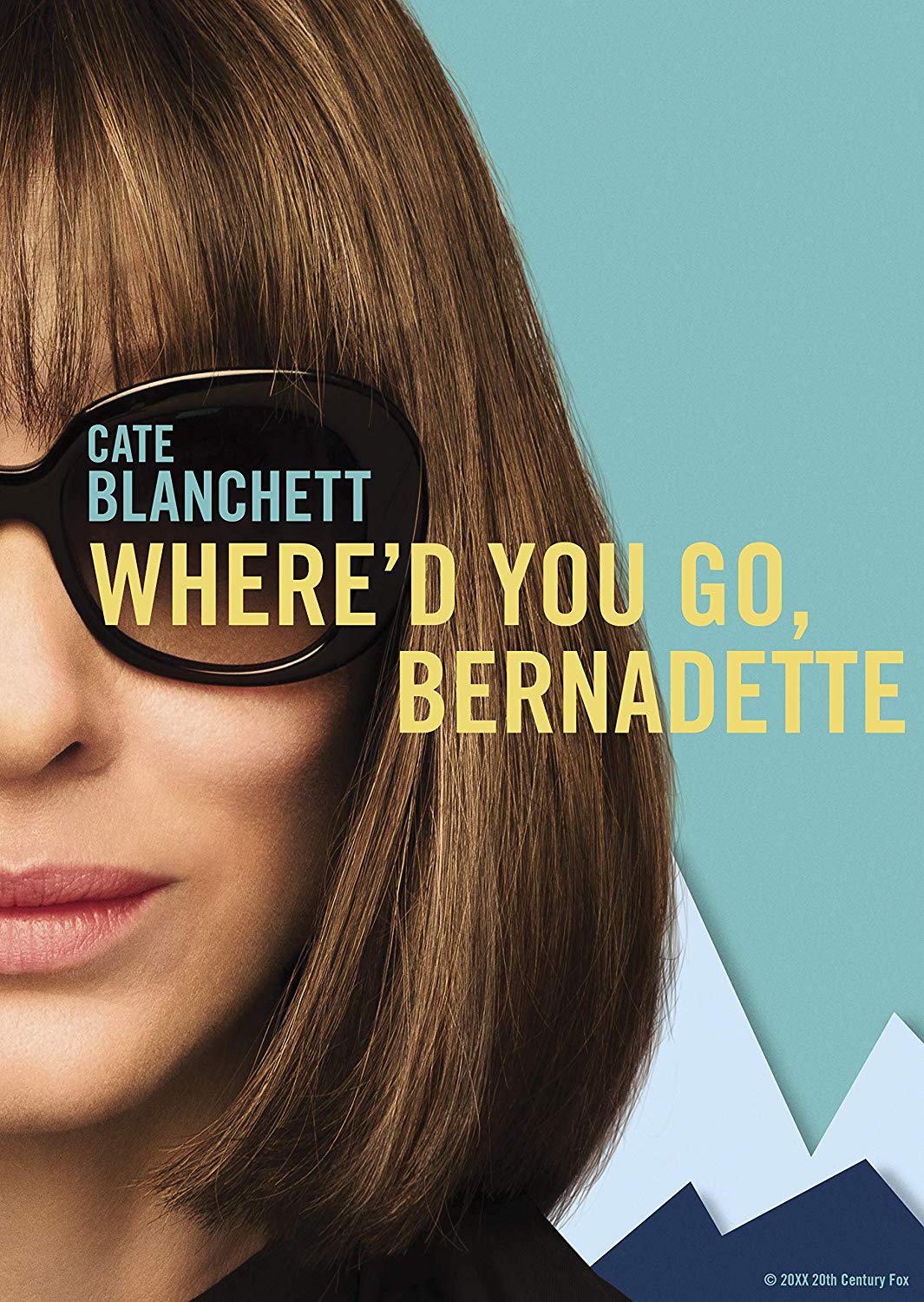
When a film comes along directed by Richard Linklater, I’m always going to have a little interest in what he’s up to.  He’s one of those directors I’ve followed from the 90’s that every few years he cranks out a film that I can’t help but enjoy.  Dazed and Confused, his Before Sunrise series, Boyhood, Everybody Wants Some!!, School of Rock, and several other of his films are proof enough that he has a solid filmography, but he’s never quite been  the guy to make a splash at the box office. Because of his track record, I’m a bit surprised to see his new film Where’d You Go, Bernadette managed to squeeze into the tail end of the summer when the trailers would have me thinking this could be an awards-caliber film.  Well, as it turns out, the film is a swing and a miss.  While I still enjoyed the film, it’s a bit frustrating, because this film seems like it’s so close to being something great, but it just manages to disappoint throughout.

Bernadette Fox (Cate Blanchett) is a bit of a mess, to put it lightly.  She’s more than a little difficult to get along with, she heavily self-medicates, drinks, and seems to hate most people with the exception of her family.  From the start it’s a bit difficult to decide if Bernadette is simply a quirky individual or if she is genuinely just an unlikeable person. The problem is the film doesn’t seem to know either, so with each awkward situation we see Bernadette get into, she just becomes a frustrating and tiresome character.  We see she doesn’t get along with her neighbors, and her relationship with her husband, brilliant computer animator Elgie Branch, played by Billy Crudup, is odd in its own way as well.  It’s hard to understand why they’d be on board for a last minute trip to Antarctica.

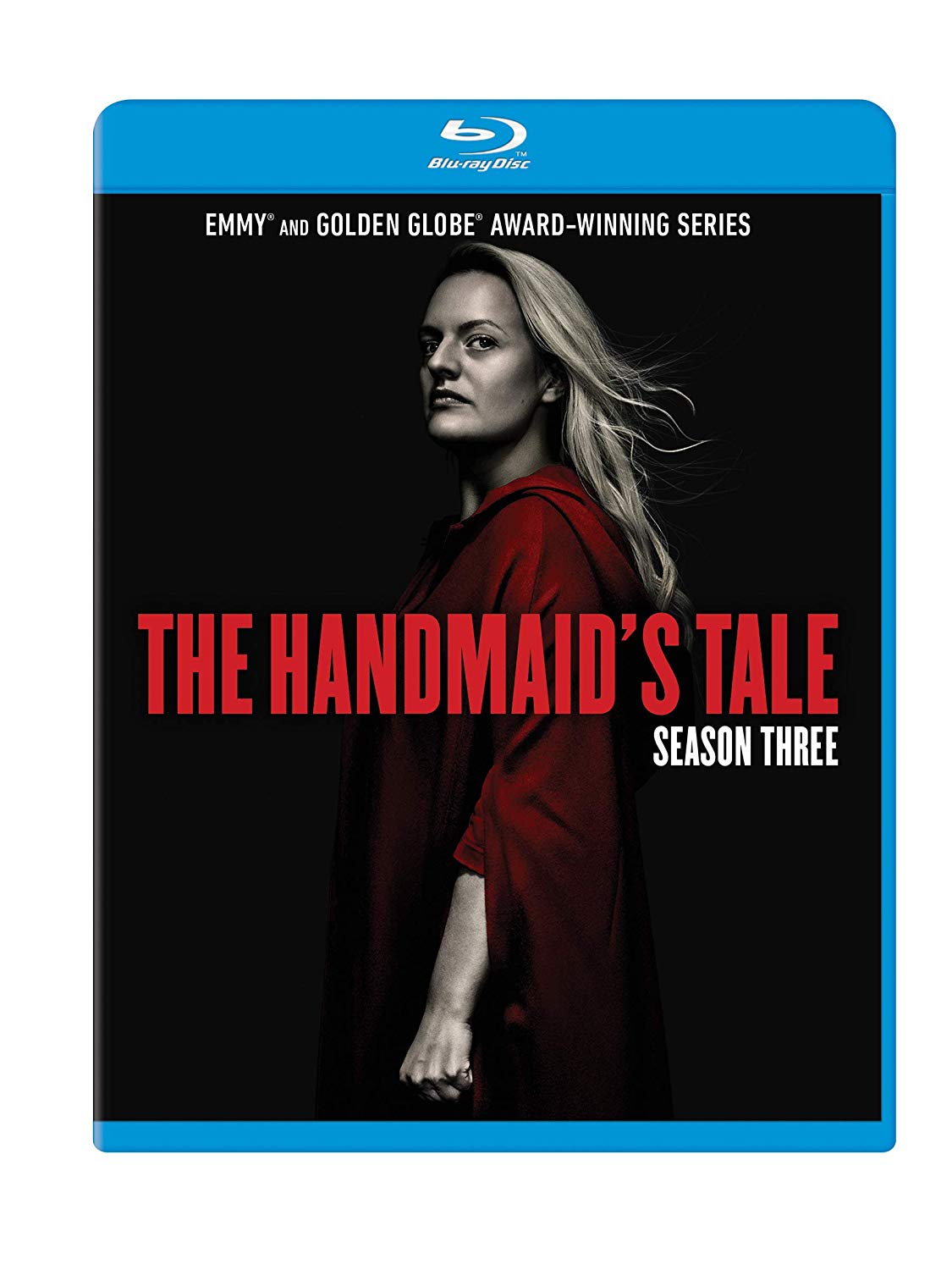
The most amazing thing about The Handmaid’s Tale — other than a powerhouse lead performance from the best actress working in television right now — is that this harrowing, suddenly timely cautionary tale about what happens when society falls asleep at the wheel is based on a story that was published more than 30 years ago. Of course, the show has a lot more going for it than impeccable timing. The Handmaid’s Tale is based on Canadian writer Margaret Atwood’s 1985 novel of the same name. Sometime in the not-so-distant future, the world is in chaos after environmental pollution and sexually transmitted diseases result in a catastrophic decline in human fertility rates. In the U.S., the result was Second Civil War, which led to the establishment of a totalitarian, Christian fundamentalist government known as Gilead. And while life isn’t exactly a picnic for anyone outside of Gilead’s elite ruling class, life is especially dire for women: they are not allowed to own property, work, handle money, or read. Much of this information is revealed in dribs and drabs over what is now three seasons.

The Handmaid’s Tale is created by Bruce Miller, a writer producer who worked on SyFy’s Eureka and The CW’s The 100. The former series offered a cracked-mirror, off-center version of reality, while the latter is a post-apocalyptic drama: both sensibilities proved extremely beneficial for Handmaid’s. A large share of the credit also goes to Reed Morano, who won a directing Emmy for her work on the pilot and established the show’s spellbinding visual tone by helming the first three episodes.

"He picked me out of a pile of pups, a tangled mass of paws and tails. He'd stopped at the farm on his way home from the speedway at Yakima. Even back then, I knew I was different than other dogs. My soul just felt more human."

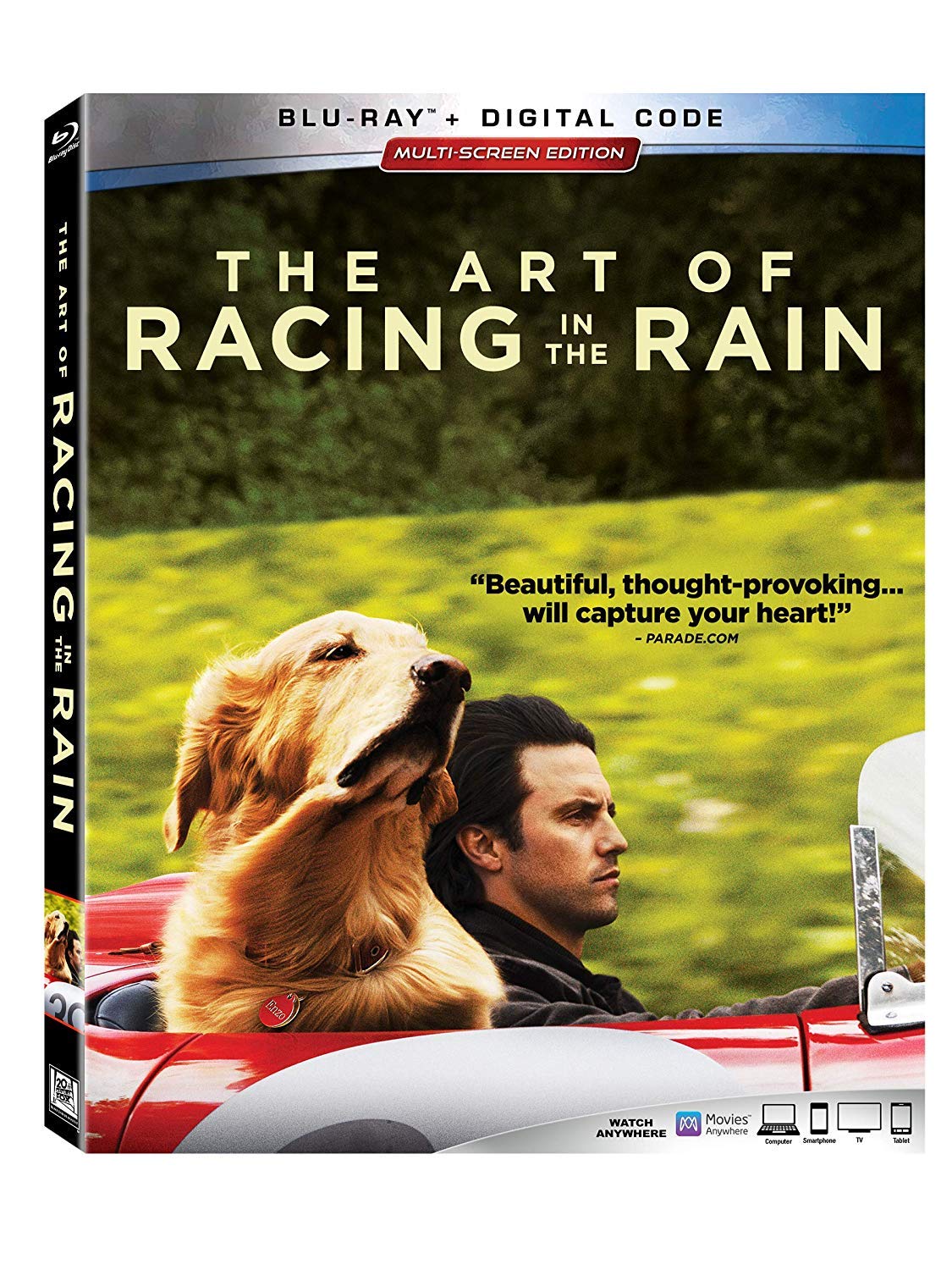
There was a time when this kind of film would have been reviewed by Baby, the German Shepherd/Chow who used to run security here at Upcomingdiscs as well as fill in for the occasional dog film review. Baby's gone, and we haven't yet trained Aurora the Siberian Husky who resides at Upcomingdiscs to pitch in on reviews. The problem is getting her to put her ball down long enough to pay enough attention, let alone write a review. But we're working on it. Until then these duties have fallen back to me, the occasional dog lover, which usually depends on what Aurora is up to at any particular moment. As Baby would have said: "Let's not talk about that right now." The task at hand is another talking dog film which followed quickly on the heels of A Dog's Purpose and its sequel A Dog's Journey along with the most recent A Dog's Way Home. It's a trend that has produced some emotional moments at the cinema for those of us who have spent a large part of their lives with our canine companions. This time out we have The Art Of Racing In The Rain, which is based on the novel by Garth Stein. If you're hoping to have that same kind of emotional ride that these other films brought, I think you'll be in for a little disappointment.

"Come and see. Come and see. The death of humanity upon a shore of corpses, broken heads, spilled guts, scorched flesh. Come and see the young tearing each other's throats out. Rivers of poison will flow through the halls. Oath breakers. Philanderers. Murders will wade through those rivers. Come and see. Come and see."

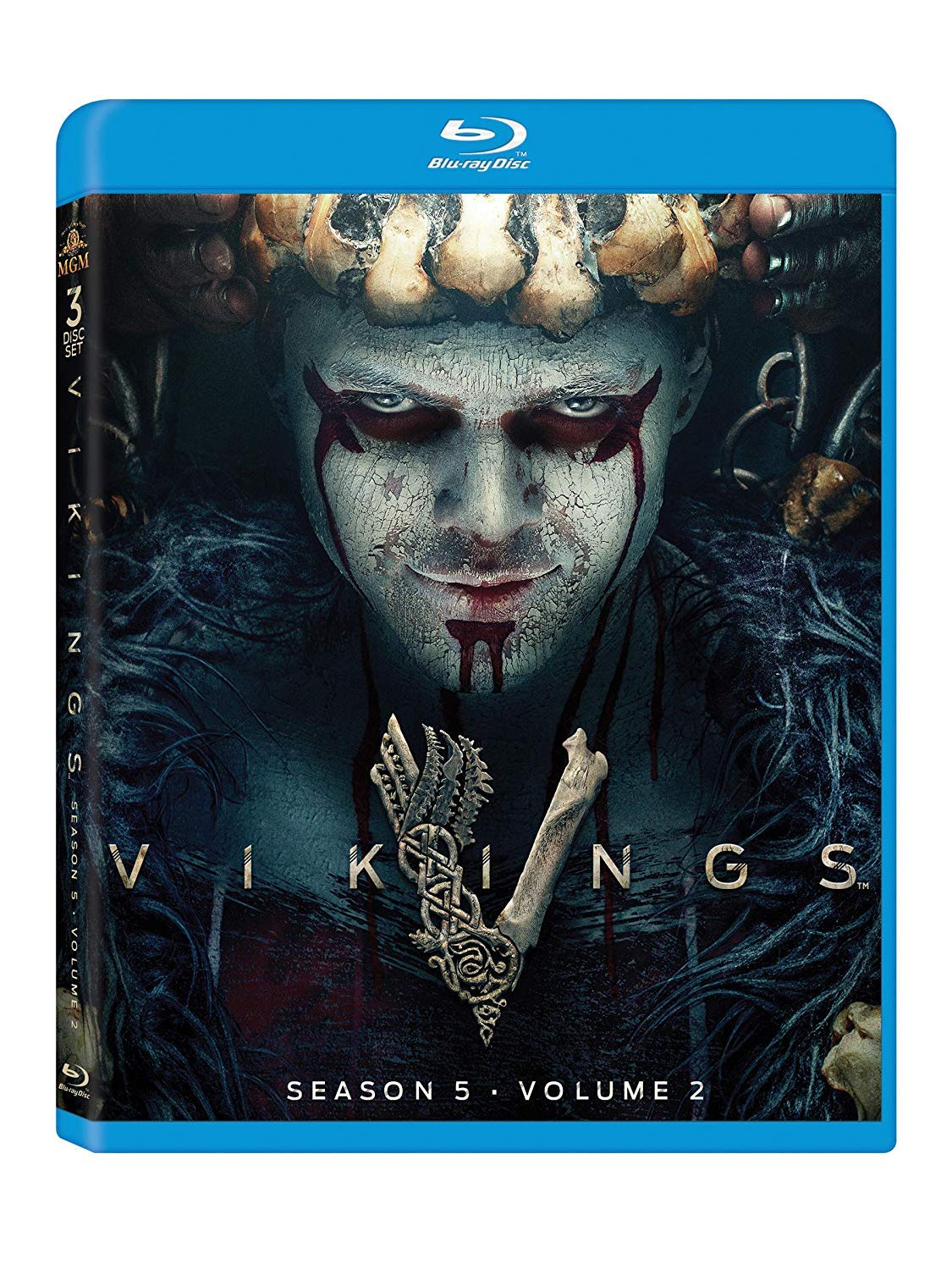
When Vikings started five years ago, I found it to be quite an ambitious task for a network that usually featured documentaries and reality shows about odd jobs. I approached this one with some caution. Now I've thrown caution to the wind for these compelling characters. I was particularly drawn into the lead. Travis Fimmel was outstanding as the Viking leader Ragnor Lothbrook. When his character was killed off after three years, I suspected things would be winding down for this experiment. I could not have been more wrong. Alex Hogh Andersen plays Ivar, his crippled son, who rises to be more powerful and more brutal that Ragnor ever was. The actor shares many of Fimmel's characteristics, both in his physical look and the way he carries himself. It's one of the most perfect father-and-son casting pairs I've ever encountered. Because of Andersen, the show has been reborn, and there's still a lot of life in this series. The release of the first half of Season 5 is another strong contribution to your home entertainment library.

"Is that where a blind cop kidnaps an Uber driver?"

That pretty much tells the story of Stuber. The title is a combination of the lead character's name, Stuart and Uber. With the advent of Uber, the entire concept of hiring a ride has changed significantly. Taxi drivers are swiftly becoming a thing of the past, and ride-sharing aps like Uber and Lyft are taking over the market to the point that taxi companies do not even exist in some cities any longer. I have to admit, I'm not so sure I'm completely on board with the idea of regular unregulated folks out there picking up complete strangers who happen to have hailed them via their cell phones on an anonymous app. It's a bit dangerous for both parties, and it's not surprising that the horror stories have been appearing in the news about these ride experiences going horribly astray. That's the fear or reality that serves as the central theme for Stuber. While I'm sure the first Uber horror film is either in production or at least being written as I type these words, Stuber opts for the more comedic and action-oriented version of the idea. But make no mistake. More is coming.