AVC MPEG4

"Every insect lives for just one purpose: Survival of its own kind."

In 1997 Guillermo del Toro made his first English-language film. Mimic was based on a rather creepy short story by Donald A. Wollheim. Unfortunately, for del Toro and film fans everywhere, the director had more than his fair share of struggles with the studio powers that be, and he never really had the chance to make the movie he really hoped to make. The result is certainly an atmospheric and interesting film, but one wonders what the movie might have been like if del Toro had had his chance to make his own movie. A few years ago we were given at least a glimpse into what that would be like with the home video release of a Director's Cut of the film. While it doesn't allow the fanciful director to include those shots he never got to shoot, he describes this version as the closest to his vision now possible. No question this version of the film is the anchor for the new Mimic 3-film collection just out from Lionsgate on high-definition Blu-ray release along with the two direct-to-video sequels, which del Toro had nothing at all to do with.

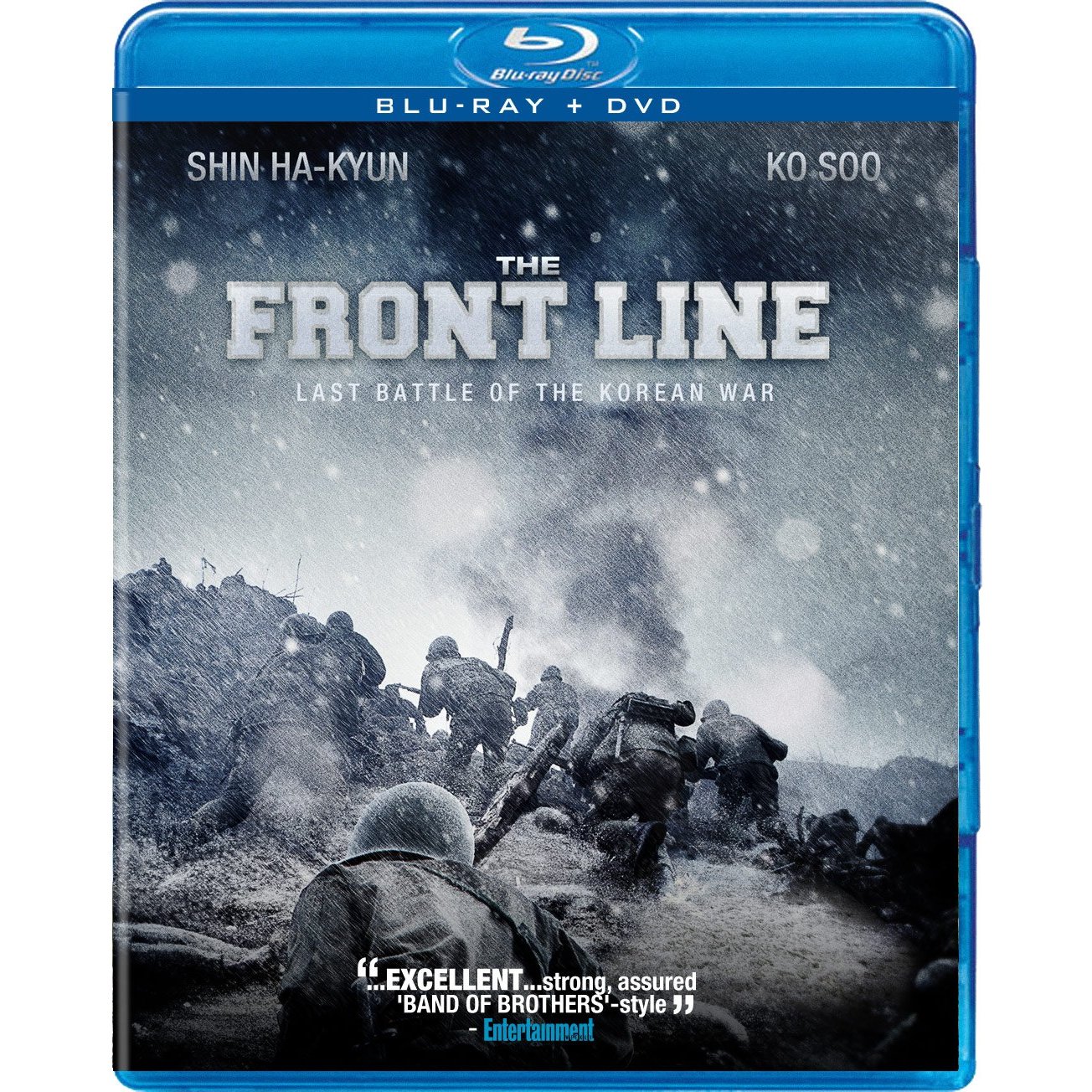
In terms of major conflicts involving the United States, the Korean War has sort of gotten the short end of the cinematic stick with American audiences. Most people can easily rattle off their favorite movies dealing with World War II, the Vietnam War or the U.S. Civil War, but when it comes to the Korean War the options are comparatively more limited. Off the top of my head, there's M*A*S*H, the original Manchurian Candidate, and Don Draper suffering one of the most famous cases of identity theft. (I realize Mad Men is a TV show, so forgive me for reaching.)

The Front Line — a fine, Korean-produced drama — attempts to present the final days (and hours) of the war on both an epic and personal level, and mostly succeeds.

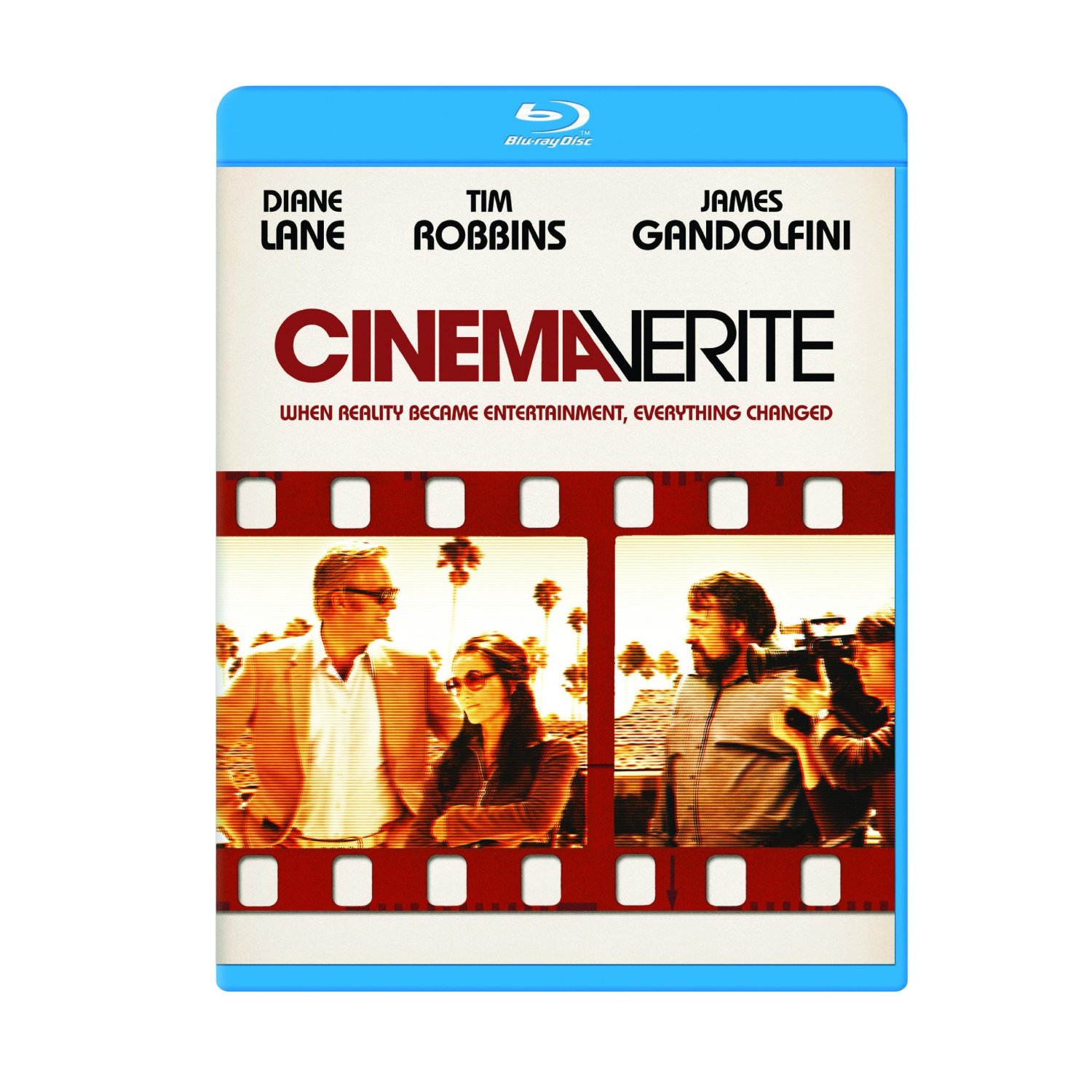
"One must never let the public behind the scenes for they are easily disillusioned, and then they're angry with you for it is the illusion they love."

Sure, this quote is spoken by a very minor character and awkwardly shoehorned into the story, but it still makes its point. I realize it's almost impossible to imagine now, but there was a time we didn't have to capitalize the words "Real Housewives" and people were actually ashamed if they came off badly in front of a camera. HBO's Cinema Verite tells the behind-the-scenes story of the creation of An American Family, the PBS documentary widely considered to be the first reality television show.

At the very least, London River deserves credit for exposing audiences to a different side of English life beyond "upstairs, downstairs" period drama (Gosford Park, Downton Abbey), twee stories in a small-town setting (Waking Ned Devine, Calendar Girls) or the rich white people problems of Woody Allen's contemporary London (Match Point, Scoop).

Set against the backdrop of the 7/7 terrorist bombings that rocked London in 2005, London River follows the parallel stories of Elisabeth (Oscar nominee Brenda Blethyn) and Ousmane (the late Sotigui Kouyate) as they travel to the English capital and search for their respective children in the wake of the attacks. The two parents eventually meet and try to put aside their cultural differences and prejudices — though one of them clearly had more prejudices to put aside — so they can support each other in their journey.

“Here in Tresock, I believe the old religion of the Celts fits our needs at this time. Isn’t that all you can ask of a religion?”

In 1973 Director Robin Hardy captured lightning in a bottle with the classic The Wicker Man. Based on David Pinner's 1967 novel Ritual and loosely adapted into Anthony Shaffer’s sharp screenplay. Shaffer painstakingly researched paganism giving the film an undeniable authenticity, The Wicker Man became a genre of its own known as Folk Horror. The beauty of the film was the war of counter-religions, Christianity vs. Celtic Paganism. Both religions were well respected and represented, never sinking to the point of parody or cynicism. Of course, the lion’s share of the cultural clash leaned to the side of the pagans, robustly embracing their music and daily rituals. The film served as a horror movie for Christians and a victorious feel-good movie for pagans. Either side found it unforgettable.

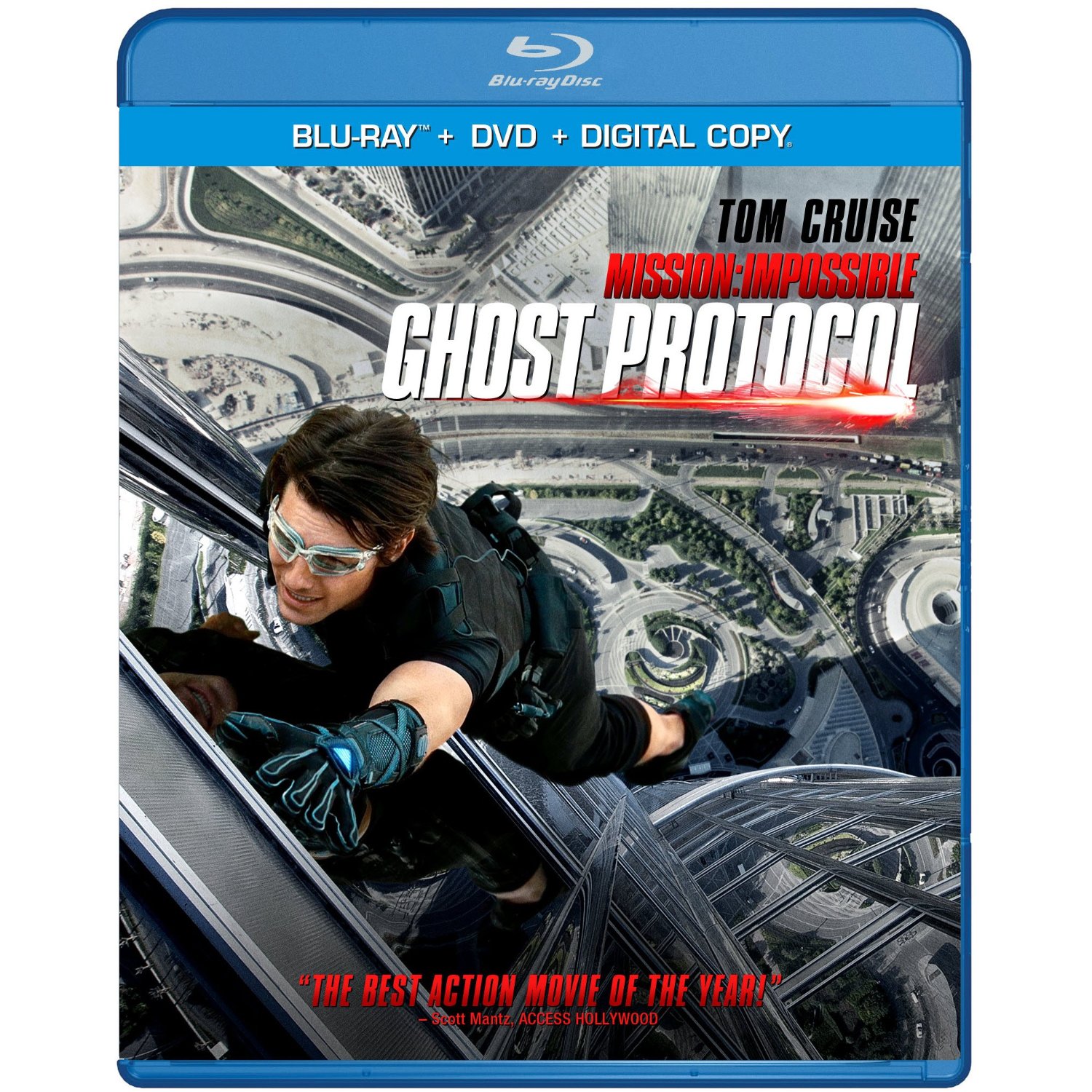
The fourth Mission: Impossible entry exchanges digits for a subtitle, and brings in Brad Bird to direct his first live-action feature. So the man whose The Incredibles made fun of the sort of thing that is the bread-and-butter of the M:I franchise is brought in to revitalize said franchise. Result? Job done.

Gotcha. You thought I was going to say, “Mission accomplished,” didn’t you?

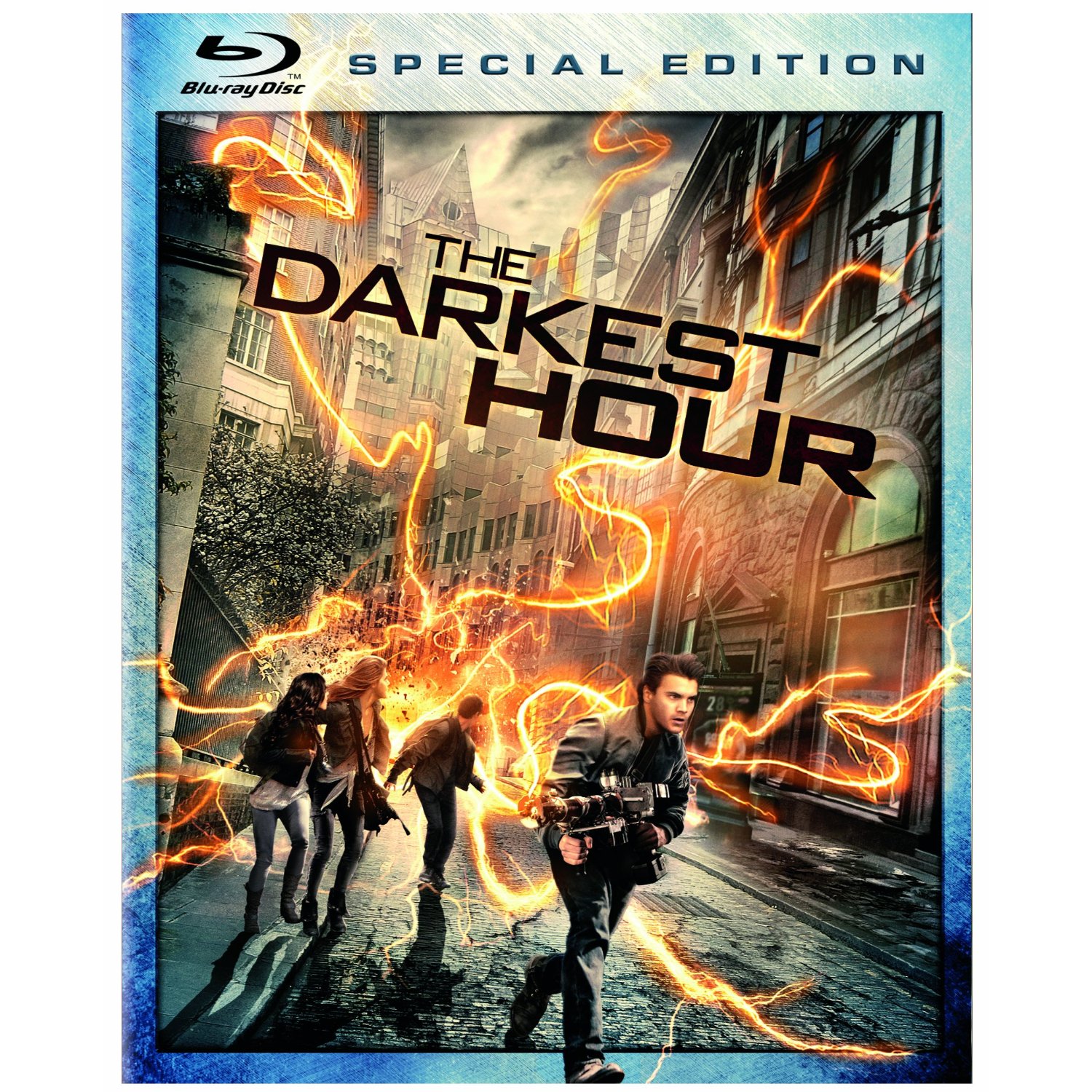
"This is how it starts..."

You know, it's getting awfully hard to make an original alien invasion film. Most filmmakers have accepted the obvious and go for mind-blowing f/x and never mind the story. Still others go the trendy found-footage route. I was pleasantly surprised that The Darkest Hour appears to prove that there just might be more than just fumes in the creative tank after all. I'm not going to try to convince you that the film doesn't rely on much of the tried and true standby material. It covers most of the traditional formula. What I will try to convince you of, however, is that The Darkest Hour feels fresh even if it does rely on many of the standard conventions. In the end, it's a very entertaining film that proves you don't have to break the bank or take the shaky camera angle to put some quality on the screen.

“Won't bow, don't know how.”

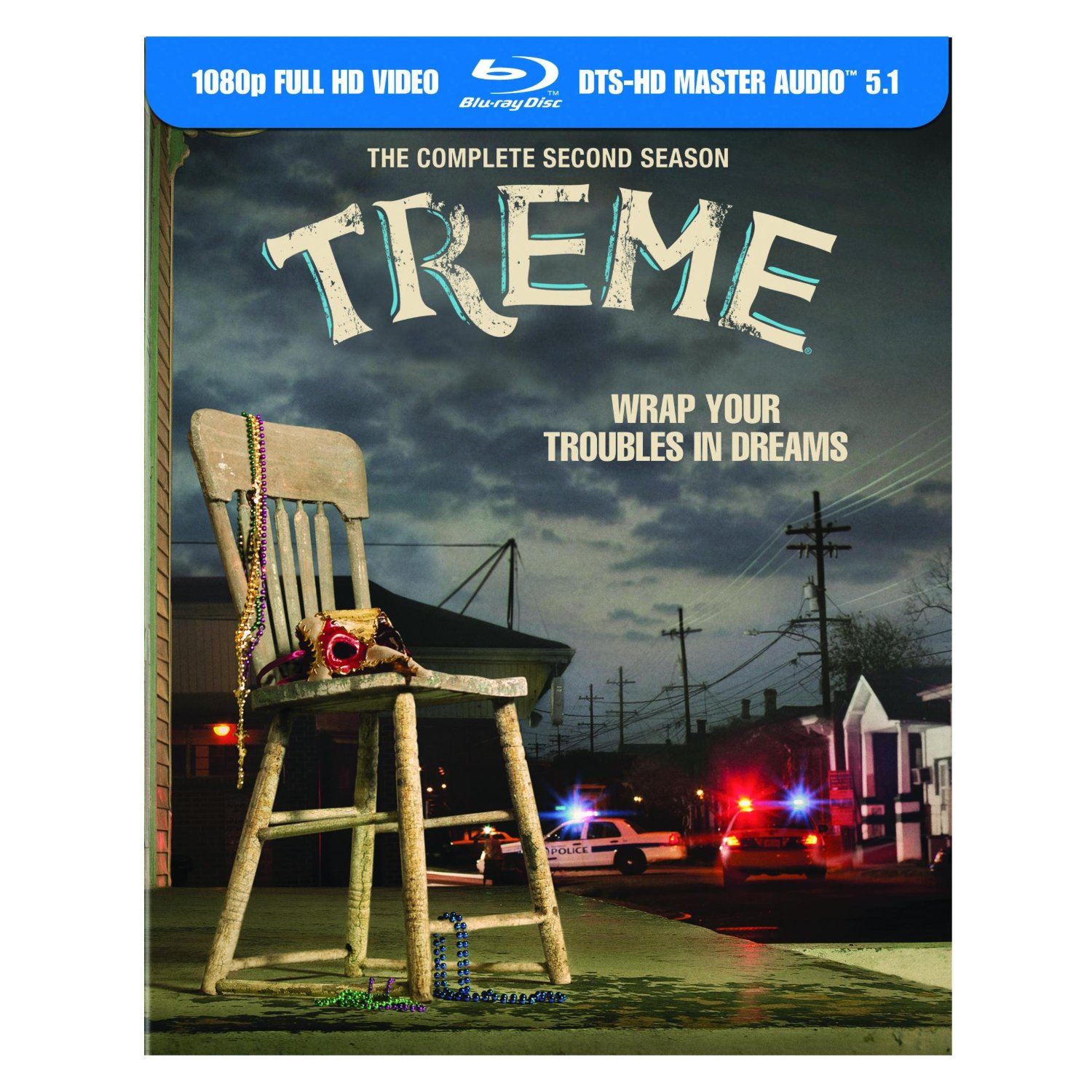
More than any other show, Treme captures the very soul of the city it is set in. Where The Wire may have presented the city of Baltimore as one of the supporting players in the series, Treme is New Orleans. The haunting percussion and brass of the musicians, the lyrical shorthand of its citizens, the quiet desperation of pride after destruction, rampant political corruption and unchecked crime mix together to form an eclectic jazz tempo that makes up the heartbeat of the Crescent City.

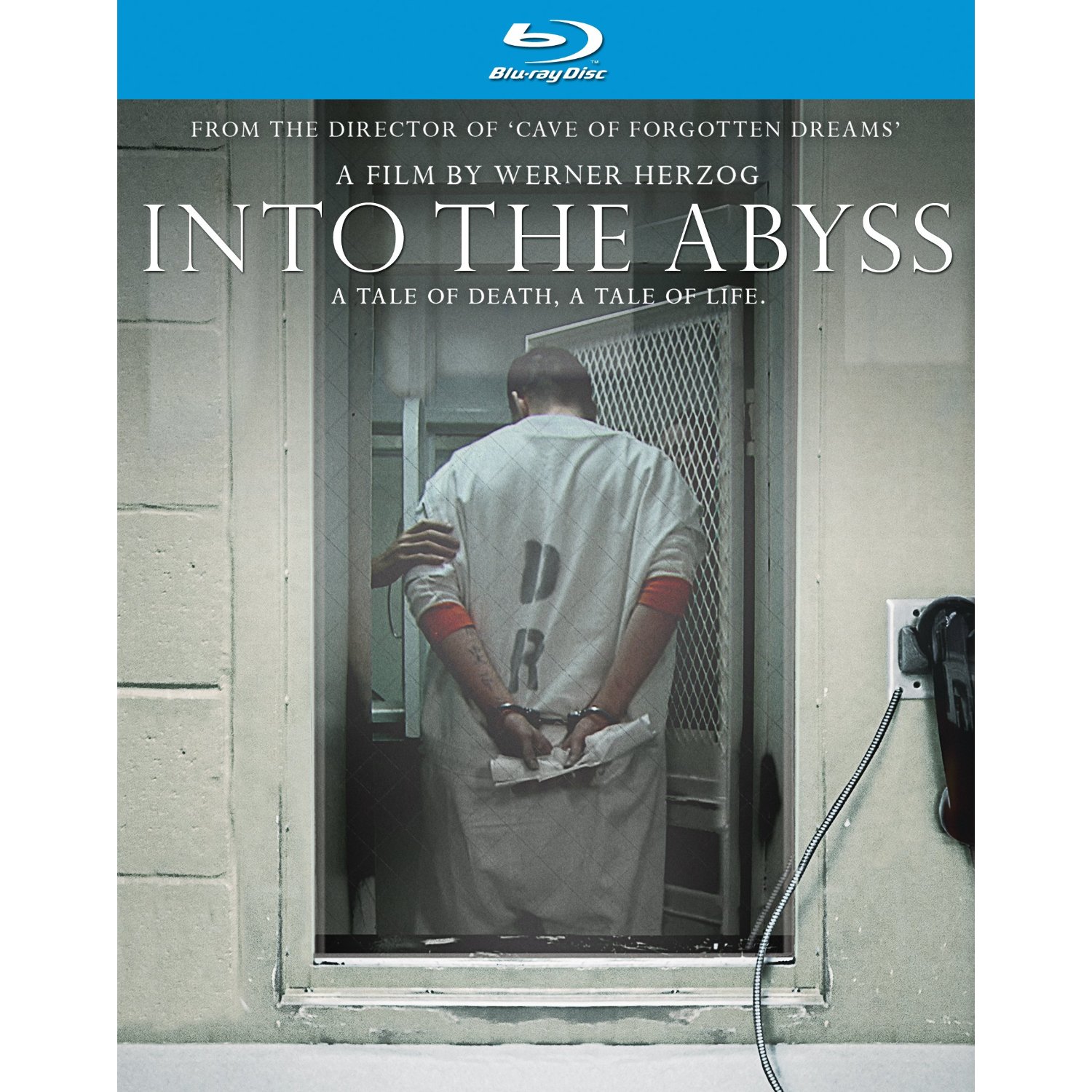
As a nation, the United States is pretty evenly divided on most of the larger issues of the day. Nowhere is that more evident than the opinions on capital punishment. If you took a poll today, you'd likely still find a slim majority of Americans continue to support the death penalty. Unless, of course, you were to take that poll in Texas. The Lone Star State has pretty much led the way in dealing out death sentences since the practice was resumed in the 1970's. For a time in the 80's and 90's Florida was giving Texas a run for their money, but today there isn't a state that comes close. In both states Old Sparky has been retired in deference to lethal injection.

In 2001 Michael Perry and Jason Burkett wanted a red Camaro belonging to Sandra Stotler. They killed her and took the car. They also took her body to an isolated lake and proceeded to dump her in an area often used to illegally dump garbage as if she were nothing more than the trash that littered the area already. They went back to the house but found they could not get into the gated community without the code. So they waited for Sandra's son Adam and his friend Jeremy Richardson to return. They lured the two boys out to the lake where they also brutally murdered the young boys. They got themselves a car to joyride in while three innocent victims lost their lives violently. The pair bragged about their heinous deeds, and when the police came to arrest them they engaged in a firestorm shootout. They even ran one officer over with the stolen car. If ever there was an argument for the death penalty, Michael Perry and Jason Burkett were it.

I was flipping through the latest issue of Sad Trombone magazine the other day, and it contained an article revealing — through entirely unscientific research — that the general consensus appears to be, "People suck." As a result, I was already in the proper mindset when I sat down to watch The Divide, probably the most pessimistic movie of the past year.

After a nuclear attack, a group of nine survivors huddle in the basement of their apartment building. They are initially led by Mickey (Michael Biehn, looking like his Aliens co-star Lance Henriksen these days), the building's profane, racist, anti-social superintendent. With absolutely zero communication with the outside world, the days go by and the secluded group — which is afraid to go outside because of the potential for radiation poisoning — gets hungrier, crankier and more desperate. (Oddly enough, that's exactly how I got the last time I went camping overnight in a tiny tent.)