1.85:1 Widescreen

"I promise you the secrets of the universe, nothing more..."

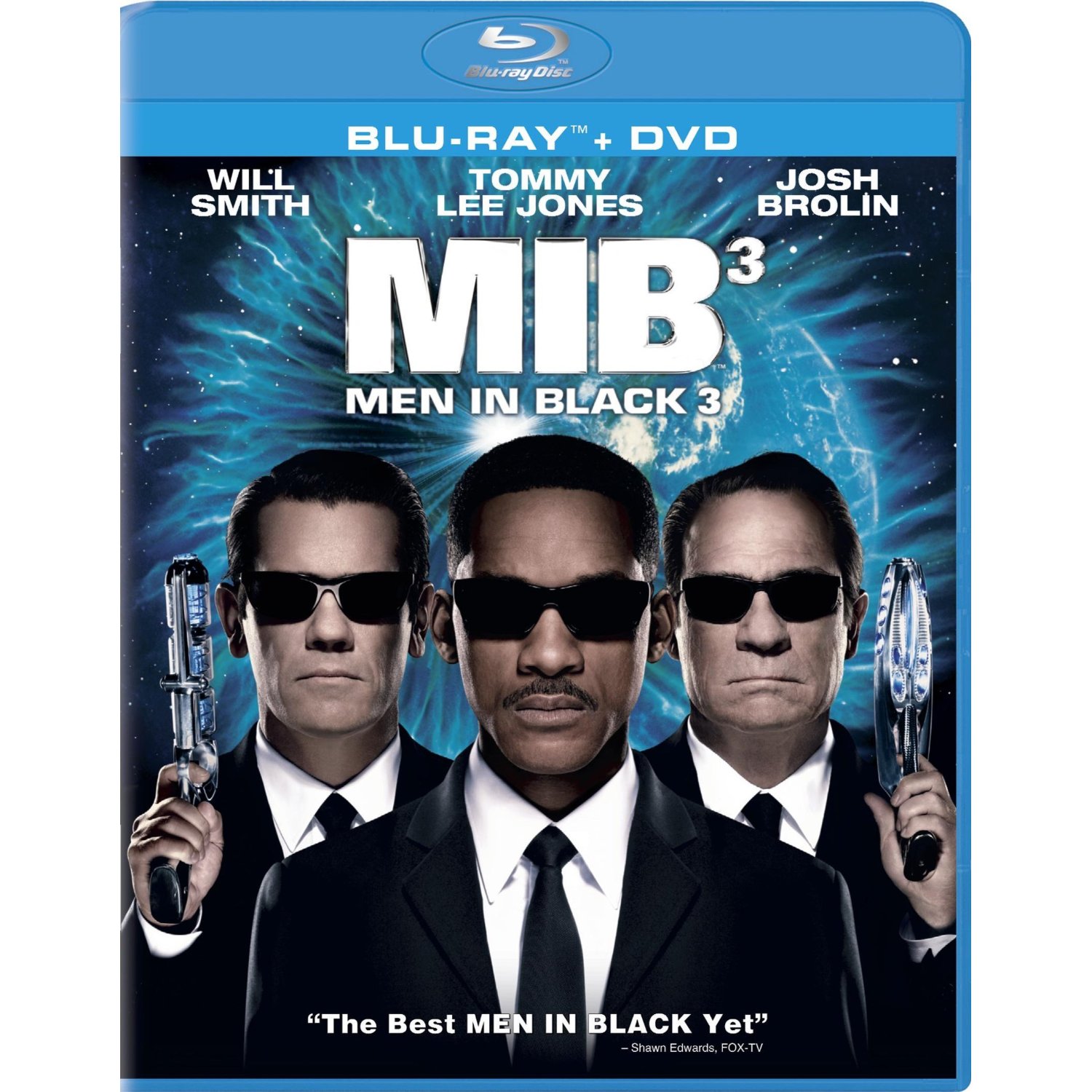
It's been an astonishing 15 years since Will Smith and Tommy Lee Jones first teamed up as Agents J and K respectively for the intergalactic police force Men In Black. The film was like a breath of fresh air. It combined top-flight science fiction fantasy with whimsical humor. It was a hit at the box office, and like most wonderfully original hits it was quickly followed by a sequel that had almost none of the cleverness and freshness of the original film. The film was so unmemorable that I sat with other critics getting ready to see Men In Black 3 and none of us could actually remember what the second film was even about. Years went by and most of us put the franchise in our rearview mirror.

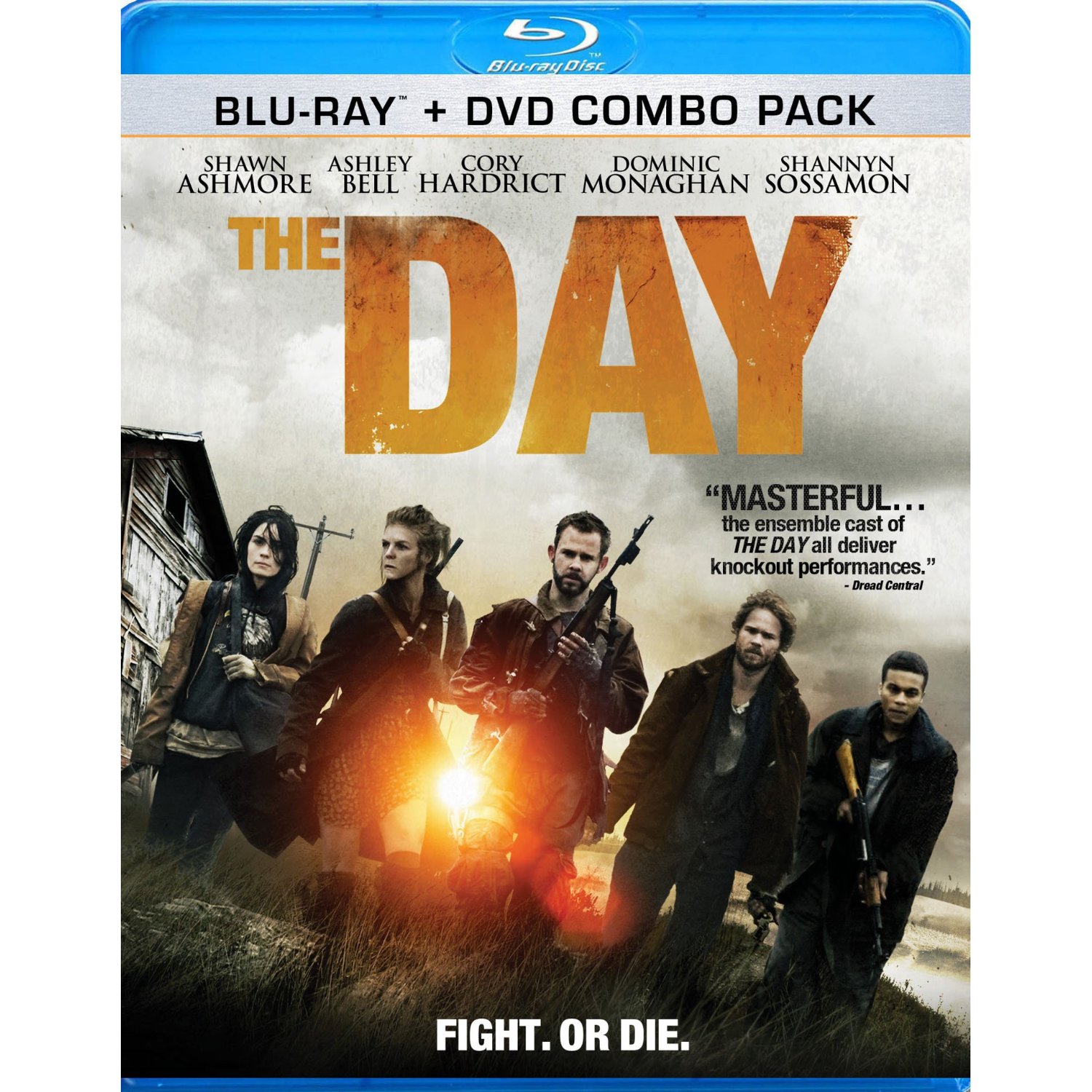
To be a cannibal or not to be?  That seems to be the question we will all have to ask ourselves if we ever go on to live in a post-apocalyptic society.  Sure it’s in the name of survival, but can things really get so bad that one day I could be huddled up with a group of survivors and everyone wondering whose the next to keel over and if there are any special recipes someone would like to try out?  Remember it’s all in the name of survival, and in the words of Andrew Zimmern, “If it looks good, eat it!”

The Day isn’t just a movie about cannibals; in fact they are simply in the background for the story of five survivors trying to make it day to day in a cruel, unforgiving landscape.  It’s never made clear what has happened to the world our survivors live in, but it’s understood that a large portion of society is dead, and those that remain can do nothing more than prepare themselves for the inevitable.  These survivalist movies need to be bleak and depressing, because let’s face it, when the world has managed to reach the point of creating a near extinction of the human race, having hope is a bit naïve.  And that seems to be what the film makers understood when creating The Day.

"Nice Greek girls are supposed to do three things: marry Greek boys, make Greek babies, and feed everyone until the day we die."

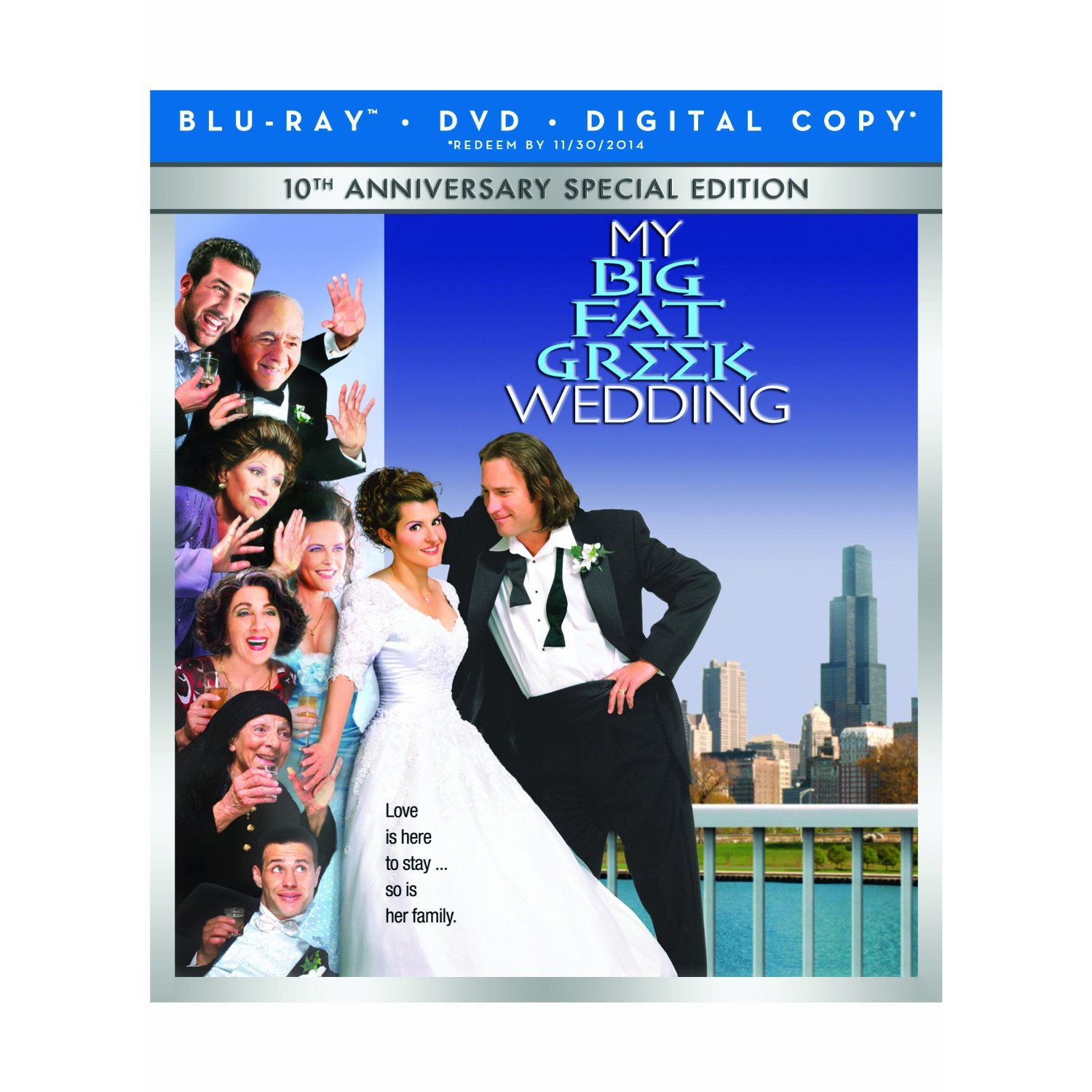
If ever a movie could be negatively affected by monstrous box office numbers, it’s My Big Fat Greek Wedding. When a five-million-dollar film rides a tsunami of critical buzz and excellent word-of-mouth past the two hundred million dollar box office gross (finally ending somewhere over $230 million), it’s impossible to see it for the first time completely free of expectation. Perhaps this was my mistake, because I went into my first viewing of the king of sleeper hits excited to a super-duper romantic comedy. …I’m not sure exactly what I was hoping for. Was it a hearty helping of belly laughs? This film offers sparse and modest chuckles at best. Perhaps it was some sort of originality within its predictable story arc. Instead, this is a by-the-numbers romcom with by-the-numbers romcom characters. Maybe I was hoping for a film that could at least approach capturing the profundity of love, or the reality of struggles with culturally divergent family values. Whatever it was, I felt pretty unfulfilled by the time it was all over, even though I found the movie reasonably enjoyable.

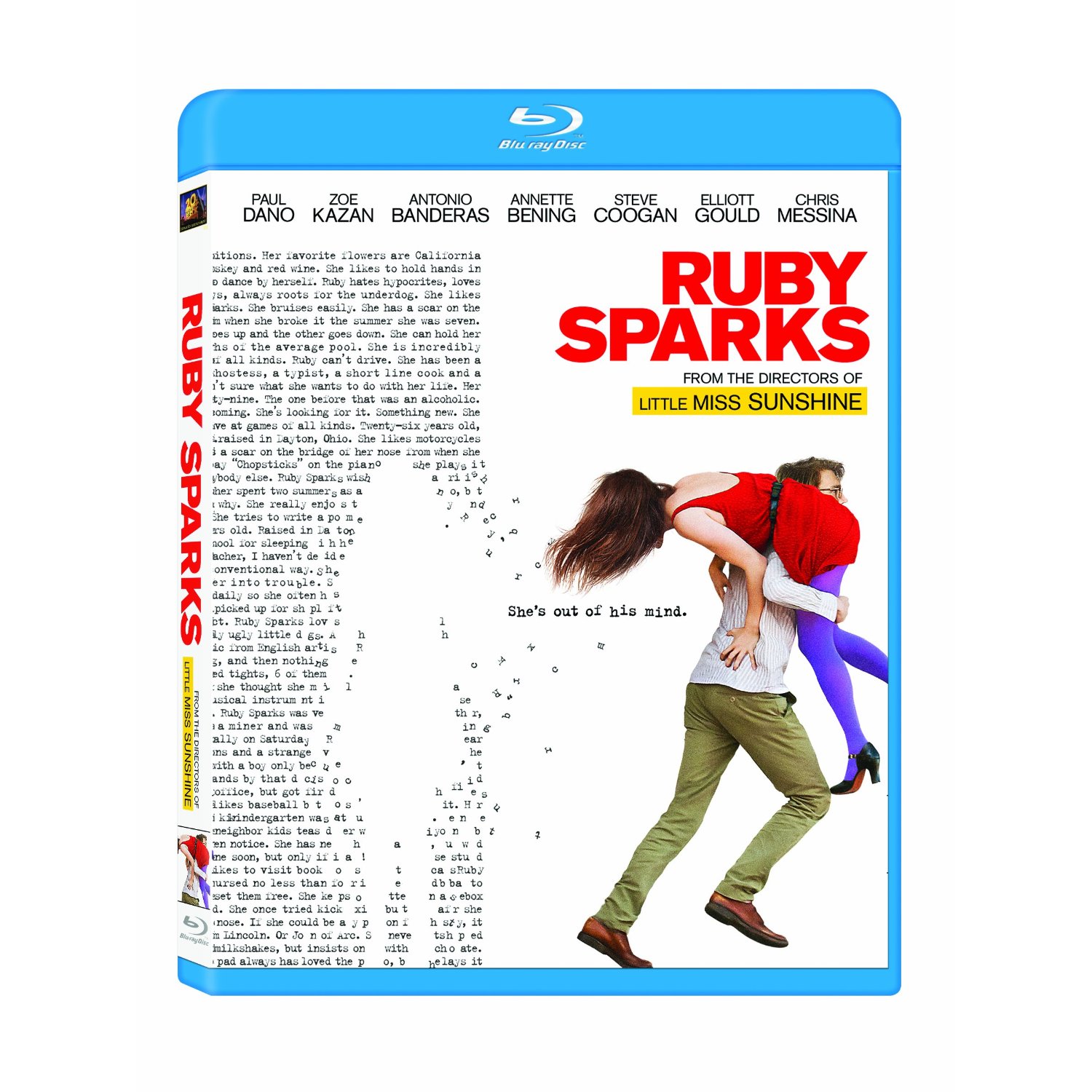
“Quirky, messy women whose problems only make them endearing are not real.”

On the surface, Ruby Sparks could be mistaken for the Manic Pixie Dream Girl biopic no one asked for. In case you’re not familiar with this particular cinematic archetype, MPDG derisively describes any unabashedly artsy, quirky young female character that inevitably brightens the life of a brooding, young male protagonist. However, the quote at the start of this review only hints at the fact that this whimsical romantic comedy isn’t afraid to stare down the ugly side of relationships.


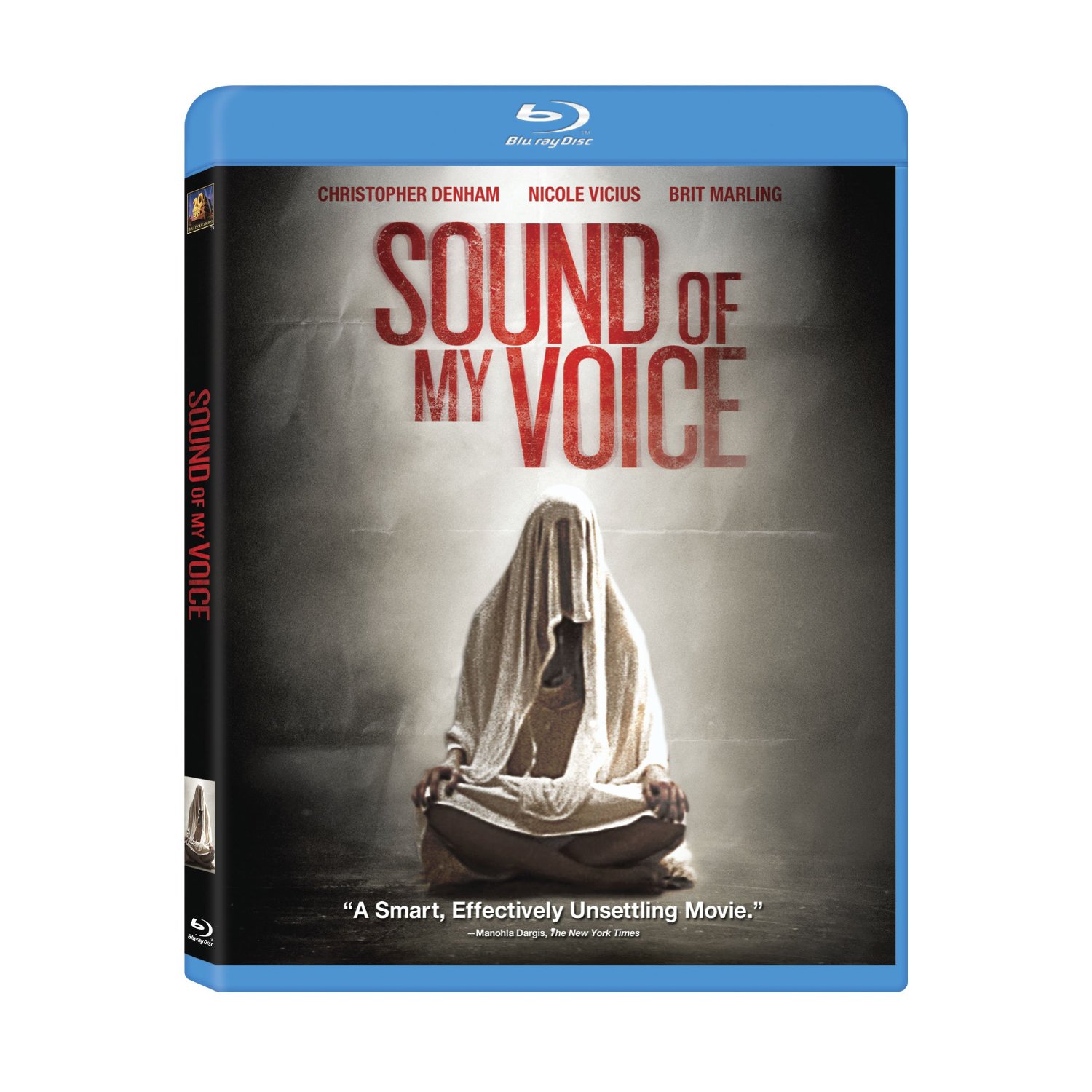
"Somewhere in the valley, there is a woman living in a basement. She's actually amassing followers. These people believe that she will actually lead them to salvation, or whatever. And yes, she's dangerous - but we have to see this thing through. All the way."

When The Sound Of My Voice opens you really don't know what to expect. We watch a group of people acting almost as though they have been taken hostage. They are given drab clothes to wear and ordered to clean themselves very thoroughly. They are then bound and hooded and placed into a van for transport to where? Soon we discover that these people have not been abducted at all. They have done these things willingly so that they may be brought into the presence of Maggie (Marling) who claims to be from the year 2054. Her disciples gather around her in a circle as she delivers her enigmatic teachings. Then again, perhaps they are captives after all, but not in the manner you might expect. They are obviously captivated by Maggie's personality, and we soon discover that they fear banishment from her side more than anything else. They are there for enlightenment, of sorts. The earlier routine has been put in place because Maggie is apparently allergic to our time and is dying. She must maintain a germ-free environment at all costs. She's more than a religious leader. She's a martyr who just hasn't died yet. Yet her subjects would gladly die for her.

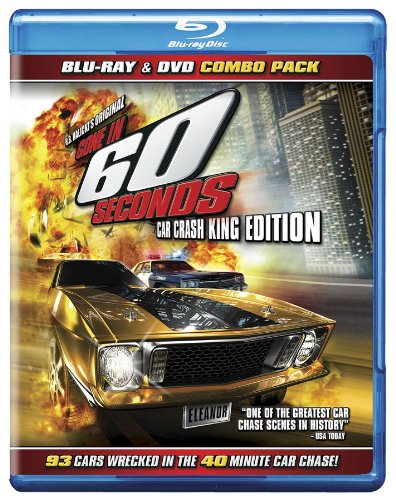
The best thing about Gone in 60 Seconds is that the film knows exactly what it is. Just take a look at the breathless blurbs on the Blu-ray case for the latest release. “Over 500 crashes!” “93 cars wrecked in the 40-minute car chase!” No one involved with this movie thought they were making an intimate character piece. I mean the top-billed star is “Eleanor.” Did I mention that Eleanor is a 1973 Ford Mustang?

The plot is little more than a necessary nuisance before the movie’s show-stopping climax, but here we go anyway. Maindrian Pace (what a name!) is an insurance investigator who moonlights as the leader of a car thieving ring. Since Pace is the hero of our story, he only steals cars from people who are insured and subsequently compensated for the trouble he’s caused them.

“Greed is Good.”

No other cinematic phrase described the 1980’s better. And no other movie captures the financial corruption of the 80’s better than Oliver Stone’s Wall Street. Bud Fox (Charlie Sheen) is a small-time stockbroker, making cold calls to businessmen who won’t give him the time of day. His father, Carl (Martin Sheen), is a hardworking airline mechanic for a fledgling airline and is worried about the path his son is headed down when big-time investment broker Gordon Gekko (Michael Douglas) takes Bud under his wing. At first, Bud loves the money, the women, and the power that Gekko gives him. But when Bud involves his father in one of his investment schemes, he sees Gekko for the greedy slimeball he really is, and starts to see the error of his previous ways.

“Did you pick your feet in Poughkeepsie?... Have you ever been to Poughkeepsie?... When you were in Poughkeepsie, you sat on the edge of the bed, didn’t you? You put your fingers between your toes and you picked your feet…. If I can’t bust you on this other thing, I’m going to bust you for picking your feet in Poughkeepsie.”

There can be no argument on this point. The 1970’s was a golden age for the cinema. When you think about the iconic characters and films the decade produced, it’s hard to contradict the point. Films like The Exorcist, The Godfather (both parts), Jaws,  Dirty Harry, Star Wars, Superman The Motion Picture, The Sting, Rocky, Deliverance, Apocalypse Now, Alien, One Flew Over The Cuckoo’s Nest, and yes, The French Connection. They redefined film genres. The slasher film was born in the 1970’s. Their influence is felt on nearly every film today, and inspired nearly every new filmmaker to come along in the years since. Yes, there were golden eras before then, but I’m not sure there’s been one since. Of course, there have been truly great movies since, but can you remember a decade with that kind of a run?

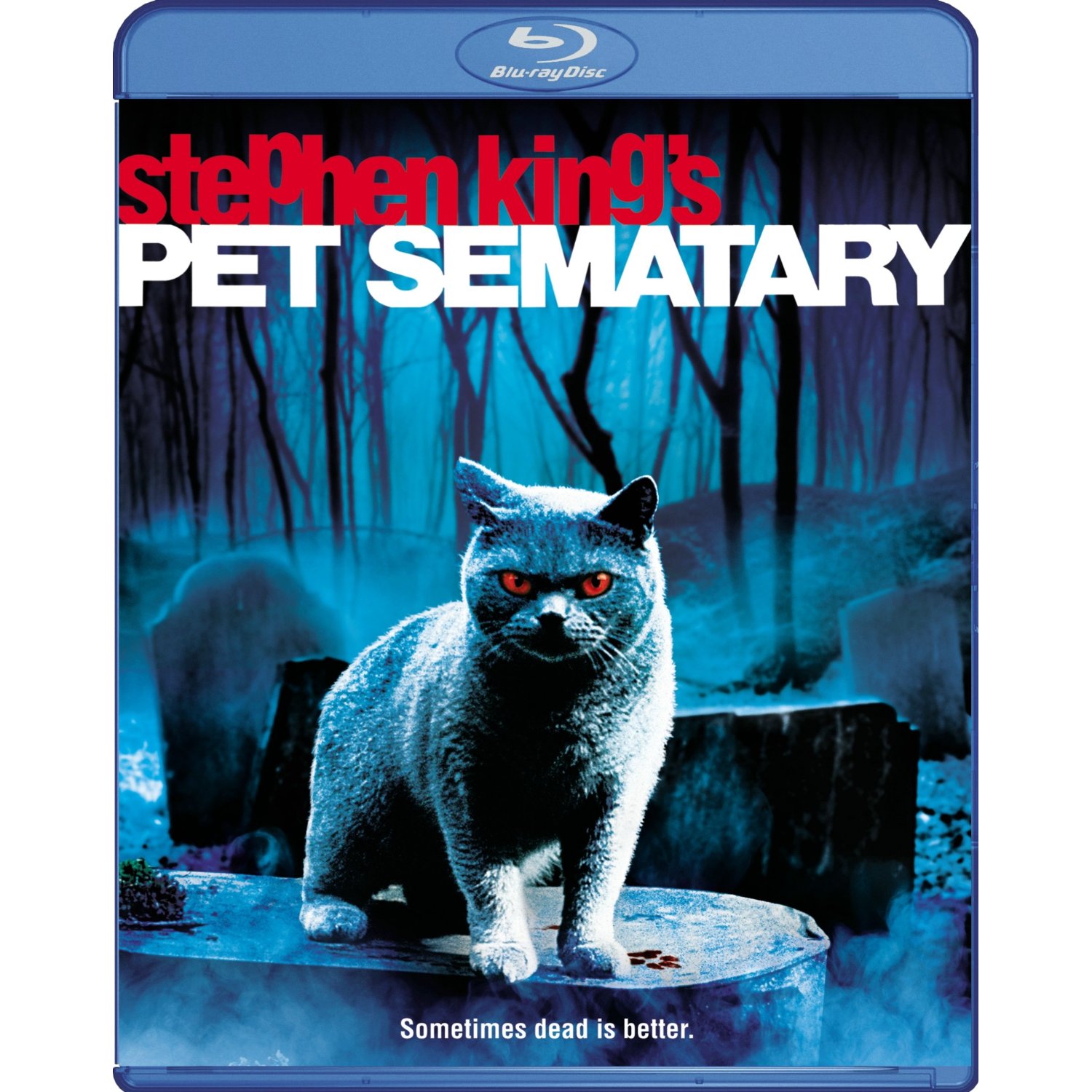
"Sometimes dead is better."

From the rather twisted mind of Stephen King, Pet Sematary is actually one of my favorites of his horror novels. It’s scary to think the story was never meant to be published and only offered up to finish a contract with his earlier publisher. As has been the Stephen King plague at nearly every turn, something ends up lost in the translation. In the novel, the deeper subtexts that King is so adept at take several hundred pages to set up and ultimately pay off. Unfortunately a mere couple of hours of celluloid never …seem to scratch the graveyard surface soil. Pet Sematary is, sadly, a definitive example. While the original work taunts us with its mystic undertones that always seem far more believable than they ought to be, the film lays down a path as overgrown as the one leading to the titular graveyard. At first the two works are not so convergent, and a great deal of hope is to be had. Soon, however, the movie descends into the typical shock horror film so common in recent years. Startles and zombies begin to dominate the experience, while the story’s deeper and far more frightening elements lie as dead as the bones of the neighborhood pets.

Being on this planet more than a few years, I can say I have had my share of relationships as well as those times when I felt like I was starting over. In that time I was able to reflect, I always felt like a new person, well at least temporarily. But every relationship helped me to refine my personality and build my character to the person I am today. As it turns out today, I get to review Lola Versus which takes us on a journey of self realization after a crushing breakup. Let’s see how it does.

We open up to a beach where Lola (played by Greta Gerwig)is performing various yoga exercises and over analyzing her horoscope which says that something will soon turn her life upside down but in the end it will only make her stronger. Her ears start ringing to a sound of a persistent noise blower. The next thing she knows she is waking up next to her boyfriend, Luke (played by Joel Kinnaman). It’s her birthday and she is turning twenty-nine.