The Reel World

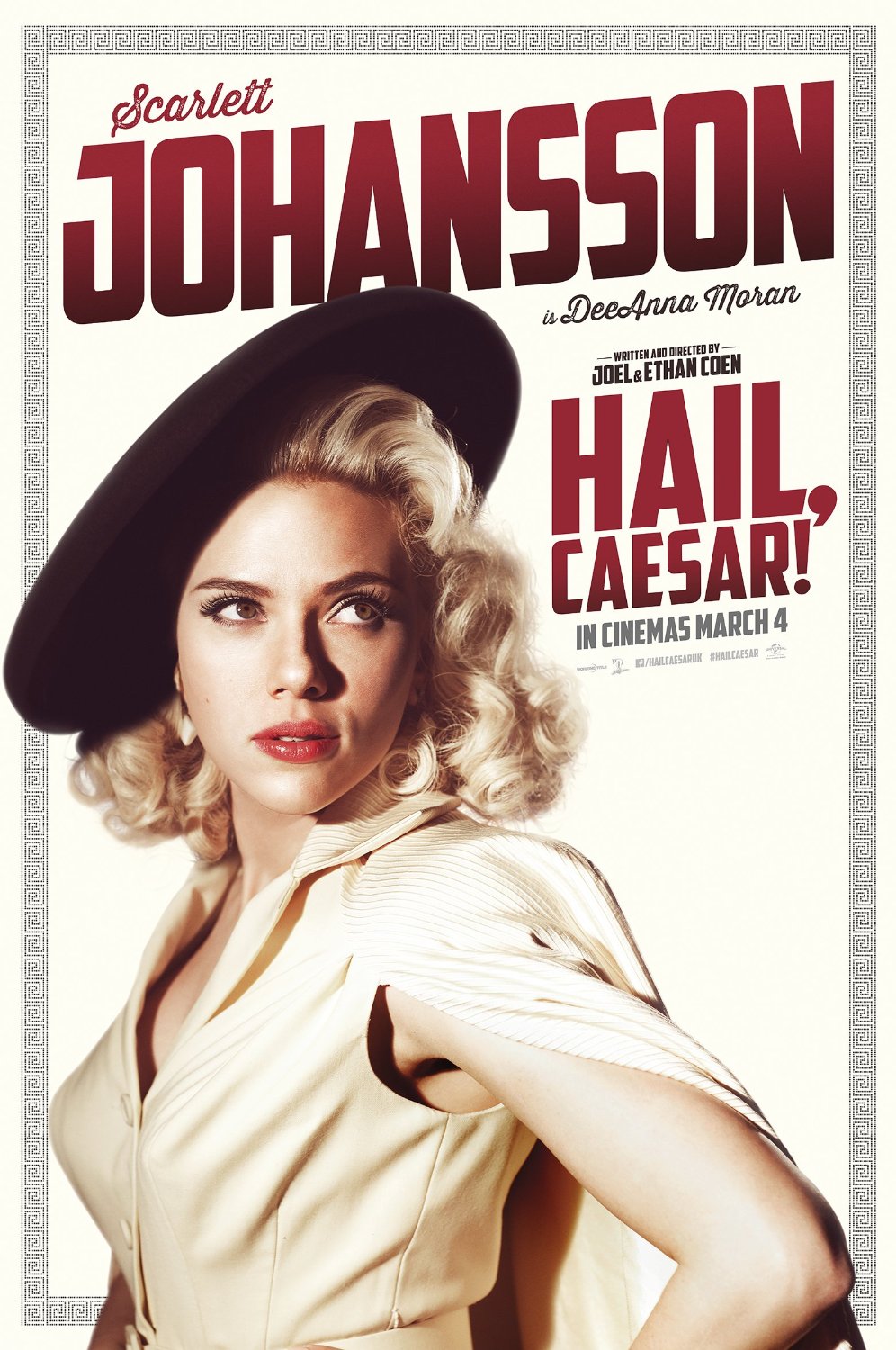
Hail, Caesar is a typical example of a Coen brothers movie, which means it is completely atypical. The Coen brothers are revered for not only being different from everyone else but also making films that are different from each other. It would easy to say there is a Coen brothers style, but you would be reaching, because the two men are committed to exploring things differently each and every time they make a movie (or produce a television show like Fargo). The most characteristic identifying factor is quirkiness and individuality. They are among the few filmmakers working in Hollywood who do whatever the freaking heck they want. What I mean by that is that the movies they make would not be allowed if proposed or pitched by anyone else.

"Never underestimate the impact of dramatic entrance!"

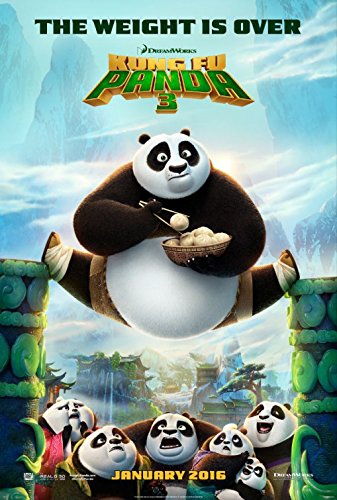
It's hard to maintain the attention of the 21st-century child. Animated movies have to combine enough elements of charm and action to keep their attention for a little under two hours. If you want to keep a franchise going, you have to rip out your sequels in reasonably tight schedules. It's been over four years since Kung Fu Panda 2, and we waited nearly that long between the first and second entry. That's a long time in a culture where we move from fad to fad almost by the hour.

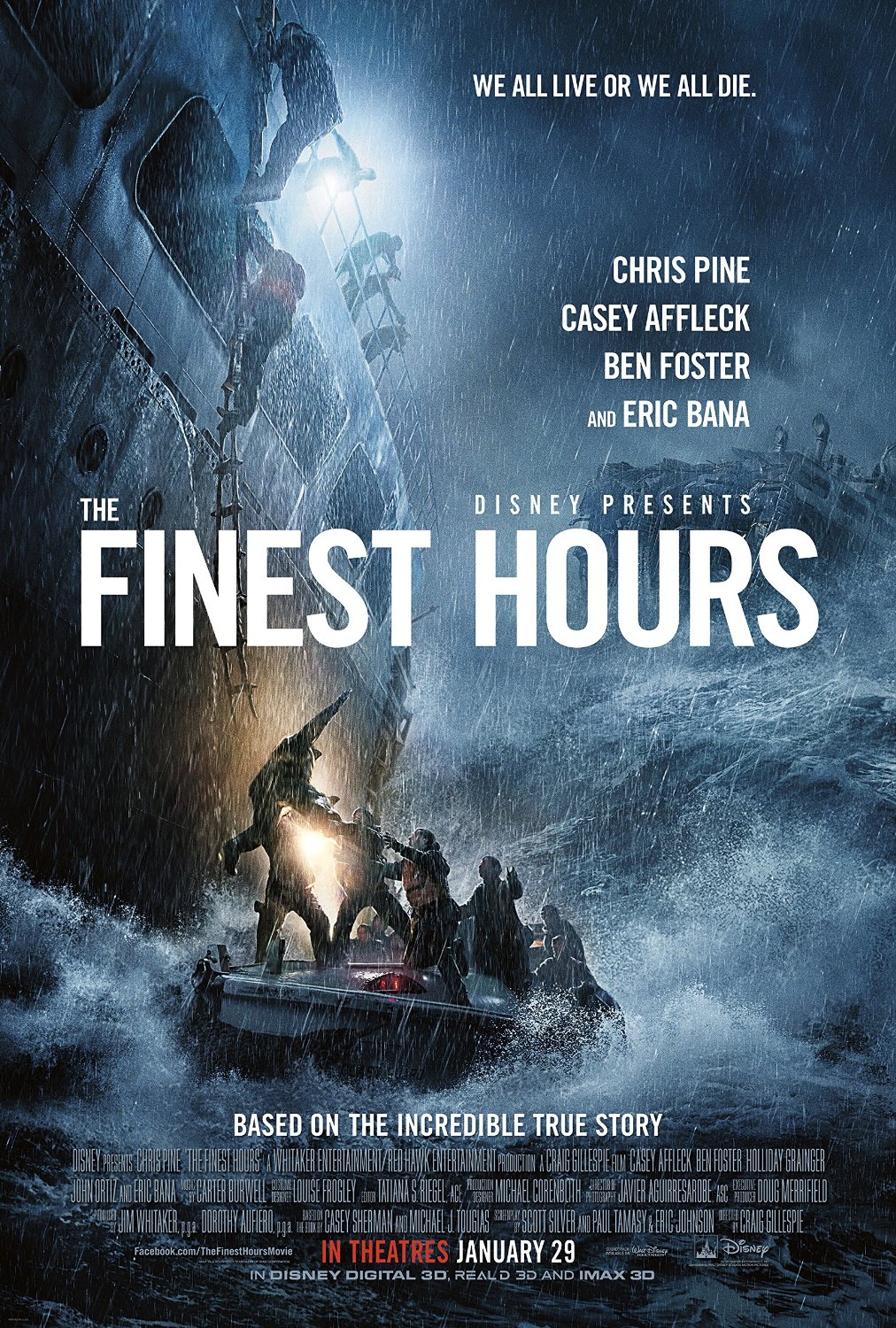
There are many films that depict the ferocity and cataclysmic power of the vast ocean. It is a fearsome display that cannot be imagined in any way that compares to the reality of the experience. The Perfect Storm, Life of Pi, The Guardian, and Titanic are just a few examples of disasters at sea. It is the United States Coast Guard’s job to rescue distressed people under severe emergencies at sea. The Finest Hours is a depiction of a true-life sea rescue under the most challenging and horrifying conditions. It is known as the most successful small boat rescue ever recorded. When I say small boat, it is the rescue boat I’m talking about, but the ship they were singlehandedly sent to rescue was a gigantic T2 tanker Pendleton, which had split in half on open seas.

"Welcome to Benghazi."

It shouldn't matter what your politics might be. The events in Benghazi on September 11th, 2012 bring up some very important questions. Contrary to one 2016 presidential hopeful's declaration, it does make a difference. It did to the people who were there. It does for the families of the four who lost their lives. And it should make a difference to you. With such a political hotbed issue, you'll find that 13 Hours goes out of its way to avoid the political questions. Some might view this as an oversight, but I think it gives the film a greater sense of credibility and makes its impact on the audience to fill in their own political blanks.

America was once a primitive expanse where only very small groups of hardy hopefuls ever tried to venture across. It was a vast and endless wilderness that was mostly a mystery. This was the land of roving Indian tribes and undiscovered species of animals. This was a land of all kinds of danger. Life was one long hunt and endless battle against every kind of predator and natural enemy. There are so many remarkable moments in The Revenant that I will start with the bear attack. It is an unbelievably harrowing event that cannot be described in words that will in any way convey what you see on the screen. That one sequence alone is worth the price of admission.

"You know this story..."

At least you think that you do. Mary Shelly's Frankenstein is one of the best known novels of all time. But thanks in part to Hollywood, it is also one of the most misrepresented stories of all time. I'm a fan of both the novel and the series of Universal and Hammer films going all the way back to 1931 when Boris Karloff played The Monster and Colin Clive played the mad Dr. Frankenstein. Missing from both the original novel and the James Whale Universal film is any mention of a character named Igor. There isn't even an assistant at all in the book, and in the 1931 film the hunchbacked lab assistant was named Fritz and was played by Dwight Frye.

The name Quentin Tarantino carries the weight of legacy of such directors as Alfred Hitchcock, Steven Spielberg, and more recently Christopher Nolan.  I’m not saying one is better than the other, but simply by name recognition alone Tarantino is in the company of directors that when you hear that his name is attached, there will be a loyal fan base flocking to the theaters to see what they have to dazzle us with.  This time around Tarantino returns to the cinema in his biggest release to date; in glorious 70mm we have The Hateful Eight. Tarantino returns to the Western genre, only this time he heads out west to Wyoming to thrust us into his most claustrophobic setting since Reservoir Dogs. Let me just come out of the gate and say, if you’re looking for the over-the-top fun you found in Django Unchained, you’re going to have to readjust those expectations; this time around we are given something much more intimate and all the more rich with dark humor.

Football is extremely important to many (or most, or all) Americans. That would be an understatement, since football is a national obsession that can reach the level of mania at times. Football is close to a religion for some people. You don’t mess with football, but that is what Will Smith’s new film, Concussion, does. It tells the true story of a Nigerian doctor who has an extremely rigorous and conscientious approach to his work performing autopsies in the Pittsburgh coroner’s office. He supervised over the deaths of Mike Webster, Terry Long, Justin Strzelczyk, Andre Waters and Dave Duerson, who all died before the ages of 51. These autopsies were instrumental in uncovering the connection to a disease that had been associated with boxers, Chronic Traumatic Encephalopathy (CTE).

Joy is the name of a person, not a state of mind. Joy Mangano is apparently not an easy person to know, but she did submit to a long series of conversations with brilliant writer/director David O. Russell. I say David is brilliant because he is, to me, the single most indispensable artist working today. He is able to do things that no one else can do. He makes comedies, but only in the broadest sense of the word. He takes a subject that may seem insignificant and puts it through a mad process like Dr. Frankenstein until something magnificent comes out. The process seems like a whirlwind for whoever is caught up in it

I'm guessing most of you still don't really know what happened.”

There is absolutely nothing funny about the financial crisis of 2008. Besides the fact that the bursting of the U.S. housing bubble led to the failure of countless businesses and a disastrous decline in consumer wealth, the crisis involved key phrases like “credit default swap” and “collateralized debt obligation.” Those terms are much more likely to make your eyes glaze over in boredom or confusion than they are to inspire laughs. The Big Short cannily recognizes this challenge and crafts a farcical, incisive narrative about a small group of outcasts who saw the whole thing coming.