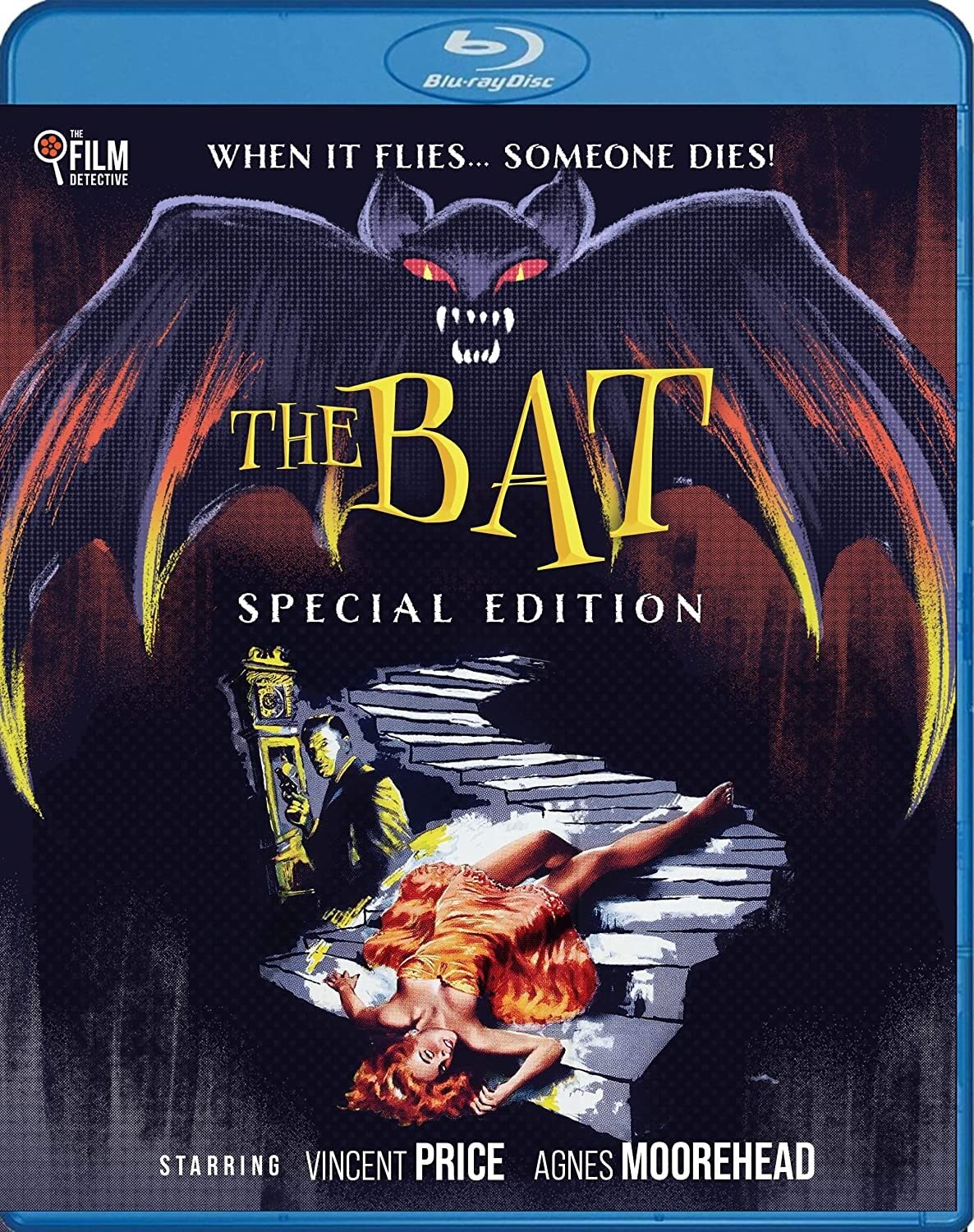
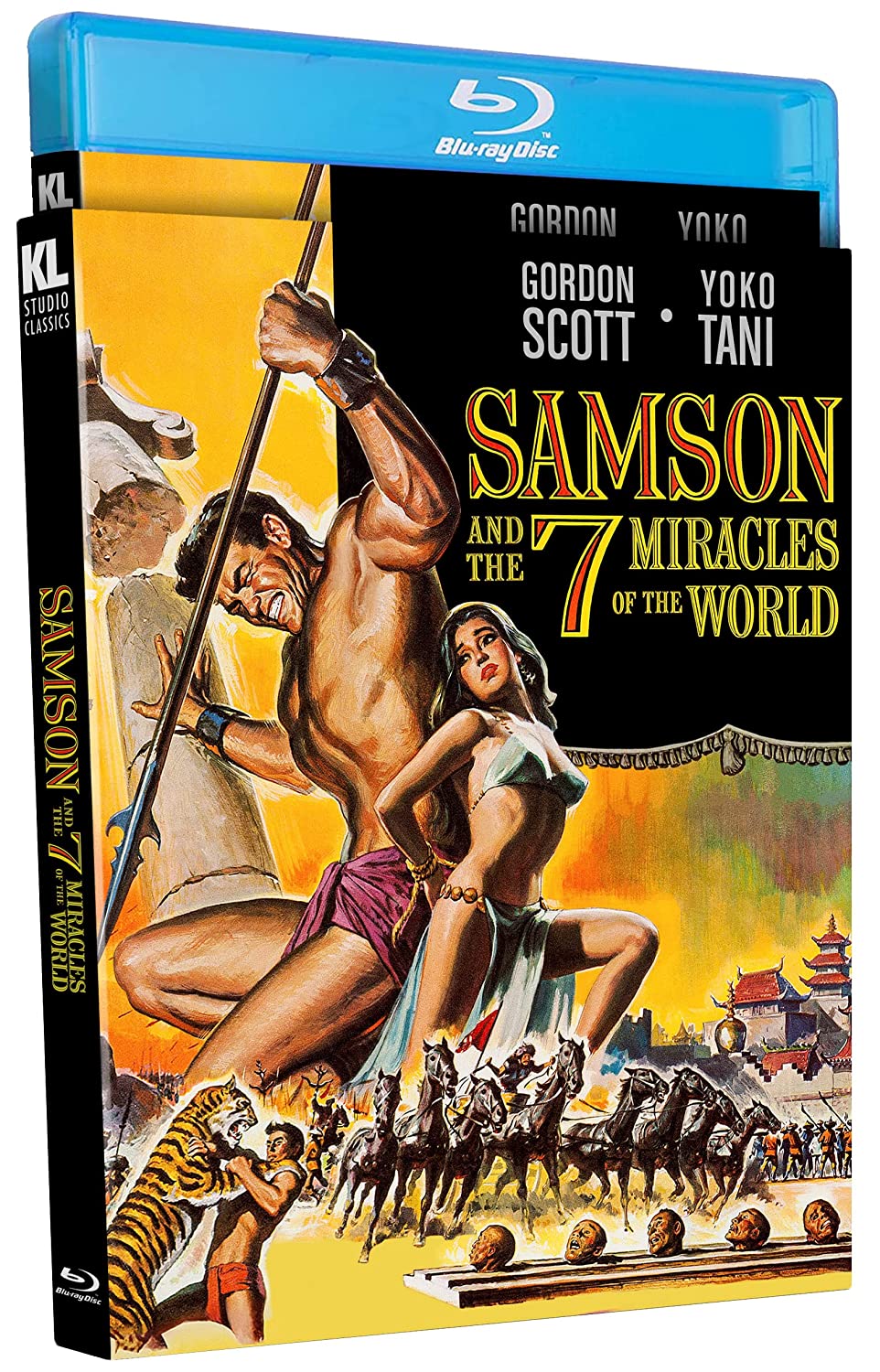
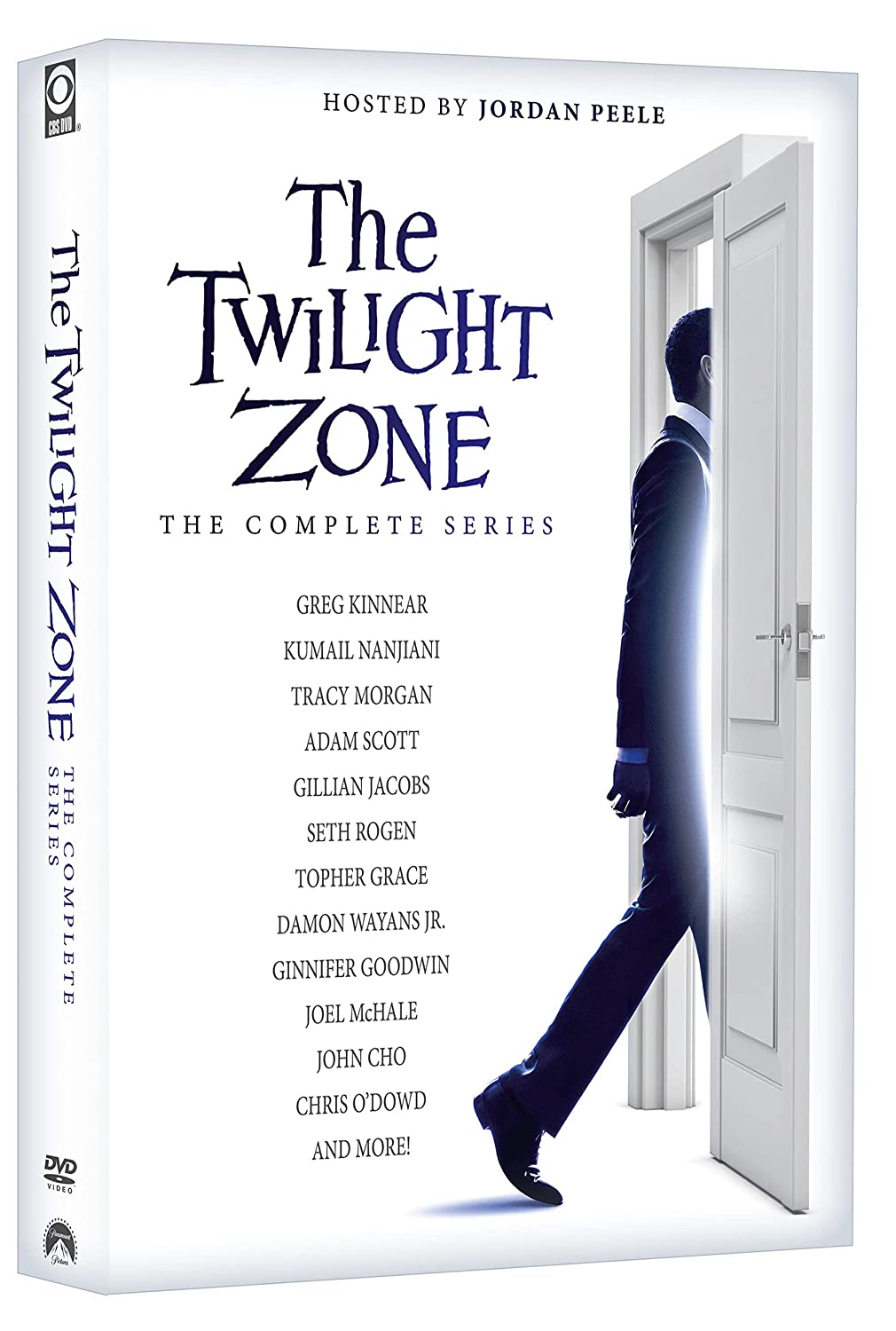
“In the 1940’s, a new genre – film noir – emerged from the world of hard-boiled pulp magazines, paperback thrillers, and sensational crime movies. These films, tough and unsentimental, depicted a black and white universe at once brutal, erotic, and morally ambiguous.”

Film Noir officially started in the 40’s, but the movement was well underway by the early 30’s. You can trace its roots to the Great Depression and the arrival of the dime pulp magazines. These were highly stylized, mostly mystery stories that provided cheap escapism for the masses who were not having a good time of it. Writers like Raymond Chandler crafted the mold that was easily transferred to the silver screen. These were low-budget films that were intended to be second billing with the more mainstream releases. They were shot quickly. Many have a very flat look, created intentionally. The lighting was often minimal, crafting odd shadows and unusual textures. The dialog wasn’t intended to be natural or realistic. These characters usually spoke in clichés and had names like Mac, Griff, or Dollface. There was often a shade of gray to these characters. Good and evil were not always so clear cut. Gangsters became common themes of the genre. And while the dialog might have been cheesy, the cinematography was often gritty and almost ultra-realistic. At times the films played out like documentaries, often including narration. The narrator would always be a voice of authority; often film reel stars were used. The films were heavily influenced by German Expressionism, perfected by the likes of Fritz Lang in the silent era and carried over to more modern themes. The films always contained a steady supply of stock characters and actors. It was smoky rooms and neon lights. It was a reflection on the times. It was Film Noir.

"Most things happen unexpectedly, even the apocalypse!"

I can't deny that Italians, we love to cook and eat. It's a stereotype that I embrace with pride. So it shouldn't be too much of a surprise that food finds its way intruding in other aspects of life. In the 50's and 60's we called the Italian western films of directors like Sergio Leone Spaghetti Westerns. Later we would talk about the Italian horror films from masters like Mario Bava and Dario Argento Spaghetti Nightmares. Well, why should we leave out the same period's Italian science fiction films? So even if it's not terribly original, I'm going to coin the term Ziti Sci-Fi. One of the true masters of Ziti Sci-Fi has to be director Antonio Margheriti. Don't be too surprised if you don't know the name. His films were always low-budget affairs, and he usually directed under the more American-sounding name of Anthony Dawson or Anthony M. Dawson. He understood that the American audience was the Holy Grail of box office success, so he attempted to make his films appear in the promotions as if they might be American or at least British films. Like many foreign genre films at that time, it was also important to get a relatively well-known American actor to lend their name to the project. The original Godzilla shot American scenes that featured Raymond Burr to sell here, and Margheriti was no different. Now thanks to a restoration and release by Film Detective, we get to see one of his better films.

Nelson Mandela once said, “It is said that no one truly knows a nation until one has been inside its jails. A nation should not be judged by how it treats its highest citizens, but its lowest ones.”  Most people, even in today's society, think of prisoners as lower than the ground they walk upon.  Prison abuse is as old as Greek and Roman times.  Heck, true prison reform didn't start in the United States until the 1960's.  But what about other countries?  In Caged Birds, we explore the Switzerland of the 1980's and how one lawyer named Barbara Hug tried to change that very system.

1980's Switzerland: a protest and all sorts of commotion in the streets.  One of the signs reads, "Put the State on a Dinner Plate."  However, this protest has turned violent.  There are cops beating women, and a man is tortured by a female officer.  Meanwhile, a young lawyer named Barbara Hugs (played by Marie Leuenberger) stands by and watches as she lights up a smoke.  Elsewhere, a car is hot-wired by an escaped prisoner named Walter Strum (played by Joel Basman) who has just escaped a jail for the seventh time.

"For those of you who haven't met me, you might call me the undernourished Alfred Hitchcock. The great British craftsman and I do share something in common: an interest in the oddball, a predilection toward the bizarre. And this place is nothing if not bizarre, by virtue of the paintings you see hanging around me."

When I mention the name Rod Serling, I'll bet that The Twilight Zone is the first thing that pops into your head. And why not? It would be very hard, indeed, to argue against the impact that The Twilight Zone has had on television. To say that the series was a milestone in that medium would be an understatement of the worst kind. When Rod Serling brought his landmark series to CBS in October of 1959, television was still very new. No one was quite sure what the future held for that magical box. For five years Rod Serling would enter our living rooms with the most bizarre tales we'd ever seen. But no matter how exotic and strange the stories might appear on the surface, Serling always brought our own humanity into vividly sharp focus before it was over. When the series had run its course, we didn't hear much from Serling for over a decade. He continued writing, of course. His screenplay for the 1968 Planet Of The Apes would lead to record-breaking at the box office, but Serling's home was always that magical box, and it didn't take long for him to find his way back.

Some of my favorite movies are ones where they use the "author" as the focal part of the story.  Films like Secret Window, Misery, and The Ghost Writer are ones that immediately come to mind for me.  However, Westerns tend to be somewhere down on the list of genres for me, and only ones like Tombstone or Unforgiven tend to spark any interest.  So when I received Jesus Kid, which features a Brazilian author who likes to write Westerns, well, you can kinda understand my apprehension.  However, my curiosity was also piqued at the same time for the very same set of reasons.

Eugenio (played by Paulo Miklos) brushes his teeth late one night.  He follows it up with a mouth rinse ... and a cigarette.  Then a swish with some whiskey and some pills.  Seems like a typical night for the author.  Eugenio writes western tales about a cowboy simply known as Jesus Kid (that's Geesus, not Haysous).  In fact, he's published twenty books about the character, and his latest manuscript entitled Ballad of the Nerves is ready for publication.

With streaming working the way it does now, every studio in the world is churning out hours and hours of television to please a growing number of viewers on multiple platforms. There's more material produced in one year today than was produced in any decade leading up to the day Netflix opened the door on a new trend. It's changed the way we watch television, and that extends to the networks that still operate over the airwaves. We no longer sit and watch an hour or two of television in what was once called prime time. Now we binge. The latest statistics tell us that the average person watches a minimum of four hours at a time, usually the same show. That means not only more content but a greater range of content types. A-list actors and filmmakers are joining the trend, and they're now able to cater to pretty much every taste or genre. Along comes AMC+ and the first effort to bring the Spaghetti Western to "television". That Dirty Black Bag hearkens back to the Clint Eastwood and Sergio Leone collaborations of the 1960's. All of the trademark elements are there. But is it as good? The short answer is no. But it's not quite fair to let the evaluation stand there.

The Western town of Greenvale is populated more by characters than stories. For pretty much the bulk of these first eight episodes, the story doesn't really connect. The longer you watch, the more some things tie together, but when it's all said and done, what stays with you the most are the characters and their unique worldviews. I guess you could call this a sit-west, along the lines of a situation comedy. The drama and the entertainment come from a series of situations that are obviously contrived to give these characters a place to live, breathe, and yeah ... die.

From the moment I saw the trailer for The Lost City, it immediately gave me vibes of Romancing the Stone and Jewel of the Nile, the adventure-romance films that starred Michael Douglas and Kathleen Turner back in the mid-eighties. The basic story for those films was simple: a romance writer who finds herself in an adventure to find a rare jewel alongside a handsome rogue with bad guys coming after them around every corner. I loved these films as a kid, and getting to see a modern twist on these stories is something I found welcome. What is even more welcome is getting to see Sandra Bullock back in a comedic role. I’ve been a fan of just about everything Bullock has done since she graced the screen in Demolition Man and then the following year in Speed. My only concern was seeing Channing Tatum as her co-star; while I like him in numerous supporting roles like Logan Lucky and Foxcatcher, he’s never really convinced me that he has what it takes for leading-man status. Well, that changed after seeing The Lost City, and my feeling about this film is that it’s the movie audiences don’t yet realize they needed, and I hope it becomes the box office success it deserves to be.

Loretta Sage (Bullock) is a successful romance novelist who is mourning the passing of her husband. She’s become a bit of a shut-in, and after struggling to finish her book, “The Lost City of D”, her manager Beth (Da’Vine Joy Randolph) has put together a book tour for Loretta and her cover model, Alan “Dash” (Tatum) to promote the book. Loretta seems to be content with giving up on her romance adventure series, though this could possibly mean an early retirement for Alan, who has embraced being a sex symbol for her readers wearing a ridiculous wig, acid-wash jeans, and a shirt that seems to have lost most of its buttons. Channing Tatum immediately stands out in this performance as he hams it up on stage for the adoring fans but is charming when he’s off stage trying to convince Loretta to not stop writing. It’s after the near-disastrous promo appearance where the plot escalates after Loretta is kidnapped and taken to see an eccentric billionaire, Abigail Fairfax (Daniel Radcliffe). Fairfax believes the island in Loretta’s new book is based off the island he has recently purchased and is in search of a lost city that contains a rare treasure.

"It all started when a man named Bishop created a team of robots. He sent them back in time with one goal: to destroy the 20th century. These machines were programmed to think that they were beyond human. That they were superheroes. They made their way across country murdering some of the greatest figures in history, famous lawmen and men of science. Finally they kidnapped the inventor of time travel itself, and with his help set their sights on destroying all of history. No one could stop these so-called Legends. Not until we came upon the real flesh-and-blood superheroes whose job it is to put history back on track. We're the real Legends of Tomorrow."

If none of that made any sense to you, don't worry about a thing. It'll all become clear over the final 13 episodes of DC's Legends Of Tomorrow: The Complete 7th and Final Season. OK, I lied. No. It really is the 7th and final season, but it won't really become all clear. You see, that's the nature of the series. It's the crazy uncle of the Arrowverse that says a lot of things no one understands. But we all kind of nod our heads and suspect it will all be OK.

I don’t think Hollywood is ready to stop shooting movies centered around World War 2 any time soon, even if it seems they’ve filmed just about every story under the sun that you can tell about that that war.  I get it, Nazis are simply put some of the greatest villains you can have in a film, because they took part in some of the most wicked atrocities towards men and women, so you really don’t have to do much in the way of character development to get your audience to hate them. I don’t think anyone is interested in a story about a sympathetic Nazi, but is it so hard to ask for a character that comes off the screen that seems to at least have a personality? I mean, Tarantino did it with Col. Hans Landa in Inglorious Basterds (2009) with a terrific performance from Christoph Waltz, but since then the movies have been afraid to do this, and that’s the kind of thing that is so desperately missing from Wolf Hound. It’s not just the Nazis who are lacking in personality, but the entire cast of characters that reek of cliché and lazy writing that it mystifies me how this ever got made.

The film opens up with some excellent aerial photography of some authentic war planes being used for these sequences. Director Michael B. Chait was smart to utilize these planes and use them at the start of the film, because it was a good way to hook the audience into thinking that perhaps the whole film just may be as authentic. Sadly after that 20-minute mark this becomes a whole different film when pilot David Holden (James Maslow) has to parachute from his plane. Unfortunately for Holden, Major Erich Roth (Trevor Donovan), a German pilot, has crashed in the same area and is looking for vengeance for his brother’s death. If the filmmakers had kept it simple and this became a story about two men hunting one another in the woods while avoiding capture from the enemy, this could have been a stronger film, could have had some actual suspense, but instead these filmmakers decided to go big and go strong with the clichés, which means just about every scene in this film is obvious because it’s been done to death in every other war film to come before it. Down to the convoy of enemy soldiers that just happens to stop where our hero is and to go further with the cliché a soldier happens to relieve their bladder right next to our hero who is just out of the enemies sight-line because they don’t look down. That’s right, you’ve all seen this done before, and the movie plays out like a bad piece of déjà vu, but in surround sound.

"All I know is that it was a tragedy. A terrible tragedy. I probably shouldn't say this, but some of those kids, eh ... no big loss, if I were honest. But those girls were special. They were champions."

What happens when you take a concept like Lost and sprinkle in a little Lord Of The Flies, the 1993 film Alive, and work in a bit of Pretty Little Liars and a heavy dose of pretty much any reality series out there? You'd get Showtime's latest creepy entry, Yellow Jackets. The new drama is one of those shows where they pack on the secrets and teases and then try to walk that tightrope of giving you enough resolution to keep you from giving up but maintain enough promise of more shockers to come so that you keep coming back for more. It's not an easy thing to navigate, and there are times that Yellow Jackets does that pretty well. The problem that I see in the show's future is how long can you keep this pace going? Ages of the actors is going to quickly become a factor, so I suspect this show will have to take advantage of what time they have and try to get another season or two out of the material.