Posts by Archive Authors

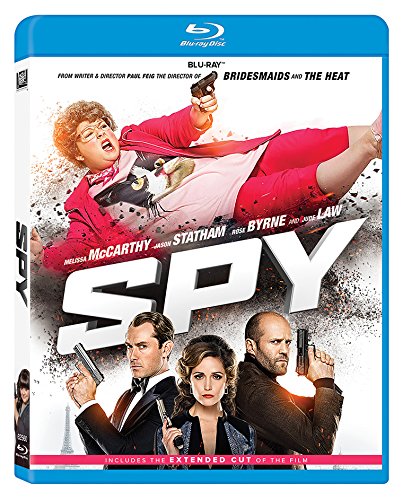
I don't enjoy writing negative reviews. It's a struggle when the film experience was joyless and then to have to go back and relive that. I also don't enjoy reading reviews by other critics that get everything completely wrong. It's even worse when almost all the critics get it wrong. Even worse than that is when I see critics dumping on a film that's actually good, but that's a story for a different day. How can I say Spy is so bad? Because I had to sit through the movie. I can get some enjoyment out of even the worst movies, and that's true here, but I would not recommend it to unsuspecting viewers.I do imagine a lot of people will enjoy the movie despite themselves if they are paying for babysitters, etc. Again, I do think every movie has some entertainment value. I will try to find it in the new movie Spy. The first good thing I can say is that Spy is a chick flick that lets chicks save the day. They don't look great doing it, but they save the day. That's one of the problems. Almost no one looks good in this film.

The film has a great cast. Melissa McCarthy is the big star, but she shares billing with Jason Statham, Jude Law, and Rose Byrne. You can also throw in sturdy supporting players like Allison Janney and Bobby Cannavale. There are plenty more, but those are the names. I will say that the person who comes off the best is Rose Byrne. She plays a super-bitch super-villain who you truly believe doesn't like anyone. She dispatches people with the unpleasant venom of someone who doesn't like the service she is receiving at a restaurant. Jason Statham has the thankless job of making fun of himself. He seems game, but he doesn't really pull it off. He gets some of the funniest material but almost flubs most of his lines with his mush-mouth delivery. Jude Law gets the part of the perfect James Bond-type spy, but you get the hint of embarrassment in his facial mannerisms like he's trying too hard to spoof the trope.

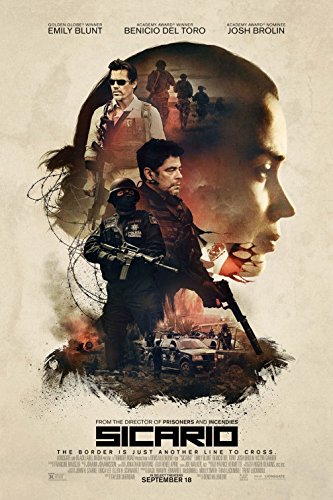
The best way to win a war is to use the element of surprise. Another way is to be brutally and remorselessly ruthless. Neither one of these tactics are something a law enforcement agency is naturally disposed to do. Criminals will always have the upper hand, because they know the law enforcement agencies of the United States are supposed to operate within the bounds of law and rules. That dilutes the potential pool of surprise tactics and also completely limits how ruthless you can be in fighting an enemy. Anyone who knows anything about the Mexican and South American drug cartels knows there is no limit to their barbaric ruthlessness. How can you win against them? One answer appears to be to employ motivated consultants. Find people who know what the game is and know how create plausible deniability. This is not fair fight, so you can't fight fair. Put mercenaries out there to do a job, and don't ask questions about what they are doing.

Sicario is a film that bears some resemblances to the Oscar-winning film Traffic including sharing Benicio del Toro as a co-star. Sicario is far more focused on in-the-field drug battles and only peripherally deals with the politics.

by Dustin P. Anderson

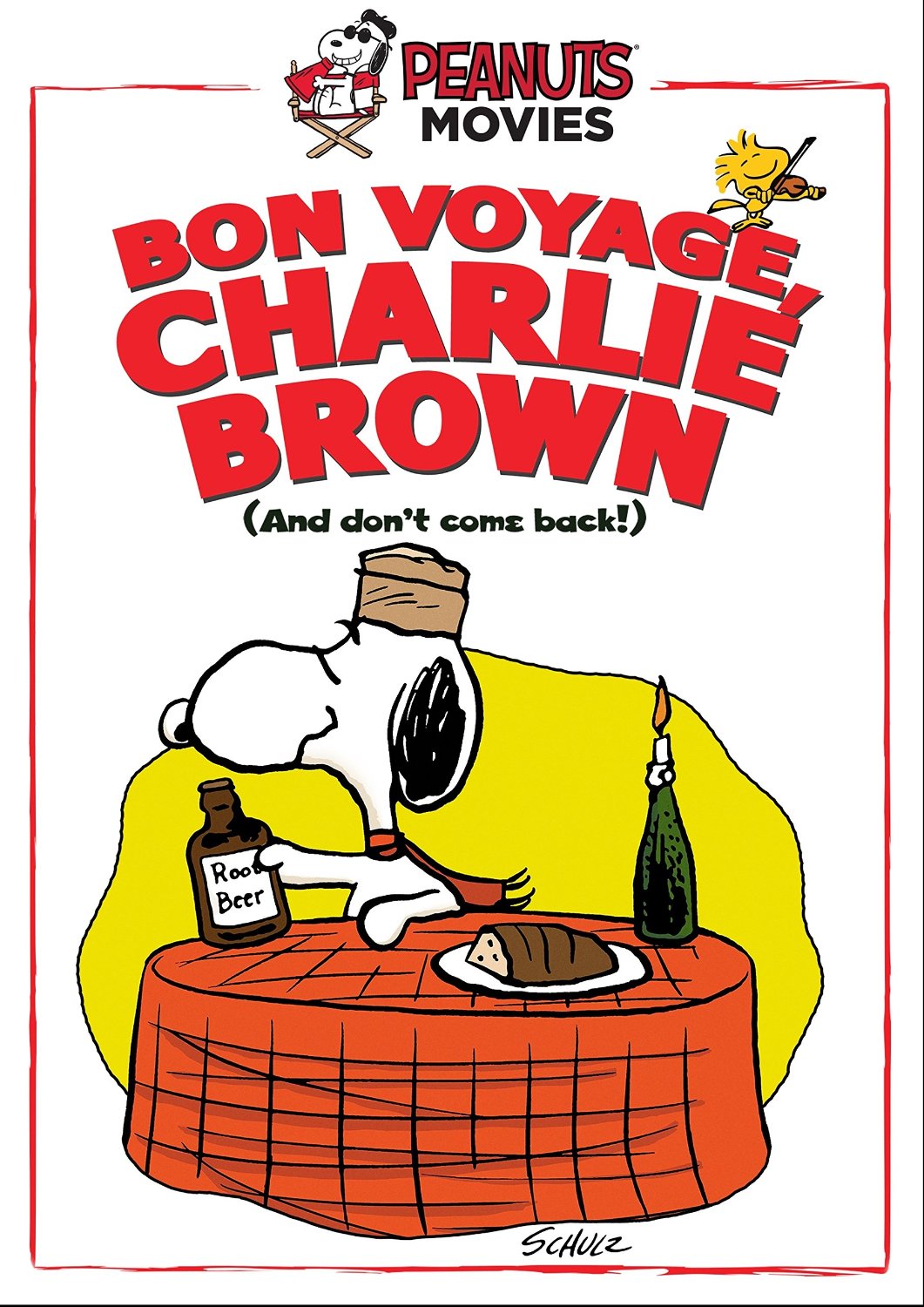
Charlie Brown and his gang of friends are at it again; this time the crew must go to France for a foreign exchange program. Before his journey begins, Charlie Brown receives a strange letter from France telling him to come and stay at a Chateau. Little does Charlie Brown know, he is going to an infamous Chateau in this small French community, which is notorious for not allowing visitors. Charlie Brown and Linus sleep outside in a stable with no sign of anyone actually living at this place, but they are still provided food each morning by some unknown entity. It is up to Charlie Brown to find out who this person is, and why he has been forced into sleeping under such conditions.

by Dustin P. Anderson

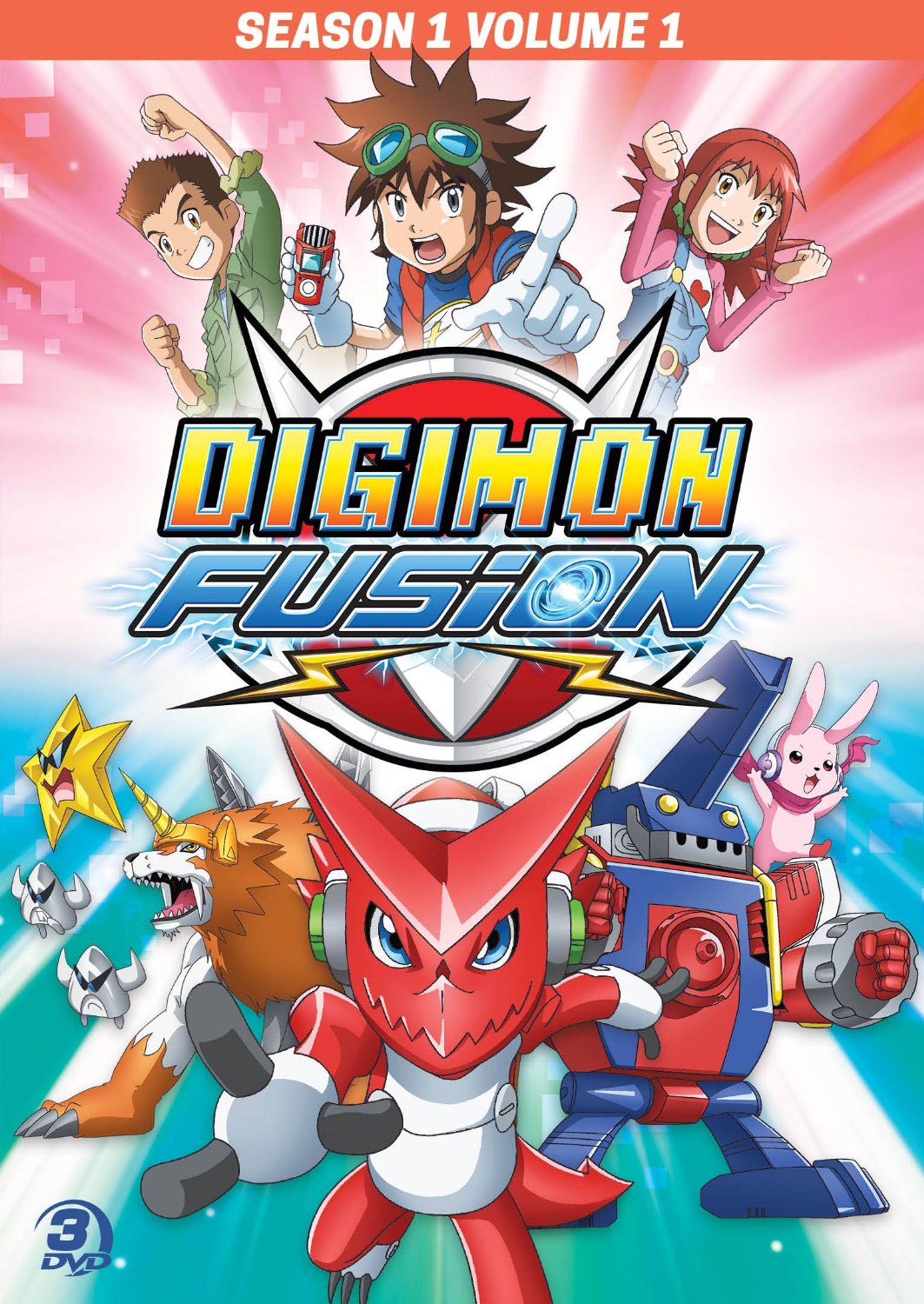
Our series follows Mikey and his friends as they thrown into the digital world while trying to save a strange creature from certain death. This creature is a Digimon that leads him to encountering a strange, intangible voice which gives him the choice of saving the hurt Digimon or walking away. Mikey chooses to save him and in turn receives something known as a Fusion Loader, and is transported into the digital world. Once there, it is revealed to Mikey that the hurt Digimon is seeking to become the ruler of the Digiverse so he can protect all of his fellow Digimon from the evil overlord, Lord Bagra, conquering lands one by one. Facing insurmountable odds, it is revealed that Mikey has one thing the evil conqueror doesn’t: his Fusion Loader. This Fusion Loader is capable of fusing together all types of Digimon to create one new, more powerful being. With the Fusion Loader in hand, and his friends by his side, Mikey sets off to right the wrongs caused by the overlord.

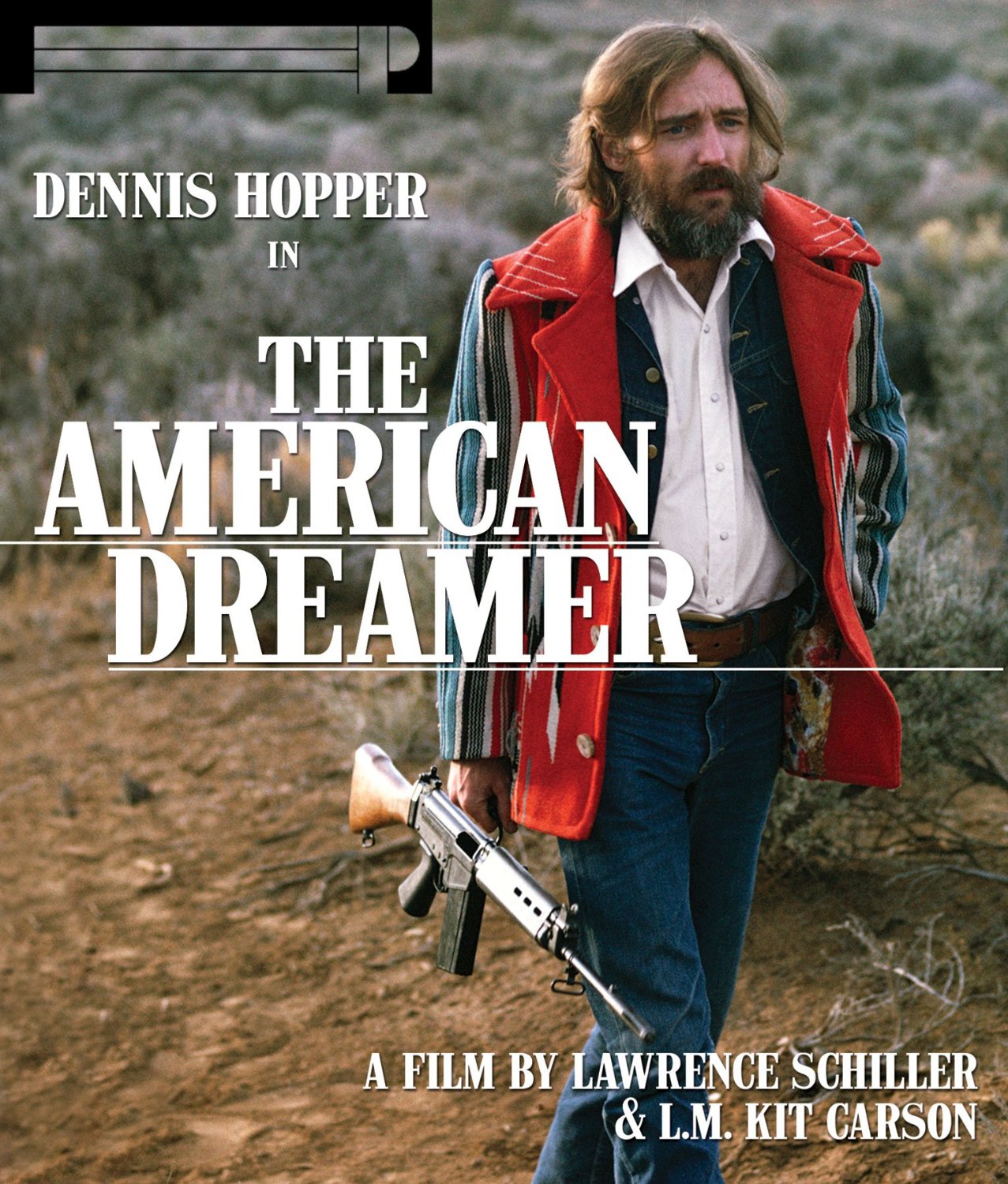
Dennis Hopper was probably a friend of James Dean, since he appeared in two of Dean's three films, Giant and Rebel Without a Cause. It's hard to tell about Hopper, because he went through so many changes over the years. In the fifties and early sixties, he was clean-cut and quiet. After Dean's death he started to acquire a rebellious streak, famously confronting director Henry Hathaway on the interpretation of a scene requiring 80 takes. It nearly destroyed Hopper's career early on, but John Wayne got Hopper on two other Hathaway westerns, and fences were mended in the Old West. Around the time one of those westerns (True Grit) came out, another film came out starring Hopper. It was Easy Rider, which Hopper also directed and co-wrote. Easy Rider basically changed all the rules in Hollywood due to its enormous success. It is in the wake of Easy Rider's success that The American Dreamer was made.

Hopper was an accomplished photographer in the sixties, having been published in Vogue and other magazines as well as doing extensive portrait work of people like Martin Luther King, Jane Fonda, Tina Turner, and Andy Warhol. Hopper was also an accomplished painter and a very successful art collector. All of this figures into the portrait of the man that comes out in The American Dreamer. Hopper was clearly being pulled in many directions by his impulses, including increasing abuse of drugs and alcohol. He was nothing if not multidimensional and was probably frequently lost in one of those other dimensions.

by Dustin P. Anderson

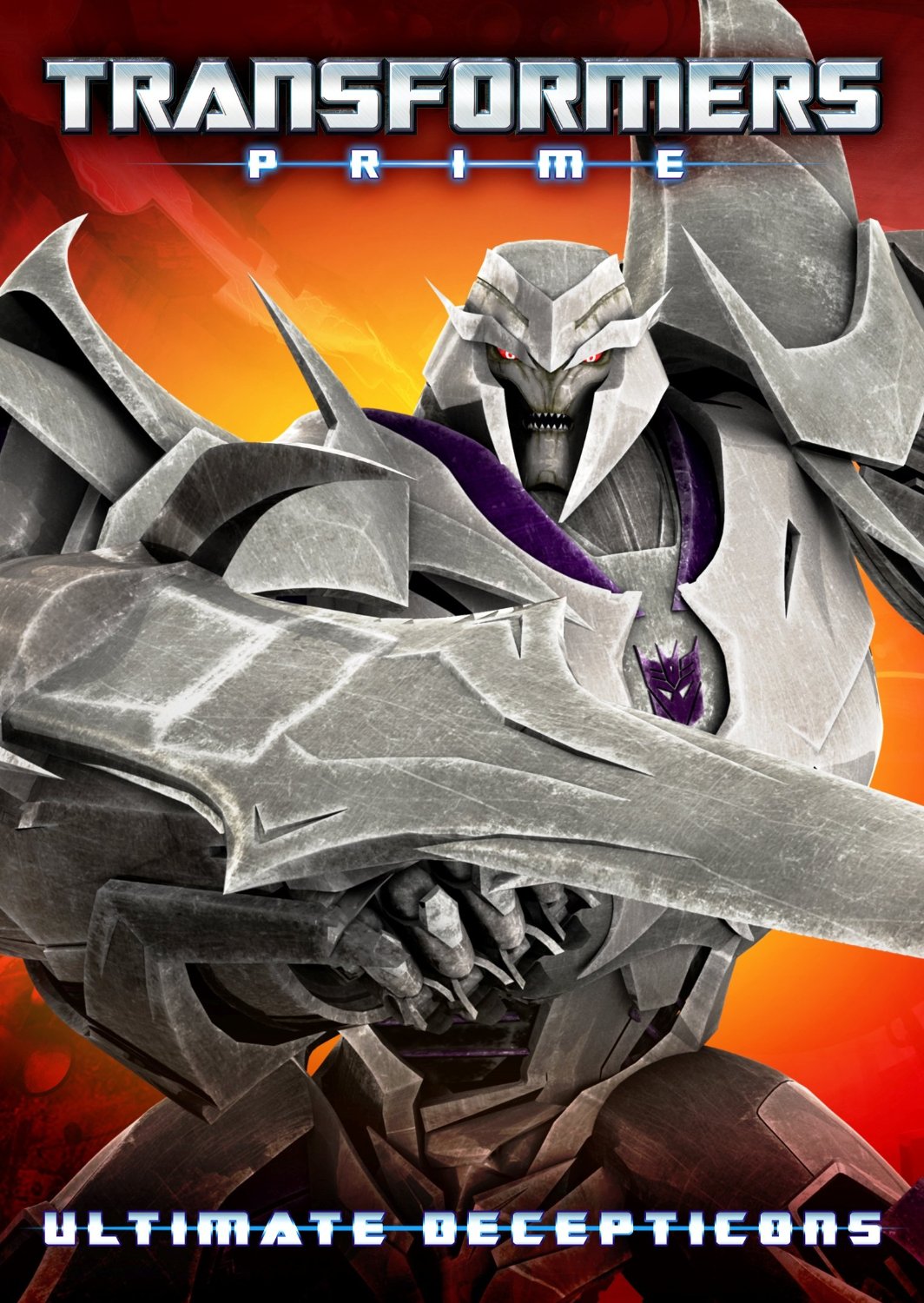
In case you are unfamiliar with the over all Transformers mythos, allow me to regale you for a spell. The Transformers are an alien race of sentient, transforming robots that have crash-landed on earth. After a long war with their bitter enemies the Decepticons on their home world of Cybertron, they find a new home here with human companions. Unfortunately, the Decepticons follow our intrepid heroes and bring the war from their home planet here to Earth as they search for the fuel of their race called Energon. In this collection of episodes, we are treated to the biggest, meanest enemies the Decepticons have ever created, and they prove to be some of the toughest battles for our heroes.

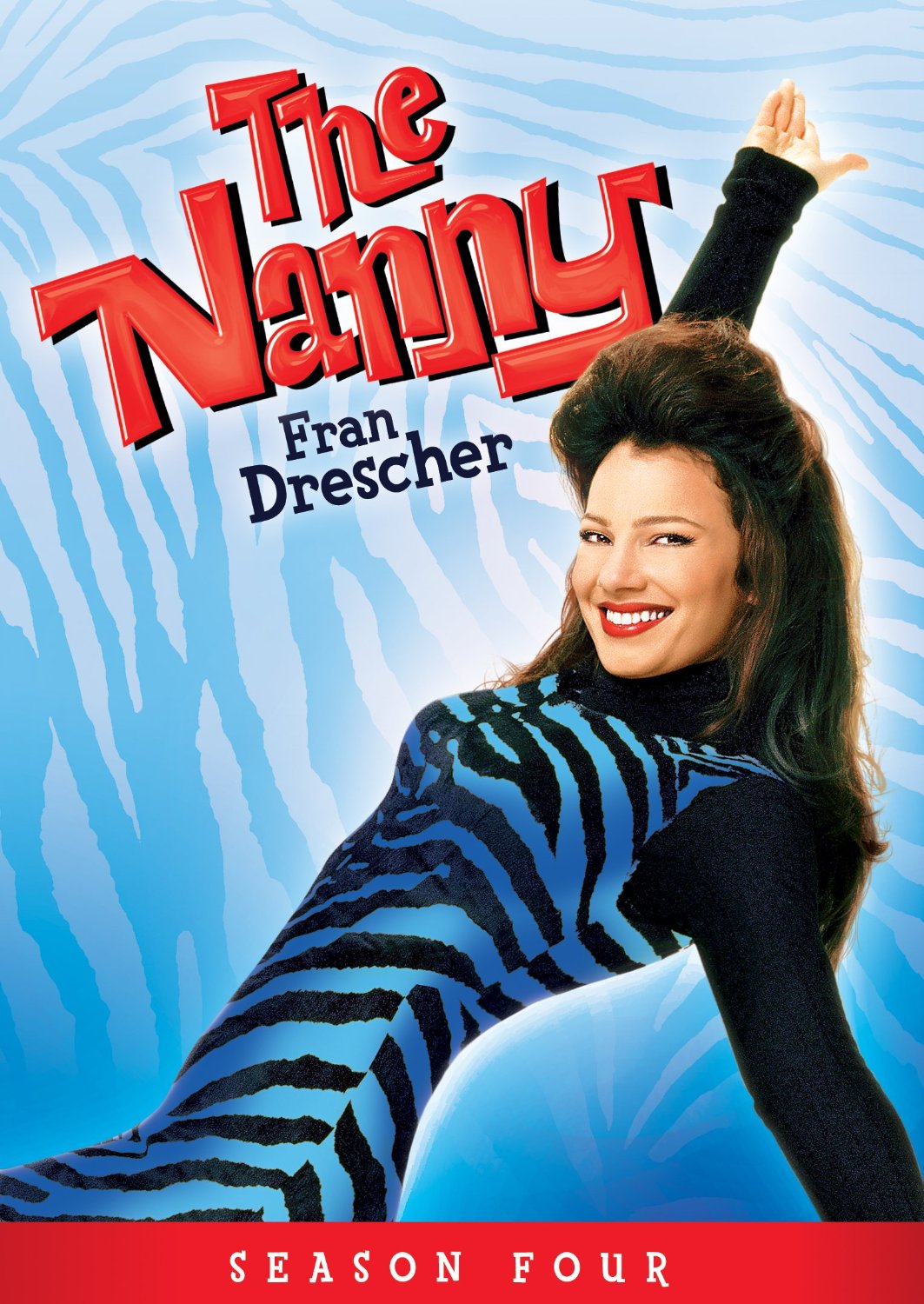
The Nanny ran for six seasons from 1993 to 1999, originally aired on CBS. It is just issuing season 4, which is kind of odd, but what can you do. The first three seasons were released from 2005 to 2009, and it looks like the entire series will soon be available. I'm not sure why they did it in such a staggered manner, but those people who are not satisfied until their collections are complete will finally be able to rest easy. The Nanny was known for celebrity stunt casting, so in Season 4 you can look for the likes of Donald Trump (circa 1996), Celine Dion, Jason Alexander, Hugh Grant, Elizabeth Taylor, Rosie O'Donnell (at the height of her talk show fame), Donald O'Connor, Robert Vaughn, Joan Collins, Rich Little, Monty Hall, John Astin, Sally Kirkland, Eartha Kitt, Nora Dunn, Jay Leno, Jon Stewart (as a boyfriend), Peter Scolari, Bette Midler, Ed Begley, Jr., Pamela Anderson (at the height of her infamy), Lainie Kazan, the cast of The Young and the Restless, Ivana Millicevic, and in multiple episodes as a therapist, the late Spalding Gray.

In case you are not familiar with show, it is best known for Fran Drescher, her raspy voice and adenoidal honk of a laugh as the the titular nanny. The theme song probably tells the story best. “She was working in a bridal shop in Flushing Queens / Till her boyfriend kicked her out in one of those crushing scenes. / What was she to do? Where was she to go? She was out on her fanny. / So over the bridge from Flushing, to the Sheffields' door. / She was there to sell makeup, but the father saw more. / She had style, she had flair, she was there. / That's how she became the Nanny!”

by Dustin P. Anderson

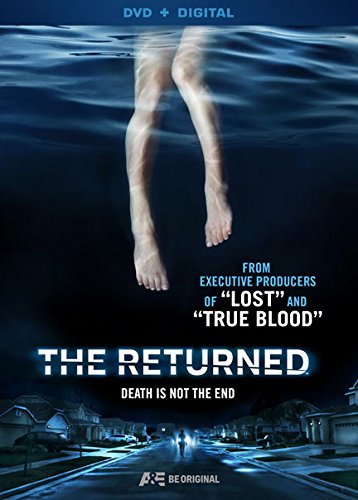
We join the residents of a small mountain town four years after they are stunned by the deaths of an entire class of children. One of these children has returned from the dead and shocks her family with a sudden appearance. She has no memory of the events that led to her death, nor does she remember anything about the afterlife. To her it’s just another day, and she is just waking up after a prolonged blackout. The family soon realizes that their daughter is not the only person to have returned from an alleged death, and questions soon arise as to how these people are suddenly coming back to life. Why is this happening? Why them? What are they here for?

by Dustin P. Anderson

Our story follows Luke, the son of a wildlife protection advocate, who is left to his own devices while his mother is off doing her job. During his night of freedom, Luke has a chance encounter with a mother polar bear raiding his shed. The police have been tracking this polar bear and take her away. Shortly after the polar bear is taken, Luke finds the mother polar bear’s son and starts his journey trying to get this cub home. With the help of an ex-friend of the family, MukTuk, the two try braving the harsh ice surrounding their home in order to reunite the bears at a far off retreat.

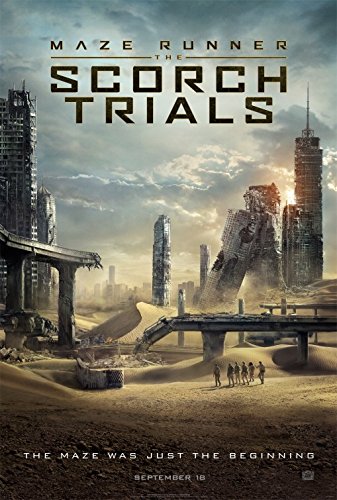
Maze Runner: The Scorch Trials causes a great deal of confusion for me. First, I have to figure out how it is different from two other YA (Young Adult) phenomenons, Divergent and The Hunger Games. It's not that it's that hard to tell the difference between them, but there are so many nagging similarities for me that watching the three series in succession would become a difficult experience. It doesn't help that Maze Runner II has so many tropes from so many different movies that it is somewhat overwhelming. More than overwhelming, it is absolutely confusing. Adding to the confusion, this new installment of Maze Runner no longer has a maze.

In the first film, our young protagonists were trapped in an isolated meadow surrounded by gigantic walls. The walls could be mechanically manipulated to allow access to deep mazes. By the end of the first film, many of the clueless teenagers had escaped out into a barren and harrowing dystopian landscape. That's where the second film picks up. It is derived from a series of books which promise future editions such as The Death Cure, The Kill Order, and The Fever Code.