Posts by Archive Authors

Big blockbusters rule the summer. Sequels and reboots and remakes are demanded by a public that wants sure things. There are no sure things any more, but the big Hollywood studios try to form committees that take as much chance out of the equation as possible. But even in the middle of a summer ruled by big blockbuster, there is a school of thought that counter programming can work. You have to give the makers of Self/Less credit for releasing a non-sequel and one with such an odd title. Self/Less stars Ryan Reynolds and Ben Kingsley, which is an odd but interesting pairing. But it is an awkward pairing, and they don't share any words in the film, because they share a body. Reynolds has done this kind of thing before in the movie The Change-up with Jason Bateman. In Self/Less, Kingsley plays a billionaire who is dying. He coughs up $250,000,000 to get a new body in a process called shredding. If you have $250,000,000, you can get just about anything.

Kingsley plays New York Real Estate developer Damien Hale, who has one of the gaudiest and glitziest apartments imaginable (in the Trump Towers). He also sports a New York accent that reminded me of Dustin Hoffman. When he coughs up blood one too many times, he coughs up the money to a super-secret medical genius Albright (Matthew Goode), who provides the cutting-edge miracle cure. Damien is shuttled from New York to New Orleans where he will be killed and then reborn. He has a public death and is then smuggled to a remote warehouse where the clandestine facility is located. It gives off the vibe of being a highly illegal operation, which it is, but that's only half of it. Albright claims the replacement bodies are grown in the lab, but he's lying. These are not new bodies, but slightly used.

by Dustin P. Anderson

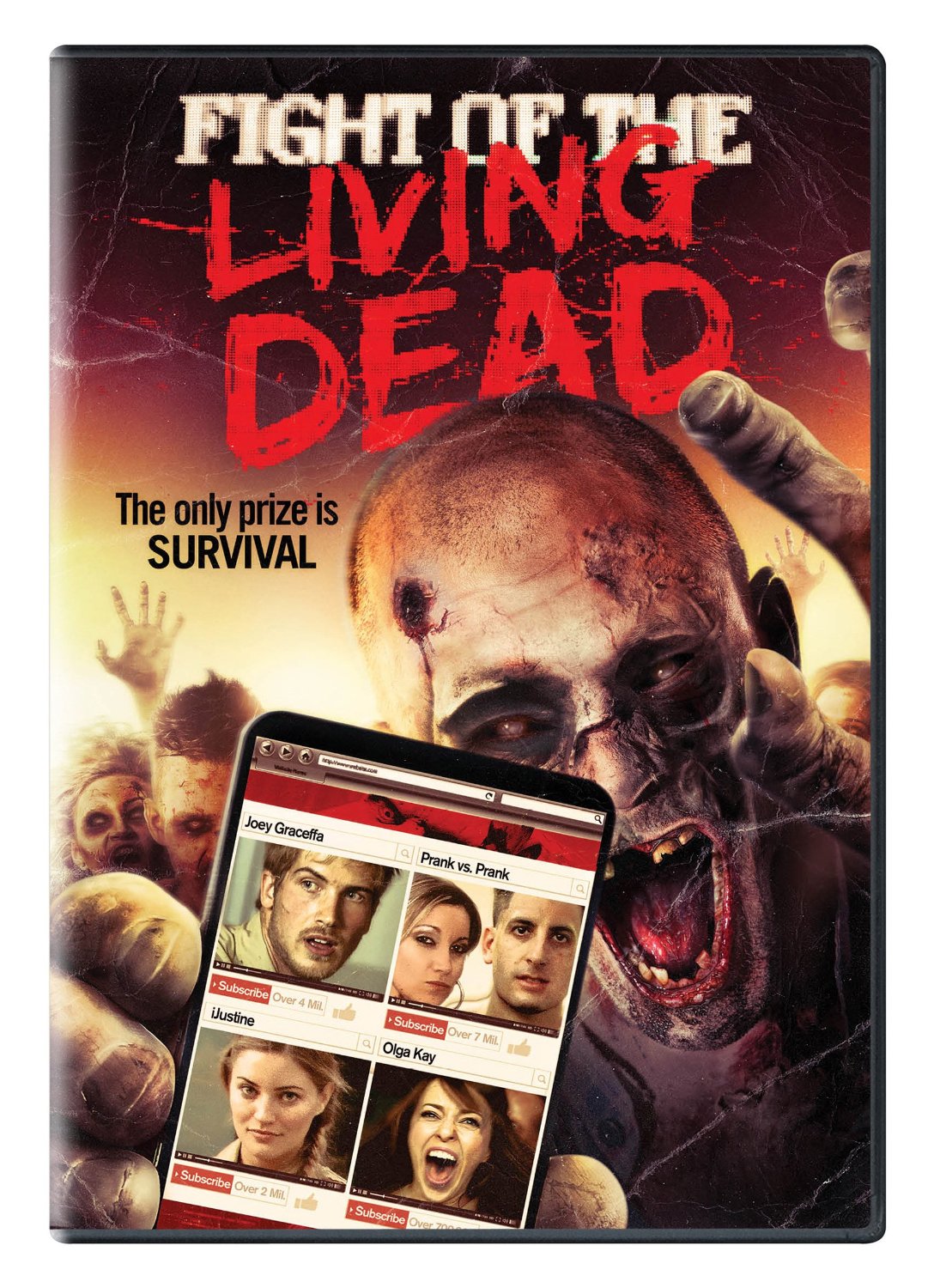
There is no real story here. This is set as a competition/reality TV Series. The goal is for one team of survivors to get out of an infected zombie prison. The twist is that the contestants are all YouTube personalities. They must first get out of the room they wake up in, then go to get an antidote, then give the antidote to a doctor, then get out of the facility. The concept for this was intriguing, but the application was sloppy at best. During the entire production you are reminded of how low-budget this series is, whether you are listening to the overly cliché horror music or getting motion sickness from the camera. First the music: the music reminds me of the same backdrop I could hear in a thousand other straight-to-DVD horror movies or reality TV series (like listening to the music in Killjoy, mixed with the music from Hell’s Kitchen). After listening to it for a 51-minute runtime, it became akin to nails on a chalkboard. Now to the camera work: the camera switched from looking like security camera footage, to cell phone video, to actual movie camera; this way of filming made the action hard to follow. Half the time I didn’t recognize which team I was following; the other half of the time I was annoyed at the people participating and didn’t care which team I was following. I can understand a budgetary constraint, but people have done more with less (like Kevin Smith with Clerks).

by Dustin P. Anderson

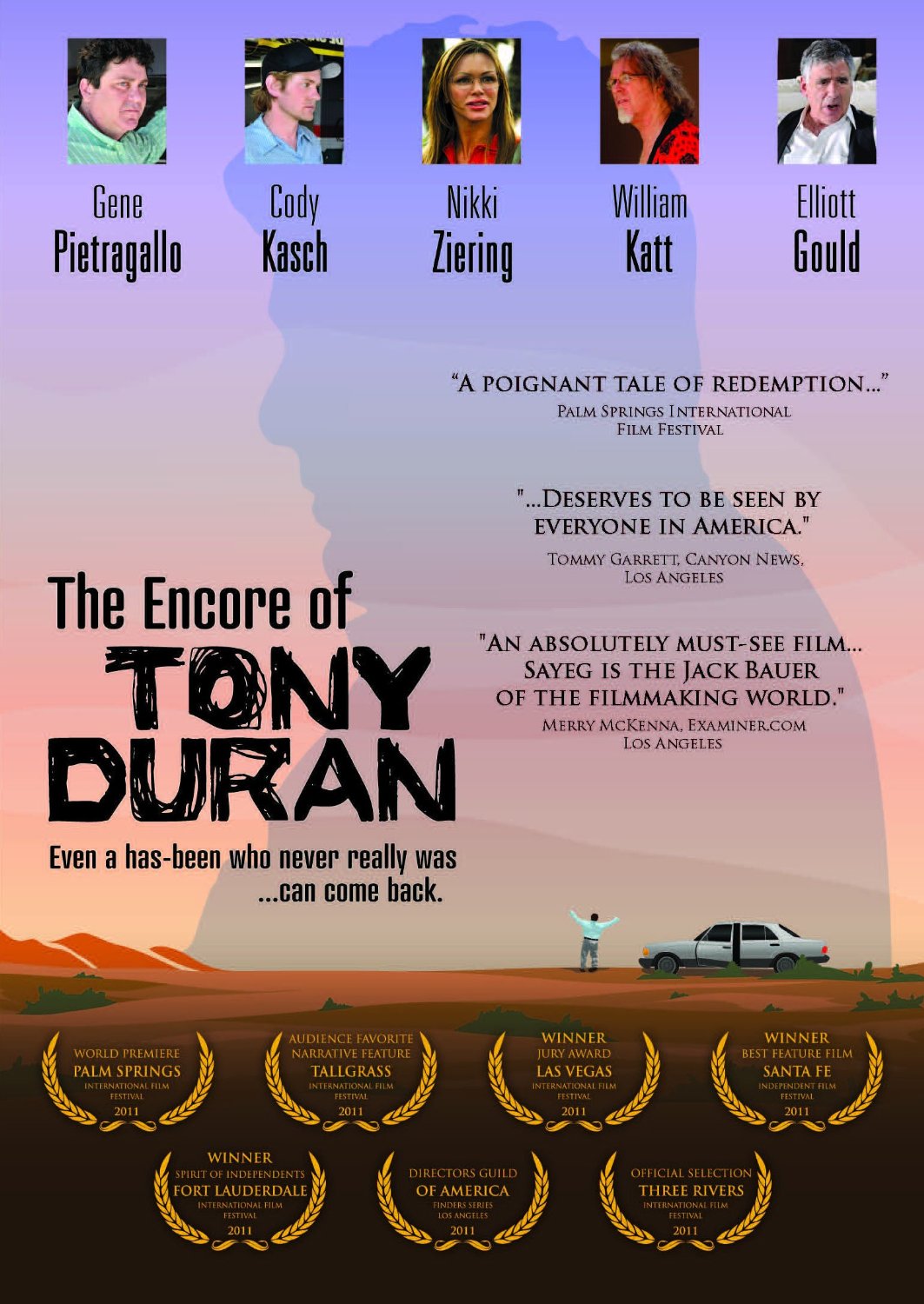
We follow Tony Duran, a washed up performer who was never a big name to anyone, and whose life is starting to fall apart. He has become an obese alcoholic who stacks lies on top of lies in order to not seem like the bad guy to the people who still care about him (all two of them). After one last attempt to get some money so he can pay off some of his increasing debt, his son turns away from him. In the aftermath of this, Tony’s friend Jerry challenges him to become a better person. He gets Tony to sing in front of people (like he once did), and Tony’s eyes finally open to the truth. He sets off to lose some weight, stop drinking, and prepare for a show that Jerry has lined up for him.

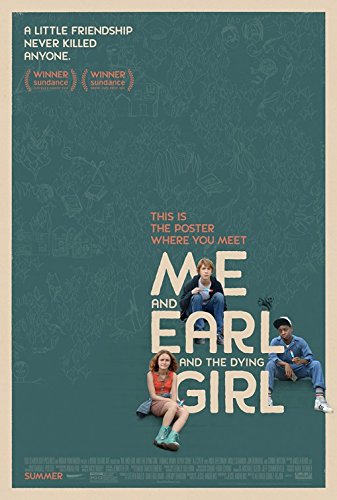
Me, Earl and the Dying Girl is not the perfect movie by any means, but it is pretty darn good. Sometime it is too clever for its own good, and sometimes its cleverness is what makes it good. It is a movie about a precocious high school teenager much in the tradition of Ferris Bueller's Day Off. It has an offbeat and anarchic take on the high school experience, because the titular Me is giving his point of view. As with many narrators in the tradition of literature, his opinions can be unreliable. Me shall be known from now on as Greg (played by Thomas Mann) (no relation to the famous German novelist) (which I mention because German film maker Werner Herzog is all over this film). One of the things that Greg says that can't be relied on is when he talks about the dying girl who shall be known as Rachel (Olivia Cooke). In fact, Greg tends to say lots of things that he doesn't really believe. He has accepted the role of the beaten-down loser who has figured out a way of being relatively invisible and getting along with everyone. Rachel just might screw up that master plan.

Greg's mom (Connie Britton) and Rachel's mom (Molly Shannon) think it's a great idea if Greg spends time with Rachel (since she's dying after all). Greg thinks it sucks but goes along with it anyway because he's a fairly wishy-washy guy. Rachel is suspicious right off the bat and Greg basically begs her to do this or his mom will make his life miserable. She grudgingly goes along. They become friends despite all this.

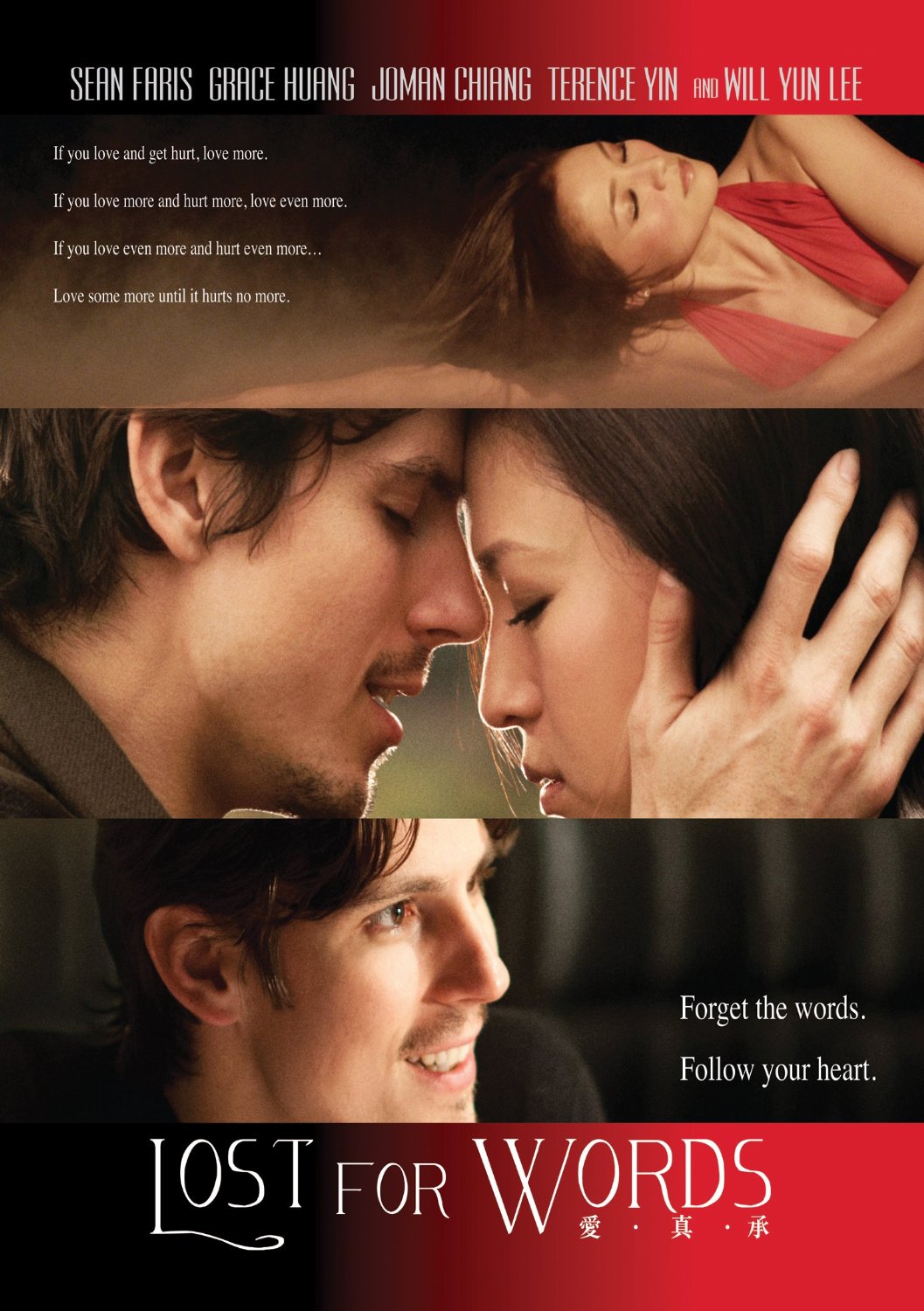
Right off the bat, the first 10-minute flashback in Lost for Words that repeats verbatim at the end could have been left on the cutting room floor. If you’re looking for an in-your-face, action-packed summer blockbuster, this isn’t for you. If you have more sophisticated tastes and are seeking a slow to medium-paced love story that transcends country and race, Lost for Words tells the beautiful bilingual tale of American ex-Marine-now-IT-guru Michael and Chinese modern dance ballerina Anna.

Almost stealing limelight from the story is the incredible backdrop in which the story unfolds. Lost for Words is set against the exotic setting of cosmopolitan and rural Hong Kong. Over 40 days, the cast and crew of Lost for Words travelled across Hong Kong to capture its beauty on film.  Though Jimmy Wong, cinematographer, is a veteran of Asian film, this was his first English-language feature film. The contrasting imagery is stunning and rich, and I expect Mr. Wong will be finding more work in American theater.

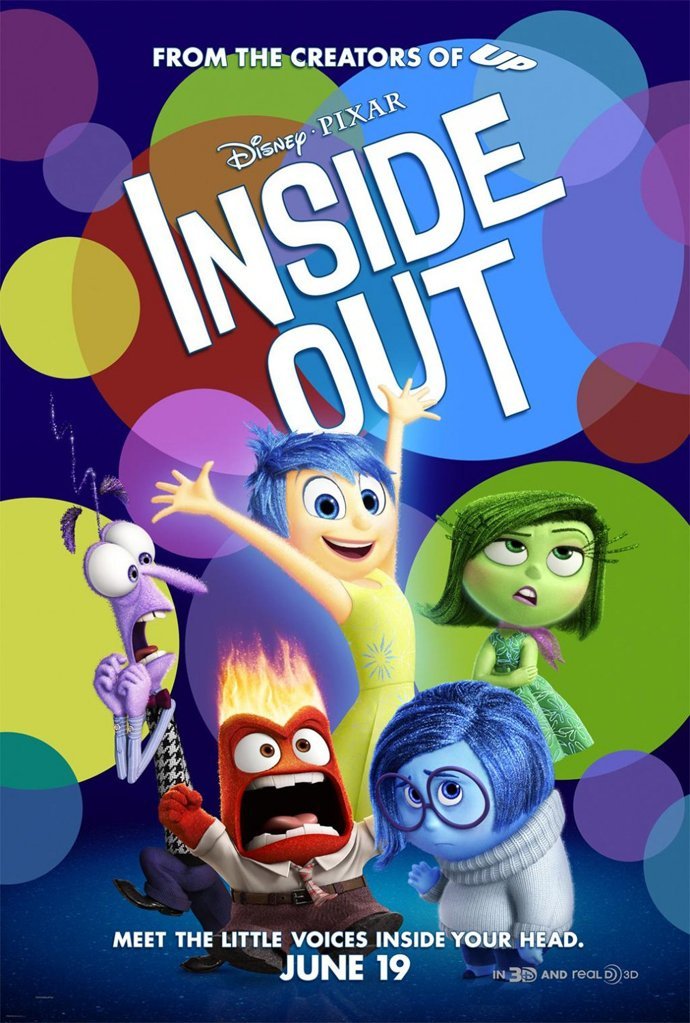
I should say right up front, it seems like everyone loves this film but me. That is pretty much true of all Pixar films. They seem to be above reproach, regret and retribution. I love some Pixar films very much, but many I find to be overpraised. In the case of the new film Inside Out, it is not so much bad as disturbing. It is well made but suffers from two problems. It is not overwhelmingly profound while being somewhat bewildering. Some people might say it is a film for kids, so I should give it a pass, but I disagree. It raises many interesting questions, but it not only doesn't answer them but gives deliberately wrong answers. I need to take an extreme viewpoint here, because I honestly believe most critics are not doing their jobs. This film tries to tackle a fairly complicated subject for a kid's film and then blasts us all with a flurry of confusing concepts and an excessively frightening tidal wave of misinformation. Some bloggers are mentioning that the film bears some resemblance to the 90's sitcom Herman's Head. One could even say it might have gotten some inspiration from Woody Allen's Everything You Wanted To Know About Sex, But Were Afraid To Ask.

Inside Out is a look inside the brain of an 11-year-old girl called Reily. Her brain's central control is run by five animated characters, Joy (Amy Poehler), Sadness (Phyllis Smith), Fear (Bill Hader), Anger (Lewis Black) and Disgust (Mindy Kaling). That is a simplistic view of the brain, but the film gets way more complicated than that. It also gets confusing and mystifying.

by Dustin P. Anderson

Design activists Matt and Emily come to a small town in North Carolina which is struggling to get by. Their goal is to start Project H, a design class for high school students, to help get kids interested in school and lift the town out of a recessive period. The students start by building things as simple as a cornhole game, to designing a real building for a farmers market to help the town. Matt and Emily must work against incredible odds, like not getting a salary for their work and an oppressive school board, in order to see this dream come to reality.

by Dustin P. Anderson

Floyd is a down-on-his-luck ex-bank robber who has had enough of his current life and wishes to pull one last heist with his old partner Mitch. The two plan the robbery, quit their meaningless jobs, and complete the job, getting five hundred thousand dollars in cash split between seven cases. After their success, they go to a remote hideout to wait out the authorities and celebrate. The next day, they discover their money is gone and has been replaced with a cassette tape. A voice on the cassette tape tells them that there are torture devices attached to seven people the duo knows, and their cases of money are with them. The two must choose between money and the people that they may care about; if they try to dismantle the devices a bomb will go off that will kill everyone. Can the two put aside their greed in order to save the people they care about?

by Dustin P. Anderson

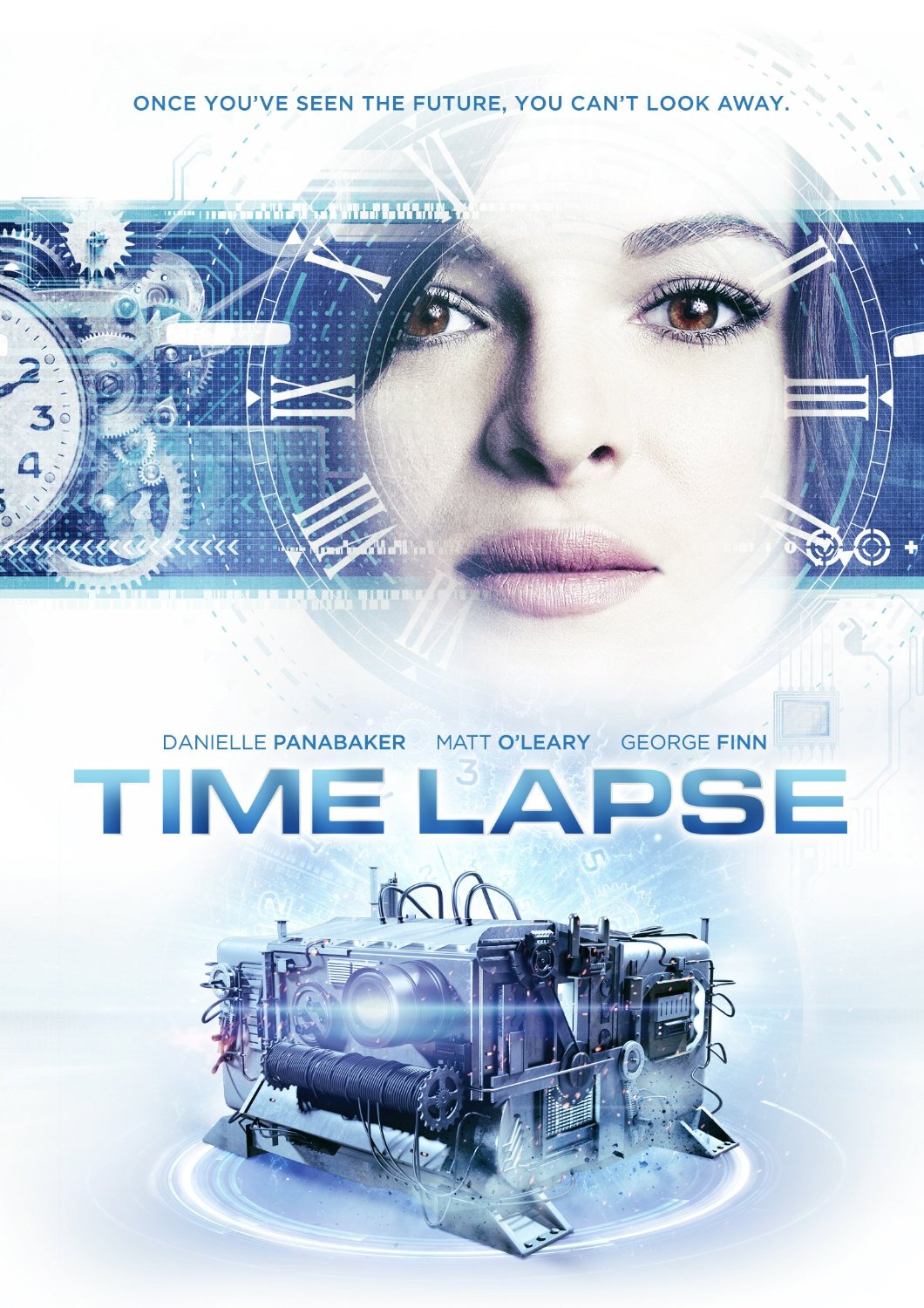
We find three roommates, all not living up to their potential: a starving artist, a struggling writer, and a desperate gambler. While their dreams fall to the wayside, they work for the apartment complex they live in, performing maintenance and checking on tenants. One day the landlord calls for them to check on someone who is behind on their rent. They find that the man who lives there is dead, and seems to have been taking photos of them without their knowledge; however, these are photos set a day in the future taken by a strange machine. They start to use this machine to their advantage, but they always keep in mind that time is a tricky thing to mess with, and act out whatever they see on the photo even if they don’t want to do what the photo says they will. The photos keep coming, and like addicts, they can’t turn away from them, even while the situation starts to escalate into violence.

As one who loathes sports, ESPECIALLY golf, I thought I’d rather put hot pokers in my eyes than watch the golf and gambling independent film, The Squeeze. However, to my surprise, it wasn’t bad - it wasn’t great- and although the ending teed me off for not providing an adequate resolution, I also didn’t fast forward. The golf scenes were realistically boring to me, so I guess golf fans would love this, but the script needs work. The Squeeze tells the allegedly “based on true story” of Augie (Jeremy Sumpter), a cute, small-town kid who comes from a family where the patriarch of the family is an alcoholic. The dad beats the mom, and based on the reaction of the little sister, probably the kids too. Augie wants to escape that life and rescue his mom and sister by winning the US Open. After a local tournament, he is interviewed on the radio and credits his amazing success to hard work, the Almighty, and talent. Augie spends his days chilling with two friends in the small town, caddying and excelling at the game. Actor Jeremy Sumpter, whom I loved in Peter Pan, deserves props for being as natural as he was with a script that felt like an after-school special.

Riverboat, a slimy arrogant gambler and his wife, hear of his success on the radio and make a beeline to find Augie and their next con. A high five to Terry Jastrow’s casting director for casting Christopher McDonald (who got his start in Thelma and Louise in early 90s) as Riverboat, the devil always in an elegant suit and hat, oozing charm and an irritating Southern accent, who lures the innocent Augie into the illegal yet profitable business of golf for money. McDonald, well known for portraying villainous and/or ultra-obnoxious characters, filled Riverboat’s shiny shoes perfectly, dangling the forbidden fruit in front of Augie, luring him into a dangerous life.