Posted in: The Reel World by Archive Authors on March 28th, 2014
Wes Anderson is not quite a real person. He is more of a concept. He is more of a myth or an approximation of reality, much like Citizen Kane was an approximation of the infamous newspaper tycoon William Randolph Hearst. Anderson is real, but has built up a kind of fantasy world around himself. It is full of precisely detailed artifice. His films all have the meticulous perfection of an alternate reality. If the average uninitiated person were exposed to all of Anderson's films, they wouldn't quite know what to make of it. Bottle Rocket, Rushmore, The Life Aquatic, The Royal Tannenbaums, The Fantastic Mr. Fox, The Darjeeling Limited and Moonrise Kingdom all exist somewhere other than the real in some degree. It is a close approximation of reality, but it seems far more precious and rare. They are all fables of a sort. The early films like Bottle Rocket and Rushmore seem a little more normal, but more and more it becomes clear that Wes Anderson is creating a world of his own. This makes him special.
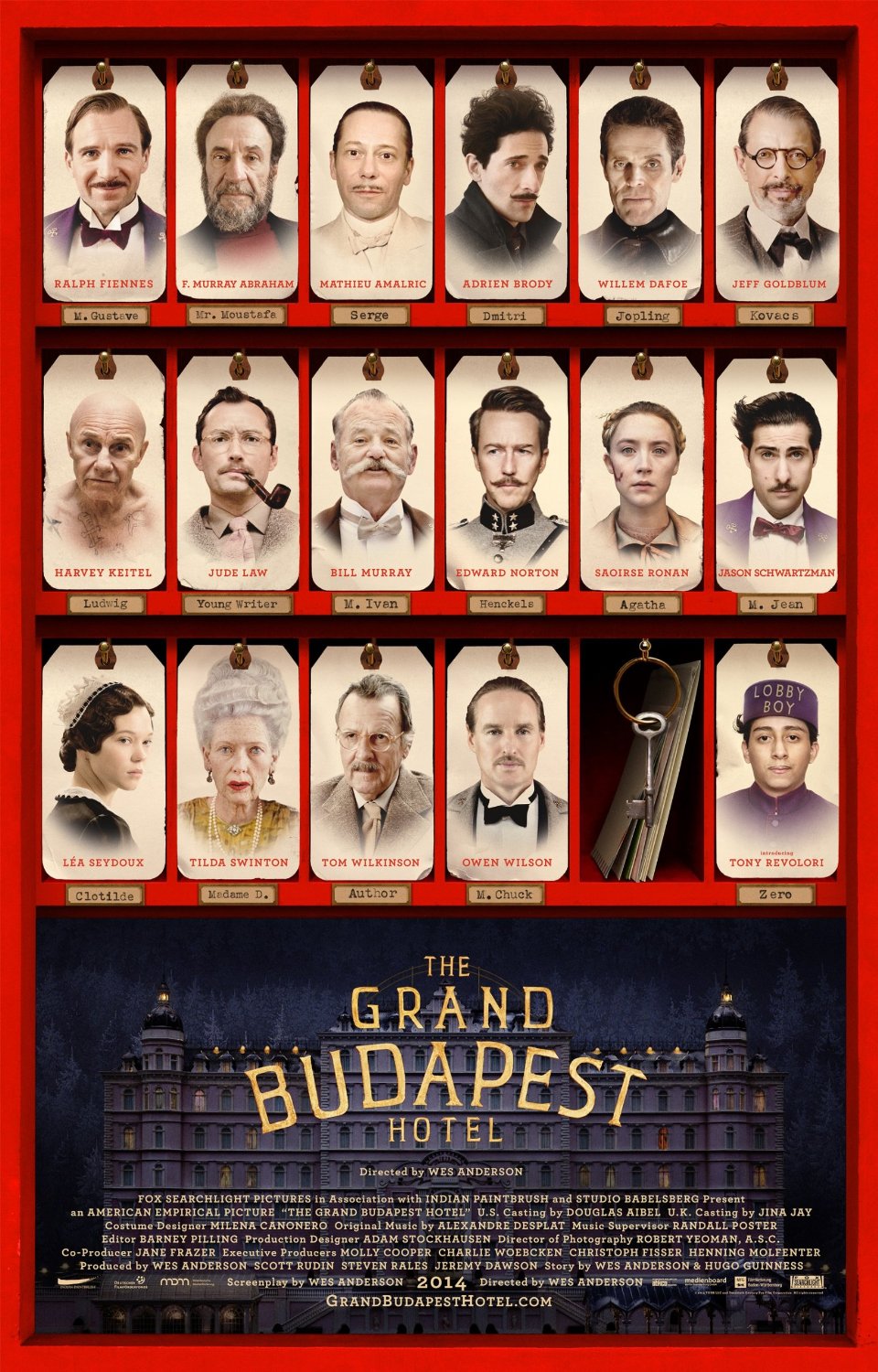
The Grand Budapest Hotel is probably the most grandiose, complex, involved, convoluted, yet simply enjoyable and lighthearted of all his films. One sure sign of the labor of love a Wes Anderson film becomes is to see how many great names that take small but integral parts of the story, and they include Owen Wilson, Bill Murray, Jude Law, Tom Wilkinson, Harvey Keitel, Jeff Goldblum, F. Murray Abraham, Willem Dafoe, Adrien Brody, Tilda Swinton, Edward Norton, Saoirse Ronan, Lea Seydoux, Mathieu Amalric, Bob Balaban and Jason Schwartzman, to name a few. The cast is led ably, one could say brilliantly, by Ralph Fiennes as M.Gustave, the concierge of the Grand Budapest Hotel. The story is intricate with many layers that are unfolded and uncovered as the mystery is unfurled. It is far too elaborate to relay in a simple review. In fact, each and every shot is full of enough information to fill a whole movie on its own. I will try to cover some of the basics.
Posted in: The Reel World by Archive Authors on March 28th, 2014
Jason Bateman was born in 1969. He was working as an actor in 1982 on Little House on the Prairie. Then he went on to Silver Spoons and The Hogan Family (also known as Valerie). His sister, Justine, was doing well on Family Ties. Jason went on to become an adult. He grew up and became well liked on Arrested Development. That is always the hard part in the career of a child actor; making the transition to becoming a successful adult actor. He has been careful with his career, taking good supporting roles in films rather than stupid and unconvincing starring roles. Some of the roles he has done recently include Horrible Bosses (and Horrible Bosses 2), Juno, The Switch, The Kingdom, The Break-up, Hancock, Couples Retreat, Extract, The Change-Up, Paul and Identity Thief. It's a good run which has led up to what he really wants to do: direct.
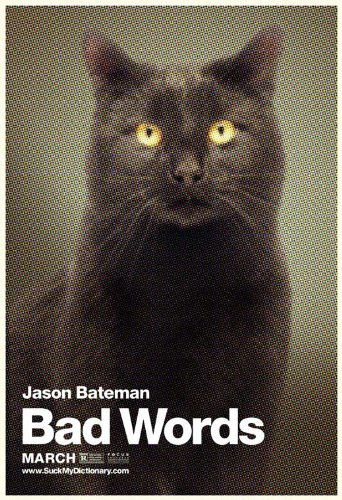
Bad Words is the first film Jason Bateman has directed. He also stars, but he did that because that's how he gets the movie made. It is, actually, one of his best performances. He had a good director.
Posted in: The Reel World by Archive Authors on March 19th, 2014
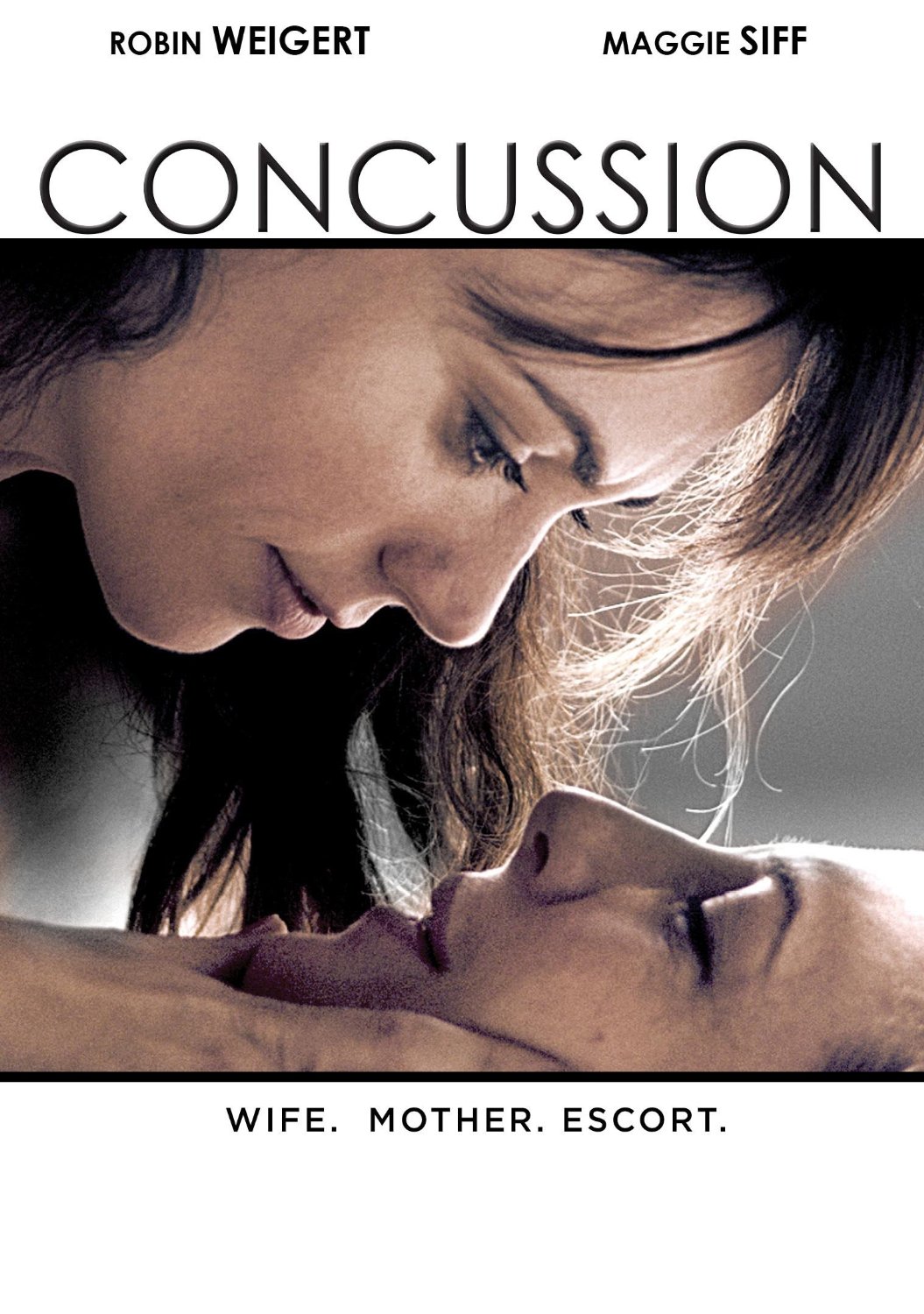
A concussion is a brain injury that causes trauma, confusion, loss of concentration, and impairment of judgment balance and coordination. The new film Concussion starts with a woman getting hit in the head with baseball thrown by her stepson. Abby (Robin Weigert) is married to divorce lawyer Kate (Julie Fain Lawrence). They seem happy but bored in their relationship. Kate obviously probably was in a relationship with a man before but gave up on it. The two kids seem distant and grouchy toward Abby. Both seem to be well off and have their own money. Abby has been taking a break from renovating apartments, but she decides to go back to it. She spends lots of time with other women over 40. They all seem vaguely dissatisfied, but Abby seems even more edgy than that. Her partner, Justin (Jonathan Tchaikovsky), is used to her bossiness and she decides to confide in him. Abby is bridling at how boring her relationship has become. She decides to go to a hooker. She does it again. Each encounter is different with varying degrees of unsatisfying and satisfying. The implication is that the concussion has shaken her brain up and changed the way she thinks. She learns that Justin is dating “the girl” who sets things up. Justin lets her know that she might be able to play the other side of the fence. Get $800 instead of paying $800. There are young women with lots of daddy's cash who are looking for someone more mature. Justin says, “What's the difference?” So Abby starts seeing young women, under very controlling and particular situations. She gets to meet “the girl”, who is a rather neurotic and pretty college law student. Abby asks to see all kinds of women, not just young ones. “The girl” thinks that is fine, and it would be nice if she would work more than one day a week.
The clients are all different. At one point Justin says number five wants to see her again. Abby says no. Then we see why. Number five likes to choke her and hurt her. One of the clients who turns up happens to be an acquaintance of hers who is married to a Goldman Sachs stockbroker. It was assumed she was happily married, and she is, but she's excited by a lesbian fling. Sam (Maggie Siff) becomes a regular client. Abby enjoys feeling desirable. Most 42-year-old women would probably like the idea of lots of sex with different people, but clearly Abby's life has been thrown out of its safe trajectory. It is obvious that something has to give. It is not likely she can remain a housewife and a hooker forever.
Posted in: The Reel World by Archive Authors on March 19th, 2014
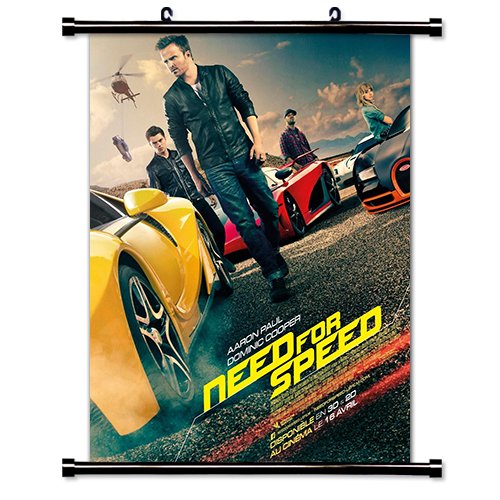
Need for Speed is based on a video game. It caters to people who love the experience of speed. There is a huge audience for this sort of thing. To their credit, the writer and director makes every effort to create an actual story and real characters in this presentation. It is easy to compare it to Fast and Furious, but why bother. That gives these sorts of films too much credit. Fast and Furious and Need for Speed are designed to give people a thrill. If anything Need for Speed takes things more seriously than the Fast and Furious series. It also focuses more on beautiful and very expensive cars. Some of the cars featured include Koenigseggs, Lamborghinis, Ferraris, Porsches, McLarens, and Jaguars, but Ford Mustangs and Torinos get some of the most lavish praise. It could be a commercial for these cars. In fact, the film could be a commercial for the video game and the car culture, in general. One of the plot points is that the millions of invested in these cars is motivation to overlook past hostilities. The other reason for making this film is to give a star vehicle to Aaron Paul (Breaking Bad).
Tobey Mitchell (Aaron Paul) has a high-performance car shop in Mount Kisco. There are some fun street racing scenes right at the start. It should be stated that, at every point in this film, there is zero concern for the safety of innocent bystanders. The driving is always reckless and insane. He connects with his old girlfriend Anita (Dakota Johnson) who was stolen away by an old friend. That ex-friend Dino Brewster (Dominic Cooper) is now a big shot in the racing world. Tobey is behind on the mortgage on the shop. Dino offers him $500,000 to fix up a $3,000,000 car. Tobey has no choice but to set their differences aside. All his coworkers and best buddies are totally against it including Anita's brother Pete (Harrison Gilbertson). Pete is also a bit of a psychic and seer, predicting that Tobey will win a great race that ends at a lighthouse. I'm not going to go on about the plot too much, because it's predictable and done just to make sure no one just thinks it's a cheap video game ripoff. Aaron Paul does give full commitment to his role and is actually very good. I don't think he's leading man material, but he is able to convey all levels of intensity. This movie would be better off with a Steve McQueen type, but those are nearly non-existent (although I think Tom Hardy has potential, but he's not in this movie).
Posted in: No Huddle Reviews by Archive Authors on March 13th, 2014
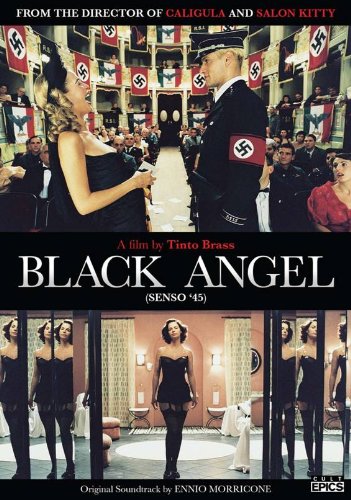
Tinto Brass is a dirty old man, but I'll get to that later. Tinto Brass directed the film Black Angel in 2002 (when it was called Senso 45), and it is now getting a DVD release. It is an adaptation of the novella Senso, written by Camillo Boito, which was previously filmed by Luchino Visconti. This version takes place in Fascist Italy in 1945. Fascism had been growing in Italy under Benito Mussolini since the early part of the 20th century. It influenced and eventually became intertwined with German Nazism until their mutual destruction in 1945 with the deaths of Hitler and Mussolini within days of each other at the end of April of 1945. Whatever their goals were at the start, they both devolved into depravity and insanity. The goal of Fascism was the subjugation of the individual for the good of the collective state. It was a reaction to Marxism but also merged with the philosophies of Capitalism. It is generally believed that the philosophies of Fascism were further perverted by the opportunistic desires of Mussolini. Domination of the individual was essential to the growth of the totalitarianism of Nazi Germany and Fascist Italy, and that power over the individual corrupts the soul. This leads to the decadent domination of individuals for any purpose.
Tinto Brass is best known for the film Caligula, but he took his name off the film when Penthouse's Bob Guccione took over and inserted hardcore sex scenes and generally botched the editing. Brass's career began when he started working for Federico Fellini and Roberto Rossellini and made hist first solo film in 1963. Ironically, Brass turned to erotica after Caligula because of a subversive desire to undermine censorship of any kind. One of Brass's first major successes was Salon Kitty with Ingrid Thulin and Helmut Berger which has many thematic similarities to Black Angel. They both deal with an ambiguous and amoral Nazi officer. He is clearly influenced by his mentor Rossellini and especially his film Open City. Brass says as much in an interview included in the DVD extras. But Brass never reaches the sublime levels of complexity of his masters Fellini, Visconti or Rossellini. He has settled for pushing the limits of soft core into a higher level. Brass clearly is obsessed with the sexual aspects of what is a very good story. He is so obsessed that he has focused on many of his fetishes above all else. There is some pleasure to be had from this, and it clearly appeals to an audience of adult films, but it is also prurient and indulgent. Another famous film, The Night Porter, dealt with the bizarre sexual obsession between a Nazi officer and his lover with more compelling ambiguity than Black Angel.
Posted in: No Huddle Reviews by Archive Authors on March 13th, 2014
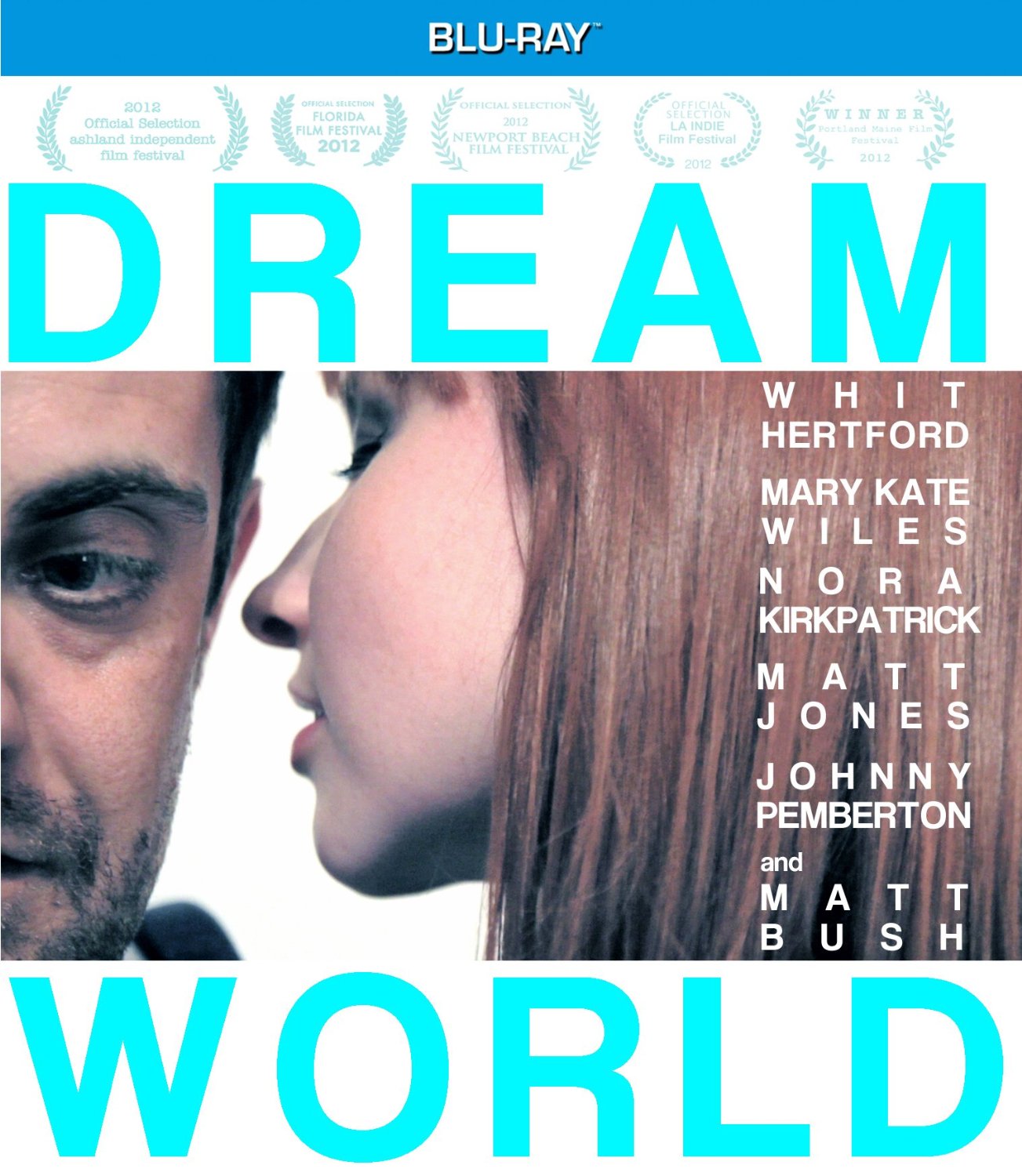
Whit (Whitby) Hertford is short, around 5 foot 1. He is the writer and star of Dreamworld. I mention this because he is the little dynamo that drives dreams of greatness. He also plays the depressed and scared little mouse because it is a part he understands. Whitby Hertford was a child actor (Nightmare on Elm Street 5: Dream Child), and he has retained the giant puppy-dog eyes even though now he has five o'clock shadow and a puffy face. He has worked regularly through the years, because clearly he is bitten with the bug. He wants to be a star. If he is going to be a star, he will be an unlikely one. At least he hasn't gone the way of many child actors. He's not a drug addict, prostitute or convicted felon. He has the look of someone who is dying, though. He has a sad and longing look. The film is all about him, and it seems to be very heavily drawn from real life. The DVD of Dreamworld also includes three short films under the headings of Human Hearts (Long Story Short, Elliot, Tomorrow). They are all unique and interesting in their own right but all driven by an unquenchable longing. The DVD extras also include a Nickelodeon/Adult Swim pitch for an animated series called “Life After Myth”. It is a Sponge Bob Square Pants type show about grouchy and retired creatures like the Easter Bunny, The Loch Ness Monster and Bigfoot. That's how Dreamworld begins with Whit (Oliver Hayes) pitching the series to a bored executive. The pitch goes terribly, and Oliver shuffles off not knowing what to do with his life. He whines and complains to his strange friends at an art exhibit. His gay best girlfriend, Jules (Nora Kirkpatrick) gives him an epic pep talk, but Oliver is not gay and is not consoled. Jules is probably six feet tall, so it's funny having her stand next to short little Oliver. Jules is busy anyway making eyes at a girl at the party.

Oliver does meet a girl who is very interested in him. Her name is Lily Blush (Mary Kate Wiles), and she is so interested in him that she practically takes over his life. Lily enchants him and makes him fall in love with her instantly. She is a self-described pixie and is compared in the film to Kate Winslet in the The Eternal Sunshine of a Spotless Mind and Natalie Portman in Garden State. In other words, Lily is kind of a crazy muse and probably really believes it in her own mind. Lily convinces Oliver that she knows someone at Pixar and they should go on a journey together to pitch “Life as Myth”.
Posted in: Disc Reviews by Archive Authors on March 10th, 2014
Gone With The Wind is the most popular film of all time still to this day if you talk about adjusted dollars. The Birth of a Nation was the most popular film of all time for a considerable time prior to that. Both films could be said to have a benign view of slavery and white supremacy, although it would be easy to use much stronger language than that. In most circles, both films have been considerably discredited due to this myopic view. Both films almost completely ignore or disregard the incredible cruelty of using human beings as a commodity for commerce. Even that doesn't begin to address the evil. Slavery continues to subjugate and demean up to 30,000,000 people worldwide to this very day, but it was sanctioned by law in much of the United States until after the Civil War. The horror, indignity and monstrous unfairness of it all cannot be overstated. Those involved in the abolitionist movement prior to the Civil War were driven by a fanatical and fervent desire to expose the abominable hypocrisy that was prevalent. A small core of free men and women of all races risked their lives to fight the abomination.
12 Years a Slave was a book that was written as a true account of the blind evil of the time. It is now a movie by young director Steve McQueen (that's his real name; he is obviously not the dead actor). In Saratoga Springs, a young highly regarded musician has a beautiful family and home. His name is Solomon Northup, and he has a good life. He is intelligent, friendly and eager to make the most of his talents. He is persuaded to assist two entrepreneurs with a venture and travel to Washington, D.C. After much success and celebration he wakes up to find himself in chains, and so begins the 12 years. He is transported on a slave ship and changes hands among owners over those 12 years. He is, after all, property. He is now part of a “peculiar institution”.
Posted in: The Reel World by Archive Authors on February 25th, 2014
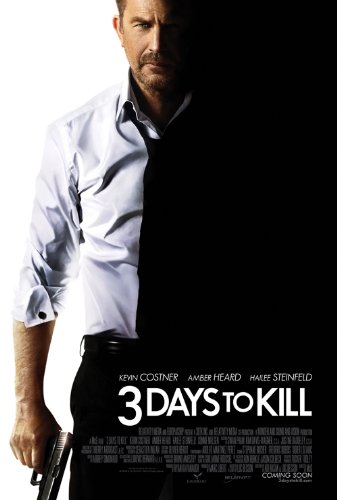
Most action pictures have an aura of super-seriousness, or they are filmed as comedies and everything is meant to be ridiculous. It definitely is a difficult task to mix the two effectively. On some level most action pictures are ridiculous, since most of us will never experience the close proximity to death and danger that is depicted on the screen. Also, life and death are often cheapened with high body counts but little consequence for our hero. In 3 Days To Kill, all sorts of elements are brought to bear in order to reinforce the average everyday family experience and not the lone killer. Early on, a different sort of danger affects our hero. It's not bullets and bombs but a rare disease that is likely to kill him in the very near future. As a spy, he has always neglected family to the extent that his teenage daughter barely knows him. Ethan Renner (Kevin Costner) is intent on changing that.
3 Days To Kill is a nearly even mix of comedy, explosive action, and sentimental family drama. It may seem like too much to attempt, but the effect is so wacky as to be winning. The film is directed by McG and written by Luc Besson, both filmmakers with impressive credentials, but I'll get back to that later. The real focus is Kevin Costner as an aging and battle-weary veteran CIA agent who is always counted on to take out whatever targets are assigned him. During a particularly explosive encounter in a Serbian hotel, he begins to get dizzy after chasing one surviving member of a gang. He is subsequently hospitalized and told he has maybe six months to live, and thanks for his service. He leaves the hospital determined to reconnect to his wife, Christine (Connie Neilsen), and daughter, Zoey (Hailee Steinfeld).
Posted in: Disc Reviews by Archive Authors on February 24th, 2014
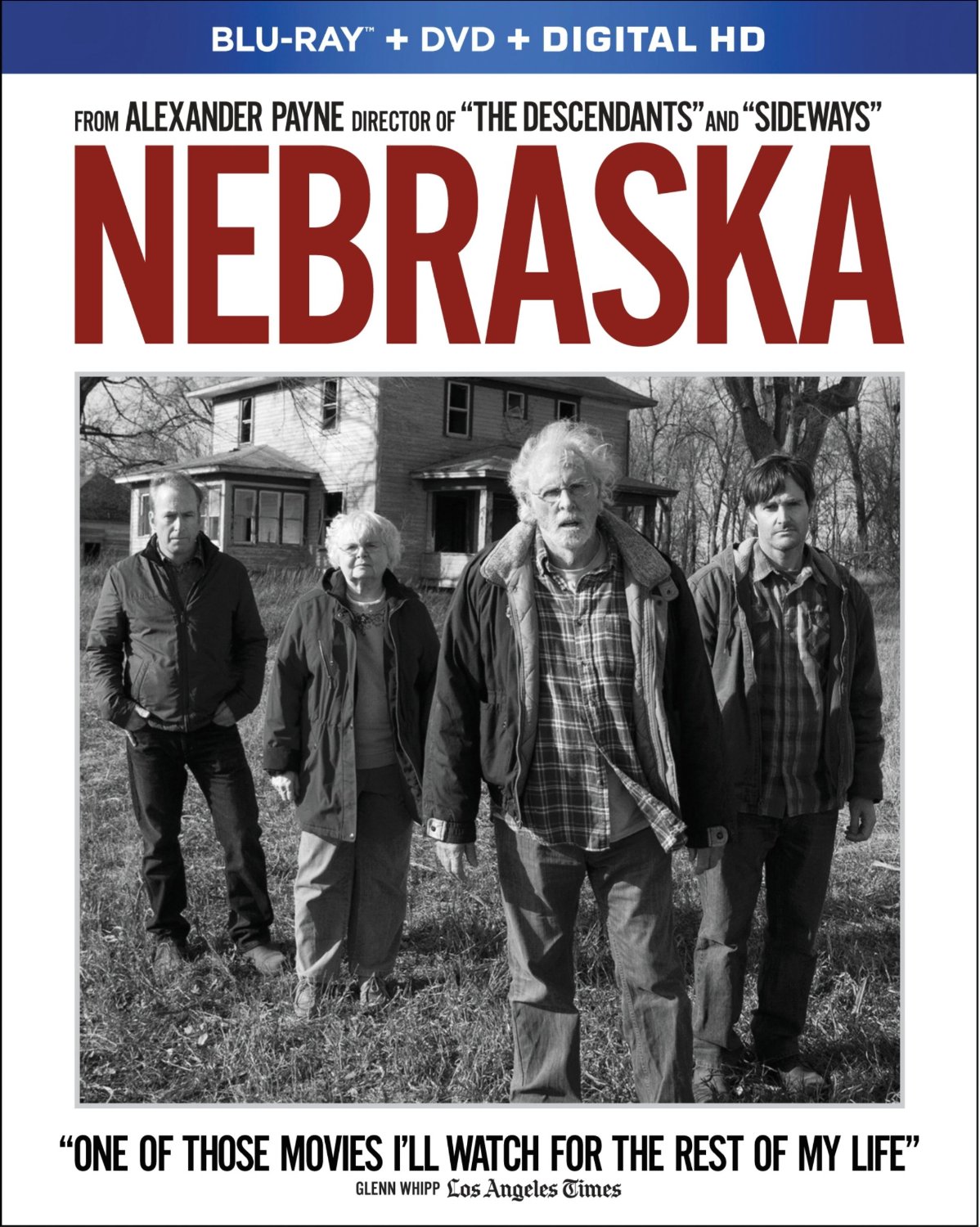
Bruce Dern is the one generating the greatest praise. June Squibb (About Schmidt) who plays Dern's wife has also gotten multiple nominations. Woody Grant (Dern) is seen at the start of the film walking the winter roads of Billings, Montana. It is his intention to walk to Lincoln, Nebraska. The local police pick him up, and we are introduced to his son, David (Will Forte). The heart and soul of the movie is watching Dern and Forte interact. Forte is best known for acting silly as a cast member on Saturday Night Live, but his performance in this film is perfect. He is dour and forlorn and takes it on himself to be the only family member who tries to care about his father's feelings. He takes his father on a road trip because he believes he is slowly sinking into dementia. His dad believes he has won a million dollars because he received a magazine subscription sweepstakes letter. Everybody but Woody knows that it's a scam, but David wants the chance to spend some time with his dad. Woody's wife Kate (Squibb) thinks they are both insane and doesn't ever mince words for one minute. The film turns into a reunion with many people from the past and an unexpected journey to forgotten places. David doesn't know much about his dad, and he will start to learn a lot. They take an extended stop in Woody's home town of Hawthorne, Nebraska where much of his family still lives. For a time, many people in Hawthorne believe Woody really is rich including his former business partner, Ed Pegram (Stacy Keach). Many members of the family members and friends start to come up with stories about how they lent Woody money over the years.
Through it all David is by his father's side, tenderly finding ways to support him and make him feel good about himself in what is clearly near the end of his life. The whole film is handled with such finesse and subtle wit, filmed in pristine black and white that beautifully makes nearly every image like a classic photograph. Bob Odenkirk (Breaking Bad) as the other brother, Ross, adds ably to a continuous stream of humorous vignettes.
Posted in: The Reel World by Archive Authors on February 23rd, 2014
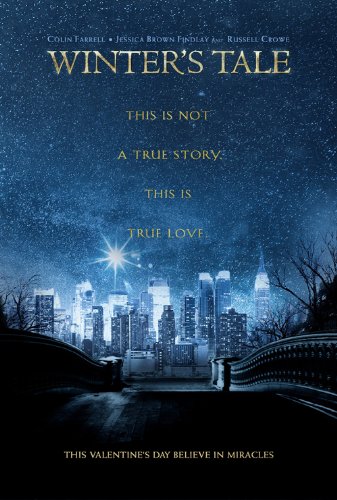
In 1983, a massive 672-page novel by Mark Helprin called Winter's Tale was published. In 2006, The New York Times Book Review named it one of the 22 best books of the last 25 years. It is an almost universally acclaimed book, and one that is nearly impossible to translate into any one movie because it covers many characters over a long period of time. Screenwriter/Director Akiva Goldsman (A Beautiful Mind, The Da Vinci Code, I Am Legend) has taken on this difficult task. Some of his famous friends have joined him. He has admitted in interviews that he had no choice but to cut many large sections and story lines from the sprawling book. I have no problem with this when someone does their very best to honor and respect what was clearly a great work. I think it is unrealistic to say that a large and complex book can't be made into a movie. They are different experiences, and if you object, then read the book again and avoid the movie.
Winter's Tale is being released on Valentine's Day because it heavily emphasizes the romance inherent in the book. It is a tragic and doomed romance, but one that is laced with magic and a cosmic significance that extends across the cosmos. The movie tells the story of the burglar, Peter Lake (Colin Ferrell) who does not die despite being surrounded by demons disguised as thugs who throw him off the Brooklyn Bridge. He rises from the water 100 years later in modern New York trying to remember his past. The main demon who pursues him is Pearly Soames, played by Russell Crowe (A Beautiful Mind). Soames has magical powers of his own but answers to the Judge or Lucifer played by Will Smith (I Am Legend). Soames has a driving need to destroy miracles and is pursuing Peter Lake because he feels his miracle is near. But both Soames and Lucifer must play by certain rules. Peter Lake has found a white horse to help him which turns out to be angelic being drawn to Peter by his grace. The woman he falls in love with is dying from consumption (Jessica Brown Findlay, Lady Sybil Crawley/Branson from Downton Abbey).