Posts by Archive Authors

By Kevin Tall

“Oh the inanity!”

We can never hope to know all the secrets the government keeps, which includes experiments conducted by the Central Intelligence Agency or even more secretive and possibly unknown agencies. It would be impossible to investigate all the theories and conspiracies, because that could fill a library full of meandering speculation and endless conjecture. Even more speculative is a large number of drugs that have been deemed illegal and suppressed from rigorous and open medical examination. One of these drugs is DMT, which is the most widely available hallucinogen in nature and exists in the human body naturally and probably is produced by the pineal gland in the brain. It is becoming increasingly popular through religious Brazilian ceremonial Auyusca tea, which has been upheld under the Freedom of Religion Act and the Supreme Court.

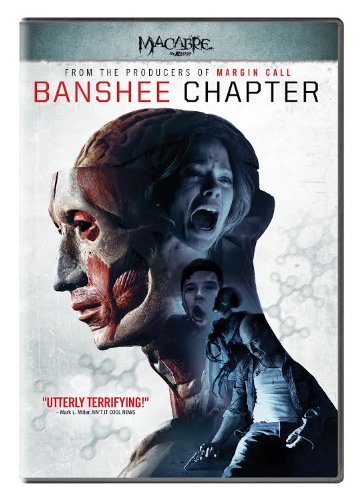
 Banshee Chapter is a straight-out horror film that uses an original approach of investigating some of these ideas. The film is what is considered a micro-budget film, yet took the novel approach of filming in 3-D. They knew they were probably breaking rules, because 3-D is hard enough with a big budget, let alone a film that uses mostly natural light sources and handheld cinematography. It mostly works pretty well. It uses a lot of classic conventional scares to make up for its lack of big-budget effects.

There have been complaints that there are not enough films that have decent lead roles for women. There are those that say that Hollywood does not make enough movies for women. Then when they do, critics tend to dismiss them as “Lifetime” movies (a term that is dismissive because of the cable channel that churns out generic movies for women). It seems far easier to accept excessive violence or male-oriented films with sexual content. If a movie tries to legitimately capture real situations from a woman's point of view, it can be patronizingly categorized as pap and schmaltz.

I see an awful lot of movies, and what disappoints me most about many of them is the insincerity of the experience. We get to see a lot of violent movies and a lot of funny movies, and if they seem halfhearted, I shrug it off as the norm. If I see romantic comedies that seem like weak rip-offs of movies made years ago, I assume they just don't know how to make them anymore, but an even rarer commodity is a serious romantic movie that works. Today that usually means it has to be laced with cynicism and anger.

Journalism today is in disarray. I say that not because there aren’t many, many passionate journalists who want to do the best job possible. I say it because there are just many, many, many more bloggers who don’t know how live up to those standards or why it’s even important. The internet changes everything in the music industry, the movie industry, and the media industry. That doesn’t necessarily mean it’s a bad thing. It just means that it’s chaotic, and it often seems like no one is in control. The head of Amazon just bought one of the most venerable papers in the world, The Washington Post. The head of eBay is supposedly organizing a new media venture that will adhere to the strictest journalistic standards. Again, journalism today is in disarray.

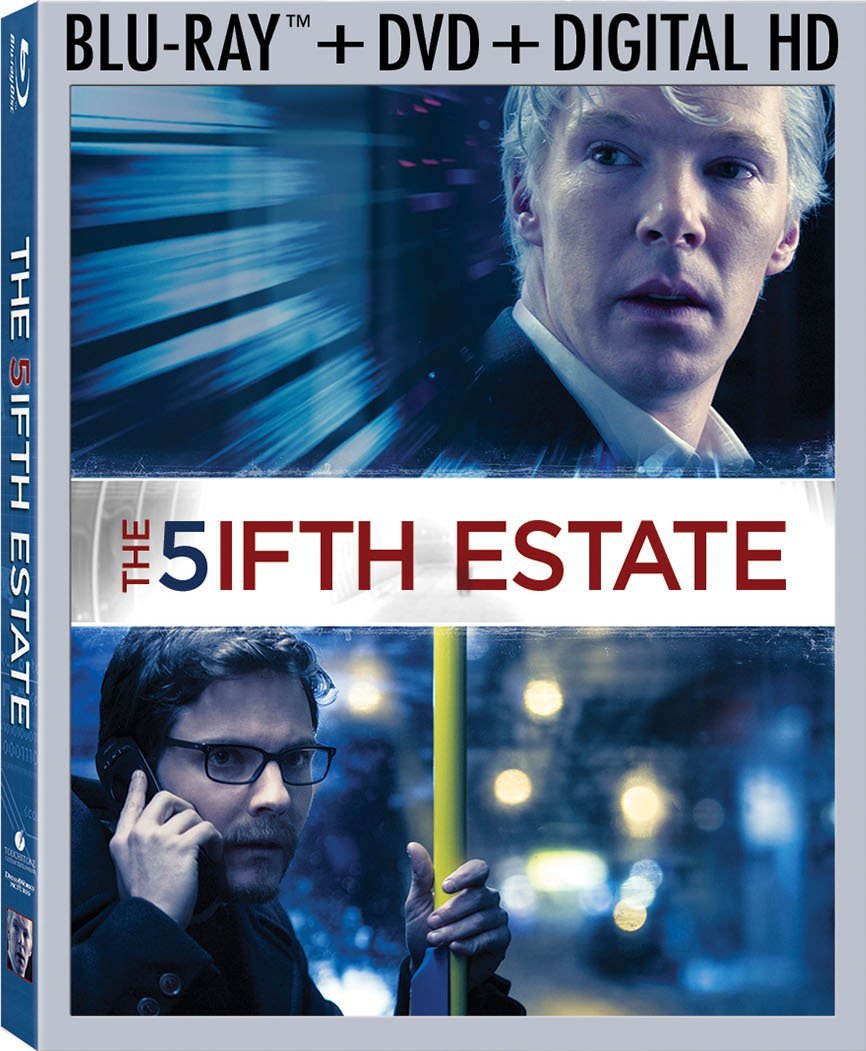
The Fifth Estate is a movie about the frenzy surrounding Wikileaks and Julian Assange. The title suggests there is a successor to the fourth estate, which is the news media (don’t ask about the first three estates since they are church, state and nobility, which may be irrelevant now). I don’t know if anybody knows what a fifth estate is yet, but Wikileaks is a big deal. It is also justifiably considered to be extremely controversial. Wikileaks is an international online organization that claims to protect the identity of any whistleblower trying to reveal classified and secret information with the hope of undermining worldwide corruption. I’ve seen the documentary We Steal Secrets: The Story of Wikileaks and was able to compare that to The Fifth Estate. They are quite different, but in small ways that can add up to a lot.

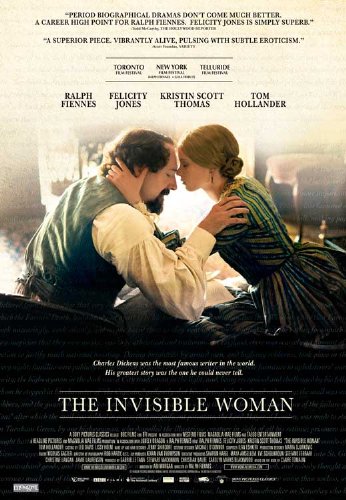
One of the most famous men who ever lived is responsible for over 200 movies and TV shows, yet there has never been an autobiographical film until now. He has been loved and revered for over 100 years, but much of his life is shrouded in privacy due to the constraints of the times in which he lived. The books Oliver Twist, A Tale of Two Cities, David Copperfield, Great Expectations, A Christmas Carol and others are towering achievements in English literature. We finally can now see what Charles Dickens might have really been like.

Dickens was a good-natured, goodhearted, and hardworking author who seemed to be always in motion and focused on producing and being positive. He had 10 children, and his memories of a difficult period in his youth always motivated him to be earning and never be poor. He achieved his goals but stayed on track to always try to maximize his impact and effectiveness. As a result he was like a rock star of the late 19th century in the level of his popularity.

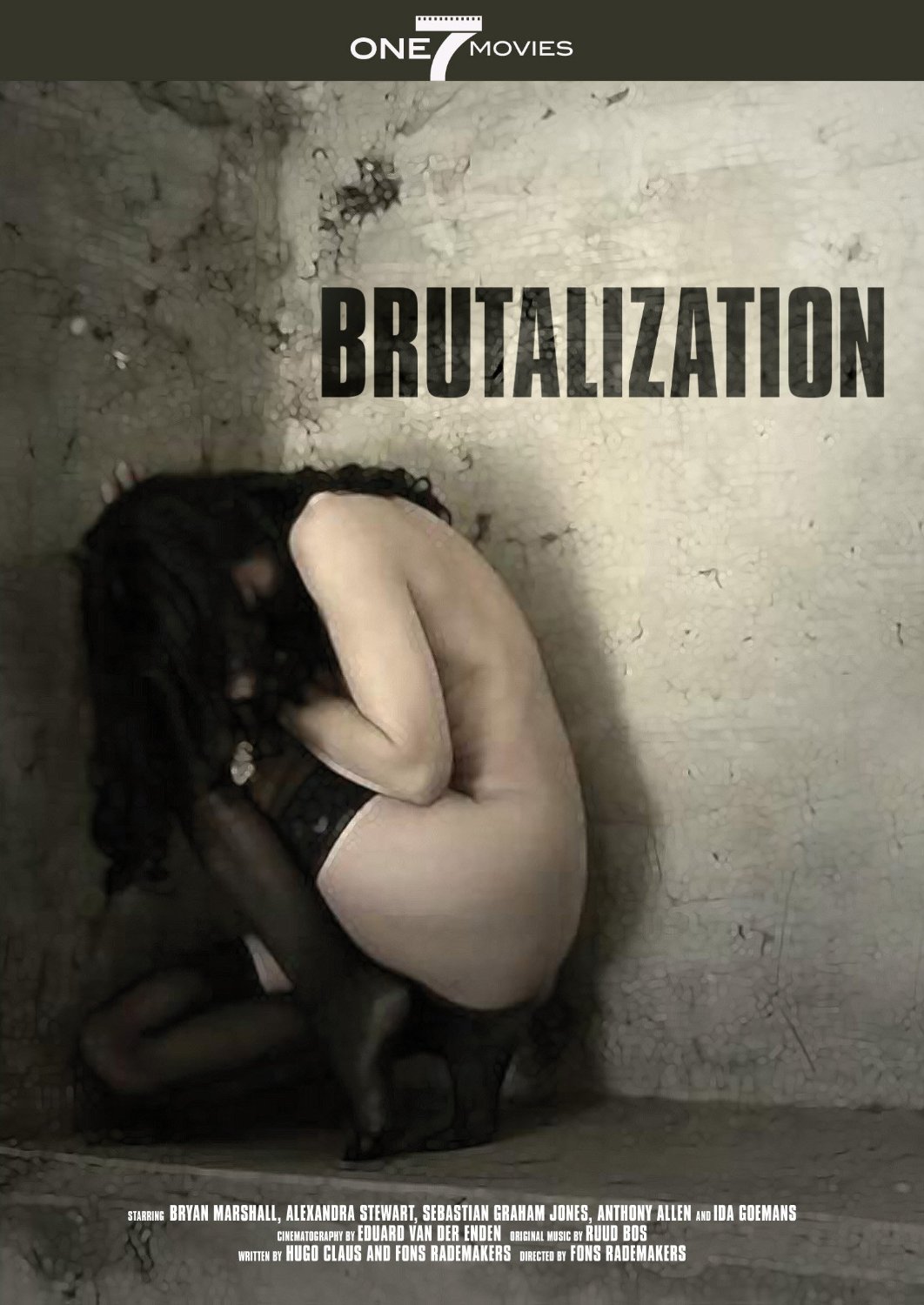
The first thing I should discuss is the title. Brutalization is not the original title of this 1973 forgotten film. The DVD cover puts it very succinctly. “From the most forgotten vaults of European exploitation rises once again this effective and very violent Dutch thriller that boasts a young Sylvia Kristel that later on achieved world fame thanks to her role in the Emmanuelle series.” The intention of the re-release is to capitalize on the late Kristel's fame. The title Brutalization is probably more marketable and to the point than the original title, Because of the Cats. The cover does make clear that she is not the star of this movie but a very young supporting player. Her part is still substantial, and she is used very effectively.

The real question for me, is this more than a simple exploitation film? The film has echoes of the Manson family and Clockwork Orange with the clear thematic ties of amoral youth causing mayhem and murder. The film is based on a series of popular detective books by Nicholas Freeling with the lead central character, hard-boiled and unconventional Inspector van der Valk. The director, Fons Rademaker, was nominated for a Best Foreign Film Oscar for his first film, Village by the River in 1958 and later won for The Assault in 1986. I mention this again to dispel the notion that this a cheap exploitation film.

The subject of terrorism is almost impossible to easily analyze. It certainly deserves films that try to understand the complex psychology behind such acts. American Bomber is an interesting take on the subject. It is not a successful film, but it has a sincere desire to get to some hidden truths. The main point that comes out is that many people who become suicide bombers are more interested in suicide than making a political point. Many terrorist acts come from a basic need for revenge because the person feels cheated, neglected or traumatized by life itself.

American Bomber is a typical super-low-budget film. The acting is poor to fair, and overall, the approach is not very imaginative. Some moments are better than others, but it is the process of making a film for very little money that causes most of these problems. The film has numerous commentaries, and it's clear the process to get the film made was long and torturous.

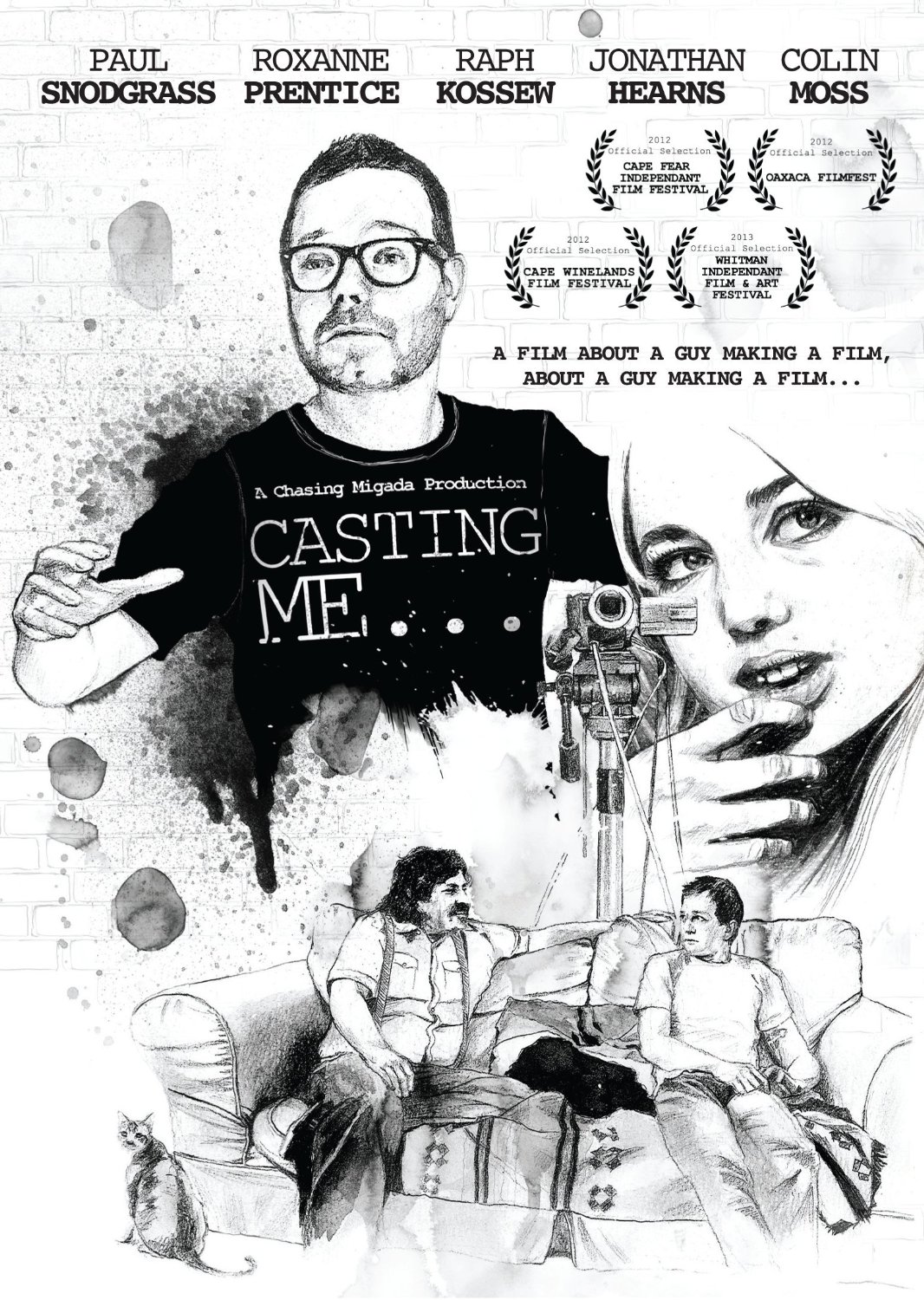
One of the easiest ways to shoot a small independent film is to film in your own real life environment. That means you don't have to think about a lot of the details that go into making most films. You already have and know thoroughly the sets and locals of your shoot. It's even easier if you don't have to build sets, since you just use the real locations of your life. It's even easier if you just remove all pretense and you just make the movie about a guy who is making a movie about a guy who happens to be himself. It makes it even easier when the guy is a casting director, because then you have a ready supply of talent at your disposal. It certainly would be nice if this was about a Hollywood casting agency, but it takes place in South Africa. I had a hard time figuring out where it took place, since most of the movie takes place in nondescript lofts and apartments. The accent could be British, but I'm no Henry Higgins, so I'll take their word that it takes place in South Africa. South Africa is pretty much the other side of the world, and most of what I know about South Africa has to do with apartheid and its aftermath. There is no sign of that in this film since everyone is white.

Casting Me... is basically a Woody Allen-type film with a young insecure guy who is trying to make a film about a guy like himself in his spare time. He's still in love with his ex, and she might be interested in playing herself in the movie if he finishes the script. The girl is very cute and attractive in a zaftig way.
None of the actors have shown up on any radar of mine, but the production looks professional and everyone does a good job. The writer/director Quinton Lavery has included tons of commentaries and extras, including a day in the life of the director and the cinematographer. I only wish most classic films had this much commentary.

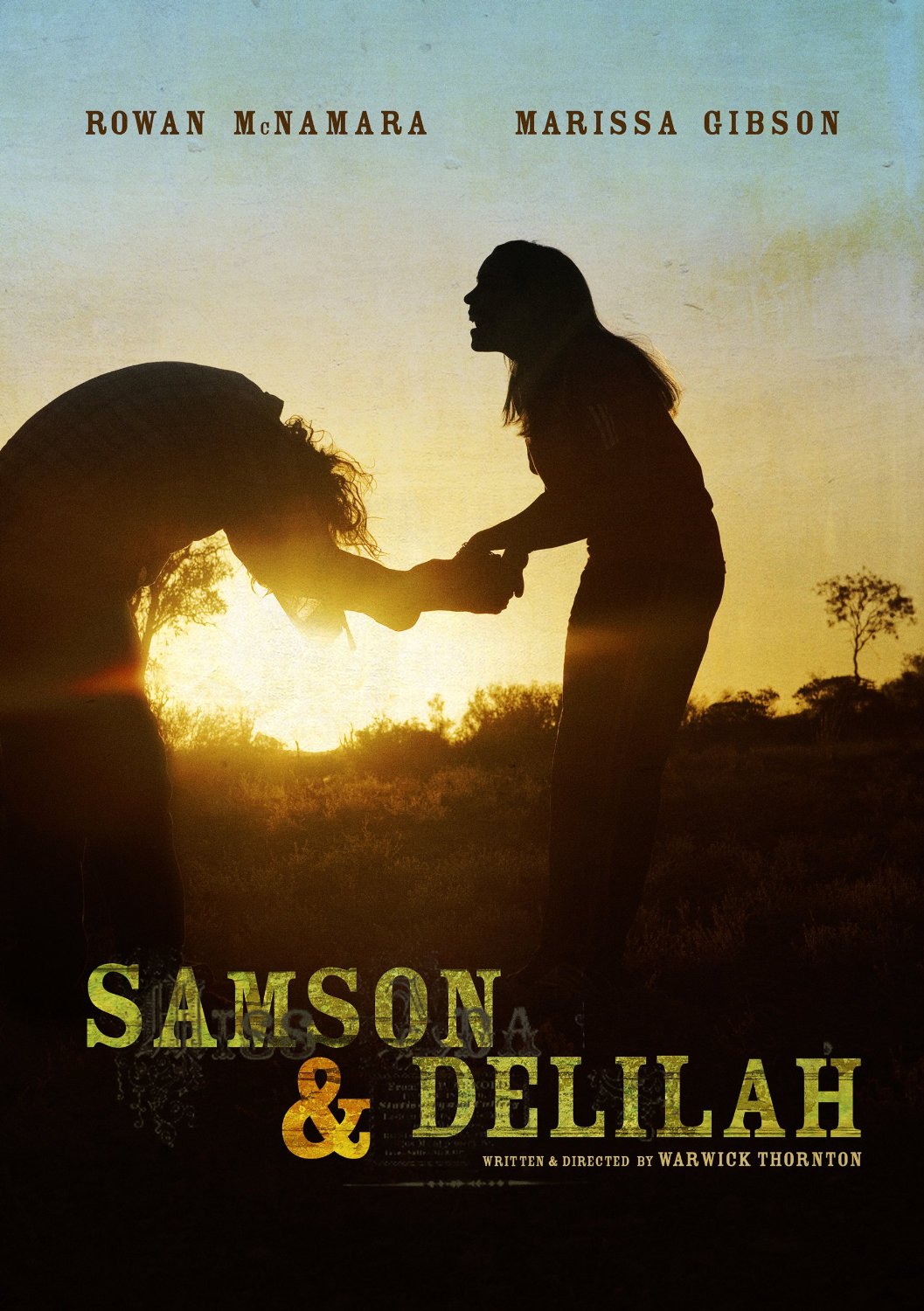
In this day and age, making a small film about people on the fringe of civilization is not the way to make friends and influence people. In this case, the film made many friends and influenced many people. It is no doubt a small film, but it won the Camera d'Or at the 2009 Cannes Film Festival. It was nominated as Australia's official selection to the Academy Awards. It won numerous major awards in Australia, Asia, and oddly enough, at the Dublin Film Festival.

The film is called Samson and Delilah, but it has little connection to the Biblical epic. The two title characters are indigenous Aboriginal 14-year-old teenagers living in the central Australian desert near Alice Springs. The desolation and isolation is underlined by the clear implication that these people are excluded by their society. They are surrounded by decay, emptiness, half-built buildings and cars on blocks. There is little else here.

In this day and age, making a small film about people on the fringe of civilization is not the way to make friends and influence people. In this case, the film made many friends and influenced many people. It is no doubt a small film, but it won the Camera d'Or at the 2009 Cannes Film Festival. It was nominated as Australia's official selection to the Academy Awards. It won numerous major awards in Australia, Asia, and oddly enough, at the Dublin Film Festival.

The film is called Samson and Delilah, but it has little connection to the Biblical epic. The two title characters are indigenous Aboriginal 14-year-old teenagers living in the central Australian desert near Alice Springs. The desolation and isolation is underlined by the clear implication that these people are excluded by their society. They are surrounded by decay, emptiness, half-built buildings and cars on blocks. There is little else here.