Posts by Archive Authors

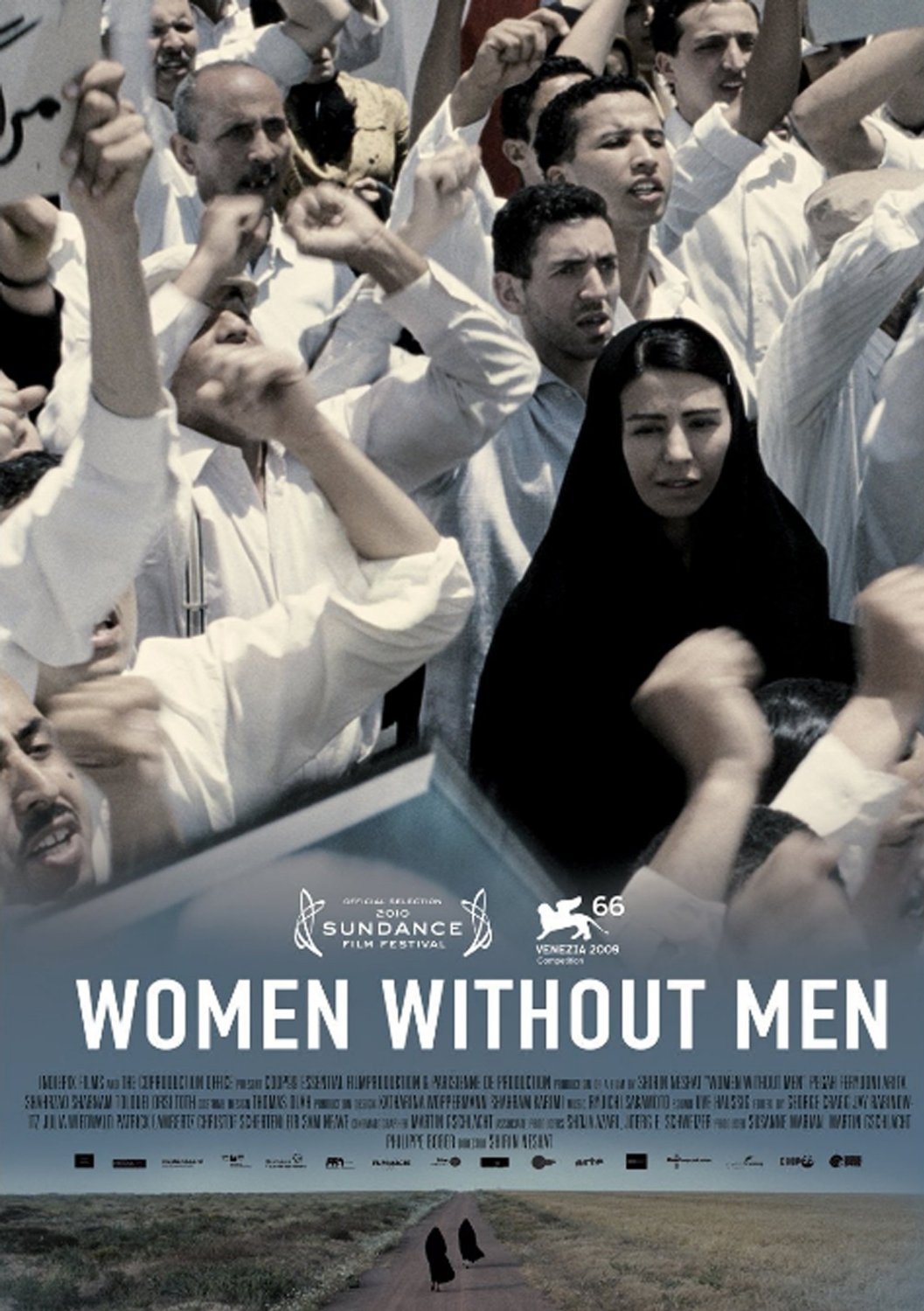
Women Without Men is a unique film. It is not a perfect one. It is full of divided loyalties between people and cultures. It mixes reality, dreams and magic. It is mundane and beautiful. It is full of resentment, pain and hatred, but it strives for freedom and happiness. The filmmaker Shirin Neshat has been exiled from Iran for many years and has lived in many places including New York City. Neshat left Iran in 1979 when the Islamic revolution overthrew the government of the Shah. As an artist critical of the Iranian government, Neshat has been banned from returning to her homeland since 1996.

The film takes place in 1953 (a few years before Neshat was born) and details a climate of oppression that has existed in Iran for as long as many can remember. The film ends with the epitaph, “dedicated to the memory of those who lost their lives in the struggle for freedom and democracy in Iran from the Constitutional Revolution of 1906 to the Green Movement of 2009”.

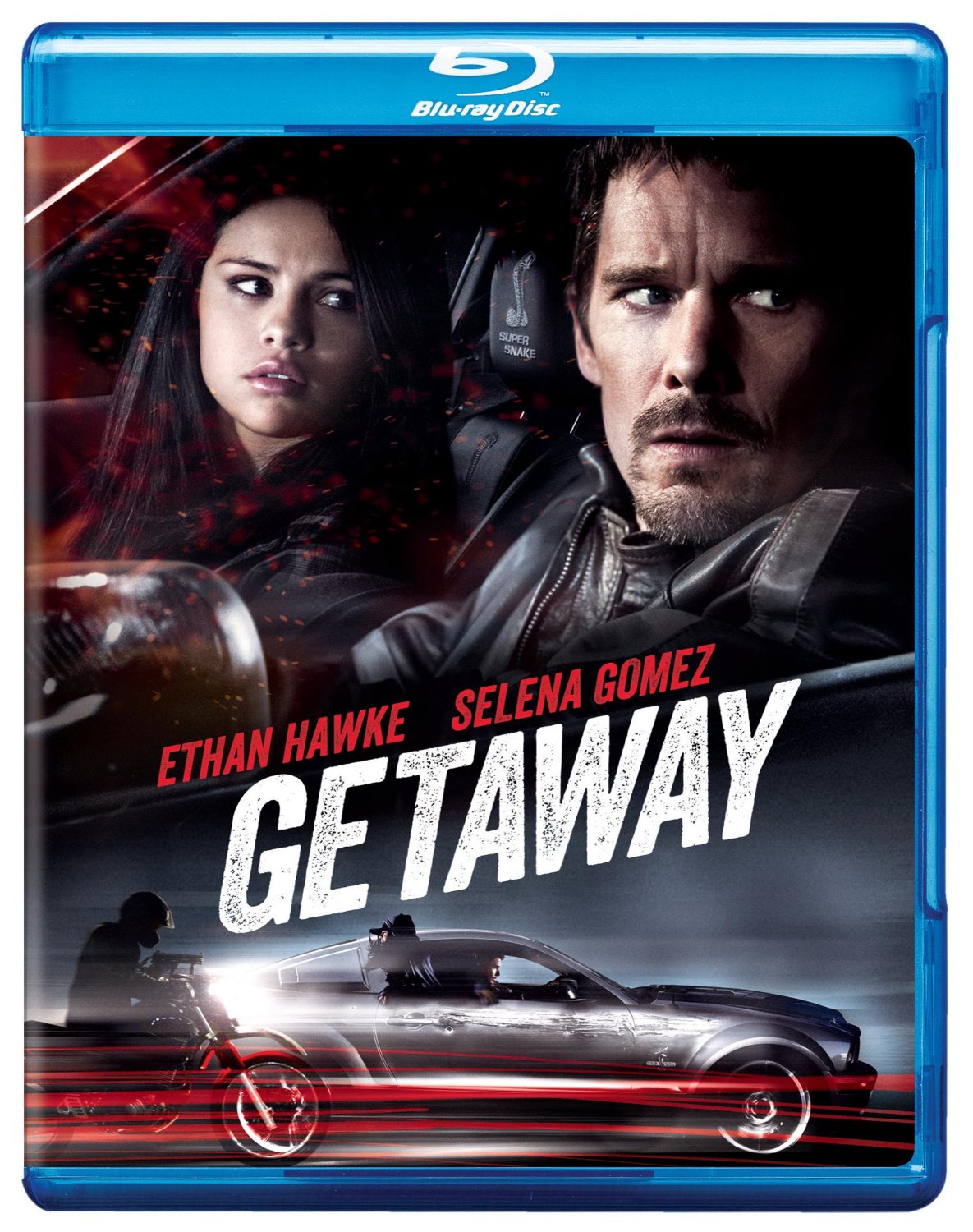
What makes a bad movie? What makes a good movie? The standards are getting lost in murky waters, because many of the critics have no interest in film history and the clear record of what is great and what is garbage. That goes for many filmmakers too. Their standards are what works in the last 12 months and how to try out the latest technology. Unfortunately they often forget the tried and true basics like good writing and good acting. Ethan Hawke gets a lot of these small movies. Sometimes it's a fantastic independent film like Before Midnight (part of a series of films for director Richard Linklater including Before Sunrise and Before Sunset) and sometimes it a genre picture that costs nothing that makes a fortune like The Purge or Sinister. Hawke knows what he's doing. He wants to make every kind of picture, because he knows that's the only way to stay viable. Sometimes it doesn't work out.

Getaway is a simple genre picture made to make people happy. The goal of this movie is to have as many car crashes possible in under 90 minutes. Is that so terrible? Not really, but the problem is that it does get monotonous. There are too many crashes. One wouldn't expect that to be a problem, but it is. I've sat through six Fast and Furious movies, and I thought they were all crap except for the last one. Why? Fast and Furious 6 gave up any pretense of being taken seriously and just went all the way to make the movie fun. They spent a ton of money, but they finally just made the movie fun.

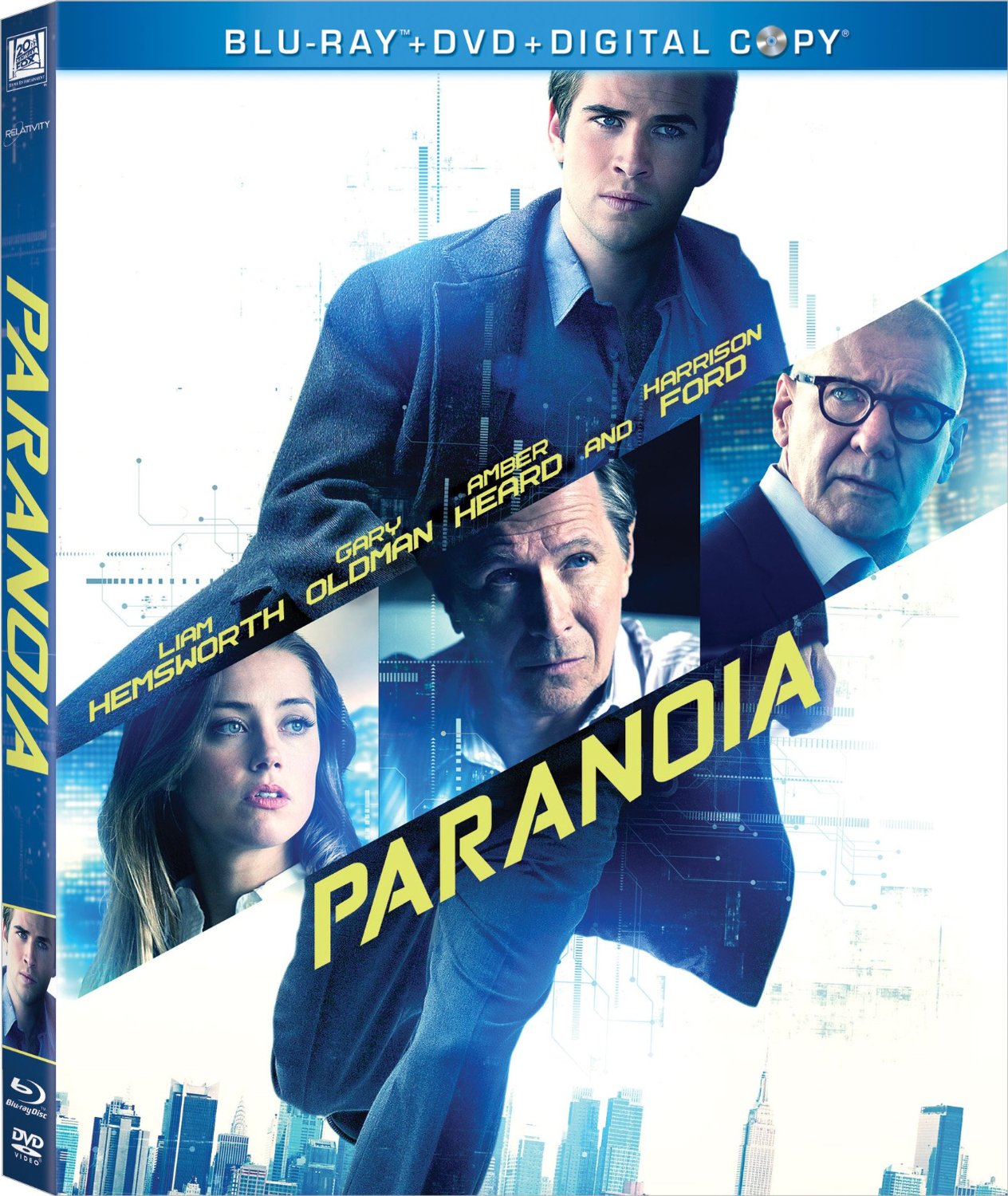
It's nice to see two Spielberg veterans in the same movie. It's been a long time since American Graffiti when Harrison Ford and Richard Dreyfuss last appeared together. It's been a long time since Hooper in Jaws and Roy Neary in Close Encounters of the Third Kind, but Dreyfuss and Ford don't appear together in this movie either. It's like they are in two different movies. Paranoia is a corporate espionage thriller with two CEO's played by Harrison Ford and Gary Oldman, who have strong ties and stronger hates. There is lots to like about the movie, but many, many missed opportunities too.

The story is fairly tangled and revolves around a young genius (Liam Hemsworth, the brother of Chris who plays Thor in some other movies) who suffers from immaturity and bad judgment. Richard Dreyfuss is his lovable loser of a father who needs his medical insurance. But he loses his medical insurance because he's not important enough to his big boss Oldman, who fires him. It turns out that was a bit of a ruse. It's actually much more convoluted and confusing than that, but that's the essence of it. Oldman's rivalry with his former mentor and now fierce competitor played by Ford is all-consuming, so much logic is lost in his zeal. Oldman uses threat of death and promises of riches to entice Hemsworth to infiltrate Ford's inner circle.

Roger William Corman was born on April 5, 1926. If he ever dies, his funeral will be legendary. It is always possible that he will re-enact some scene from one of his Poe classics and emerge from his crypt. The fact is that many famous people in Hollywood owe an enormous debt to Corman. Some of the people I am talking about are Jack Nicholson, Robert DeNiro, Sylvester Stallone, Charles Bronson, Ron Howard, James Cameron, Dennis Hopper, Sandra Bullock, Martin  Scorsese, David Carradine, Johnathan Demme, Curtis Hanson, Robert Towne, Francis Ford Coppola, Gale Ann Hurd, Nicolas Roeg, John Sayles, Peter Bogdanovich, Richard Matheson, Peter Fonda, Bruce Dern, William Shatner and others too numerous to mention. It should also be noted that Ingmar Bergman, Federico Fellini, Akira Kurasowa, Francois Truffaut and other greats reached much wider audiences under the guidance of his distribution company, New World.  Not everyone has outlived him, but he has never stopped working, so each new generation has their chance to bask in the glow of the great mentor. Corman has produced nearly 400 movies and directed close to 60. His latest directorial effort is in production (Sharktopus Vs Mermantula, one of many SyFy channel epics). He was the youngest director honored by the Cinematheque Francaise and has received honors from many institutions including an honorary Academy Award in 2009.

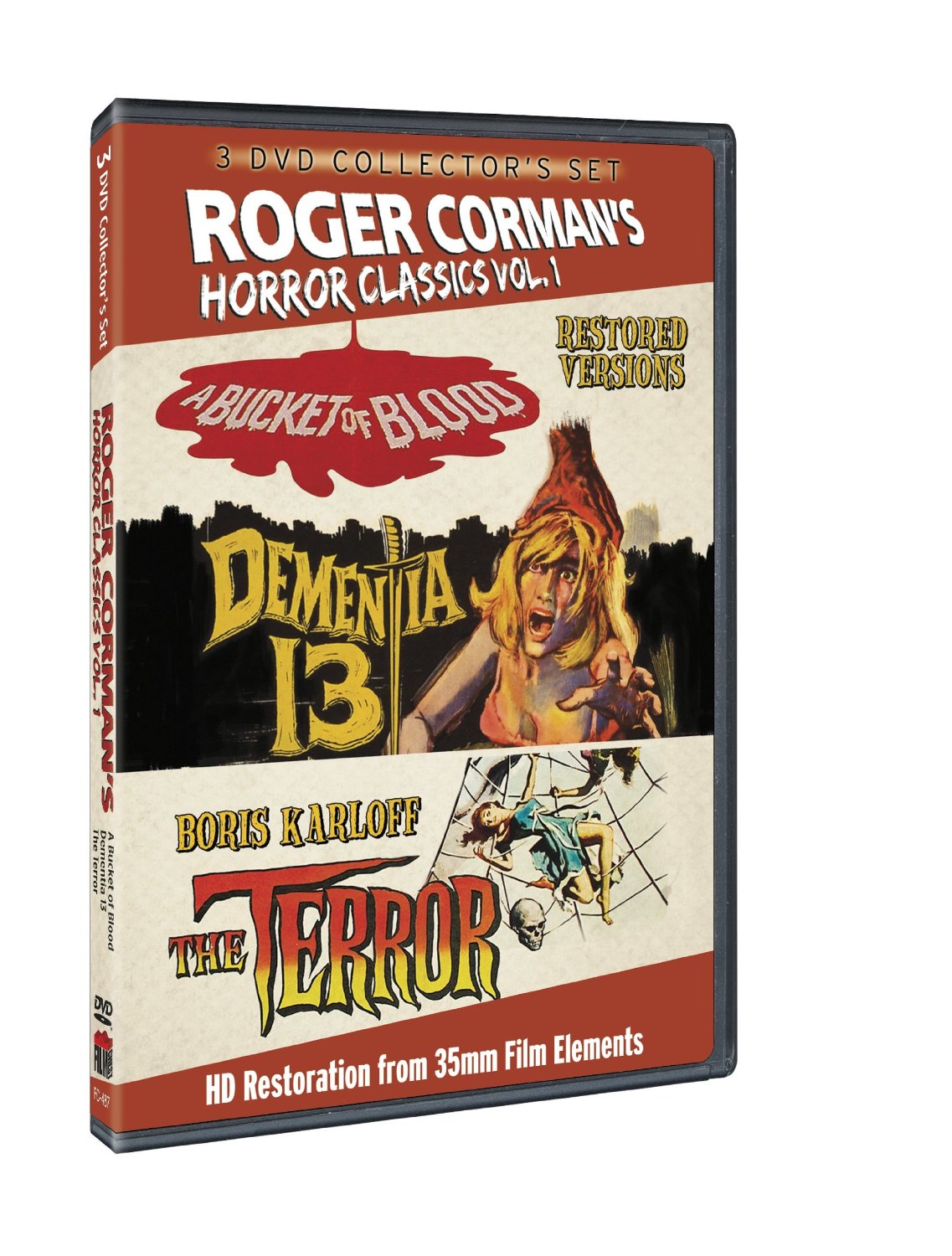
Roger Corman's Horror Classics Vol. 1 is a collection of three of his better known productions; The Terror, Dementia 13 (directed by Coppola), and Buckets of Blood. This collection is touted as being restored editions, which is good because many versions of these films have appeared on countless discs in shabby condition. Fans have definitely complained about faded copies full of scratches.

In 1986, AIDS was all over the headlines. Now AIDS is forgotten and ignored by most, but the pandemic remains a world wide disaster. It's not like syphilis is all over the news either, but AIDS is both an insidious killer and one with a stigma all its own. Aside from the stigma is the world wide spread of HIV (the precursor to AIDS) which had reached 34 million people by 2010. Across the world, the majority of new infections are male to female. Modern pornography is exponentially more available than it has ever been and does nothing to promote safe sex, and condom use is still something that has strong opponents in society.

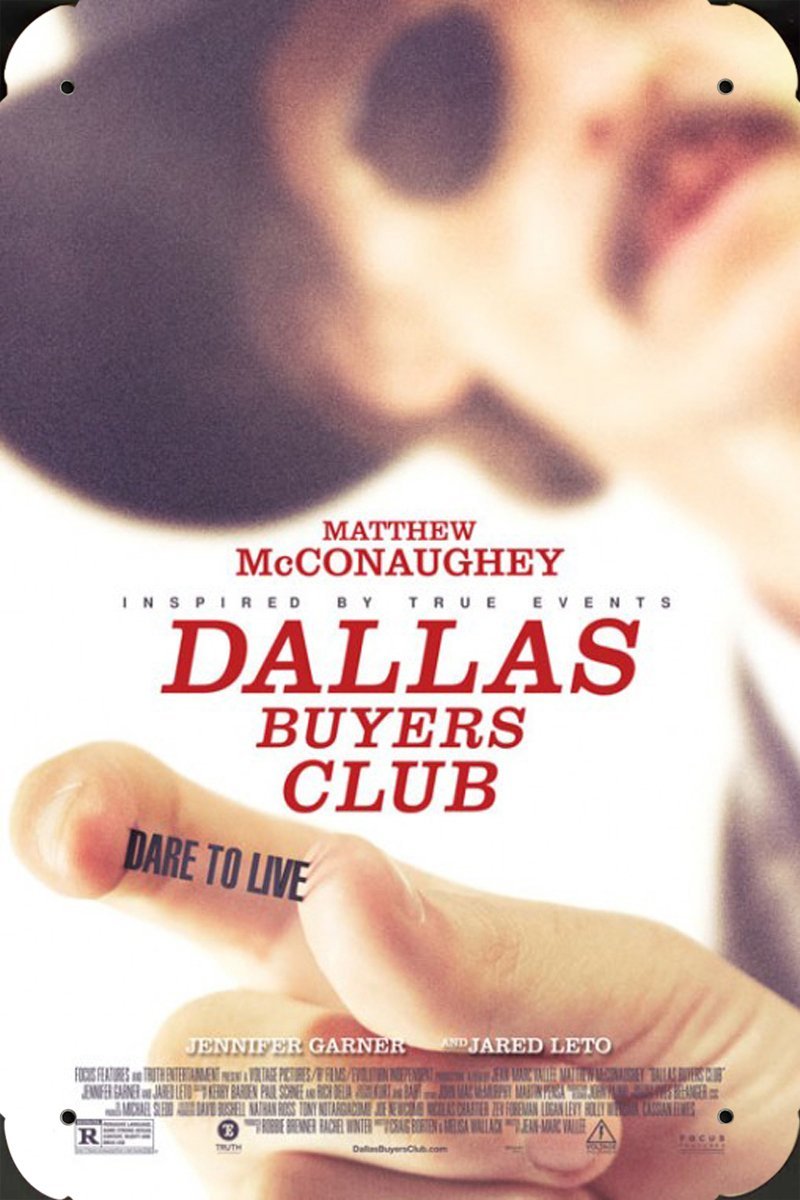
It's good for a movie like Dallas Buyers Club to come along to reacquaint a new generation to the terrors that AIDS brought to a previous generation. Dallas Buyer's Club is based on a true story about rodeo electrician, hard drinking gambler and rampant heterosexual Ron Woodroof. After an electrical accident sends him to the hospital, he is told that he has 30 days to live. It is impossible for Ron to comprehend how he could have the “gay” disease since his sexuality is heterosexual to the extreme.

Independent films can be about just about anything. Usually if it's about something you have never seen before, that can be a good thing. In this case, I'm not so sure. Free Samples is a movie that takes place almost entirely in and around a crappy little van giving away a cup of either chocolate or vanilla ice cream or at least something that resembles ice cream as far as we know. Free Samples is an existential comedy about the search for meaning when you step away from a future that looked very bright in search of who knows what. 

Jesse Weixler plays Jillian, who is a law student taking time off to paint, think and drink excessively. After a night of too much booze in which various people wind up in an apartment not knowing how they got there, Jillian's girlfriend begs her to do her a huge favor and fill in for her on the free ice cream truck for just a few hours. Jillian is bitter, angry, hung over, and not very amenable to this unpalatable idea but gets bullied into it anyway, but she's not going to do the visor. It's bad enough she's forced into a t-shirt that displays how unendowed she is in the bosom department.

The right honorable 5th Baron Haden-Guest is a well known multi-hyphenate. He is probably best known as Nigel Tufnel who likes to turn things up to 11.  He is also renowned as Count Tyrone Rugen, the evil six-fingered man.  He has also been called Corky St. Claire, Herb Minkman, Rajeev Vindaloo, Senor Cosa and Harlan Pepper, but only when he has the appropriate costume. He is married to Jamie Lee Curtis, and she likes to be called the baroness. I should say that the hyphens I mentioned are used to divide his many tasks like screenwriter/director/composer/actor/comedian/musician/American/Brit (with official dual citizenship), and he holds a hereditary British peerage and was active in the House of Lords until the House of Lords Act of 1999. He was part of the early days of National Lampoon with Chevy Chase and John Belushi but didn't follow them to Saturday Night Live until much later, pairing up with Billy Crystal on the show. He also guest-starred on All In The Family as a friend who in a flashback episode set Mike(Rob Reiner) and Gloria on their first date. Rob Reiner and Billy Crystal would reunite with Guest in two subsequent films, This is Spinal Tap and The Princess Bride. This led him to making a series of films that many consider the finest examples of “mockumentaries”, but Guest would say that he mocks no one but has respect and love for the various groups he has essayed and displayed.  These films are Waiting For Guffman, Best in Show, A Mighty Wind, For Your Consideration, and now the HBO series Family Tree starring Chris O'Dowd.

Family Tree is different than the films because it is more a journey by one person through his own heritage than the joining of a crew of like-minded individuals as in the other films. O'Dowd (Tom Chadwick) is best known for his charming supporting appearance in the film Bridesmaids, but he is the anchor here. It is his journey initiated by the inheritance of a trunk of junk that seems to unlock the secrets of his family's history. He is recently heartbroken and unemployed, so he has nothing better to do than hunt down clues from the trunk. In the first season it leads him from various towns in England to halfway across the globe in California where he uncovers many, many surprises. Three of the surprises include relatives like a Jewish movie cowboy, a grandfather that may have fought on both sides of the Civil War, and a genuine great-grand- Indian squaw. Tom's perpetually horny best friend and his sister with a surly, cheeky, foul-mouthed monkey puppet always by her side are his support system and wind up joining him in California (because they are both so messed up). Guest regulars Ed Begley Jr., Bob Balaban, Kevin Pollack, Fred Willard and Michael McKean make required appearances in the first season.

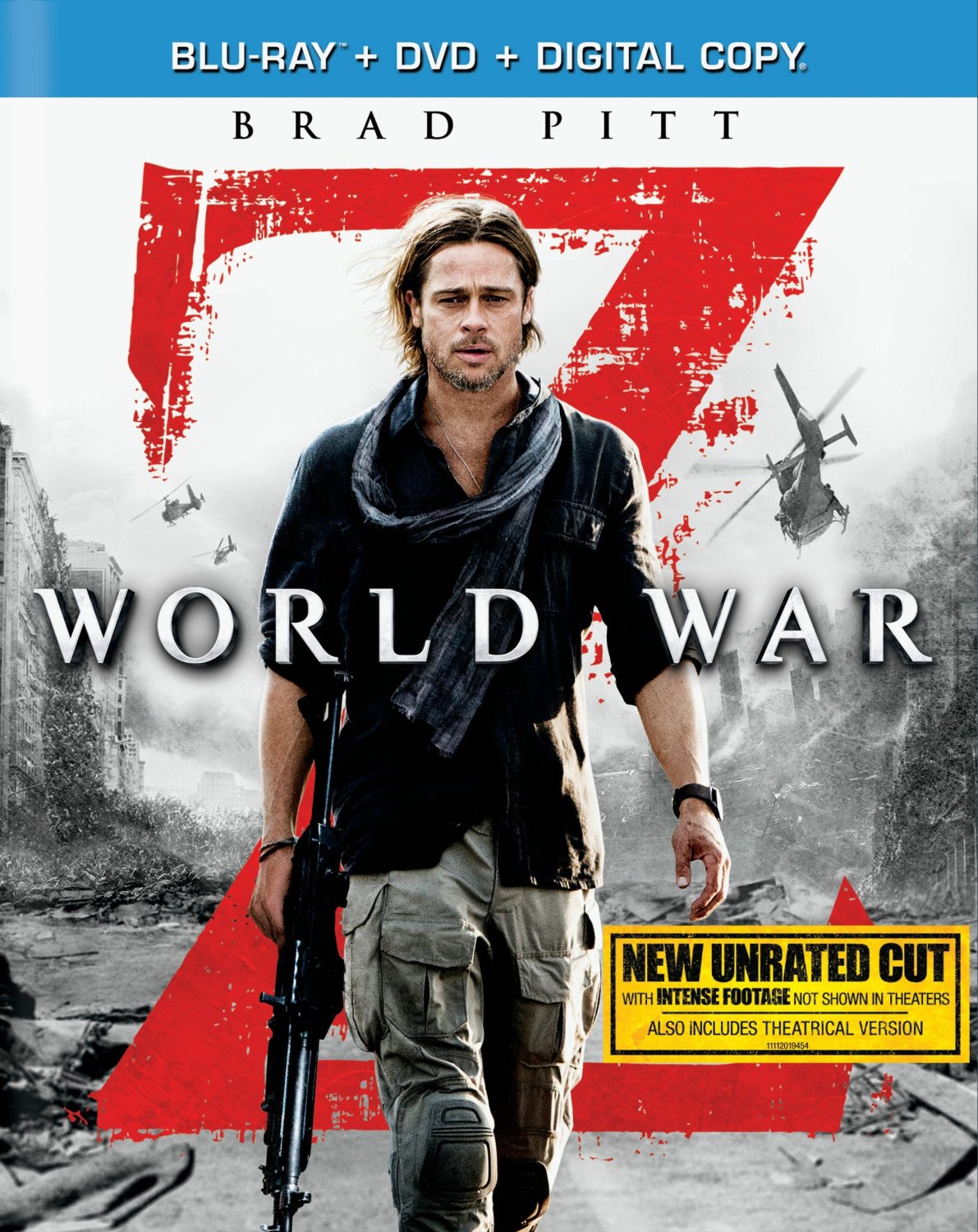
What is horror? It is something truly terrible that we are afraid of. War is full of horror, but we tend to compartmentalize that as a fact of life or simple necessity. So we'll put war aside, because the unspeakable atrocities that occur during war are sanctioned by international law. But it is difficult for me, because the unspeakable nightmare that is war throughout history is the ultimate in horror. When we see the enormously popular The Walking Dead or World War Z, we are seeing a metaphor for war. The unbridled frenzy that is a zombie attack comes close to making us understand what war is like. World War Z also tried to give us a clear connection to what a world wide pandemic would be like. The Black Plague and the killer flu were real things that killed millions. When we go about our daily lives we don't like to think that death is eminent, but it is always in our subconscious. Death is in our DNA. We may not want to think about it, but it always courses through our dreams. We watch horror films to confront our fears. There are very real fears.

The most obvious of our real fears is the crazed, psychopathic killer. No one would deny that this is real. I always think back to the book by Robert Louis Stevenson about Dr. Jekyll and Mr. Hyde which was published not long before a similar case took hold of the popular imagination. Jack the Ripper has been linked to another killer who built a hotel in Chicago designed specifically for his prodigious need to kill. Some suggested it was this killer who went to London to commit similar murders. There was another set of gruesome murders in Cleveland that were linked to the Black Dahlia case. The point is that horrifying mass murders have been around for a while. There is the story of a Scottish clan of 40 who ate 1000 victims in the 16th century. It supposedly inspired The Hills Have Eyes.

Journalism today is in disarray. I say that not because there aren't many, many passionate journalists who want to do the best job possible. I say it because there are just many, many, many more bloggers who don't know how live up to those standards or why it's even important. The internet changes everything in the music industry, the movie industry, and the media industry. That doesn't necessarily mean it's a bad thing. It just means that it's chaotic, and it often seems like no one is in control. The head of Amazon just bought one of the most venerable papers in the world, The Washington Post. The head of eBay is supposedly organizing a new media venture that will adhere to the strictest journalistic standards. Again, journalism today is in disarray.

The Fifth Estate is a movie about the frenzy surrounding Wikileaks and Julian Assange. The title suggests there is a successor to the fourth estate, which is the news media (don't ask about the first three estates since they are church, state and nobility which may be irrelevant now). I don't know if anybody knows what a fifth estate is yet, but Wikileaks is a big deal. It is also justifiably considered to be extremely controversial. Wikileaks is an international online organization that claims to protect the identity of any whistleblower trying to reveal classified and secret information with the hope of undermining worldwide corruption. I've seen the documentary We Steal Secrets: The Story of Wikileaks and was able to compare that to The Fifth Estate. They are quite different, but in small ways that can add up to a lot.

Gone With The Wind is the most popular film of all time still to this day if you talk about adjusted dollars. The Birth of a Nation was the most popular film of all time for a considerable time prior to that. Both films could be said to have a benign view of slavery and white supremacy, although it would be easy to use much stronger language than that. In most circles, both films have been considerably discredited due to this myopic view. Both films almost completely ignore or disregard the incredible cruelty of using human beings as a commodity for commerce. Even that doesn't begin to address the evil. Slavery continues to subjugate and demean up to 30,000,000 people worldwide to this very day, but it was sanctioned by law in much of the United States until after the Civil War. The horror, indignity and monstrous unfairness of it all cannot be overstated. Those involved in the abolitionist movement prior to the Civil War were driven by a fanatical and fervent desire to expose the abominable hypocrisy that was prevalent. A small core of free men and women of all races risked their lives to fight the abomination.

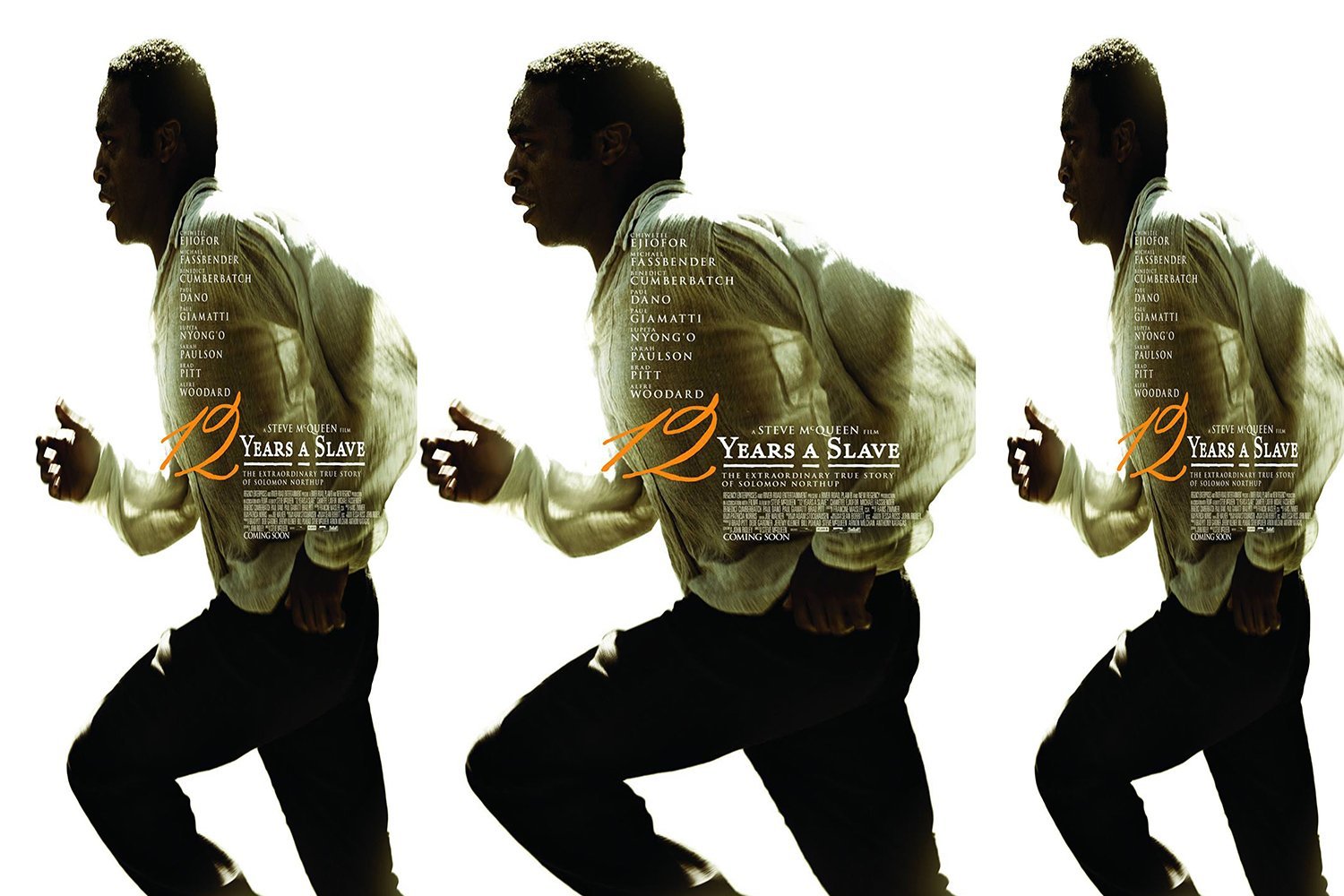
12 Years a Slave was a book that was written as a true account of the blind evil of the time. It is now a movie by young director Steve McQueen (that's his real name; he is obviously not the dead actor). In Saratoga Springs, a young highly regarded musician has a beautiful family and home. His name is Solomon Northup, and he has a good life. He is intelligent, friendly and eager to make the most of his talents. He is persuaded to assist two entrepreneurs with a venture and travel to Washington, D.C. After much success and celebration he wakes up to find himself in chains, and so begins the 12 years. He is transported on a slave ship and changes hands among owners over those 12 years. He is, after all, property. He is now part of a “peculiar institution”.