Posted in: Disc Reviews by Gino Sassani on December 11th, 2020
"Our true enemy has yet to reveal himself."
If anything, the third part of the Godfather series of films is symbolic of when too many sequels are greenlighted, and consequently, the film is doomed to fail. More often than not, the reason why these films crash and burn is because of major studios acting like Adelphia executives and wanting more money, and in using the previous films’ successes as leverage, they lose sight of things like quality. It’s happened to other trilogies. And if you put together previous films with the reputation that the first two Godfather films have, the only question left to answer is whether or not the third film would be a minor or major letdown. Most of the essential players returned, with the exception of Robert Duvall. (Duvall said Francis Ford Coppola never really negotiated with him, while Coppola says that Duvall asked for more money, so who knows?) Mario Puzo helped out with another part of the story, so why did this film not live up to the hype?
Posted in: Holiday Gift Guides by Gino Sassani on December 7th, 2020
I think I see your problem. You have this list. It’s a list of people you need/want to buy a Christmas gift for. The trouble is that they’re into home theatre, and you don’t know Star Trek from Star Wars. You couldn’t tell a Wolf Man from a Wolverine. And you always thought that Paranormal Activity was something too kinky to talk about. Fortunately, Upcomingdiscs has come to the rescue every Christmas with our Gift Guide Spotlights. Keep checking back to see more recommendations for your holiday shopping. These gift guides ARE NOT paid advertisements. We take no money to publish them. With conditions as they are, shopping won't be easy this season. The nice thing about discs is that they're so easy to get from places like Amazon that you can give a great gift and stay perfectly safe while you do it. Hawaii Five-O has left the airwaves after a ten-year revival series. It's a huge box of DVD's that will look sweet under someone's tree
Posted in: Holiday Gift Guides by Gino Sassani on December 3rd, 2020
I think I see your problem. You have this list. It’s a list of people you need/want to buy a Christmas gift for. The trouble is that they’re into home theatre, and you don’t know Star Trek from Star Wars. You couldn’t tell a Wolf Man from a Wolverine. And you always thought that Paranormal Activity was something too kinky to talk about. Fortunately, Upcomingdiscs has come to the rescue every Christmas with our Gift Guide Spotlights. Keep checking back to see more recommendations for your holiday shopping. These gift guides ARE NOT paid advertisements. We take no money to publish them. With conditions as they are, shopping won't be easy this season. The nice thing about discs is that they're so easy to get from places like Amazon that you can give a great gift and stay perfectly safe while you do it. Sony has put together an impressive collection for both the video game and film fans on your list. All six Resident Evil films are now in one special collection on UHD Blu-ray and in beautiful 4K
Posted in: Holiday Gift Guides by Gino Sassani on December 2nd, 2020
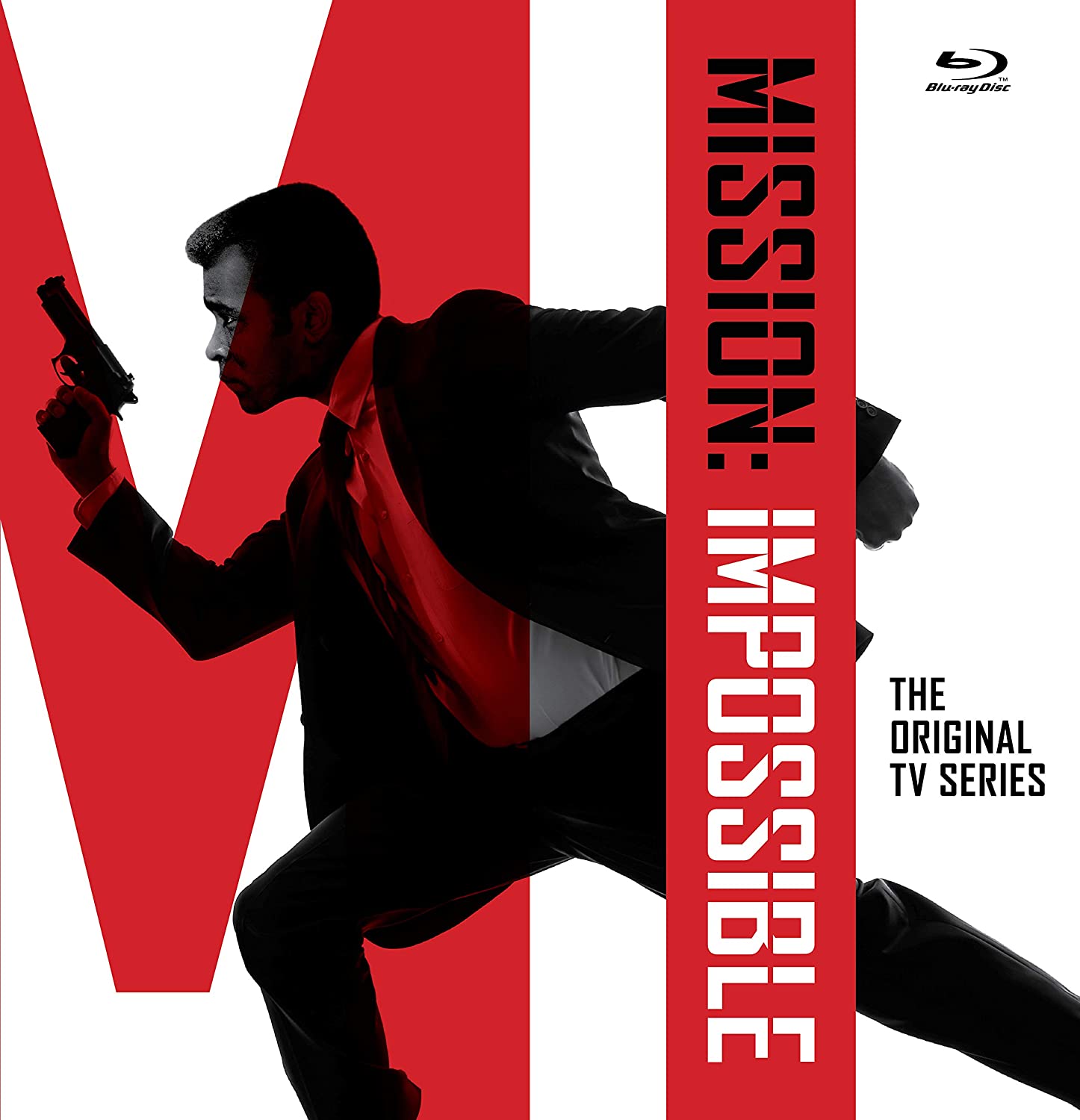
I think I see your problem. You have this list. It’s a list of people you need/want to buy a Christmas gift for. The trouble is that they’re into home theatre, and you don’t know Star Trek from Star Wars. You couldn’t tell a Wolf Man from a Wolverine. And you always thought that Paranormal Activity was something too kinky to talk about. Fortunately, Upcomingdiscs has come to the rescue every Christmas with our Gift Guide Spotlights. Keep checking back to see more recommendations for your holiday shopping. These gift guides ARE NOT paid advertisements. We take no money to publish them. With conditions as they are, shopping won't be easy this season. The nice thing about discs is that they're so easy to get from places like Amazon that you can give a great gift and stay perfectly safe while you do it. CBS has remastered the entire seven seasons of Mission Impossible and released them on this impossibly affordable collection.
Posted in: Holiday Gift Guides by Gino Sassani on November 29th, 2020
I think I see your problem. You have this list. It’s a list of people you need/want to buy a Christmas gift for. The trouble is that they’re into home theatre, and you don’t know Star Trek from Star Wars. You couldn’t tell a Wolf Man from a Wolverine. And you always thought that Paranormal Activity was something too kinky to talk about. Fortunately, Upcomingdiscs has come to the rescue every Christmas with our Gift Guide Spotlights. Keep checking back to see more recommendations for your holiday shopping. These gift guides ARE NOT paid advertisements. We take no money to publish them. With conditions as they are, shopping won't be easy this season. The nice thing about discs is that they're so easy to get from places like Amazon that you can give a great gift and stay perfectly safe while you do it. Shout Factory delivers a little bit of William Shatner's world in The Captains Collection. It's a collection of four documentaries from the Enterprise Captain himself. Here's a look inside
Posted in: Holiday Gift Guides by Gino Sassani on November 27th, 2020
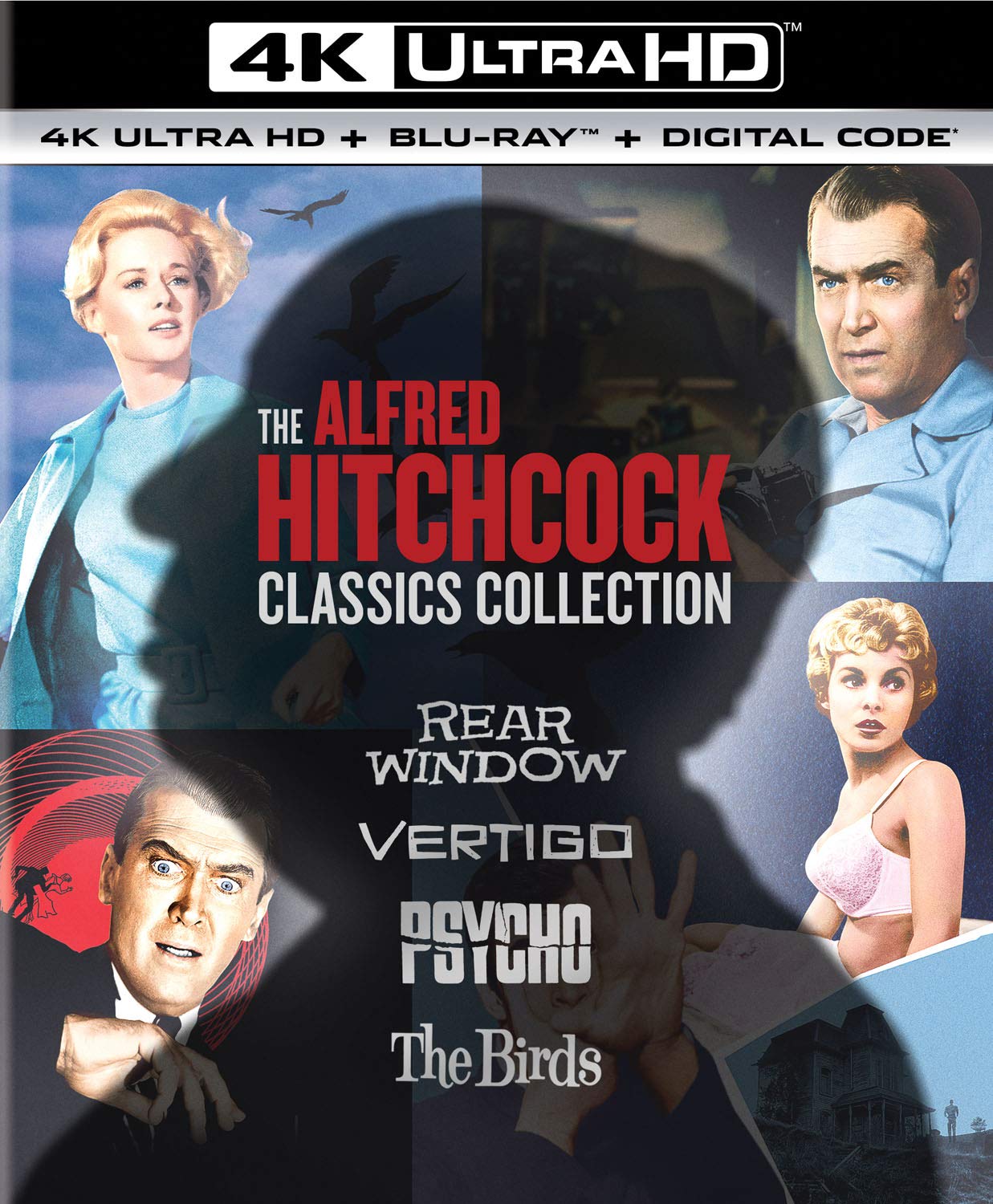
I think I see your problem. You have this list. It’s a list of people you need/want to buy a Christmas gift for. The trouble is that they’re into home theatre, and you don’t know Star Trek from Star Wars. You couldn’t tell a Wolf Man from a Wolverine. And you always thought that Paranormal Activity was something too kinky to talk about. Fortunately, Upcomingdiscs has come to the rescue every Christmas with our Gift Guide Spotlights. Keep checking back to see more recommendations for your holiday shopping. These gift guides ARE NOT paid advertisements. We take no money to publish them. With conditions as they are, shopping won't be easy this season. The nice thing about discs is that they're so easy to get from places like Amazon that you can give a great gift and stay perfectly safe while you do it. First up on Black Friday is one of the best gift sets we've ever run into here at Upcomingdiscs. Universal has started to release their extensive Hitchcock collection on 4K. Hitch was also a master of lighting and cinematography, and it comes through quite nicely with these new 4K transfers of four of his classic films. You're going to get a lot of thanks for giving this one
Posted in: Holiday Gift Guides by Gino Sassani on November 27th, 2020
I think I see your problem. You have this list. It’s a list of people you need/want to buy a Christmas gift for. The trouble is that they’re into home theatre, and you don’t know Star Trek from Star Wars. You couldn’t tell a Wolf Man from a Wolverine. And you always thought that Paranormal Activity was something too kinky to talk about. Fortunately, Upcomingdiscs has come to the rescue every Christmas with our Gift Guide Spotlights. Keep checking back to see more recommendations for your holiday shopping. These gift guides ARE NOT paid advertisements. We take no money to publish them. With conditions as they are, shopping won't be easy this season. The nice thing about discs is that they're so easy to get from places like Amazon that you can give a great gift and stay perfectly safe while you do it.
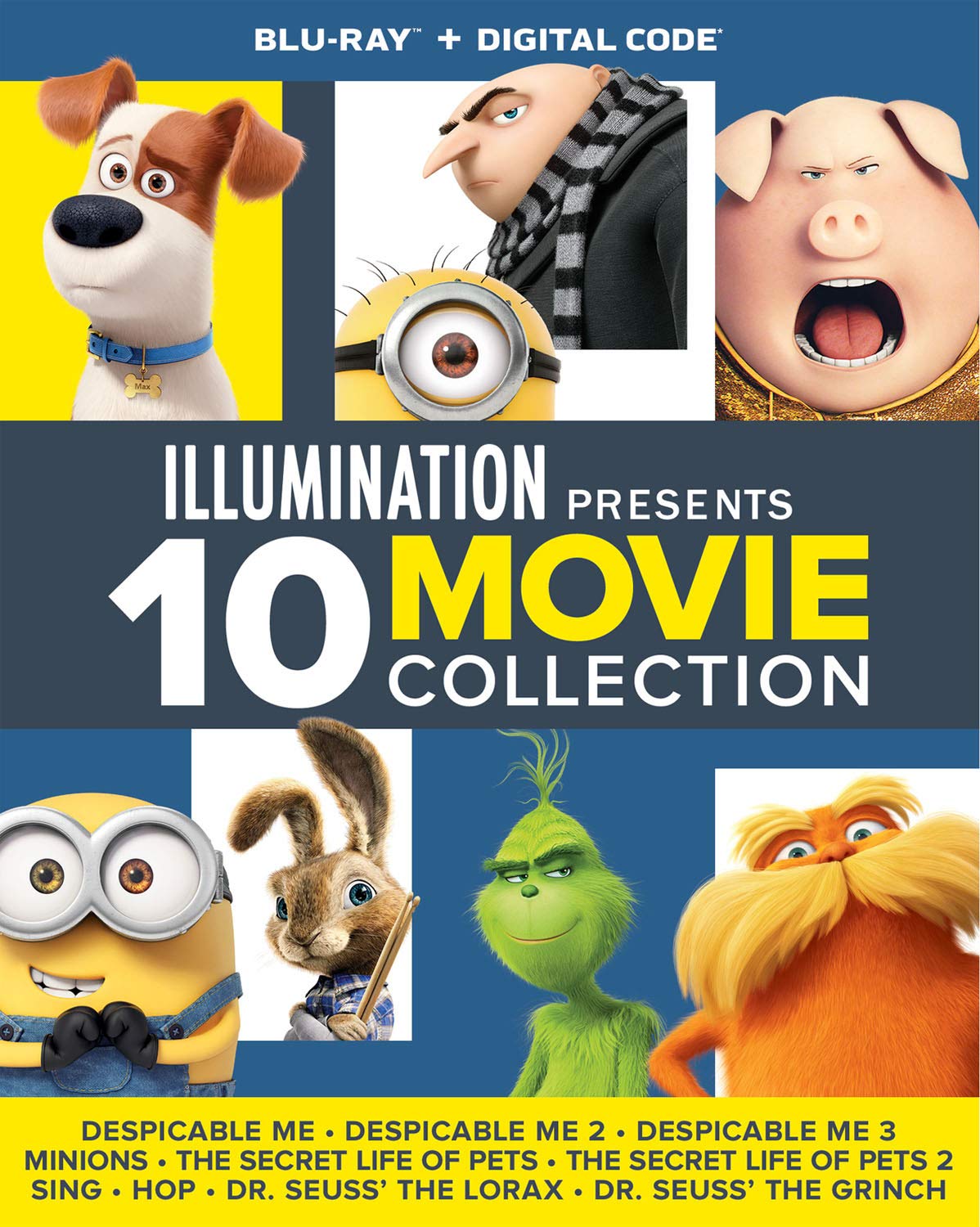
Universal has made it easy to share an entire library of films in specialized 10-film Blu-ray collections. The collections are based on the output of the various subdivisions of the studio and feature some blockbusters as well as holiday favorites
Posted in: Disc Reviews by Gino Sassani on November 24th, 2020
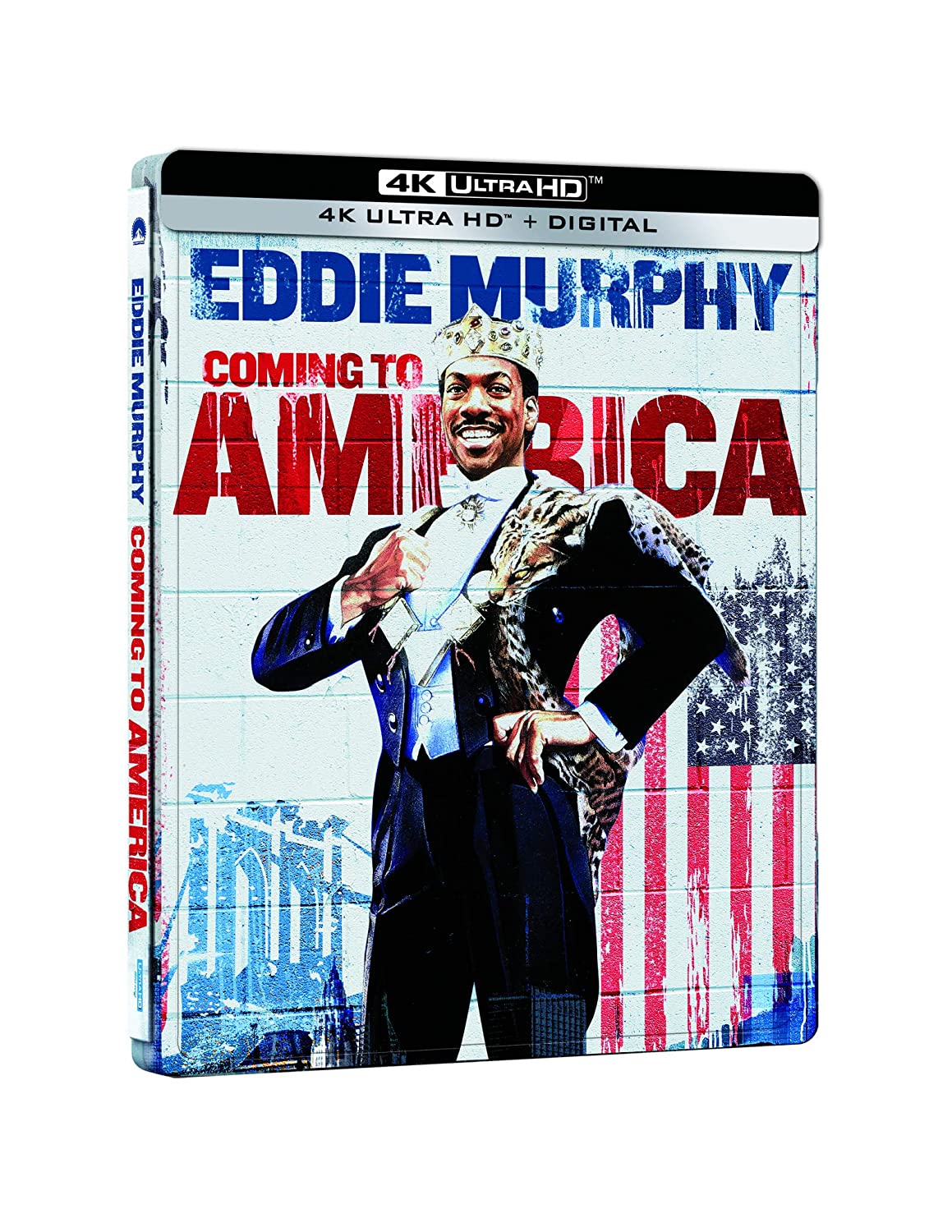
Remember when Eddie Murphy was funny? You know, before the fat suits and fart jokes. I guess many of you hadn’t even been born yet. Ronald Reagan was still president of these United States. CD’s were the latest thing. VHS was just catching on. The Rams were still in L.A., and it was the Cardinals who were playing in St. Louis. No one had ever heard about DVD, Blu-ray, 4K, MP3, or Wi-fi. It was 1988, and Eddie Murphy was staring in Coming To America. This is the second of two classic 80's Eddie Murphy films that Paramount is delivering on UHD Blu-ray this week. They happen to be two of his best films in 40 years. I’ve long considered this the last funny Eddie Murphy film. It just seems like he’d turned to gimmicks and quick physical humor. He got lazy, and you know what? So did I. I decided it wasn’t worth the effort to get my seat into those theater seats to see him clown around anymore. So journey with me back to a magical time when Murphy was still hungry and he let his talent shine.
Posted in: Disc Reviews by Gino Sassani on November 24th, 2020
"The heat is on..."
From the bouncing opening music by Glenn Fry to the final frame of Eddie Murphy's smile, Beverly Hills Cop has established itself as a classic. Now finally out on Blu-ray, the film shows us all over again why we fell in love with it almost 20 years ago. Murphy hasn't been as funny since, but we'll always have Beverly Hills and Axel Foley.
Posted in: Disc Reviews by Gino Sassani on November 24th, 2020
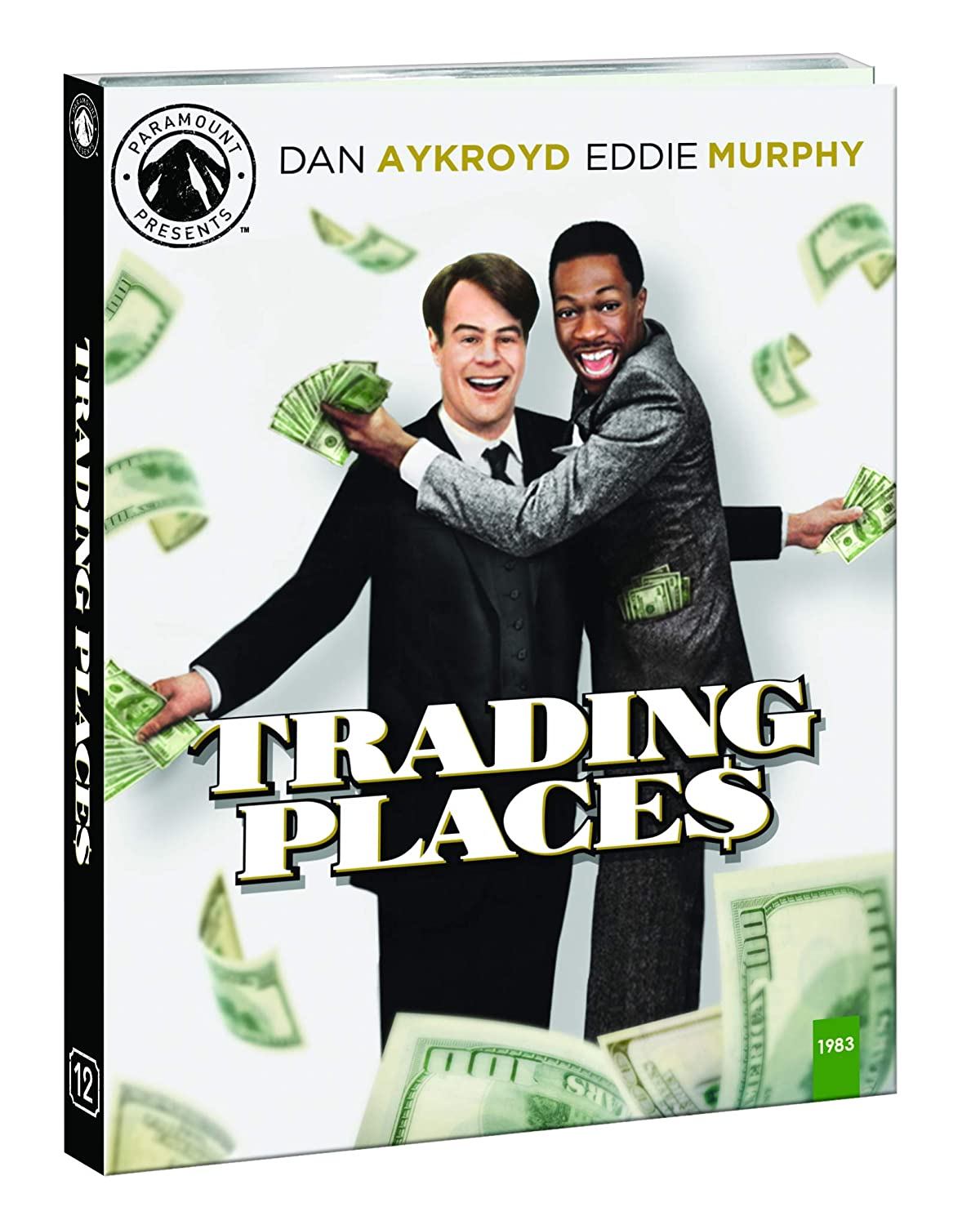
Eddie Murphy has a ton of films under his belt. If you’re like most folks, his antics have long ago become tired and worn out. Come with me now to a time when Murphy was young and full of energy. Trading Places was really only Murphy’s second film after 48 hours. In Trading Places, we get vintage Eddie Murphy. You can tell he was still hungry. Today he simply calls too many performances in. Dan Aykroyd was also at a turning point in his own career. It hadn’t been too long since he lost his longtime partner Jim Belushi to a drug overdose. He was just learning to stand on his own. Put these two guys together today, and there’s not much chance you’d get the solid gold that was possible in 1983. Fortunately for us, there is this HD release of Trading Places, when both actors still felt they had something to prove. The cast was brilliant all the way around. Jamie Lee Curtis displayed her obvious assets for the first time in a film. Known mostly as a scream queen at that time, Curtis was a choice the studio was not at all happy with. The Wolf Man’s own Ralph Bellamy, along with fellow veteran actor Don Amechi, played the Duke brothers to perfection. Finally, Denholm Eliott added his own understated brilliance as Coleman, the butler.