1080p

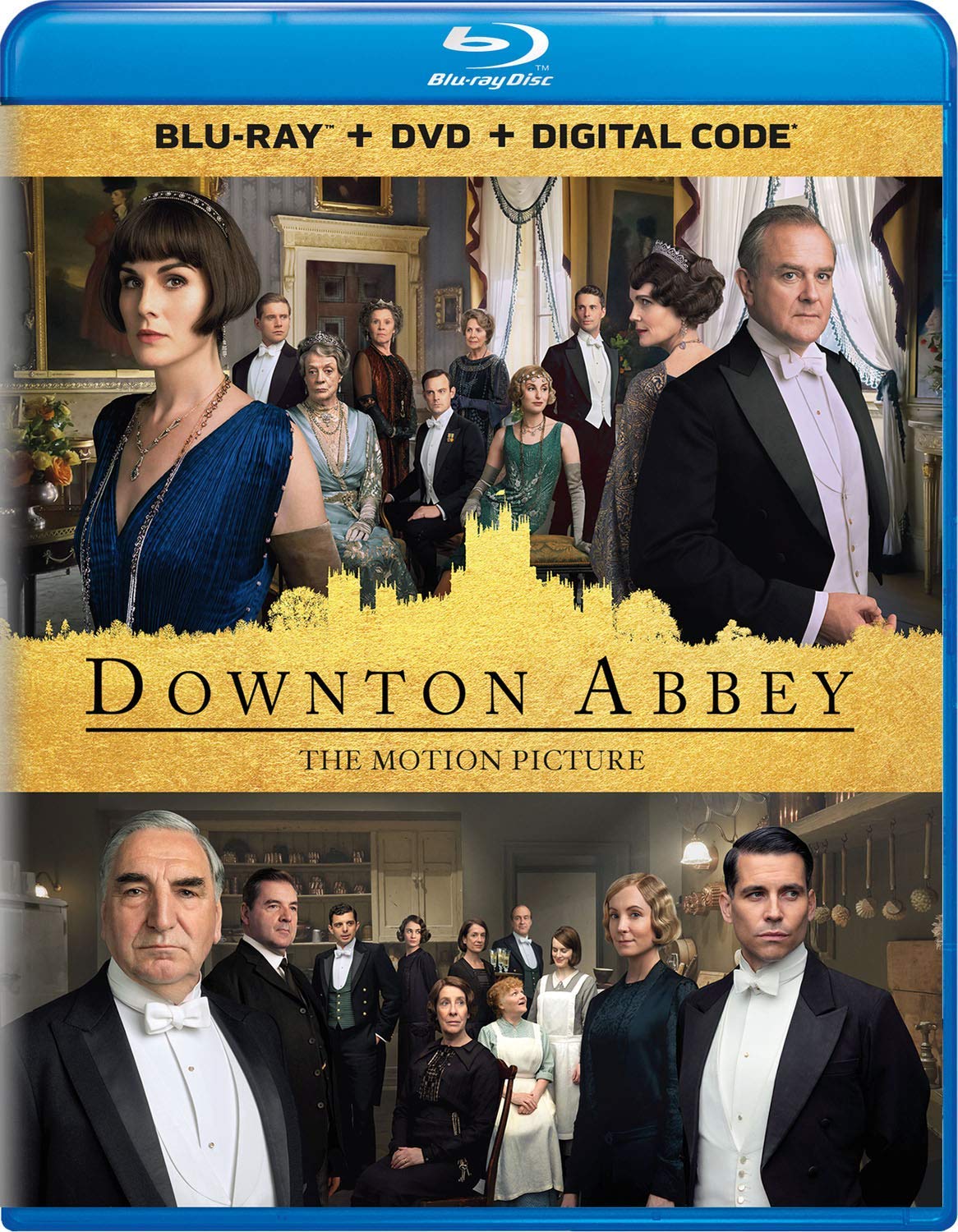
Downton Abbey spent six years on television and has amassed 52 episodes. In that relatively short run the series has also managed to collect over 200 award nominations and several Golden Globes along with other prestigious awards. Let's not forget a rather loyal fan-base that has watched each episode with anticipation of the next sharp barb or character revelation. The fans have been vocal and strong enough that a new film franchise has been anticipated to fill the void left by the series. In one of its years it was the number-one binged series in the world. That's a lot of power, and it's little wonder that all of these ingredients are expected to create a little box office gold. But film franchises from television shows rarely go on to such golden heights. There are some notable exceptions, to be sure. But even here, expectations and changing caretakers often lead to both high points and flops. The Star Trek franchise is a perfect example of those kinds of ups and downs. Mission Impossible is an example of shows that have to be completely retooled to hit the high numbers. Where will Downton Abbey fit in this equation? I rather suspect the jury is still out. One thing I can tell you with complete confidence: the film will absolutely entertain fans of the series. There's no retooling to be found here, and you can expect the same kind of drama that you've been mainlining for 52 episodes.

The original series left the Crawley family at the Christmas of 1925. A little over two years have passed, and we rejoin the family in the summer of 1927. The family appears to have come to a point where they have to face the possibility that the aristocracy in Great Britain might be finally coming to an end. There is much conversation about having the family finally give up Downton Abbey and place themselves into somewhat normal British society. The manor doesn't bring in the kind of wealth it once did, and keeping it going will require making some serious cuts and sacrifices. Amid this crises of conundrum, Robert Crawley (Bonneville) is informed that the King and Queen of England have decided to visit the Abbey and spend an evening there. The occasion brings about a flurry of preparations. One of these preparations involves the newly promoted butler. Thomas Barrow might not have the right experience or demeanor to handle such a huge job. Lady Mary (Dockery) decides to reach out to their seasoned but retired former butler, Mr. Carson (Carter). It's actually a quite clever way of giving the show some kind of major story and a great excuse to bring back the familiar character so that fans can get at least one more visit with things very much as they were at Downton Abbey.

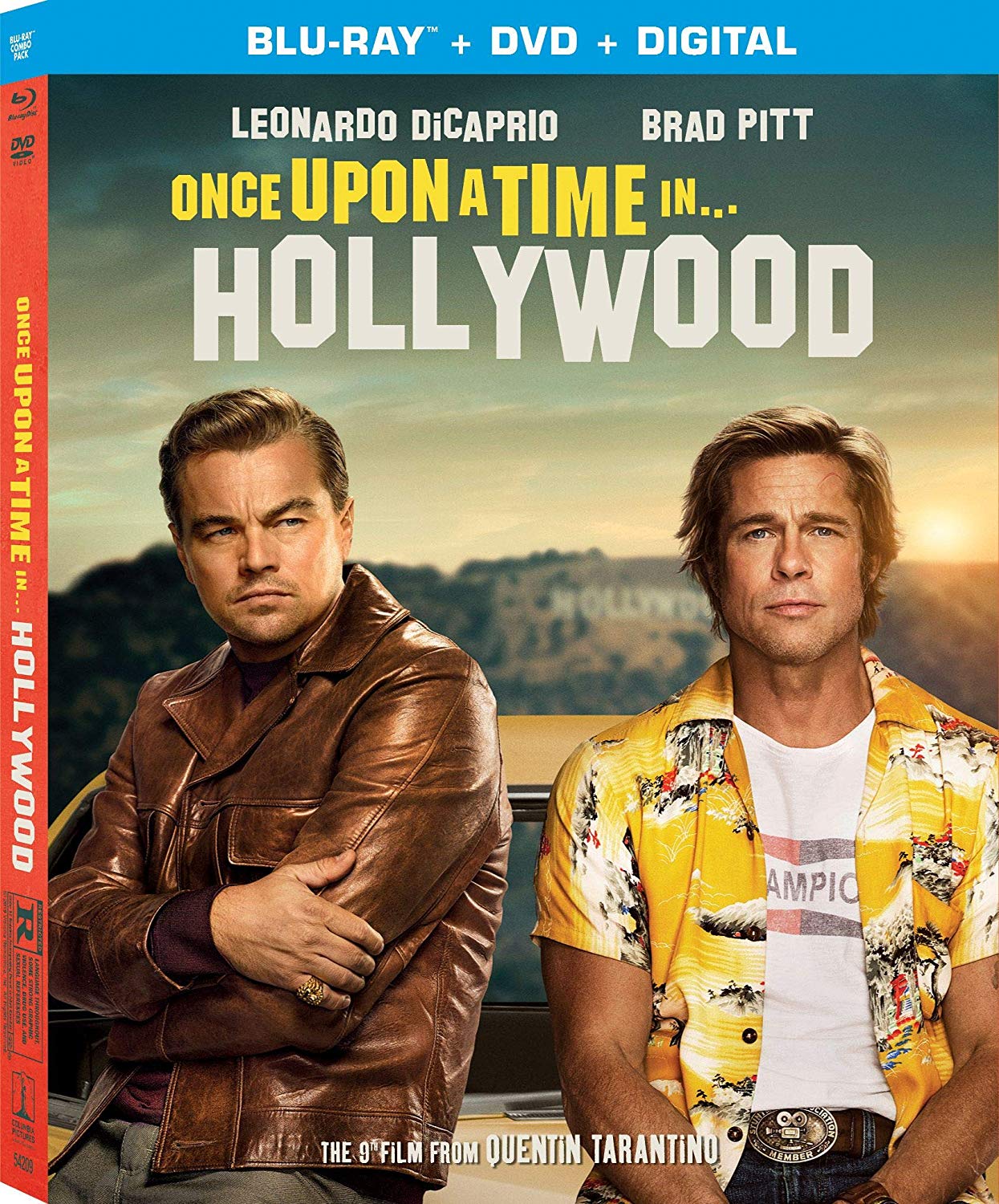
When it comes to Quentin Tarantino’s ninth feature film, Once Upon A Time in Hollywood, while it may be the most personal film that QT has put out, for some fans this may be his hardest to embrace.  For many fans, when they think of a Tarantino film the go-to titles are Pulp Fiction and Kill Bill, and there is nothing wrong with that, but if you’re going into this film with expectations for it to resemble those films, well, you’re going to be disappointed.  Instead what Tarantino delivers this time around is something more ambitious; while it may not be heavy on plot, what it thrives on is character and its ability to take us back in time to Hollywood in 1969 as it was closing in on the end of an era.  Other fans may be coming into this film expecting this to be a story that delves into Charles Manson and his followers because of the film having Sharon Tate in it; well, again, this is something where you need to put expectations aside and allow Tarantino to let his story unfold for you, because as expected, he takes this film into an unexpected direction.

The film is about Rick Dalton (Leonardo DiCaprio), a fading TV western star, and his stuntman and best friend Cliff Booth (Brad Pitt).  Rick is being offered an opportunity to make some films in Italy as a last-ditch effort to salvage his career, while Cliff is doing what he can on a day-to-day basis to stay afloat in Hollywood as a stuntman, though mostly he is Rick’s gopher and driver.  The relationship between these two men is the strength of the film despite them having little screen time together, but when the two do share the screen, it’s something special that’d I’d compare to seeing Newman and Redford together.  Tarantino knows what he has with these two together, but these characters are both on very different journeys in the film.  Rick is doing a guest spot on the hit western TV show Lancer, while Booth is doing work at Rick’s house and meeting a charismatic hitchhiker.

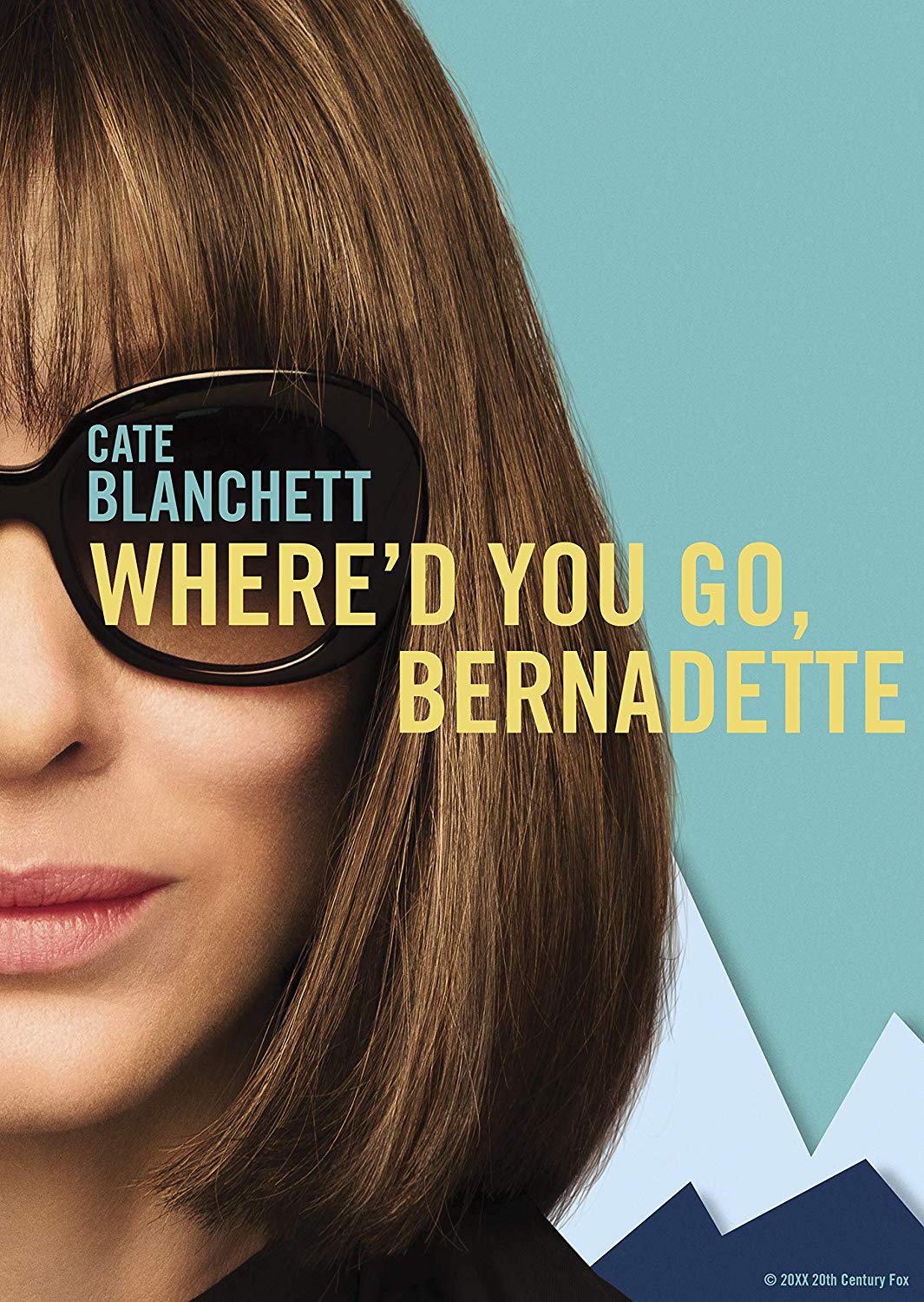
When a film comes along directed by Richard Linklater, I’m always going to have a little interest in what he’s up to.  He’s one of those directors I’ve followed from the 90’s that every few years he cranks out a film that I can’t help but enjoy.  Dazed and Confused, his Before Sunrise series, Boyhood, Everybody Wants Some!!, School of Rock, and several other of his films are proof enough that he has a solid filmography, but he’s never quite been  the guy to make a splash at the box office. Because of his track record, I’m a bit surprised to see his new film Where’d You Go, Bernadette managed to squeeze into the tail end of the summer when the trailers would have me thinking this could be an awards-caliber film.  Well, as it turns out, the film is a swing and a miss.  While I still enjoyed the film, it’s a bit frustrating, because this film seems like it’s so close to being something great, but it just manages to disappoint throughout.

Bernadette Fox (Cate Blanchett) is a bit of a mess, to put it lightly.  She’s more than a little difficult to get along with, she heavily self-medicates, drinks, and seems to hate most people with the exception of her family.  From the start it’s a bit difficult to decide if Bernadette is simply a quirky individual or if she is genuinely just an unlikeable person. The problem is the film doesn’t seem to know either, so with each awkward situation we see Bernadette get into, she just becomes a frustrating and tiresome character.  We see she doesn’t get along with her neighbors, and her relationship with her husband, brilliant computer animator Elgie Branch, played by Billy Crudup, is odd in its own way as well.  It’s hard to understand why they’d be on board for a last minute trip to Antarctica.

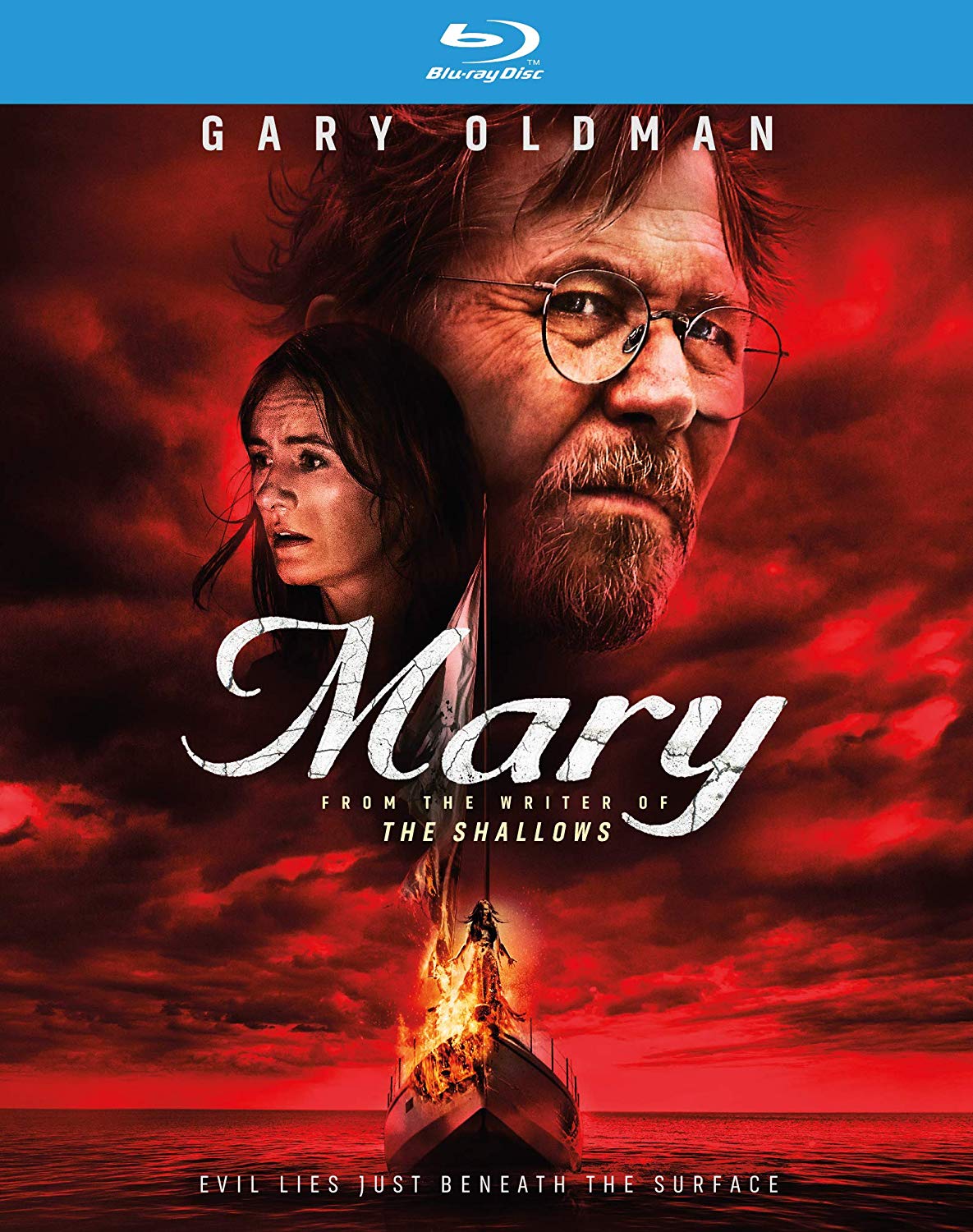
For some the ‘haunted house’ sub-genre is a bit stale. Sure, there have been some great films and TV shows that have tackled the sub-genre, but many of the films tend to be recycled trash.  Personally I’m a fan of haunted house flicks, even the bad ones I tend to find at least somewhat enjoyable.  Mary may not fall into the classic definition of the haunted house film, mostly because it takes place on a yacht and in the Atlantic Ocean, but really it plays by the same rules.  Seeing a familiar story unfold in a different location, where the characters have no place to run to, is enough to inject new life into a stale story, but is it enough to keep viewers engaged to the very end? Mary is a ship that that David (Gary Oldman) finds at a boat auction and ends up purchasing with hopes of turning it into a vacation sailboat his family can use to run a business with.  To say Mary is a “fixer-upper” would be the understatement of the decade, as it seems to be falling apart from the inside out.  We’ve seen it before, where the protagonist finds some busted-up car, bike, boat, etc., and what follows is the required montage of the protagonist fixing up the boat. Well, the film of course delivers the montage, but as montages go this one is lame … It’s as though the filmmakers never saw a film in the 80’s ( a time when every film seemed to have a montage cued by some 80’s pop or rock song).  It doesn’t take long before his family suspects that there could be something wrong with the boat.  Now here’s the fun little tidbit: David is struggling to patch things up with his wife Sarah (Emily Mortimer) after discovering she had cheated on him.  So yes, David’s need to repair the ship is indeed a metaphor for his need to repair his marriage.  Honestly, having Sarah’s affair brought into the story is simply a distraction from the plot. When you consider the film is only 84 minutes, it becomes too much drama to attempt to flesh out in such a short amount of time, and because of this wasted time, it does take away from us getting attached to these characters.

Another issue I have with the film is that it is told in flashbacks; basically Sarah is in police custody and is telling her story to Detective Clarkson (Jennifer Esposito).  Here is a huge problem: if you’ve seen The Usual Suspects, you will see through this movie.  Had this film kept it simple and just told a linear story it would have been fine, but in its attempt to be clever this film falls apart so quickly.  Everything surrounding the story on the boat works fine, but these scenes between Sarah and the detective ruin all the tension that the film has been building for itself. Most damning is that it reveals the demise of characters and the survival of others.  Even when the film delivers a fun back-story to the ship, this fun twist has already been ruined, because we know from the start Sarah is telling the story about what happened on the ship.

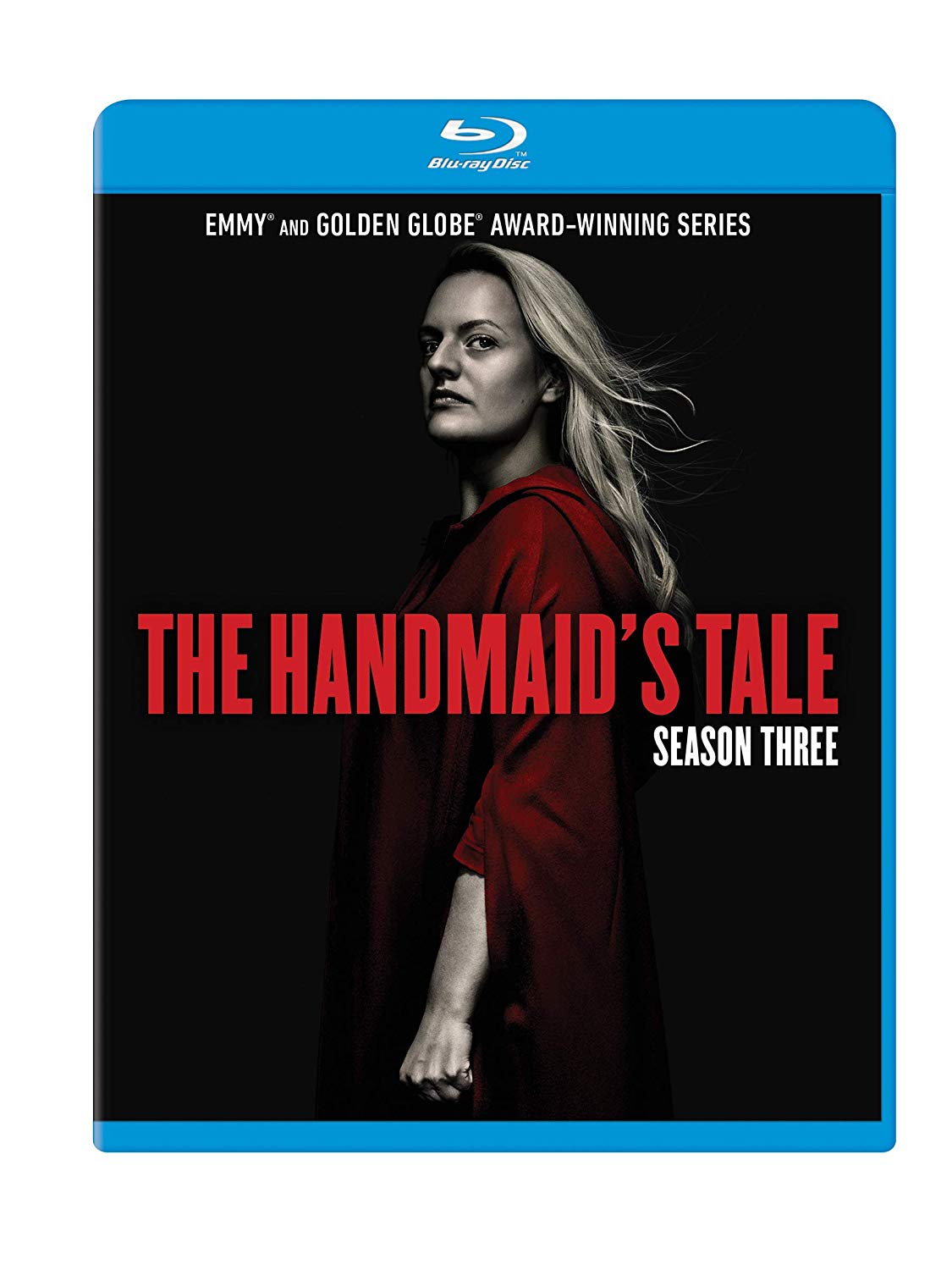
The most amazing thing about The Handmaid’s Tale — other than a powerhouse lead performance from the best actress working in television right now — is that this harrowing, suddenly timely cautionary tale about what happens when society falls asleep at the wheel is based on a story that was published more than 30 years ago. Of course, the show has a lot more going for it than impeccable timing. The Handmaid’s Tale is based on Canadian writer Margaret Atwood’s 1985 novel of the same name. Sometime in the not-so-distant future, the world is in chaos after environmental pollution and sexually transmitted diseases result in a catastrophic decline in human fertility rates. In the U.S., the result was Second Civil War, which led to the establishment of a totalitarian, Christian fundamentalist government known as Gilead. And while life isn’t exactly a picnic for anyone outside of Gilead’s elite ruling class, life is especially dire for women: they are not allowed to own property, work, handle money, or read. Much of this information is revealed in dribs and drabs over what is now three seasons.

The Handmaid’s Tale is created by Bruce Miller, a writer producer who worked on SyFy’s Eureka and The CW’s The 100. The former series offered a cracked-mirror, off-center version of reality, while the latter is a post-apocalyptic drama: both sensibilities proved extremely beneficial for Handmaid’s. A large share of the credit also goes to Reed Morano, who won a directing Emmy for her work on the pilot and established the show’s spellbinding visual tone by helming the first three episodes.

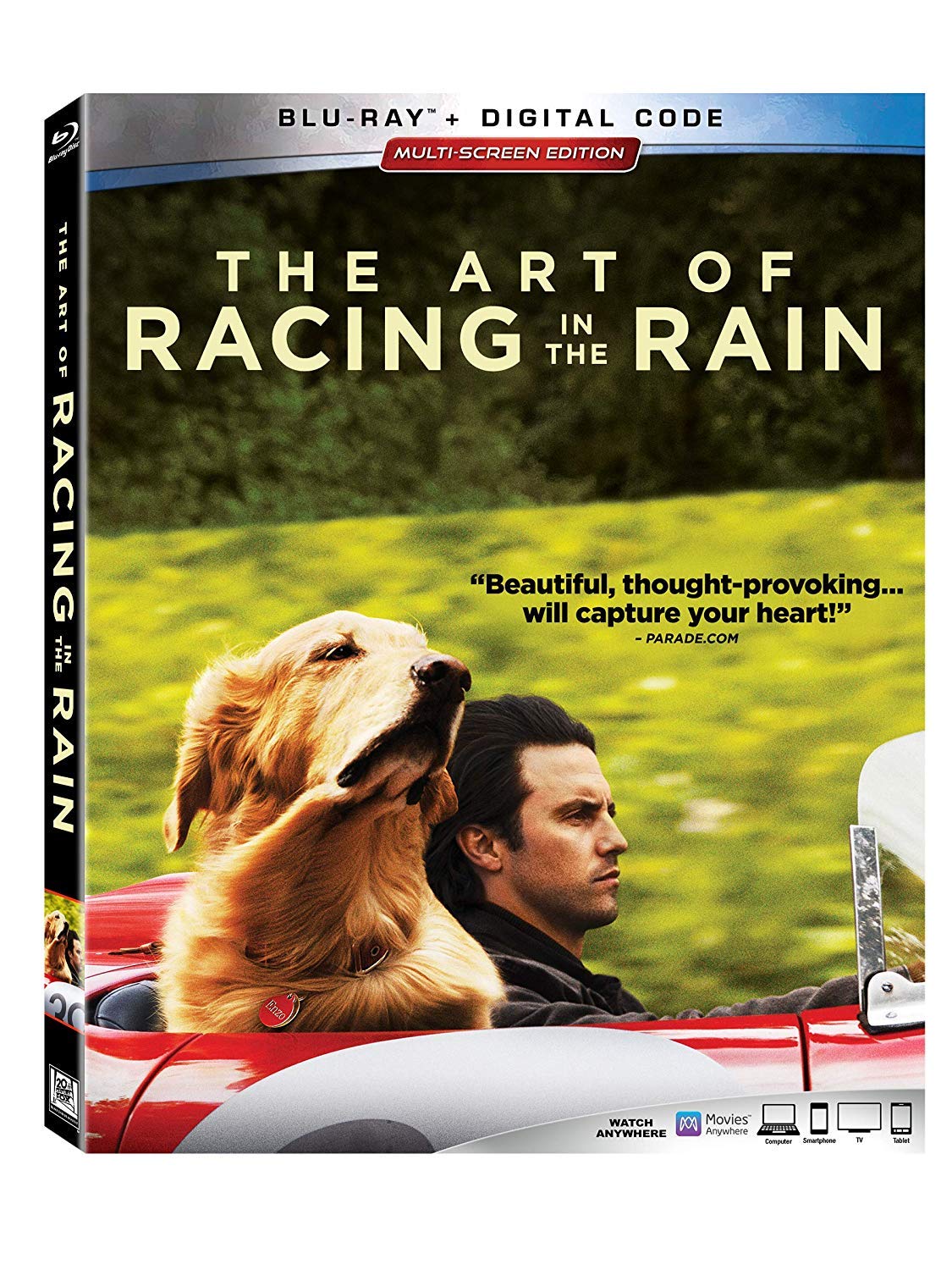
"He picked me out of a pile of pups, a tangled mass of paws and tails. He'd stopped at the farm on his way home from the speedway at Yakima. Even back then, I knew I was different than other dogs. My soul just felt more human."

There was a time when this kind of film would have been reviewed by Baby, the German Shepherd/Chow who used to run security here at Upcomingdiscs as well as fill in for the occasional dog film review. Baby's gone, and we haven't yet trained Aurora the Siberian Husky who resides at Upcomingdiscs to pitch in on reviews. The problem is getting her to put her ball down long enough to pay enough attention, let alone write a review. But we're working on it. Until then these duties have fallen back to me, the occasional dog lover, which usually depends on what Aurora is up to at any particular moment. As Baby would have said: "Let's not talk about that right now." The task at hand is another talking dog film which followed quickly on the heels of A Dog's Purpose and its sequel A Dog's Journey along with the most recent A Dog's Way Home. It's a trend that has produced some emotional moments at the cinema for those of us who have spent a large part of their lives with our canine companions. This time out we have The Art Of Racing In The Rain, which is based on the novel by Garth Stein. If you're hoping to have that same kind of emotional ride that these other films brought, I think you'll be in for a little disappointment.

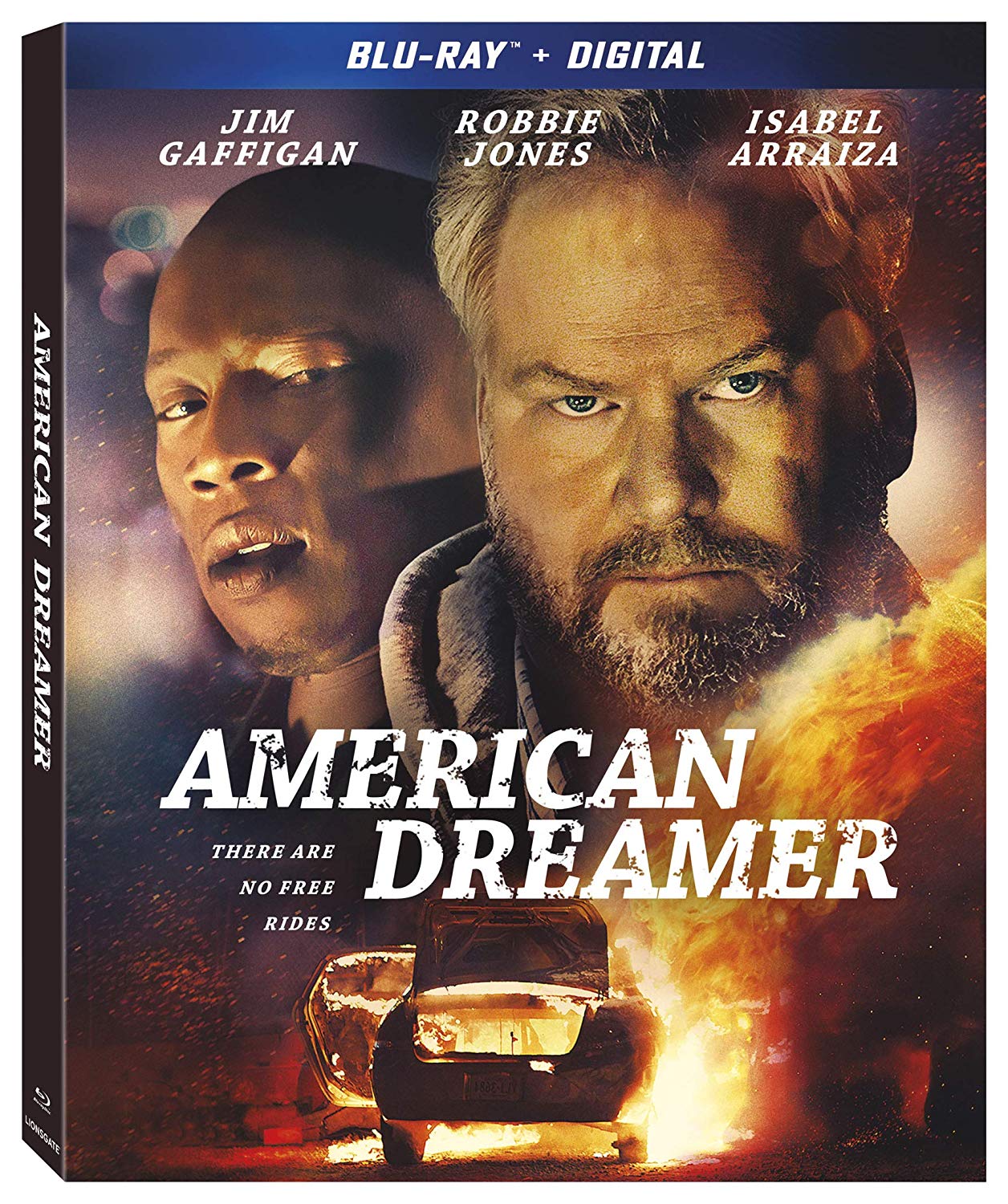
I have to be honest; when I got this title and saw that Jim Gaffigan was starring, I didn’t know what to expect, but I went into this film with some low expectations.  I’m a fan of Gaffigan, and I own a few of his stand-up albums, but seeing him headlining a thriller, well, it was a tough leap for me.  Now that I’ve seen the film, I got to say I’m impressed by what he pulled off with this film.  That being said, as I was watching this film, I couldn’t help but see a similarity between Gaffigan and the late Philip Seymour Hoffman.  I doubt this was intentional, and perhaps it’s just my subconscious attempting to make these connections, but Gaffigan’s performance in this film  is on par with many of the performances we saw from Hoffman in his later years. As for the film, American Dreamer follows Cam (Gaffigan), a down-on-his-luck schlub who at one point was living the American dream: a good job, a nice home, and a wife and child.  Then he lost his job, and everything else seemed to disappear around him. Now he’s a driver for a ride share company, where he struggles with paying child support and has had a bit of a mental breakdown.  Early in the film we get to see him in a parking lot near an airport, watching as planes are coming and going, and its obvious Cam is dreaming of an escape from his life.  He ends up getting a fare that has him driving a small-time drug dealer, Mazz (Robbie Jones) around town. The setup here seems simple, as it establishes who both of these men are, but over the course of one night we’ll see these men make some difficult decisions, and by the time the film ends, you will definitely feel differently about these characters.

After reading the blurb on the back of the Blu-ray and starting this film, I was a little worried that this would be something akin to Collateral meets Falling Down. When we see Cam come to his breaking point and he decides to kidnap Mazz’s son, sure, it’s a drastic leap for someone to make, but the way the writers and director handle this situation, it still remains in the realm of possibility.  That pretty much is how the rest of the film plays out; there are a lot of worst-case scenarios that happen to both Cam and Mazz, and it’s what keeps the viewer on the hook.  What I was most impressed by is how co-writer and director Derrick Borte wasn’t afraid to go dark with this film, because there are a few decisions made in this film that are pretty risky, and most filmmakers would avoid entering this territory, but personally I think it’s the risk that makes this film work. (It would be a huge spoiler if I were to say what this risk was.) But by taking that risk, the viewer knows anything can happen in this film. and it’s what literally kept me guessing at how this would all end for Cam and Mazz.

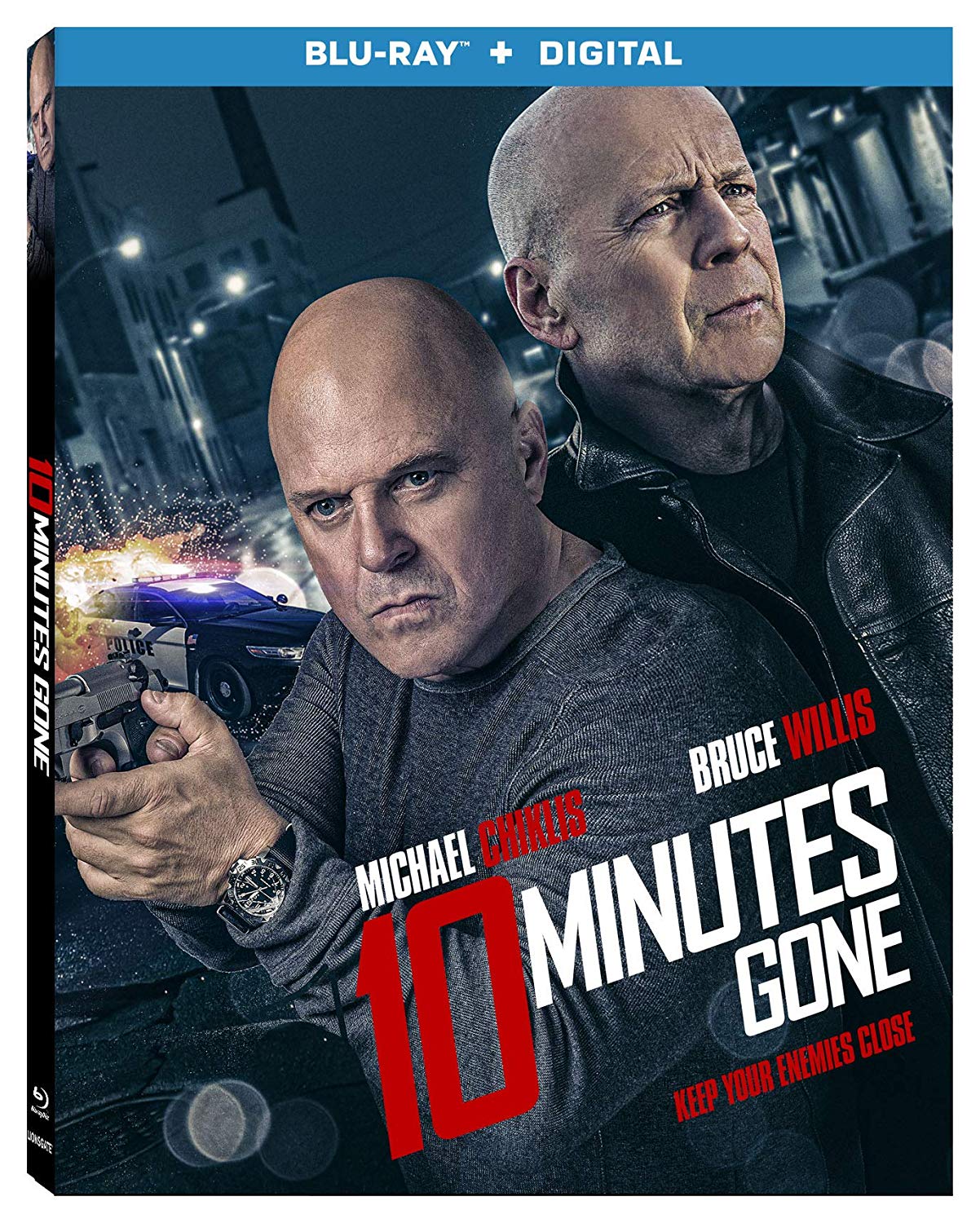
It’s frustrating seeing a film starring Michael Chiklis and Bruce Willis and knowing before you’ve even watched five minutes of the film that it’s not going to be good.  I mean, come on; you have the star of The Shield and then an action movie icon, but neither can save this film.  10 Minutes Gone is one of those films where on paper it seems like a surefire hit, but somehow instead of a white-knuckle action thriller, the result is a snooze-fest that will keep you guessing as to why these actors signed on for this film. Frank (Chiklis) has been hired by Rex (Willis) to pull off what seems to be an easy heist.  Frank and his team seemed to have thought of everything and have even put together some backup plans, but as expected, the heist ends up going bad, and in the process Frank is knocked out cold and loses 10 minutes. In this time he’s lost possession of the jewels, and he needs to figure out what happened to them before Rex has him killed.  It’s not a bad idea for a movie, but it’s the execution of this film that is a mess.  Willis and Chiklis do their best to make the dialog work, and at times the can make the scenes flow, but once the film shifts to any other character you start to wonder if this film was written by a 12-yea- old boy who just binged a bunch of older action/ detective films while chugging Red Bull and snorting lines of sugar.

The big mystery of the film is who set up Frank and his crew; the film does a good job at setting up a variety of suspects, though it doesn’t take much to figure things out.  One thing, though, that is rather frustrating is when Frank goes to question one of his guys and the guy is “hiding out” at some underground gambling room.  I have my issues with this character’s decisions already, but what is more distracting is how the scene is shot. The amount of lens flares in this sequence is nauseating.  This might be one of the worst shot scenes I’ve seen in a film. Sure, Spielberg uses lens flares, and the world knows how JJ Abrams gets carried away with them, but this sequence is a technical marvel at how just about everything has a lens flare, and someone actually thought that this looked good and it wasn’t a distraction.

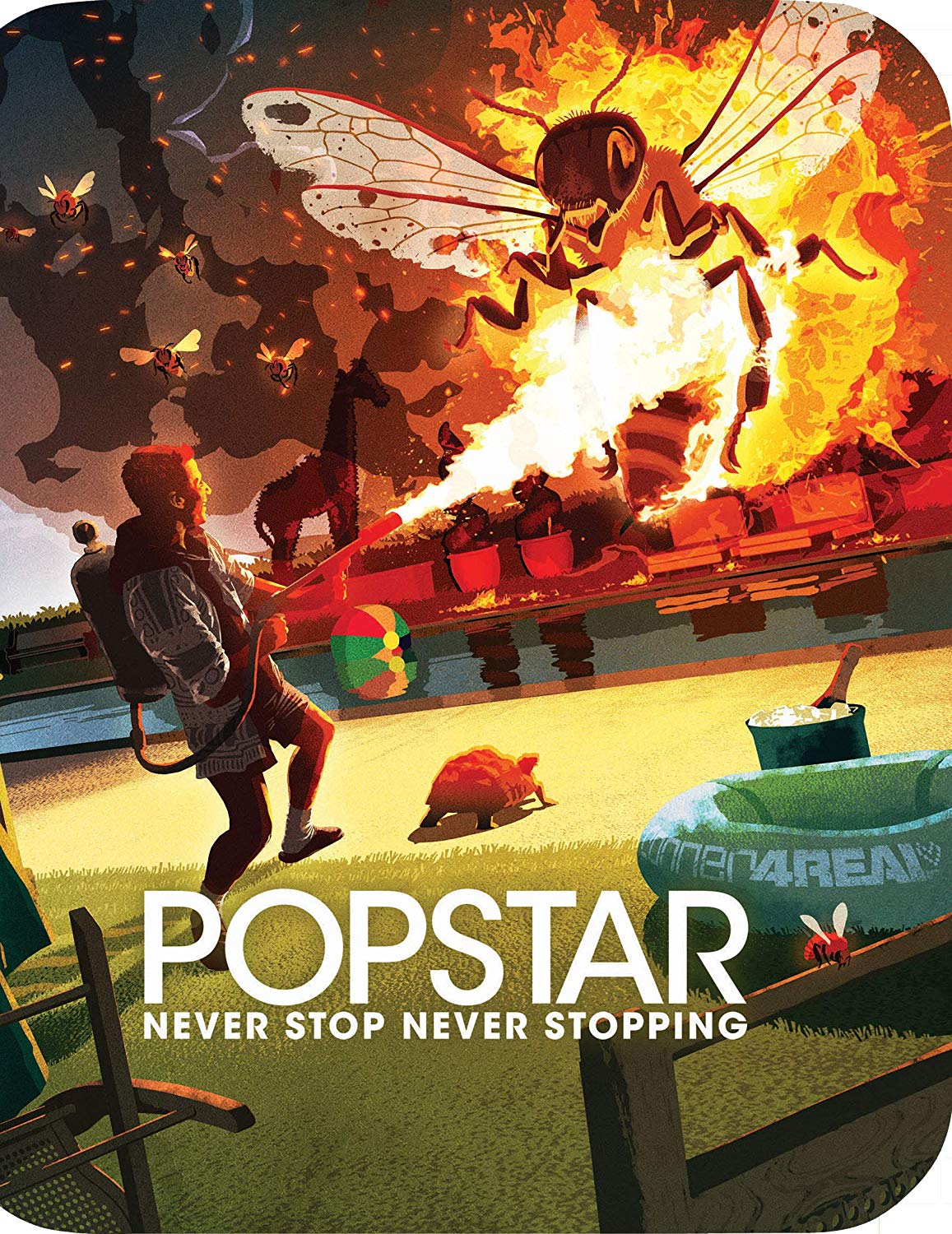
Musical mockumentaries can often be hilarious. One has to look no further than Spinal Tap to see how funny it can be to blend music with comedy and shoot it like a documentary.   However, it is a delicate balance between fun, smart jokes and perhaps going too far for a simple punchline.  Today's film is Popstar: Never Stop Never Stopping, which has received a brand new steel book from the minds at Shout Factory.  This 2016 film was considered a bomb at the box office, but it has found a home in disc and digital thanks to the gag-a-minute style of Andy Samberg and his supporting cast of musical celebrities and comedians.  Let us take a look inside this limited edition and see if "Conner4Real"  can take on a cult-like status with this film.

We open the story with Conner (played by Andy Samberg), who tells us about growing up and being dope.  He then meets his two best friends, Owen (played by Jorma Taccone) and Lawrence (played by Akiva Schaffer) who later go on to form the rapping group, Style Boyz.  Their first single is the tune Karate Guy.  But as they grew up, the group was not as strong as originally thought.    So they broke up, with Lawrence quitting the business and becoming a farmer.  Owen became a DJ and tagged along with Conner.  Conner became "Conner4Real" and went solo to huge acclaim.  Despite his antics and habit of ending up in the tabloids, his music gathers a ton of fans and fame.

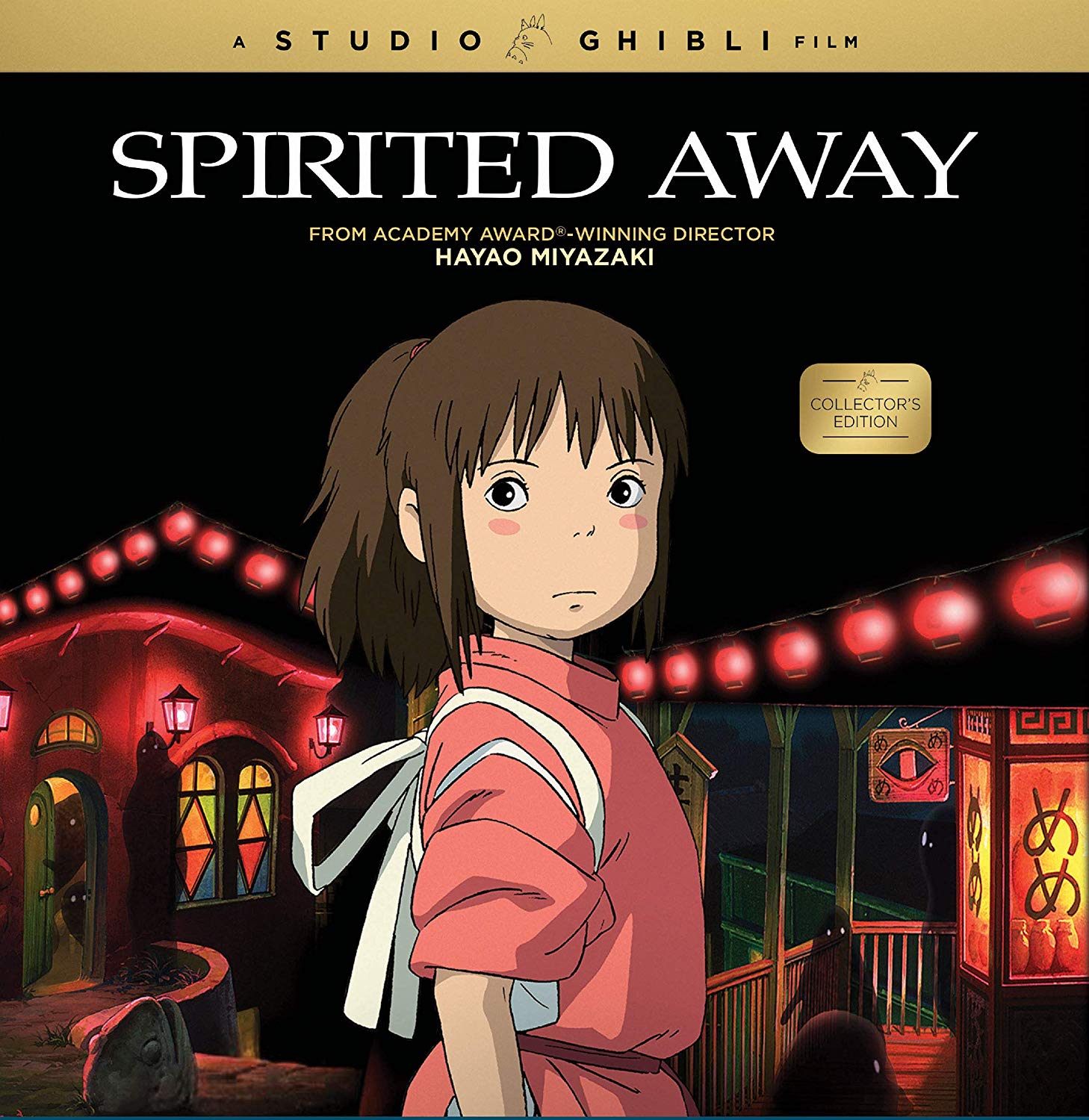
We are back with another collector's edition from Shout Factory.  This time we tackle the much celebrated Spirited Away, directed by Hayao Miyazaki, which was released in 2001, when it did so well that it ended up on our domestic shores in the following year.  It was absolutely adored by critics, and here is a fun fact.  I have never seen it.  Little did I know that the American trailers I was seeing around this time were warping my idea of what the film was really about.  Finally, after all of these years I have had the opportunity to watch and digest such a fantastic film.

Chihiro, a ten-year-old girl, is trying to relax in the back of her parents' car.  They are on their way to a new city, with a new school, and the young girl is having none of it.  As they search for the house where they are going to live, the father decides to use his four-wheel-drive and take off into the forest in hopes of making a shortcut.  But rather than finding their new house, they end up at a long building with a dark tunnel that appears to go somewhere exciting according to the parents.