DTS HD 5.1 Master Lossless Audio (Japanese)

Short stories and films are often great ways to focus in on a singular theme. Whether you get yourself down to a few pages or fifteen minutes, you really get your message across instead of being misinterpreted across a longer medium. Disney and Pixar have done this for a number of years, and even though many have dismissed them as simple shorts or cartoons, it's often the part of the movie that holds the viewer in the strongest way. Japanese studios such as Studio Ghibli have done this as well. Studio Ponoc, founded in 2015 and fronted by Yoshiaki Nishimura, released the smash film, Mary & the Witch's Flower in 2017. Then last year, they came out with a trio of shorts for all of us to enjoy. Let's take a look.


Kanini & Kanino by Hiromasa Yonebayashi
There are birds singing and fairies flying. Streams are bubbling, and we are introduced to a family of crabs (who are depicted as tiny humans who can swim and breathe on land and in sea). There is the brother, Kanini, and the sister, Kanino. The mother is very pregnant and has gone away to the surface to give birth. Their father has stayed with the brother and sister to help them get food and protect them from threats of the sea. However, one day something sinister takes away the father, and it's up to the two kids to find and save him.

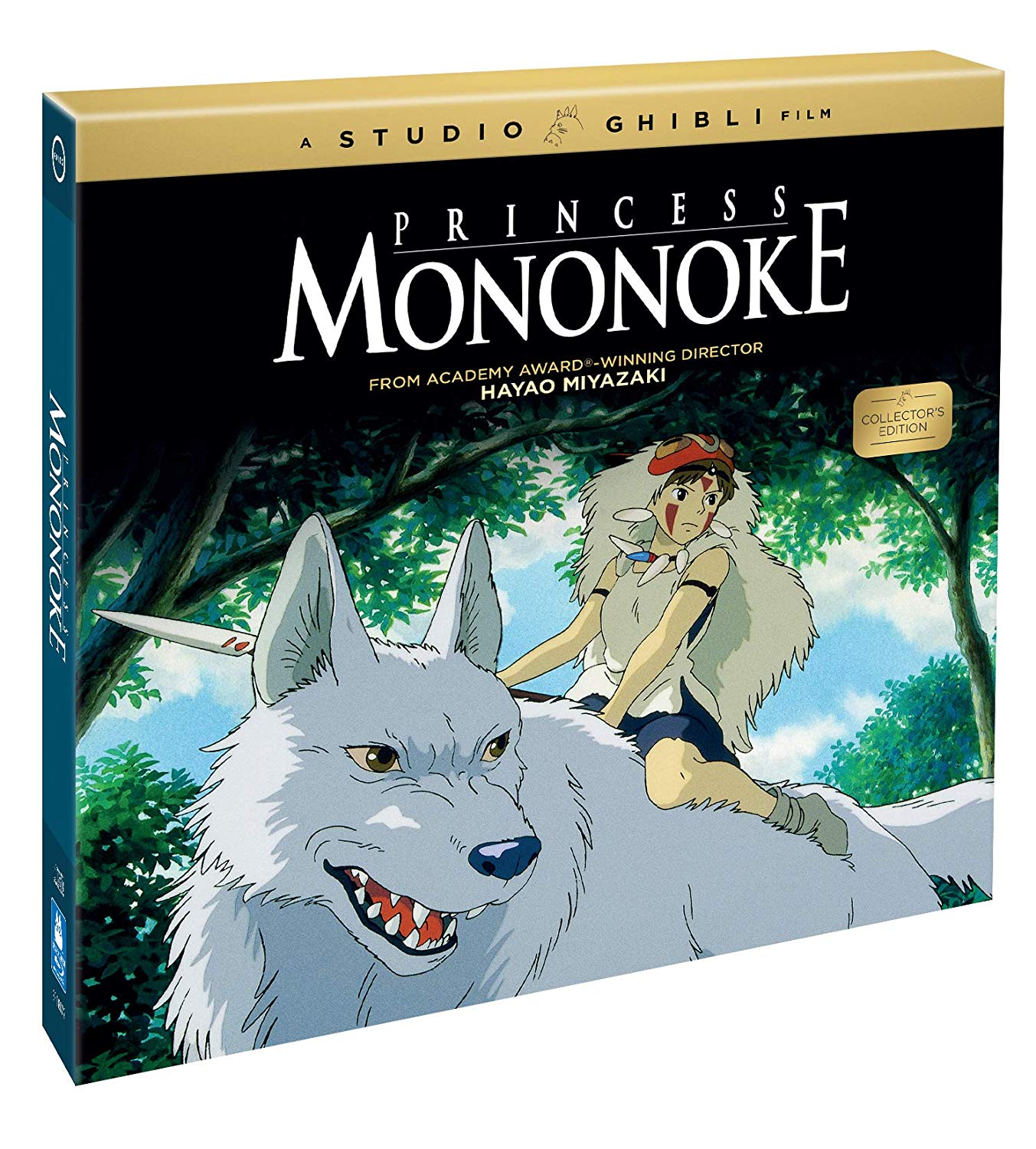
Hayao Miyazaki is an amazing Japanese animator and filmmaker.  His films include Kiki's Delivery Service, My Neighbor Totoro, and Howl's Moving Castle among other legendary pictures.  I can safely say I have enjoyed most of his films but unfortunately only owned a couple at the time of writing this review.  That's why I was quite astonished when this collector's edition of Princess Mononoke came across my desk.  I was ready to dive in with both feet and re-visit this movie that I had not seen since, well, almost twenty years ago.

In ancient times, the Land lay covered in forest.  Here dwelt the spirits of nature from time immemorial.  

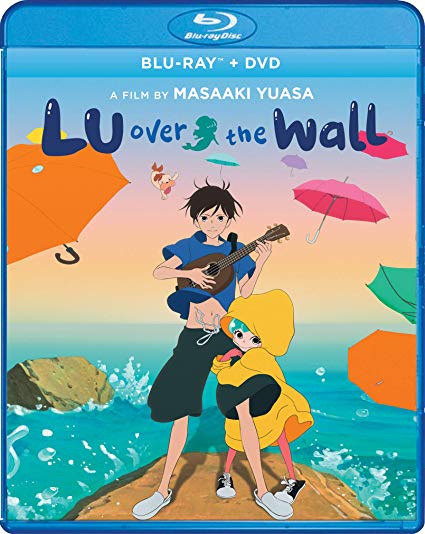
It is interesting to see two or more of a director's works in a short period of time.  One sees similarities, differences, and how the filmmaker hones his craft as they improve with every production.  Masaaki Yuasa is certainly one of those directors, and if you enjoyed my review on Night is Short, Walk on Girl,  then you will want to go ahead and read my review today on Lu Over the Wall.  While there are similarities, I can safely say that is quite the departure from the previous film.  Let us take a look in the animated world of merfolk and the people who live around them.

A boy taps his fingers next to a microphone for an Internet streaming session as we read the comments below his video.  There seems to be a lot of interest below his post including the potential for some band-mates should he ever want to expand his horizons.  We soon meet the boy named Kai as he shuffles downstairs to have breakfast with his grandpa and father.

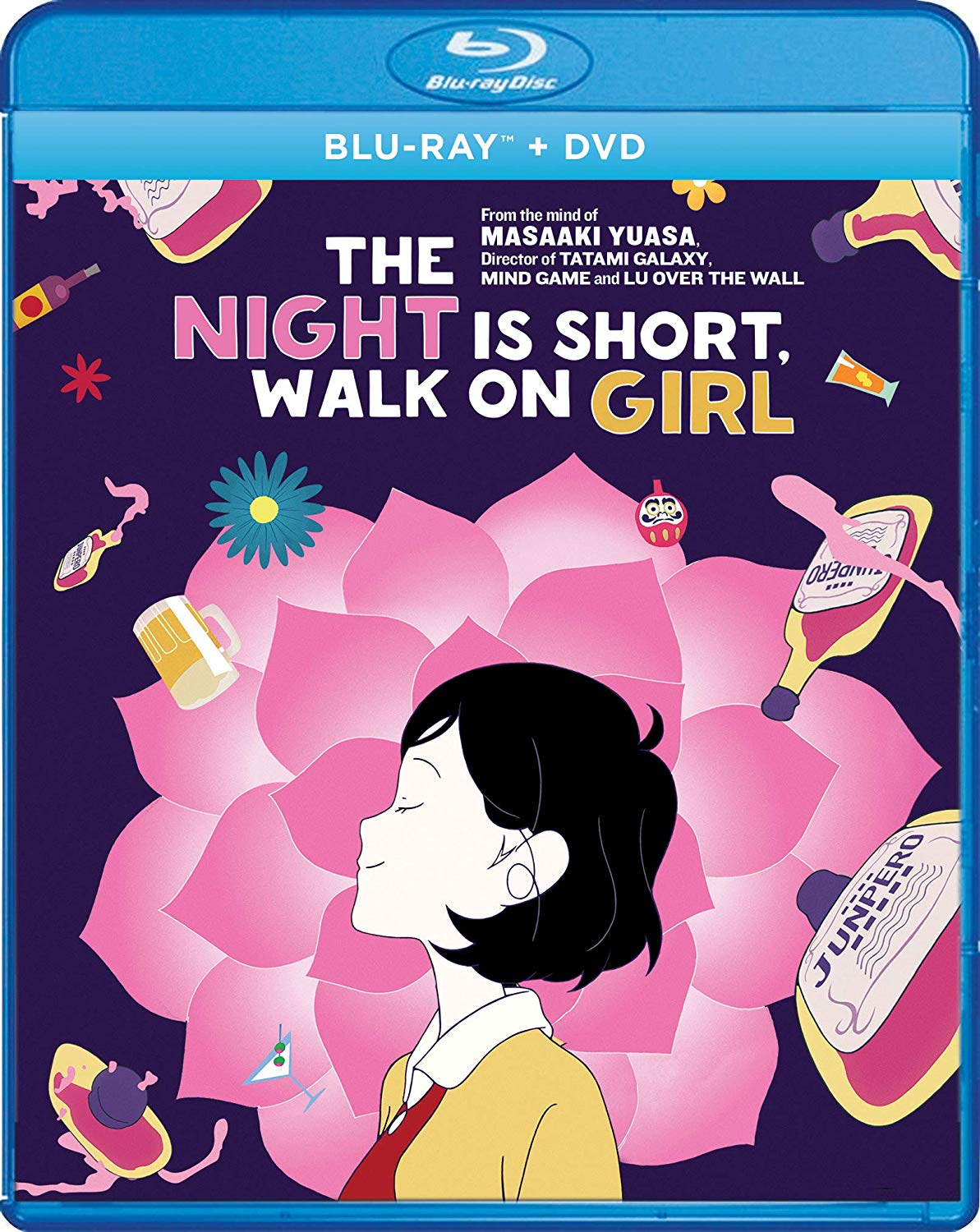
I have had many story ideas in my head for quite sometime.  Putting them on paper is indeed another thing.  One such story is a road trip between some friends that starts out normally, but little by little it becomes unraveled until it represents a tremendous and crazy affair.  Unfortunately, I only got through nine chapters, and it hasn't seen a word since.  Today's review is focused on an anime that is named The Night is Short, Walk On Girl.  It involves the story of a girl who starts a normal night drinking through town.  However, little by little the people and events around her become more extraordinary and bizarre as the night carries on.  Hopefully this one makes it well past the ninth chapter.

We visit a restaurant. A girl with black hair is drinking with her friends.  She stares endlessly into a bowl of soup until it turns into a bunch of eyeballs, and then we hear a train whistle.  The girl wishes to be out on the town instead of watching time pass.  The scene moves to another table where we meet Senpai, a teenager obsessed with the girl with black hair.  The School Executive Festival Head (who also apparently cross-dresses when the mood suits him) confronts Senpai with this accusation, but he denies it.

This year, I have gravitated more towards watching movie courtroom dramas. I watched Anatomy of a Murder for the first time. The same could be said for the Verdict with Paul Newman. I re-visited A Few Good Men in glorious 4k with pleasing results. Then I got an opportunity to review The Third Murder, a courtroom drama that takes a look at the Japanese court system when one lawyer decides to seek the truth. Even though I was about to go on review hiatus for the holiday season, I eagerly wanted to take a look, and I am glad I did.

In the dead of the night, Misumi (played by Koji Yakusho), a fired factory worker hits the back of his former boss's head repeatedly with a hammer. After this continues for a few brief minutes, Misumi then douses him with gasoline and then sets him on fire to watch him burn. Misumi stares into the night with death on his cheek. We fade to black.

Young love is a wonderful concept that I wish could be sold and bought by the ounce, because I would either be rich or horribly addicted. Two people hopelessly absorbed by each other in a raging pool of hormones, bliss, and social media. It is a beautiful sight even if most of the time it is fleeting and gone in the blink of an eye. But what if you could change those decisions that made love lost and make it blossom again? Then you might just have Fireworks, a new Japanese anime from the producer of Your Name. Let's take a look.

We open to a boy and girl who are falling to the bottom of an ocean. The boy is trying to help the girl, who appears to be unconscious and about to drown. He shouts "Nazuna", and then we fade to black.

Americans are loud, aren't they?”

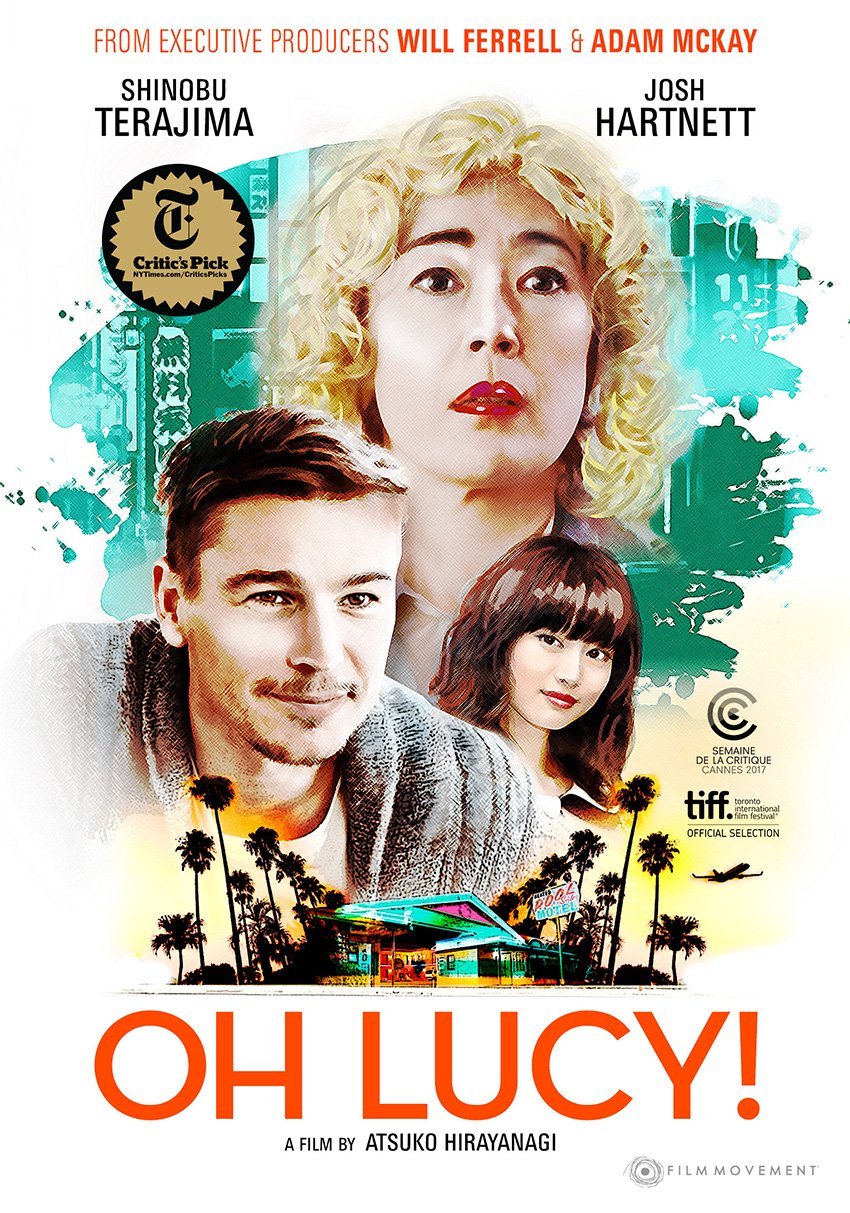
Oh Lucy! earns the exclamation point in its title within the first two minutes. The movie opens with a shocking leap that is meant to jolt the audience, but barely causes our disaffected heroine to raise an eyebrow. It's played off as a throwaway moment, but it establishes the fact that this quirky Japanese/American dramedy with oodles of personality probably isn't going to go where you expect.

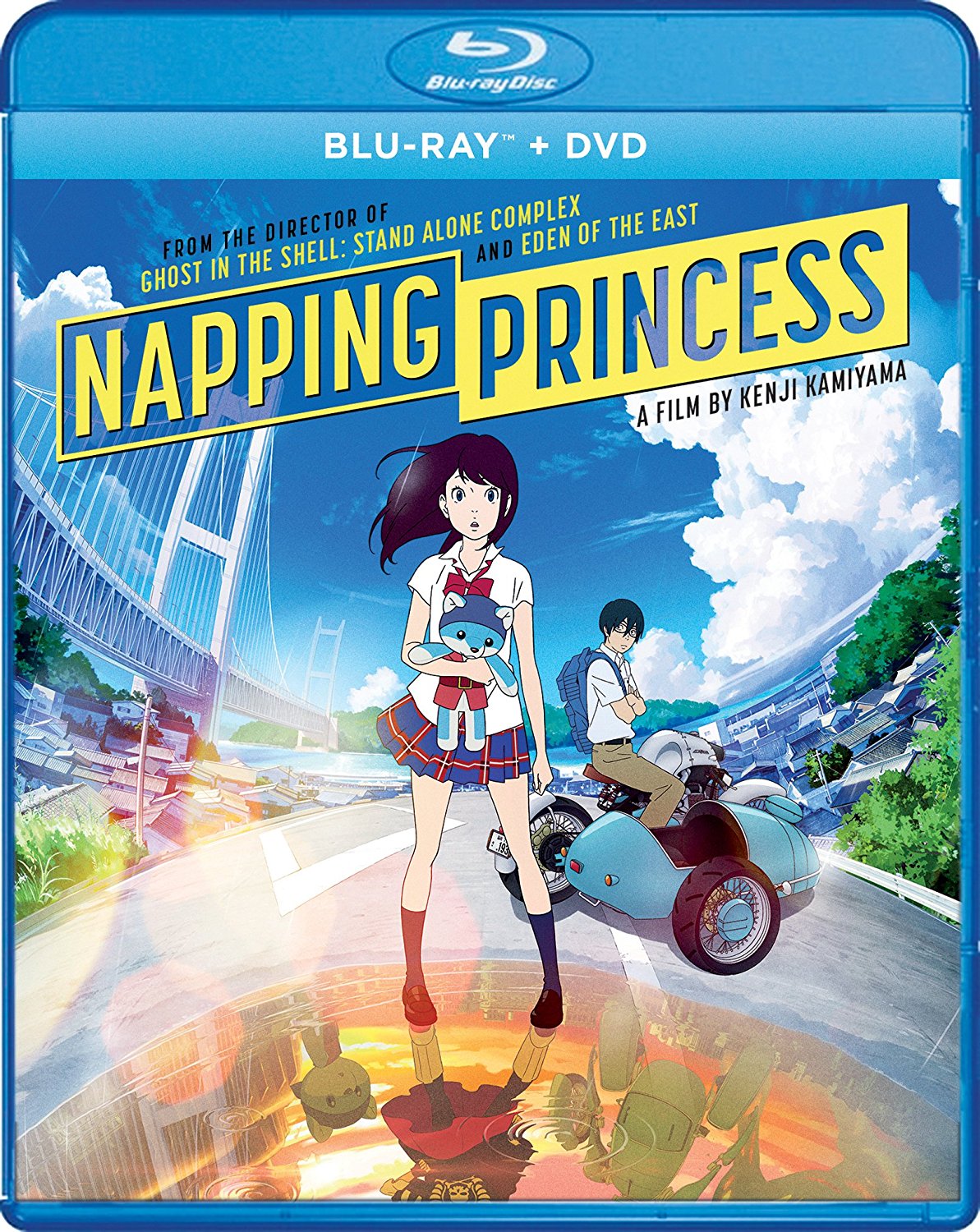
Kenji Kamiyama is a fairly known name in the anime world. His auspicious beginnings had him contributing backgrounds to shows like Duck Tales and movies like Akira. He then contributed scripts to a Wild Arms anime show and also did the screenplay for one of my favorite animes, Blood: The Last Vampire. His really big break occurred when he landed the director chair for the Ghost in the Shell: Stand Alone Complex films. After directing the TV show, Eden of the East, he came up with an idea for a new animated film called Ancien and the Magic Tablet. Unfortunately, that name didn't really stick and was renamed Napping Princess. Fast forward to 2018, and I have in my hands the Blu-Ray/DVD Combo set from Shout Factory. Let's check it out.

Once upon a time everybody had the same job. That job was to build machines or in plainer terms, BRAND NEW CARS! The King of Heartland thought this was the key to happiness. If you owned an old motorcycle or last year's model, you would get docked by your manager until you got the newest car right off the line. But there was a voice of hope and reason in the kingdom that belonged to Princess Ancien.

Welcome to the Space Show looks like what would happen if you combined Steven Spielberg’s E.T. — or the openly-Spielbergian Super 8 and Earth to Echo — with the boundless imagination and quirky charms of anime. The result here is intermittently dazzling, but this particular kid-friendly alien adventure is ultimately less than the sum of its parts.

The film immediately grabs your attention with a high-octane action sequence: two bumbling, strange looking creatures are being pursued through a forest by a spastic smaller blur that looks and behaves as if it’s on fire. What’s most intriguing about this opening is that director Koji Masunari makes it impossible to tell whether we should be rooting for the two creatures to get away or for the pursuer to catch them. After the action-packed prologue, Welcome to the Space Show settles into its main story. A group of elementary school kids heads to a summer camp that has a mildly alarming lack of adult supervision.

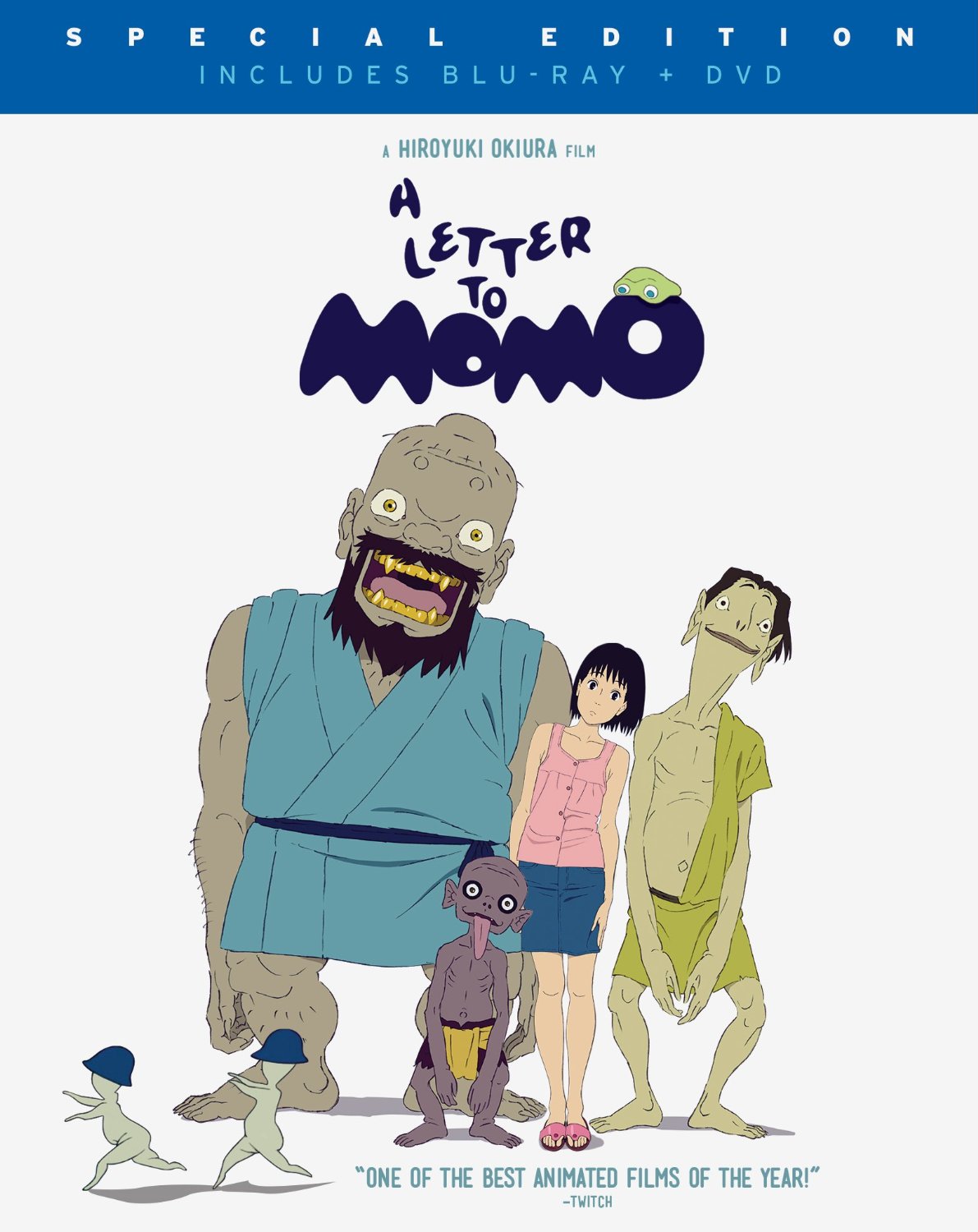
As the spookiest holiday of the year draws closer, we're all probably a little more sensitive to anything that goes bump in the night. Almost every creature associated with Halloween is meant to terrify us, but what if some of those horrific-looking monsters were actually tasked with watching over us? In the Japanese animated drama A Letter to Momo, a young girl encounters a trio of mischievous spirits that only she can see and hear. The monster shenanigans, however, were merely one aspect in what turned out to be one of the more affecting family films I've seen this year.

Momo (voice of Karen Miyama) is a grief-stricken girl who recently lost her father. Her mother Ikuko (Yuka) decides to uproot Momo from their Tokyo home and move to the island of Shio, the sleepy seaside community where Ikuko grew up. In addition to the grief Momo feels over losing her father, she is also overwhelmed by guilt; Momo had been cruel to her father prior to his unexpected death. As a result, Momo clings tightly the last memento her father left behind: an unfinished letter that started with the words, “Dear Momo.”