Drama

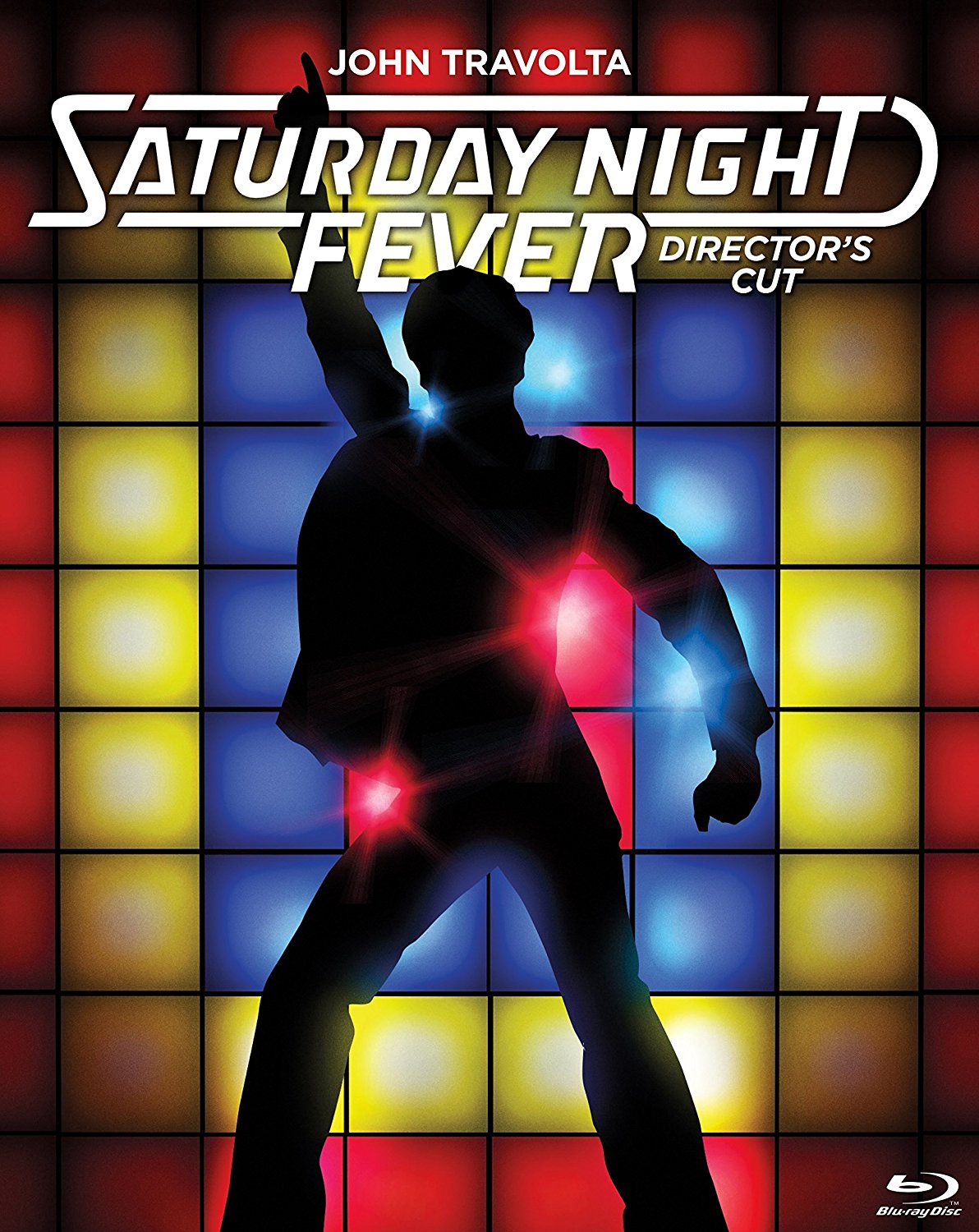
Even though I was born in 1975, I don't remember a thing until I was about 5 years old, therefore I missed most of the "Disco" era. My dad would play music from the 70's, but that consisted of Led Zeppelin, Queen and Black Sabbath among other bands; no disco in sight. But one faithful day in my middle school years, I did find my mother's record and 8-track collection. There was some Barry Manilow, Julio Iglesias, and something called the Bee-Gees. I wouldn't say anything crazy like it turned my life around, but after listening, I clearly understood. I clearly understood that my mother was crazy and I was much better off listening to Whole Lotta Love. Anyway, we have a movie to review, let's continue with Saturday Night Fever.

A train whistle calls in the distance as we overlook the Verrazano Bridge. A tune to the name of Staying Alive chimes in. Tony Manero (played by John Travolta) walks down the street in his red shoes; perfectly in time to the music swinging a paint can. He checks out a few girls, orders a couple of slices of pizza and then makes his way to the paint & hardware store. Apparently, he works there for Mr. Fusco (played by Sam Coppola).

"Everyone outside the family is a mark. Family comes first."

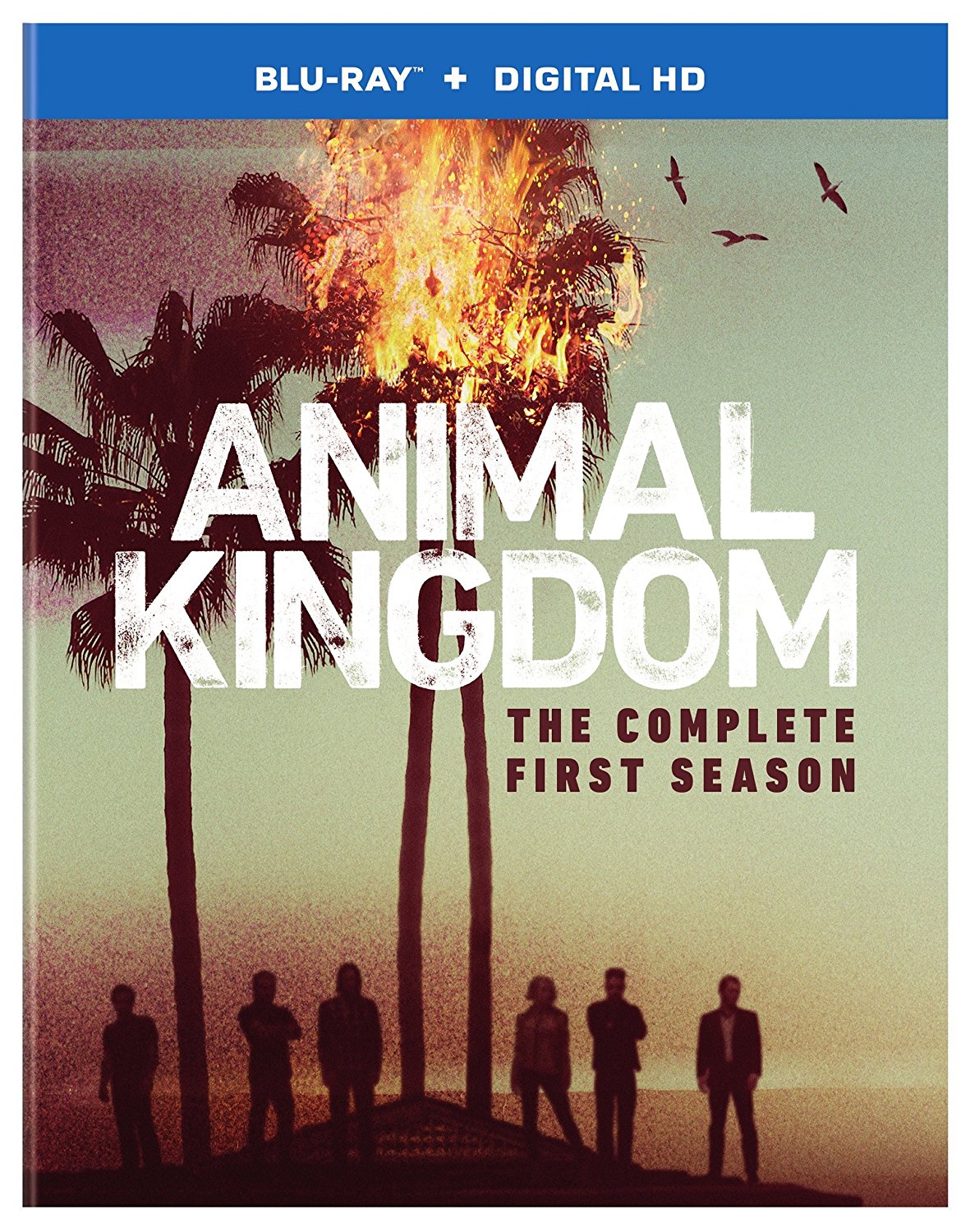
Meet the most dysfunctional crime family since The Sopranos. Not quite at the same level either on-screen or in quality, but once again we're drawn toward another dangerous clan with criminal intent. I guess we could call them The Baritones. Actually Animal Kingdom is an apt description for television's latest baddies. They're about to head into their second season of mayhem on TNT where the series was the network's top ratings winner during its run. Now that first season is out on Blu-ray from Warner Brothers, and it's one crazy ride, of that you can be certain.

I was eight years old when Armstrong first stepped on the moon in July of 1969. Like every kid my age, it filled me with a feeling that I was lucky enough to get in on the ground floor of humanity's grand exploration of space. By the time I was 15, we had landed the first probes on Mars. We were certainly on our way. The sky literally wasn't the limit anymore. But then it all stopped. By the 80's we had shifted our focus to low Earth orbit, and we haven't explored the limits of space with a manned mission in nearly 50 years. Even the Space Shuttle is gone, and we don't even have the capability to send Americans to the space station that we mostly paid for without hitching a ride with the Russians. And if you've been following world events at all, that ride isn't a sure thing anymore. That 8-year-old with the mile-wide grin would never have believed we'd be so earthbound by the time he reached his mid-50's. Along comes National Geographic with the new mini-series Mars. Is it enough to get today's 8-year-old dreaming once again? I don't know. But it provided enough to give the 8-year-old still here a little bit of hope mixed with more than a little what-might-have-been.

Mars is a six-part series that looks to be returning with more episodes in the future. The focus and drama of the first three episodes is found in the first manned mission to the Red Planet set in 2033. The crew of the Daedalus faces fierce challenges in order to establish a foothold on Mars. Each episode has several components that make it somewhat unique in its storytelling. While we witness the close calls and successes of the crew, we also learn more about the characters and the mission from flashbacks and pre-flight interviews that remind me a little of those "confessional" segments you find on the "reality" television shows. Here we also see the politics of the international crew and the agency that heads the mission. There are also documentary segments found throughout each episode. These bring us back to 2016 and cover the attempts by SpaceX to develop the technology to eventually make the 2033 drama a reality. There are interviews with scientists who talk about the real challenges in that kind of mission and how we are working to resolve them. Of course, many of these pieces deal with issues that the fictional crew encounters. It's very much a standard documentary style during these segments.

“At the turn of the century, Sea Island Gullahs, descendants of African Captives, remained isolated from the mainland of South Carolina and Georgia. As a result of their isolation, the Gullah created and maintained a distinct, imaginative, and original African American culture.”

Prior to watching Daughters of the Dust, I was completely unfamiliar with Sea Island Gullahs. To tell their story, the film (intentionally) deviates from the traditional narrative playbook, which doesn’t necessarily make for the most pleasurable movie-watching experience. However, the three key adjectives used in the opening text — “distinct,” “imaginative,” and “original” — absolutely apply here.


“The price for your glory is their suffering!”

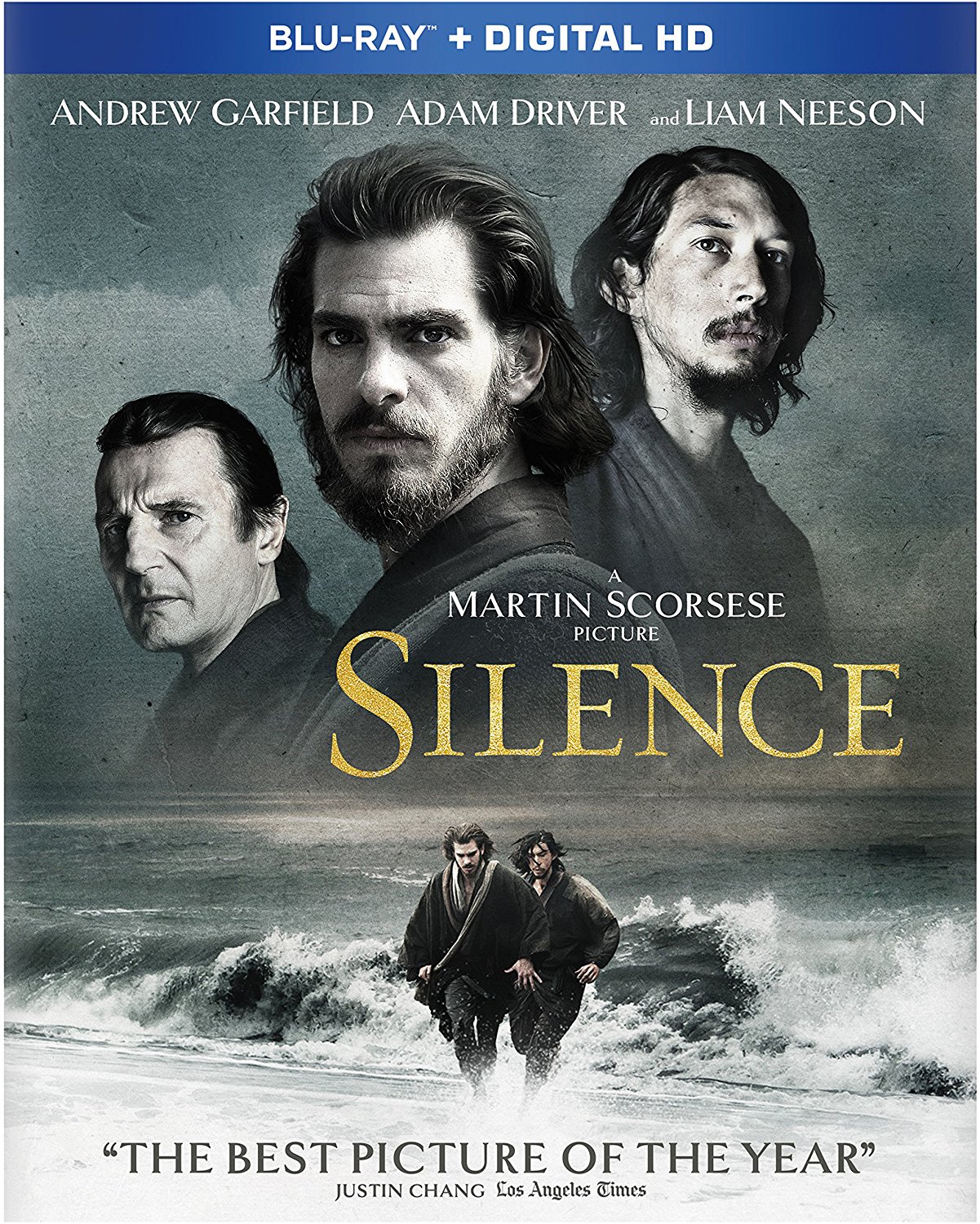
For most of us, hearing the name “Martin Scorsese” leads to iconic wiseguys, rock and roll, and Robert De Niro/Leonardo DiCaprio movies dancing into our mind’s eye. Further down the list of Marty-related things — probably even below Scorsese’s real-life film preservation work — but no less crucial to appreciating the director’s filmography is the role that faith has played in his personal and professional lives. The most obvious manifestations are the three religious epics Scorsese has directed, including his latest film Silence.

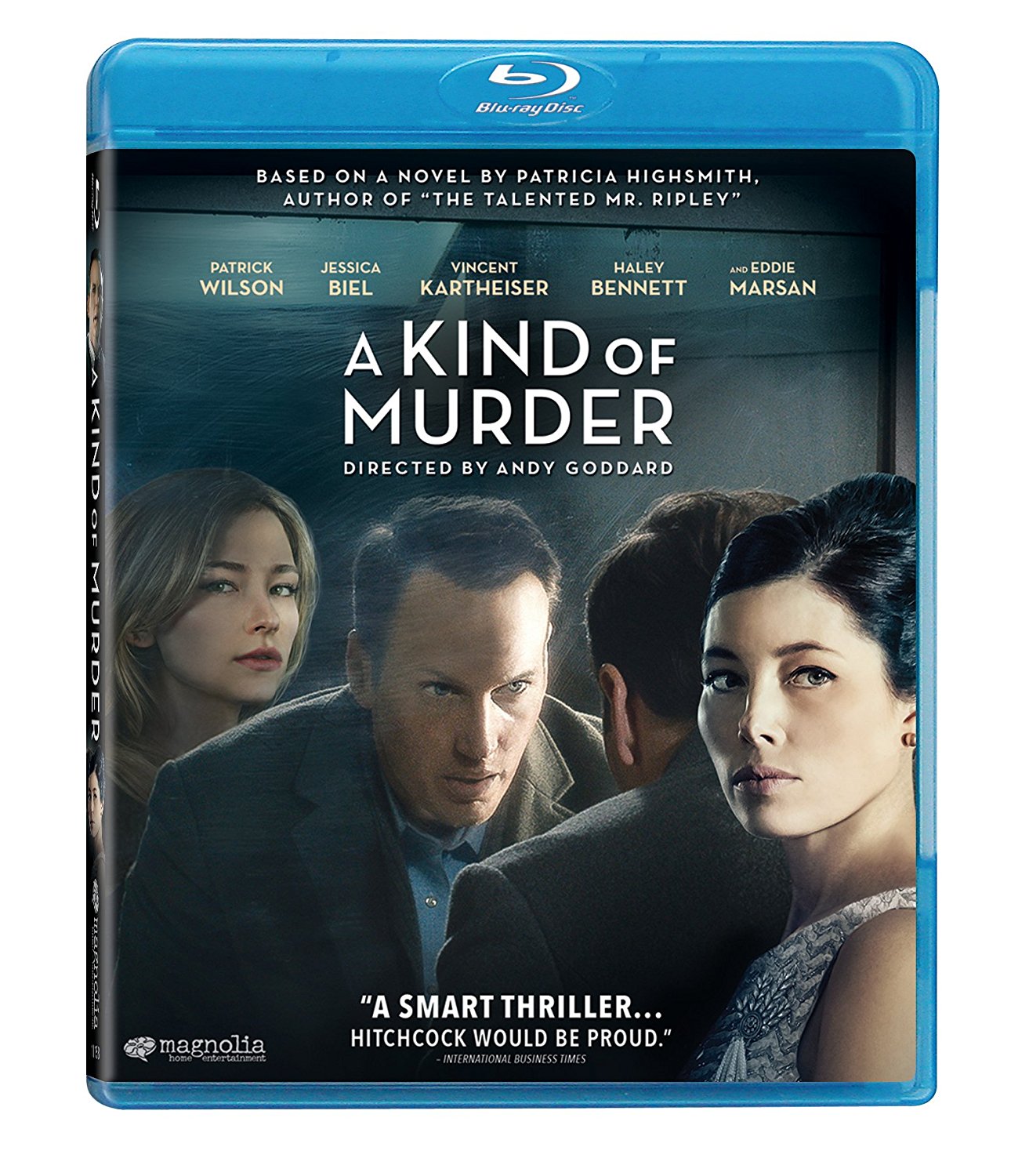
You ever hear that old adage about not putting your hands too close to the flame? Obviously Walter Stackhouse, Patrick Wilson’s character in A Kind of Murder, did not heed the warning as he finds himself embroiled in a murder conspiracy of his own while investigating a separate one. This film noir is based on a novel from the famous author of The Talented Mr. Ripley, Patricia Highsmith. Murder mysteries in recent months have become a huge interest of mine, so when presented with this film, I was extremely excited with the opportunity. However, after watching, though I was intrigued by the whodunit aspect, I found the other areas lacking, specifically connecting with the lead character.

Walter Stackhouse (Patrick Wilson) appears to be the man who has it all: a successful career as an architect, a beautiful home, and a gorgeous wife (Jessica Biel) to share it with. But a happy man is the last thing he appears to be, escaping his seemingly perfect life in order to delve into the macabre world of murder. After a gruesome murder of a woman, Walter begins to investigate her death, which eventually leads him to her widow (Eddie Marsan) and puts him at odds with investigating detective Laurence Corby (Vincent Kartheiser).

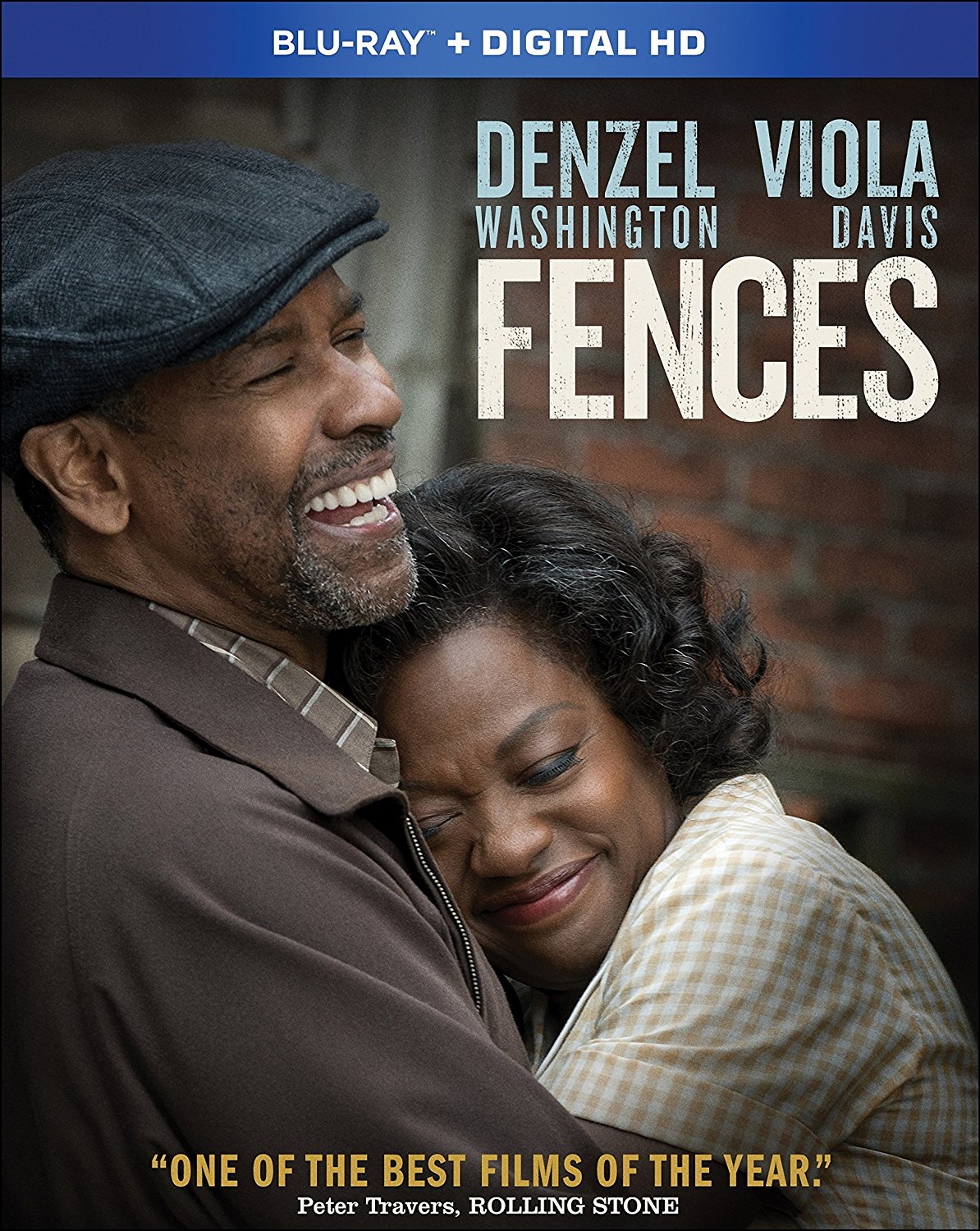
“Some people build fences to keep people out, and other people build fences to keep people in.”

In its transition from stage to screen, Fences — the Pulitzer Prize-winning play by the late August Wilson — doesn’t venture far beyond the Maxson household. And that’s precisely the point: director/star Denzel Washington isn’t overly concerned with masking the story’s stage origins. The existential claustrophobia that the characters in the play have been carrying their entire lives is right up there on the cramped screen.Fences is set in 1950s Pittsburgh and centers around Troy Maxson (Washington), a boisterous former Negro League baseball player who works as a garbage collector alongside best friend Jim Bono (Stephen Henderson). Troy shares a home with Rose (Viola Davis) — his wife of 18 years — and their son Cory (Jovan Adepo), who is being recruited to play college football. The other people in Troy’s orbit include Lyons (Russell Hornsby) — Troy’s musician son from a previous relationship who has a penchant for visiting on his father’s payday — and Gabriel (Mykelti Williamson), Troy’s mentally disabled younger brother who also lives in the neighborhood. Gabriel was previously under Troy’s care after suffering a head injury in World War II; Troy used the subsequent government payout to buy his family’s house.

Life's pretty simple, you know. It's long periods of waiting broken up by brief moments of change. That's it...that's all it is.”

100 Streets tells three barely-connected stories set in the same one-square-mile area of present-day London. (The neighborhoods of Chelsea and Battersea to be exact.) The stories are each quite compelling in their own right, and they're performed by a talented group of actors. Unfortunately, the movie is occasionally bogged down by distracting, pseudo-profound soliloquies like the one at the top of this review. I appreciate the stabs at thoughtfulness and depth, but they come off as forced here and are more likely to make you roll your eyes than inspire you.

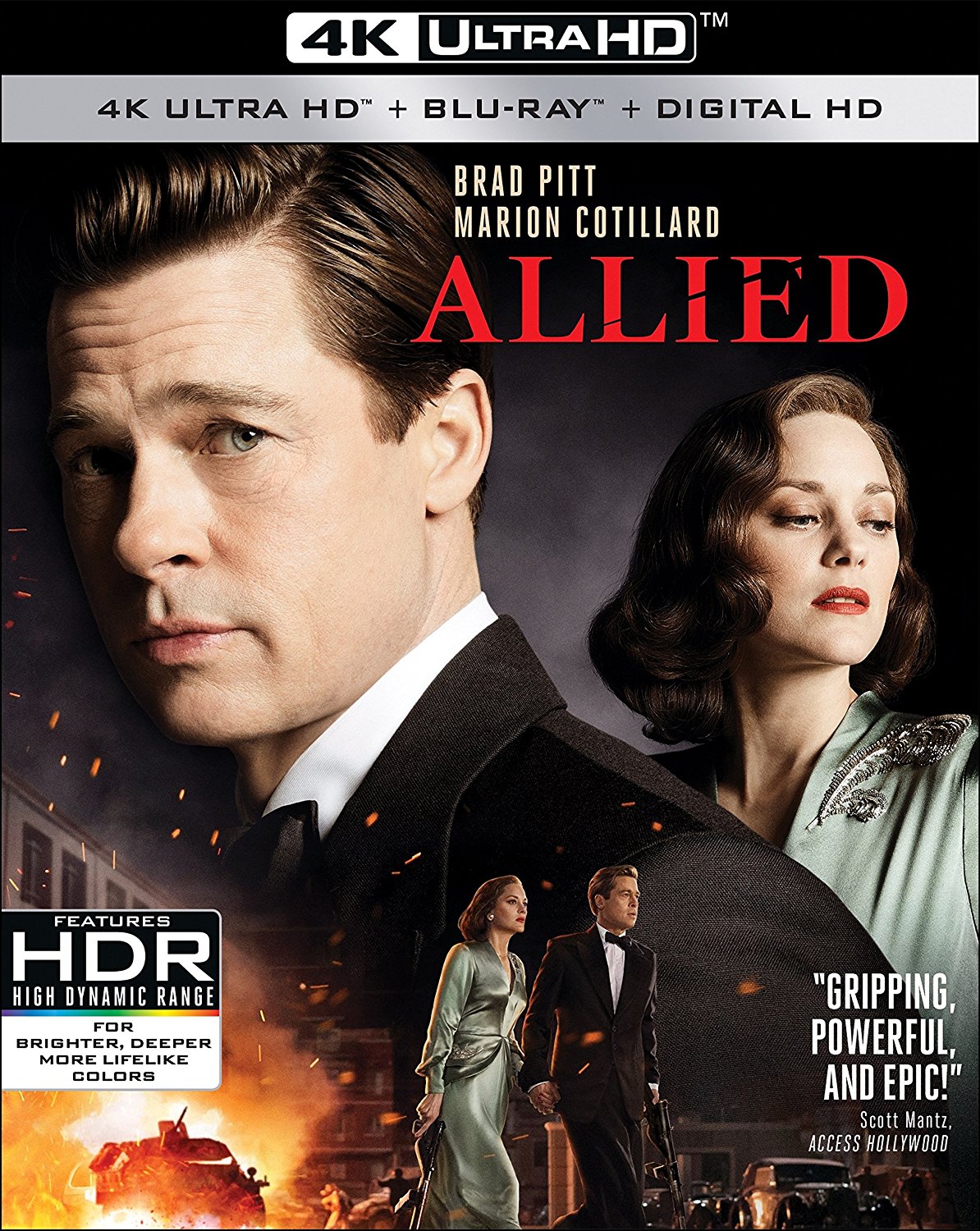
Brad Pitt appears to be making this World War II thing a bit of a niche. In recent years he went from Inglourious Basterds to the superior Fury and now to Allied. I wish I could say that he's getting better, but Allied marks a step backwards for the actor in more ways than just the performance. It's an unfortunate aspect of Hollywood that sexy rumors and scandals sell more theater tickets than a good movie. Hollywood power couple Brad Pitt and Angelina Jolie have called it quits, and the scuttlebutt is that it was Pitt's fling with Allied co-star Marion Cotillard that caused the split. I don't know if any of that is true and honestly wouldn't care a hill of beans if it were. I only bring it up because if Pitt was having some kind of on-set torrid romance, it's a shame that none of that passion ever made it to the screen. These two have about as much romantic chemistry as Donald Trump and Hillary Clinton. (Too soon?) If only that were all there was to sink this period drama.

Max Vatan (Pitt) is a member of military intelligence during World War II. He's dropped into French Morocco to take down a high-priority target. The inside contact for the mission is the famous French liberation legend Marianne Beausejour (Cotillard), who poses as his wife. Together they complete their mission and return to England where their fake romance has blossomed into a real one. They are soon married with a child. Both are enjoying a break from the spy world as the war continues to rage about them. It's wedded bliss until Vatan is told that his wife might not be who she says she is. She might be a plant and a German spy. Needless to say his world tumbles down around him as he tries to stay one step ahead of his superiors to discover the truth.

I don't know what it is with this place. I don't want to call it voodoo because that's so cliché and you guys probably hate that down here...but there's definitely a feel.”

To say that a certain city is “almost like another character” in a movie has become somewhat commonplace. The phrase is usually applied to films where directors have placed an inordinate emphasis on the background and setting of their stories. By that standard, The King of New Orleans doesn't simply cast The Big Easy as “almost like another character”...the city gets a starring role.