Drama

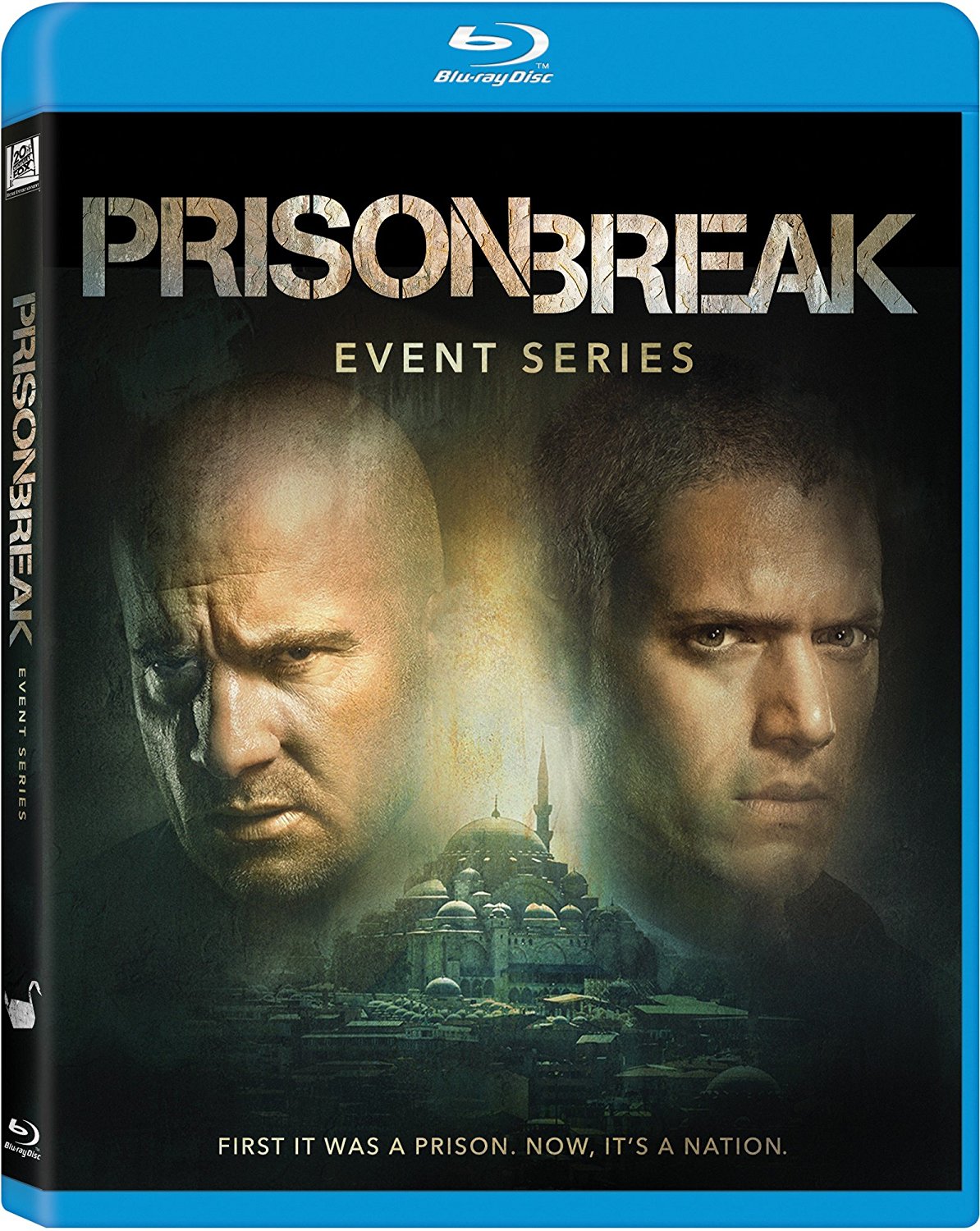
"Freedom has a price. I died 7 years ago. Left behind a brother, a wife, a son, but the dead talk if you listen. They're there with you. Reaching out. Trying to tell us something. Because not all deaths are the same. Some are real. Some are a story. Question is: do you believe the story? Was the man who died who you thought he was? The dead talk. If you listen..."

The same can be said for dead series. Fox has been riding a wave of series revivals that have brought shows back from the dead in a limited-run event series format, and it has actually been doing well for the network. 24 was revived a couple of times. These episodes were used to take us from one lead character into another it was hoped could lead the way for a renewed franchise. While the series worked, the full revival did not. Perhaps the best example of Fox's event series is the six-episode return of The X-Files after so many years. It was a bit inconsistent, and six episodes were too few to tell a real good X-Files story arc. The series will return again with a slightly longer run. The most recent event series at Fox was Prison Break. At nine episodes it turned out to be just the right fit to tell another story of the brothers and their cohorts. It's now available on Blu-ray, and it's worth a look, but only if you have watched the first four seasons of the show's regular run. Otherwise things can get a bit confusing, and some of the nice subtle nods won't really pay off for you at all. But if you're a fan, it's worth the space on your video shelf.

"What have you been up to in your little zoo?"

It appears that we have been due for one of those untold stories amid the many tales of courage and bravery both fact and fiction, real and imagined, that have been told of the World War II era. There have been plenty of the battlefield hero films that include last year's exceptional Hacksaw Ridge from Mel Gibson. Then there are the quiet and unlikely heroes. These are people who did incredible things that were often unknown during the war and often even after it was all over. Schindler's List has become the gold standard for these kinds of emotional war movies. The Zookeeper's Wife is set in the mold of that kind of a film, telling essentially that very kind of tale. Here the action begins with the invasion of Poland, which was the spark that ignited a local territorial conflict into a global event. It is here at the moment of that spark we find Antonina Zabinski, played by Jessica Chastain, who used her small local zoo to save nearly 300 Jews from the Nazi extermination machine, failing with only two souls during the entire war. This is that untold story which most of you will discover for the first time.

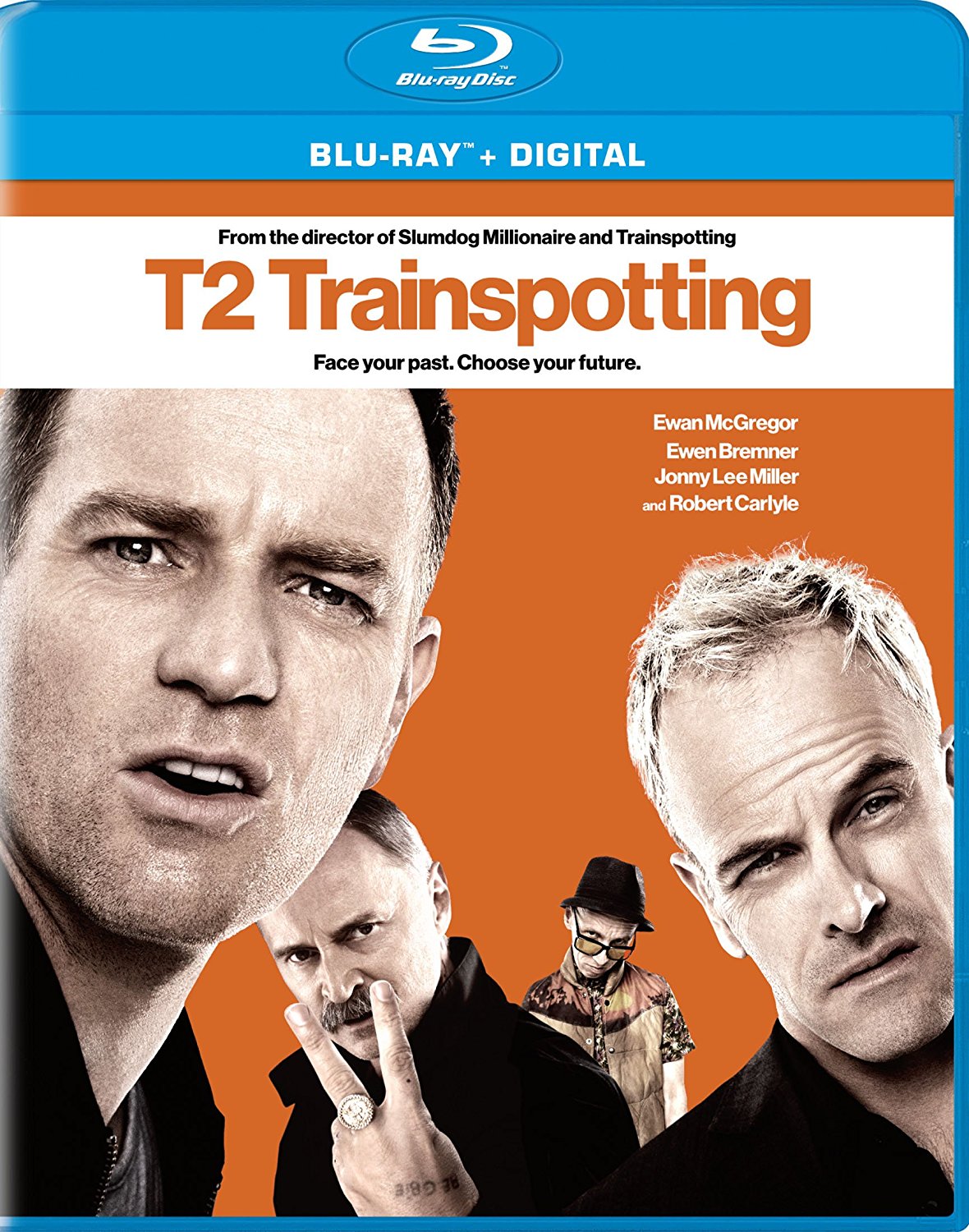
“First, there is an opportunity.  Then…there’s a betrayal.”

It’s been 20 years since the release of Trainspotting, and it’s fair to say a lot has changed in the past two decades.  I remember going out to the United Artists Mission Bell Cinemas to see Trainspotting the weekend it came out.  I was with my best friend at the time, and neither of us was old enough to buy tickets for the film, so we ended up having to sneak into the film.  We’d seen the trailers, and in a time before the internet there just wasn’t much we could find out about it aside from reading articles in the entertainment magazines.  To this day, I remember walking out of the auditorium simply floored by the film.  Everything from the soundtrack to the visuals just hit me, and this was one of the first times I realized what creative influence a director has on the look and feel of a film.  I came out as a fanny of Danny Boyle and the insane kinetic energy he puts into the look of his films.  Over the years Danny Boyle has stepped out of the independent film spotlight and become a big-league director with several other award winning films, i.e. Slumdog Millionaire, 127 Hours, and Steve Jobs.

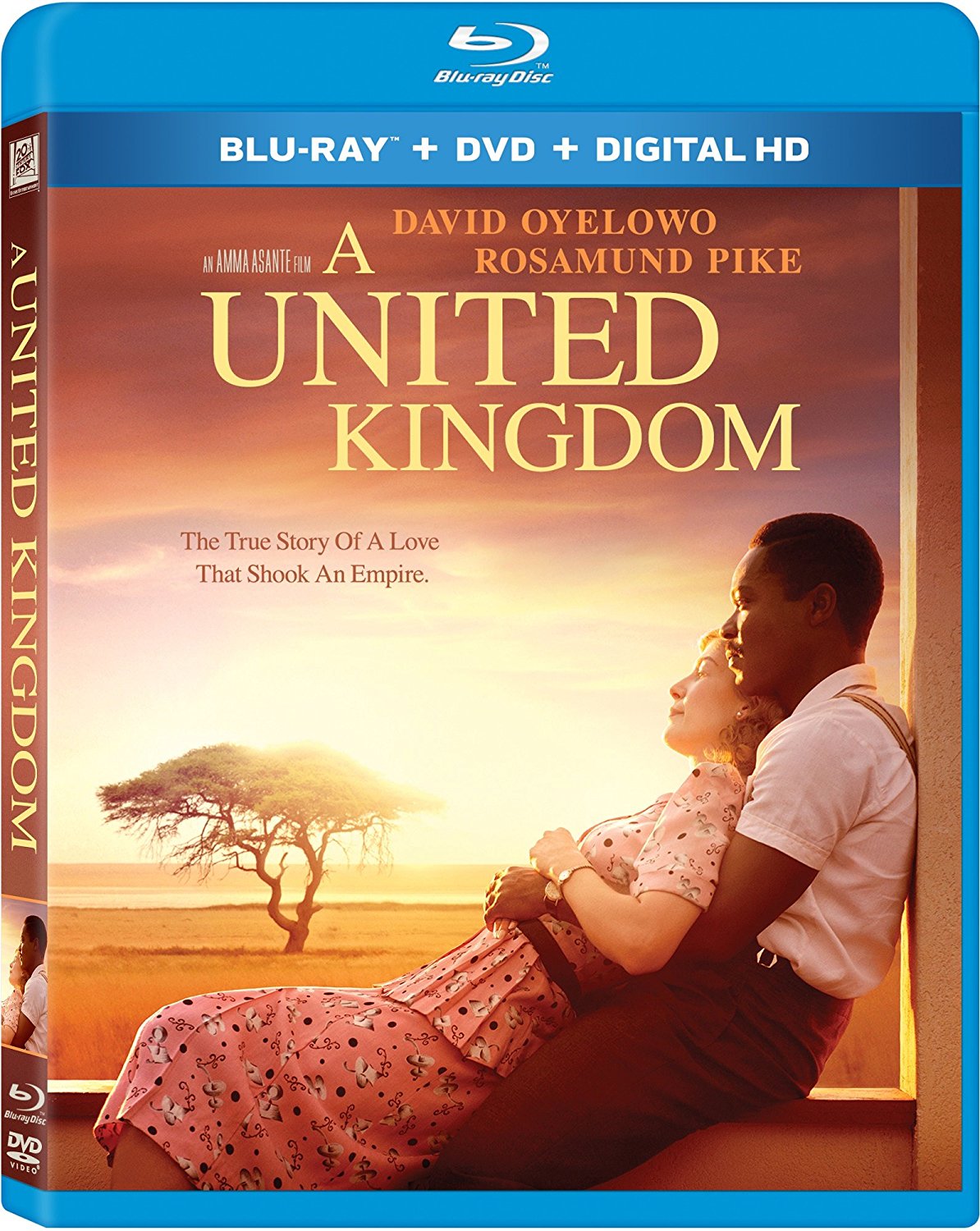
“We should not be fighting for segregation, we should be fighting for equality.”

That’s the sort of rousing statement any random politician on the campaign trail might use to rile up a crowd of supporters at a pep rally. And even though those words are spoken here by a man in the midst of heavy political turmoil, the beauty of A United Kingdom — a straightforward but nevertheless impactful fact-based drama about forbidden love — is that they are actually born out of an intensely personal conflict.

It used to be when you had a straight-to-DVD release, you knew better than to set the bar too high.  From time to time you would find that occasional gem that slipped through the cracks and turned out to be something awesome, but this was a rare occurrence. With the way films are released now, the talent you are seeing in straight-to-DVD releases has improved, as have the budgets, since getting a film on the big screen has become a greater financial challenge.  I mention this only because I look at a title like Kill’em All and wonder if they even cared. The actors are here and doing their job, but it’s the figures behind the scenes that I’m calling out here.  Is this simply a cash grab to exploit the fans of Van Damme, or did they believe they had something special on their hands? I’m a fan of Van Damme, and seeing that this is a film directed by Peter Malota a stuntman from Van Damme’s heyday (Double Impact and Universal Soldier), you just kind of hope for better action, but sadly this all seemed so lazy.

Suzanne (Autumn Reeser) is a nurse who has managed to survive a massive shootout that occurred at her hospital.  She’s the only witness that the FBI has to what went down. Peter Stormare and Maria Conchita Alonso play the pair of agents who are interrogating Suzanne in a very over-the-top good cop/bad cop sort of manner. If the interviewing skills by the agents aren’t enough to make you groan, the tough-guy banter Suzanne gives the agents is beyond frustrating, since every answer she gives is heavy with the sarcasm. Stormare is better than this; he can be menacing and be a threat on screen, but here his character is so over-the-top it’s hard to believe he would pass a character profile check to be an agent.

“Have you ever seen two priests wearing tracksuits?”

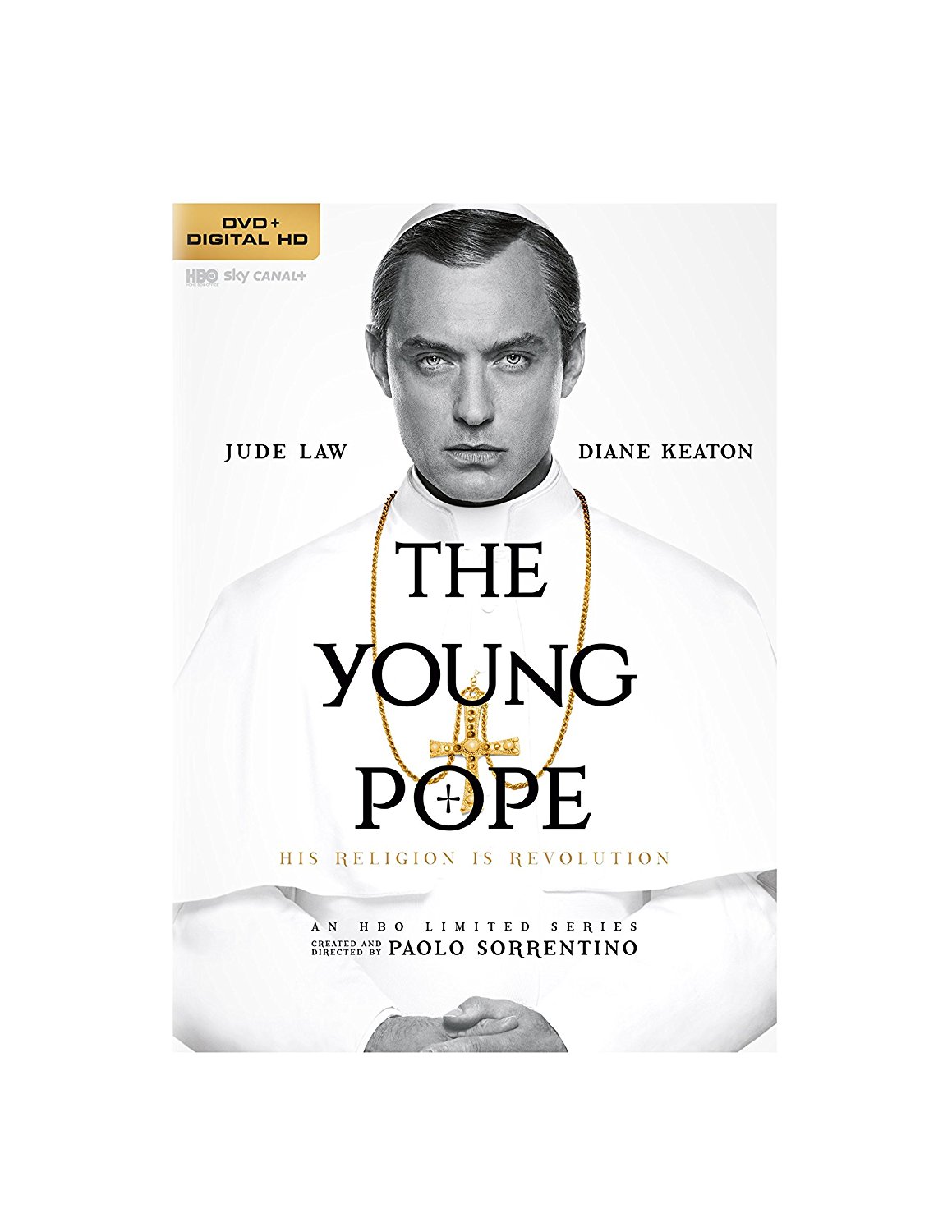
The highest praise I can offer for The Young Pope — the staggeringly extravagant and deeply strange co-production between Sky Atlantic, Canal+, and HBO — is that I can guarantee you will see something you have never seen before. (A pair of priests in tracksuits is the least of it.) The show is bold in both its style and storytelling, although it only unequivocally succeeds in one of those two areas. Given all the Vatican-centric politics and power plays, it’s easy to see why this show was dubbed “House of Cardinals.”

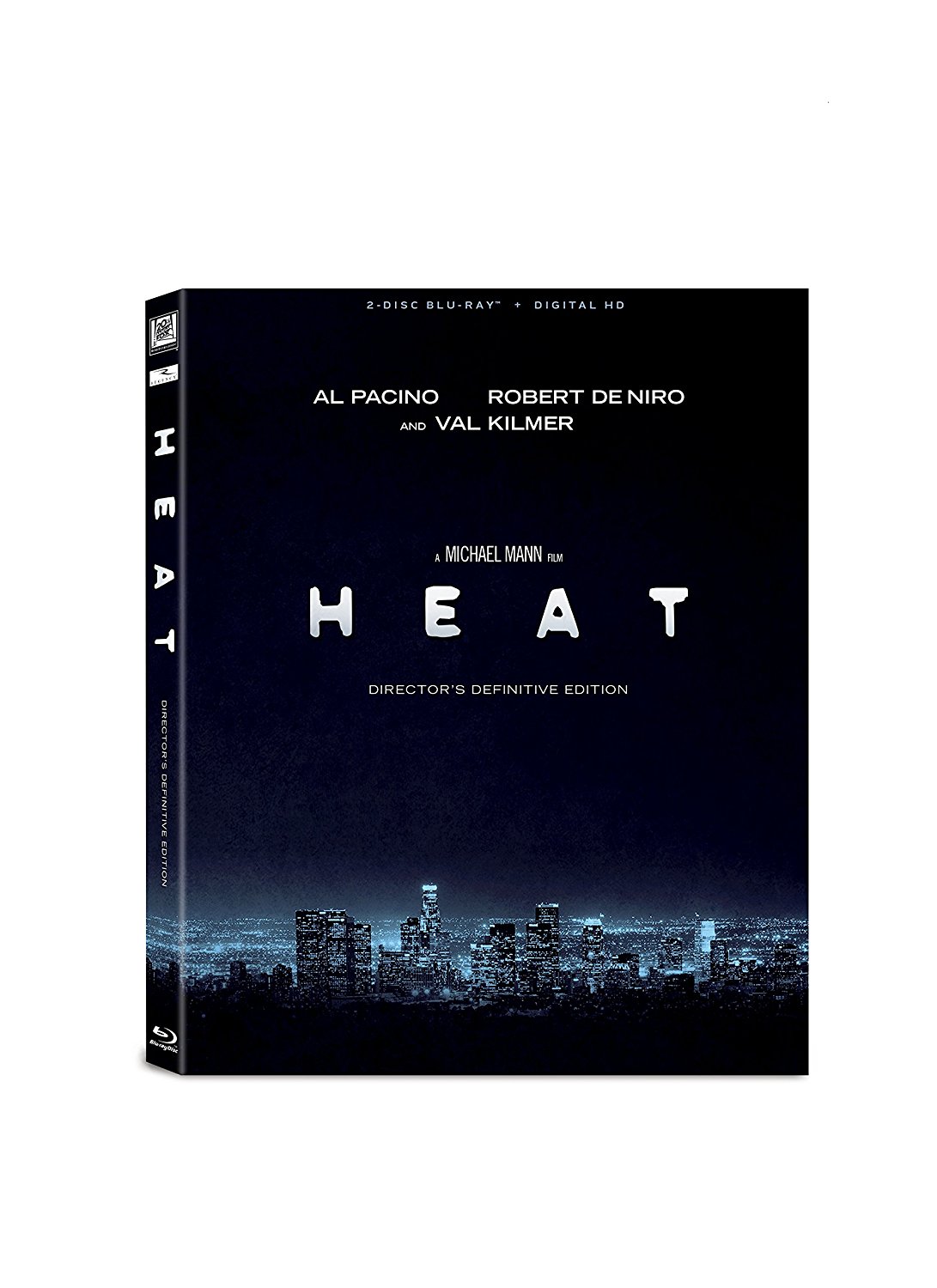
There was a 20th anniversary edition of Michael Mann's Heat planned a couple of years ago by the folks at Warner Brothers. There was hope of a 4K restoration and more. The rights ended up reverting to 20th Century Fox before any of that could happen. Now Fox has released something they are calling The Director's Definitive Edition, but it is the same cut and print of the film as used in the last Warner Brothers' Blu-ray release. So I really can't tell you what is definitive except for a couple of new and more recent bonus features.

Pacino plays a cop who is tracking a group of robbers, among them Val Kilmer (Wonderland) and Tom Sizemore (Saving Private Ryan), a group headed by DeNiro. The group receives offers for work from Jon Voight (Runaway Train), and they rob anything from gold to coins to bearer bonds. They are all ex-cons, and know all the ropes. They are a highly professional crew, which you see in the opening moments of the movie, despite the addition of a new man to the crew. What also helps to differentiate this from a usual cops-and-robbers movie are the secondary plotlines of the families involved. Pacino’s is clearly distant and breaking (played by Diane Venora and Natalie Portman), while DeNiro doesn’t have one to speak of, despite an emerging romance with Edy (Amy Brenneman, Judging Amy). At three hours, there are some unnecessary scenes involving a banker (played by William Fichtner), but the underlying message is that almost all of the actions in the movie do not involve just the primary characters, but also friends and loved ones of those characters. Kilmer’s wife in the film, played by Ashley Judd, desperately wants to get him out of his line of work, as she wants to start a new life for her family. An ex-con (Dennis Haysbert, 24) is stumbled upon working in a greasy spoon, and offered a chance to work by DeNiro. Haysbert’s character wants to be right, but runs into so many obstacles from it that he takes the job, only to wind up perishing in what results in a massive gunfight in the heart of Los Angeles while a bank robbery is being pulled.

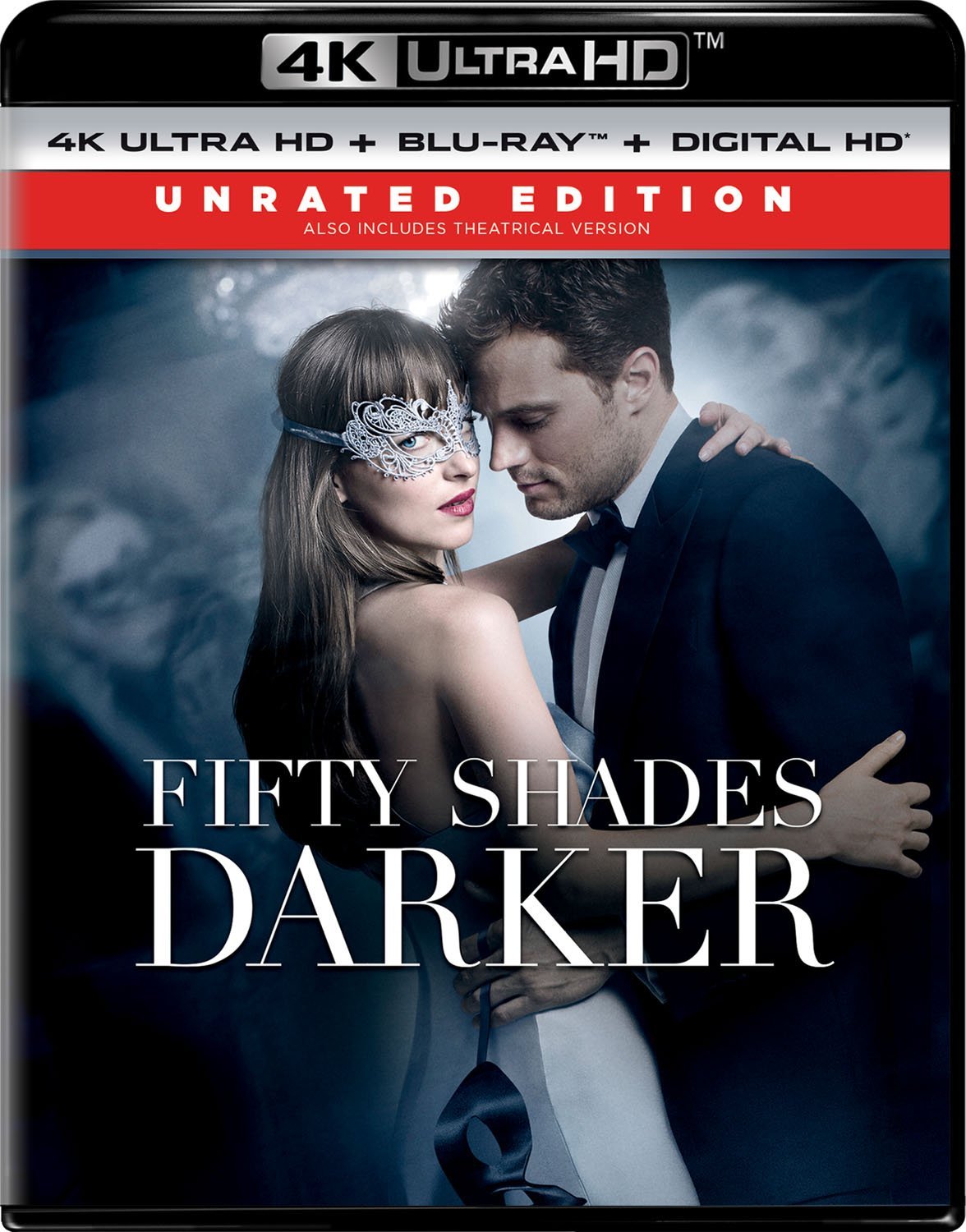
From the suggestion of the title, you would think that we would be diving deeper into the world of BDSM, but after watching, the only thing that I can say about Fifty Shades Darker is that it’s a love story. Yes, I know that it was always a love story, but the first film possessed an edge and intensity which no longer exist in the sequel. Disappointing is too pale a word for the film. From its failure to properly capture the essence of the source material, less than engaging performance of the leads, and the vanilla nature of the sex scenes, the movie does not live up to the hype. If 50 Shades of Grey pushed the envelope with its sexuality, 50 Shades Darker embraces the commercialism of a sequel for profit rather than effect.


When last we saw Christian Grey (Jaime Dornan) and Anastasia Steele (Dakota Johnson) they had just learned that Ana may not be compatible for the kind of relationship that Christian needs, and they broke up. Their separation is temporary as both parties notice the absence of the other quickly, resulting in Christian seeking Ana out and attempting to renegotiate the terms of their relationship. Ana is all but willing to reconcile, but as soon as it seems that they are about to embrace their happily ever after, complications in the form of an ex-sub Leila and the reemergence of Christian’s original temptress, Elena Lincoln (Kim Basinger) threaten to tear the couple apart.

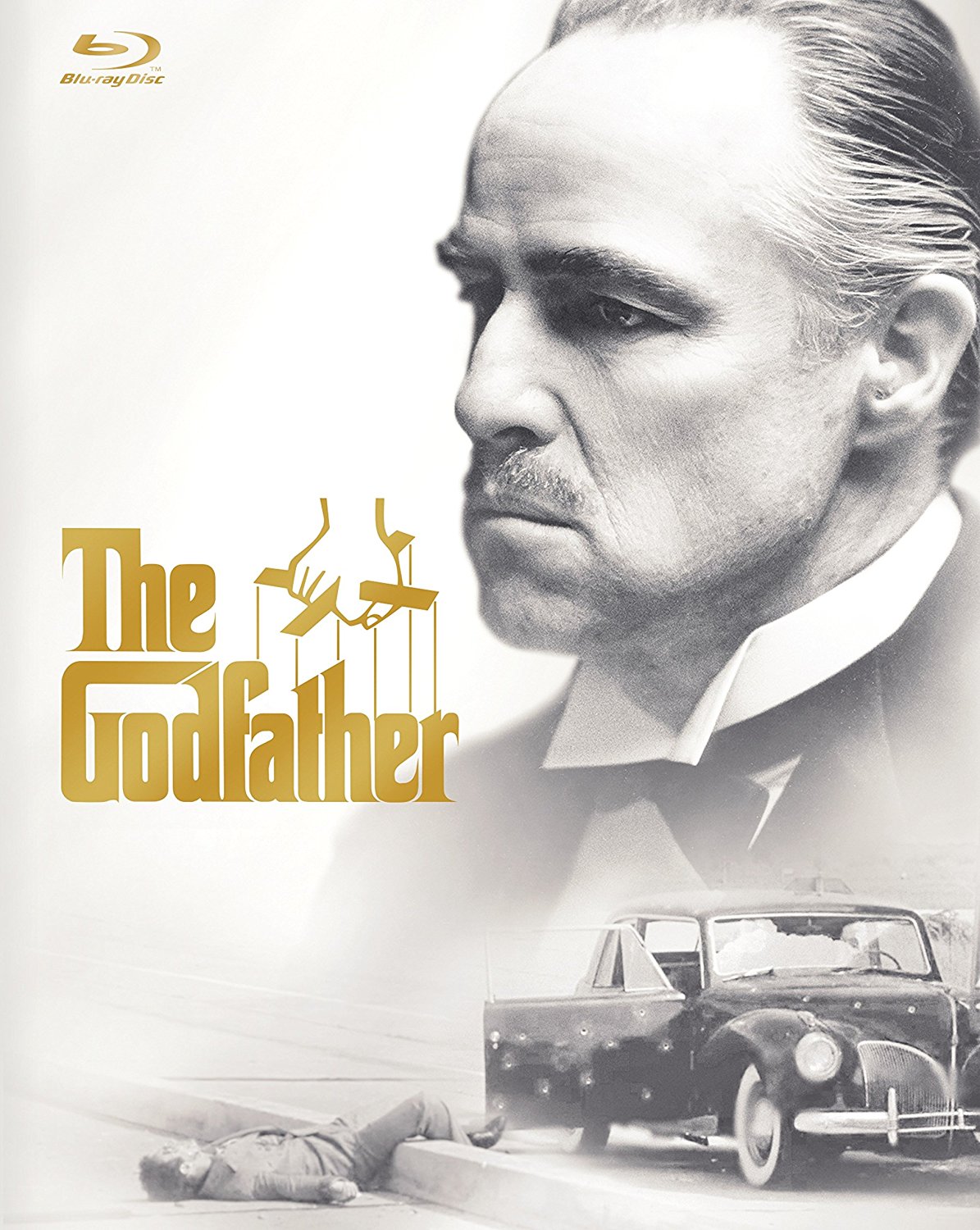
It's hard to believe that it has been 45 years since The Godfather first graced theater screens. The Godfather films changed storytelling forever. Films before that time, mobster or otherwise, had some very simple but unshakable rules. There was always a fairly clear distinction between the good guys and the bad guys. The good guys always win in the end, and the bad guys always succumb to justice before the final credits. For perhaps the very first time, we were given characters that we knew in our souls were evil men. They killed. They broke laws. They manipulated everyone around them through fear and terrorism to bend to their wills. Somehow, now they are the film’s core heroes, if you will. When Vito is shot, we cheer for Michael, who discards his contempt for his family’s criminal image and comes to his father’s aid. Suddenly this wasn’t just about a gang of mobsters. This was a story about a family. Most of us can’t relate to the mafia ins and outs, but we all have fathers, and even when we dislike what our fathers represent, we will more often than not come to their aid if they’re being threatened. This unique morality paved the way for an entire genre of such characters today. There just couldn’t have been a Tony Soprano or Vic Mackey without The Godfather. While there were certainly protests from aspects of the Italian-American community decrying the violent way our ethnicity was portrayed, most of us from that community saw more than violence and Mafioso. If you’re from an Italian family, you simply can’t help recognizing aspects of your own family in the Corleones. I could see my own grandfather in Vito, sans the mob boss occupation. Many of us took away the strict codes of honor and respect that drive Italian-Americans to this day in very normal lives. We’re a very passionate people, even if most of us are not part of an organized criminal element.

I’m not going to waste any time here taking you through the Godfather saga. Even if you’ve never seen any of these films, and I can’t imagine anyone hasn’t, you know the story and characters almost as much as if you had. For those of us who have seen these films, it has likely been an experience you have never forgotten. They are like potato chips in that you can not have watched them just a single time. For us these films are more than merely films. They are memories that we share as a culture. They have surely become a part of American mythology, as much as Homer’s tales of conquering heroes and mighty gods were for the ancient Greeks. We know the names of the Corleones as well as any of Shakespeare’s characters. We’ve quoted these films as much as anything short of the Bible itself. It is entirely outside of the realm of possibility, for me at least, to imagine American culture without them. While the films are now 45 years old, they still shape our films and literature today. What television series hasn’t done a spoof of The Godfather. Phrases like: “An offer you can’t refuse”, “Leave the gun. Take the cannoli”, or “Just when I thought I was out, they pull me back in” appear everywhere around us.

I thought it was dull...unless it was supposed to be a satire.”

Television has been trending toward shorter, more self-contained stories. Successful shows like American Horror Story, Fargo, American Crime, and others reboot themselves every year with new characters and storylines in an attempt to offer viewers something fresh each season. The Affair seemed ready-made for that formula: each season could've followed different adulterous encounters in a wide variety of settings. Instead, the perspective-shifting Showtime drama is determined to chronicle the far-reaching effects of a single Long Island dalliance. So while the show brushes up against some interesting relationship dynamics, it feels like it has stretched a thin concept beyond its breaking point.