Posted in: Disc Reviews by J C on February 17th, 2014
“…Super secret spies living next door. They look like us. They speak better English than we do. I mean, come on. Someone’s been reading too many spy novels.”
And now someone has expertly taken the cloak-and-dagger intrigue of a great spy novel, transplanted it onto our television screens, and called it The Americans. While the show is very clearly set during the Reagan era, its complex, multi-layered portrayal of the human beings on both sides of the Cold War makes it feel thrillingly alive today.
Posted in: Disc Reviews by J C on February 10th, 2014
“You have to interfere in what is wrong to make it right.”
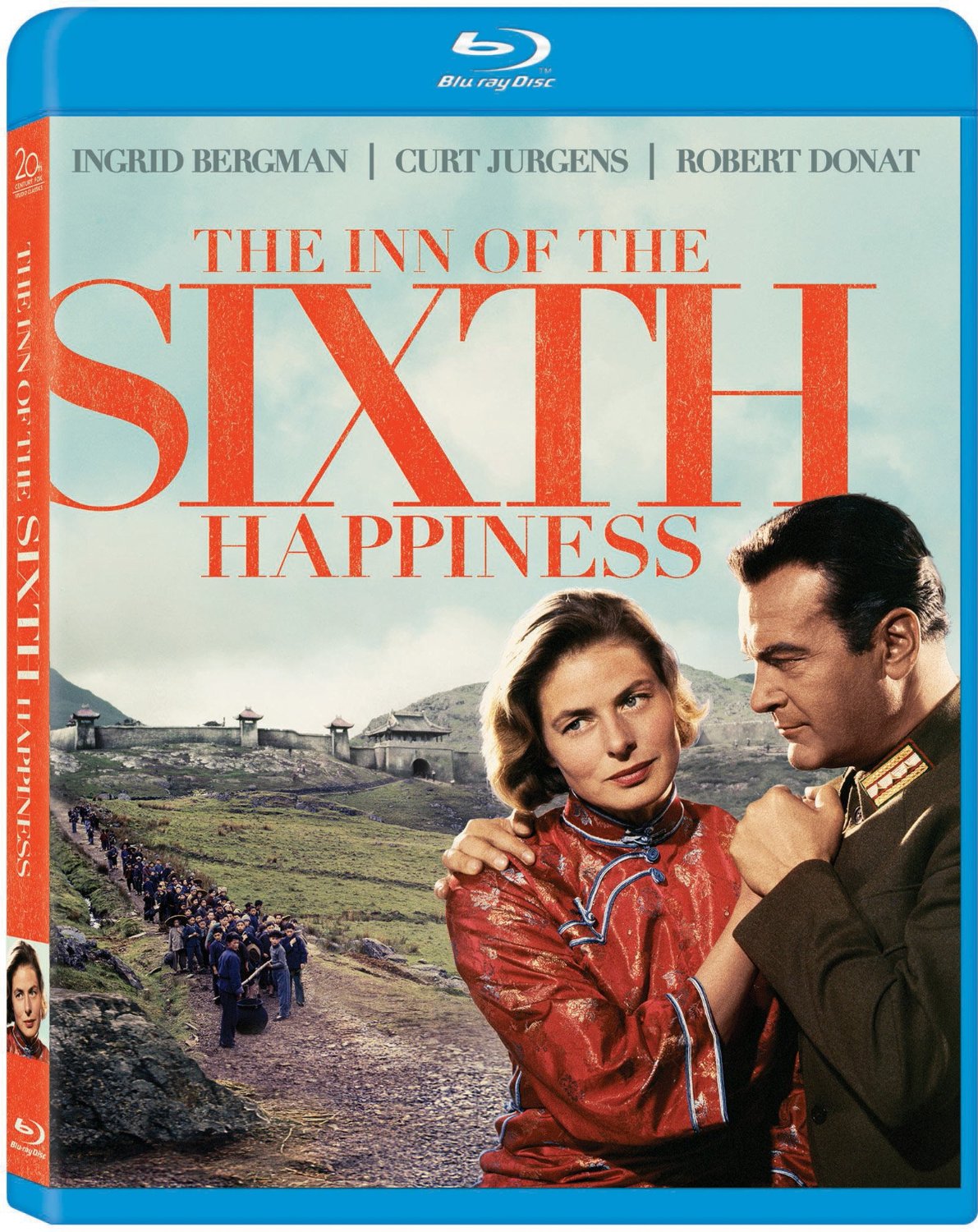
When a movie is described as a “timeless classic,” the implication is the film contains a level of artistic merit and cross-generational appeal that has made it relevant decades after its release, and will make it watchable decades from now. The flip side is the type of film that is very much of the time it was created. Despite what ought to be a universal message about caring for one another, The Inn of the Sixth Happiness — making a welcome debut on Blu-ray as part of the Fox Studio Classics series — belongs in the latter category.
Posted in: Disc Reviews by Jeremy Butler on February 7th, 2014
“A successful breakout depends on three things: Layout, Routine, and Outside Help.”
You know, there was a time when the public could only dream of an Arnold Schwarzenegger and Sylvester Stallone team-up. Now thanks to a little film called The Expendables, when it comes to the realm of action star team-ups, anything is possible. Case in point: Escape Plan. When this film was first announced, I figure it would be devoid of any real substance and just another attempt to capitalize on the success of Expendables (the first one; the second is not that great), but the film surprisingly holds up on its own without having to cling to anything else.
Posted in: Disc Reviews by Gino Sassani on February 5th, 2014
"Sometimes I like to think that fever of an unexpected origin, that I never came out of the other side. And that the rest of my life, none of it ever happened, especially that part where I got shot 37 times, giving my Bonnie Parker her big ending."
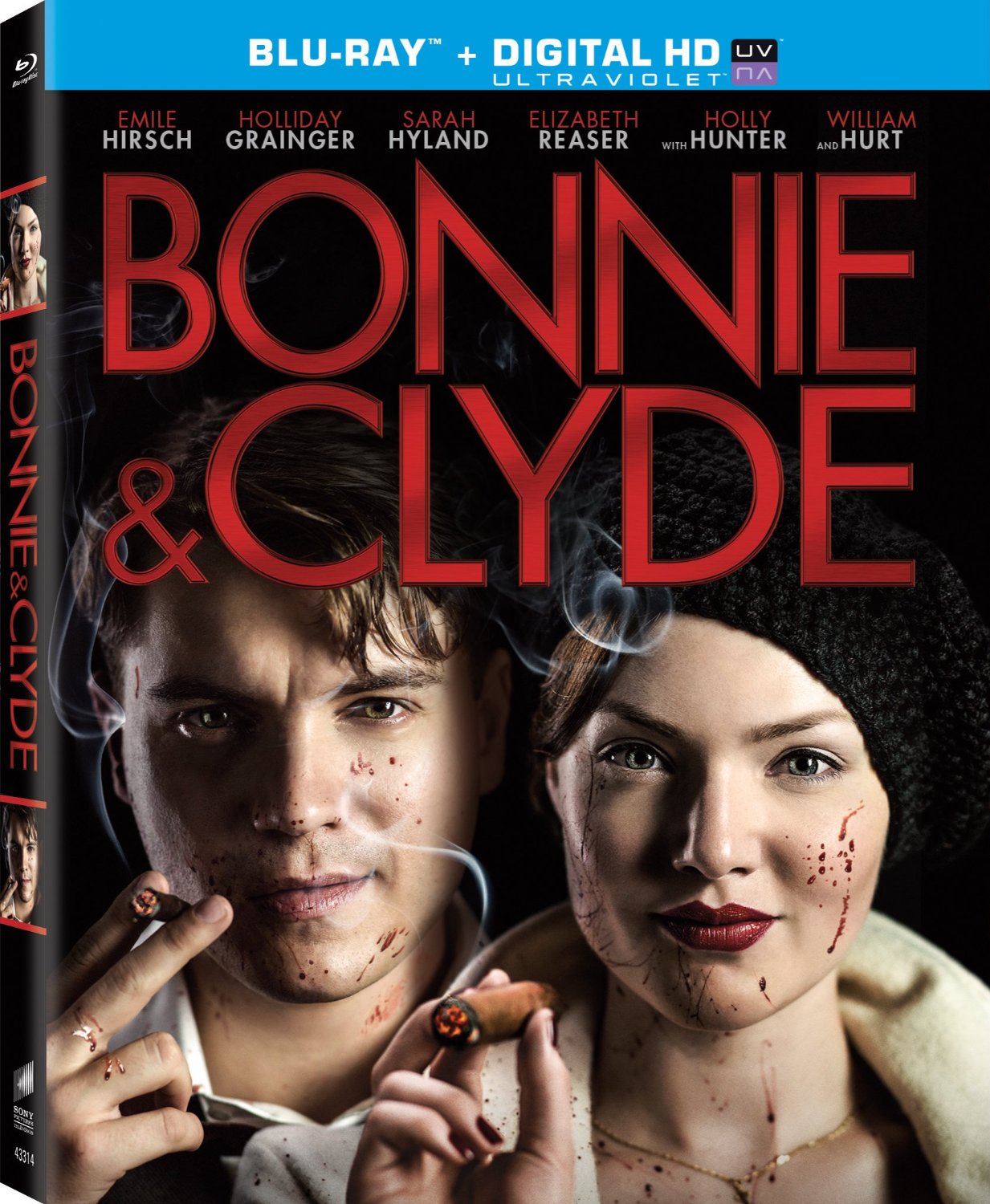
When you're telling the story of Bonnie and Clyde, it's very hard to say anything new. The exploits of the pair were followed closely by the entire nation. Newspaper accounts and silver screen newsreels took advantage of every turn of events in the case. Most of you think that today's wall-to-wall coverage of tragic events is something new and disturbing. Not so; the case of Bonnie and Clyde covered not just the crimes, but the lifestyles. They published Bonnie's rambling poetry and posed photos the pair themselves sent to the papers. Film trailer voices boomed the events with dramatic telling. It was all out there to see.

Posted in: Disc Reviews by J C on February 4th, 2014
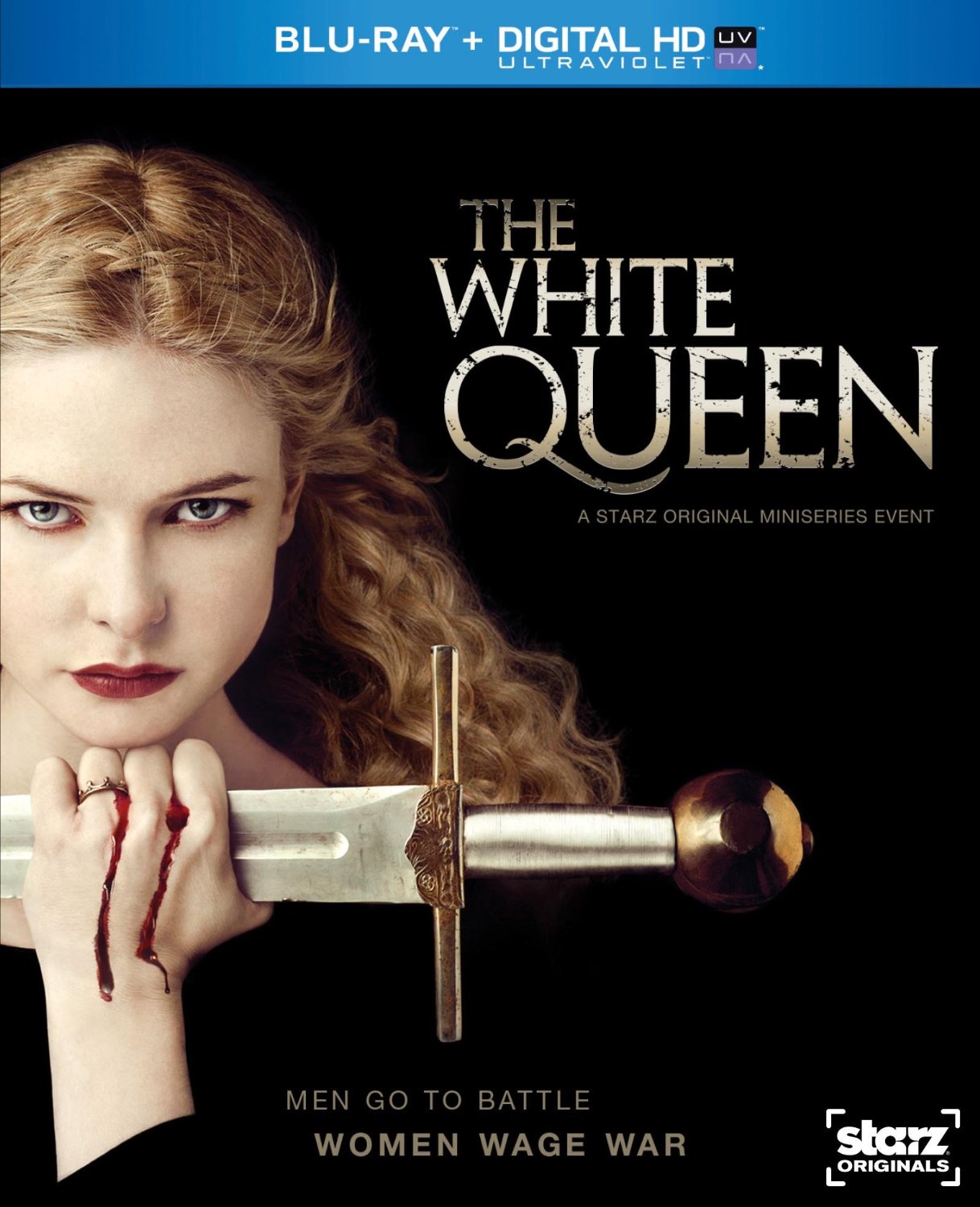
“I’m match for any man.”
The idea that “behind every great man, there’s a great woman rolling her eyes” far predates its adoption as a feminist slogan in the middle of the previous century. The White Queen — a sumptuous, rushed combination of Game of Thrones-style high-stakes scheming and Tudors-style regal bodice ripping — uses Britain’s late medieval history as a jumping off point for pushing a number of notable women to the forefront.
Posted in: Disc Reviews by J C on February 3rd, 2014
“How did the stripper get in the maid's room?”
That question sounds like the set up for some juvenile, profane joke, but it also tidily encapsulates the plot of Afternoon Delight. The film is about the plight of an affluent, quietly desperate housewife who takes it upon herself to “rescue” a young, down-on-her-luck stripper. What the quote doesn't quite capture is how this funny and frank outing from first-time feature filmmaker Jill Soloway is really about the universal quest for intimacy.
Posted in: Disc Reviews by Brent Lorentson on January 29th, 2014
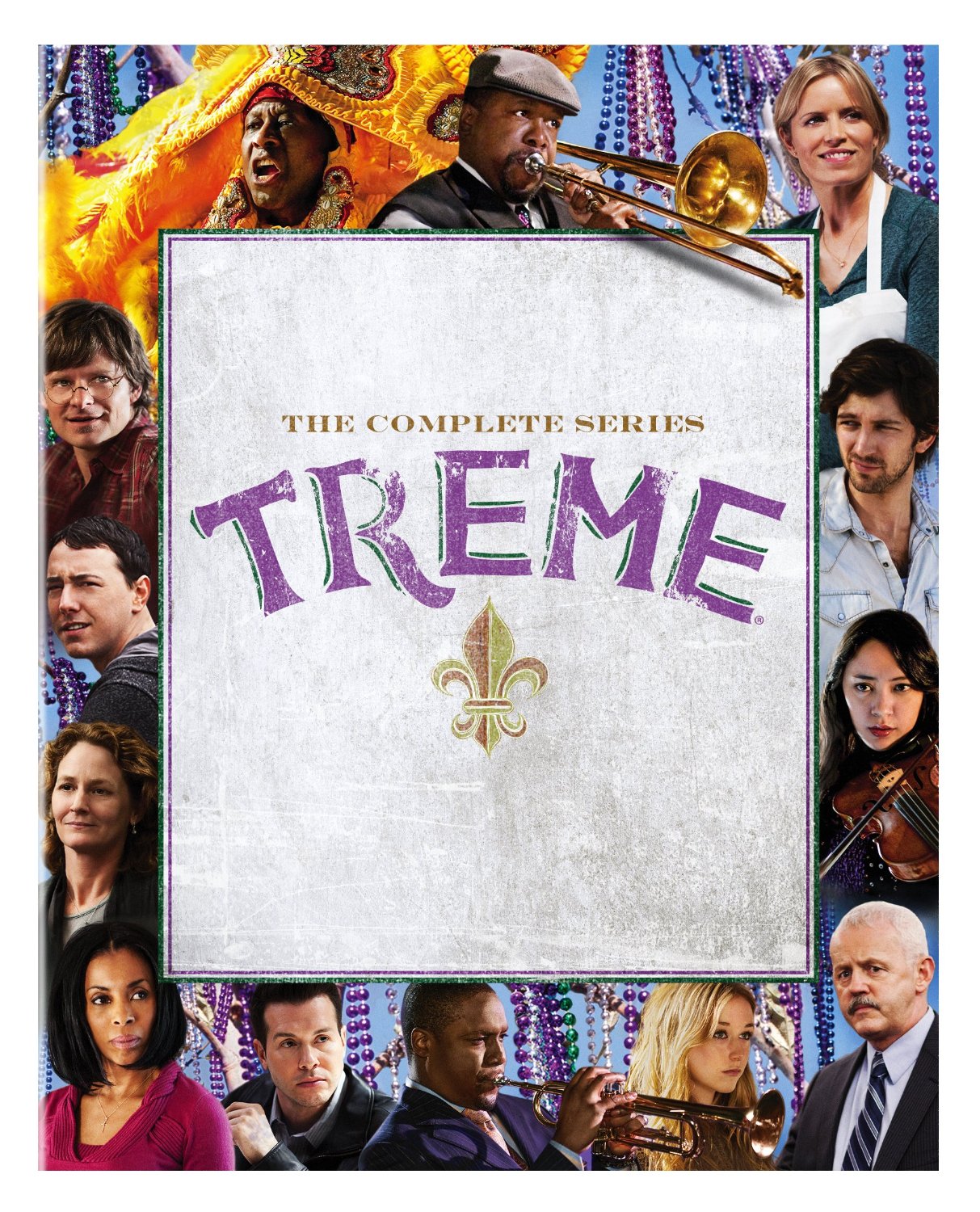
Creator David Simon (The Wire and Generation Kill) has never been a show runner concerned about cliffhangers or plot twists; instead he thrusts his viewers into the day-to-day life of the everyday Joe and shows that real life generates more conflict than most fiction can ever deliver. Ever since I first watched The Wire I’ve considered myself a fan of Simon’s work, and I feel it could be argued that what Simon did with The Wire is a large factor in why we have the quality of television that we do today. With Treme he has given us an array of fleshed-out characters; whether they be real or fictional, they all come together to present this allegory of greed and corruption upon the backdrop of a city that is arguably the heart and soul of music.
In the show it has been 25 months since Katrina has torn through New Orleans, and the residents of Treme who have survived the storm are treading their way through the aftermath. The new season kicks off with trombonist, Antoine Batiste (Wendell Pierce) showing up for a Second Line memorial that is soon broken up by NOPD. There has always been a disconnect between the police/government and the people of Treme, but post-Katrina seems to have opened the floodgates for more corruption among the members of the NOPD and the city officials. This corruption introduces L.P. Everett (Chris Coy), a young journalist who is trying to uncover the truth behind suspicious deaths that have happened after Katrina that may or may not be connected to the police. L.P.’s investigation seems to have a connection to a case Toni (Melissa Leo) has been working since season 2, which already uncovered enough dirty cops in the NOPD.
Posted in: Disc Reviews by Archive Authors on January 29th, 2014
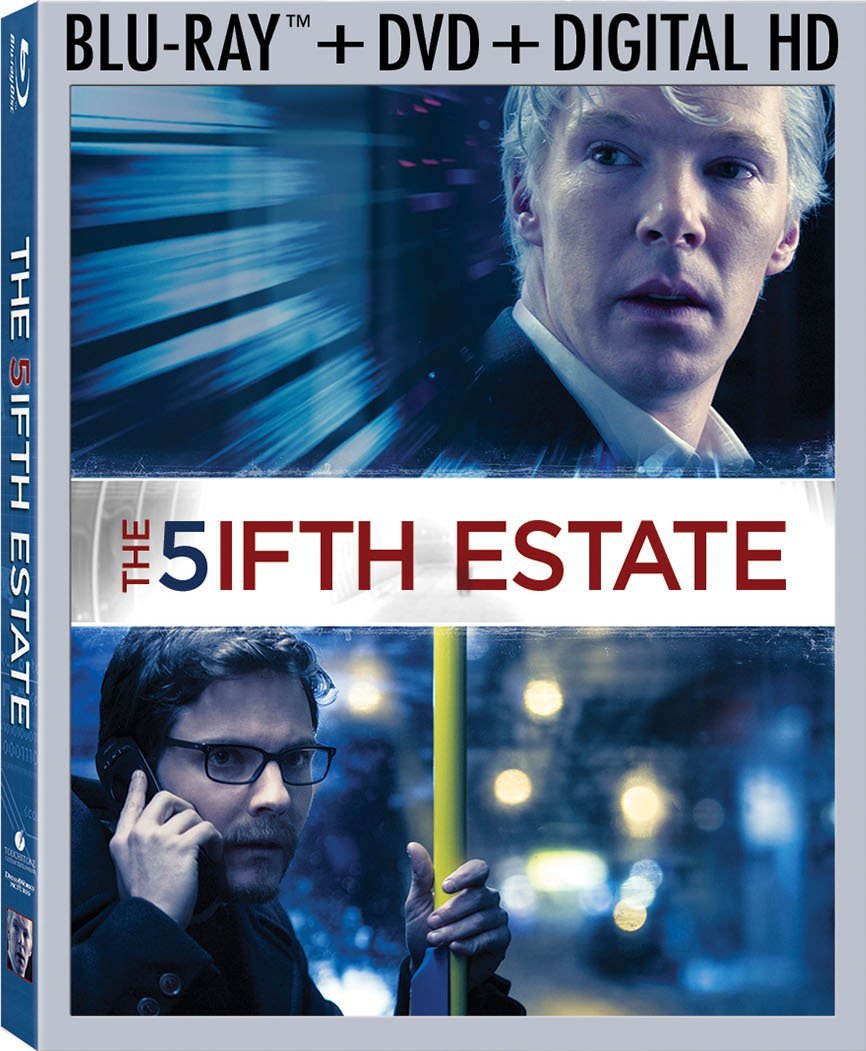
Journalism today is in disarray. I say that not because there aren’t many, many passionate journalists who want to do the best job possible. I say it because there are just many, many, many more bloggers who don’t know how live up to those standards or why it’s even important. The internet changes everything in the music industry, the movie industry, and the media industry. That doesn’t necessarily mean it’s a bad thing. It just means that it’s chaotic, and it often seems like no one is in control. The head of Amazon just bought one of the most venerable papers in the world, The Washington Post. The head of eBay is supposedly organizing a new media venture that will adhere to the strictest journalistic standards. Again, journalism today is in disarray.
The Fifth Estate is a movie about the frenzy surrounding Wikileaks and Julian Assange. The title suggests there is a successor to the fourth estate, which is the news media (don’t ask about the first three estates since they are church, state and nobility, which may be irrelevant now). I don’t know if anybody knows what a fifth estate is yet, but Wikileaks is a big deal. It is also justifiably considered to be extremely controversial. Wikileaks is an international online organization that claims to protect the identity of any whistleblower trying to reveal classified and secret information with the hope of undermining worldwide corruption. I’ve seen the documentary We Steal Secrets: The Story of Wikileaks and was able to compare that to The Fifth Estate. They are quite different, but in small ways that can add up to a lot.
Posted in: Disc Reviews by J C on January 22nd, 2014
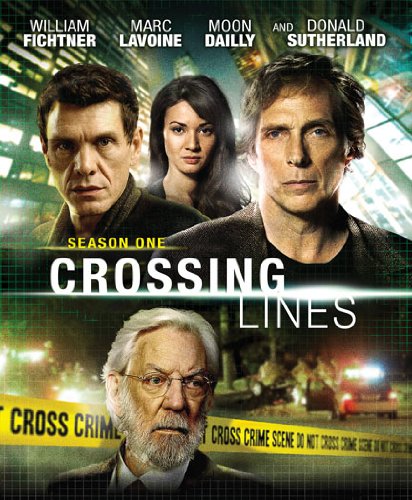
Location, location, location! The notion that a desirable geographic spot can make a huge difference isn’t exclusive to the world of real estate. Take, for instance, Crossing Lines. At first glance, the show fits comfortably alongside any number of American police procedurals that feature curiously attractive cops and a fresh set of dead bodies each week. It’s a formula that’s worked for decades, so it’s hard to argue for a complete overhaul. The best fans can hope for are clever tweaks to help new shows stand out from the crowded cop show lineup. Crossing Lines accomplishes this by taking all the fake corpses you’ve seen on New York and L.A. streets and scattering them across Europe.
“Like all good stories, this one starts with a beautiful woman. Young, adventurous, full of life…unfortunately, this story also starts with the end of that life.”
Posted in: Disc Reviews by J C on January 16th, 2014
“This song of the Man and his Wife is of no place; you might hear it anywhere at any time.”
The aching simplicity of the story in Sunrise is the reason the silent film remains thoroughly watchable almost 90 years after its release. It’s also why the movie will remain thoroughly watchable another 90 years from now. Then again, the reason F.W. Murnau’s 1927 effort goes beyond simply remaining watchable — and enters masterpiece territory — has less to do with what the story is and much more to do with how it’s told.