Drama

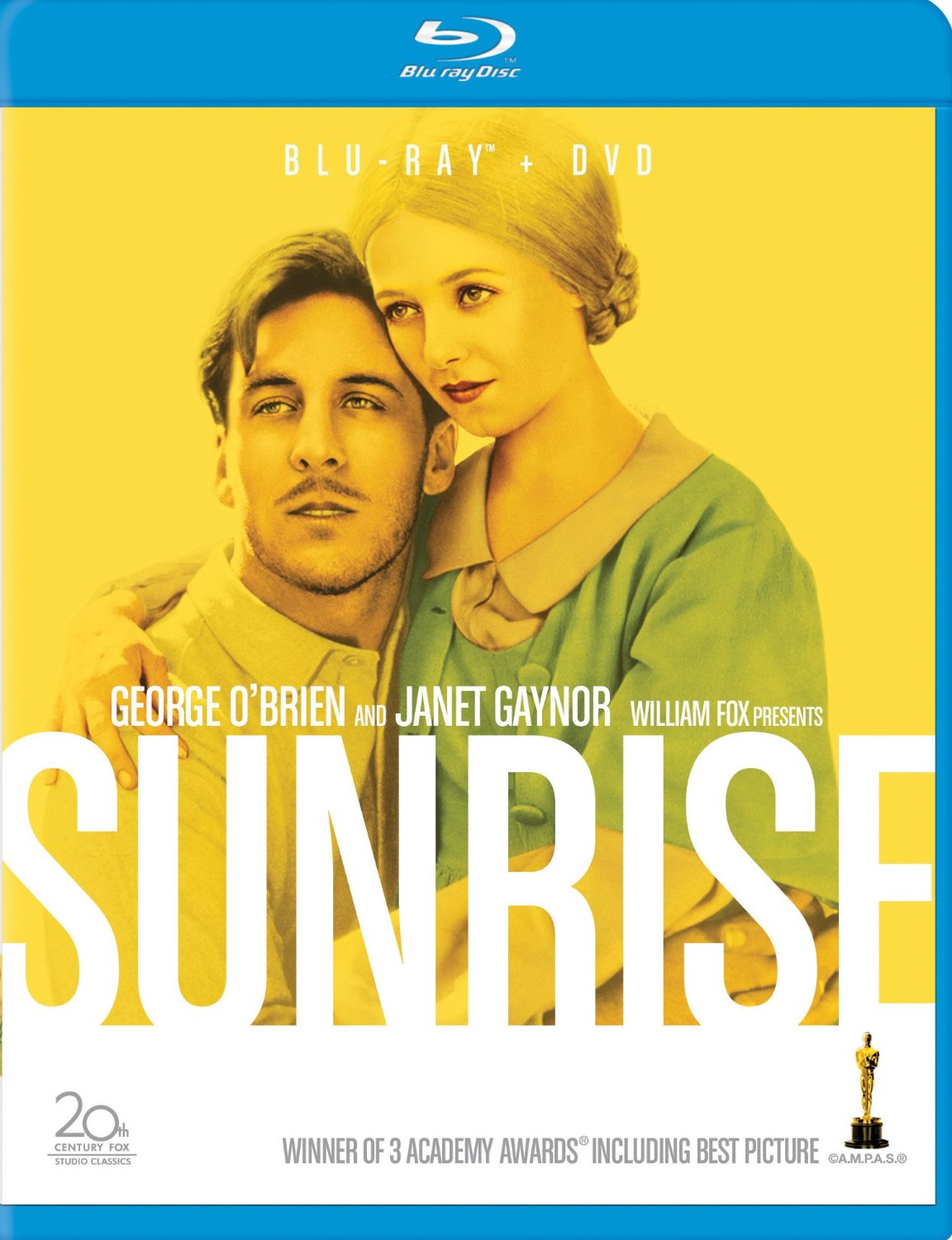
This song of the Man and his Wife is of no place; you might hear it anywhere at any time.”

The aching simplicity of the story in Sunrise is the reason the silent film remains thoroughly watchable almost 90 years after its release. It’s also why the movie will remain thoroughly watchable another 90 years from now. Then again, the reason F.W. Murnau’s 1927 effort goes beyond simply remaining watchable — and enters masterpiece territory — has less to do with what the story is and much more to do with how it’s told.

We’ve been conditioned to expect certain things when it comes to movies about love. The genre has become synonymous with chance encounters, kisses in the rain, and last-second declarations of love. (A tragic/downer ending is purely optional.) The most interesting thing about Last Love is how it explores the sort of deep connection between a man and a woman that isn’t necessarily tied to physicality or even romance. It’s such a refreshing change from the love story norm that it made the parts of the film that don’t quite work more palatable.

“Violence is never the answer.”

That statement is said unironically by a character in Sweetwater, but we know better; in the movies, violence is pretty much always the answer. This is especially true when it comes to the revenge genre which, the films of Quentin Tarantino notwithstanding, is largely a man’s game. (Risk-averse Hollywood studios are much less likely to greenlight WoMan on Fire.) This bloody, straightforward Western from twin filmmakers Logan and Noah Miller is not terribly original, but it does try to put its own spin on the hallowed tradition of cinematic payback.


“You gotta be grateful for the little things in life, otherwise you’ll never be grateful for nothing.”

I’m not so sure the same fans who made 2007’s The Ultimate Gift a hit on the home video market — and spurred the creation of this sequel — will be very grateful for this tepid follow-up. The Ultimate Life stiffly and earnestly re-iterates the first film’s emphasis on appreciating non-material delights, and sprinkles in a worthwhile message about the importance of leaving a strong legacy behind. Unfortunately, this film’s own legacy places it with the long list of sequels that don’t live up to the original.

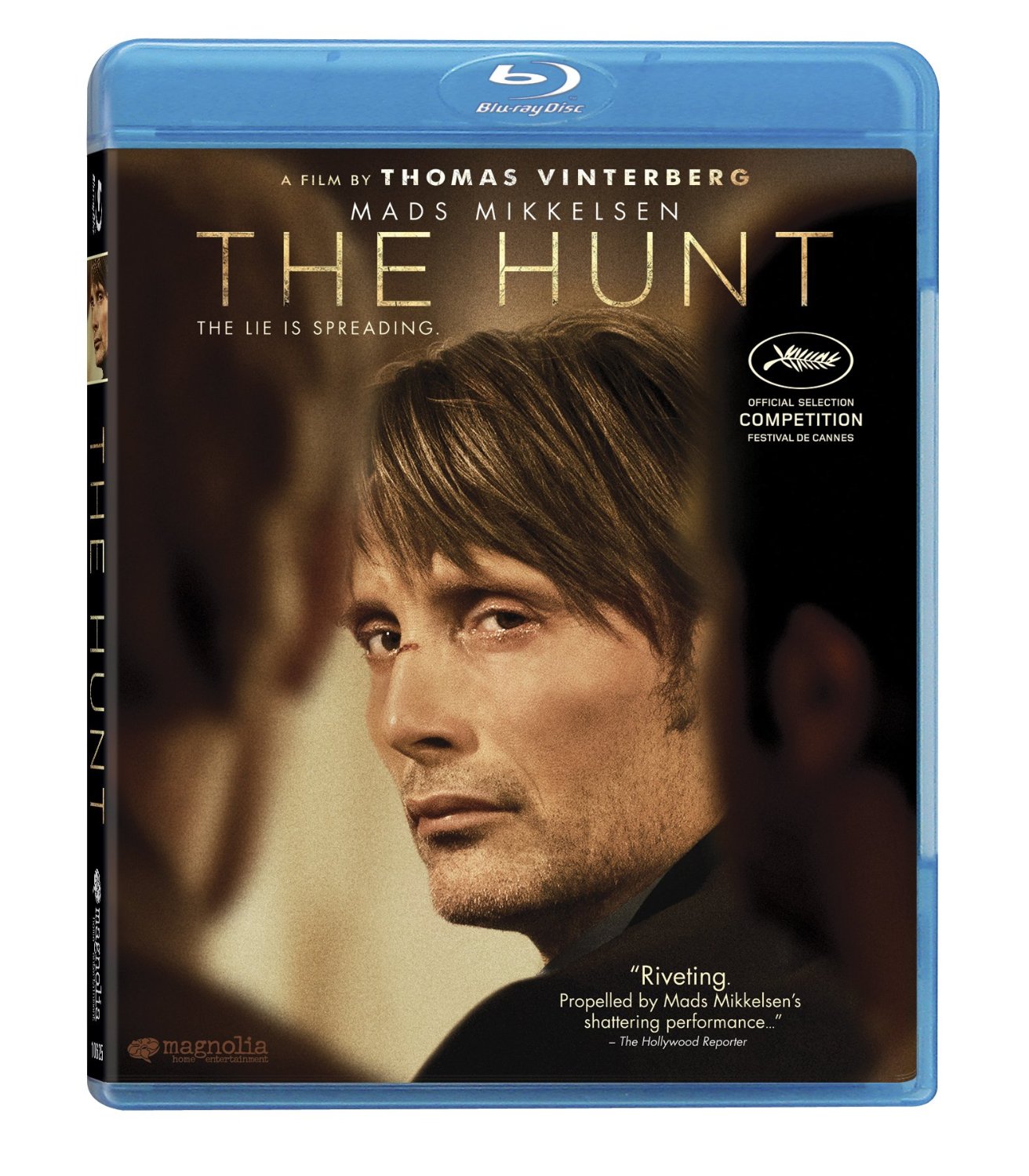
“People always work from the assumption that children are telling the truth.”

Kids really do say the darndest things! Popular kindergarten teacher Lucas finds this out the hard way after his life is shattered in The Hunt, an outstanding and indelible Danish drama that will almost surely pick up a Best Foreign Language Film Oscar nomination when the nods are announced in about a month. The film tackles a touchy (no pun intended) subject with great care. It also raises a number of provocative points about perception versus reality.

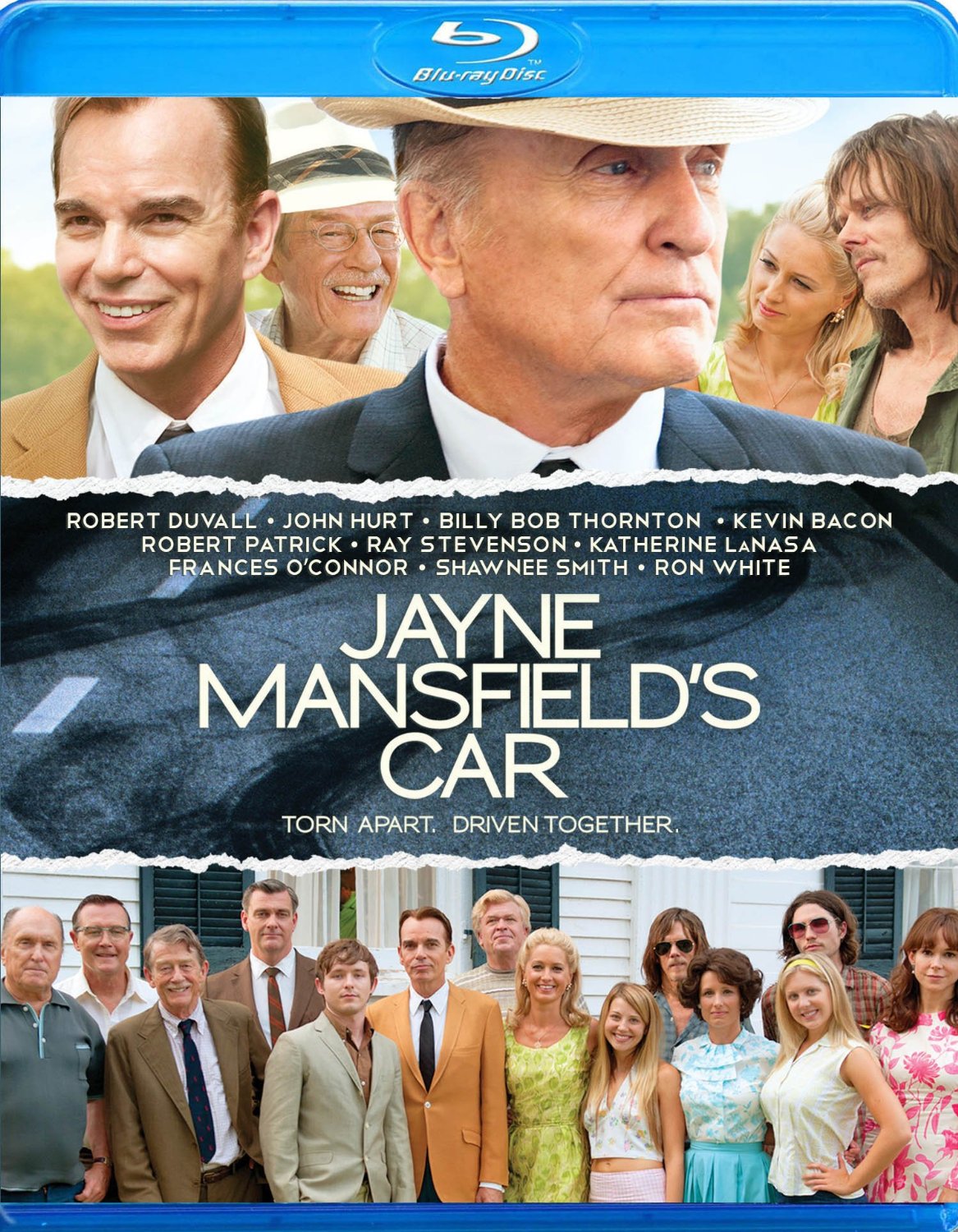
Before Billy Bob Thornton became best known for icky PDA and wearing his wife’s blood around his neck, he burst onto the moviemaking scene as an Academy Award-winning triple-threat with Sling Blade, which he directed, wrote and starred in. (I feel like it’s finally safe to bring up Billy Bob’s acting career again.) Despite working steadily as an actor — and even directing a few other films — the Thornton who won an Oscar for writing Sling Blade has been largely absent from moviegoers’ lives. That’s why it was such a delight to see him return to southern-fried form as a filmmaker with the terrific ensemble drama Jayne Mansfield’s Car.

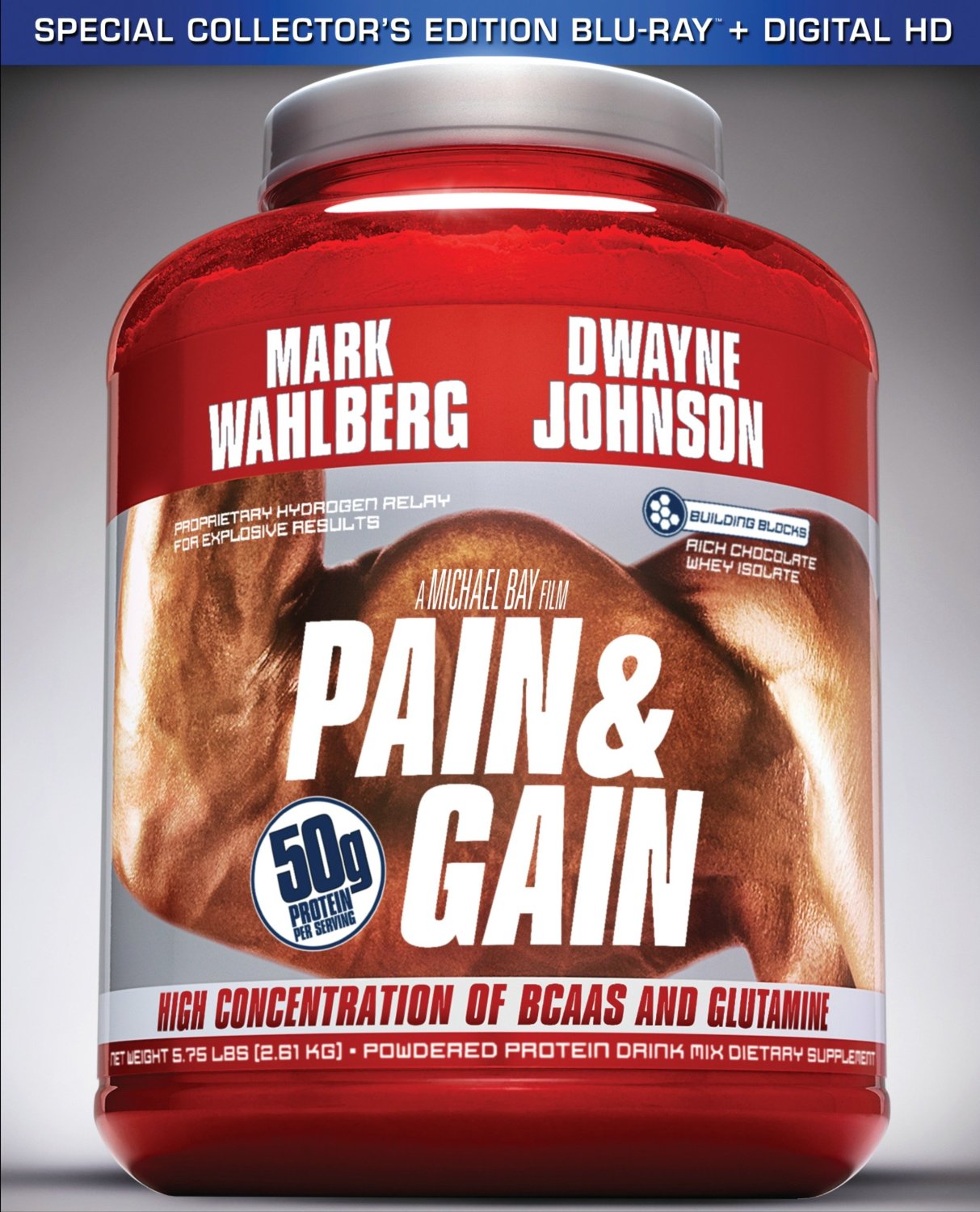
People have used a lot of different words to describe Michael Bay and his films: “loud”, “blockbusters”, “mindless”, “soulless”, “Hitler” and, of course, “awesome.” One of the words you don’t normally associate with Bay’s undeniably successful output is “clever.” I daresay Pain & Gain is the most interesting movie the action auteur has ever made; the film is both seriously silly and surprisingly smart in how it presents its stupid characters

What makes a bad movie? What makes a good movie? The standards are getting lost in murky waters, because many of the critics have no interest in film history and the clear record of what is great and what is garbage. That goes for many filmmakers too. Their standards are what works in the last 12 months and how to try out the latest technology. Unfortunately they often forget the tried and true basics like good writing and good acting. Ethan Hawke gets a lot of these small movies

This is a film that has become a significant contribution to the very the timeline it depicts, which is that of US President Nixon being forced into resignation after the Watergate scandal. This film is an engrossing depiction of the actual reporters who used anonymous tips to help uncover a scandal so big that it rocked the entire US nation. This film was released only four years after the infamous attempt to bug the Democratic offices in Watergate, which spurred the entire course of events in this film.

It's nice to see two Spielberg veterans in the same movie. It's been a long time since American Graffiti when Harrison Ford and Richard Dreyfuss last appeared together. It's been a long time since Hooper in Jaws and Roy Neary in Close Encounters of the Third Kind, but Dreyfuss and Ford don't appear together in this movie either. It's like they are in two different movies. Paranoia is a corporate espionage thriller with two CEO's played by Harrison Ford and Gary Oldman, who have strong ties and stronger hates. There is lots to like about the movie, but many, many missed opportunities too.