Genre

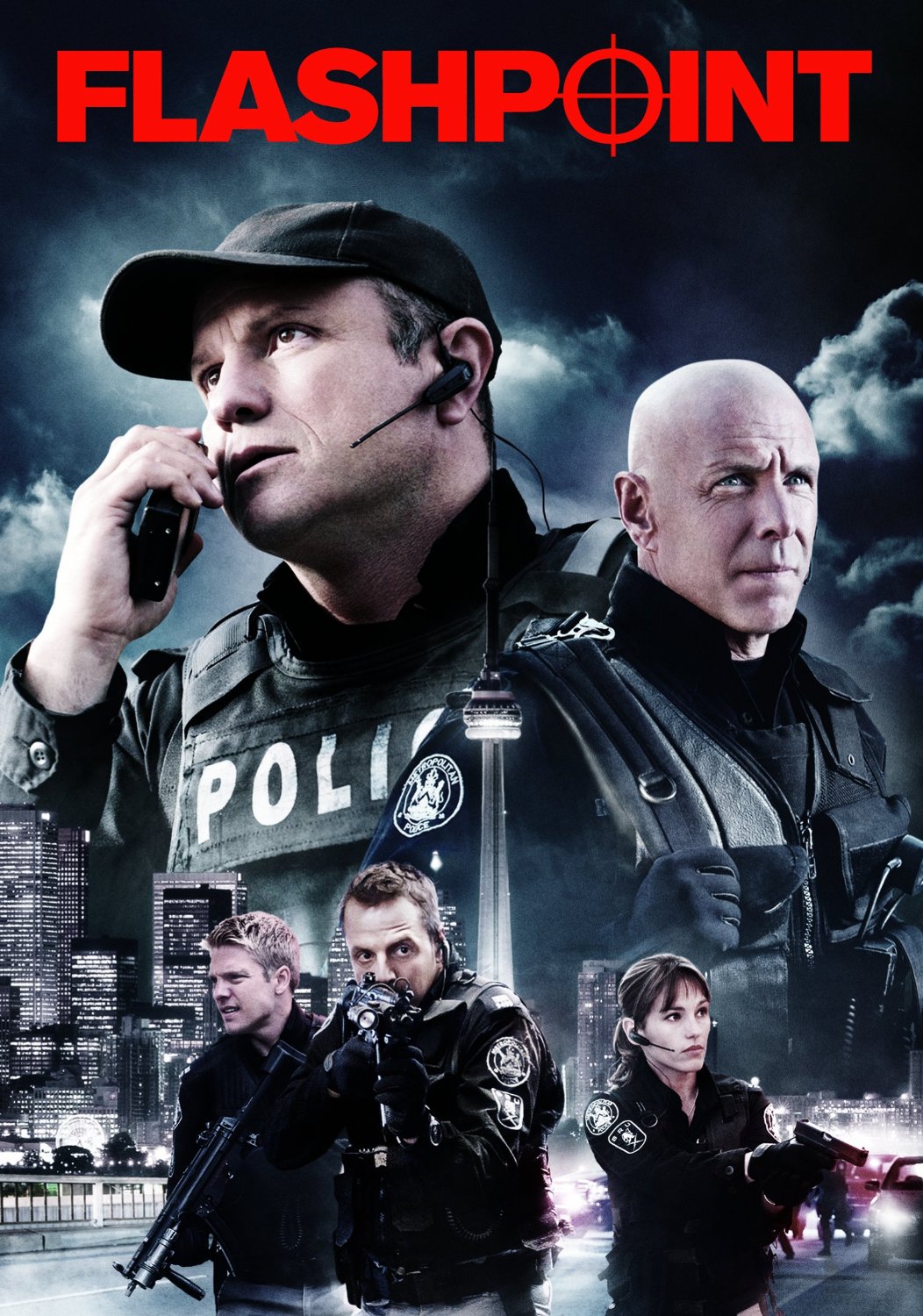
It is true what they say, every time you think you are done, you get pulled back in. I had been working on cleaning up my house and trying by any means necessary to get it on the market (42 gallon trash bags are your friend). But the big boss of Upcomingdiscs.com asked if I would like to review the final season of Flashpoint. I looked at my movie spinner and saw nestled between the Flash (the short lived TV series) and Freakazoid Season 1(okay, I'm odd, I get it), the first 5 volumes of Flashpoint. At that point, it was pretty much a done deal.

“One small fact: you are going to die. Despite every effort, no one lives forever.”

The Book Thief is narrated by Death, who opens the film with these sobering words. It is also set in Germany during the years leading up to World War II. On paper, the best-case scenario for this film appears to be “well-executed, watchable downer”, while the worst-case scenario is “do we really need *another* movie about WWII?!” But fans of Aussie author Markus Zusak’s 2005 best-seller know better. The Book Thief uses the silky specter of death to tell a beautifully affecting story that celebrates life.

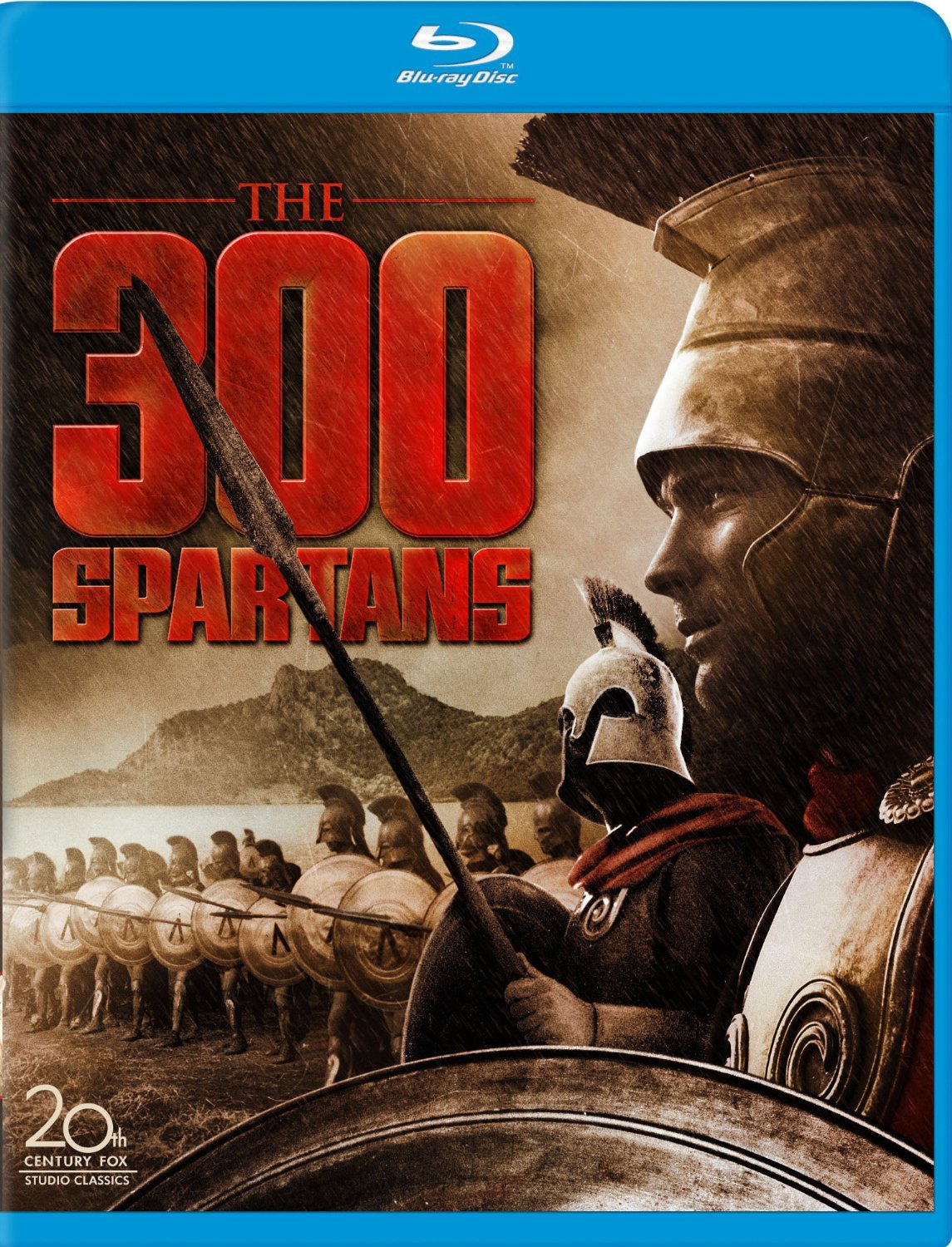
"Greece, that hard and timeless land, where even the stones speak of man's courage, of his endurance, of his glory. And none more eloquently than this lonely pillar in a desolate pass, some 200 miles north of modern Athens. Across the hush of 24 centuries, this is the story of a turning point in history, of a blazing day when 300 Greek warriors fought here to hold with their lives their freedom and ours."

From that introduction you might guess that this is a review of Zack Snyder's 300 or the newly minted follow-up 300: Rise Of An Empire. That guess would be wrong.


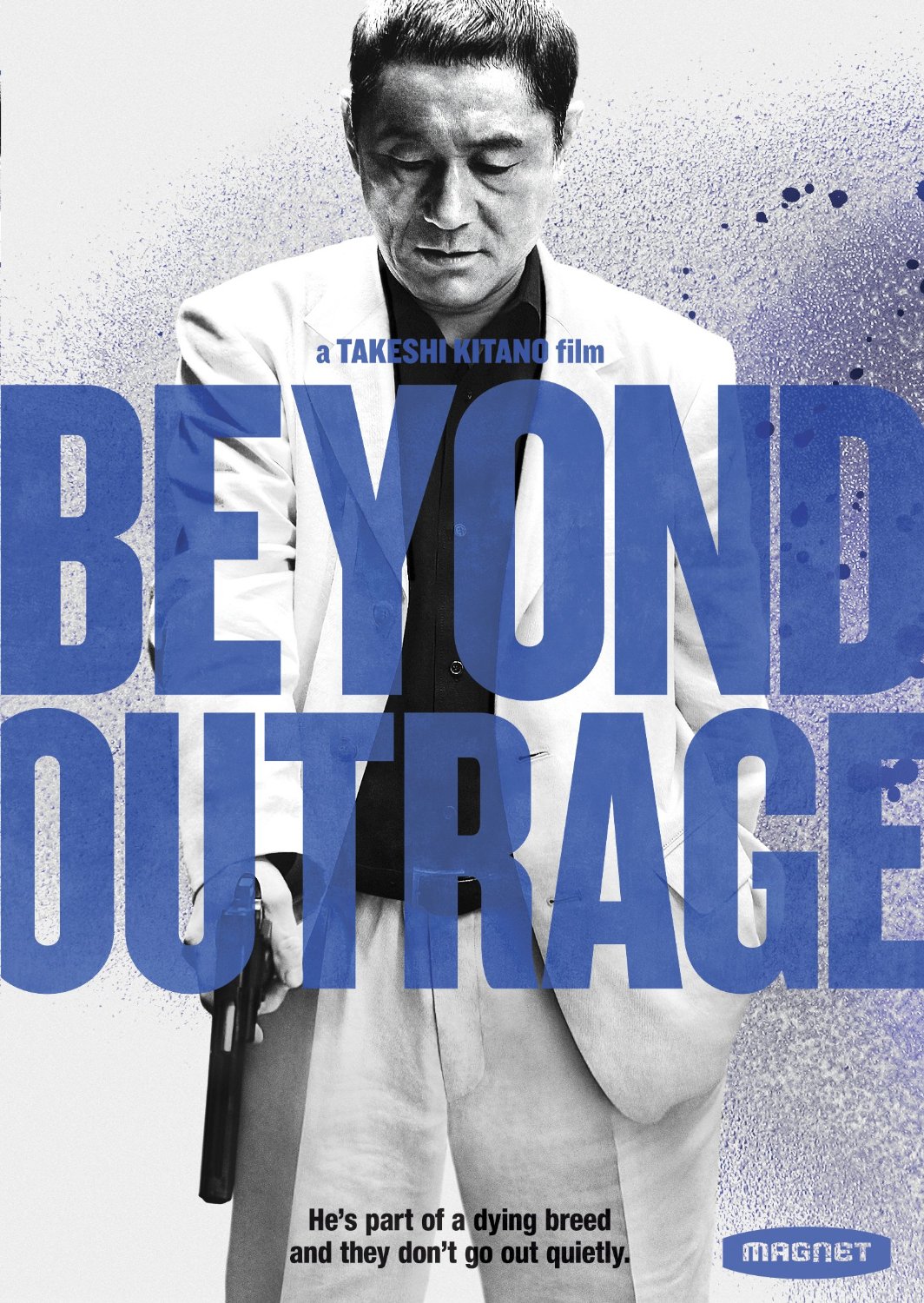
Takeshi Kitano is to yakuza films as Robert DeNiro is to American gangster films.  Whether it is in front of or behind the camera, Beat (his stage name) Takeshi has had a long, fruitful career, with many of his successful films like Sonatine. Fireworks, Brother and Outrage delving into the Japanese criminal underworld.  His talents don’t only fall between acting and directing; he’s also worked as editor and writer for many of his films.  He’s an artist whose films have found their way onto US shores, and for those that are fans of yakuza cinema, when a new film by Beat Takeshi comes along, it’s something you simply have to check out.

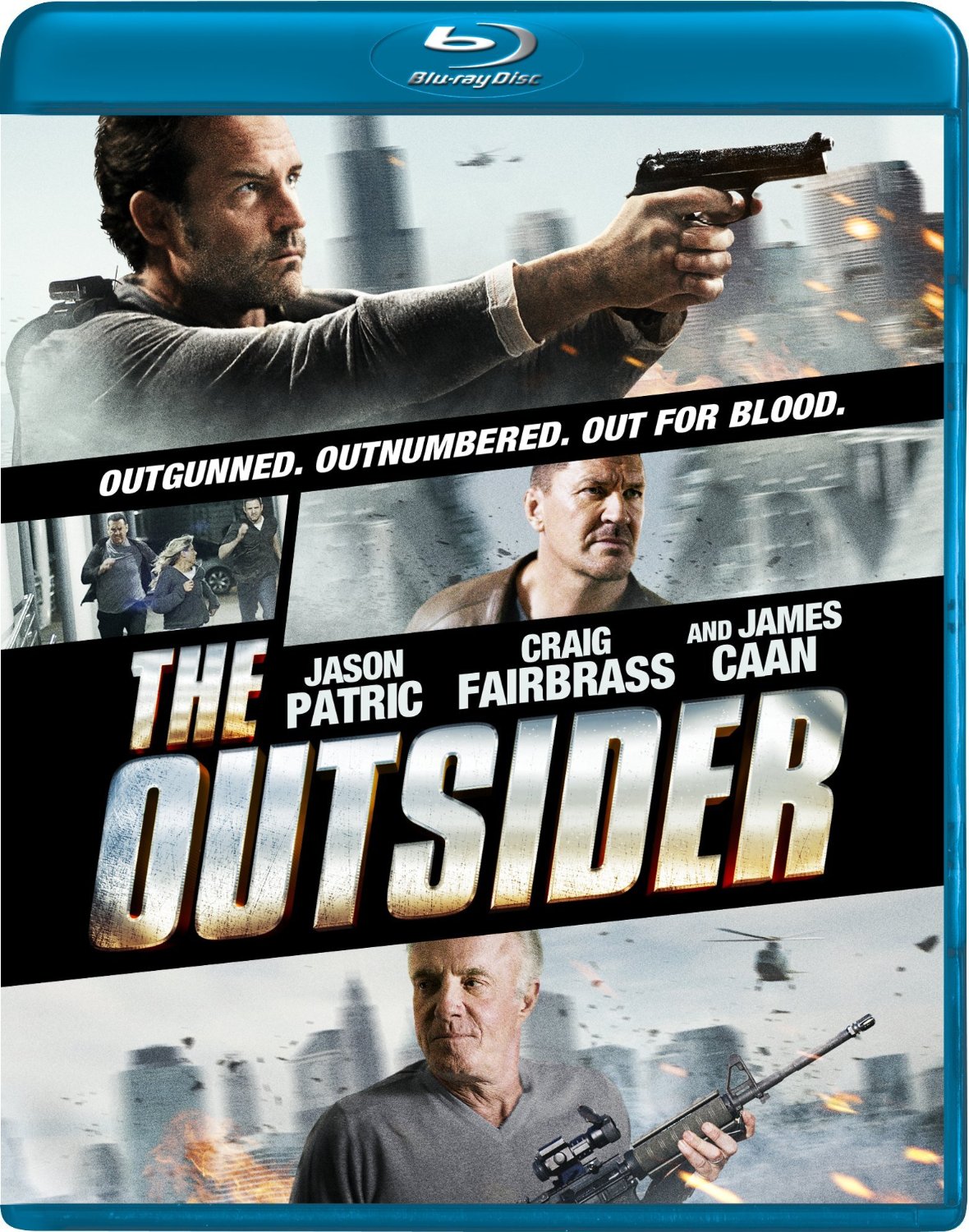
British badass Craig Fairbrass looks more like the henchman in an action movie than the hero. (To be fair, Fairbrass looks like the lead henchman who always gives the hero a little more trouble than you’d expect, but he looks like a henchman nonetheless.) The actor has worked steadily in England and Hollywood, including a role in Cliffhanger where he played one of John Lithgow’s (you guessed it) henchmen. With The Outsider, Fairbrass earns a story credit and the right to play the hero in this junky, bruising, low-budget cross between Taken and The Limey.

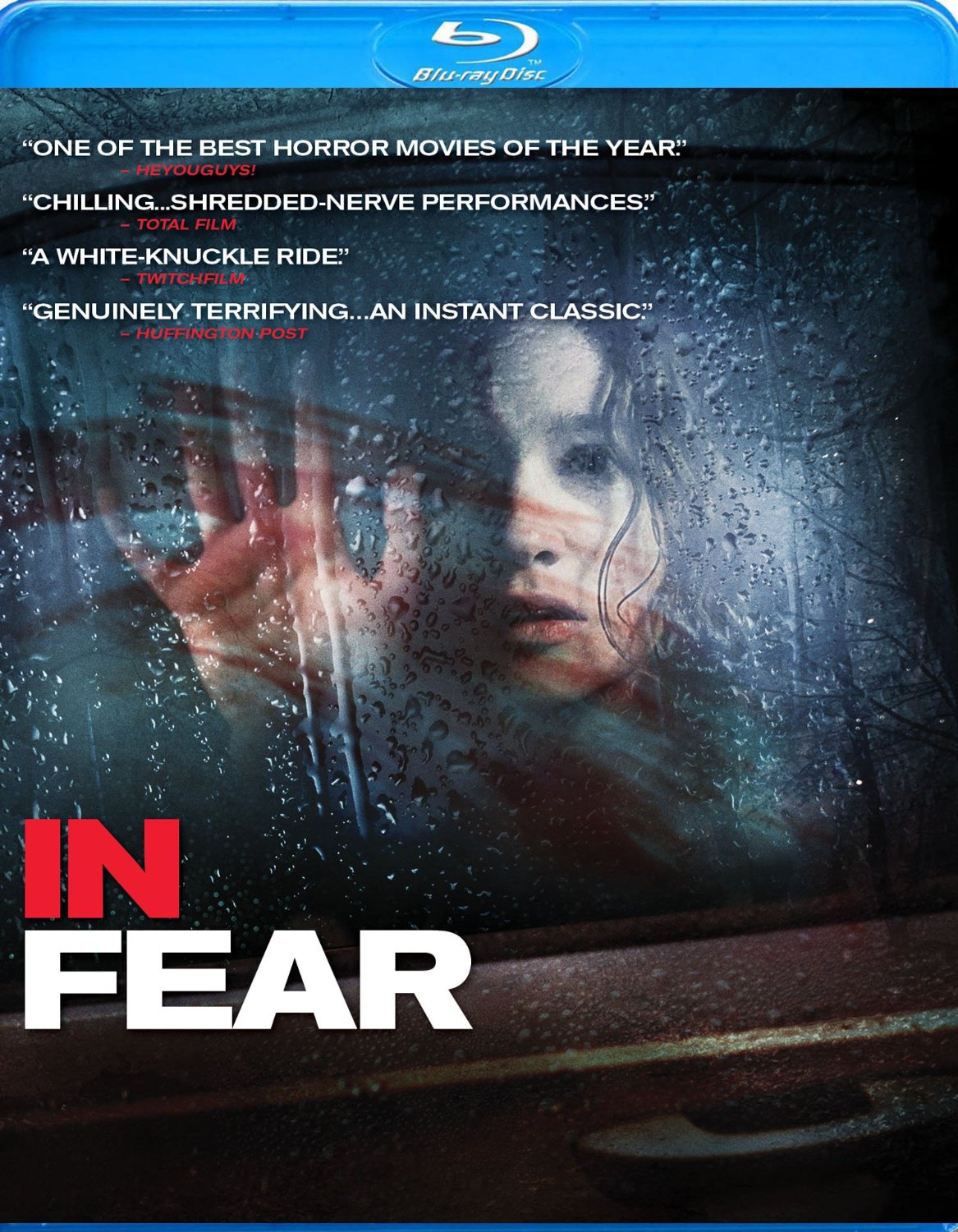
When you are first getting into a relationship those first few weeks can be pretty awkward at times as the two of you get to know one another.  The decision to go on a road trip early on in a relationship is simply one of those gambles that can go either way, but if the trip goes well, then of course the future of this budding romance is all the more promising.  In Fear follows a couple that bravely decides to take a road trip together so they can see a concert; unfortunately for them, it’s the road trip from hell.

Gone With The Wind is the most popular film of all time still to this day if you talk about adjusted dollars. The Birth of a Nation was the most popular film of all time for a considerable time prior to that. Both films could be said to have a benign view of slavery and white supremacy, although it would be easy to use much stronger language than that. In most circles, both films have been considerably discredited due to this myopic view. Both films almost completely ignore or disregard the incredible cruelty of using human beings as a commodity for commerce.

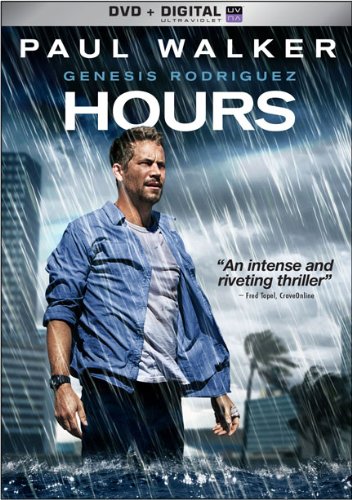
Paul Walker built his career on playing tarnished golden boys (Varsity Blues, The Skulls) before breaking out with the Fast & Furious franchise. He wasn’t as decorated as fellow recently-departed colleagues like Philip Seymour Hoffman, Peter O’Toole, James Gandolfini and Harold Ramis, but Walker was unequivocally a Hollywood success. Hours is one of the last films the actor completed before his November death in a single-car accident. The film quickly loses its way after a promising start, but Walker is easily the best thing in it. His work here is a bittersweet glimpse at the sort of roles he might’ve taken on as he progressed through his 40’s.

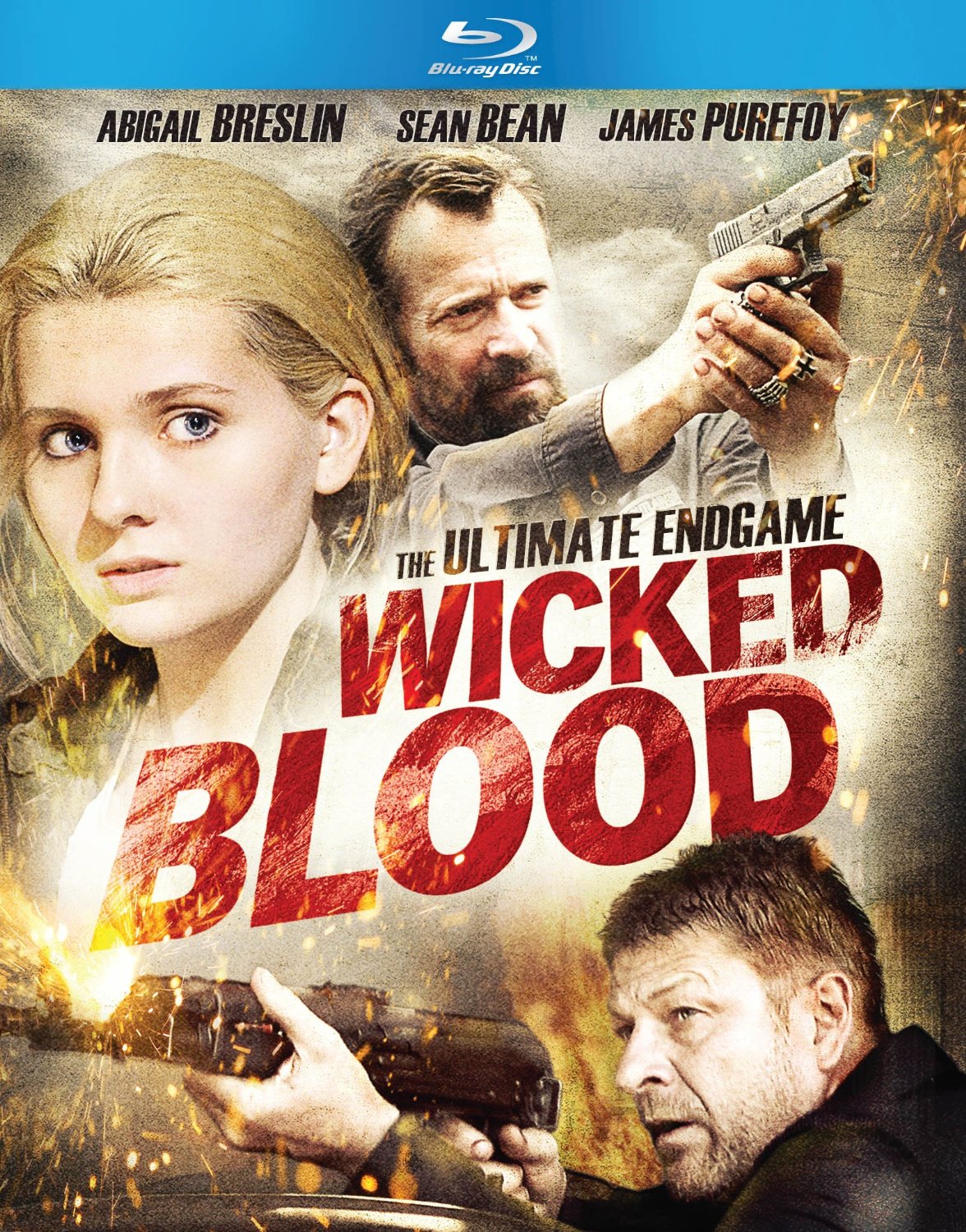
There’s a pretty good, southern gothic tale buried somewhere in Wicked Blood. Unfortunately, writer/director Mark Young isn’t quite able to extract it. Instead, we get a somewhat overqualified cast acting out Young’s down-and-dirty story of meth, chess and bikers that is exactly as messy, baffling and oddly intriguing as that description makes it sound. The film opens with a literal bang: we see the explosion of a shabby trailer. We don’t know who is inside, but we see a young girl stoically watching the flames from the outside.

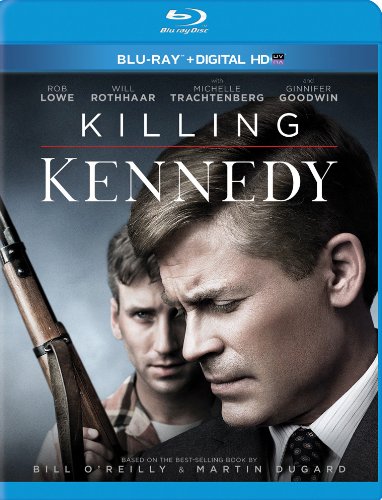
"His name is Oswald, Lee Harvey Oswald."

Before November 22, 1963, that name was an obscure one, known only to a few people in the intelligence community who had him under surveillance for his communist leanings. But by a little after noon on that date in Dallas, Lee Harvey Oswald was suddenly one of the most infamous names in American history. He would share the stage with the likes of John Wilkes Booth