Studio

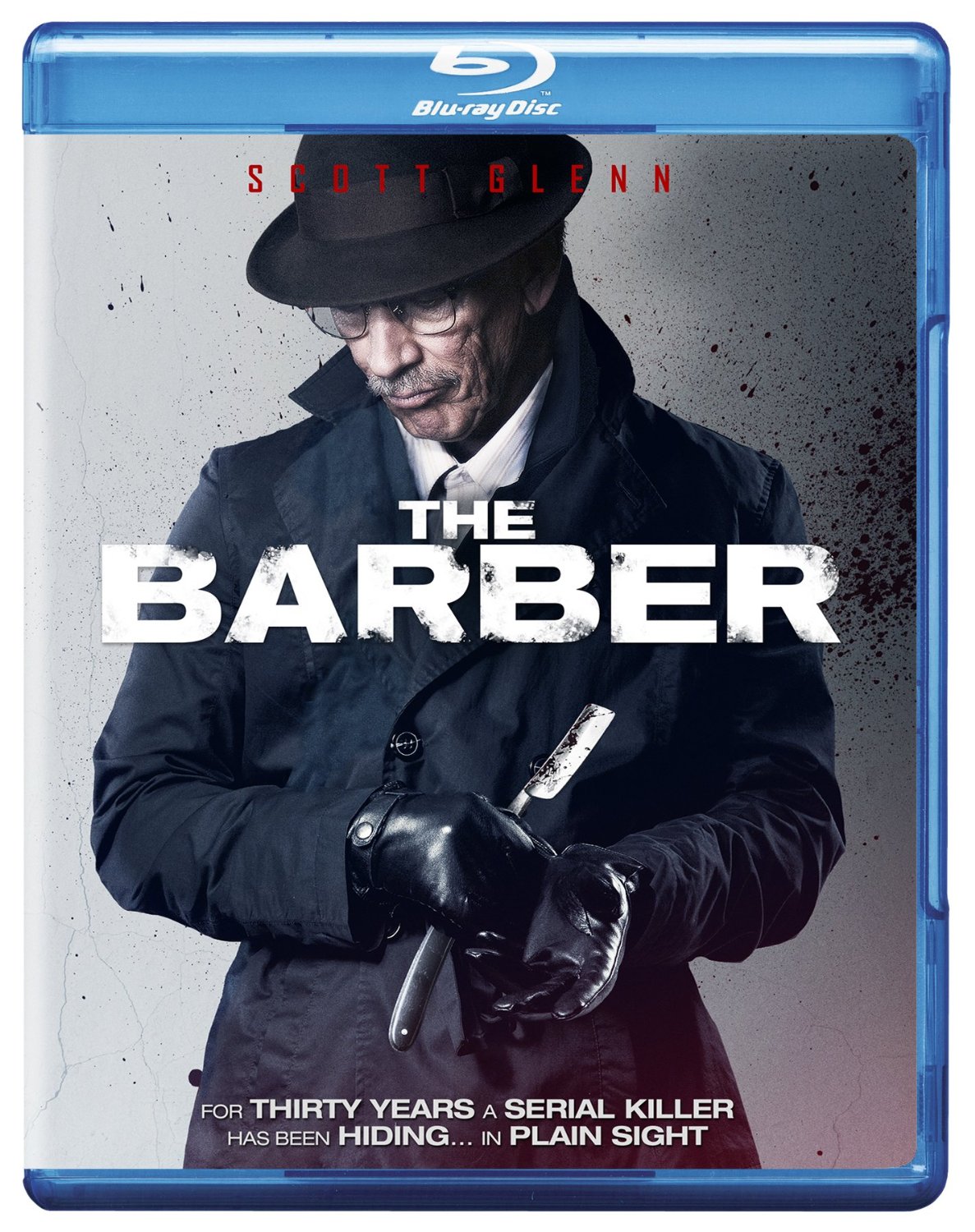
"It's the guy next door, guy who sits too close in the theater, maybe even at church. Plain, ordinary, the everyday man. That's the guy they should be afraid of. 'Cause they never see him coming." 

Or maybe the friendly neighborhood barber. Max Enscoe's screenplay for The Barber appears to touch on those fears. We've all seen those interviews with neighbors and friends after a particularly heinous killer is finally caught. He was quiet. Always went to church.

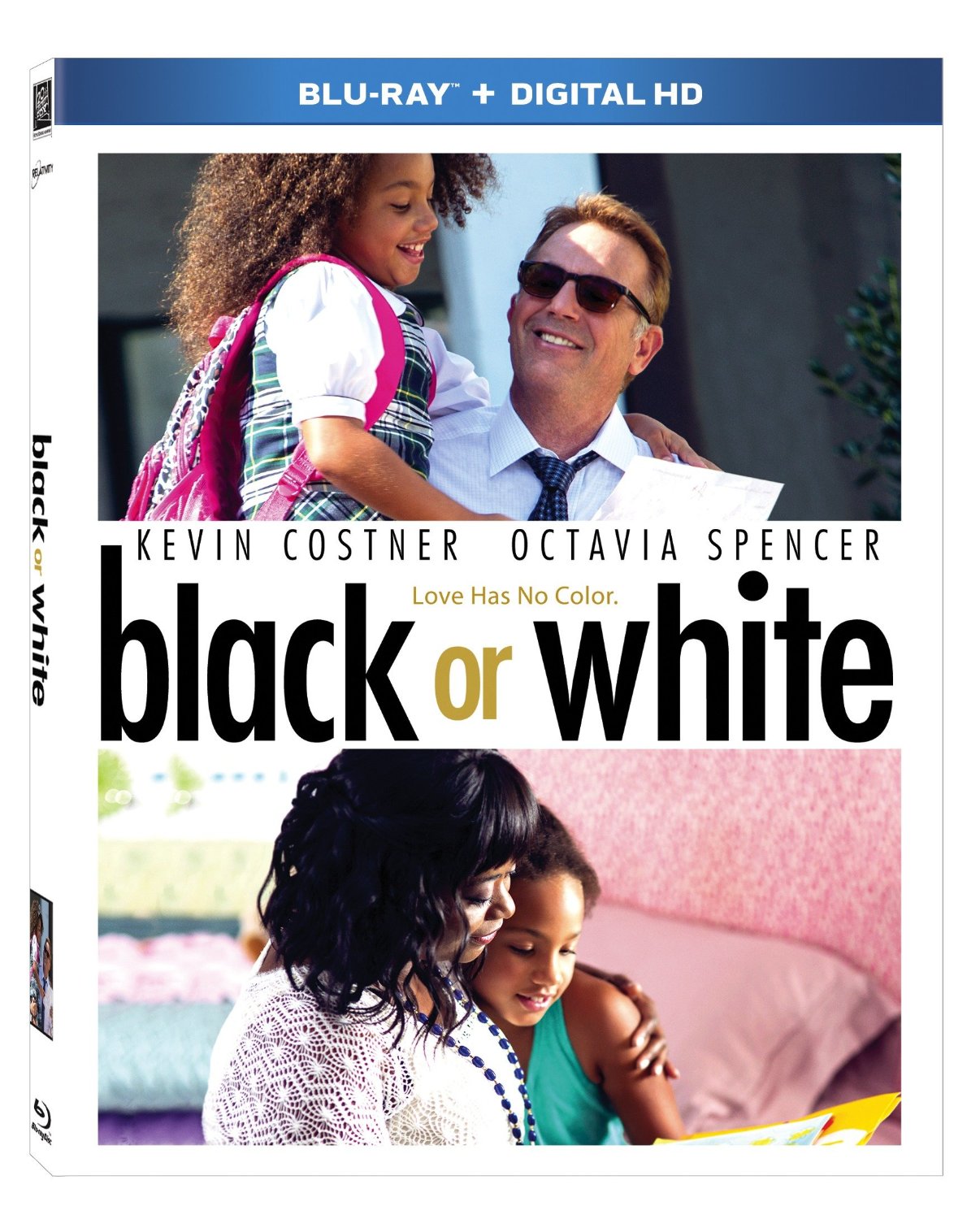
There are certain things that are obvious to some of us, and nobody wants to talk about them. All people are full of weaknesses that they then try to deny exist. People are people, but some people think they are better than other people. It seems obvious that we should all try to get over our hatred and be more accepting of all our differences and see how much alike we all are. Black or White is an important movie that comes in the form of a fun and heartwarming melodrama. The movie navigates through very murky and unexplored waters and comes out the other side triumphantly. There is no reason that these waters are unexplored except for the fact that everyone thinks everyone else is racist but never looks at themselves. There is lots of very ugly and violent racism, and then there is subconscious racism. The subconscious racism is harder to deal with.

Most people are guilty of this, because we all tend to put ourselves in smaller and smaller categories.

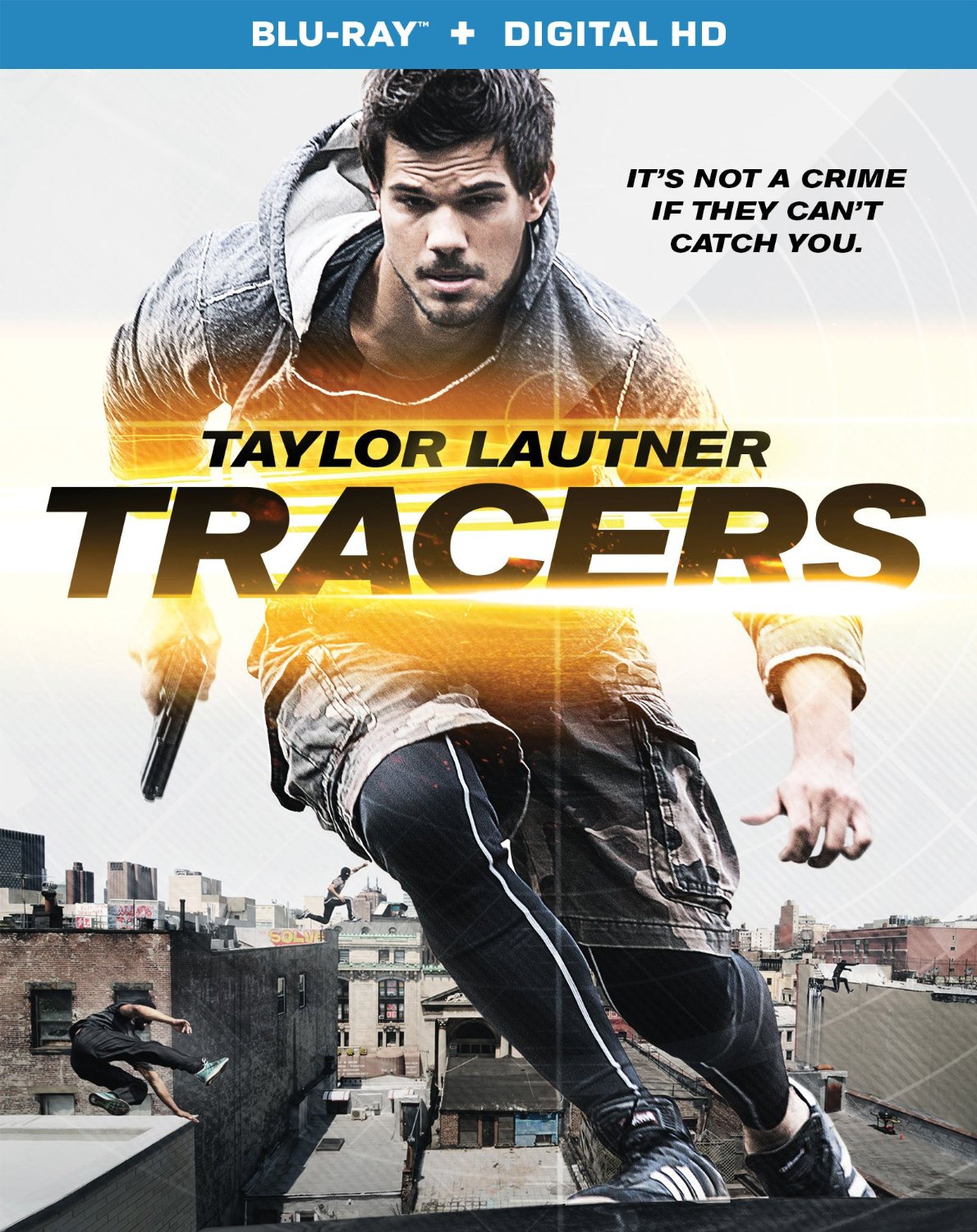
“It’s like being kids again. The streets are our playground.”

The above quote refers to parkour, the art and discipline of moving through urban spaces that was popularized in France. French practitioners of parkour are called “traceurs,” which gives this totally clichéd, consistently ridiculous, but occasionally breathtaking action flick its title. You’ve seen the plot before (many times), but Tracers still vaults itself above the straight-to-DVD pack thanks to its freewheeling free-running sequences.

“Too much time alone, you get stuck up in your head. Your brain becomes a maze.”

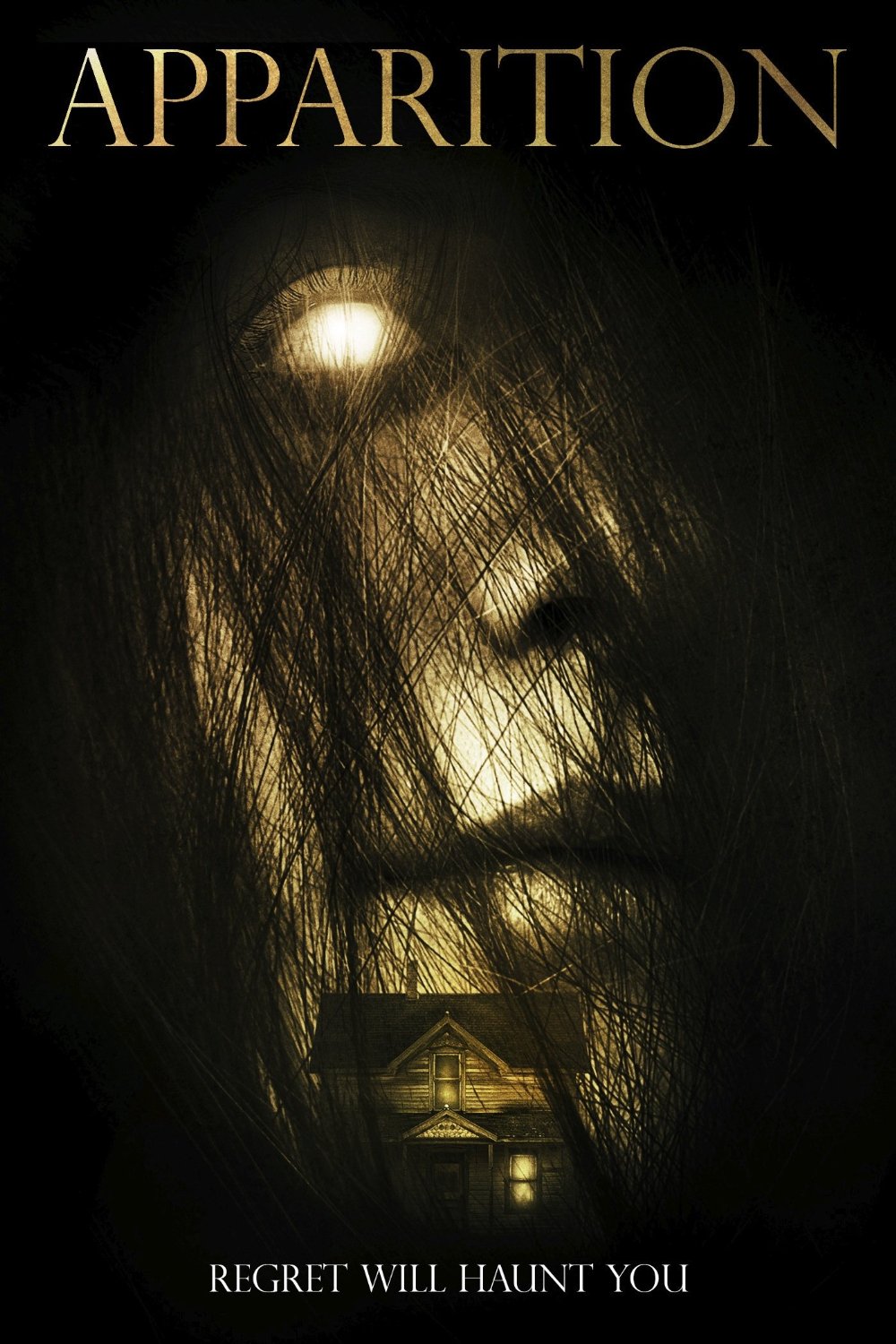
The most important thing you need to know about Apparition is that it’s not a horror movie. (The second most important thing you should know is that this is a different film from The Apparition, which is one of the worst movies I’ve seen during my three-year stint writing for this site.) Yes, there’s a haunted house, cranky spirits, and an abnormally high number of jump scares. But at its heart, this low-budget thriller is a drama about dealing with the grief of losing a loved one.

"An early computer command that sent the machine into a race condition, forcing all instructions to compete for superiority at once. Control of the computer could not be regained."

That command? It's Halt And Catch Fire. Television is very much like that. So many shows out there are competing for your attention. Even on the same network there's often competition for the resources of the studios and the sponsors who provide the paydays. Now AMC has added another original series to compete for your attention...and precious time. You guessed it. Halt And Catch Fire. Does it work? Let's find out. 

Prior to picking up this title from UpcomingDiscs headquarters, The Book of Negroes was a complete unknown to me on several levels. I wasn’t aware of the six-episode miniseries that aired on BET earlier this year, nor had I ever heard of the book of the same name by Canadian novelist Lawrence Hill. Even worse, I was completely unaware of the real-life historical document that served as the inspiration for Hill’s book and this miniseries. So while The Book of Negroes is buoyed by solid storytelling and capable performances, my favorite thing about it is that it shone a light on a part of history that hasn’t totally gotten its due in pop culture.

“I knew from a young age I would be a…storyteller. I would see, and I would remember.”

“I need to know what you are worth when I leave you nothing.”

These are the parting words that Jim Bennett (Mark Wahlberg) is left with from his dying grandfather.  At first these words may seem a bit harsh, but the more time we spend with Bennett we start to understand the grandfather’s intentions.  The Gambler, a remake of the 1974 film with same title, follows Bennett along his downward spiral as his gambling addiction drags him down to the point where death is imminent, yet death seems to be the escape Bennett so desperately craves.  In other words, this is not exactly the film you watch to get into the holly jolly spirit of the holidays. 

"You do know the combination, don't you?"

It's a Taken film, and the third one in the series. You should have the ingredients down by now. Let's run through the checklist, shall we? You've got your daring escapes, check. You have some awesome car chases with a lot of mashed-up metal, check. You've got some torture, of course. Waterboarding is in these days. You have the standard carnage level, check. And check. It's all there, but credit the folks behind the franchise for finding ways to deliver every last drop of the expected stuff and still turn the third part of a trilogy on its head enough to make it more interesting than the previous two films. Or were you expecting pretty much more of the same?

Inherent Vice is the kind of movie I personally love to watch over and over again, partly because it is always tantalizing you with content that you can't quite get your head wrapped around. Almost anyone would want to see this more than once, even if only to make sure they weren't stupid for not connecting all the dots. The film has a classy, fun pedigree combing the talents of Paul Thomas Anderson and Thomas Pynchon. Paul is the beloved director of modern classics like Boogie Nights, Magnolia, and There Will Be Blood. Thomas is the novelist of unfathomable masterpieces like Gravity's Rainbow and V. Both are titans in the cultural zeitgeist of the academic and the bohemian. They both are supremely confident to put together a plot that flies high above our heads. It is also a detective story, but the gumshoe or private dick in this case is a hippie. The story takes place in 1970 and is immersed in the smoke of the period. It is also immersed in a period authentic string of 70's tunes and wild psychedelic set decoration and groovy duds. It would be pointless to start to outline the plot, partly because the plot is beside the point. The point is to feel the vibe. To settle back, take a deep breath, and hold it in. Hippies are not likely candidates to be private eyes, but it is the perfect way to get a cross section of a time and place. This time and place is as foreign to us today as is Moses in the desert.

If I won't give you a plot, I will give you a cast of characters. Larry “Doc” Sportello (Joaquin Phoenix) gets a visit from his ex, Shasta Fay Hepworth (Katherine Waterson). She wants his help with a problem. Shasta is the mistress of Michael Z. Wolfmann (Eric Roberts) and he seems to be the target of a plot to get his money. Tariq Khahlil (Michael Kenneth Williams) stops by the dentist’s office where Doc works to give him a job, that also ties to Wolfmann. Our unreliable narrator, Sortelege (Joanna Newsome) seems to float through the story as character as much as a ghost. Jade (Hong Chau) is a sweet Asian hooker who helps out when she can, especially when trying to warn him about “The Golden Fang”. Lieutenant detective Christian F. “Bigfoot” Bjornsen (Josh Brolin) has a bit of a man crush on Doc when he isn't slapping him around and kicking his door in. Sauncho Smilex, Esq. (Benicio Del Toro) shows up to “help” Doc (but sometimes you're not so sure). Hope Harlingen (Jena Malone) hires Doc to find her dead husband, Coy (Owen Wilson). They are all mutual acquaintances of Shasta, who has also gone missing, as has Wolfmann. Deputy D.A. Penny Kimball (Reese Witherspoon) is involved because the F.B.I. is involved, but she is also Doc's current squeeze. A little later, we meet Dr. Rudy Blatnoyd, D.D.S. (Martin Short). He is a dentist but also the probable head of a heroine syndicate ensconced in a high rise that looks like a golden fang. Don't think anything I have told you is in any way a summary.

Despite being one of the most successful actresses in Hollywood for the better part of 20 years — Friends premiered in 1994 — it’s been all too easy to dismiss Jennifer Aniston’s big screen resume. Until recent sexpot roles in broad comedies (We’re The Millers, the Horrible Bosses two-logy), most of her hits (Bruce Almighty, Along Came Polly, The Break-Up, Marley and Me) were girlfriend/wife roles that didn’t stray too far from the Rachel Green mold. Cake made less than $2 million at the box office, but it’s also the first movie that made me excited about Aniston’s movie career.

“Are you always such a f---ing shrew?”