Studio

I’m starting to wonder if it is time we officially made a sub-genre for kidnapping films.  It’s a storyline that has been played out for decades but continues to offer up some engaging and oftentimes heart-wrenching tales that for the most part have happy endings but that seems to be a far stretch from reality, though I doubt audiences are looking for these bleak realistic endings and mostly prefer the Hollywood ending where everyone is rescued in just the nick of time.  When Prisoners came out, I had hopes that it would be a film that wouldn’t shy away from the harsh realities, and for the most part it succeeded, but I still felt it held back.

Even though one of the main characters in The Red Road is a police officer, the show's six-episode first season plays less like your typical cop drama and more like an extended profile of two strained communities. There's the fictional town of Walpole, N.J. and the Lenape tribe that lives in the neighboring Ramapo Mountains. While the show certainly touches on the tension between the two communities, too much time here is devoted to multi-generational family drama that we've seen before. In other words, the show too often neglects the things that make it unique.

“There’s no place on Earth with more magic and superstition mixed into its daily life than the Scottish Highlands.”

To build its slate of original programming, Starz has largely decided to look to the past. In recent years, the premium cable network has produced shows like Da Vinci’s Demons, The White Queen, and Black Sails, each of them (loosely) historical dramas with varying amounts of nudity sprinkled in. But it took a trip to the Scottish Highlands — and to the 18th century — for the channel to find its biggest hit to date.

"Remember when our biggest problem was which Mayan to kill?"

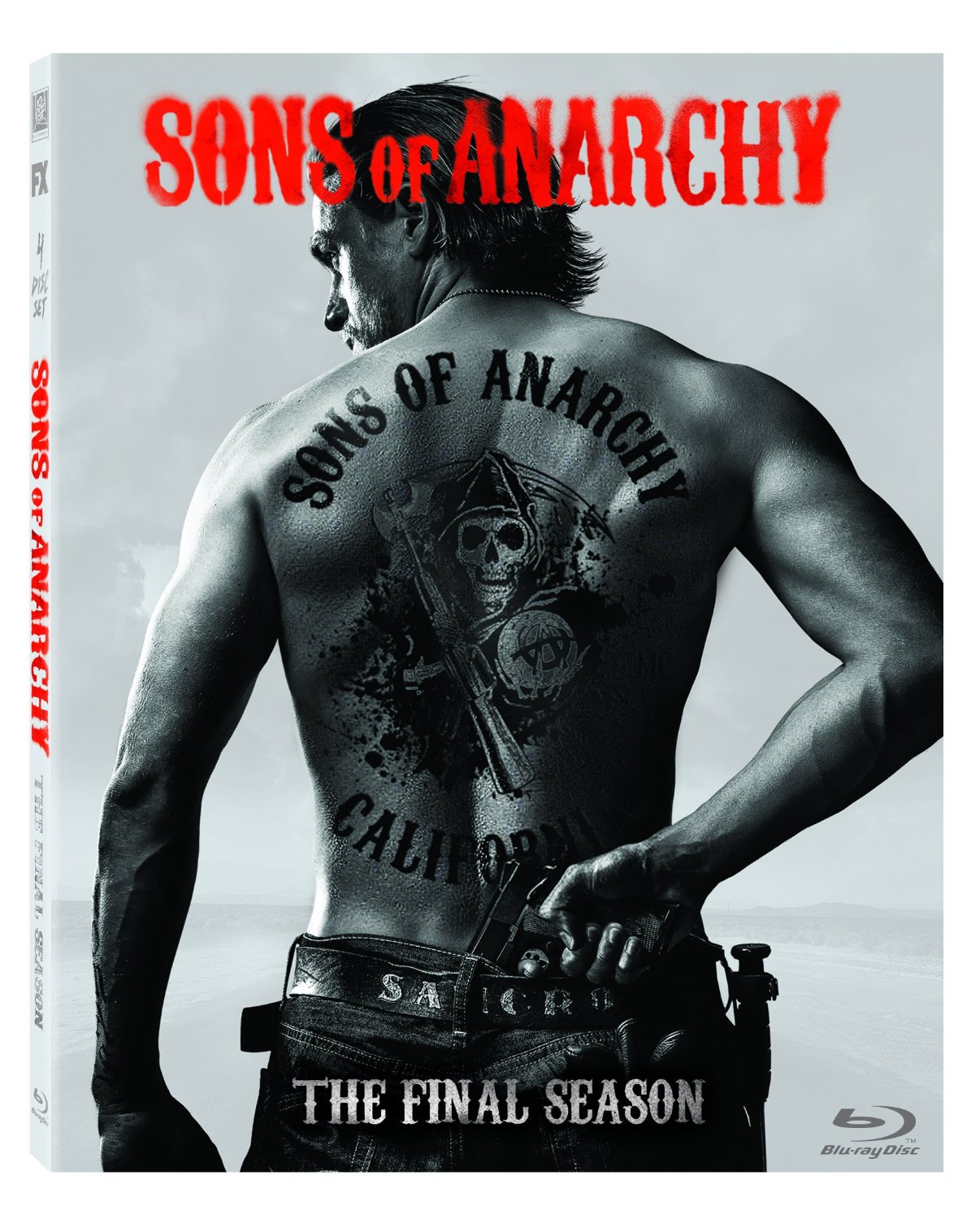
All good things come to an end, and all rides eventually reach their destination. It's all come home for the gang at Sons of Anarchy, and you can believe that if anyone is left standing when it's over, there will be scars. Kurt Sutter has taken the culture of the motorcycle club, don't call them a gang, and made it accessible to a regular audience. He did that not by attempting to overwhelm us with the iconography of the genre.

The cop here thinks he's The Bodyguard.”

At first glance, Beyond the Lights could easily be dismissed as an updated, less starry version of the Kevin Costner/Whitney Houston romantic blockbuster. Both feature a glamorous pop star falling in love with her strait-laced protector. But while The Bodyguard became a bona fide pop culture phenomenon, Beyond the Lights had a much less dazzling run in theaters, grossing just over $14 million. It’s a shame because the flawed newer film has some interesting ideas about celebrity, artistic integrity, and…black women’s hair.


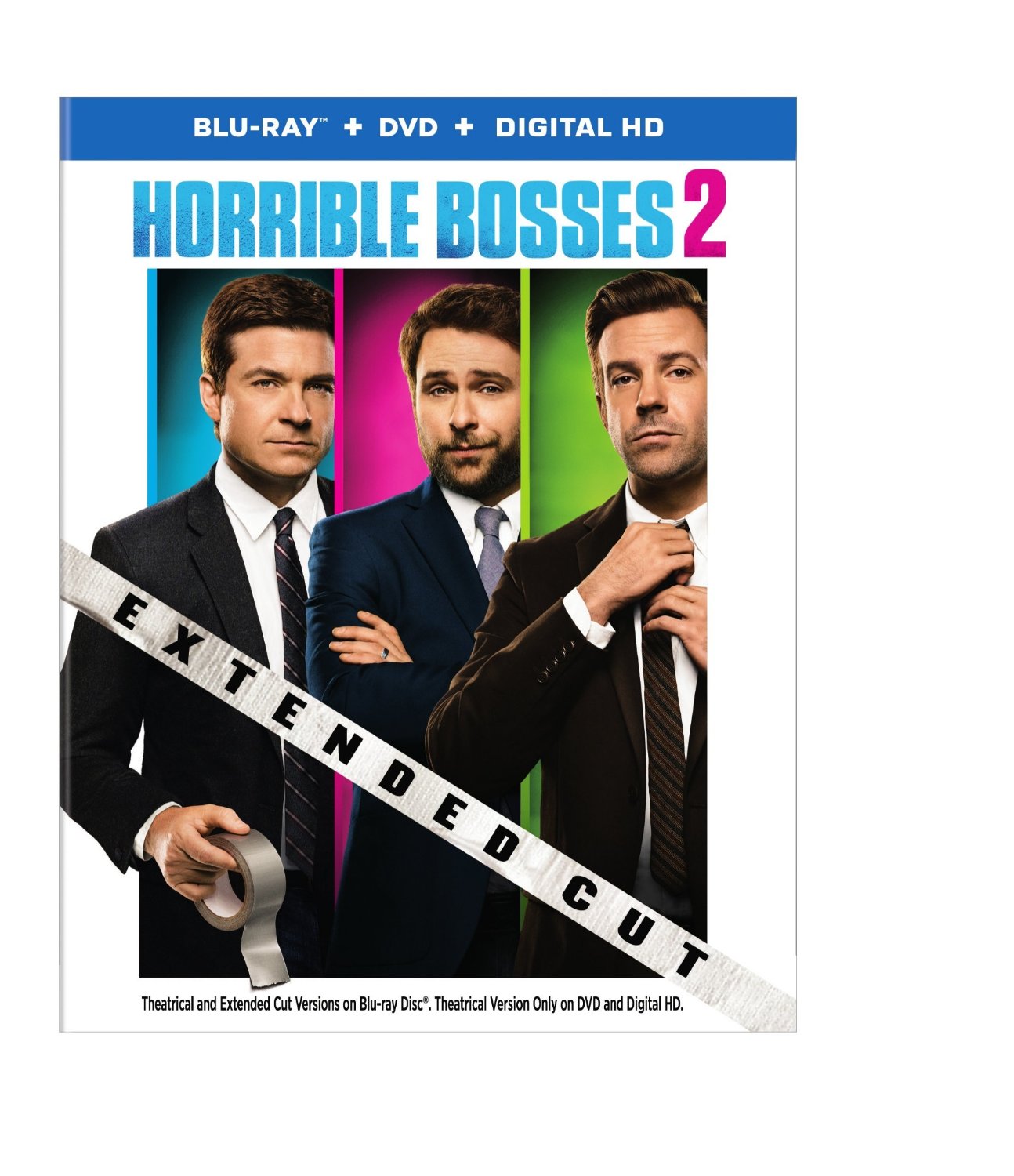
Despite being a fan of just about everyone involved with Horrible Bosses, I was more than a little disappointed by the first film.  It wasn’t awful or unwatchable by any stretch of the imagination, but I felt with a cast like Jason Bateman, Charlie Day, and Jason Sudeikis, it just should have been better.  But the movie gods have spoken and decided that the first film performed well enough that it deserved a sequel.  What worked for the first film was the idea behind finally having enough of your bosses and being pushed to the point where murder seems like a viable option.

"There's been some trouble with the women hereabouts...it's bad." 

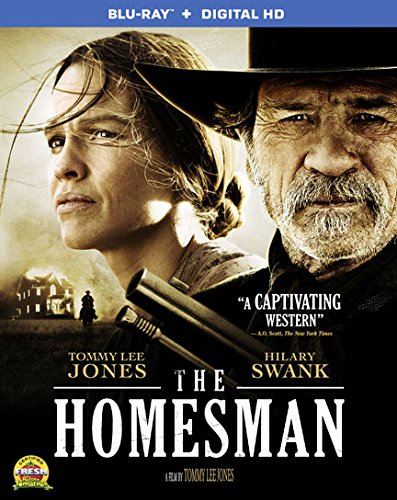
What exactly is a Western? That's the question that the cast and crew of The Homesman struggle with here. They appear to be divided on the subject, and the same sentiment will likely make this one a little harder to pigeonhole. That's not necessarily important except when it comes to marketing a film. An audience wants some kind of an idea what they're getting when they see it on the shelf of their local video store. Tommy Lee Jones wrote, directed and stared in this period piece, and he'd rather you not call it a Western. Others connected with the film are on board with the genre label.

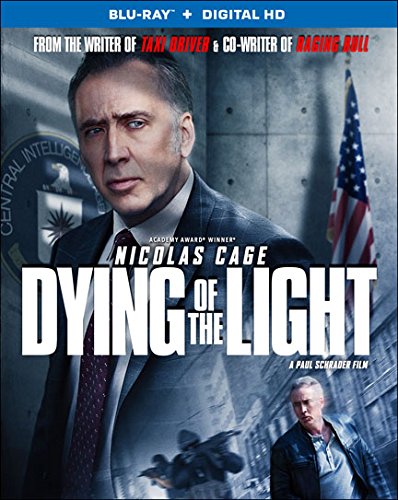
Sometimes in film the drama behind the scenes can be more interesting than the actual film we see up on the big screen. For writer/director Paul Schrader, having drama behind the scenes that effects the final project that we get to see is something he is more familiar with than he’d care to admit to.  The firestorm that occurred with the release of 2005’s Dominion: The Prequel to the Exorcist became so intense that the studio insisted upon a new director to come in and do extensive reshoots that subsequently led to the release of a separate film directed by Renny Harlin

“All men must die.”

The official tagline for Season 4 of HBO’s Game of Thrones also doubles as a helpful reminder of author George R.R. Martin’s no-character-is-safe philosophy. But even plastering that quote all over posters, promos, and the cover of this exemplary-in-every-way Blu-ray set isn’t likely to prepare you for the most devastating and thrilling season of a show that specializes in “devastating and thrilling.”

Why are you so hateful, Olive?”

Olive Kitteridge — Elizabeth Strout's Pulitzer Prize-winning novel —has been adapted into a four-hour HBO miniseries. It's probably the best possible outcome for Strout's story, which deals with the legacy of depression, along with several other box office-unfriendly themes that would almost certainly prevent any proper Kitteridge adaptation from sniffing a multiplex. The miniseries is well-made, and the acting is top-notch. The problem for me was that, even with that four-hour running time, we don't get a ton of insight into why the title character is so hateful.