Paramount

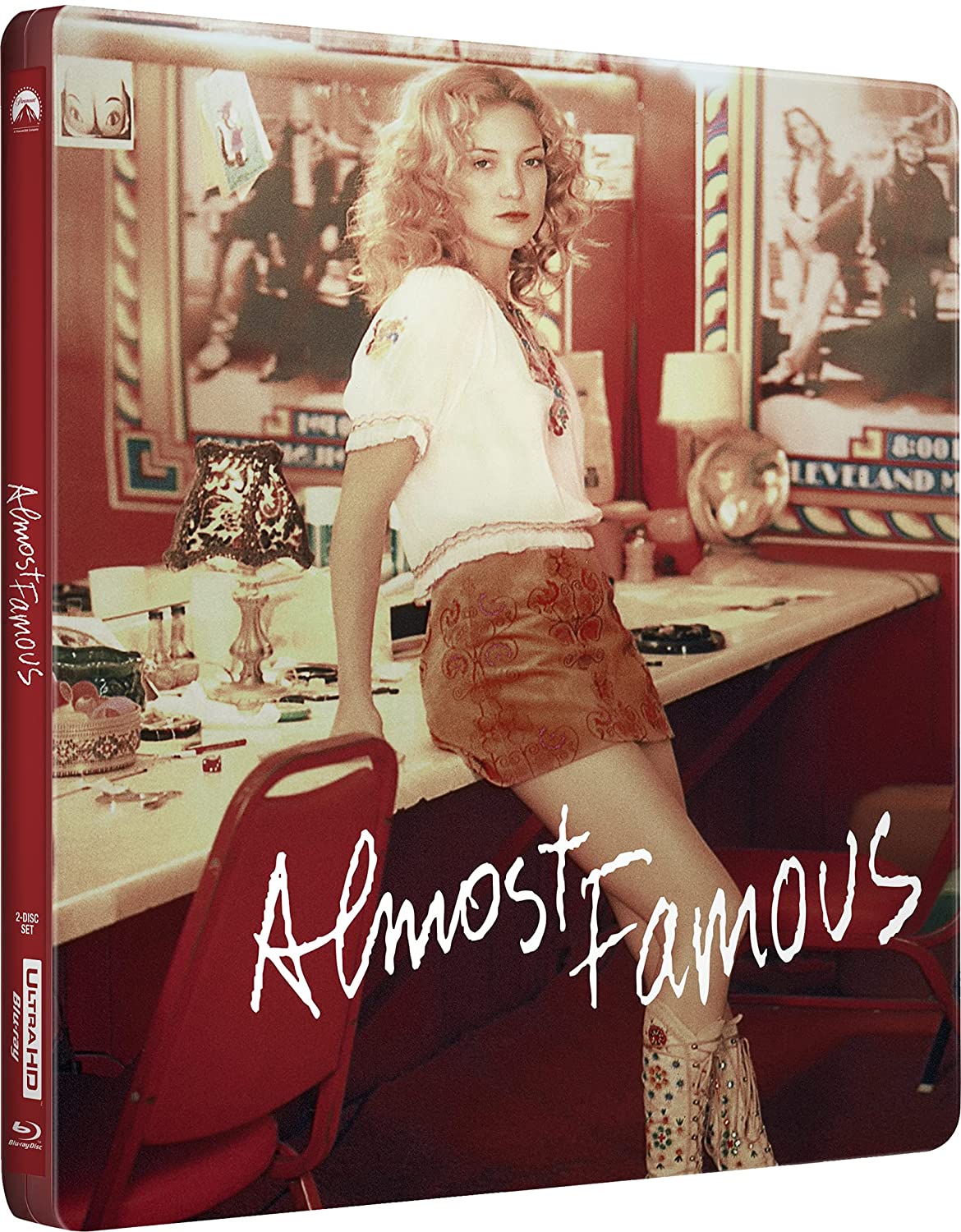
"Some people have a hard time explaining rock 'n' roll. I don't think anyone can really explain rock 'n' roll. Maybe Pete Townshend, but that's okay. Rock 'n' roll is a lifestyle and a way of thinking... and it's not about money and popularity. Although, some money would be nice ... And one of these people is gonna save the world. And that means that rock 'n' roll can save the world... all of us together. And the chicks are great. But what it all comes down to is that thing. The indefinable thing when people catch something in your music." 

It doesn't take much more than that little piece of dialog to understand that Cameron Crowe really gets what rock 'n' roll was once all about. If you need more proof than that, then you're in luck, because Paramount is giving you 163 minutes of proof, and for the first time in UHD Blu-ray in all the glory of 4K. Almost Famous is one of the best rock movies ever made. It's right up there with This Is Spinal Tap, but for very different reasons. The film captures that sweet spot in rock when the pioneers were still around and right before things became far more corporate. The early 1970's was the perfect moment of "the tour" and the rock star and The Cover Of The Rolling Stone. Cameron Crowe knows what all of that means, because he covered it for decades as a rock journalist. It's obvious he lived some of this stuff, if not all of it. And the hardest part was, he managed to put together just the right team of people to faithfully get it on film.

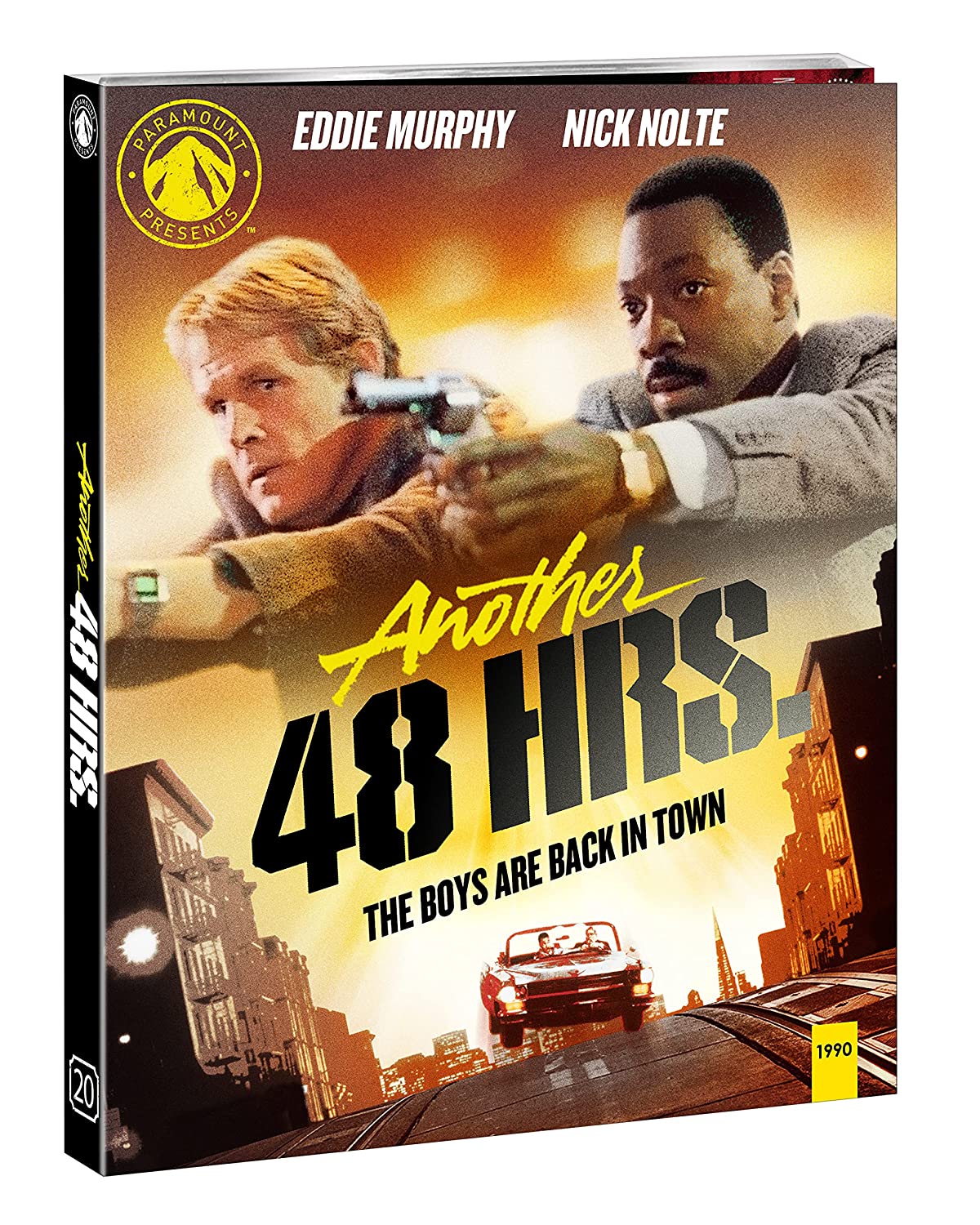
Bigger doesn’t always mean better. Eight years following the success of the first 48 Hrs film and the rise of Eddie Murphy’s stardom, Murphy came to the studio proposing to do a sequel, and they happily obliged him, allowing him to also produce it under his budding production company. Walter Hill had gone on to direct some successful films, but nothing like the box office success of 48 Hrs. Brewster’s Millions, Streets of Fire, and Red Heat are just of few of the films that stood out during this time for Hill, but the potential of another big moneymaker that could give him the clout to go on and direct more of the films that he wanted was the draw he needed. It was a paycheck movie that could have had potential, but with a rumored 30 minutes cut from the film just before its release on top of the 20-plus minutes cut down from the first cut followed by a rushed script to get the film into production, well, it’s no surprise that the film falls short of the first film.

This time around Jack Cates (Nick Nolte) is after this elusive criminal he’s dubbed “The Iceman”. He’s working on a theory that has this elusive criminal connected into some high-stakes drug deals. Unfortunately he has no proof this guy even exists. Just when he thinks he’s close, one of his cases points him into the direction of his old buddy Reggie Hammond (Eddie Murphy), who is recently a free man. Reggie happens to have a target on his back with Ganz’s brother, Cherry (Andrew Divoff), who is out for revenge and also Reggie’s money. Cates is also feeling the heat from an Internal Affairs officer played by the recognizable Kevin Tighe. The setup for the film isn’t bad; honestly, the film had some good potential, but everything just falls apart.

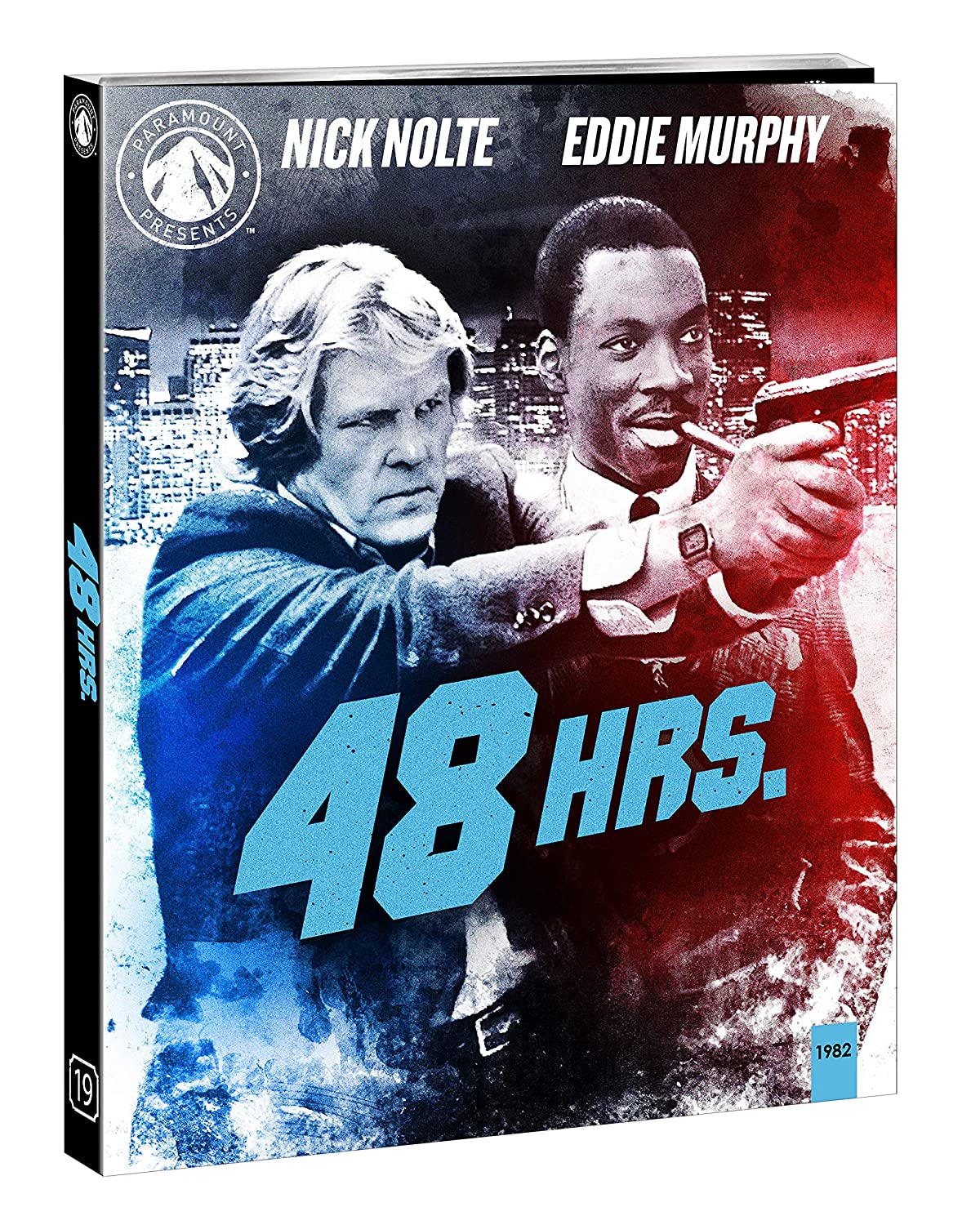
In 1982 when production was getting started on 48 Hrs, Walter Hill had plenty pf success with The Warriors, The Long Riders, and Southern Comfort, and many would think he was taking a bit of a risk by casting Eddie Murphy as the second lead of his film. Sure, Murphy would go on to be a giant success, but at the time of this film all he had was being a cast member of SNL. The gamble would of course be a success for not just Walter Hill and the film, but 48 Hrs would be the film that lit the fuse to a successful career that would launch Eddie Murphy into superstardom. The movie is a classic for more than just making a career for Eddie Murphy; it’s also the movie that remolded what the “buddy action” film can be by having the leads at one another’s throats while the bullets and fists fly. While this isn’t my favorite Walter Hill film (that number one slot will always be The Warriors), 48 Hrs. is a staple film of his career that I feel is required viewing for those who love 80s action films, or simply good films, period.

The film opens up with a fun “jail break”, Ganz (James Remar) is working a chain gang when his partner Billy Bear (Sonny Landham) comes to break him free. The big plan is for the two to make it to San Francisco, where they want to collect money that’s owed from a deal that went wrong, and then they will live happily on the lam.While these two may not be the smartest of criminals, they definitely rank pretty high when it comes to being vicious and lacking a moral compass when it comes to who they put a bullet into.  It’s the trail of bodies that gets Jack Cates (Nick Nolte) onto the case, especially when cops end up dead and Ganz nearly kills Cates with his own pistol.

“Bueller … Bueller …”

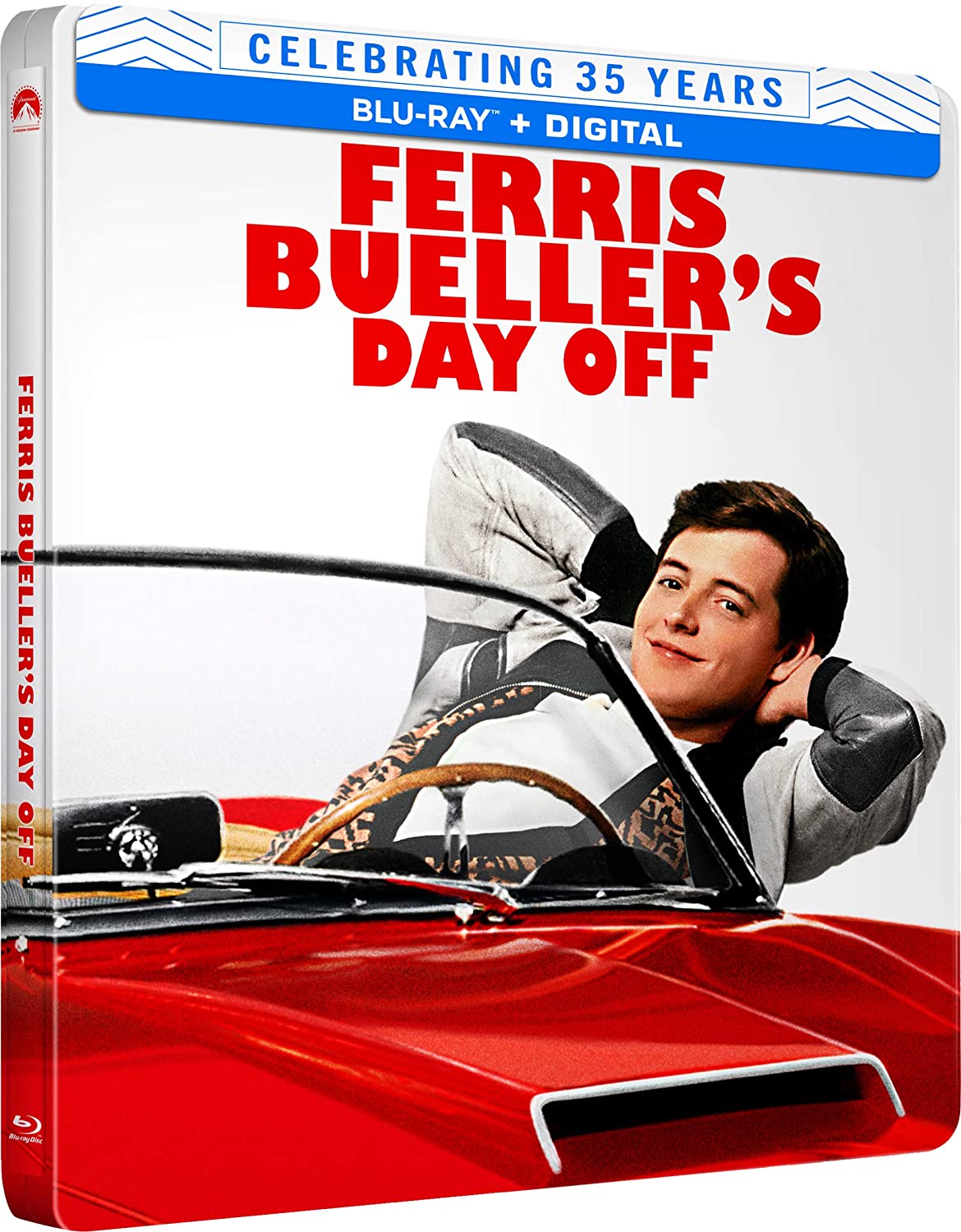
When it comes to the 80’s teen comedies, I think we can all agree John Hughes is the king, and I feel just about every kid who grew up during that time has a strong opinion on what the “BEST” John Hughes movie is. The Breakfast Club, Sixteen Candles, Weird Science, Ferris Bueller’s Day Off, and Planes, Trains and Automobiles are pretty much all classics that he wrote and directed, but that doesn’t count the numerous others that he just wrote. When I heard John Hughes died, it was a sad day, even though he hadn’t directed a film since 1991’s Curly Sue. I think we all were kind of holding out hope he’d be able to step back behind the camera one more time. As for my favorite film from Hughes, it’s without a doubt Ferris Bueller’s Day Off.  This was a film for which I had a VHS copy I had that watched just about every time I was home sick from school or faking sick (this seemed to happen more often). The film is basically the cinematic equivalent to mac-n-cheese comfort food for me. I know I’m not in the minority when it comes to being able to quote this film at random, and perhaps I can possibly blame it for wanting to jump onto a parade float and serenade the masses with some classic tune. But the film does, oddly enough, hit me a little deeper than all that.

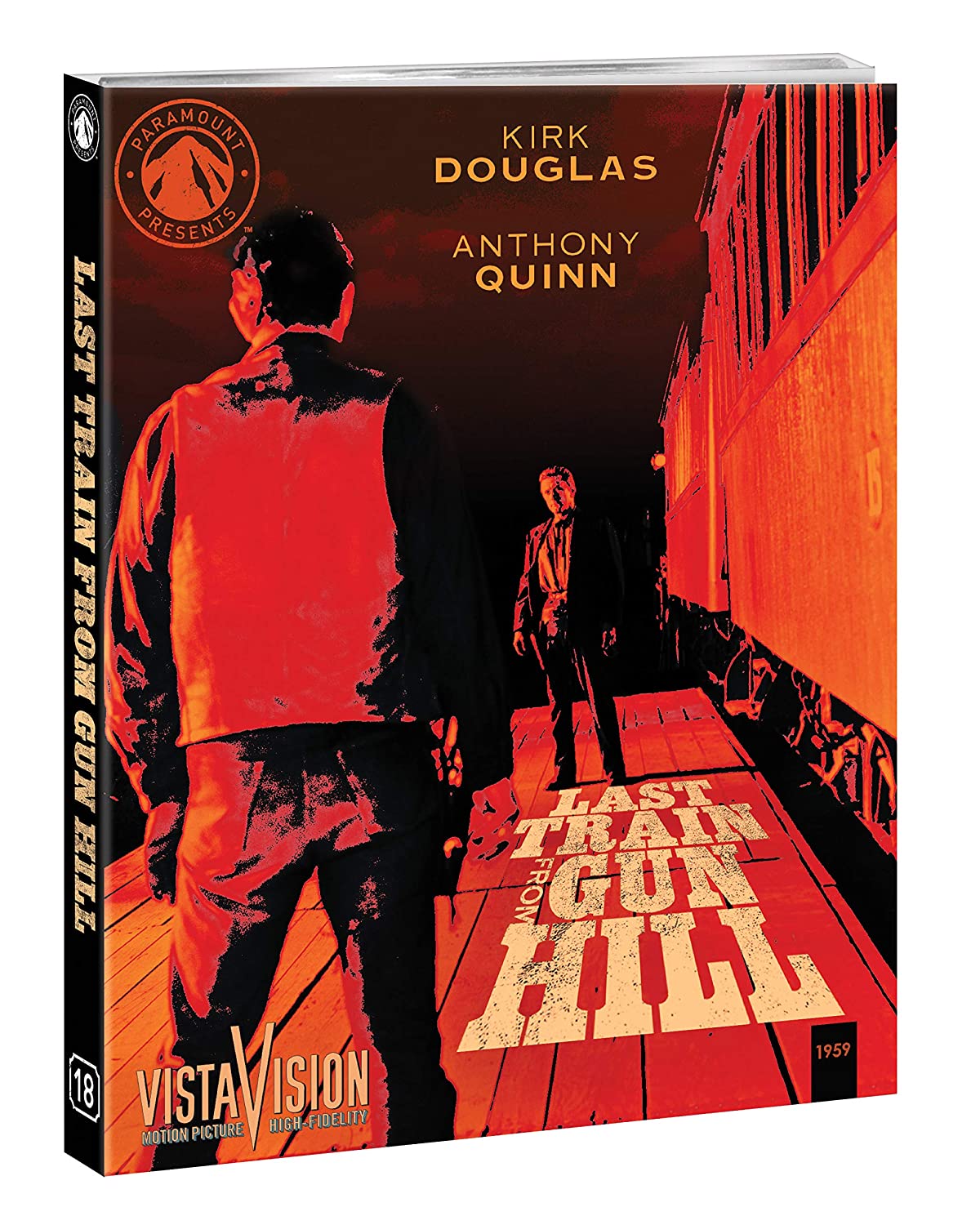
Long before super-hero films became the rage of American cinema, the Western was the original bread and butter that would draw in its audiences to flock to the silver screen. Hollywood cranked out so many Westerns I seriously doubt anyone knows just how many of these films were shot by the studios, not to mention the others that were re-cut with scenes inserted with new stock footage just to re-title a film and put it back out onto the screen.  There are some directors that elevated the genre, John Ford, Howard Hawks, Clint Eastwood, Sam Peckinpah, and then there’s John Sturges who is mostly famous for helming The Magnificent Seven and The Great Escape.  Sturges had a strong 30 year career directing and though he had a few misses when his films were good they were really good so when the offer came along to review one of his Westerns I hadn’t seen I was happy to jump aboard to review the Last Train From Gun Hill.

When Last Train From Gun Hill was made, Paramount studios had created a new style of film called Vista Vision, a flashy name and style to attract audiences to the cinemas.  Basically it was 35 mm film shot horizontally, this was a method that would later be used in 70mm to create IMAX film.  The quality of the picture when using the Vista Vision is incredible and it was pretty much the first thing I noticed while watching this films, the sweeping landscapes look more impressive and just about every shot looks fantastic here, cinematographer Charles Lang who had a successful run of films shooting for Billy Wilder does a incredible job with this smaller scaled western.  Sure the Vista Vision may have been nothing more than a gimmick but the look of this film is what immediately jumps out at me and reminds me of what audiences are missing from movies shot on genuine film.

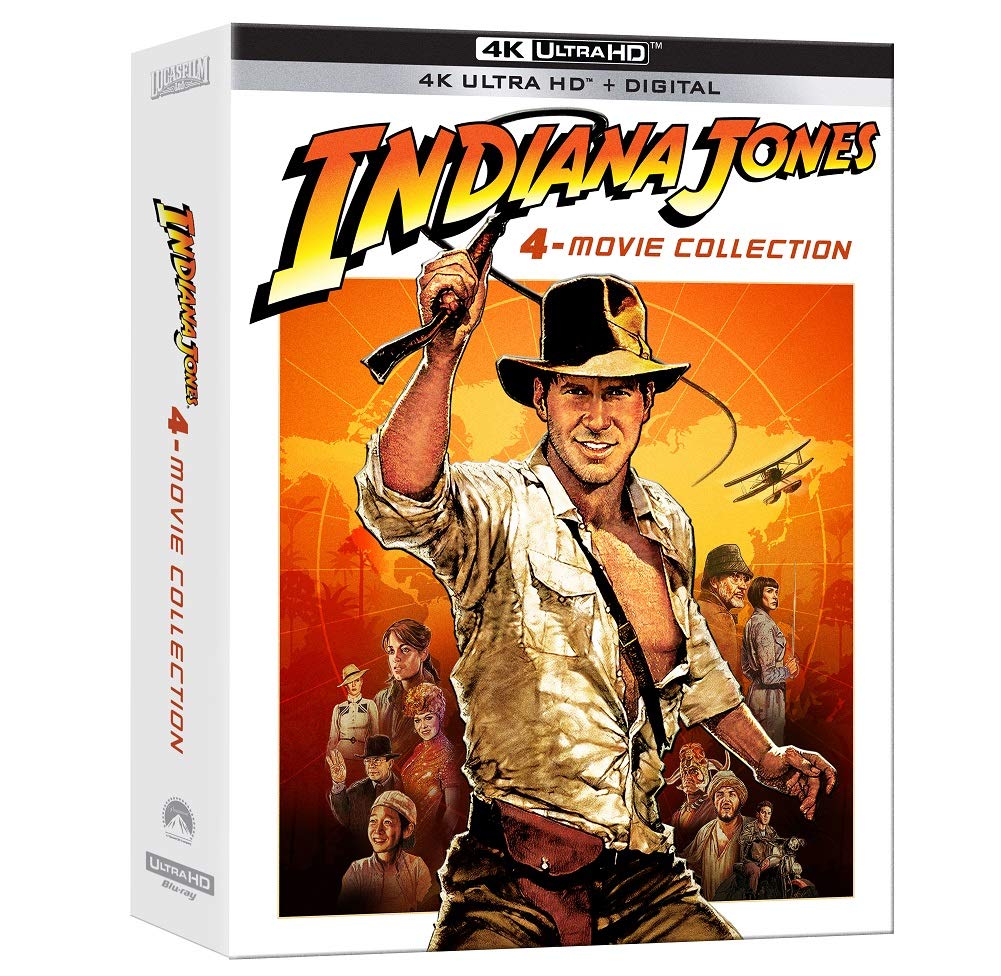
Just in time for the first days of shooting on the next and final Indiana Jones film, Paramount cashes in on the renewed interest with the long-awaited, at least from this reviewer, release of the first four films in the Indiana Jones franchise on UHD Blu-ray in full ultra high definition complete with HDR and Dolby Vision. OK, I lied about the long-awaited four films. Most of us have long-awaited two out of the first four films, but Paramount gets that. That's why the original Blu-ray release and again the 4K release doesn't give you the option yet to just pick the two you want. If you want Raiders Of The Lost Ark and Last Crusade in 4K, you're stuck with the other two. I'll take that deal, and you should, too. Here's why.

Harrison Ford was once the top selling actor in Hollywood. He owes this distinction in no small part to a couple of trilogies he did early in his career. While Star Wars might have been a chance for Ford to break out, Raiders of the Lost Ark and its sequels defined his abilities. Indiana Jones is the perfect hero. He’s strong, intelligent, and above all, moral. Unlike the stereotypical hero, Jones is also vulnerable, and at times flawed. Credit Steven Spielberg for the iconic stature Indy occupies today. Left to his own devices, George Lucas would have given us Tom Selleck as the cigarette-smoking, morally bankrupt Indiana Smith.

By David Annandale

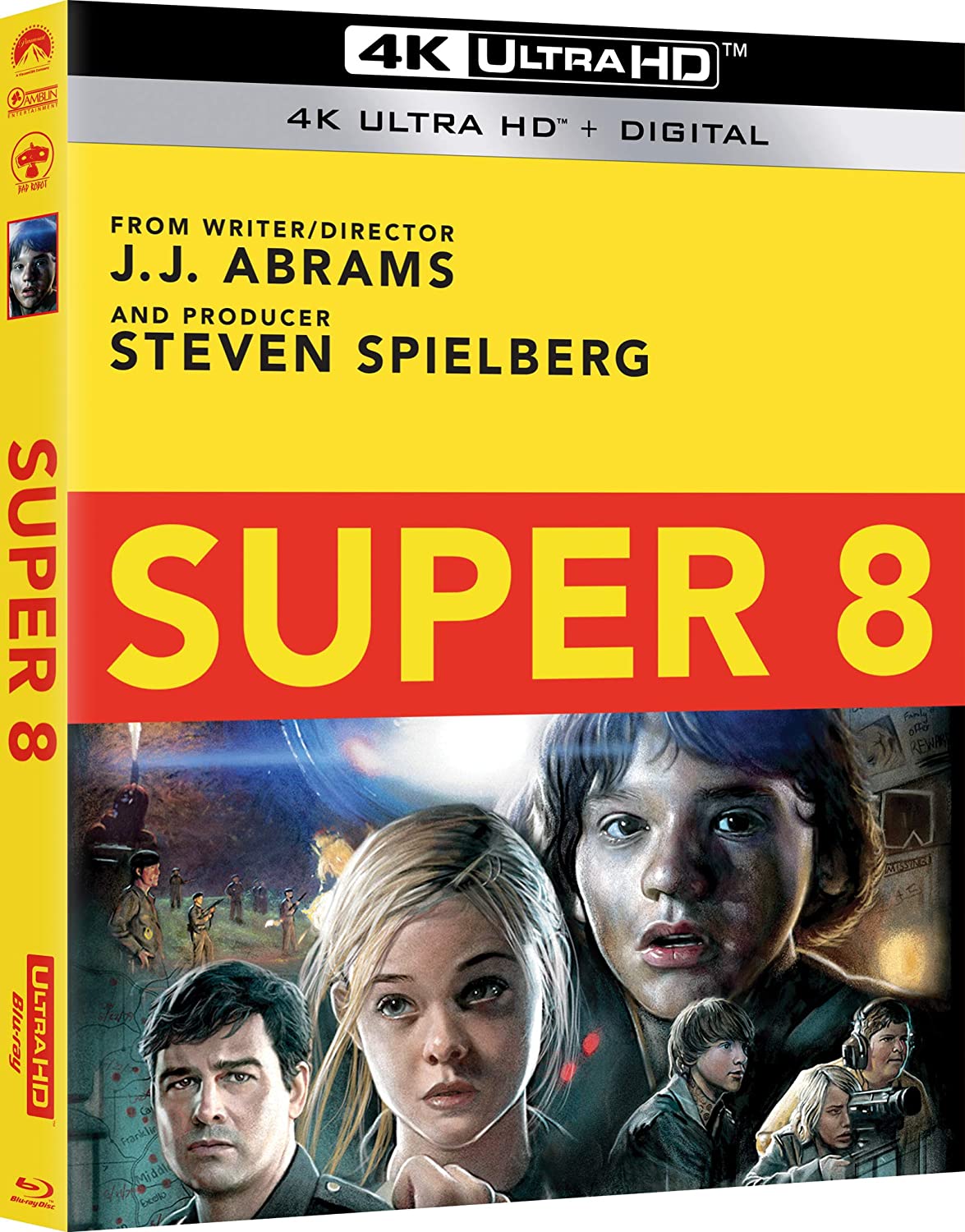
It is 1979. While filming a Super 8 horror movie, a group of young friends on the cusp of adolescence witness a spectacular train wreck. They later discover that they accidentally captured evidence that there was an alien creature on the train, and it is now loose in their small town. But if the mysterious disappearance of dogs, engines, and (increasingly) people wasn’t trouble enough, the military descends upon the community with an agenda far more merciless and inhuman than that of the alien itself. I was 12 in 1979, and I was shooting Super 8 monster movies, so I get the nostalgia that writer/director J.J. Abrams is going for here, and this is an utterly unapologetic exercise in nostalgia. Abrams is out to recreate the experience of a Spielberg movie from that era, and with the man himself acting as producer, the mission is accomplished. Super 8 plays like the Lost Spielberg Movie, with all the wonder, thrills, and sentimentality one would expect. There is so much here that works beautifully. The young cast is terrific, the dialog crackles, the effects are spectacular, and the creature is both menacing and sympathetic, like some unholy version of ET reworked by H.P. Lovecraft.

By John Ceballos

“She’s quite a common girl, very common indeed.”

"The theme of this picture is whether man ought to be ruled by God's law, or whether they are to be ruled by the whims of a dictator, like Rameses. Are men the property of the state, or are they free souls under God? This same battle continues throughout the world today. Our intention was not to create a story, but to be worthy of a divinely inspired story, created 3,000 years ago, the five books of Moses. The story takes three hours and 39 minutes to unfold. There will be an intermission. Thank you for your attention." 

A sure sign that Easter is just around the corner is yet another home video release of perennial seasonal favorite The Ten Commandments. In years past, we got the multi-disc edition, complete with original silent version of the film. This particular version is rather more stripped down, as far as features go, but it does mark the film’s debut release on UHD Blu-ray and in 4K.  Unlike previous editions, this one takes full advantage of the superior source material. The film was shot on 70 mm film, and that gives us an equivalent of 8K in today's resolution terms. And while this recent remaster doesn't take full advantage of that fact, it does amount to a 6K restoration that goes above and beyond the current specs of this release. No new extras are provided, and this version does not include the earlier silent film, but it's a must-have for completely technical reasons. You'll enjoy the improvement here, and you'll get to enjoy the film in a format that is the best resolution at which anyone has seen this film since the 1950's, and it was likely a very rare theater that actually projected the film at 70mm, if any actually did. It's the best this thing will ever look. Well ... at least until the eventual 8K release, and that's going to be ... never mind; don't want to break any of those commandments reviewing the film.

When it comes to Elizabethtown, I feel this is one of Cameron Crowe’s most divisive films.  Say Anything, Jerry Maguire, and Almost Famous tend to be at the top of people’s lists when they discuss their favorite films by the filmmaker.  Personally, Almost Famous is my favorite film by him, but Elizabethtown isn’t too far behind.  When it came out in 2005, the film seemed to get trashed by a lot of critics, but oddly enough, I didn’t care much about what they thought, Crowe at the time had a great track record for good films, and there was nothing that could sway me from seeing the film, except it was in and out of theaters pretty fast, so I had to see it on DVD.  It’s become one of my go-to films over the years, and I’ve found myself connecting to it more as I’ve been able to relate to various situations in the film (definitely not the near-billion-dollar fiasco Drew got himself in, thankfully).  Despite my love for the film, I can acknowledge it’s not without its flaws, so I’ll be as objective as I can be.

I’ll say right from the start my biggest complaint with the film is the story with Drew  Baylor (Orlando Bloom) working at a shoe company and being responsible for designing a shoe that will potentially cause the company to lose nearly a billion dollars.  For the most part Cameron Crowe is pretty good at creating relatable characters, but honestly, it takes a little time to warm up to Drew in this film.  He spends most of the first act brooding. The only time we see him smile is when he is successful in creating a bike he plans to use to kill himself, and that’s before he even finds out his dad has died.  I’m just simply not a fan of the first ten minutes of the film, but everything changes once Claire (Kirsten Dunst) enters the film. The use of “It’ll all work out” by Tom Petty and The Heartbreakers is one of the best uses of a song in relation to a character and to a story, and in this film music is so vital to the moments of the story.