AVC MPEG4

"Space...The Final Frontier. These are the voyages of the starship Enterprise. Its five-year mission: to explore strange new worlds, to seek out new life and new civilizations, to boldly go where no man has gone before!"

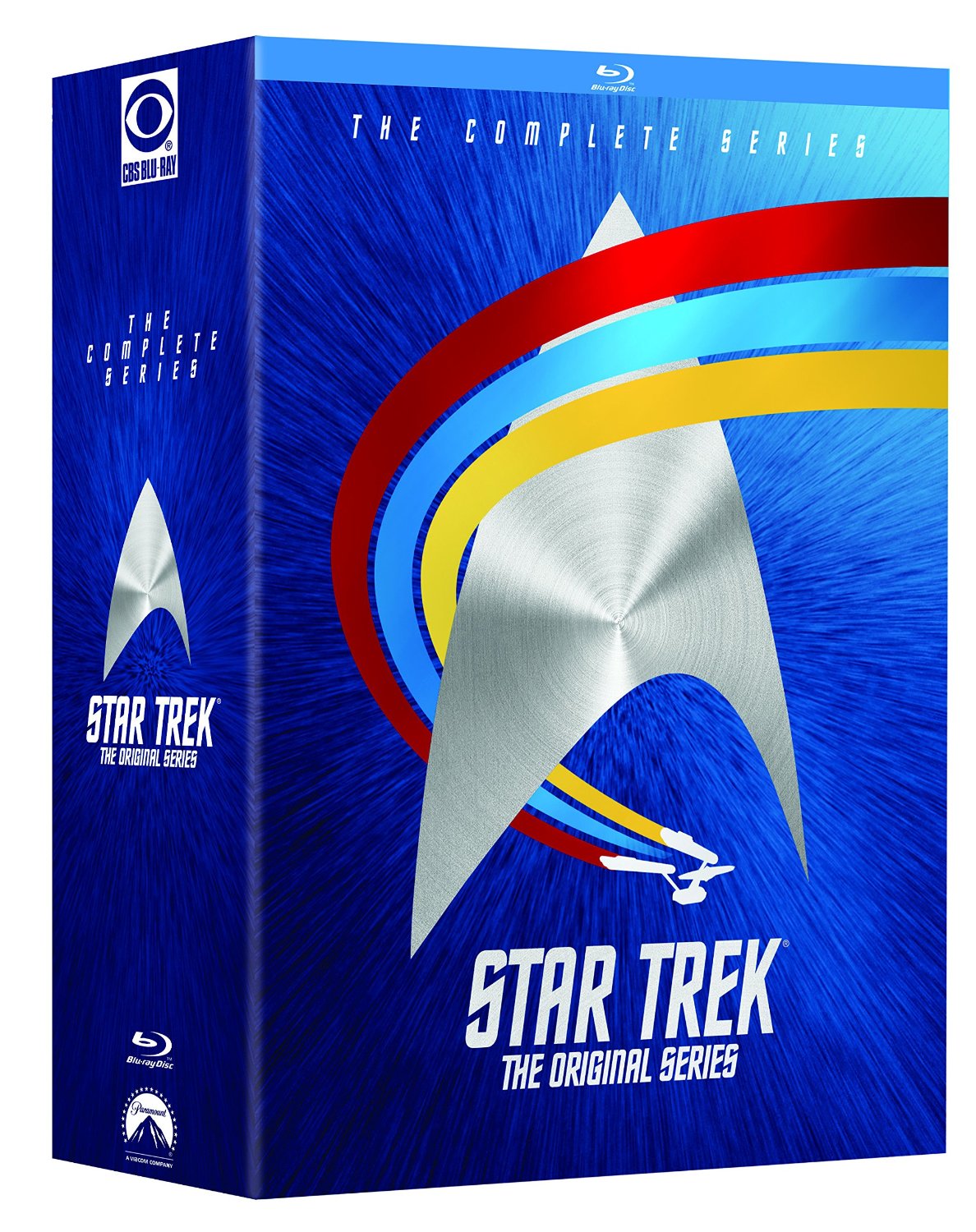
Paramount was bold indeed when they undertook the remaster project of the original series. Not only did they clean up the prints, but they took the decidedly risky option of redoing most of the f/x shots from the original prints. We all know just how cheesy the old work looked when compared to today’s computer abilities. You could see a box around spacecraft that allowed the obvious cutout to maneuver through a cardboard star field. There were often mix-ups where phaser shots would be used for photon torpedo commands and the opposite. The planets often utilized matte paintings that look somewhat ridiculous now. We forgave these flaws with a complete understanding of the limitations the crew had at the time. While Star Trek showed us computers that were remarkably similar to the PC’s we use today, down to the floppy drives of our own yesteryear, the use of computers to create f/x was still many years away. So Paramount decided to “fix” these “flaws” and make much of the show look like it might have had it been produced today. It was a serious risk because of the extreme possessiveness fans have for these kinds of shows. Just ask George Lucas how much fans like their sci-fi tinkered with. The project encompassed a few years, and the results are quite attractive. But how do they stand up for the fans?

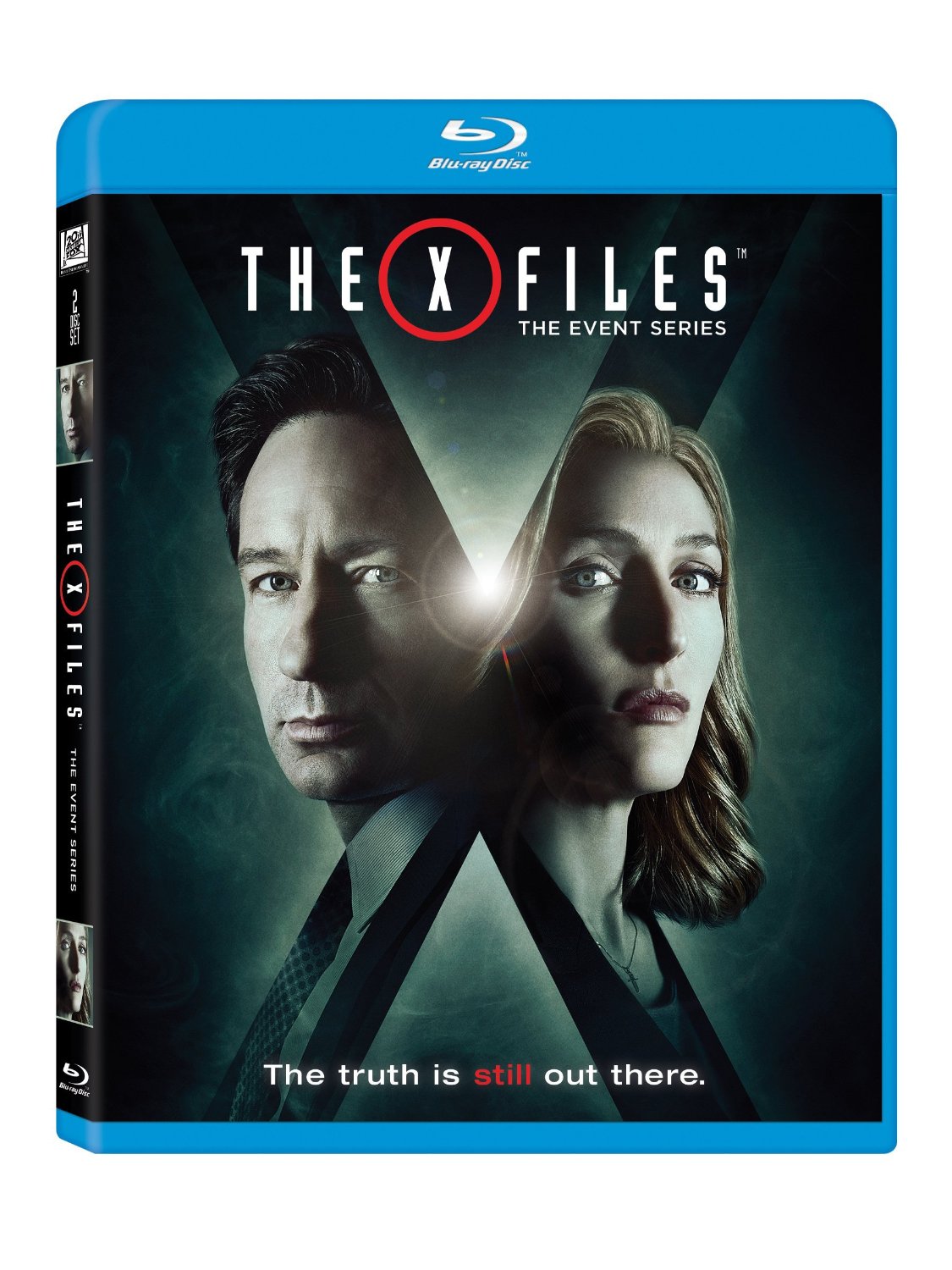
"My name is Fox Mulder. Since my childhood, I have been obsessed by a controversial global phenomenon. Since my sister disappeared when I was 12 years old in what I believe was an alien abduction. My obsession took me to the FBI, where I investigated paranormal science cases through the auspices of a unit known as the X-Files. Through this unit, I could continue my work on the alien phenomenon, and the search for my missing sister. In 1993, the FBI sought to impugn my work, bringing in a scientist and medical doctor to debunk it... which only deepened my obsession for the better part of a decade, during which time that agent, Dana Scully, had her own faith tested. In 2002, in a change of direction and policy, the FBI closed the X-Files, and our investigation ceased. But my personal obsession did not."

Just in case you don't know what the heck we're talking about here.

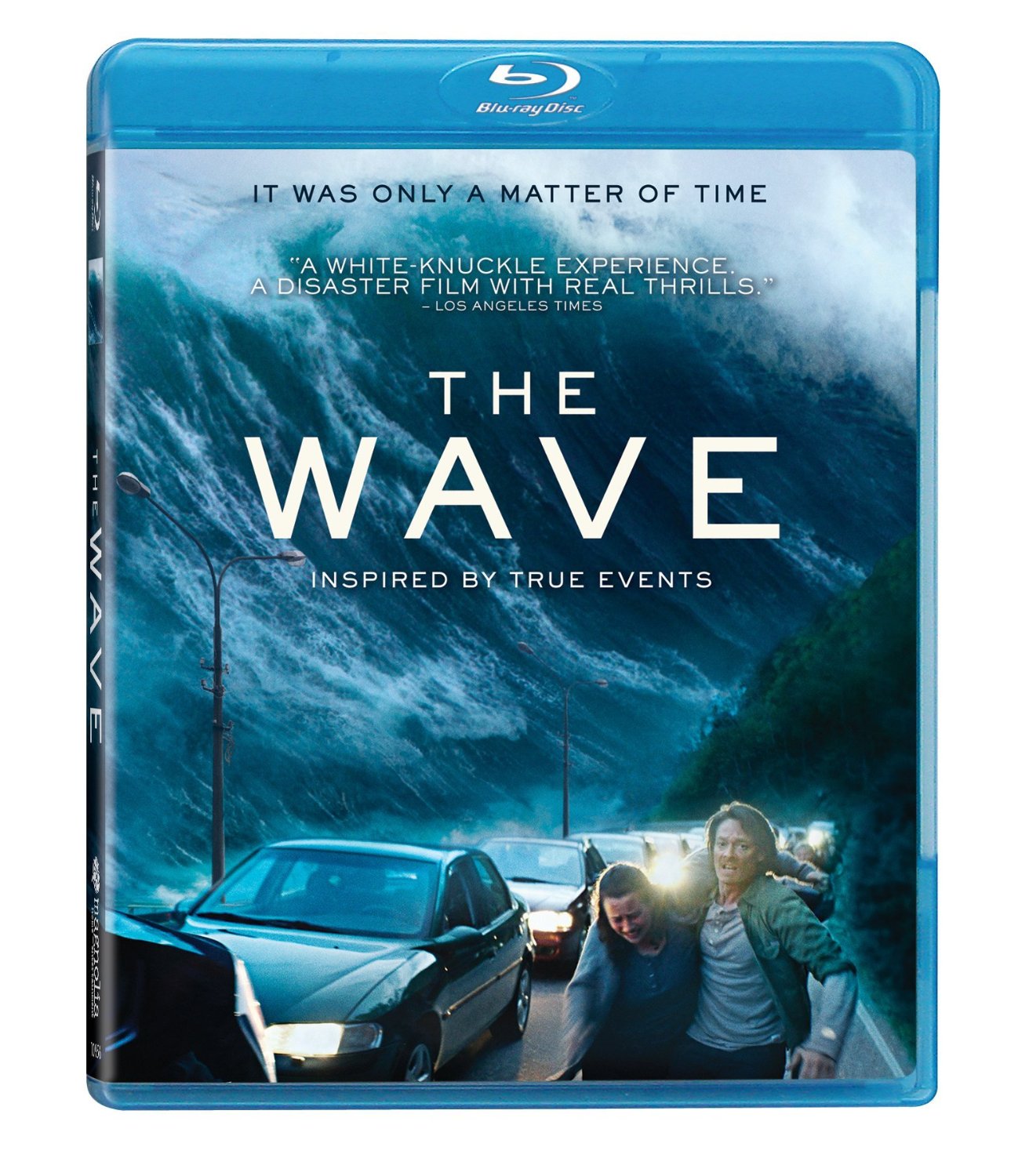
Disaster films are something that for me screams American cinema of the 90’s.  I know there were films before that had come out, but a good portion of my teen years of the 90’s were of the mega-blockbuster variety like Twister, Dante’s Peak, The Perfect Storm, and so forth.  Now we have The Wave, the first disaster film to come out of Norway, and from the looks of the trailers they were going for something BIG.  This is a film that comes out with so much potential and is a film that could even possibly find an American audience that could look past the fact that subtitles may be involved.  With the way technology has come along over the years, smaller countries have been able to produce films as big as anything released in our cinemas here in the states.  Now here’s the question: is it any good, though?

Welcome to the small mountain town of Geiranger, Norway.  It’s a quaint little town that attracts tourists with its isolation and beautiful landscape.  But having this little slice of vacation paradise comes at a price.  Geiranger sits in an area that has a lot of activity with the rocks moving beneath the surface, this movement geologists believe will one day cause a collapse of a mountain spilling into the fjord below which will create a massive Tsunami. Basically Geiranger is a town simply waiting to be wiped out by this massive wave.  This is where we meet Kristian (Kristoffer Joner), a geologist that has been studying Geiranger for years but is now moving away to the city for a “better job”.  It comes as no surprise that as he and his family are packing and ready to move that Kristian is troubled by recent recordings from around the area and has a feeling something bad is going to happen.  (One thing I’ve learned from disaster films, always listen to the nut job that believes the end is coming.)

“Ok, so hear me out…ever watch action movies?”

It’s clear that Canadian filmmaker Allan Ungar and practically everyone involved with Gridlocked have seen their share of action flicks. More specifically, this crew is out to recapture the raucous, rowdy, R-rated spirit of late ‘80s and ‘90s franchises like Lethal Weapon and Die Hard. While Gridlocked doesn’t come close to matching the wit or winning formula of those action classics, this straight-to-DVD effort still manages to be a pretty fun throwback.

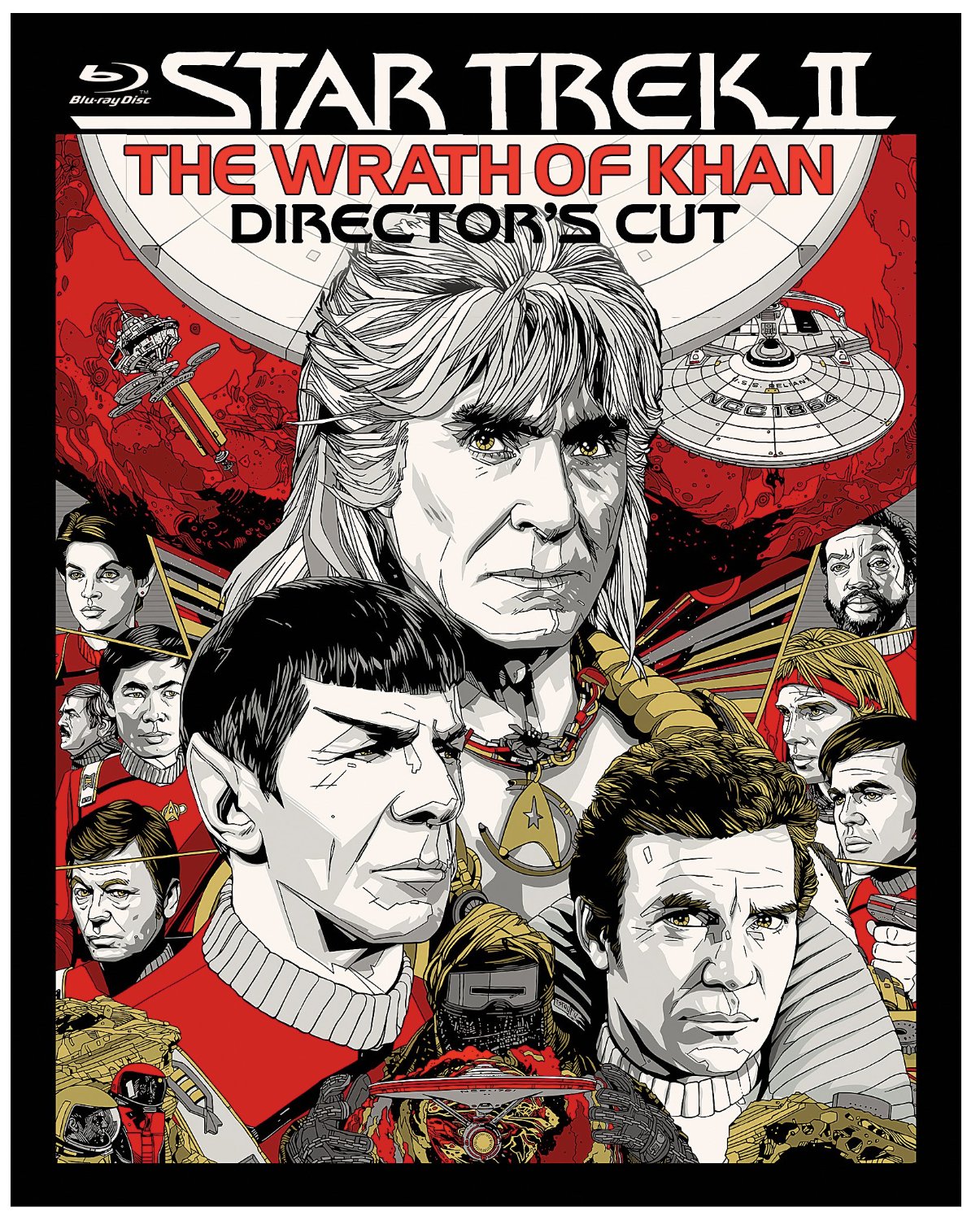
“He tasks me. He tasks me, and I shall have him! I'll chase him 'round the moons of Nibia and 'round the Antares Maelstrom and 'round Perdition's flames before I give him up!”

After its shortened three year run, it looked like Star Trek was dead and gone. A very short lived animation series was the first attempt to carry on. Before long it too was a thing of the past. Then something rather amazing happened. Star Trek found a home in syndication. The local television markets aired the shows in a somewhat edited form, and they were rewarded with record-breaking local ratings. It didn’t take long before Paramount saw the possibilities. By the mid 1970’s there were plans to bring the original crew back for a new television series. The development name for this show was Star Trek: Phase Two. Scripts were written, sets were designed and constructed, and all of the original cast except for Nimoy were on board. A new Vulcan science officer named Xon was added to the cast. The idea was that the new Star Trek would anchor a proposed Paramount Television Network. The network idea fell through, and Star Trek was in limbo. Then George Lucas came along with his space opera Star Wars. Fans were lining up for blocks to see the epic adventure. Science fiction had proven itself at the box office, and Star Trek was back on, this time as a major motion picture. Gene Roddenberry was back in the producer seat, and veteran director Robert Wise was at the helm. On December 7th 1979 I was in the Fox North theaters with seven friends from 10:00 AM until after 10:00 PM for an endless marathon of… But the film ultimately disappointed.

It's ok to be upset. We're all upset.”

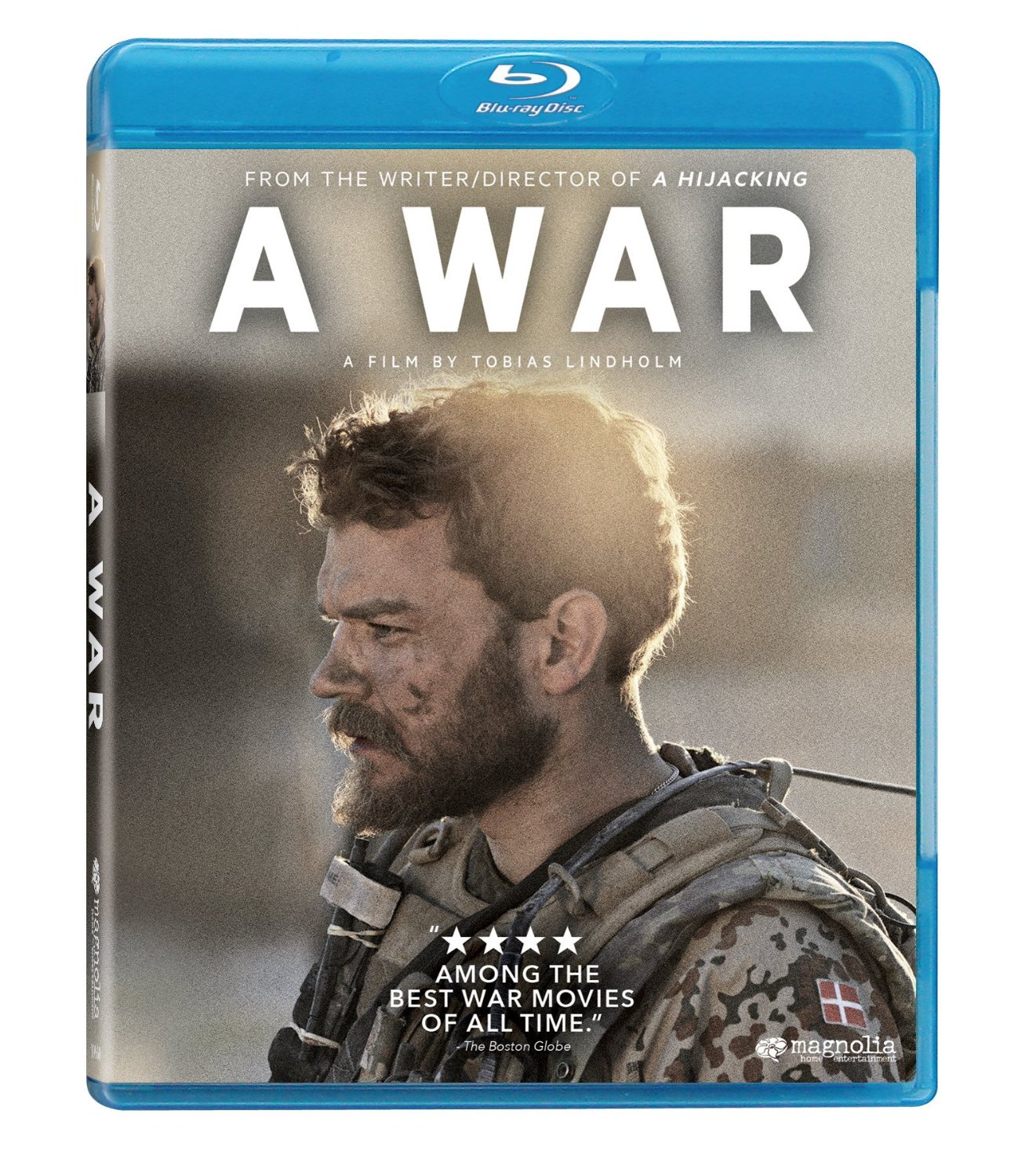
A War is about a Danish commander and his weary, overwhelmed young soldiers fighting the Taliban in Afghanistan. But besides finding a fresh angle to explore a conflict that has essentially been going on for the entire 21st century — Denmark sent nearly 10,000 military personnel to Afghanistan between 2002 and 2013 — this morally complex movie succeeds because it fully explores the toll war takes on everyone involved. In this case, that also includes the unfortunate civilians caught in between the gunfire and at least one weary, overwhelmed wife/mother back home with three young children.

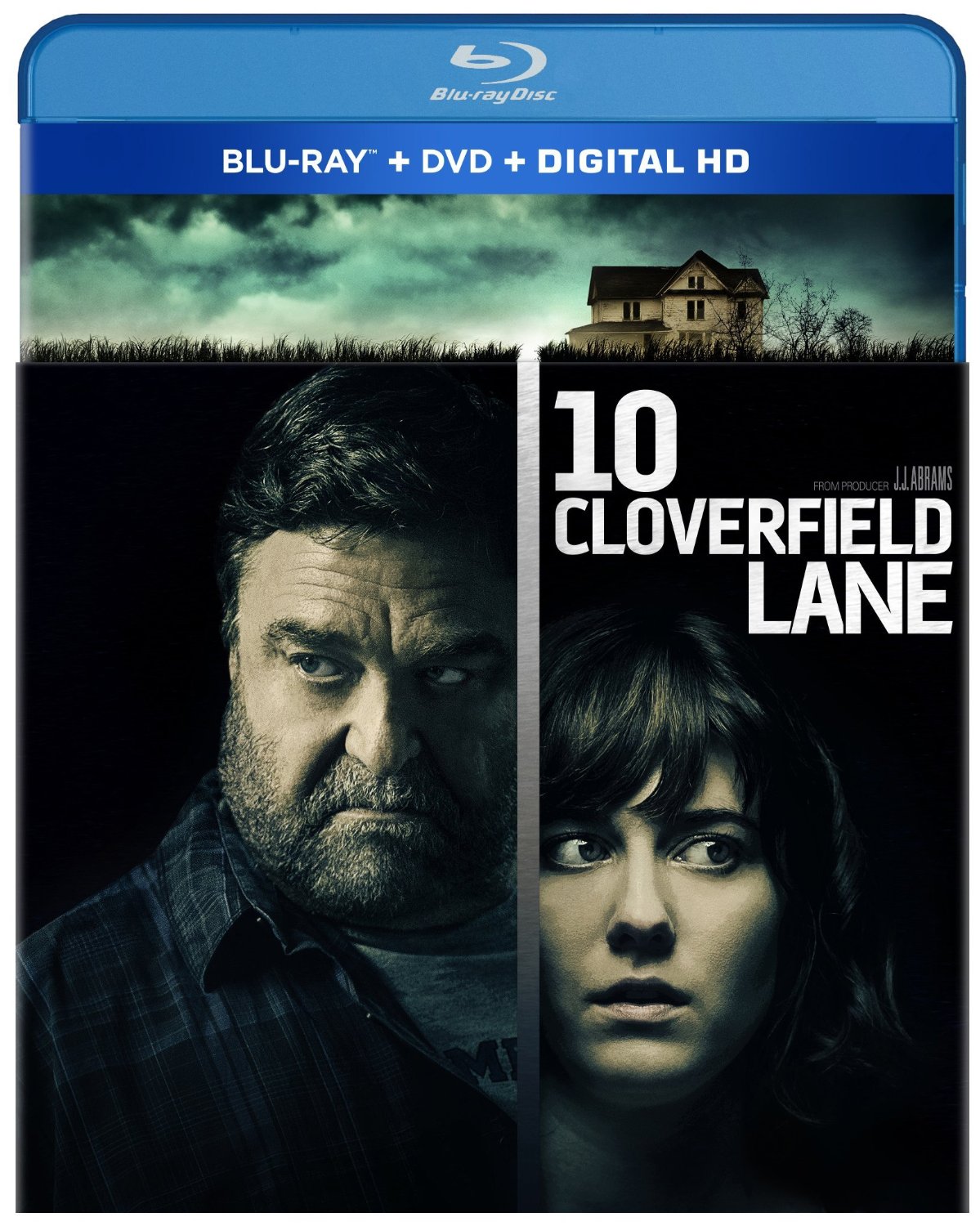
Bad Robot, in my eyes, is simply the best at keeping things a secret.  In this day and age, to be able to surprise audiences is just about an impossible task.  When the first Cloverfield trailer was released in 2007 in front of Transformers, it was a trailer that had us all guessing up until its release.  In my opinion Cloverfield was one of the best found-footage films to come out and was a grand achievement, considering it was a monster film that had been pretty much been kept under wraps until its actual release.  Bad Robot managed to surprise us again, releasing a trailer for 10 Cloverfield Lane that set the internet on fire with theories and hopes for this to be a long-awaited sequel.  But is that what this really is?

What I want to go ahead and get out of the way is, if you’re hoping for spoilers, there will be none, other than to say if you are expecting a big-budget extravaganza filled with monsters destroying cities, this is not that film.  Don’t waste your money on the big IMAX presentation, because you will feel cheated.  Instead, what 10 Cloverfield Lane delivers is something more intimate than I would have expected, and it takes the thriller genre back to its basics.


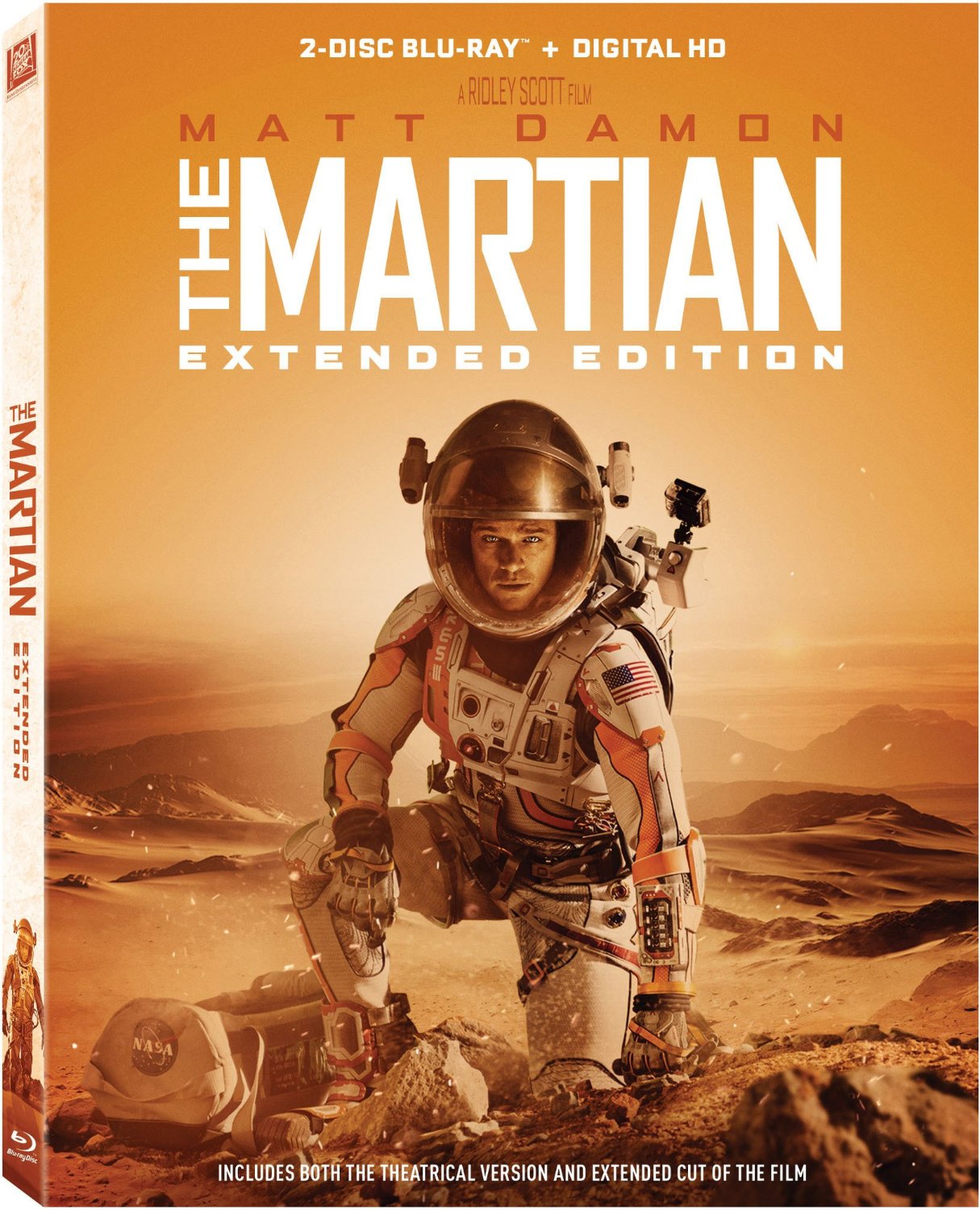
In 1979, Ridley Scott taught us that in space no one can hear you scream. More than 35 years after Alien established him as a top directorial talent, Scott has slightly amended that statement to read “in space no one can hear you…blast disco music and binge watch Happy Days.” These lighthearted coping mechanisms — used here to deal with a truly horrifying and hopeless situation — are strong indicators of what you’re in for with The Martian, which is both brainier and much funnier than your average space epic. Now the sci-fi blockbuster returns to home video with an Extended Edition.

“Mark Watney is dead.”

I don’t know what kind of trouble he can get into in a day.”

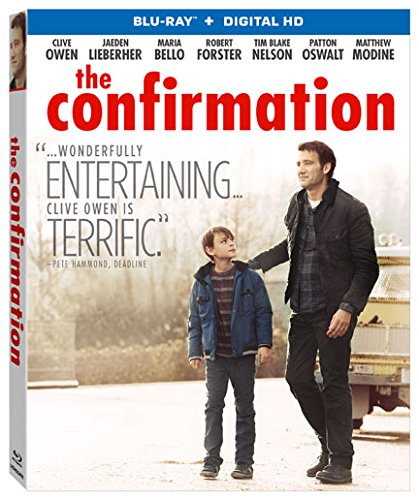
At first glance, those words — spoken by a father in the midst of a particularly eventful weekend with his estranged son — sound like a filmmaker giving himself permission to put his characters in the most outrageous situations possible. But The Confirmation actually shines by keeping things simple. The movie is a low-key, thoroughly affecting story of a father and son forging an unexpected connection.

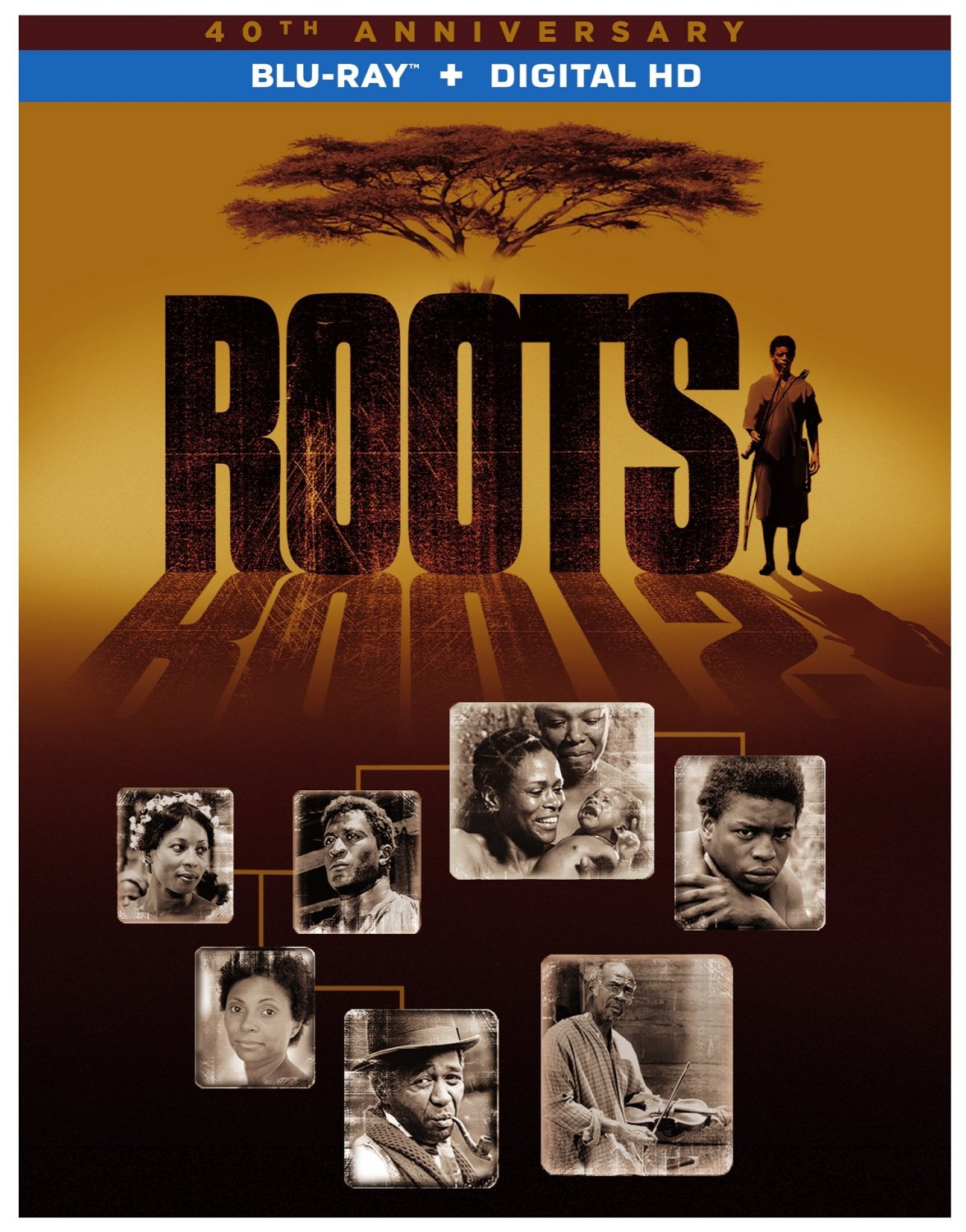
"Roots: The Saga of an American Family literally blazed across this nation's screens."

In 1977 the entire country became Africans for eight consecutive nights. The name Kunta Kinte would become a household name. It was unprecedented on so many levels that even the ABC executives that made the decision to air it believed it was going to be a ratings disaster. The decision to run it on so many consecutive nights was made to avoid the ratings collapse from lasting more than a week. But by the time the final episode aired, Roots had become the most-watched television mini-series of all time. The final episode was the most-watched episode of television of all time. The mini-series record stands 40 years later. The episode record has been broken only twice since then. First it was the "Who shot JR" cliffhanger on Dallas, and eventually the final episode of M*A*S*H would take and continue to retain the record. If only those executives had known,  it would have been a sweeps event instead of the usually dead January slot in which it aired. It was one of the first examples of event television. Businesses closed early. Vegas shows were cancelled because everyone was in their hotel room watching Roots. Before it was over 130 million people saw at least part of the mini-series. At the time there were just under 200 million people alive in the country. The only question I have is what were the other 70 million people doing?