1.33:1 Fullscreen

"Good morning, young prince."

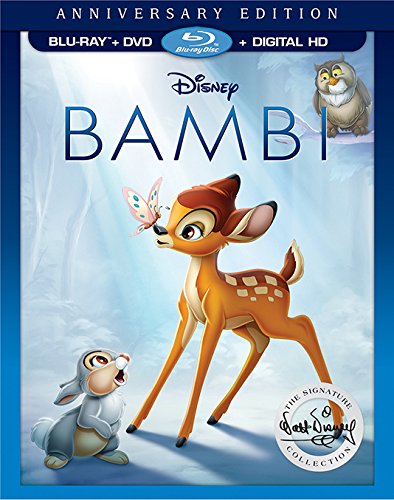
The forest is alive with the news. It travels from tree to tree, from animal to animal. A new prince has been born, and the creatures of the woods gather to welcome the young fawn. His name is Bambi, and he soon wins the hearts of the entire population of the forest. From his first attempts to stand on his wobbly legs to his discovery of the things that surround him in this brand new world, Bambi takes us on an emotional journey through the circle of life.

“When you wish upon a star. Makes no difference who you are. Anything your heart desires will come to you. If your heart is in your dream, no request is too extreme.When you wish upon a star, as dreamers do… Like a bolt out of the blue, fate steps in and sees you through. When you wish upon a star, your dreams come true.”

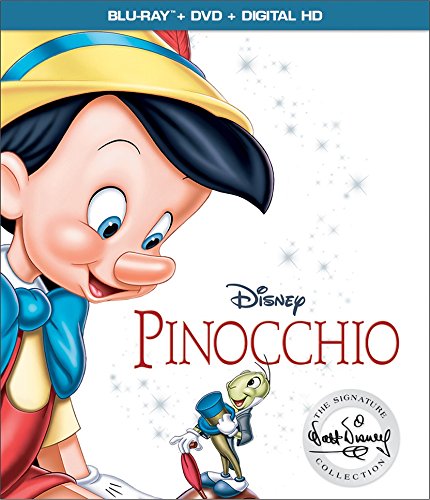
The song has become a standard. Every kid knows it. Walt Disney Studios has made it their theme song. You hear it each time you load up a Disney disc. If you have been fortunate enough to have visited Walt Disney World, you’ve heard it the entire day long. We know the song, but did you know where it originated from? It was back in 1940 and the release of Walt Disney’s, in fact, the world’s, second ever feature-length animated film: Pinocchio. Now Disney brings us this timeless classic on high definition and Blu-ray. What a marvel this release is.

“America is the only industrialized nation with a higher murder rate than countries at civil war.”

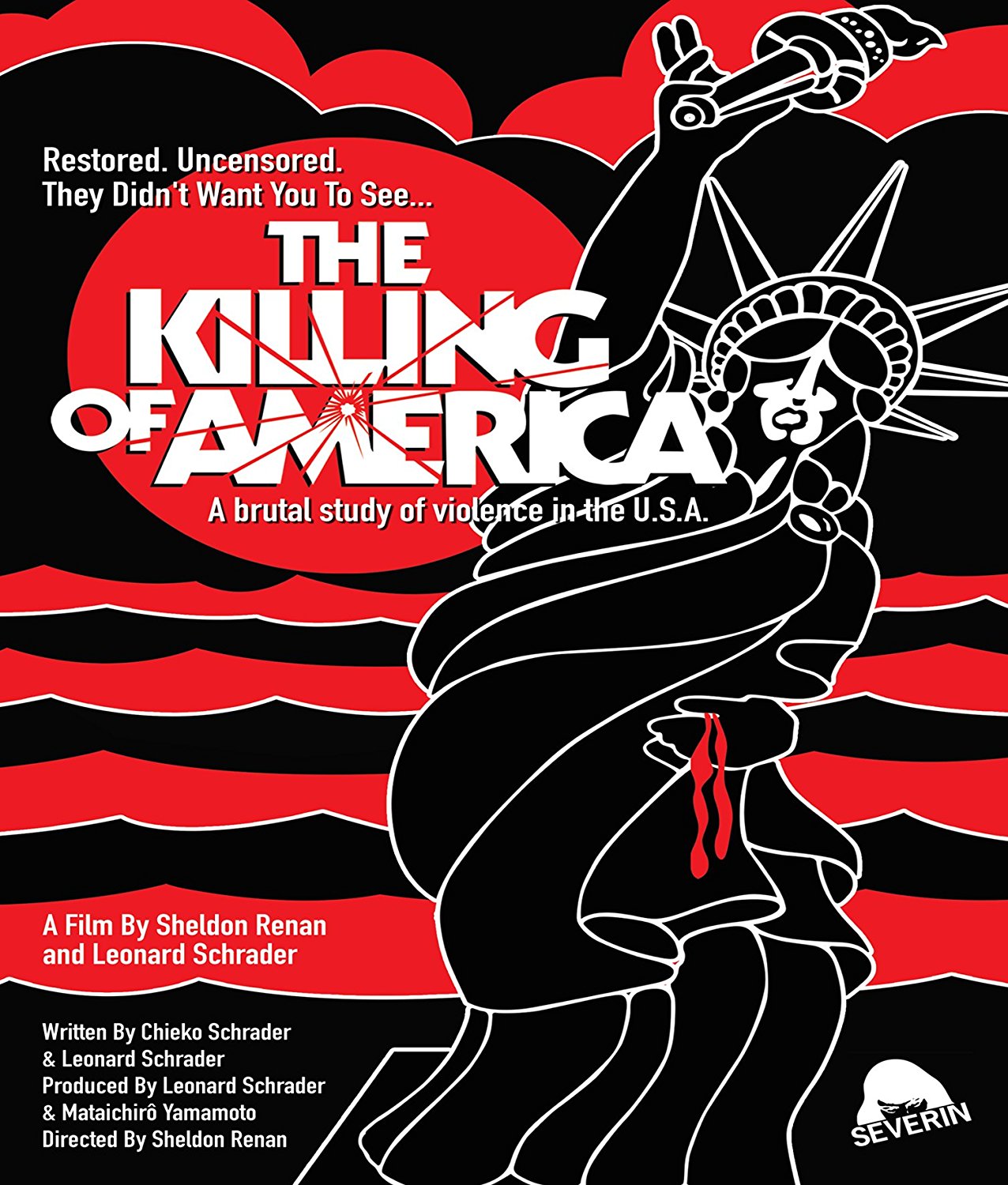
2016 might technically be in the rearview mirror, but it feels like last year left an indelible mark on the psyche of the United States. In addition to the most polarizing presidential election in a very long time, last year was marked by the deadliest shooting in U.S. history about an hour away from where I’m currently sitting, along with other highly-publicized instances of gun violence. So it feels like an appropriate time to revisit The Killing of America, a 1981 documentary that was never granted a commercial U.S. release after being deemed too exploitative.

"Space...the final frontier. These are the continuing voyages of the Starship Enterprise. Its five-year mission: to explore strange new worlds, to seek out new life and new civilizations, to boldly go where no one man gone before!"

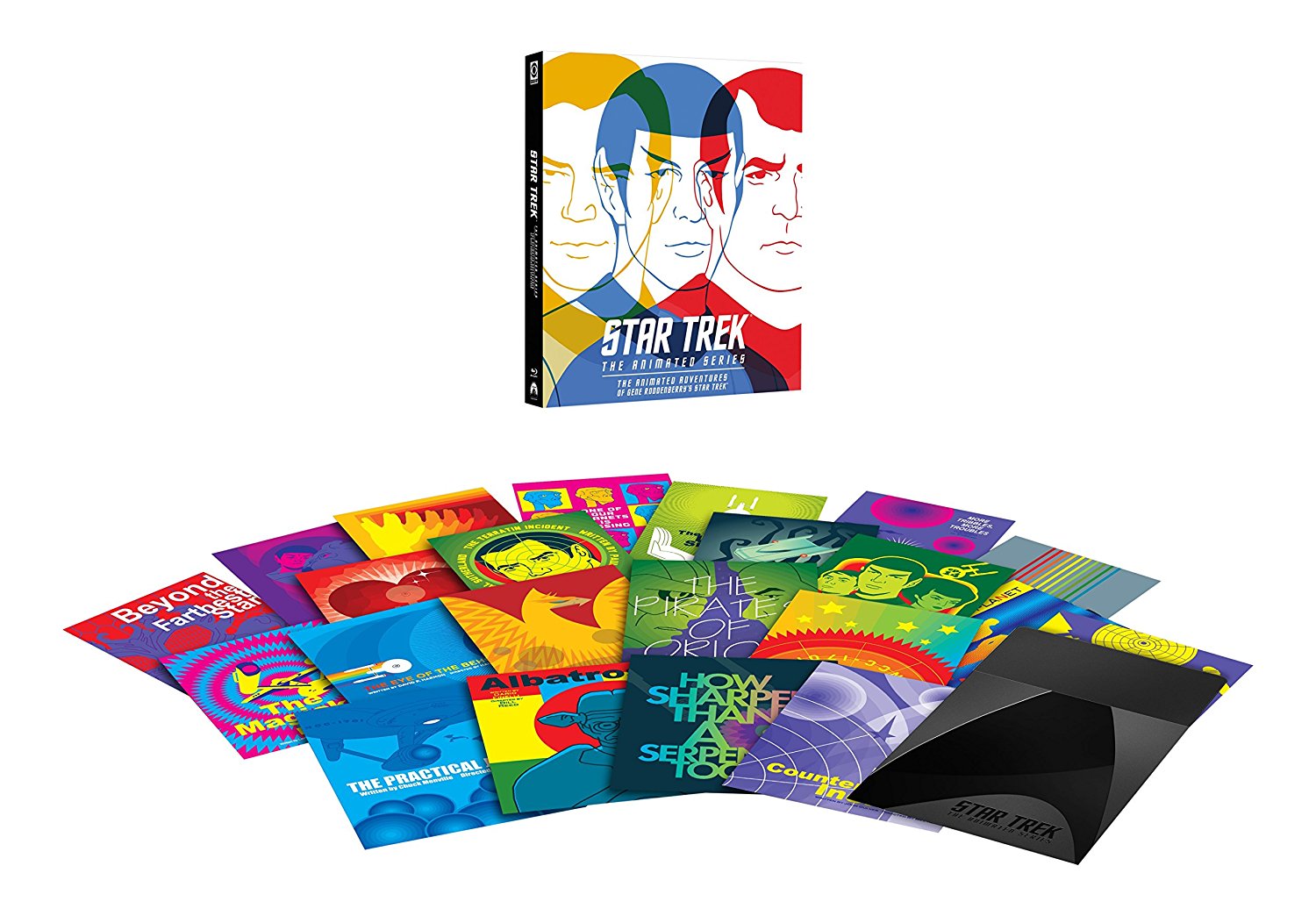
Of course, we never did get five years from that original show when it ended after just three years in 1969. The new film series has tried to fix that for us. The latest film picks up the five-year mission just after three years have gone by. It's a double homage to the original show. The number of days reflected the series start, and it picks up where they left off...kind of. But we did get a fourth and partial fifth year of the original voyages, and while it has never been considered truly canon, the original cast joined many of the original writers in 1973 to bring Star Trek back to the small screen. It was Filmation's Star Trek: The Animated Series, and it appeared on Saturday mornings from 1973 until 1974.

"Space...The Final Frontier. These are the voyages of the starship Enterprise. Its five-year mission: to explore strange new worlds, to seek out new life and new civilizations, to boldly go where no man has gone before!"

Paramount was bold indeed when they undertook the remaster project of the original series. Not only did they clean up the prints, but they took the decidedly risky option of redoing most of the f/x shots from the original prints. We all know just how cheesy the old work looked when compared to today’s computer abilities. You could see a box around spacecraft that allowed the obvious cutout to maneuver through a cardboard star field. There were often mix-ups where phaser shots would be used for photon torpedo commands and the opposite. The planets often utilized matte paintings that look somewhat ridiculous now. We forgave these flaws with a complete understanding of the limitations the crew had at the time. While Star Trek showed us computers that were remarkably similar to the PC’s we use today, down to the floppy drives of our own yesteryear, the use of computers to create f/x was still many years away. So Paramount decided to “fix” these “flaws” and make much of the show look like it might have had it been produced today. It was a serious risk because of the extreme possessiveness fans have for these kinds of shows. Just ask George Lucas how much fans like their sci-fi tinkered with. The project encompassed a few years, and the results are quite attractive. But how do they stand up for the fans?

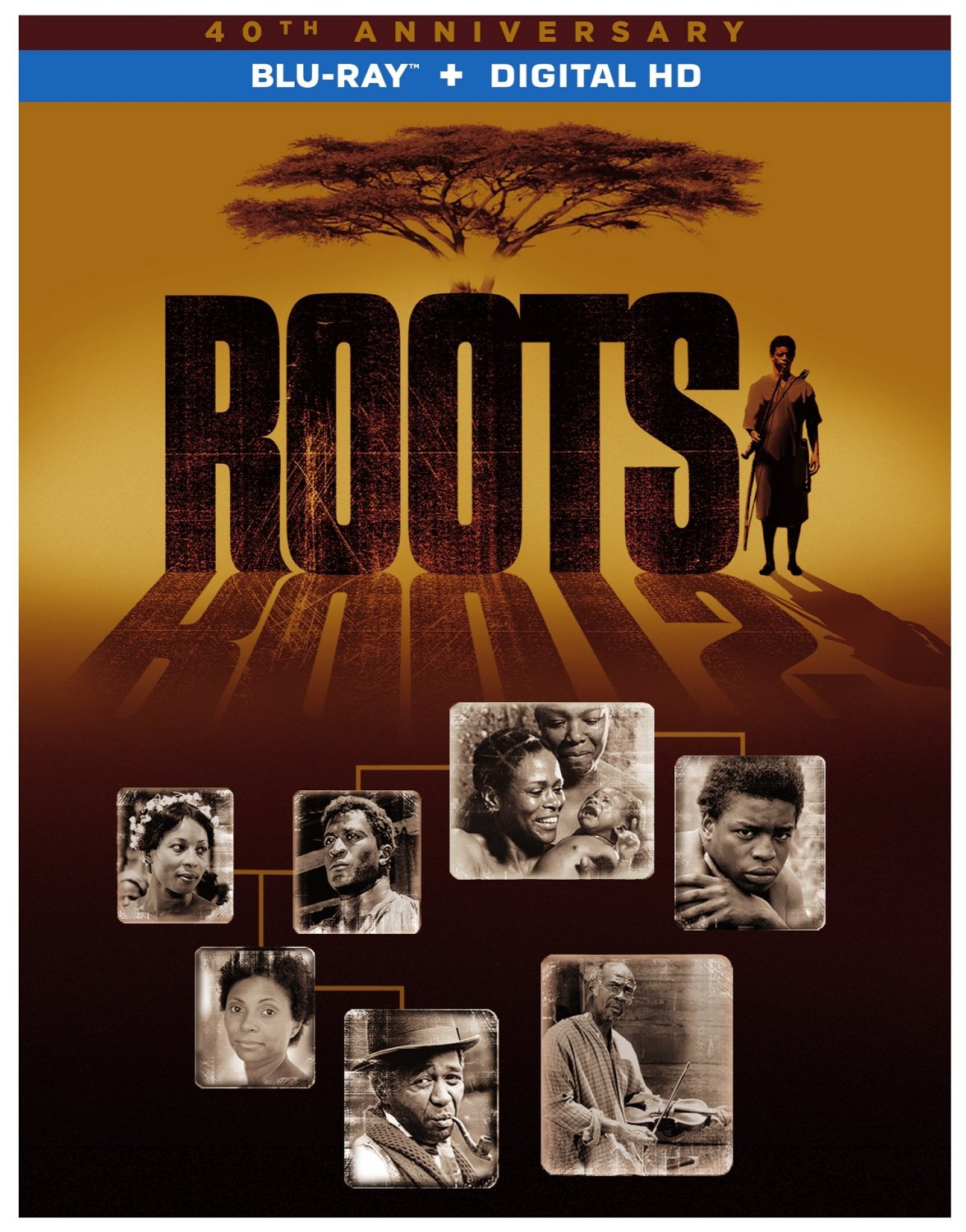
"Roots: The Saga of an American Family literally blazed across this nation's screens."

In 1977 the entire country became Africans for eight consecutive nights. The name Kunta Kinte would become a household name. It was unprecedented on so many levels that even the ABC executives that made the decision to air it believed it was going to be a ratings disaster. The decision to run it on so many consecutive nights was made to avoid the ratings collapse from lasting more than a week. But by the time the final episode aired, Roots had become the most-watched television mini-series of all time. The final episode was the most-watched episode of television of all time. The mini-series record stands 40 years later. The episode record has been broken only twice since then. First it was the "Who shot JR" cliffhanger on Dallas, and eventually the final episode of M*A*S*H would take and continue to retain the record. If only those executives had known,  it would have been a sweeps event instead of the usually dead January slot in which it aired. It was one of the first examples of event television. Businesses closed early. Vegas shows were cancelled because everyone was in their hotel room watching Roots. Before it was over 130 million people saw at least part of the mini-series. At the time there were just under 200 million people alive in the country. The only question I have is what were the other 70 million people doing?

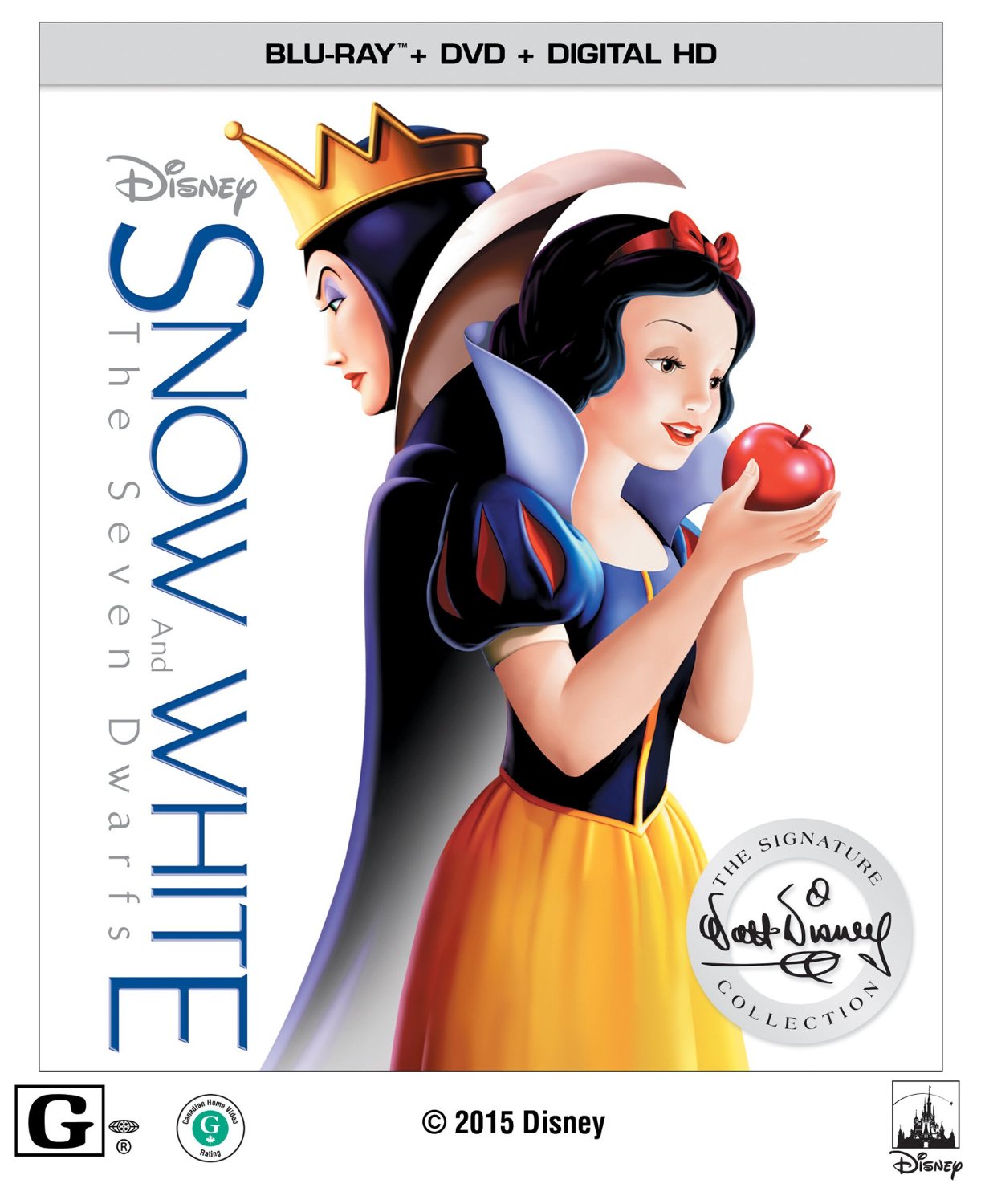
“Magic Mirror on the wall, who is the fairest one of all?”

Years ago a news magazine, I don’t remember which, conducted a survey. They discovered that more adults knew the names of the Seven Dwarfs than could name seven figures in the federal government, including President, Vice-President, Senate, House of Representatives, and the Supreme Court. They say our educations begin very young. Well, since 1938 our youths have been entertained by Snow White and the Seven Dwarfs.


If you were a child in the 1960's or 1970's, you were around at the golden age of the Christmas television special. We just celebrated the 50th anniversary of A Charlie Brown Christmas, and there were a ton of holiday charms that came and went each year. But there were a handful that became classics and found their way to the airwaves every year in December. Of course, A Charlie Brown Christmas became one of these, and it is indeed among the best. It was not the only special to become beloved by generations of viewers. Now Dreamworks has brought together  seven of the most memorable of these classics. This was a wonderful trip down memory lane for me, as it will be for millions of children of all ages who looked forward to these event broadcasts each and every year. Now you can watch them whenever you want. And they might not be just for Christmas anymore.

Rudolph The Red-Nosed Reindeer (1964)

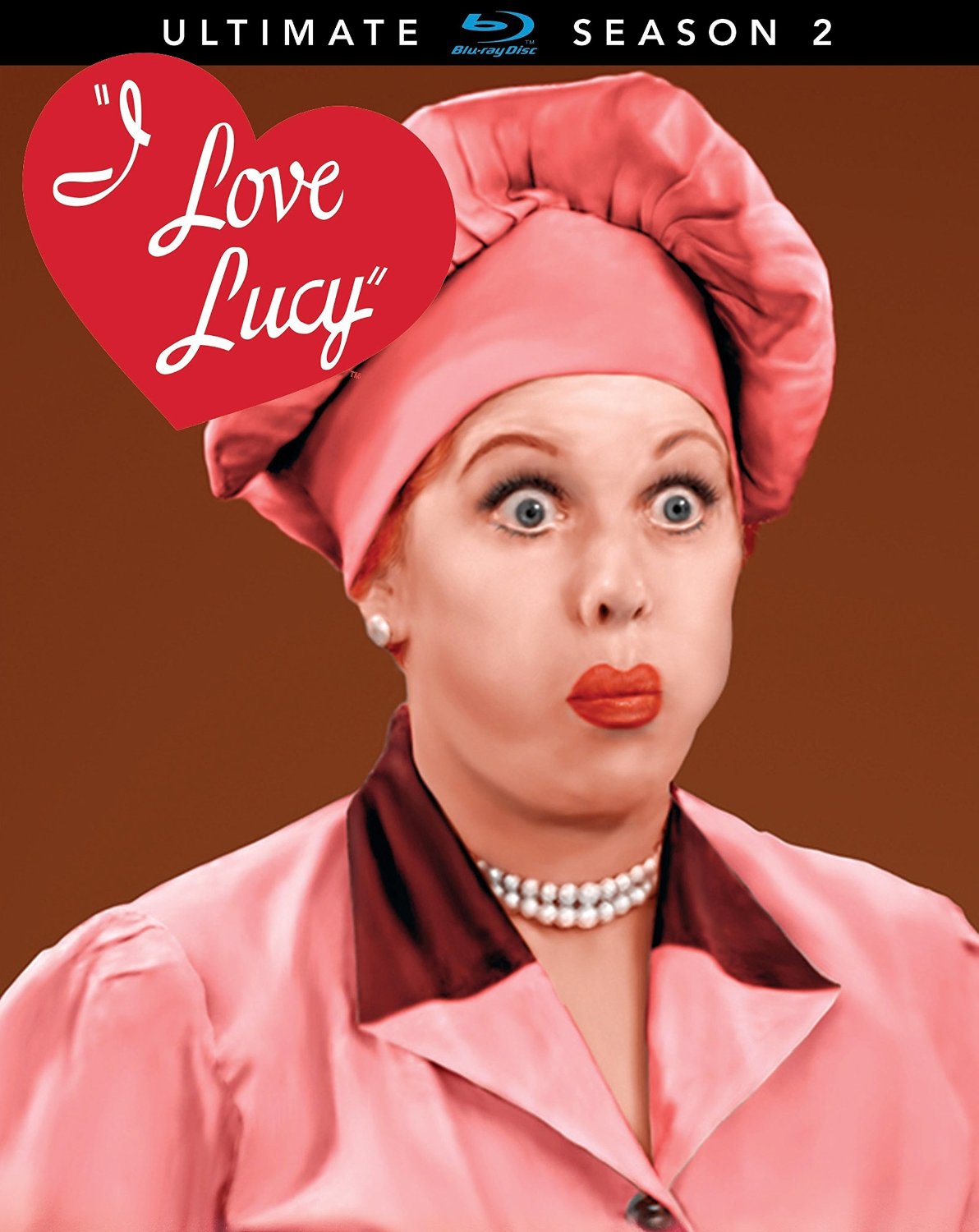
I Love Lucy changed the fledgling television industry in the 1950’s. This was a time when network television was less than a decade old. Most folks had never heard of television just 15 years earlier. I Love Lucy defined the concept of a sitcom. The show was driven by the very strong personalities of the cast. Desi Arnaz was considered a charismatic Latin lover by American women. Lucy played the perfect foil and found a mountain of gold to mine in strong physical comedy. So many modern shows owe their roots to this classic that it would be impossible to mention them all here. Now CBS and Paramount are bringing the show back in brand-new high-definition restored image that will delight even the pickiest fans of the show. We've now reached the second season of these efforts, and it is absolutely worth a look.

Even if you are not a particular fan of the show, it would be a mistake to dismiss the impact the series had both on the situation comedy and the television industry itself. The show's pioneering use of the three-camera format and shooting on film allows the material to be in a position to be restored at all. That setup has remained a staple of the television comedy since that time. Desi was also a marketing genius who was the first to take advantage of the promotional value of putting the show's name on everything from lunch boxes to sleepwear. It's an innovation that is exaggerated in a Red Skelton skit provided in the extras here. Desi changed the way television crew did their jobs and created the modern production methods still used today.

Anyone who has ever played an instrument or sung understands the therapeutic powers of music. In England they have been using that idea to help physically disadvantaged children with music at the Nordoff-RobbinsMusicCenter in London's KentishTown. The institute was founded by American composer Paul Nordoff and British teacher Clive Robbins. They have thousands of success stories. We're talking children who had closed themselves off from the world around them, many who had stopped speaking or communicating at all. The children come from all over the world. In the late 1980's the Center was looking at the need to expand their facilities. To build a state-of-the-art facility would take a lot of money, so they naturally turned to the professional musical artists whom they had honored yearly with their own Silver Clef Award. We're talking the likes of Elton John, Eric Clapton, Pink Floyd and Paul McCartney, heavy hitters, to be sure. Every one of them who were available immediately agreed to put on a super-concert to raise money for the new facility. The event was so successful that a second beneficiary was added because of the funds the show made available. The BritSchool Of Performing Arts was the added charity. It all came together for 11 hours on June 30th 1990 at a place called Knebworth.

The concert was billed as The Best All British Rock Show Ever Staged, and it very well might have been. The crowd was a living sea of rock 'n' roll fans. But it wasn't really strictly a British affair. The crowd can be seen waving flags from many nations, the United States and Canada quite prominent. It was obvious that fans came from around the globe to see the historic gathering. It doesn't look like they were disappointed in the least.