1.78:1 Widescreen

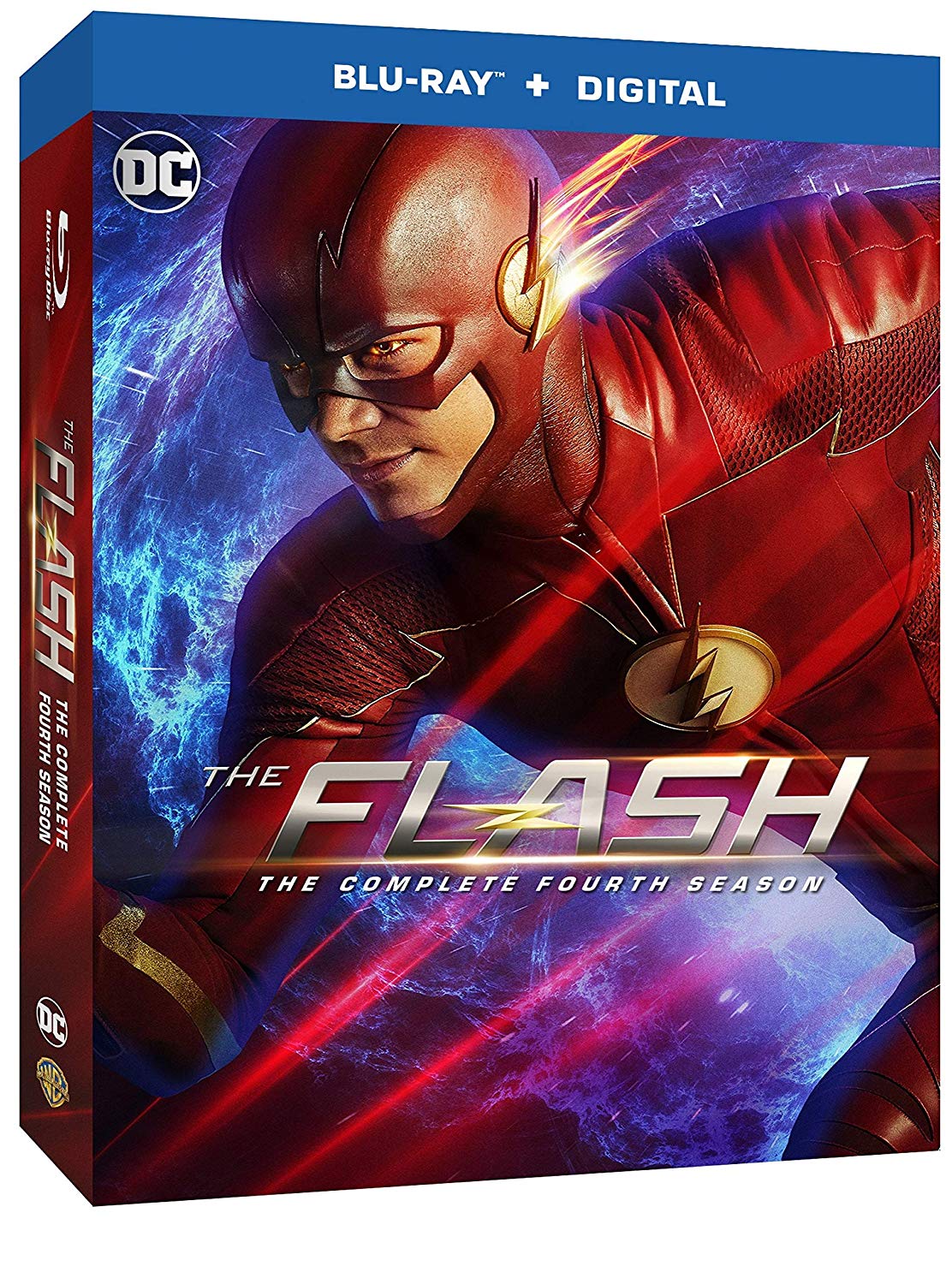
"Ain't nobody feeling Team Kid Flash."

When Season 3 ended on The Flash, Barry Allen/The Flash (Gustin) is trapped inside the Speed Force where he sacrificed himself to free his friends. Months later we find Wally West/Kid Flash (Lonsdale) acting as the team's speedster. Iris (Patton) is now in charge of the team, while Caitlin (Panabaker) has left to tend bar, mostly running from her Killer Frost persona. Joe West (Martin) is lending police support where he can, and Cisco (Valdes) has honed his teleportation skills and gets the players where they need to be. But they are barely holding their heads above water, and the stress is finally getting to them. And that was before a robotic Samurai arrives threatening to destroy Central City if the team doesn't bring him The Flash. Of course Cisco comes up with a plan to free Barry, and it's no spoiler here to reveal that he does just that. After all, the show isn't called Kid Flash. It's called The Flash, and Barry is always going to be a key ingredient to that name. If all of this sounds a bit confusing to you, you're starting in the wrong place. Check out our reviews of the previous three years here.

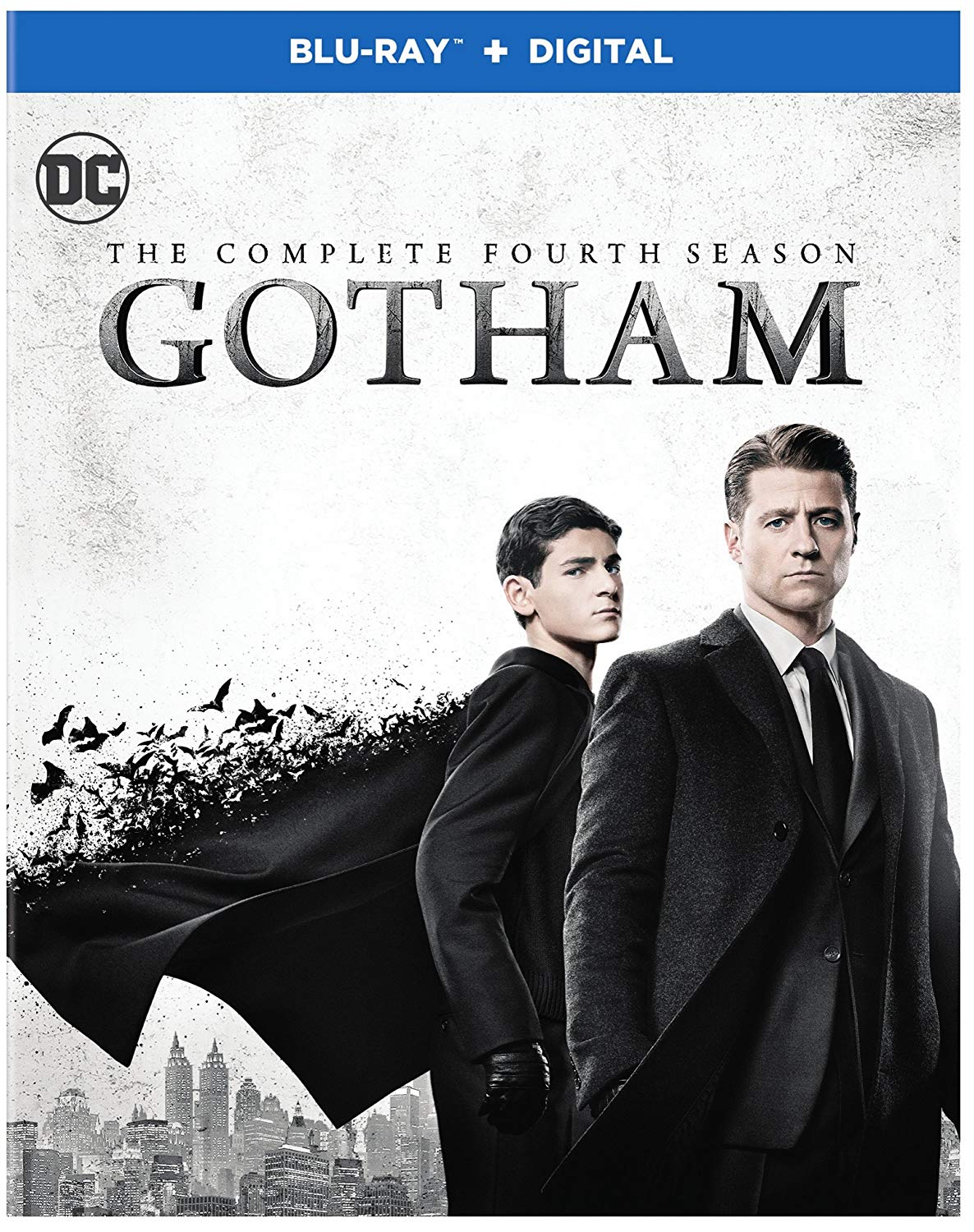
"This is not just about Gotham. This is all about Bruce Wayne."

It really is about Gotham. And it's about Jim Gordon. It's also very much about Bruce Wayne. The third season ended with Bruce finally starting to embrace his vigilante role, but it was crude and very much only a shadow of the hero he will become. There's a reason why all of the episodes of this season are subtitled The Dark Knight. Bruce is becoming more and more like Batman. Bruce even confronts his future alter-ego in a vision state. He's being propelled to that future because of Gotham and because he's also being manipulated toward his destiny by none other than Ra's Al Ghul himself, played by Star Trek: Deep Space Nine's awkward Doctor Alexander Siddig. He's taking center stage this season, and he knows Wayne's future and sees himself as the guiding force to make sure he gets there.

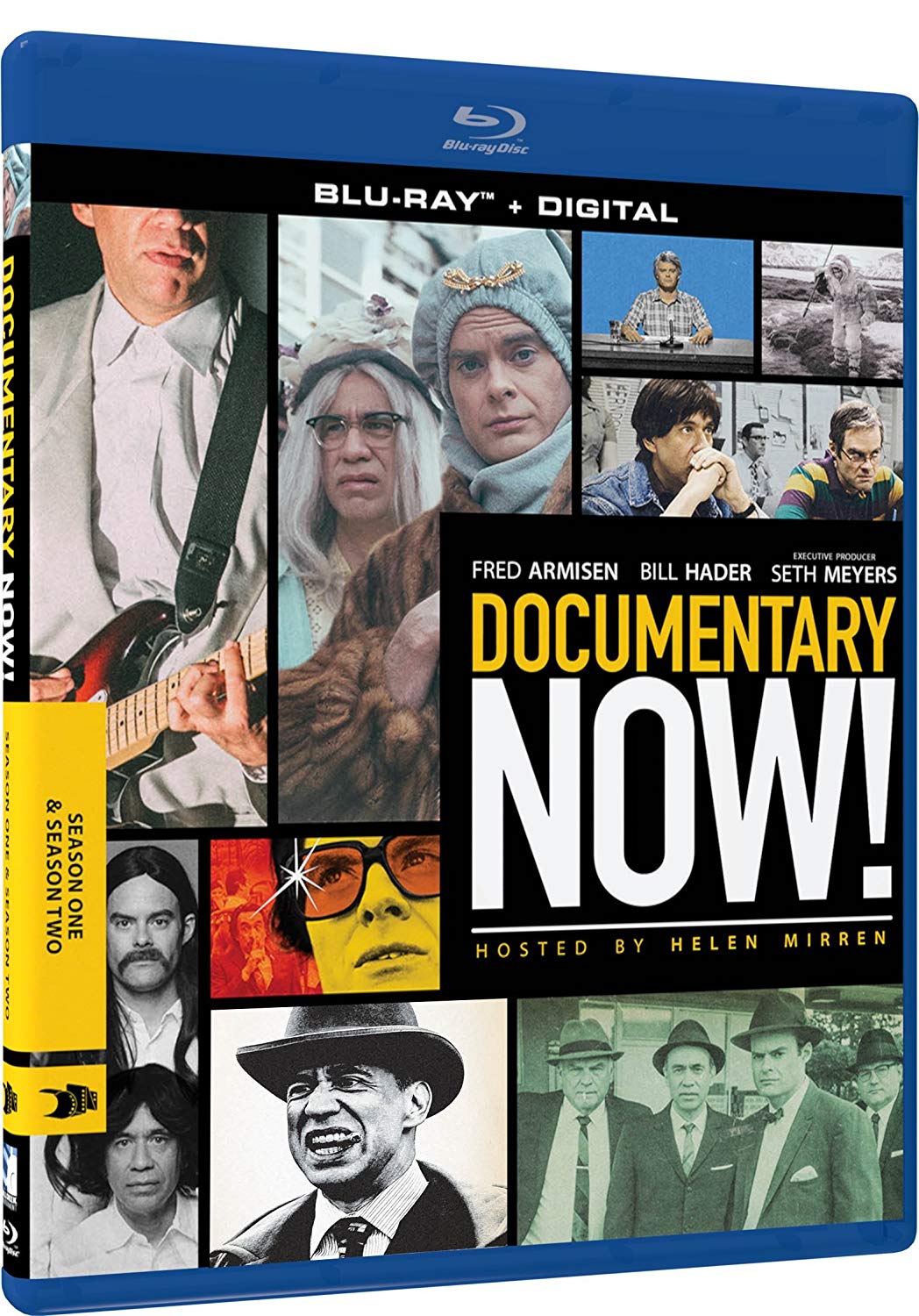
“We take a look back at the films that helped shape, change, and innovate the world of documentary.”

Between the rise of streaming services like Netflix and the growing number of nonfiction films making noise at the box office, documentaries have never been hotter…or more accessible. At the very least, they certainly don’t feel like the cinematic equivalent of eating your vegetables anymore. As a result, this feels the perfect time for Mill Creek to release the first two seasons of IFC’s obsessively hilarious comedy series Documentary Now!

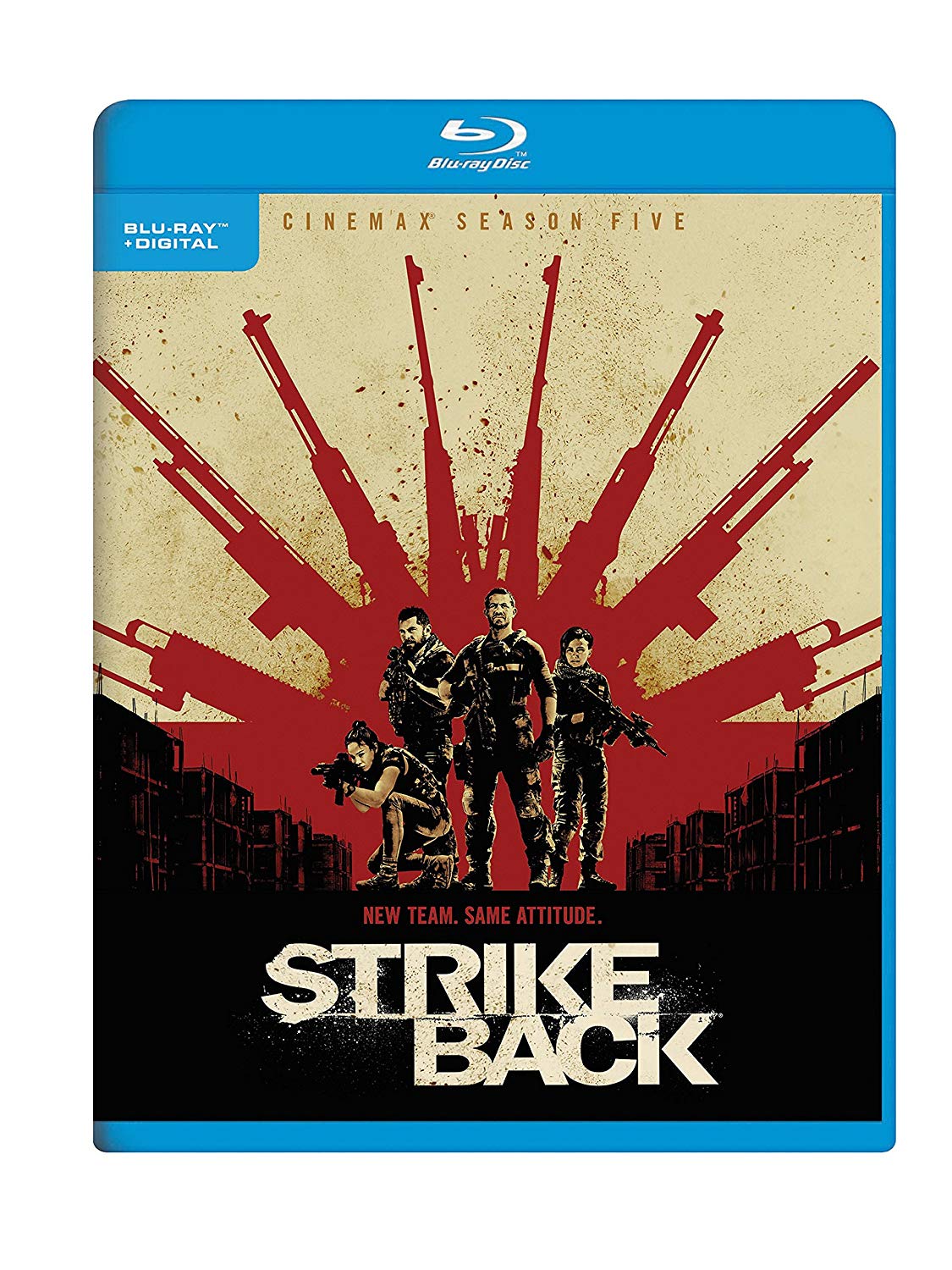
"Some of you may know he history of The Section. Rumors of operatives going rogue, the Whitehall assassination. None of that matters now. What matters is that Section 20 stood for something. They were the soldiers who kept going when others fell, who saw the odds and didn't blink, who got the job done, even when it meant paying the ultimate price." 

Two years ago I wrote a review for the fourth and final season of the Cinemax series Strike Back. Now here I am telling you about the fifth season. So what's up with that?

"My name is Oliver Queen. After five years in hell, I returned home with only one goal: to save my city. Today I fight that war on two fronts. By day, I lead Star City as its mayor. But by night, I am someone else. I am something else. I am the Green Arrow..."

Who the heck is this Green Arrow of whom you speak? If that's your first question, you need to go back a couple of grades and catch up with the rest of us. The comics are good place to begin, but the television universe is its own place and not tied so tightly to the DC comic book universe. Your best place to go to catch up would be the first five seasons. It'll be worth the effort, and I can get you started with those reviews found here. This review will not contain spoilers from the sixth season but very well must contain some from the previous year. So if you're not caught up, do that first.

"You know me, always saving the day."

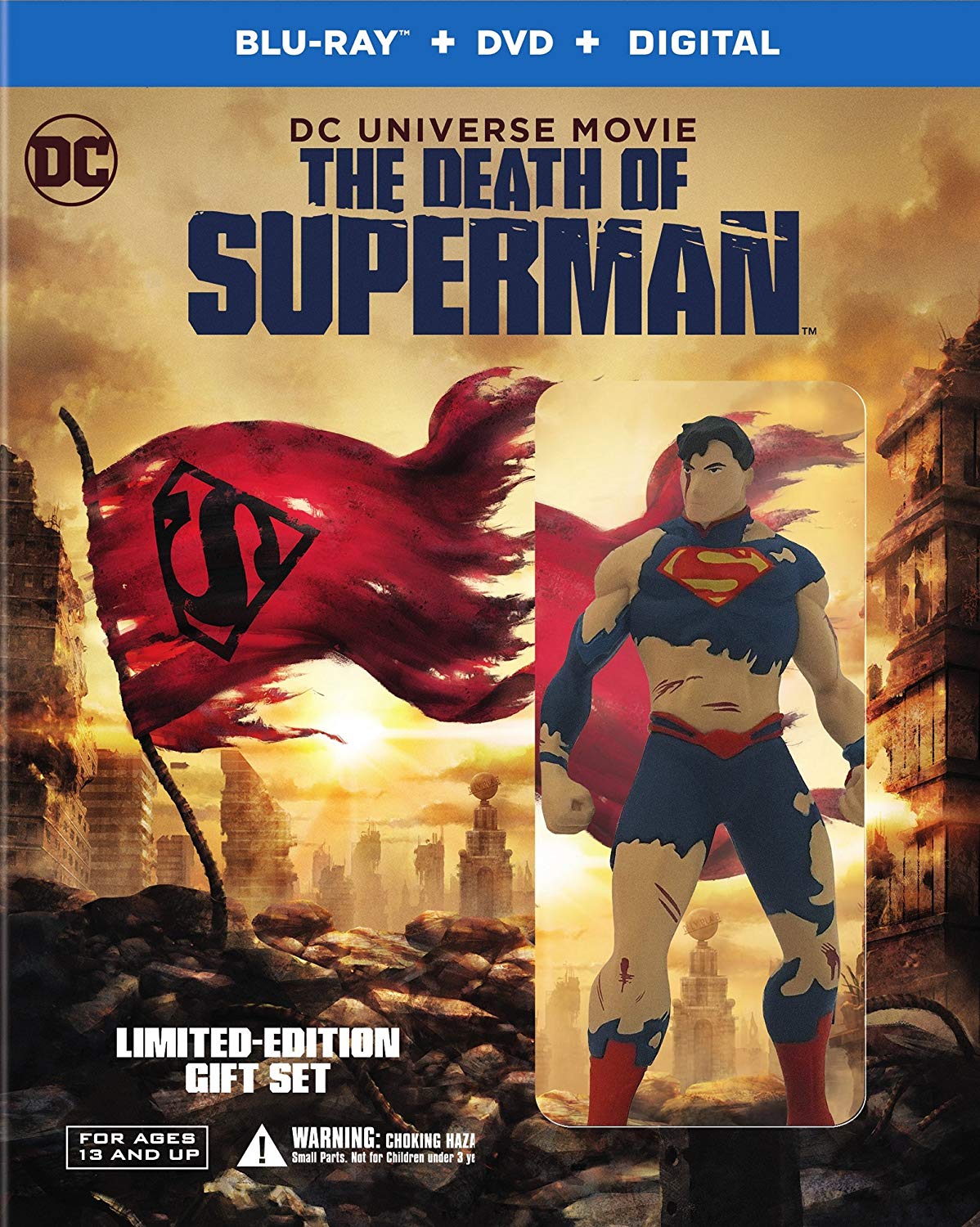
After the disappointment that was the recent Suicide Squad animated feature, Warner and DC needed to save the day with the release of The Death Of Superman, and that's exactly what they did. The Death Of Superman was a major milestone in the history of The Man Of Steel in the comics. It all started in December of 1992. DC announced they were killing off their most iconic hero and ending the Superman run of comics. Of course, that was only partially true. Once Supes was "killed off", the comic split into four new branches, as the vacuum created by his death needed to be filled both in the fictional universe as well as the commercial side of ours. Eventually the lines were reunited, and Superman has been alive and well ever since. But this was a huge event in the world of comics. The Justice League and Batman vs. Superman films used aspects of the story in the recent film but this animated feature goes back to its comic roots and more faithfully brings that comic series to life.

"Every bridge, every building grows from an engineers imagination."

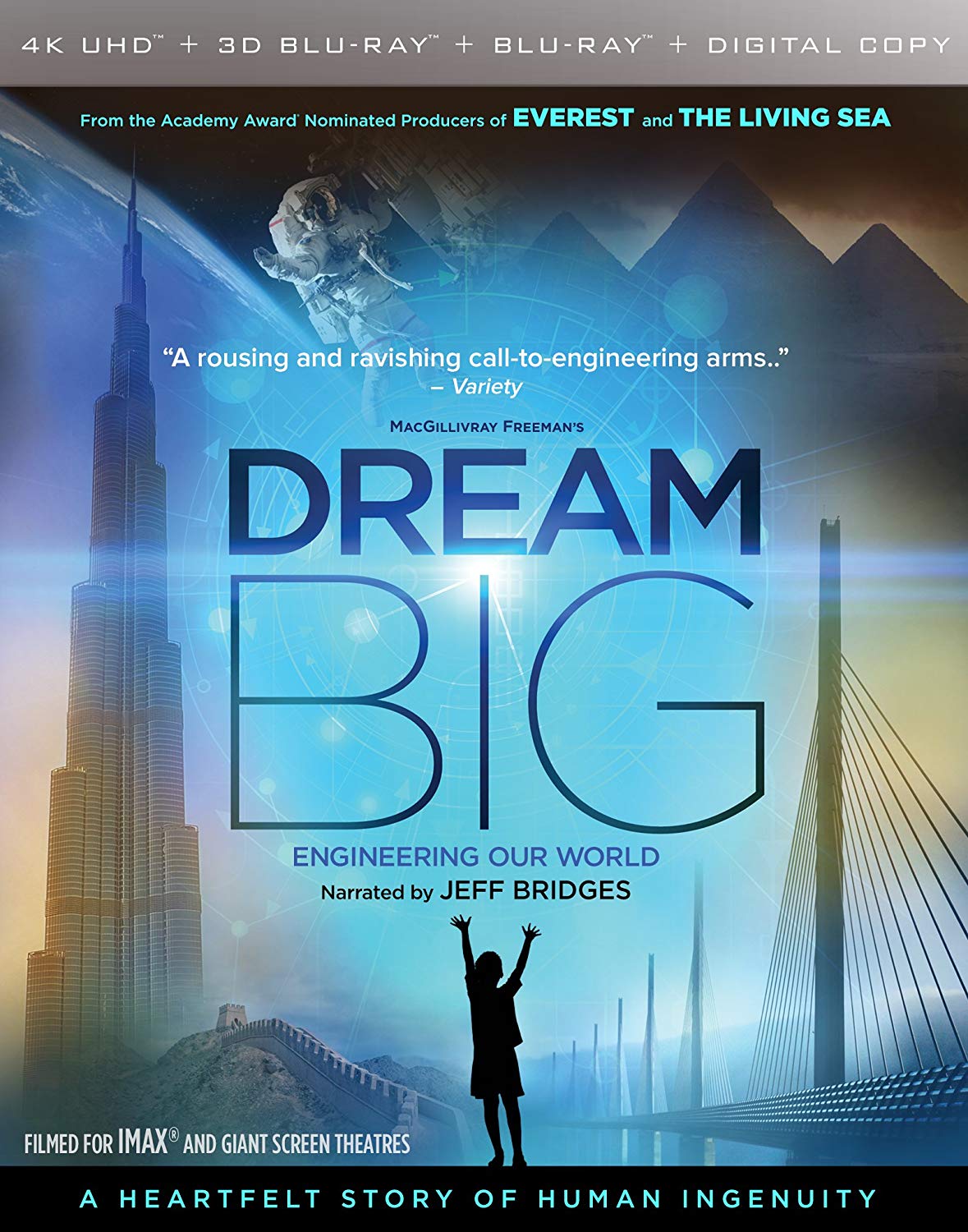
Dream Big: Engineering Our World is the second of Shout Factory's latest collection of IMAX films to be brought into the capable arms of the UHD/4K format. And while this film doesn't take us so much into the natural beauty of some picturesque place on our planet or deep into the darkness of space, it does deliver a rather grand look at some of the wonders of the man-made world. Both films were directed by Greg MacGillivray, which binds them together in a somewhat nice little bow.

"Wildlife and its habitat cannot speak, so we must, and we will" - Teddy Roosevelt.

Actually they do speak for themselves, and Shout Factory's UHD/4K release of National Parks Adventure gives that wildlife plenty of grand opportunities to speak to us through the grandeur of the American National Park system. Last year Shout Factory showed us what the UHD/4K format could really deliver by releasing a series of IMAX films in the new format. It was a bold move that has really paid off. IMAX cameras utilize 65 and 70mm film, which offers source material that is actually much higher resolution than 4K. Unlike many recent digitally shot films which tend to be done in the neighborhood of 2K, these films have a film element as high as 8K. There's been a gap in the Shout Factory IMAX releases, but I'm happy to report that they're back with two new films.

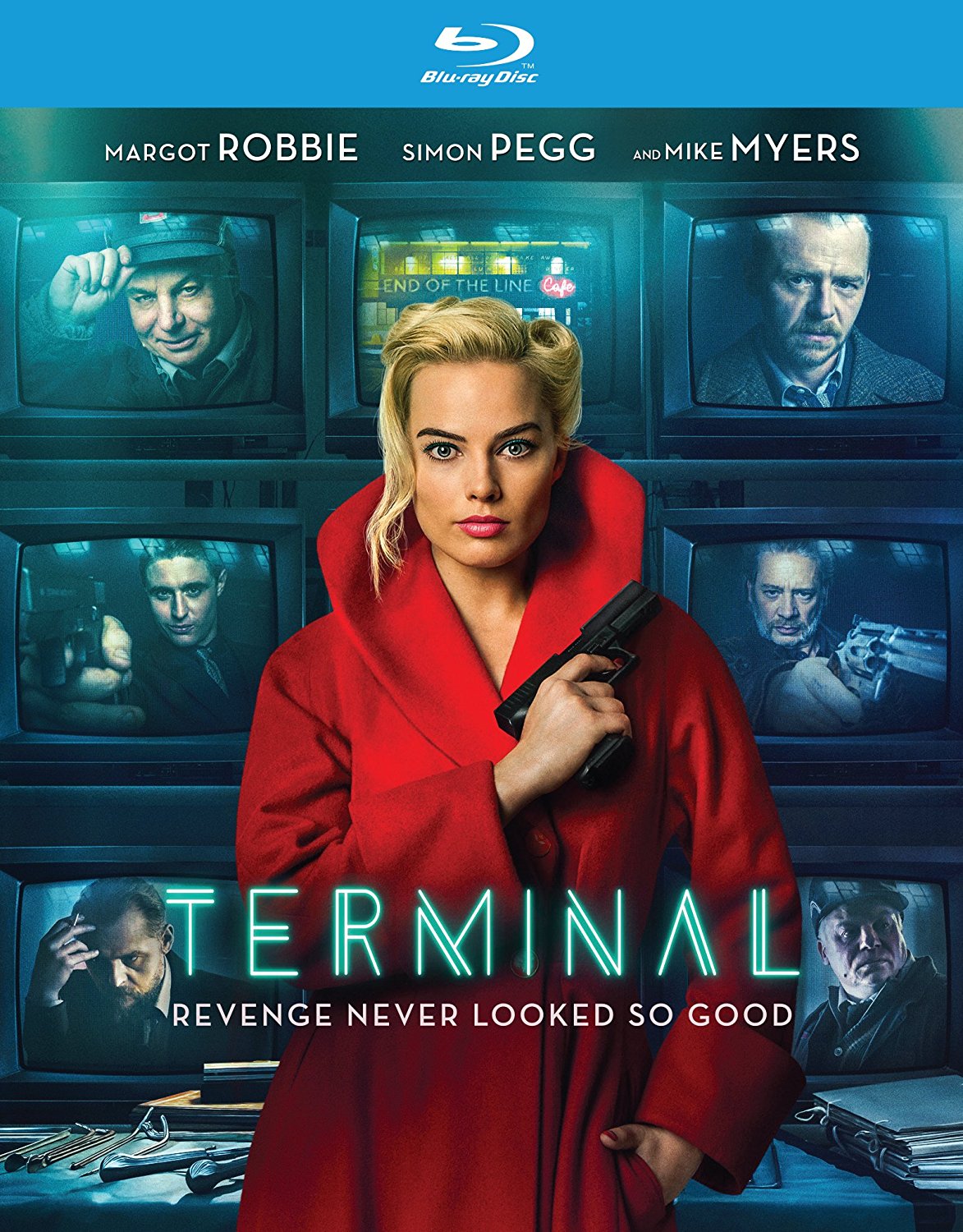
Sometimes a movie comes along that has everything going for it: a great cast, a great cinematographer, and a decent plot, but when you watch it, you just scratch your head wondering why it ended up so bad.  That in a nutshell is Terminal.  It stars Margot Robbie, Simon Pegg, and Mike Myers, and for each of them I believe this is a film they quickly want to move past. The tagline for the film is Revenge Never Looked So Good, which is a big part of the problem with the film. I absolutely love the look of the film. It’s beautiful and to a point creates its own style I’d call neon-noir, but unfortunately no matter how good something may look, it doesn’t always mean it will be good.


A good portion of the film is about Bill (Pegg), a teacher who is waiting for a subway train but is told by the night janitor, Mr. Franklyn (Myers) that one won’t be coming for hours.  Mr. Franklyn eventually recommends a diner (conveniently called The End of the Line) for Bill to wait.  It’s at the diner where Bill meets the quirky Annie (Robbie), who is his waitress but is also intrigued by his illness.  To add some more padding to the film, we have a pair of hit men who are introduced in the film’s wonky timeline who take a mysterious job that leaves them locked up in an apartment for days as they are waiting for a phone call to signal when the hit is to go down.  How Annie involves herself into the mess with the hit men strays into spoiler territory, but I’ll simply say it was a designed coincidence from sloppy storytelling.

When we first meet the Pierce family it is at the Freeland jail, where Jefferson Pierce (Cress Williams) is there to bail out his oldest daughter, Anissa (Nafessa Williams).  The show doesn’t waste time in tackling social issues as we see them have an encounter with the Freeland police force as they are pulled over for a traffic stop.  The reason for the stop turns out to be they are looking for a suspect who just robbed a liquor store, and because Jefferson is black, he of course is a potential suspect.  Having this scene early on, not just in the season but in the pilot episode, is a bold and important move by the writers.  This shows us that despite being a superhero show, Black Lightning is going to show us a superhero tale unlike anything we’ve seen before on the CW.

Family takes the center stage in this show, and while there is some superhero crimefighting that does get done over the course of the season, watching the Pierce family tackle social issues is just as important.  Jefferson Pierce is a high school principal in a neighborhood that is surrounded by gang violence and drugs.  It’s been nine years since he was fighting crime as the costumed hero Black Lightning. He’s had his costume stashed away in order to raise his family and help the kids at his school, which has made him a valuable figure in the community.  He even mentions early on how he’s saved more kids by being a mentor at his school than he ever did as the masked vigilante.  Seeing Pierce confronting gang members and helping his students is an engaging story already, though it’s something audiences have already seen before (Dangerous Minds, Lean on Me, etc).