HEVC

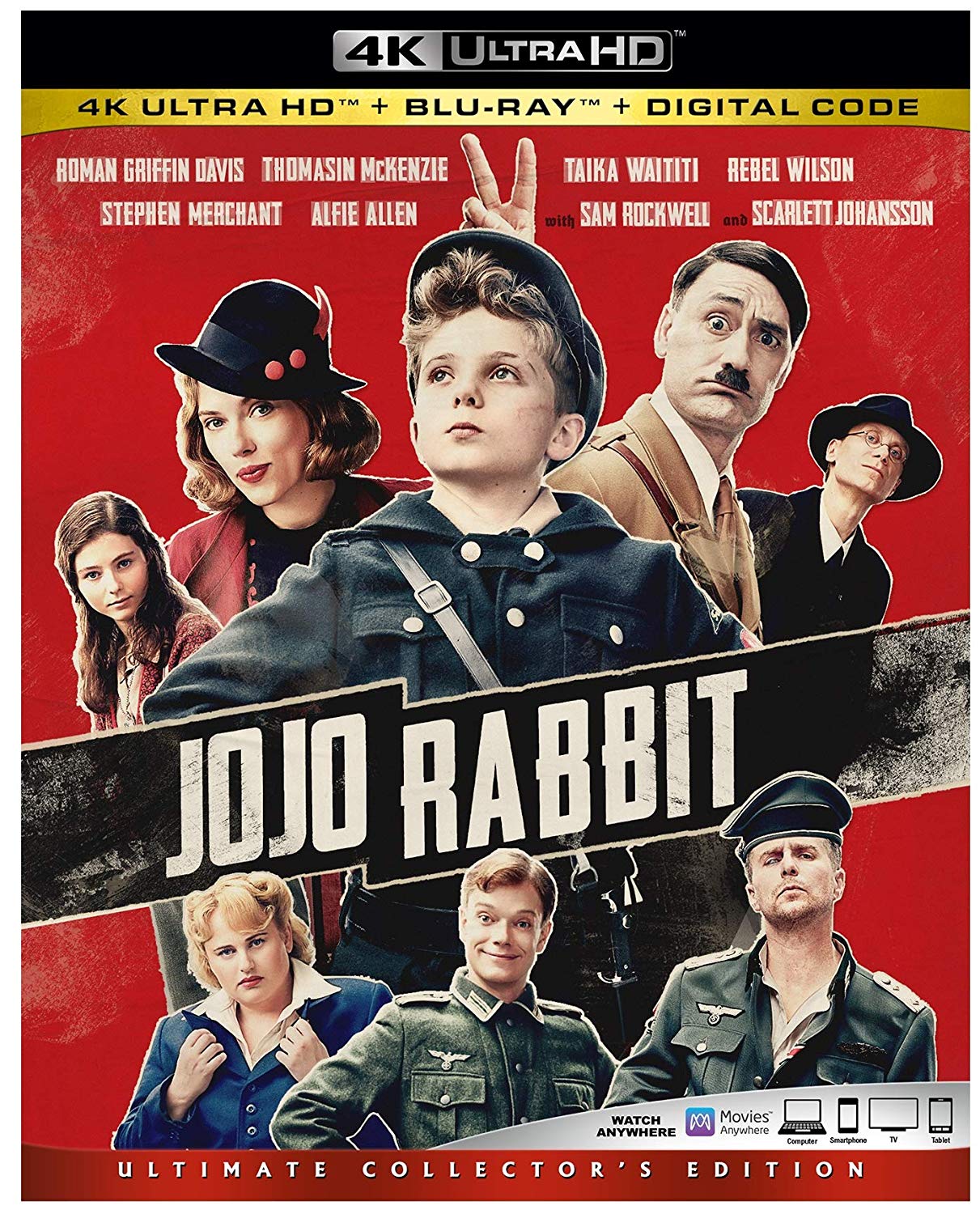
"Over the next two days you little critters will get to experience some of the things that the mighty German army goes through every day, and even though it would appear our country's on the back foot and there really isn't much hope in us winning this war, apparently we're doing just fine."

The book Caging Skies was written in 2000 by Christine Leunens. The book became more the inspiration for the film JoJo Rabbit rather than the source material, as they are very different animals indeed. The book is a rather sober look at the indoctrination of a young generation of boys and girls in Hitler's infamous Hitler's Youth organization. It was pretty much like the Boy Scouts of America, except, you know, for young Nazis. When director Taika Waititi got his hands on the material, it became somewhat a dark or black comedy with entire concepts added to the storytelling that were not a part of the original novel. Waititi is pretty much known as a comic director who has managed to intertwine his particular sense of comedy with other genre films with relative success. A prime example, of course, is his foray into the Marvel Cinematic Universe with Thor: Ragnarok, which became one of the oddest entry in that film franchise. Expect more when we get to see his work again with that old God of Thunder when the next Thor installment Thor: Love And Thunder is released soon.

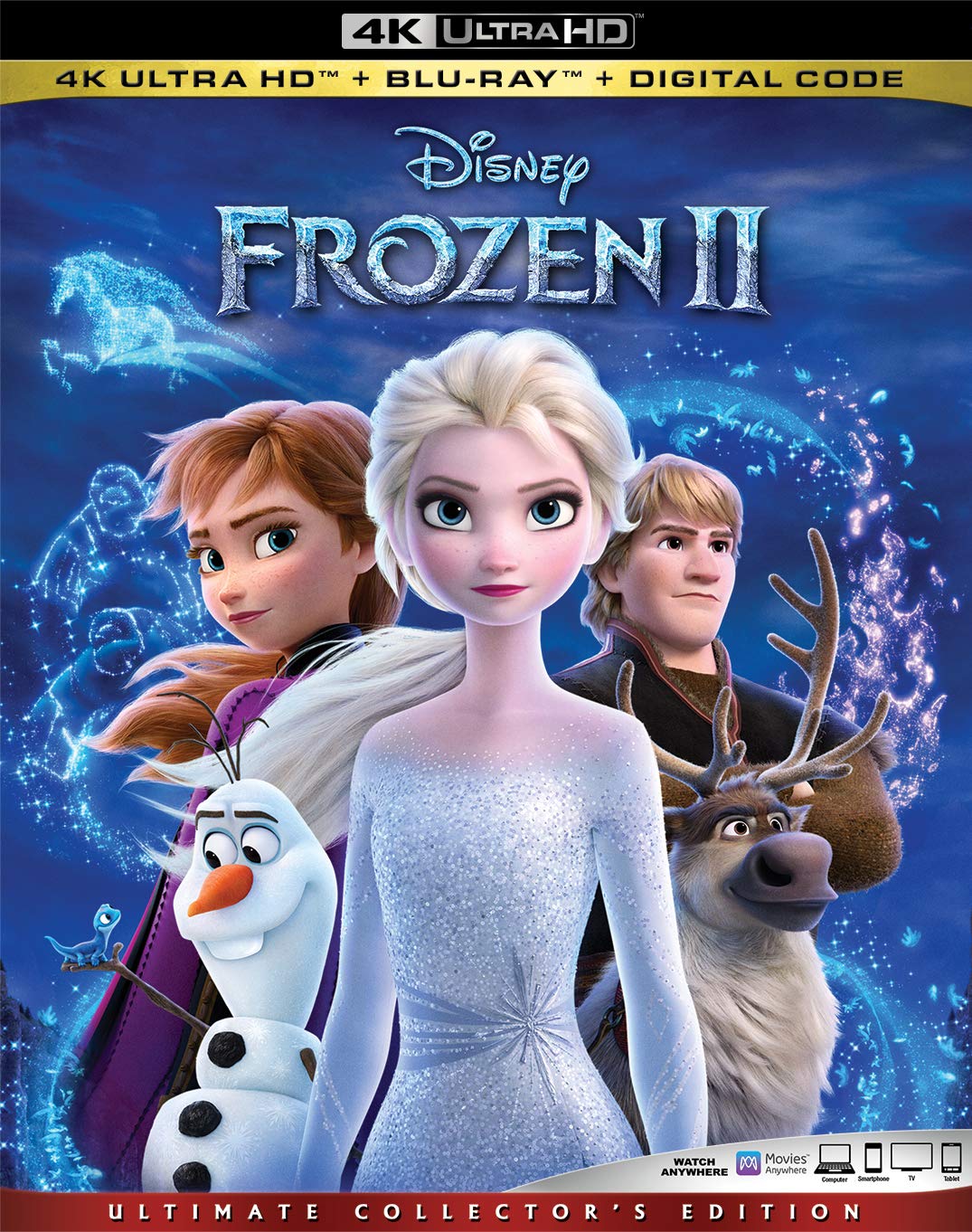
It's been six years since Frozen became somewhat of a surprise hit out of Walt Disney Studios in 2013. No one was surprised it made a good haul at the box office, but I suspect that even the masterminds at Disney never saw this billion-dollar baby when it was first being born. It's become the biggest original hit out of Disney since the original Lion King set animated feature records in the 90's. I'll give the studio credit. They didn't rush out and try to cash in on the momentum as quickly as other studios would have. They took their time and assembled the same team of directors and songwriters and allowed the process to follow a six-year process with the intent of doing it right rather than doing it fast. For the most part I think that strategy paid off, and while this film will never be the classic the original has become, it will fit rather snugly into the franchise and will delight children, while possibly cursing the adults who are fated to watch the film over and over again. This is absolutely one of those kinds of movies.

It all starts in the past where we spy young Elsa and Anna playfully getting ready for bed. The King puts them to bed with a story out of the kingdom's past. He regales them with how their grandfather met the people of an enchanted forest who had magical powers over the four elements of land, fire, air and water. They are told of the great gift of peace their grandfather gave these people in the form of a huge dam. It all turns nasty when the story continues to tell of a peaceful gathering where the people of the enchanted forest suddenly attack the people of Arendelle. The elements were so angered by the act of betrayal that they separated the kingdoms and enshrouded the enchanted forest with an impenetrable fog that has isolated the forest ever since.

by John Delia, Jr.

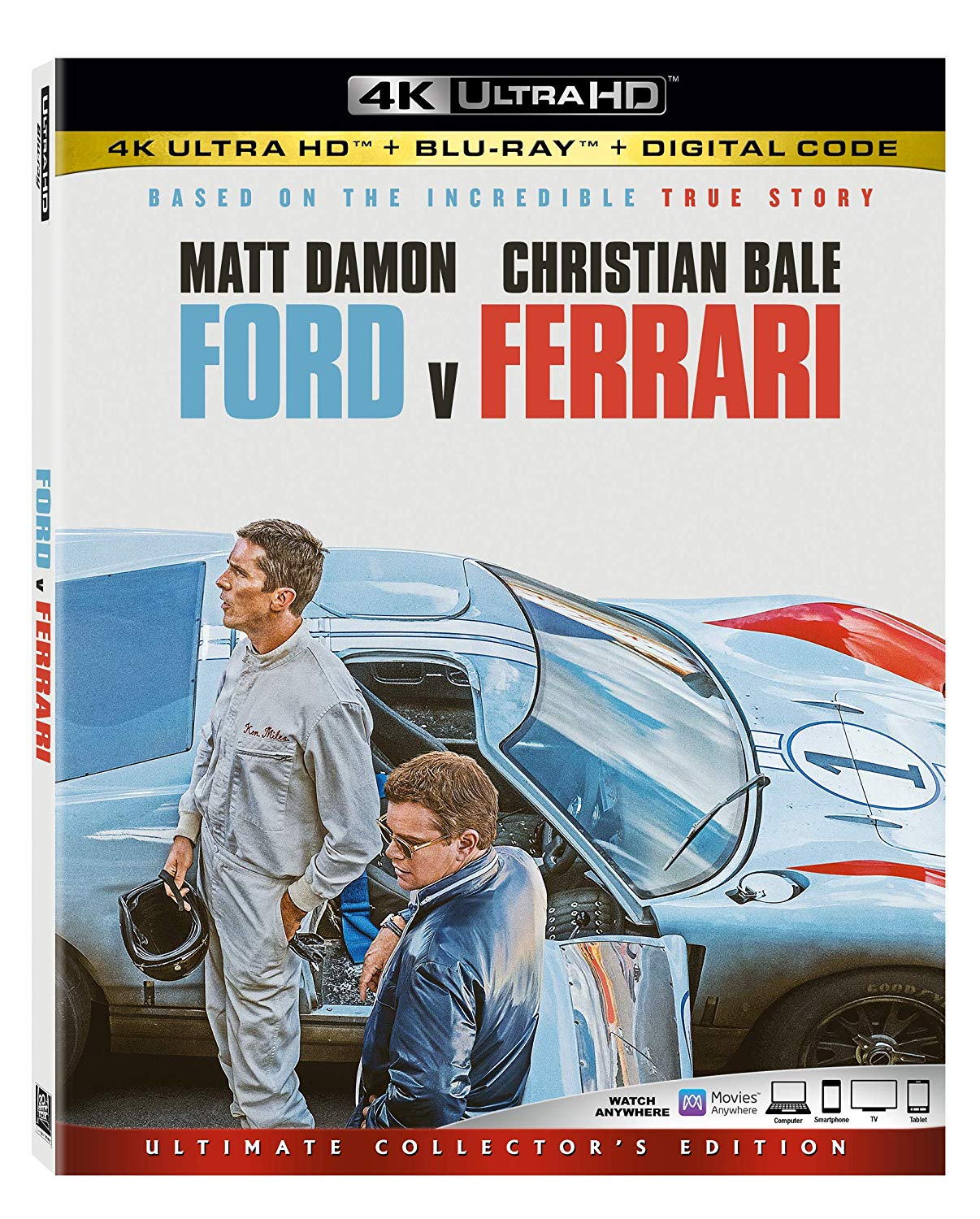
"There's a point at 7,000 RPM... where everything fades. The machine becomes weightless. Just disappears. And all that's left is a body moving through space and time. 7,000 RPM. That's where you meet it. You feel it coming. It creeps up on you, close in your ear. Asks you a question. The only question that matters. Who are you?"

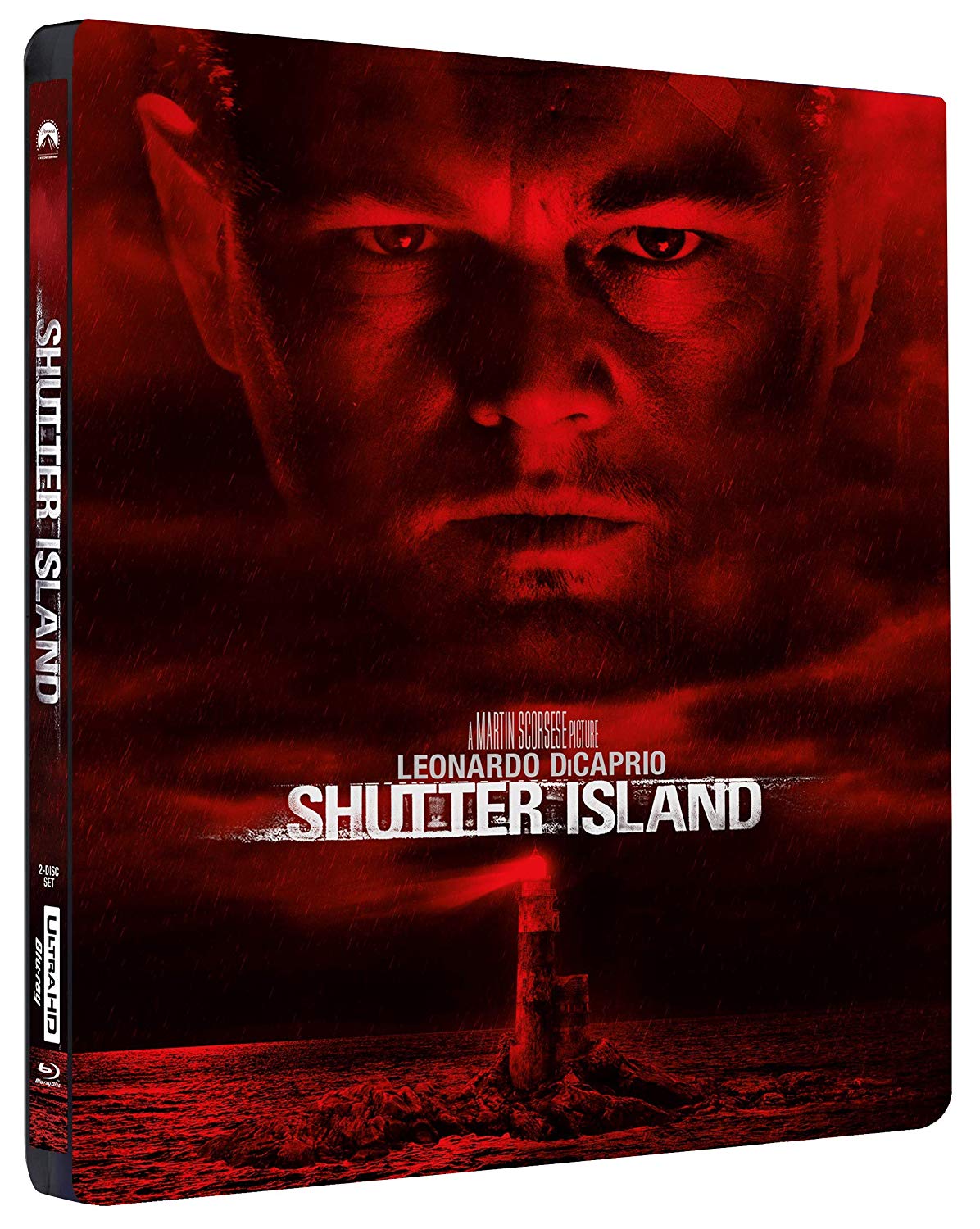
"This is a mental institution, Marshal. For the criminally insane. Usual isn't a big part of our day."

When I first saw Shutter Island ten years ago, I thought it was a good movie. I didn't think it was a great movie. Like many Martin Scorsese fans out there, I have developed certain expectations from his films. It isn't at all fair, but as I've said here many times, expectations are killers. I bathed too often in Scorsese's modern mob mythology that I think it took seeing The Irishman and being royally disappointed and then getting to see Shutter Island again thanks to this wonderful new steelbook 10th anniversary release on UHD Blu-ray in 4K. I also never thought Shutter Island could ever improve with age. It's got a wicked twist that occupies the final 40 minutes of the film, and no matter how good the performances might be, how could it possibly get better when you know what's coming? But again, I recall it being a good movie, so I welcomed the opportunity to revisit it after 10 years in 4K. Why not, right? I'm glad I did, and no matter how good you thought it was the first time, it's better the second time through. And I was absolutely wrong in my first evaluation. Shutter Island is not a good movie at all. It actually is a great film, and it's a shame that it's been relatively overlooked among Scorsese's films. And spoiler alert!!!!!!! The twist is even better when you know it's coming. (You thought I was going to spill some beans?)

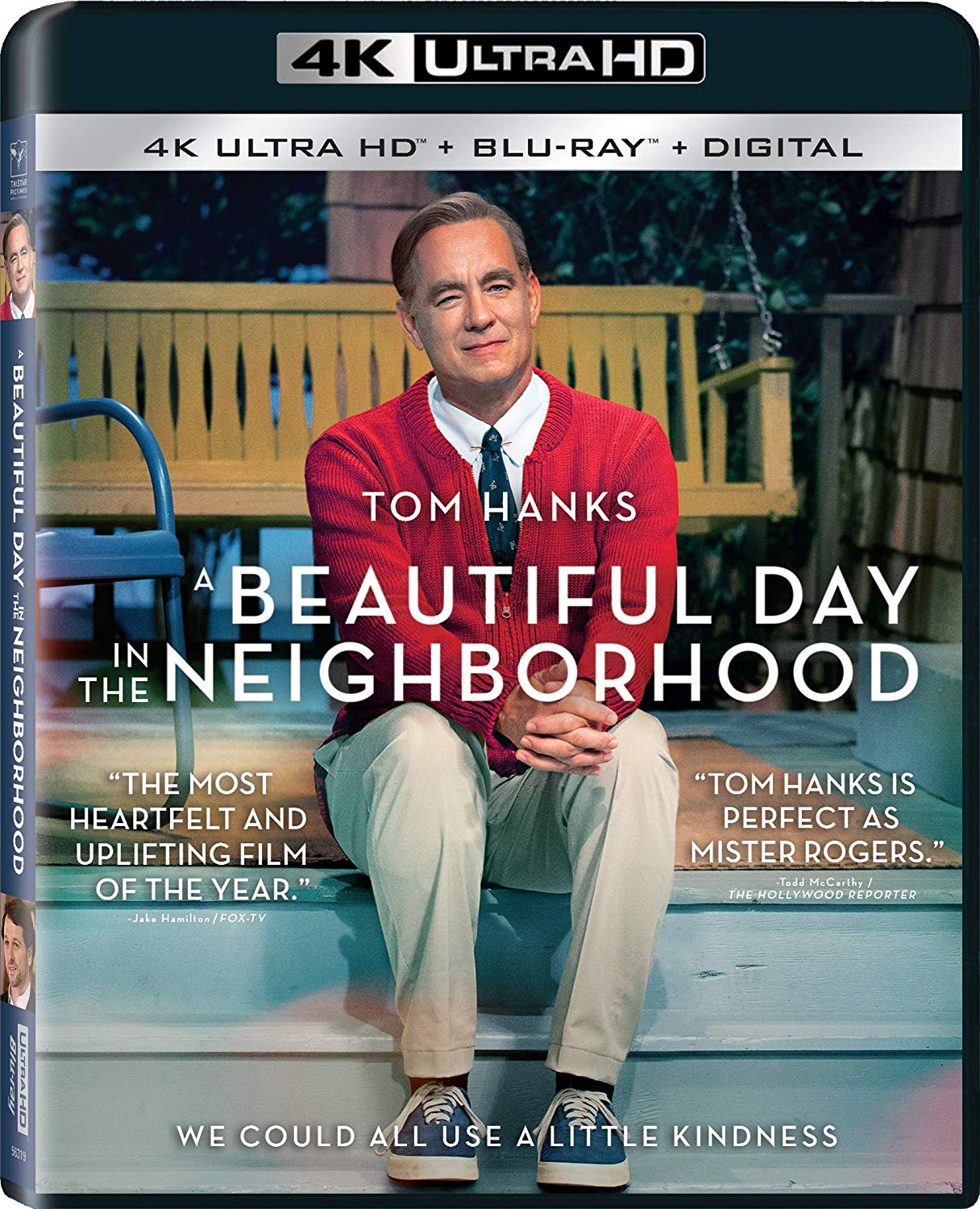
"It's a beautiful day in this neighborhood. A beautiful day for a neighbor. Would you be mine? Could you be mine?"

Anyone who was a kid from the 1960's to the 1990's and beyond recognizes Mr. Rogers and his neighbor song. The man defined children’s programming for television, and he did so from a small studio tucked away in Pittsburg, Pennsylvania for almost 40 years. There aren't many people living in this country who don't at least know who Fred Rogers was. It would be a complete waste of my space and your time to tell you very much about the man in these lines. Truthfully, you'll make the kinds of discoveries into the nature of who he was by spending a short 90 minutes watching the documentary Won't You Be My Neighbor that appeared last year. It will be time well spent no matter how little or much you think you know about him. But now hot on the heels of that incredible documentary comes a film staring Tom Hanks as the lovable neighbor we all used to wish we had. Recently Ancestry.com confirmed that Tom Hanks and Fred Rogers are related. Of course you have to go back the pre-revolutionary days of 1734 to find this elusive relative. But you won't have to time travel to spend a magical time with Mr. Rogers and Tom Hanks. In 2019, they happen to be the same man.

This is the film that literally started a trend. Within a decade, submarine films would make a huge comeback in the big-budget film industry. Titles like Crimson Tide, U-571, and K-19: The Widowmaker all took a little from Red October. Maybe the Cold War is over, but our fascination with that modern version of cowboys and Indians doesn’t seem to have waned much in the last nearly 20 years. While our relationship with Russia might be up and down over the last two decades, there is still a part of our culture that can’t seem to let go of that classic game of good guys and bad guys. It’s not unique to the former Soviet Union by any means. World War II has been over for more than 60 years, but the occasional Nazi bad guys still make their presence known from time to time. Maybe it’s those accents. Whatever the reason, the seemingly dated subject matter of Red October is never a liability to the film. When Red October came out, the Soviet Union had just fallen a mere two years earlier, and there were some who suggested the film was an inappropriate reminder of those recent bygone days and might even be considered a slap in the face to the new regime in Russia. Fortunately this was not one of those instances where Hollywood let its often hypocritical sense of political correctness get in the way of a great film.

Jack Ryan (Baldwin) is a CIA analyst. When he comes across a spy photograph of a new Russian submarine, the Red October, he becomes concerned about a new feature. It appears two very large doors, too big for torpedoes, have been added to the standard Typhoon class vessel. He travels to Langley and meets with his boss (Jones) to have the pictures studied. When it’s discovered that the pictures could be a “caterpillar drive”, a silent running technology, Ryan finds himself advising the President’s National Security Advisors. The ship is now out to sea, and the Russians appear to have gotten suddenly very nervous. Is the ship run by a rogue commander with glorious visions of nuking the US? Ryan thinks he wants to defect, and now he must convince an entire chain of command to give Ramius the chance to do just that. Ramius must avoid the entire Russian fleet and convince the Americans of his intentions.

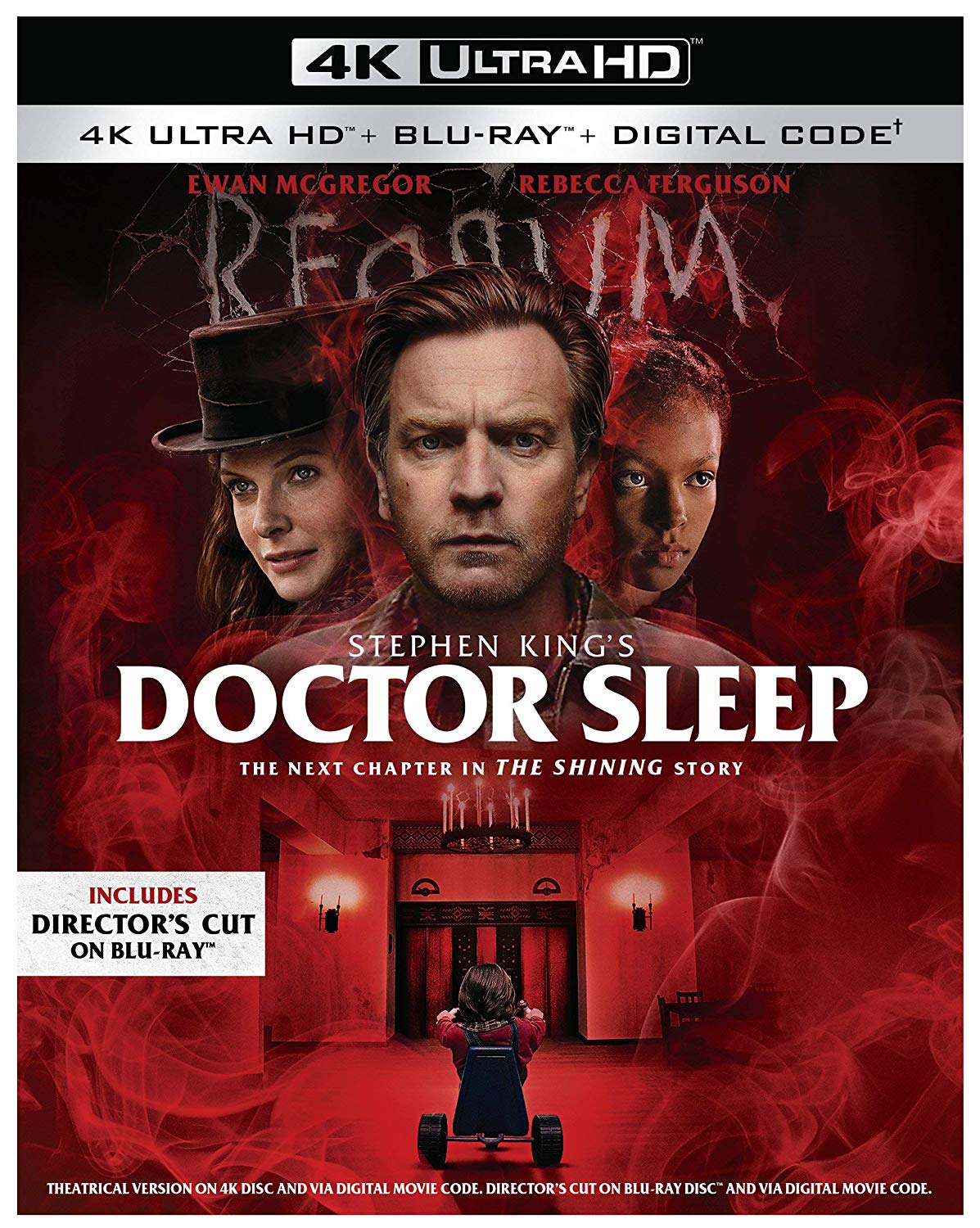
It would seem like audiences are suffering from a bit of Stephen King fatigue, as 2019 saw three theatrical releases of his films and each of them seemed to under-perform at the box office. Pet Sematary was a lackluster adaptation, and It Chapter 2 was fun, but still disappointing when considering how good the first was, and then there was Doctor Sleep, the long awaited sequel (depending who you ask) to The Shining.  When it comes to The Shining, I’m a fan of both King’s book but also of Stanley Kubrick’s take on the material.  King has always had his problems with the Kubrick version due to the many liberties taken with the material, and many people tend to forget how personal that story was for King and how it dealt with his own personal struggles with alcohol and addiction.  Because of all this, I believe it’s why the announcement of Doctor Sleep as a book and eventually a film was so shocking and even polarizing for some.  When I read the book, it was a fun and unexpected journey that eventually leads back to the Overlook, but most enjoyable was the journey on getting there as King created a sequel that delved more into what “the shining” is rather than simply return to a haunted hotel.  So how was the film, and how does the director’s cut differ from the theatrical cut?

For those unfamiliar with the story of Doctor Sleep, it follows Dan Torrance (Ewan McGregor), who is all grown up now but remains mentally and emotionally damaged from the previous events at the Overlook Hotel.  He’s followed in the footsteps of his father and has become an alcoholic and has done some horrible things along the way. It’s when he hits rock bottom that he meets Billy (Cliff Curtis), who helps him and takes him to an AA meeting which begins his long journey towards sobriety.  We also have a tribe of vampire like killers that call themselves The True Knot who are led by a powerful psychic named Rose “The Hat” (Rebecca Ferguson).  What makes The True Knot so terrifying is that they are a group, each with their own psychic skill type who prey upon those who also have psychic abilities, and to survive they literally feed on their psychic “steam”.  This “steam” is what makes them strong and helps prolong their lives, and to make this “steam” last, the more pain and fear they inflict on their victim the better it is.  As it turns out, “steam” is strongest in children, and this means that The True Knot is doing some horrible things to children as they travel in a caravan across the US.  This is where Abra Stone (Kyliegh Curran) comes in. She’s a young girl with powerful abilities who happens to psychically see the horrible death of one of the “steam” victims, and she reaches out to Dan for help.

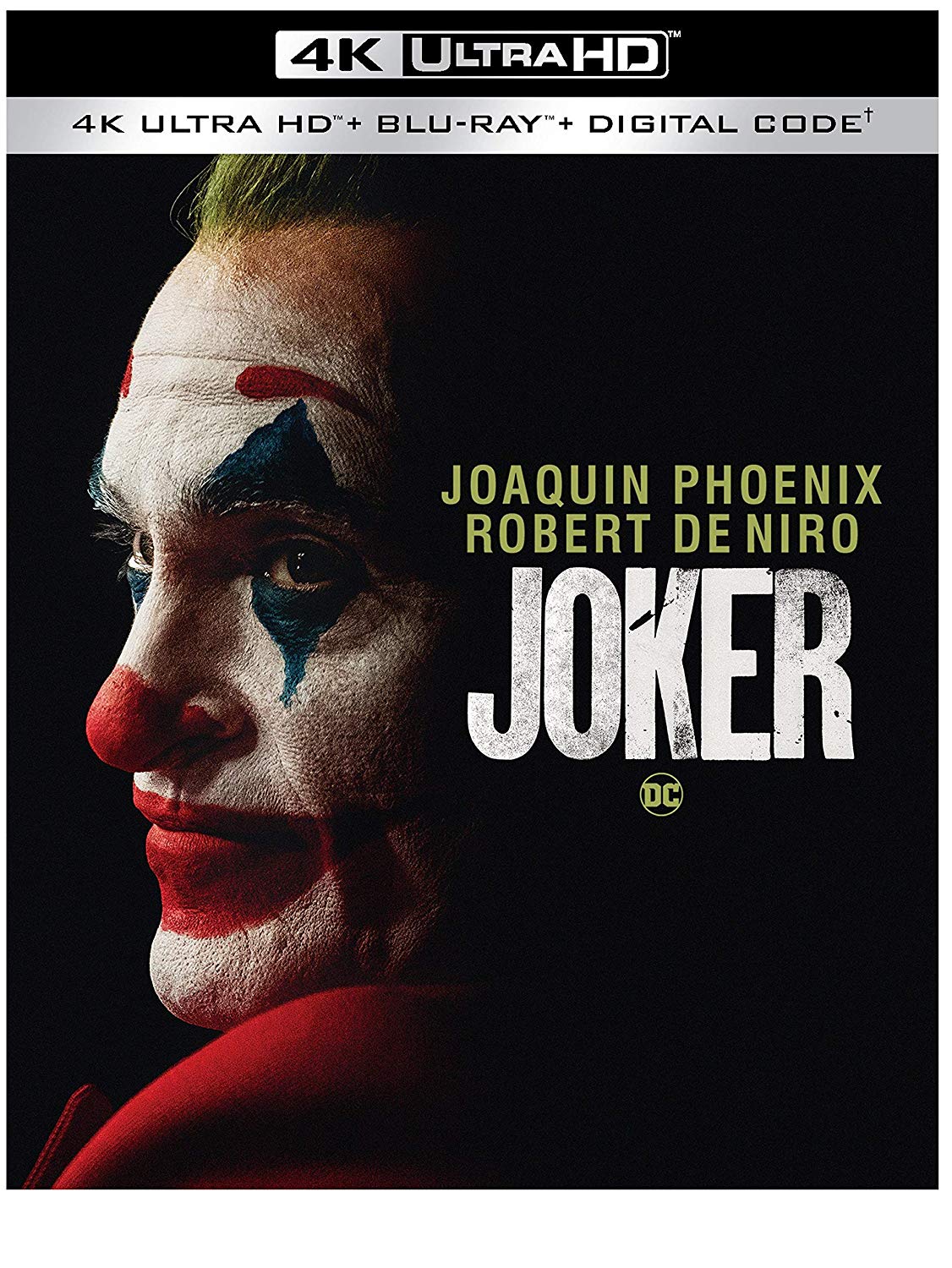
“Art is dangerous.”  It’s a quote that has been passed around over the decades, and it’s something I tend to agree with.  Over the weeks building up to the release of the film, there seems to be a manufactured panic about what could happen when Joker releases onto the big screen.  In Aurora, Colorado they’ve elected to not show the film as a way to not trigger local residents that were involved in the 2012 shooting. This I can understand considering the shooter did indeed dress as the Joker when he committed his act of violence.  As for other parts of the US, the local police and military have been placed on high alert, all because people are worried about the gun violence and how it may motivate deranged fans to go on shooting sprees.  This obviously is not what the studios or filmmakers ever intended, but it is unfortunately a sign of the times that we are living in.  No one should have to fear going to the movies. The theater for many is the place for audiences to escape for two hours and forget the troubles and the horrors of the real world, and my hope is audiences will be able to do so without violent incidents.

To be fair, Joker isn’t the first film to have the spotlight thrust upon it due to its violence, nor will it be the last. A part of me even wonders if the controversy was even manufactured to create more buzz for the film. After all, scaring audiences has always been a powerful tool in marketing, when you look back at the films of William Castle and Roger Corman.  For some of their films audiences would have to sign waivers to ensure the studio wouldn’t be at fault if anything were to happen to audience members while watching the film, while having ambulances parked outside the movie house.  Is it a stretch to believe the studios would do this? Maybe. But is it possible, considering how the box office is underperforming, that people will attempt to create buzz for the film?  And then there are the political motivations, attempting to use a film in the fight for control.  So many possibilities, so much controversy, and still as I write this, the film hasn’t even been released to the masses for them to judge for themselves.

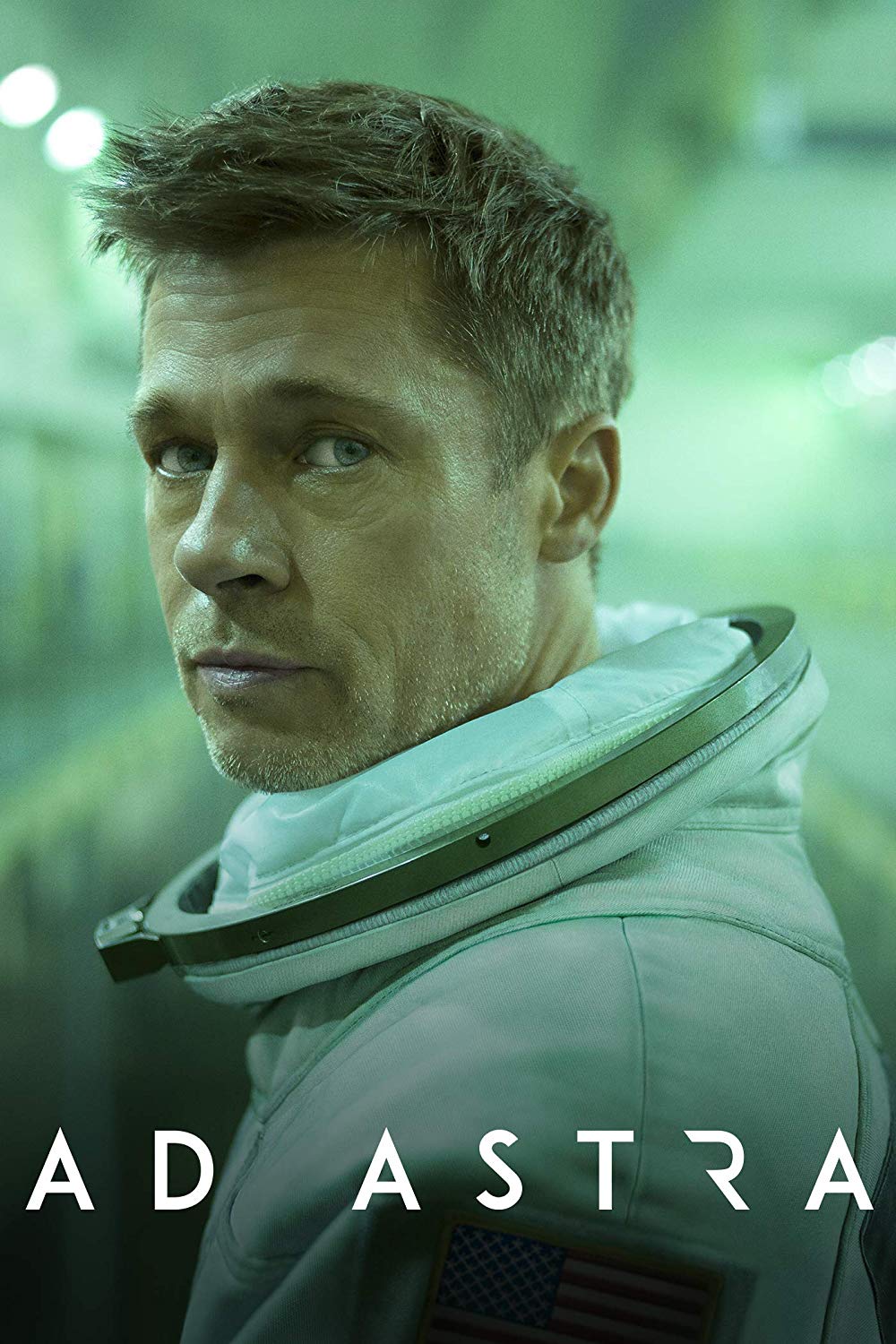
"The near future. A time of both hope and conflict. Humanity looks to the stars for intelligent life and the promise of progress. To the stars..."

You know a movie’s bad when Brad Pitt isn’t enough to save it. However, where Ad Astra falls down is in execution of story rather than a failure on the part of Mr. Pitt. The premise was interesting: a son follows in the footsteps of his hero astronaut father to learn that his father, who was previously believed to be dead, may be responsible for catastrophic events plaguing the Earth. There is depth to the story, and the idea of human beings colonizing other planets was shown in a truly interesting and realistic manner, but instead of this being the forefront of the film, the story focuses primarily on a emotional journey that never pans out. The film also features a cast of superstars whose performances were little more than cameos. A waste of talent, if you ask me. I mean, why put together a cast that includes Tommy Lee Jones, Donald Sutherland, Liv Tyler, and Ruth Negga, just to have their contributions be the length of a commercial. Yes, I know that was an exaggeration, but it just seems wasteful.


“This meeting of the Losers’ Club has officially begun.”

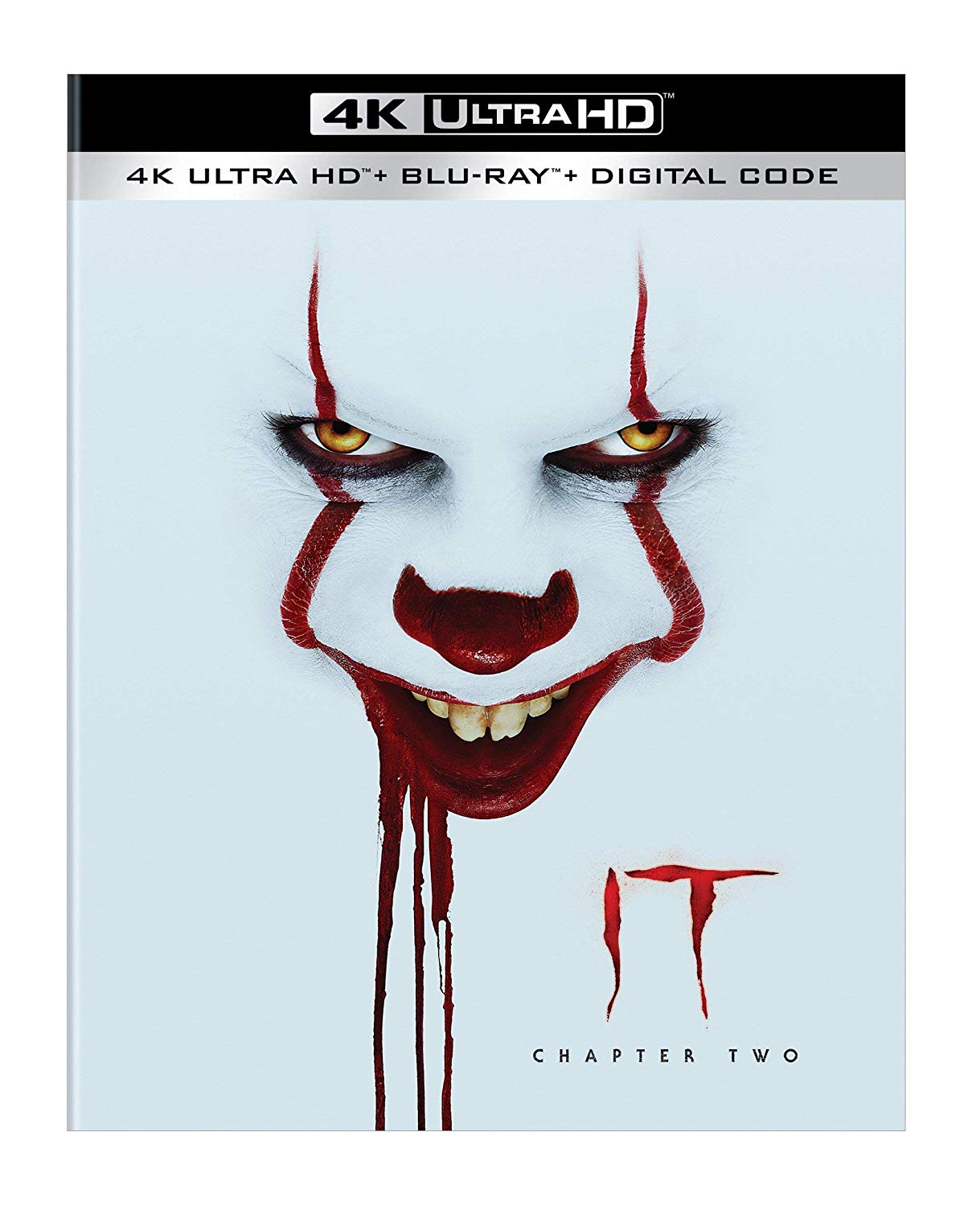
I don’t think I’d be exaggerating by saying It Chapter 2 might be the most highly anticipated horror film in quite some time. Two years ago when the first It hit the cinemas, sure, I expected it to be a hit, but the film went on to be a pop culture sensation.  Pennywise was already well known because of the books by Stephen King, but also because of the loyal fan base of the 90’s mini-series.  Debates were heated about which Pennywise was better and more terrifying, while other debates went on about which adaptation was better.  I always felt it was unfair to compare this new version to the mini-series simply because we only had half a film, and now finally this weekend we have the conclusion to the story about our favorite Losers’ Club, only instead of teenagers they are all grown up.  Now that the wait is over, how does this film stack up alongside the first half and the mini-series? Well, I’ll say it’s better than the mini-series but doesn’t quite have the magic of the 2017 film.