Getting thrown into the middle of a film or television series is a daunting task, especially when you can't just reach out and grab the source material.  For example, today's review are three films that are set after a manga book collection as well as a 13-episode television series that is available on Blu-ray, but by another production house and would cost me thirty bucks.  Hardly an ideal situation, but one I wasn't going to back down from.  Donten: Laughing Under the Clouds - Gaiden is our review today and tries to tell us in nearly three hours what happens after the Yamainu take down the Orochi and the struggle to lead normal lives in the wake of such a cataclysmic event.

I'm always cautious when I approach a low-budget independent film. It's not that I don't expect them to be good. I have found countless gems over the years that not only exceeded my expectations but have been placed on a must-watch-again list. The thing I'm most cautious about is the level of ambition a limited experience director might shoot for. Obviously there has to be a great amount of drive and ambition to even try to make a movie. I know many filmmakers think reviewers are frustrated and failed filmmakers. I'm not one of them. I have a great deal of respect for anyone who puts together a story and a crew and often risks their own resources to make a film. I'm talking about the ambition in the film itself. As I was watching Cicada Song for the first time, I started to worry about just that. This is a very ambitious film that tries to tackle a lot of things at one time. Yet writer/director managed to pull it off and deliver a film far more compelling than I was expecting.

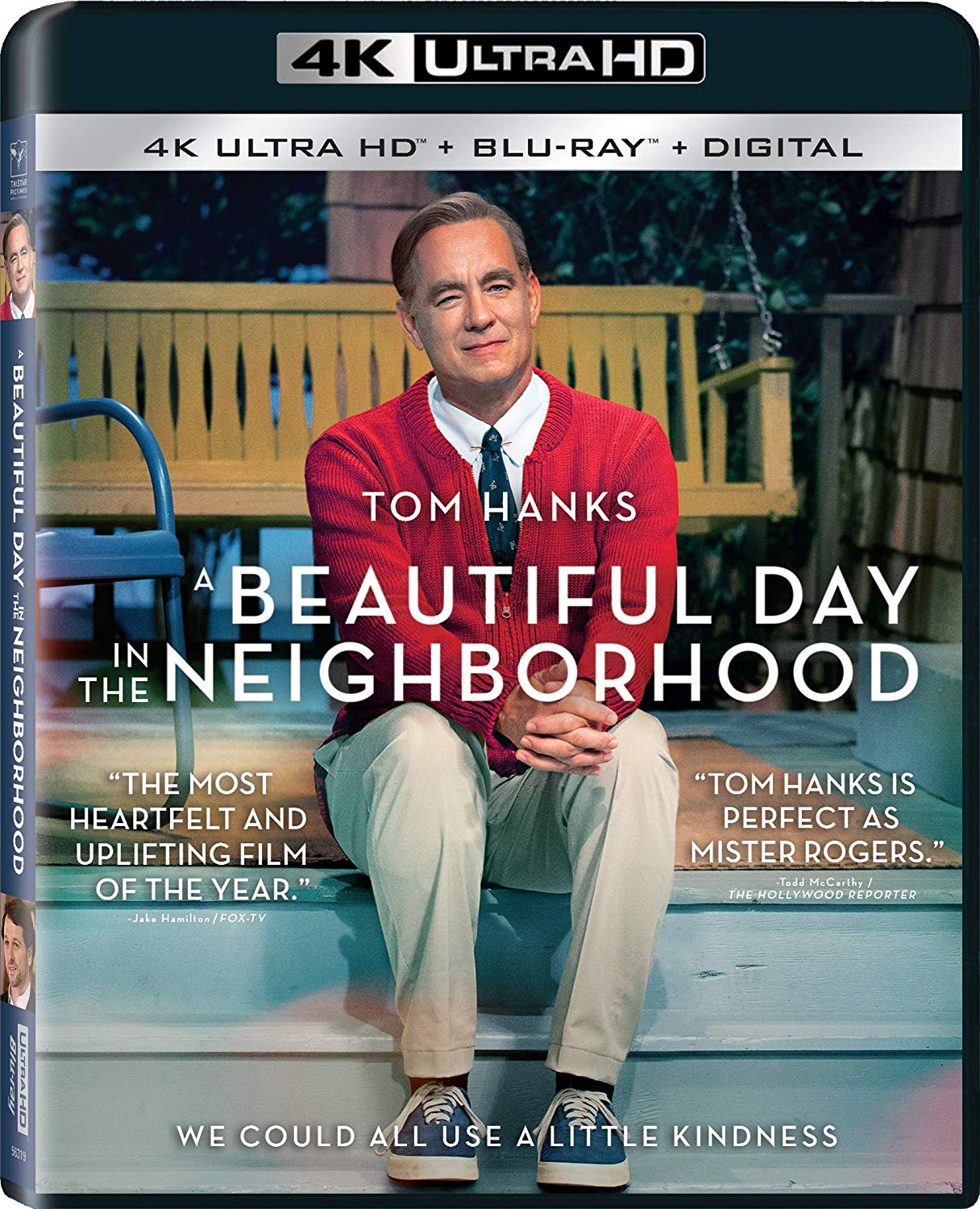
"It's a beautiful day in this neighborhood. A beautiful day for a neighbor. Would you be mine? Could you be mine?"

Anyone who was a kid from the 1960's to the 1990's and beyond recognizes Mr. Rogers and his neighbor song. The man defined children’s programming for television, and he did so from a small studio tucked away in Pittsburg, Pennsylvania for almost 40 years. There aren't many people living in this country who don't at least know who Fred Rogers was. It would be a complete waste of my space and your time to tell you very much about the man in these lines. Truthfully, you'll make the kinds of discoveries into the nature of who he was by spending a short 90 minutes watching the documentary Won't You Be My Neighbor that appeared last year. It will be time well spent no matter how little or much you think you know about him. But now hot on the heels of that incredible documentary comes a film staring Tom Hanks as the lovable neighbor we all used to wish we had. Recently Ancestry.com confirmed that Tom Hanks and Fred Rogers are related. Of course you have to go back the pre-revolutionary days of 1734 to find this elusive relative. But you won't have to time travel to spend a magical time with Mr. Rogers and Tom Hanks. In 2019, they happen to be the same man.

This is the film that literally started a trend. Within a decade, submarine films would make a huge comeback in the big-budget film industry. Titles like Crimson Tide, U-571, and K-19: The Widowmaker all took a little from Red October. Maybe the Cold War is over, but our fascination with that modern version of cowboys and Indians doesn’t seem to have waned much in the last nearly 20 years. While our relationship with Russia might be up and down over the last two decades, there is still a part of our culture that can’t seem to let go of that classic game of good guys and bad guys. It’s not unique to the former Soviet Union by any means. World War II has been over for more than 60 years, but the occasional Nazi bad guys still make their presence known from time to time. Maybe it’s those accents. Whatever the reason, the seemingly dated subject matter of Red October is never a liability to the film. When Red October came out, the Soviet Union had just fallen a mere two years earlier, and there were some who suggested the film was an inappropriate reminder of those recent bygone days and might even be considered a slap in the face to the new regime in Russia. Fortunately this was not one of those instances where Hollywood let its often hypocritical sense of political correctness get in the way of a great film.

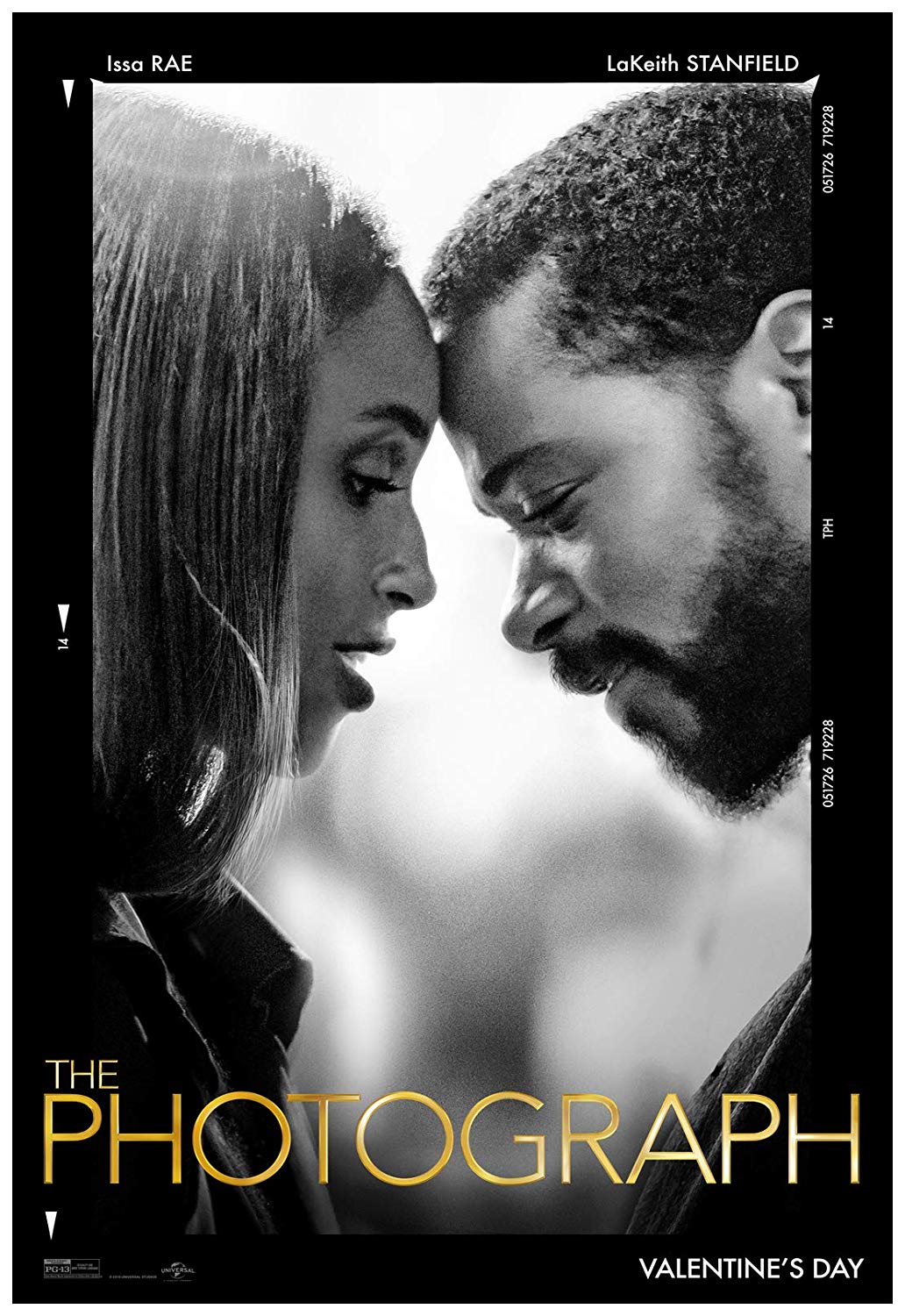
"When I saw the photo he took of me, I didn't see myself. I saw someone who looked happier than me."

This little romance, The Photograph, tugs at the heartstrings and should work well with a female audience. Lost love and missed opportunities set the tone for this storyline, and the complications resonate with today’s social values. The film plays out like a Saturday matinee, where a release on Lifetime would have been a better choice.  While the theater experience is the norm, the budget for the movie would have fared better had they chose a more apt venue.  The acting is very good, direction pinpoint, but the storyline is ordinary to timeworn. Michael Block (LaKeith Stanfield), a writer for The Republic, is doing a story on Christina Eames (Chante Adams), a famous photographer who had recently died, for his column.  To get some background he interviews her daughter Mae (Issa Rae), who lives in New York City. Their romance gets steamy and genuine, but Mae is cautious so she won’t get hurt.


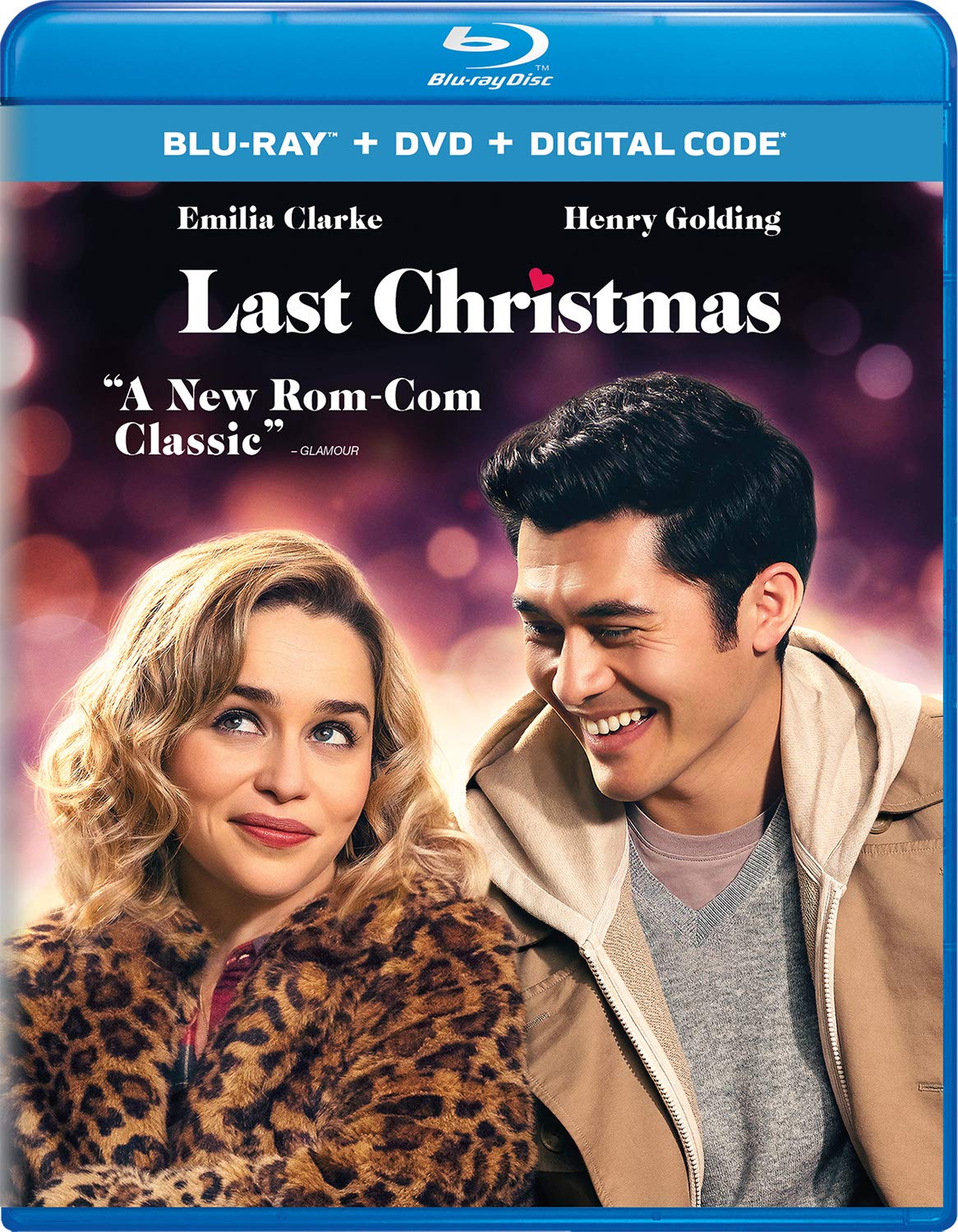
This movie truly took me by surprise; I was expecting another vapid romantic comedy tale without any original thoughts or concepts, but actress Emma Watson showed that she had something else in mind for this story that she penned herself. Based on the popular song by Wham! (yes, the exclamation point was necessary), Last Christmas follows the story of a girl who goes in the opposite direction of a new lease on life following a confrontation of her own mortality, and it takes a handsome stranger to help her see and appreciate the gift that she has been given. I know that it is not one hundred percent original, but it isn’t a premise that has been beaten to death, and there are some elements that keep it fresh. The manner in which the story unfolds is unique, and there is a twist that that took me by surprise. Not only did it take me by surprise, it utterly devastated my wife, who become a little bitter afterwards. Despite the effect the twist had on her, she couldn’t deny that this film starring Emilia Clarke and Henry Golding was very enjoyable. Writer/Actor Emma Watson also rounds out the cast as Clarke’s mother from the old country.

"Every small town has a story. But my hometown has a legend. Roswell was a sleepy cowboy settlement in postwar America. Full of farmers and military men, until one day something extraordinary happened, or so the legend goes."

Roswell High was a series of 10 books written by Melinda Mentz in the young adult genre. That's the same place where book franchises like Harry Potter and Hunger Games thrived. These books were first adapted in 1999 on the CW as Roswell. Developed by Jason Katims, the series ran for three seasons and 61 episodes. The series didn't quite catch on in its first season, but the few fans the series did have were rather vocal. It's somewhat ironic that a Star Trek-like campaign involving fans sending bottles of Tabasco sauce to network executives gave the series its first reprieve. That's when Ronald Moore, a veteran of Star Trek, joined the team and brought the series into more respectable numbers. The relationship stuff was pushed to the back burner, and more of the aliens and their science fiction stories carried the series. But it also took the show more away from the books. The ratings bump just wasn't enough to save the day, and like the original Star Trek, it lasted just three seasons.

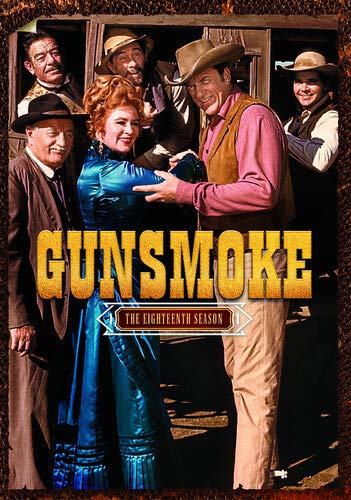
The setting for Gunsmoke was the by-now-famous Dodge City, circa 1870’s. Phrases like “get out of Dodge” would enter the popular lexicon as a result of this resilient series. Marshall Dillon (Arness) was charged with keeping the peace in Dodge City. The only other character to see the entire 20-year run was kindly Doc Adams (Stone). Star Trek’s own Doc, Leonard McCoy, took many of his traits from Doc Adams. He was the humanitarian of the city, always looking to help someone. Like McCoy, he had a taste for bourbon and a soft heart underneath a rather gruff exterior and was always ready with free advice. Dillon’s love interest throughout most of the series was Miss Kitty Russell (Blake). While there were certainly a few romantic undercurrents, the romance never came to fruition. Miss Kitty was a prostitute on the radio and was likely one here as well, but CBS chose to underplay that aspect of her character as a “saloon girl”. Finally Dillon’s faithful sidekick deputy was Chester (Weaver). Chester often found himself in trouble and was the naïve son figure to Dillon.

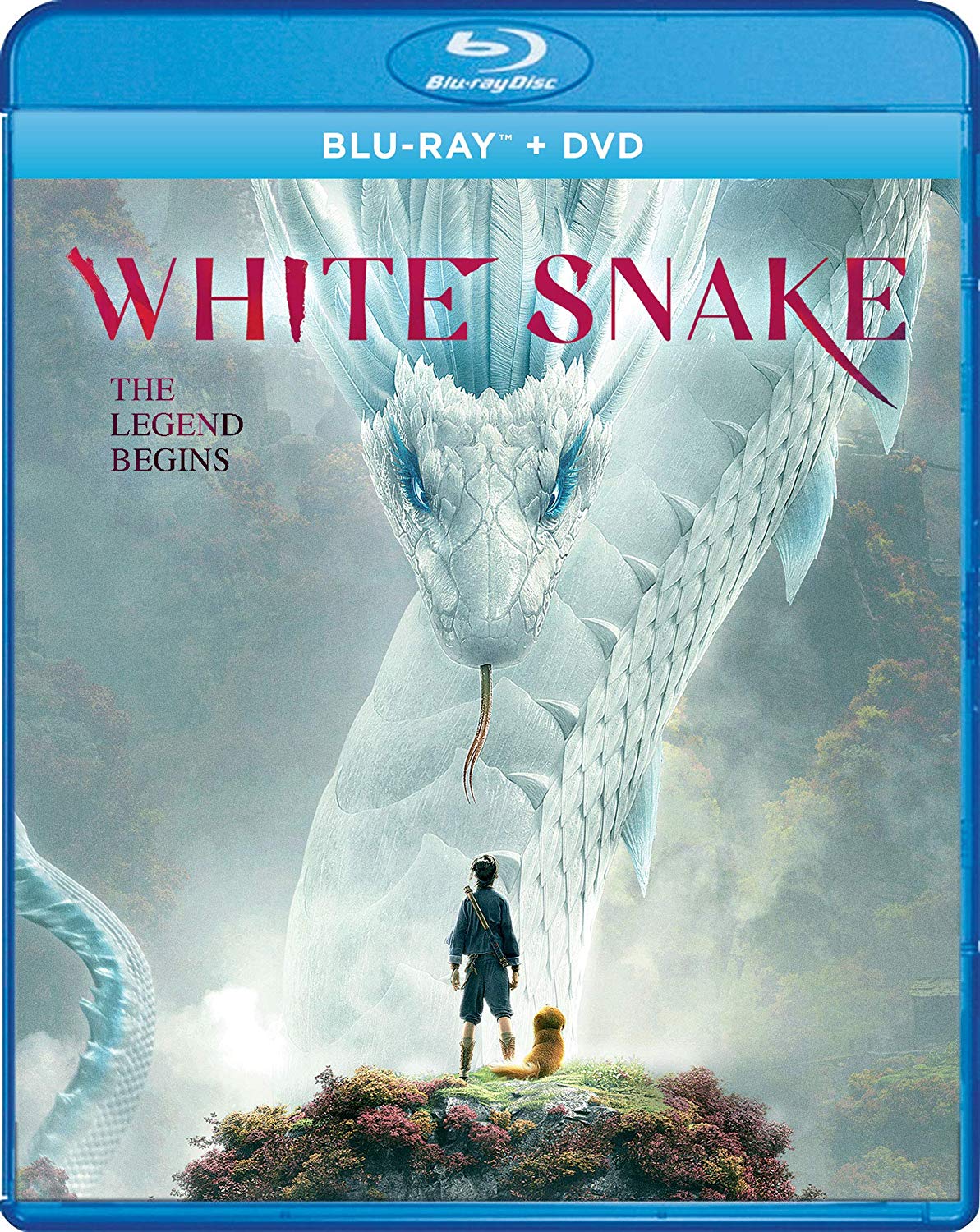
A common thread in fairy tales and stories of long ago is for there to be a perfect female that is amazingly romanced by a not-so perfect male.  In fact, he is usually average, clueless, and clumsy beyond belief.  During the narrative, we realize that the female is only perfect on the outside and is somehow flawed on the inside.  In the end, they live happily ever after.  The story changes sometimes in details, genders, and other minor pieces of information, but is overall the same in theme.  Today, we explore White Snake, which is a prequel to the Chinese fable, Legend of the White Snake.  Let's take a look.

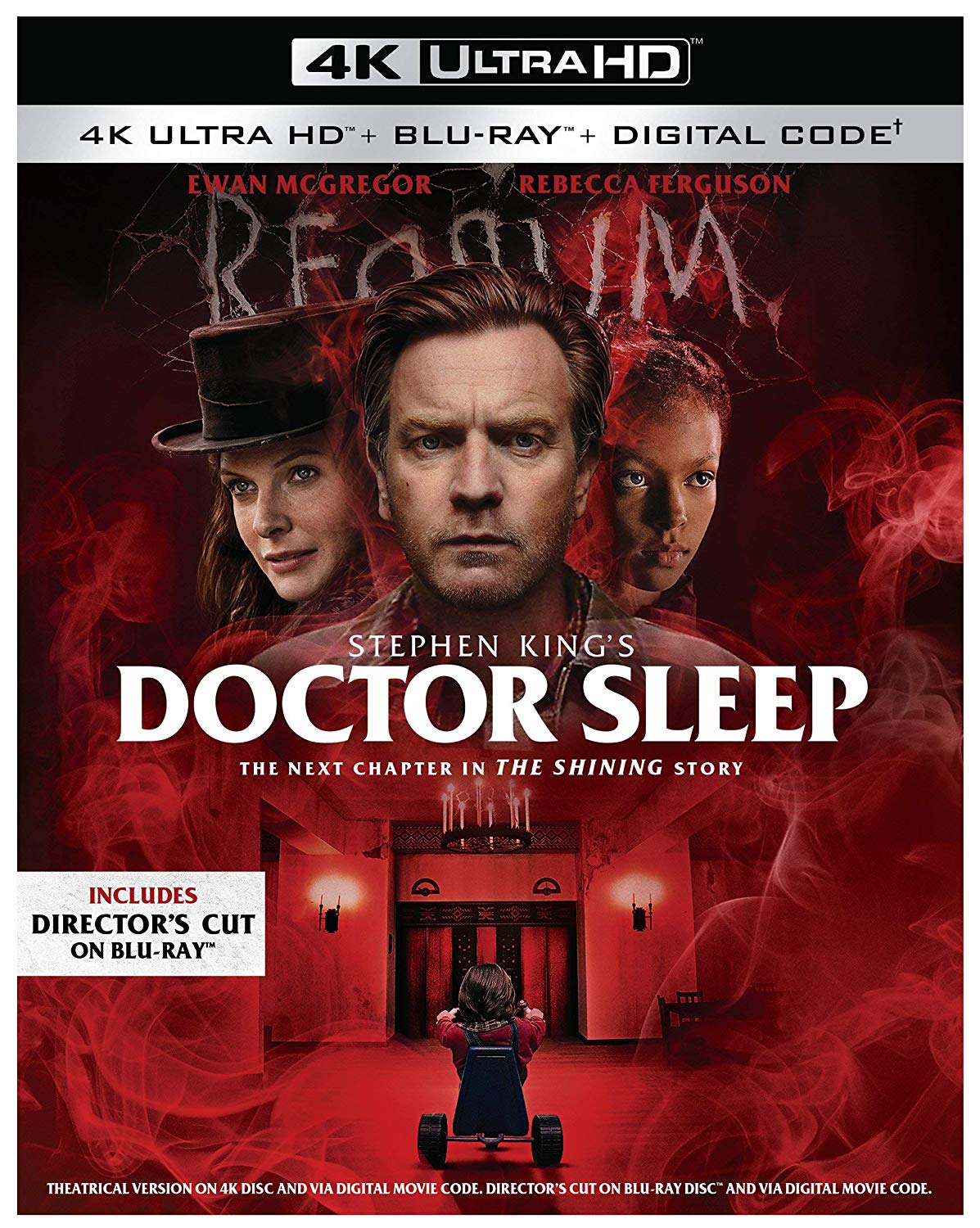
It would seem like audiences are suffering from a bit of Stephen King fatigue, as 2019 saw three theatrical releases of his films and each of them seemed to under-perform at the box office. Pet Sematary was a lackluster adaptation, and It Chapter 2 was fun, but still disappointing when considering how good the first was, and then there was Doctor Sleep, the long awaited sequel (depending who you ask) to The Shining.  When it comes to The Shining, I’m a fan of both King’s book but also of Stanley Kubrick’s take on the material.  King has always had his problems with the Kubrick version due to the many liberties taken with the material, and many people tend to forget how personal that story was for King and how it dealt with his own personal struggles with alcohol and addiction.  Because of all this, I believe it’s why the announcement of Doctor Sleep as a book and eventually a film was so shocking and even polarizing for some.  When I read the book, it was a fun and unexpected journey that eventually leads back to the Overlook, but most enjoyable was the journey on getting there as King created a sequel that delved more into what “the shining” is rather than simply return to a haunted hotel.  So how was the film, and how does the director’s cut differ from the theatrical cut?