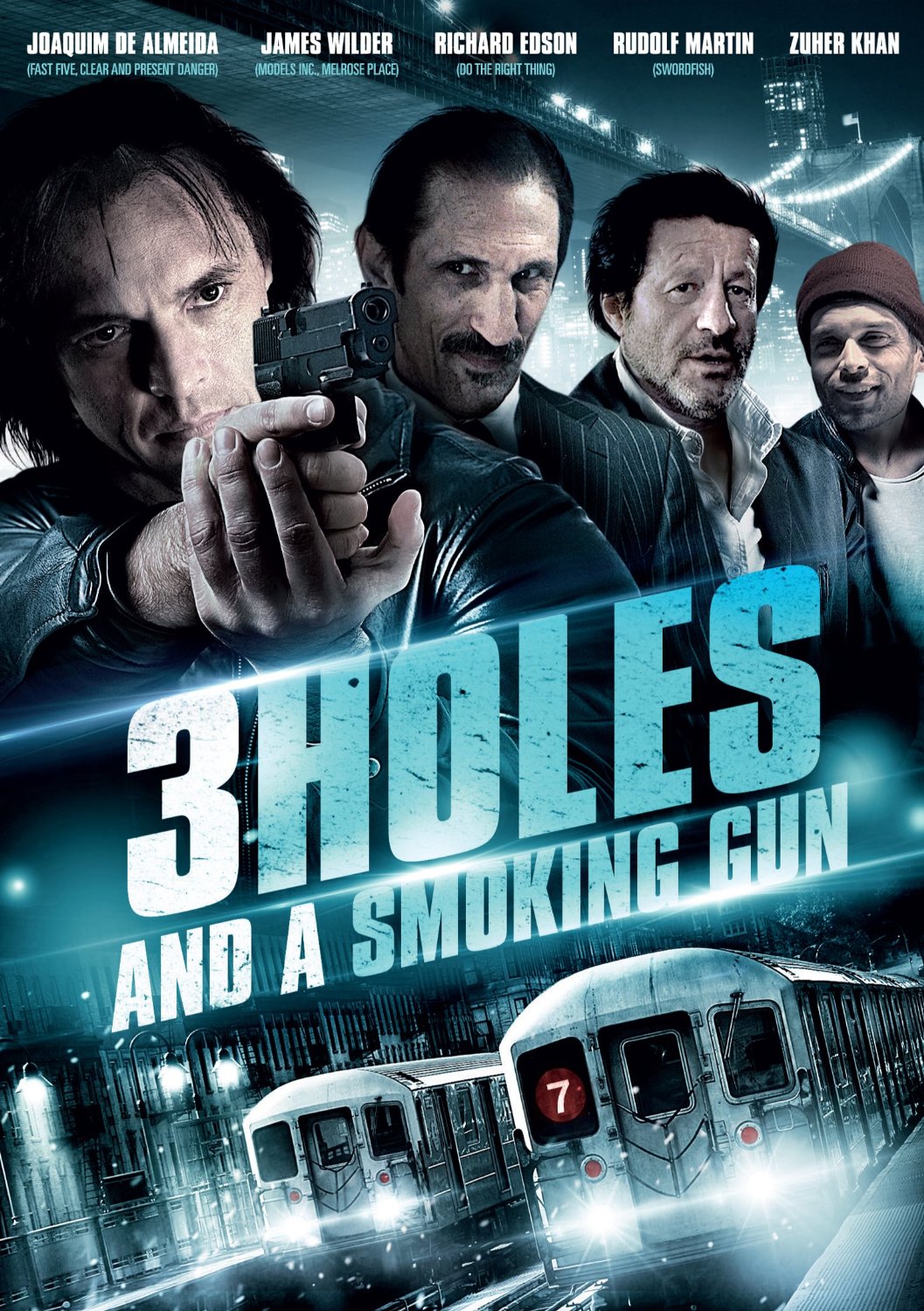
Most films start with a screenplay. Certainly the true genesis is usually an idea or concept, but the film starts to take shape around a screenplay. Never has that been more true then with 3 Holes And A Smoking Gun. In fact, you could say it has a killer script. I'm not actually talking about the one written by Scott Fivelson for the movie. And, when I say killer, I'm not being at all figurative. This is a script that people will literally kill for, hence the smoking gun in the title. That's not to say that Fivelson's work isn't pretty good here. It's quite clever, but it's not the dominating aspect of this particular movie. That comes later.

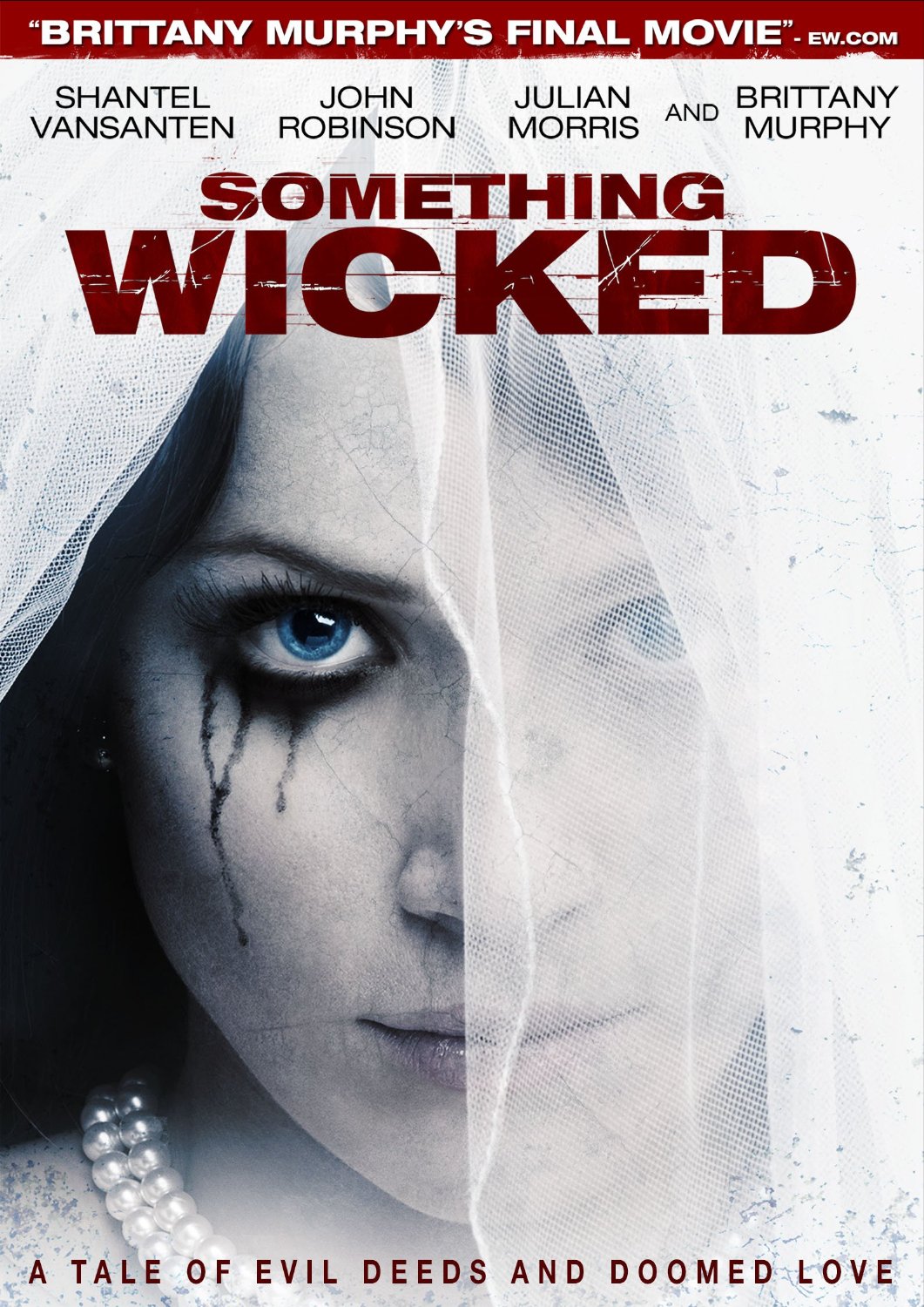
Here it is, Brittany Murphy’s swan song performance before her untimely death.  Though I may not have been her biggest fan, I could still appreciate growing up and watching her from films like Clueless and Girl, Interrupted, but for many she will always be the girl who said “I’ll never tell” in Don’t Say A Word.  The DVD promo art on the cover is banking on those loyal fans, and it does seem like an insensitive cash grab by the studio, especially since Murphy isn’t even the star. Instead she does nothing more than fill in a co-starring role in an unfortunate, forgettable performance.  So if you were looking for something more, I want to warn you from the start this is not her movie.


For your safety you should keep him away from the booze and doughnuts.”

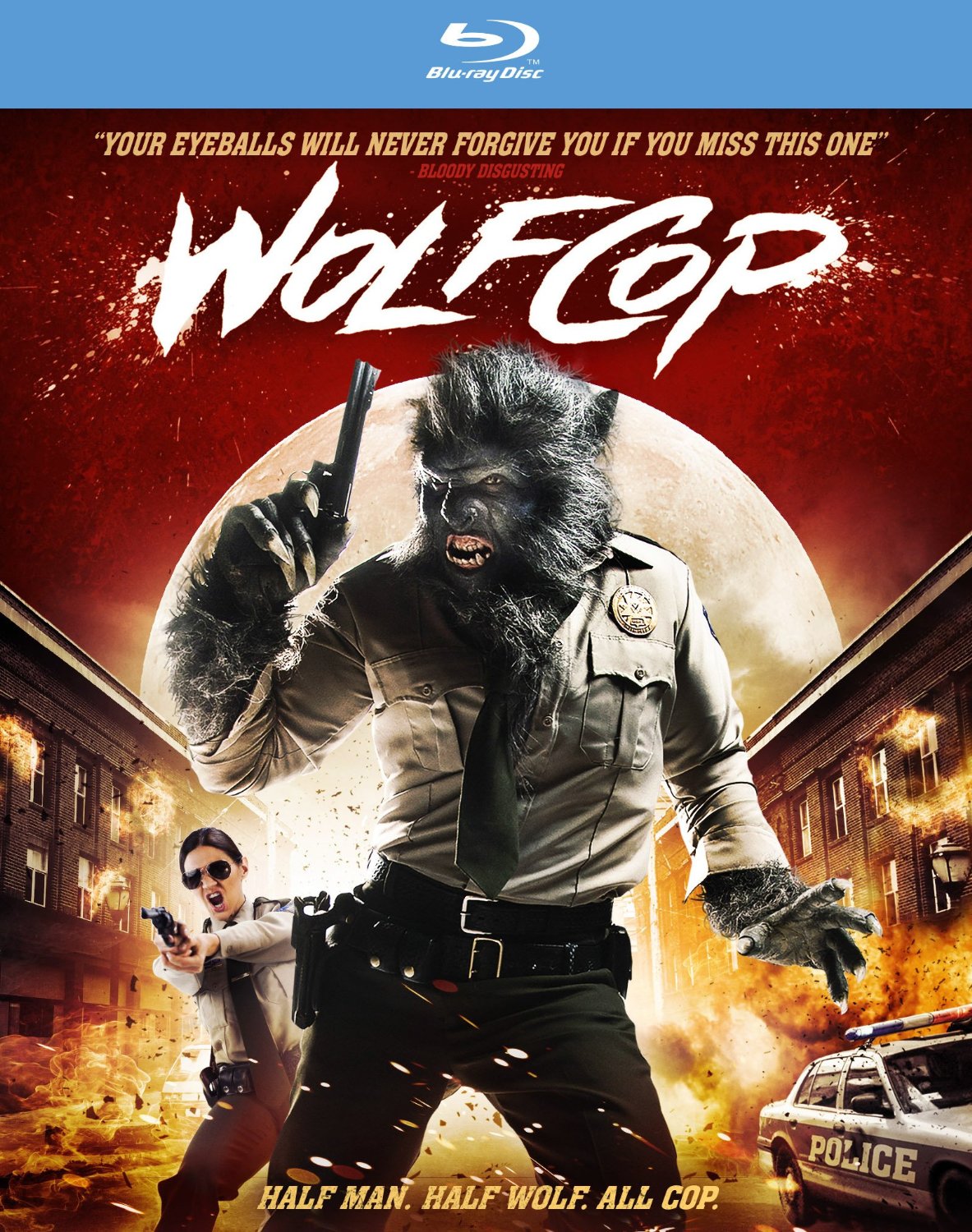
Wolf Cop wasn’t a film haphazardly thrown together; instead its path to being made was epic in its own right as the filmmakers entered their concept into a Canadian online competition where people voted week after week on what potential film would be lucky enough to get made.  Wolf Cop slayed the competition, and as they say, the rest is history.

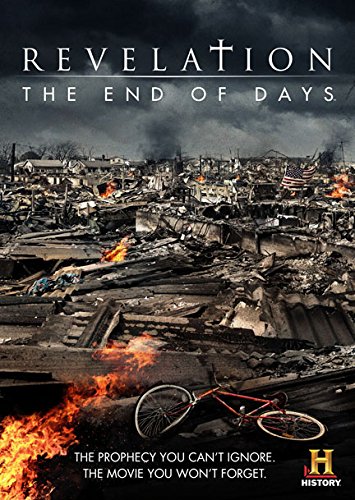
2,000 years ago, the Bible prophesied the return of Christ...but only after God inflicts seven years of torment on the world to test the faith of mankind.”

It's not quite seven years long, but this two-part, three-hour TV movie — History's latest foray into original filmmaking — is likely to test the faith (and patience) of anyone who watches it. Revelation: The End of Days is intentionally less glossy than previous network offerings like Bonnie & Clyde and Houdini because it takes a ground-level look at the apocalypse. But in scaling back to achieve that aesthetic, the result is both frustrating and amateurish.

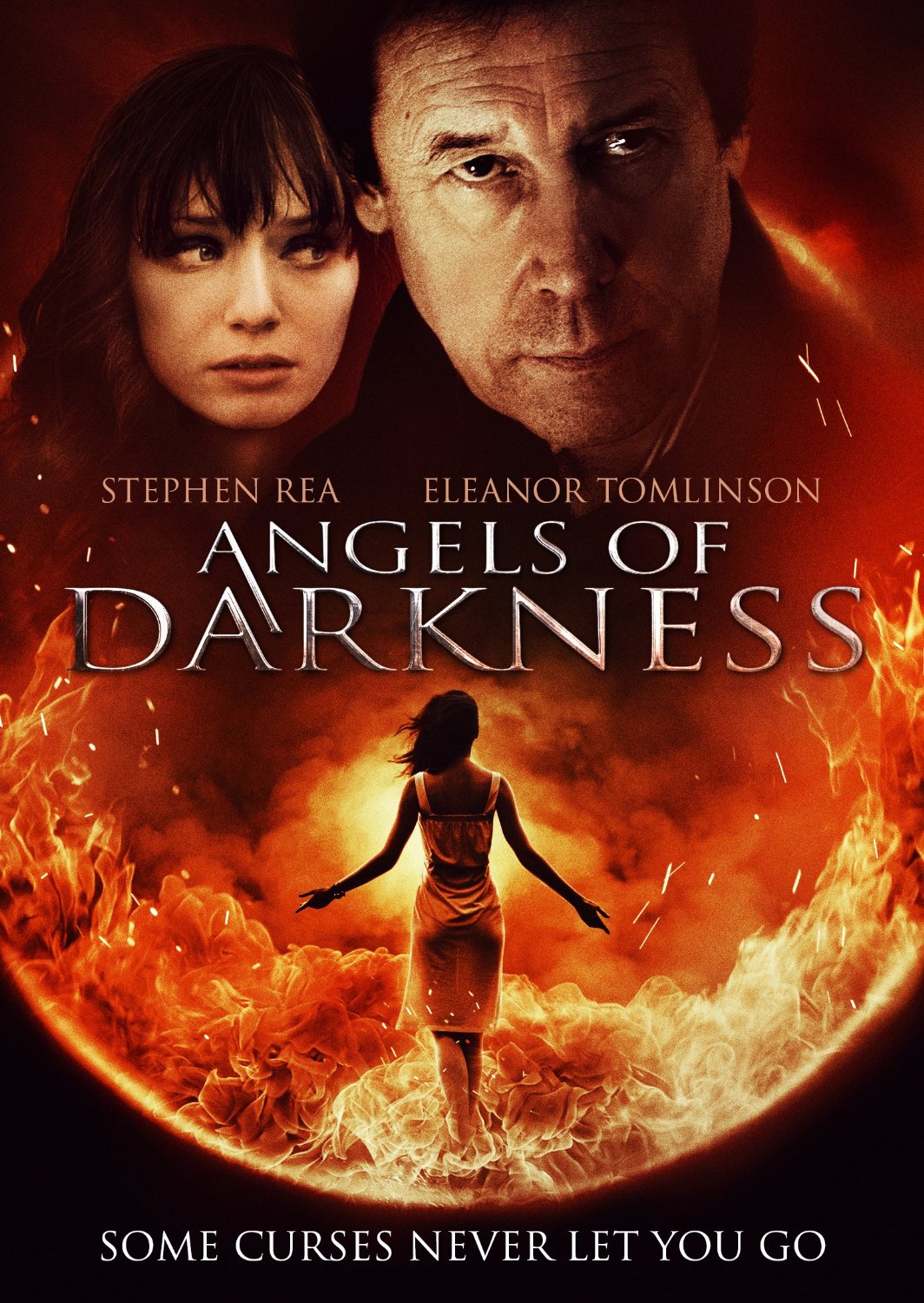
Here’s a movie that took me by surprise, and for anyone who knows me that is a high bar to clear. I was not expecting much from the picture and miraculously found myself hanging on every second. It is not your traditional horror film with a clear-cut antagonist; in fact, at some point it becomes difficult to determine who the real enemy in the film is. Which is not to say that the presumed antagonist is in any way redeemable; it just means that once you know the story there comes the possibility, no matter how slight, that you may find yourself sympathetic to their plight.

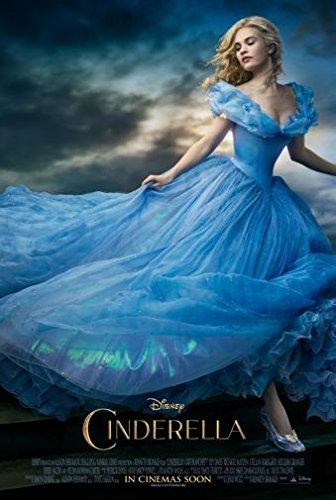
“Have courage and be kind.”

Those words — repeated many times in this newest version of Cinderella — serve as both the title character’s mantra and the film’s unofficial tagline. The message is elegant in its simplicity in a way that mirrors this refreshingly old-fashioned adaptation, which resists the prevailing urge to modernize and/or revise a classic story.

“Tell everyone to get ready.  Jimmy is coming.” 

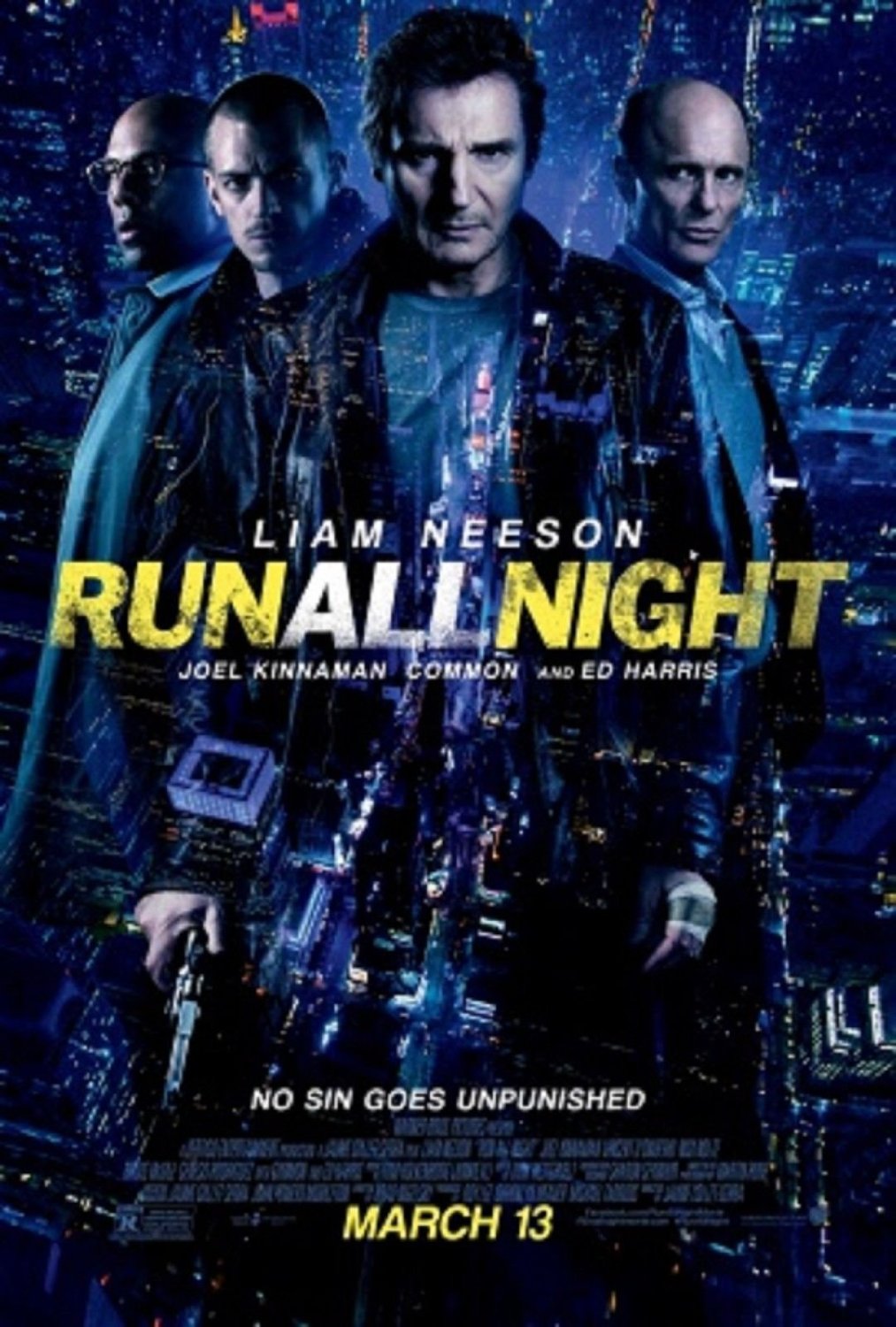
If someone were to tell me while walking out of Schindler’s List that 20 years later Liam Neeson would be an action star, I would have thought they were out of their mind.  Between the trio of Taken films and numerous films that seem to be cut from the same ilk, Liam Neeson seems to be walking in the same footsteps as Charles Bronson and Clint Eastwood as being the go-to everyman that just so happens to be a badass with or without a gun.

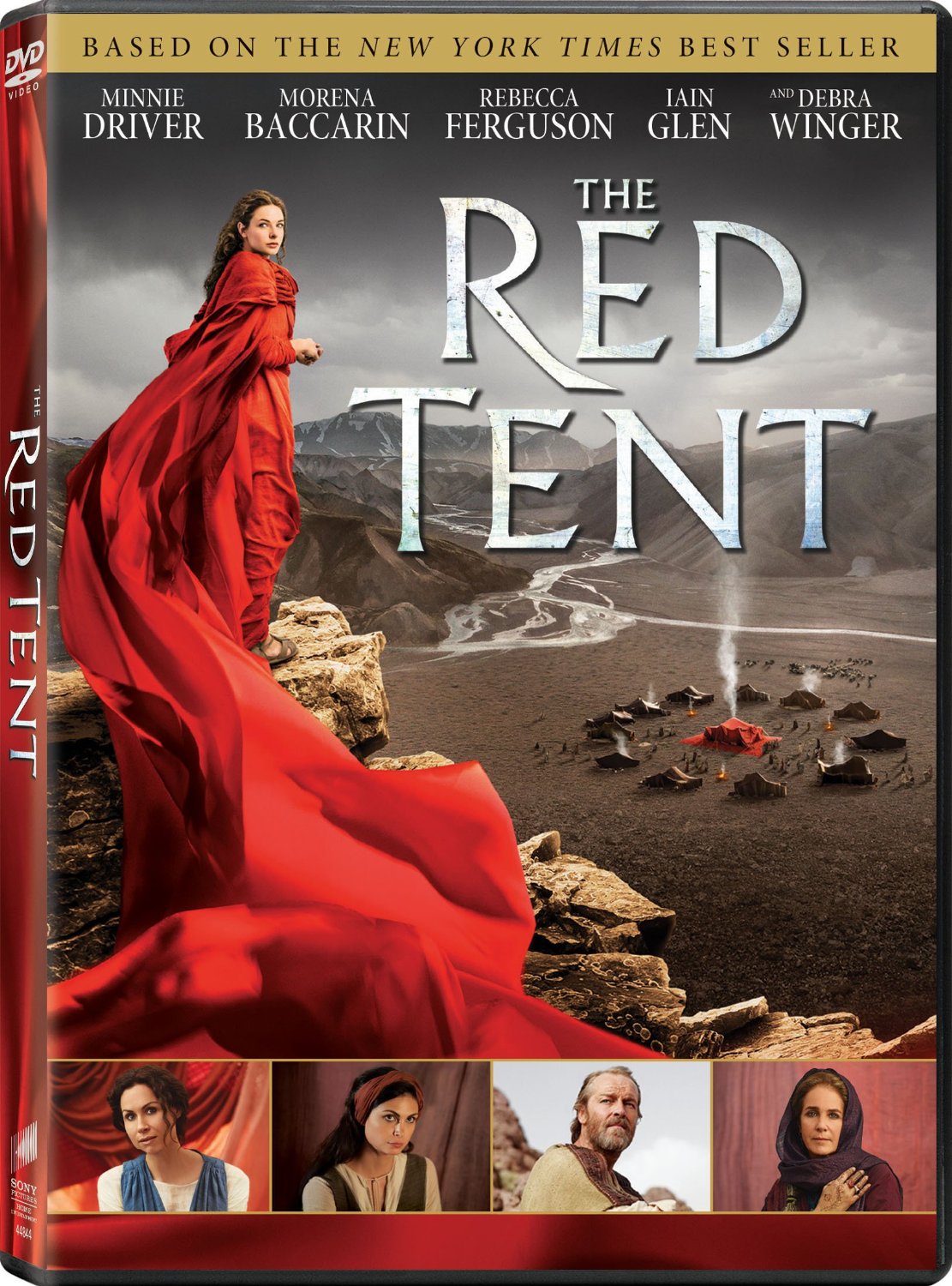
When you think about the biblical stories that have made it onto the big (or small) screen, they tend to focus on names like Jesus, Moses and Noah. (And Moses again, just for good measure.) To be honest, I didn't even realize how few Bible adaptations focus on women until I popped in The Red Tent, a Lifetime miniseries based on Anita Diamant's best-selling novel of the same name. While The Red Tent certainly shouldn't be taken as gospel, it deserves credit for exploring biblical events from a different perspective.

I have multiple bones to pick with this film. Normally I would start at the bottom and work my way up. However, this time I simply feel the need to address what I believe the film’s biggest flaw: giving me a false sense of hope that it might actually turn out to be a decent film. I know, I know, part of this transgression is my own fault given that I am supposed to remain impartial. However, the blame for the monumental disappointment I felt when the credits rolled cannot be put on me alone.

"I'm Leonardo da Vinci. Revolutionary painter, artist and visionary, of the Republic of Florence."

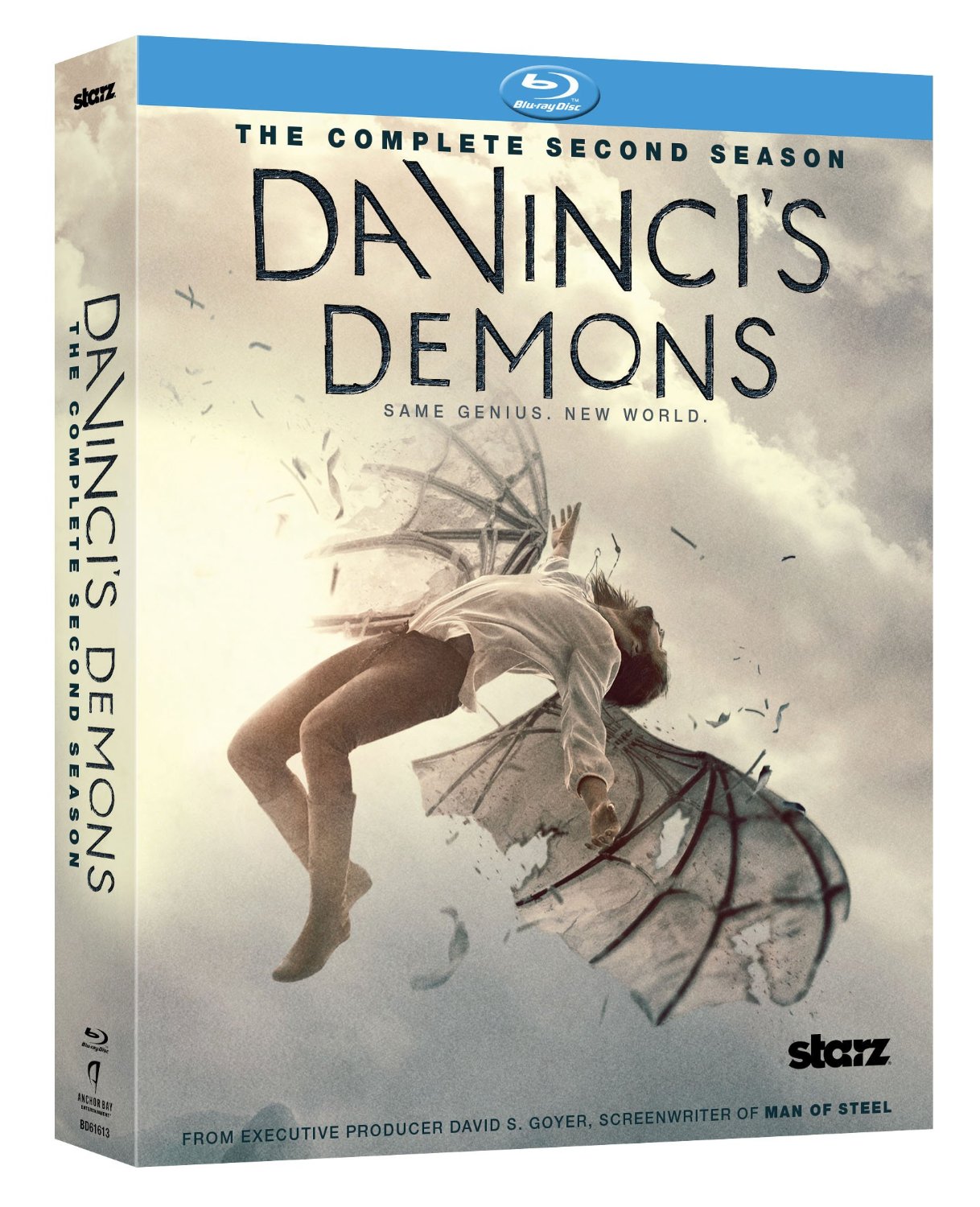
The term “Renaissance man” is often used to describe a person who has a very wide range of interests in which they have become quite skilled. It's taken from the traits of the many artists, innovators and writers of the 15th century. And while the term might well apply to any number of such historical figures, there is none for whom it is more apt than Leonardo DaVinci.