"A mouse can only be friends with a bear in a fairy tale."

And that's exactly what we have here. Ernest And Celestine is a charming little tale told through a wonderful watercolor world of animation. It certainly looks very much like the storybooks I remember reading from as a small child. Indeed, the film is based on a series of book from Belgian artist Gabrielle Vincent. The first book appeared in 1981 and continued for 20 years, delighting children the world over. As an artist it makes some sense that the books had a very unique visual style. The stories were brought to life as much if not more by the images than the words of the stories themselves. It's a world that is captured perfectly by the feature film.

Godfrey Reggio made Koyaanisqatsi in 1983. It was followed by two other films, Powaqqatsi and Naqoyqatsi. The trilogy of films were all scored by Phillip Glass and filmed by John Kane. They are the Hopi Indian words for imbalance, transformation and war. Nothing like them has penetrated the culture to such a pervasive extent. Their subversive content is unchallenged. They stand alone, and to say they are unique is a massive understatement. If you have seen them, you know what I mean. If you haven't seen them or are not aware of them, it is unlikely you ever will see them. They are non-narrative ocular extravaganzas. They are visually and orally spectacular, but there is no story.

When I say there is no story, I mean that each image is a story, and the collective images are for you to decipher. They are probably the most disseminated art projects of the last three decades, but the medium is film. It is highly conceptualized and rigidly thought out, but it is up to you the viewer to truly unlock it. Its meaning is fluid and open to interpretation. In other words, don't see these films if you don't have an open mind.

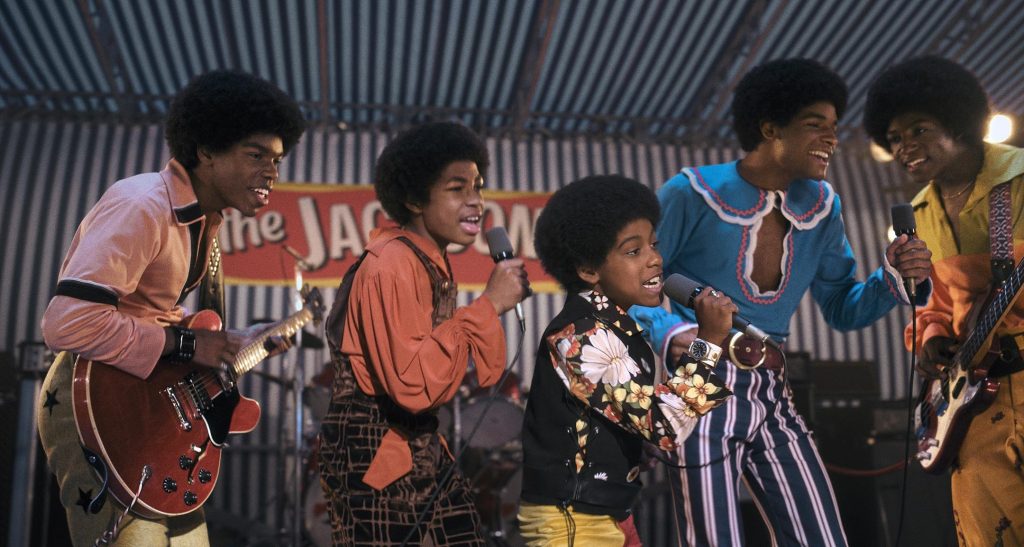
“You sell 100 million records, and see how you handle it.”

If you’ve ever seen an episode of Behind the Music — or followed popular culture at all in the previous century — then you probably know artists tend to not handle that level of success very well. However, the rise and (inevitable) fall of the original Four Seasons lineup is unique for a number reasons. Unfortunately, very few of those reasons are captured in Jersey Boys, Clint Eastwood’s oddly lifeless, workmanlike adaptation of the joyous, wildly-popular Broadway musical.

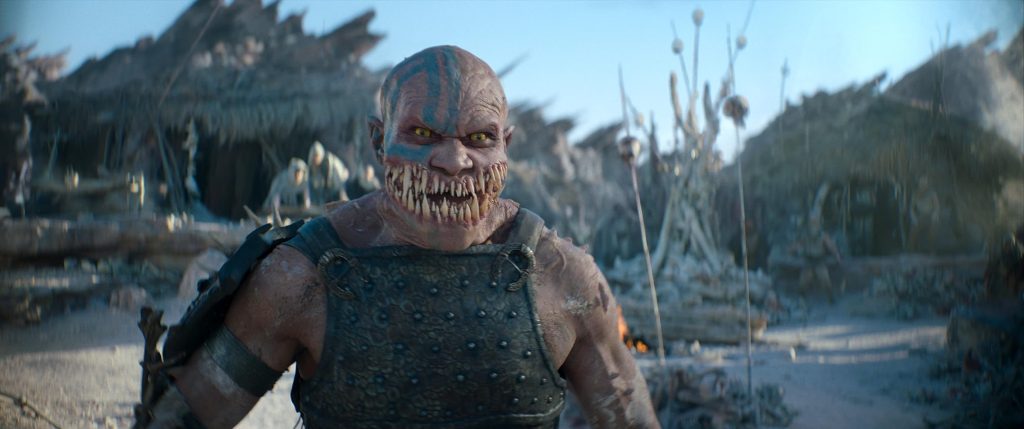
"You should never stop thinking about a life you’ve taken.  That’s the price you pay for taking it."

In 2010 David Michod directed his first full-length feature Animal Kingdom. It was a critical success, and he went on to pick up a Best Director award with the Australian Directors’ Guild.  Now Michod has completed his sophomore effort, The Rover, which does explore some familiar ground with criminal families, but the film takes a more introspective approach to life and what matters most in the world when you believe you have nothing left to lose.

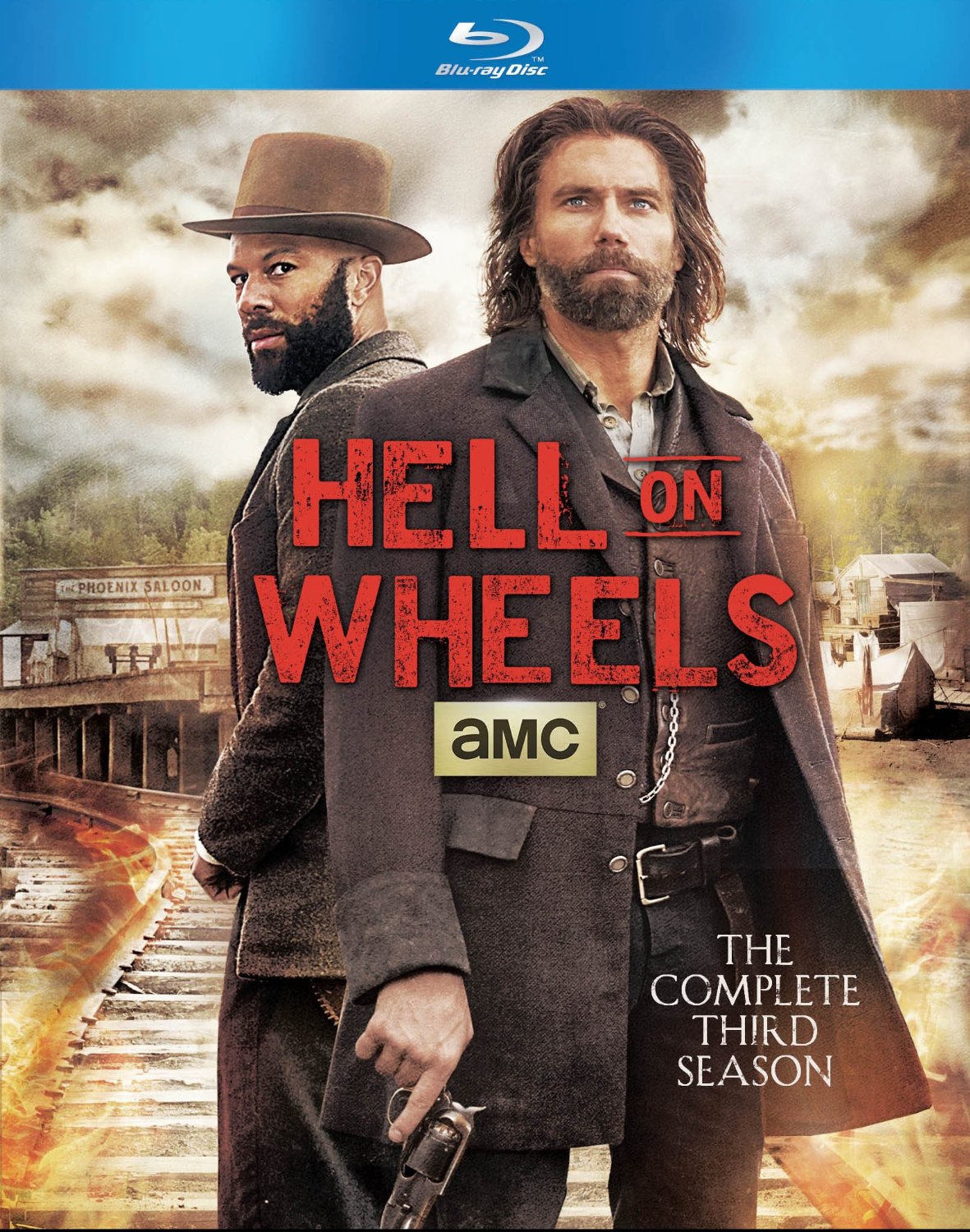
"You're either gettin' or gettin' got".

It's very tricky to make an historical drama. Writers and directors have to carefully balance the needs of entertainment over facts and authenticity. There comes the inevitable moment when they will be in conflict, and a decision must be made as to which direction will have priority in the telling of the tale. It might have been an unfair expectation on my part, but when an historical drama mini-series comes to a place like The Discovery Channel I tend to look for any conflict to be resolved in the favor of historical accuracy. If you were hoping for the same from The Discovery Channel's first scripted production Klondike...well...you'd be, shall we say, inaccurate. We got "gotten".

“I got kids and I work, and it's hard sometimes. But, you know, boilerplate misery...alone in the world...might as well be a maggot sucking a dead cat's face. What's the point?”

That's how Louis C.K. describes his life during a season 3 episode of Louie. And since the FX comedy series — that is only nominally a comedy series — stubbornly and brilliantly defies any sort of easy categorization, the sad-sack declaration is also the best description you're likely to get of what the show is about.

As we get even closer to the release of Michael Bay’s next foray into the Transformers universe with Transformers:Age of Extinction, Shout factory releases yet another series to help whet our appetites. As a kid growing up in the 80’s it was impossible to exist without knowing who Optimus Prime was or being able to hum (if not sing) the theme song to the cartoon.  But since the release of the original cartoon there have been so many spinoffs it’s hard to keep them all straight.  In 2007 Cartoon Network and Hasbro Studios set out to capture the imaginations of a younger audience following the success of the movies.  How does the series stack up to the 80’s classic?

First I just want to get out of the way that I’m not a fan of how they changed the overall look of the Transformers.  Back in the 80’s they had a more box-like look and, well, seemed like more traditional “robots in disguise”.  But in this new series they have more human like features, and a slender look and small waists…Basically the look is just very jarring from the traditional look, and it took some time getting used to.  David Kaye does a decent job with the voice work of Optimus Prime but just doesn’t deliver the commanding tone that Peter Cullen delivered in the original 80’s series.

First I just have to say that the cover art design for this film is one of the best looking covers I’ve seen in a long time.  The fact that they actually took the effort to get an artist to design their cover is simply the first step in sucking the viewer into this 80’s sci-fi/ horror realm. Looking at this cover simply reminded me of the days working in a mom-and-pop video store when most of the horror titles were not just a collage of pictures thrown together in Photoshop, but  instead an artist would be assigned and create these beautiful and amazing covers.

When it comes to Almost Human, writer/ director Joe Begos seems to know exactly what it means to make an 80’s throwback film, and he welcomes the viewer to come along for the ride.  It seems to be a trend with the new up and coming guys in horror to look to the 80’s horror genre, Ti West (House of the Devil) and Adam Green (Hatchet) are just a few of these throwback directors who seem to have a love and appreciation of the time period in horror and embrace it.  Almost Human is a film that belongs on VHS, back in the era when practical effects still ruled the genre.

It's hard to start a series in its fourth season. That's particularly true of today's huge mythology-arc shows that require you to be up to date at all times. Such was the task I found myself facing when we got a copy of Rizzoli & Isles to review. Fortunately, this is one of those pleasant exceptions to the rule. While I'd suggest that newcomers pick up the first three seasons anyway it's not an absolute necessity. So if, like me, you're discovering this one a little late, fear not. They'll be a little work to catch up, but the fun kind.

The premise here is dirt simple. They've taken the buddy cop idea and found a way to work in the forensics science fad and deliver a procedural with a few twists. Angie Harmon plays Detective Rizzoli. She's wanted to be a cop all of her life and is living the dream working with a special unit out of Boston PD. Her best friend in life happens to be Dr. Maura Isles, who is the Chief Medical Examiner for the unit and is played by Sasha Alexander. These are the kind of friends who finish each other's sentences and share a lot of history together. That's not to say they are at all alike.

“You are the most talented, most interesting, and most extraordinary person in the universe. And you are capable of amazing things.”

There’s a worthwhile message in The LEGO Movie about the importance of deviating from life’s instruction book and indulging your imagination. But for me, the biggest thrill came from the way it became the first film without Toy Story in its title to tap into the anarchic (and anachronistic) spirit of playing with toys.